______
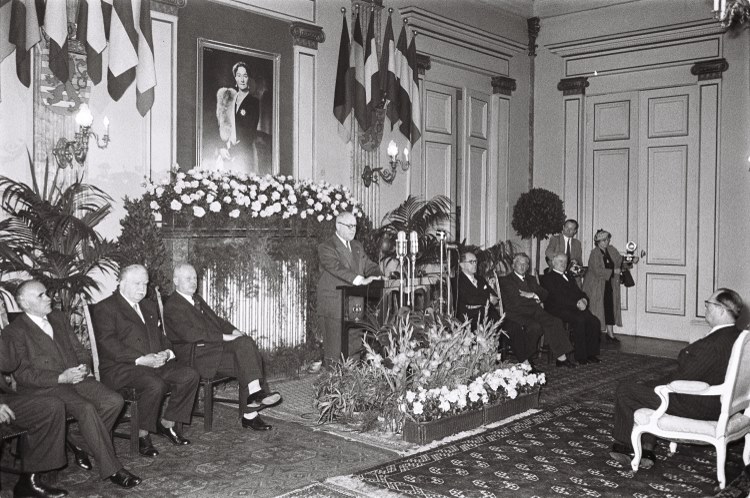
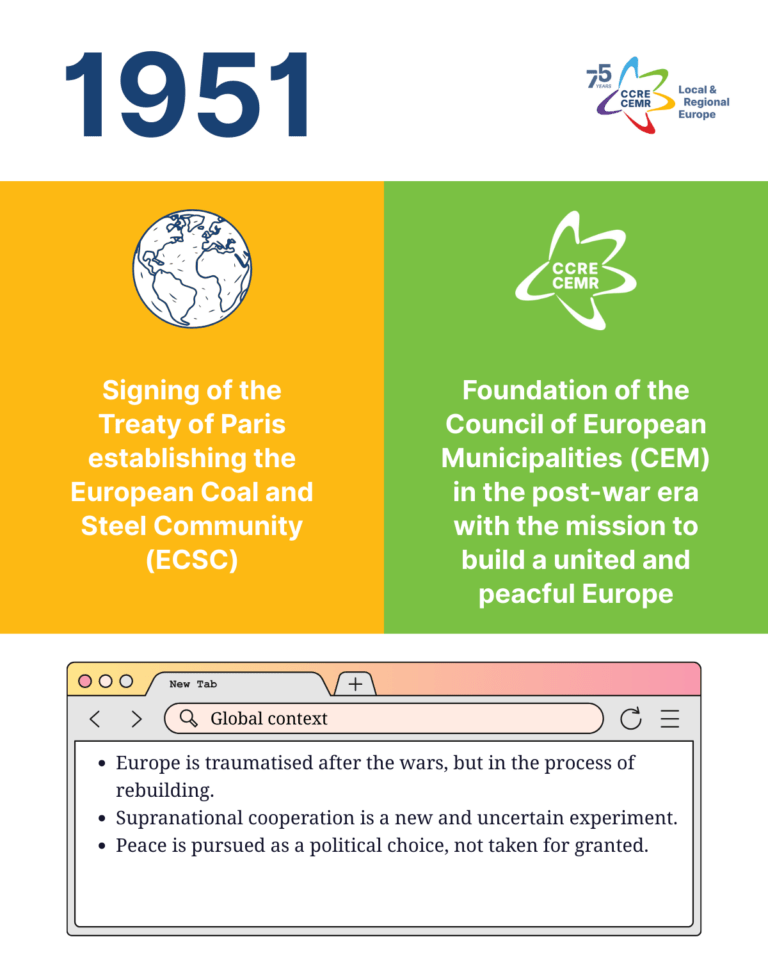
On 28 January 1951, a group of mayors and local representatives from Benelux, Denmark, France, Italy, Switzerland, and West Germany founded the Council of European Municipalities (CEM) in Geneva.
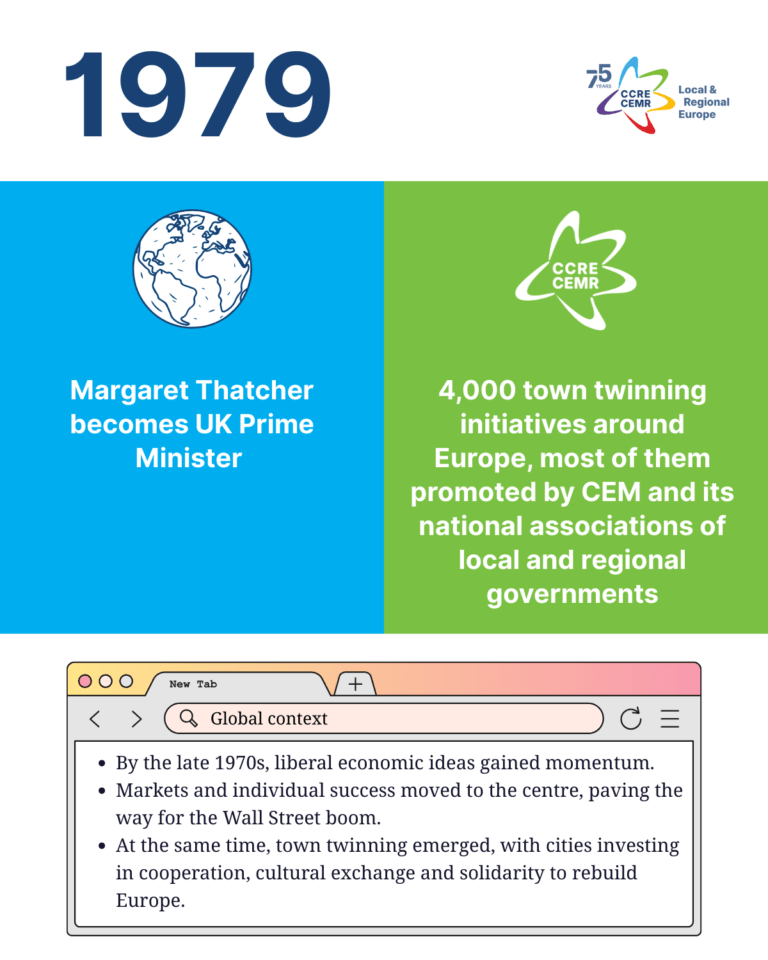
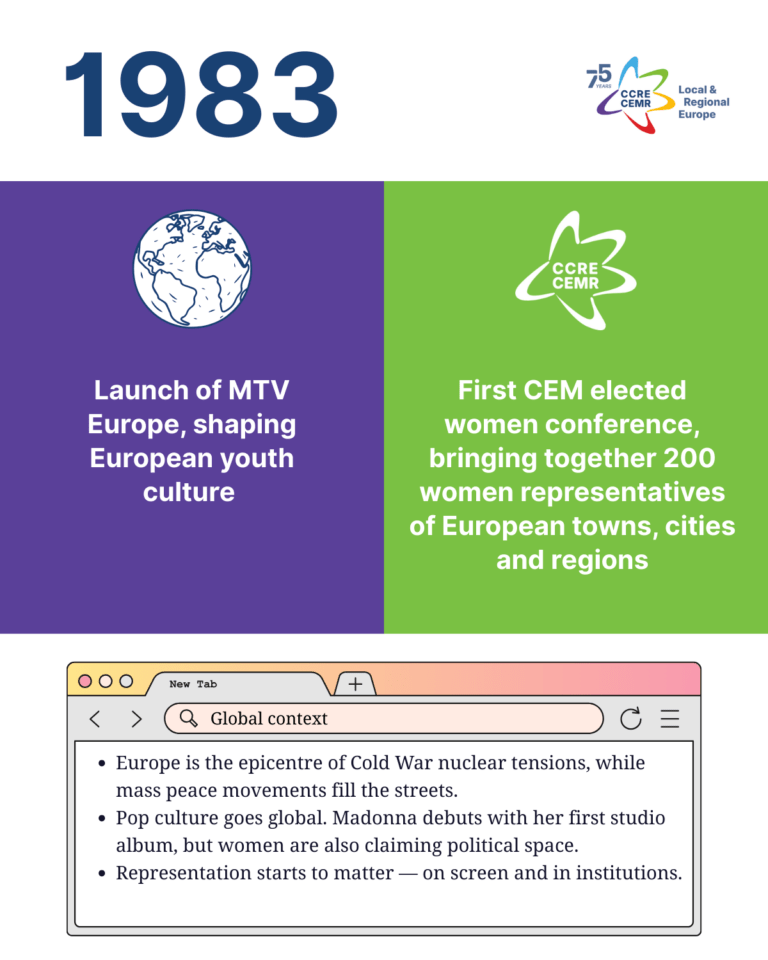
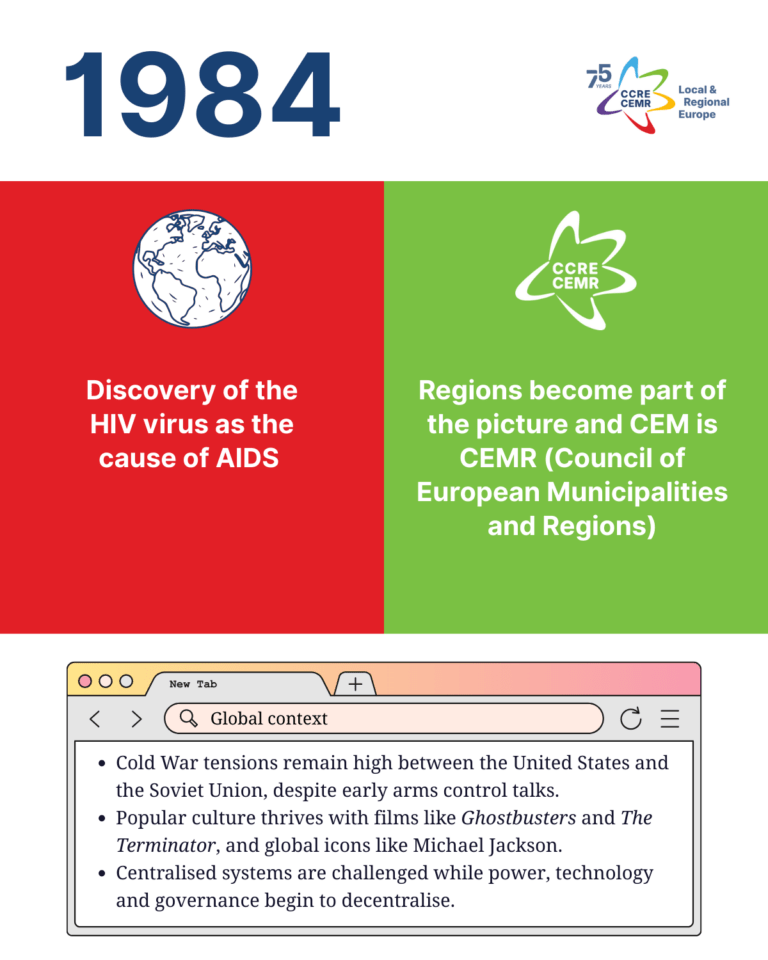
Mayors and local representatives saw the importance of building a cross-border network of cooperation and solidarity. CEM’s early actions materialised in the inauguration of the Town Twinning programme to foster peace, dialogue and post-war reconciliation. In 1984, the “R” was added to include regions and counties to recognise the powers regions had acquired, namely in Belgium, France, the United Kingdom and Spain.
As a champion of local democracy and autonomy, CEMR has shaped Europe for 75 years, and its sixty member associations collaborate and work on a wide range of issues, including governance, territorial development, inclusion, gender equality, climate and energy transition.
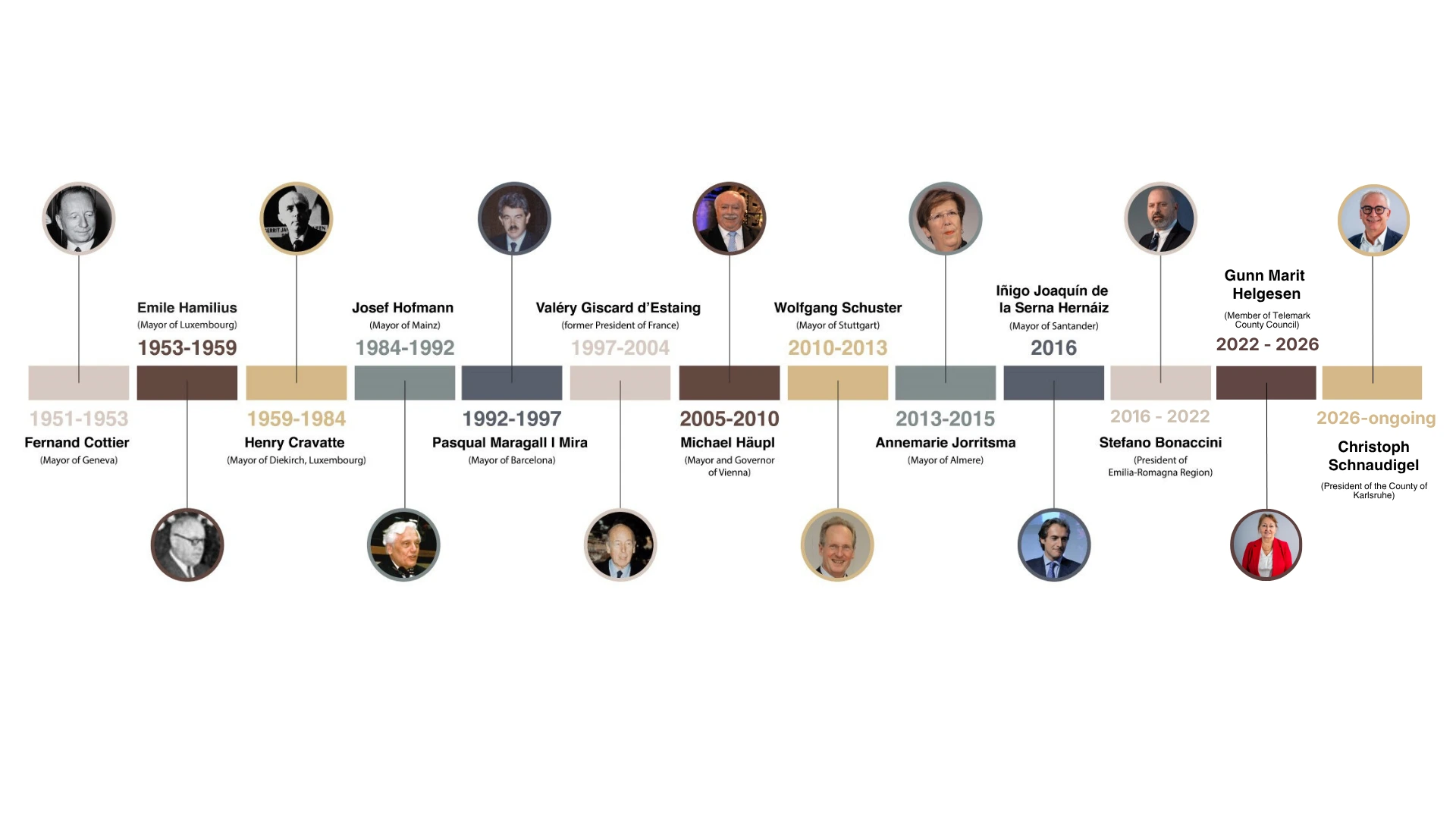
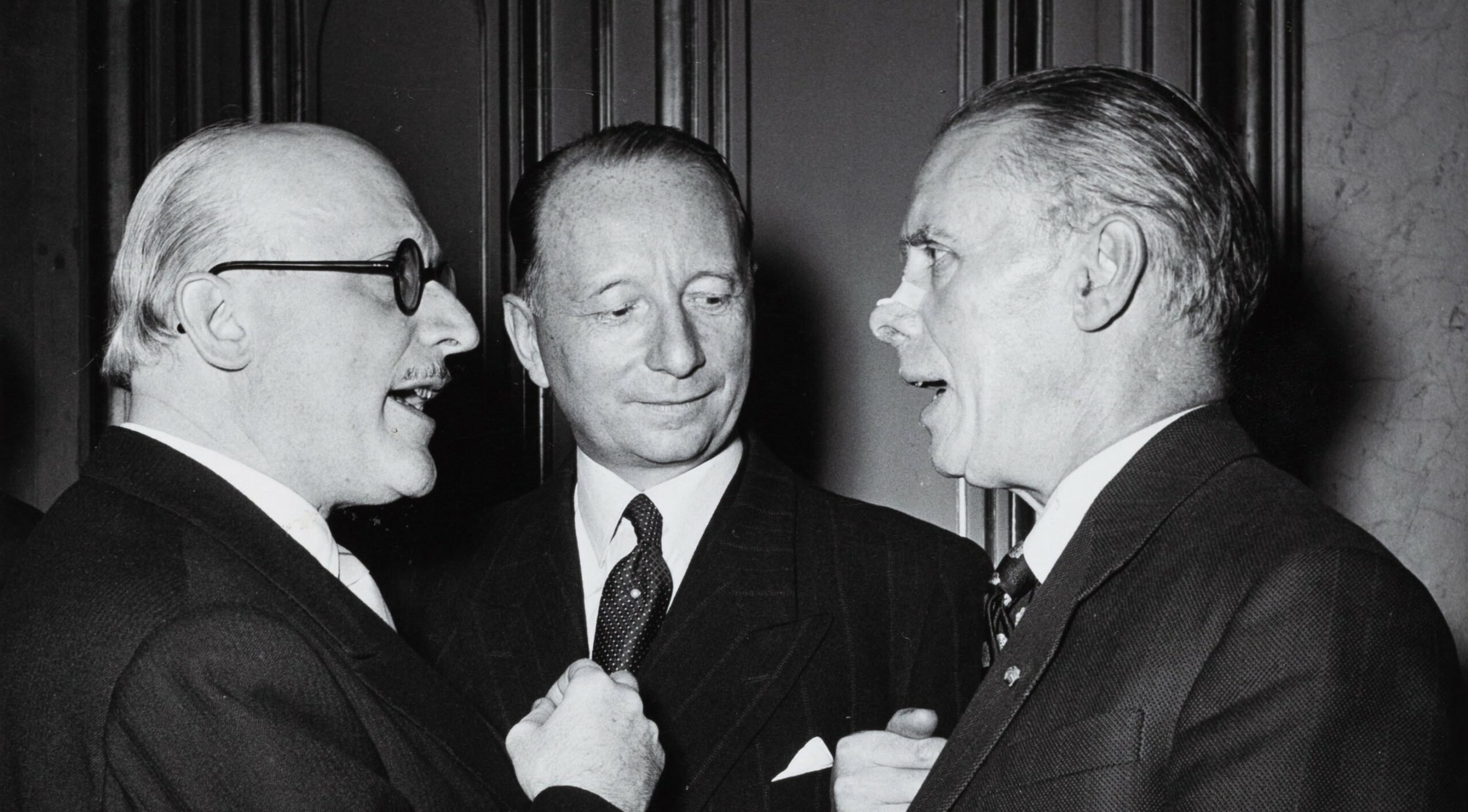
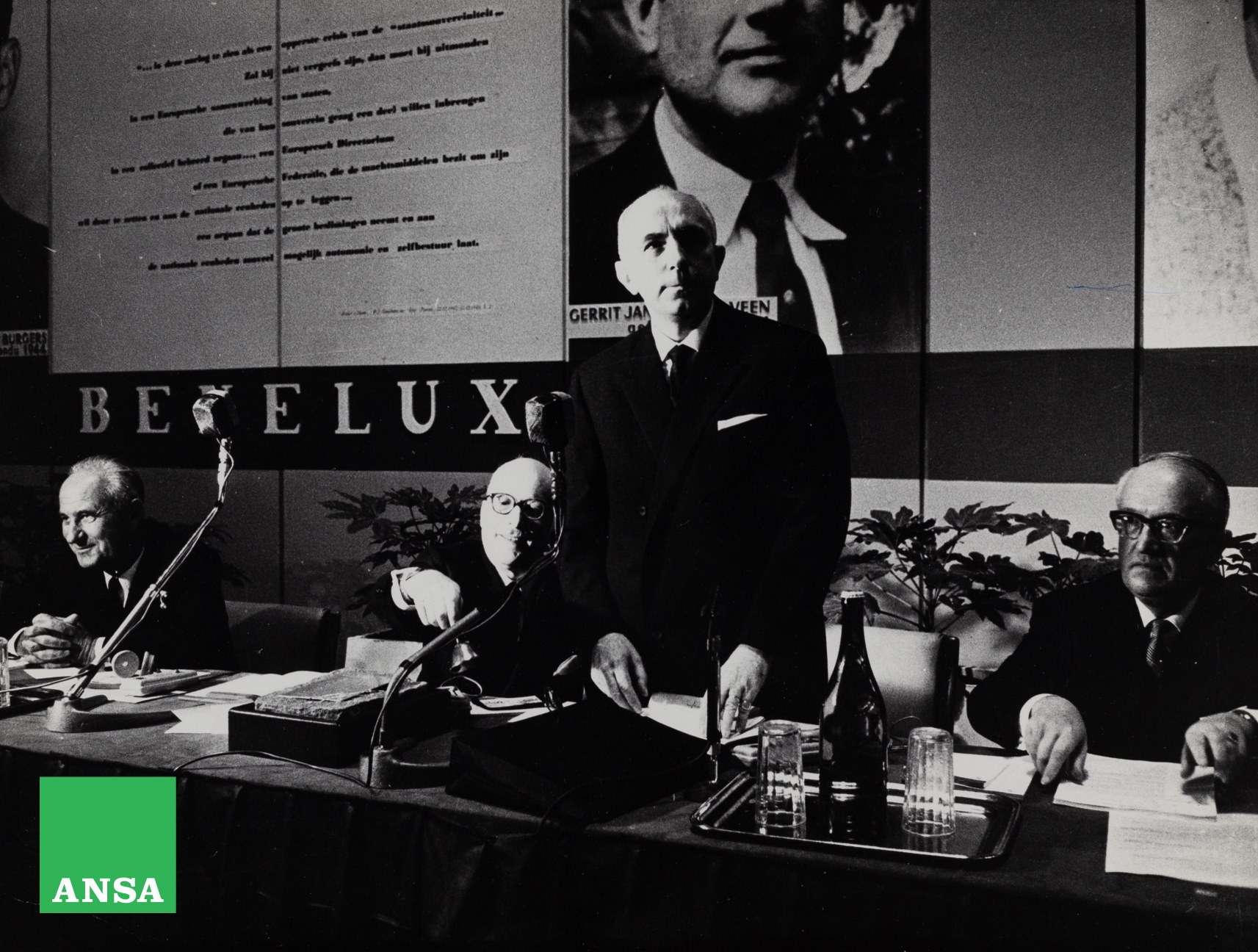
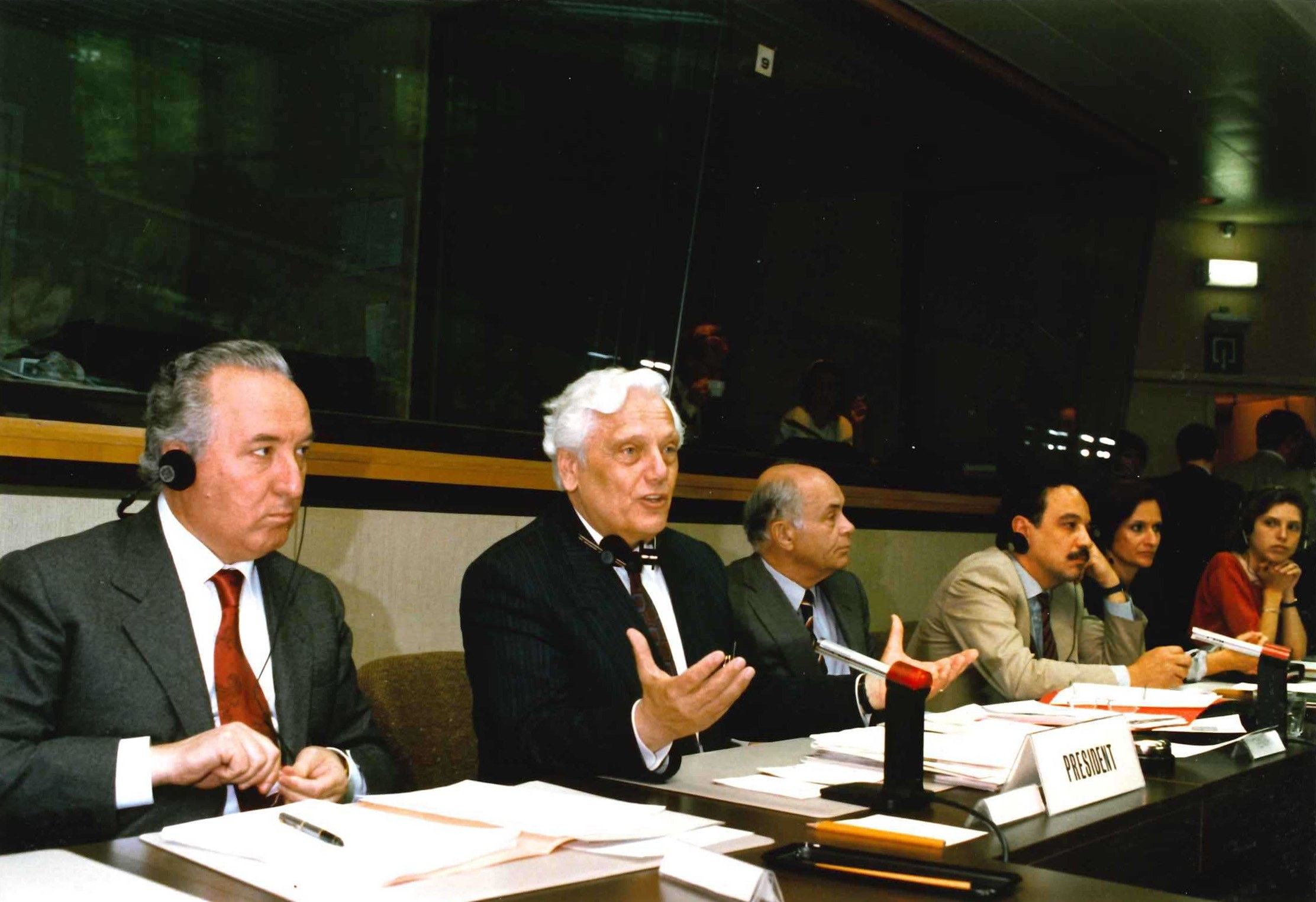
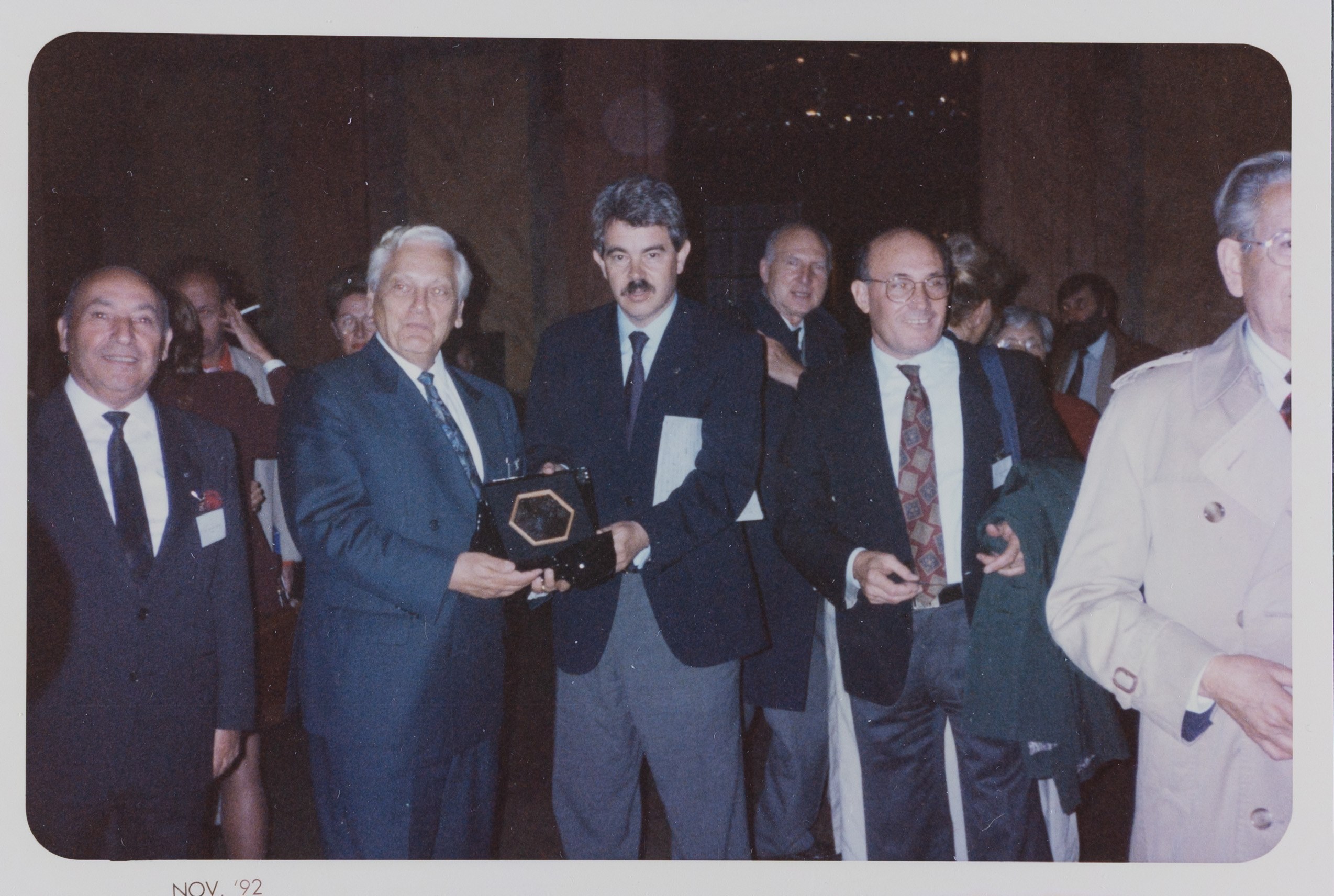
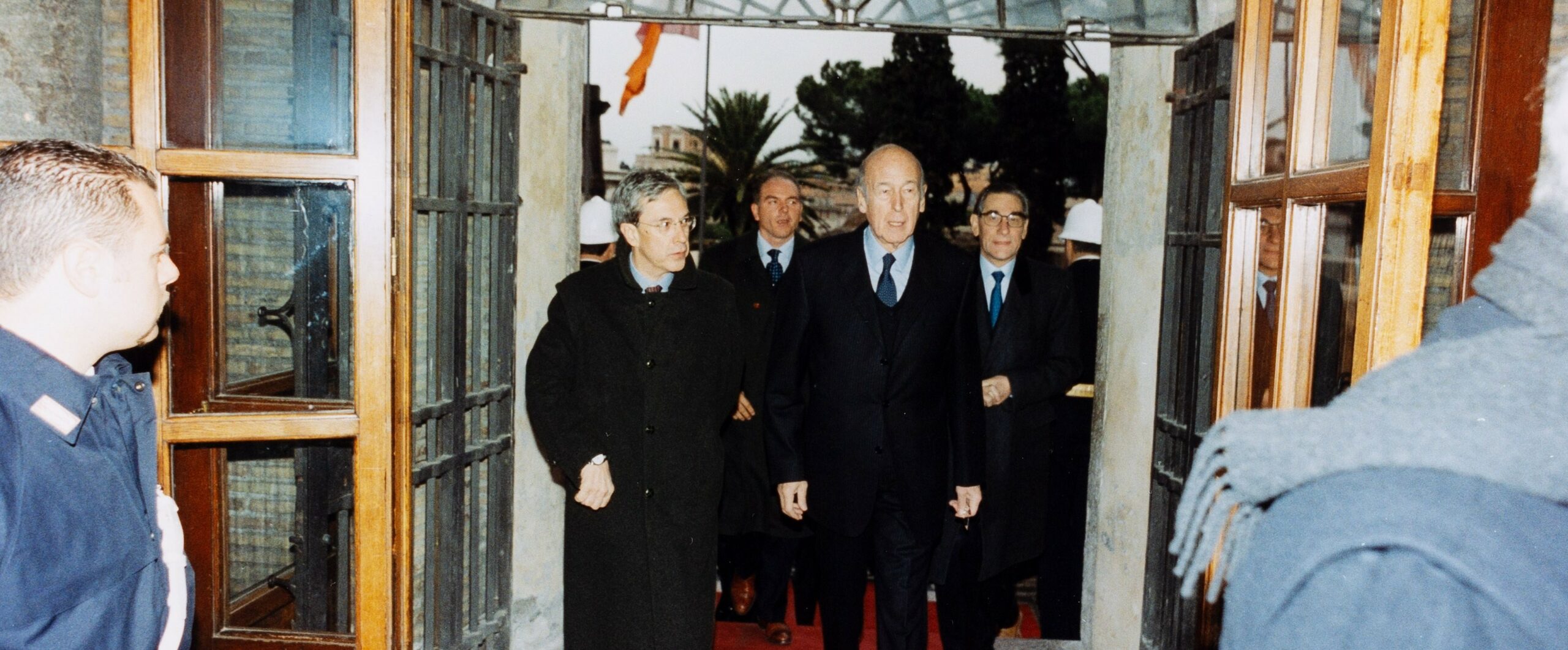
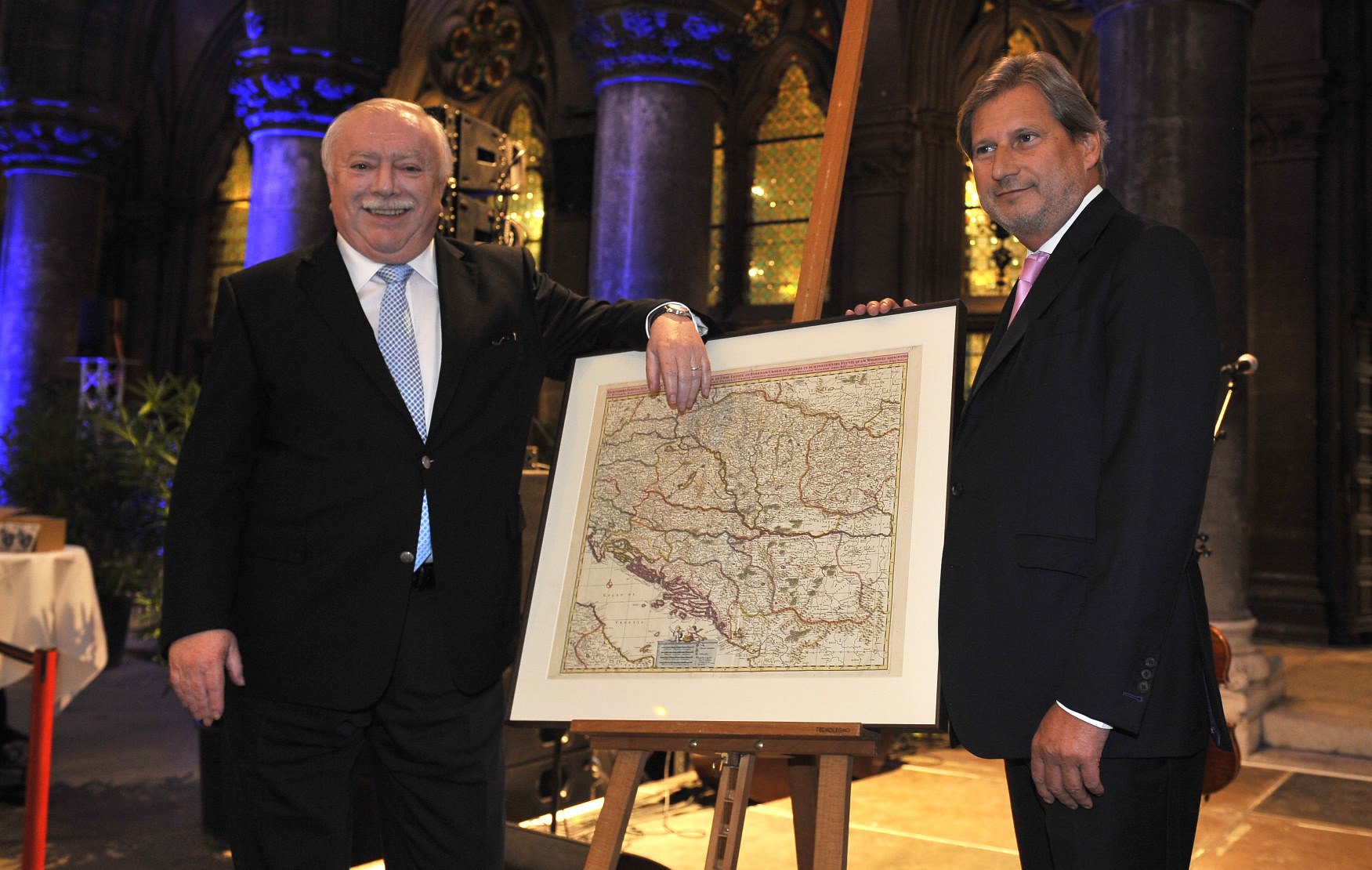
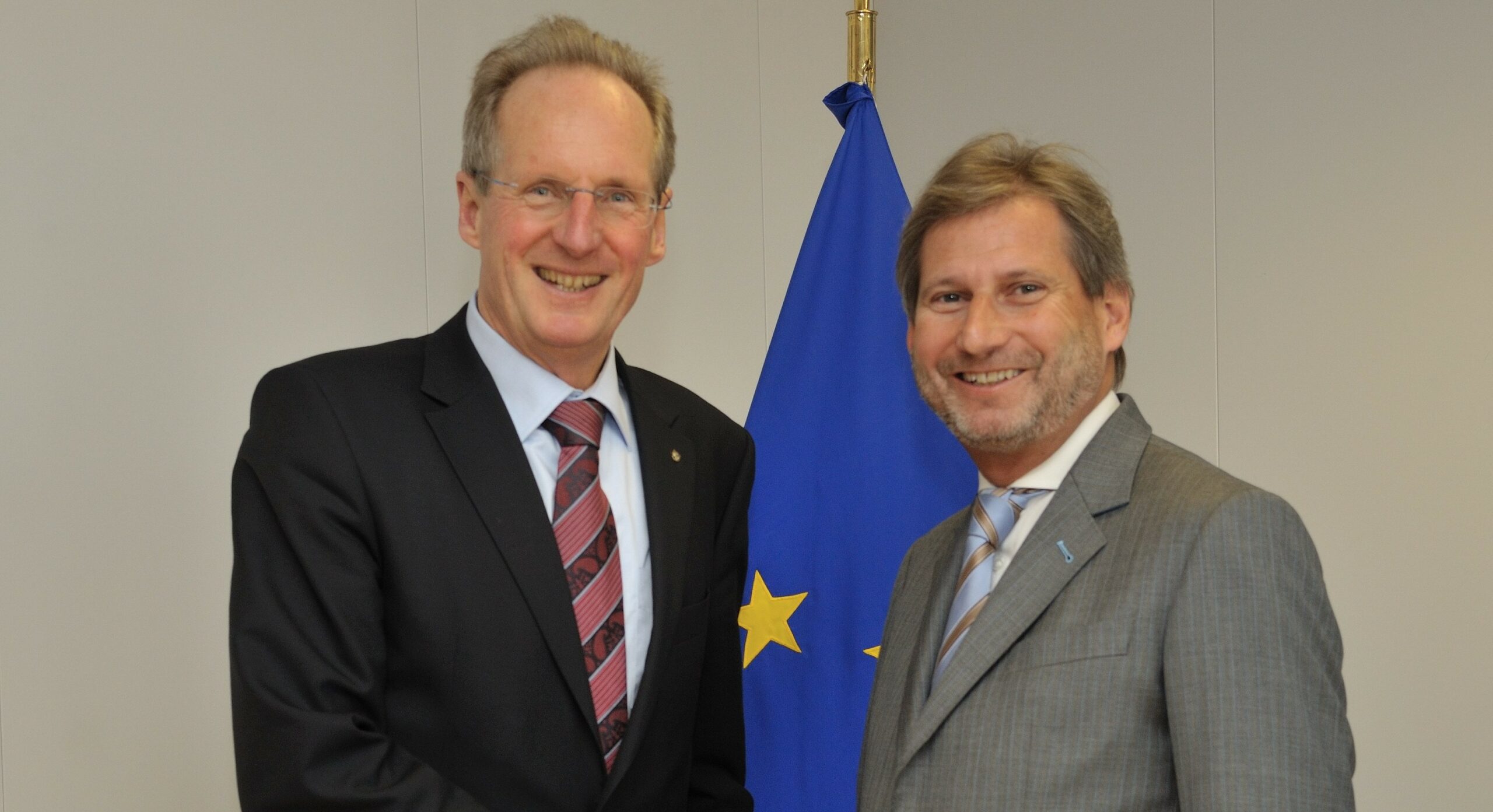
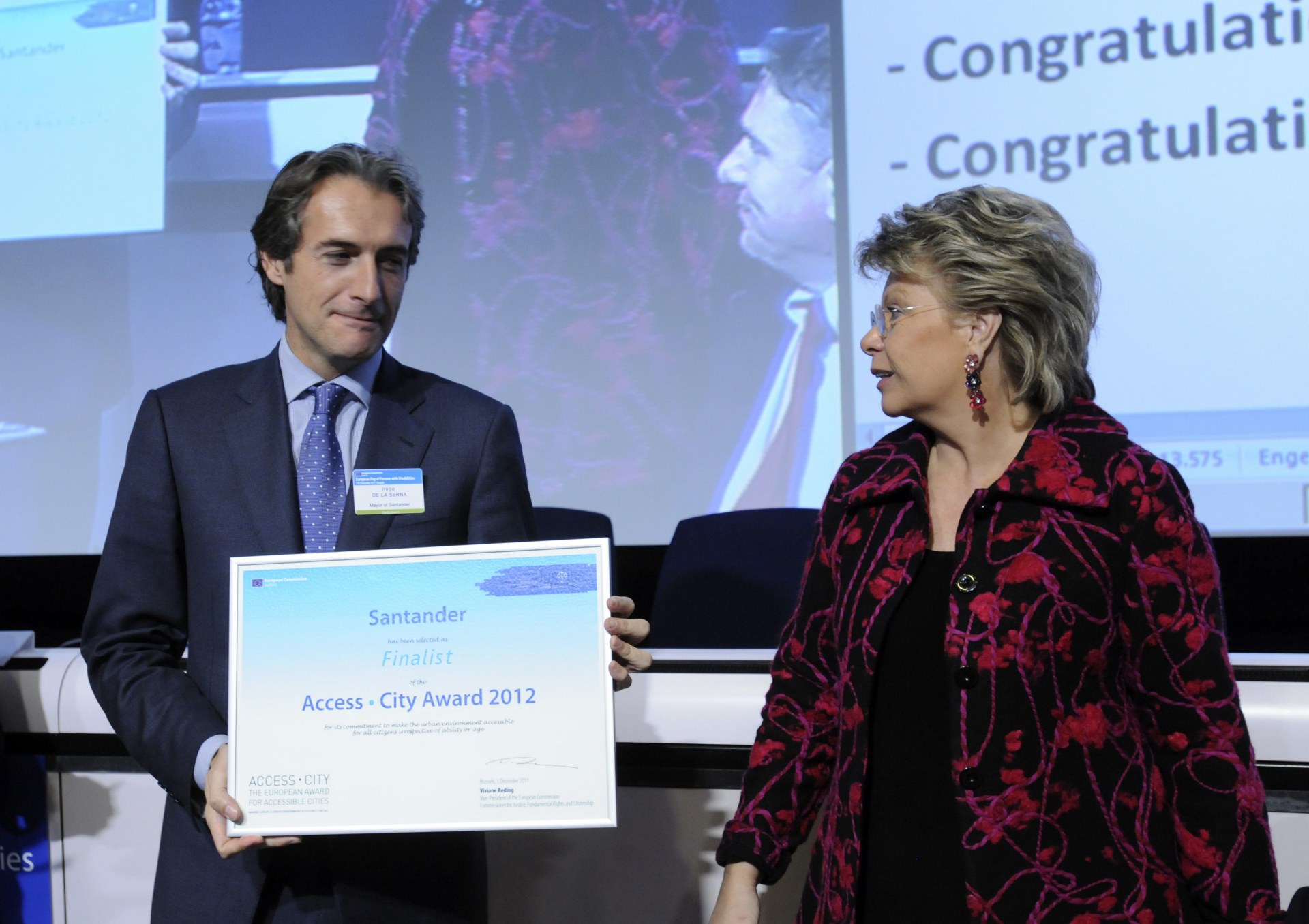
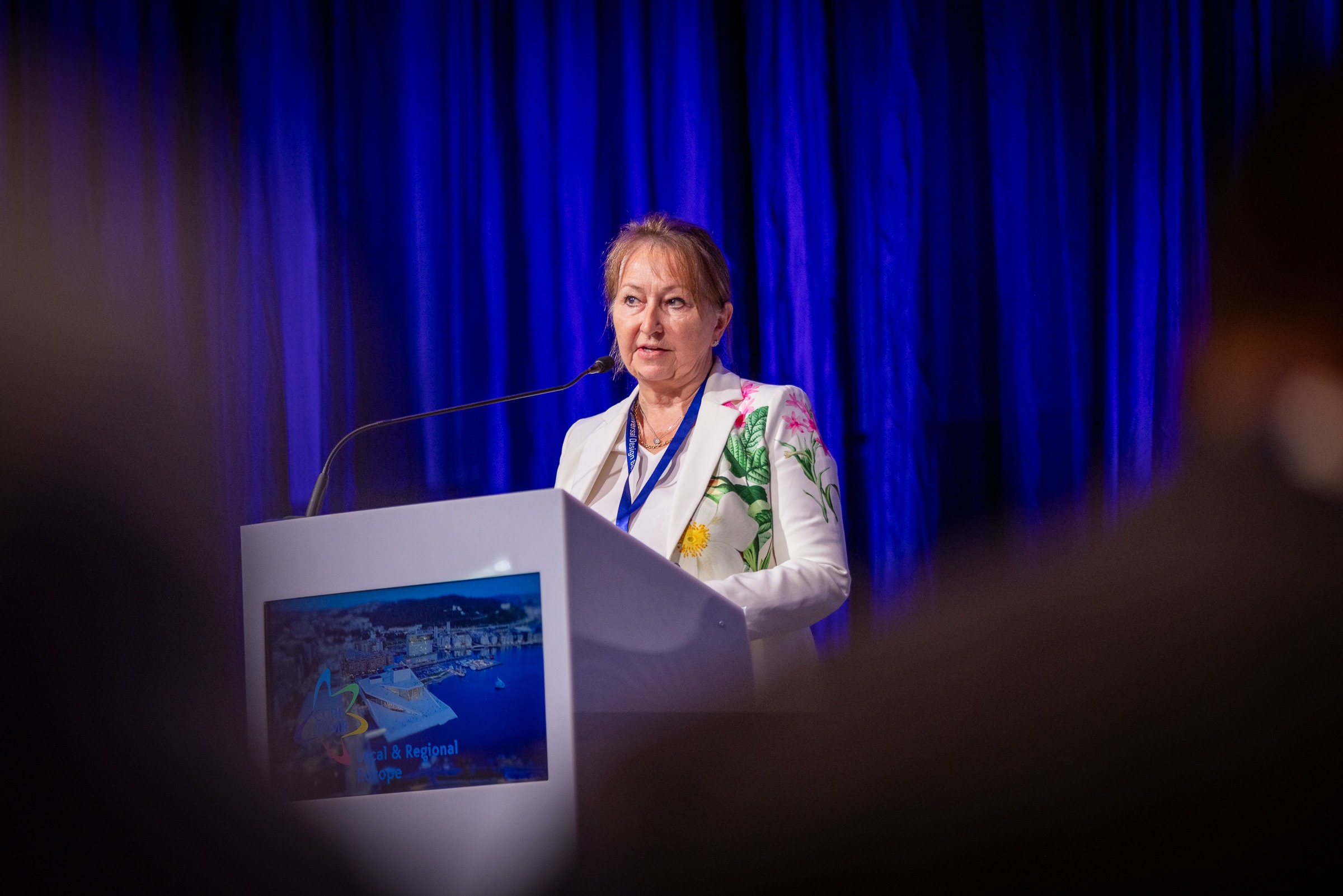
The Historical Archives of the European Union in Florence, home to the archives of CEMR, contributes by exploring 75 years of CEMR’s life through the lens of its twelve presidents.