CEMR calls for a territorial approach to Europe’s climate resilience
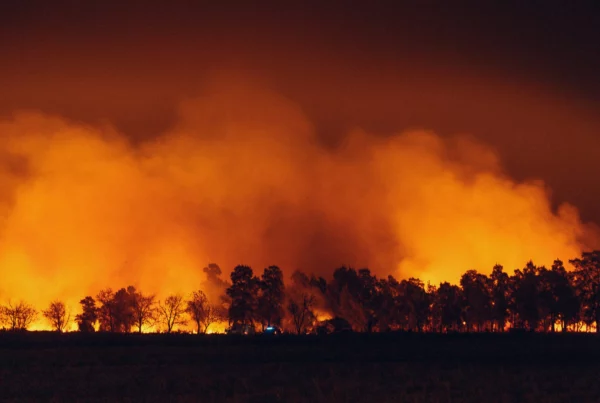
Europe is the fastest-warming continent in the world. Heatwaves, floods, droughts and extreme weather events are already affecting communities, infrastructure and ecosystems across the continent — with impacts that vary widely from one territory to another. In this context, climate adaptation has become an urgent priority for towns, cities and regions, which are on the frontline maintaining essential services and strengthening resilience on the ground.
While the European Commission is currently developing a new integrated framework for European Climate Resilience and Risk Management, CEMR has published a new policy paper, Adapting Together – A territorial approach to resilience and risk management, setting out concrete recommendations to strengthen Europe’s approach to climate adaptation and preparedness.
A new policy paper: Adapting Together
The policy paper highlights a clear reality: local and regional governments already implement the vast majority of adaptation measures, yet their role remains insufficiently recognised and supported in EU and national frameworks. The paper calls for a territorial approach to climate resilience, grounded in multi-level governance and built around six key priorities:
- Empowering local and regional governmentswith clear mandates and flexibility to act;
- Strengthening local capacity through better access to data, tools and peer learning;
- Securing predictable and accessible funding for adaptation investments;
- Improving preparedness and disaster risk management;
- Restoring ecosystems and scaling up nature-based solutions;
- Ensuring water resilience through integrated, locally driven water management.
By combining horizontal enablers (governance, capacity and finance) with sector-specific recommendations, the paper demonstrates how empowering towns, cities and regions is essential to Europe’s overall resilience.
Towns, cities and regions at the frontline of adaptation policies
Ronan Dantec, CEMR spokesperson for Climate, underlines: “Today, it is urgent to recognise that adaptation to climate change is pivotal for municipalities and regions of all sizes. Investing in sustainable infrastructure and using our resources more efficiently is not just an option, but an imperative for securing a thriving future for all.”
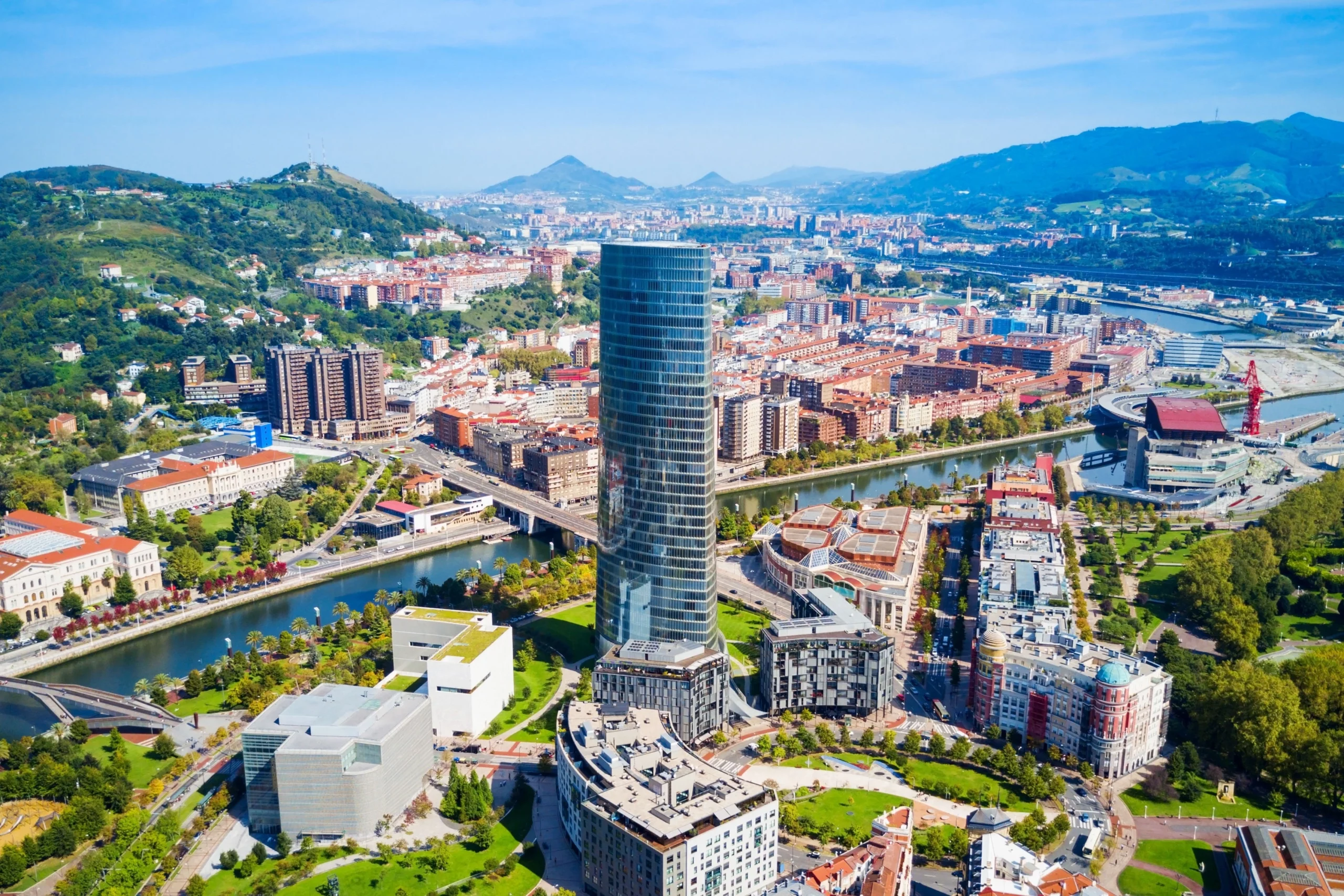
Climate impacts are inherently local. Even within the same country, risks can differ significantly between urban and rural areas, coastal and inland regions, or northern and southern territories. Towns, cities and regions are therefore best placed to:
- Assess local climate risks and vulnerabilities;
- Protect vulnerable populations;
- Plan and manage resilient infrastructure;
- Ensure continuity of essential services such as water, transport and energy;
- Deliver nature-based solutions and ecosystem restoration.
Their proximity to citizens also allows them to integrate social resilience into adaptation policies, ensuring that no one is left behind as climate impacts intensify.
Preparing for the EU’s upcoming integrated framework on climate resilience
CEMR’s policy paper comes at a key political moment, as the new integrated framework for European ClimateResilience and Risk Management is expected to be adopted by the European Commission in the second half of 2026. It will aim to establish a comprehensive and coherent EU approach to climate resilience and preparedness.
The ongoing public consultation of the European Commission on the future integrated framework, includes a set of questions covering resilience-by-design across EU policies; harmonised and comparable climate risk assessments; funding for adaptation; support for local and regional level, consideration of climate-related health impacts.
CEMR is currently developing a response in cooperation with its expert group, requesting that towns, cities and regions are recognised not only as implementers, but as strategic partners in the design, financing and monitoring of this future framework. The consultation is open until 23 February 2026. CEMR encourages its members to participate and make their voices heard.
For more information contact:

Advisor – Environment and mobility