
Lessons learned from the project FOSTER on climate

Climate - News

Climate change impact mitigation: what about the role of participatory democracy? Lessons from the FOSTER Project 
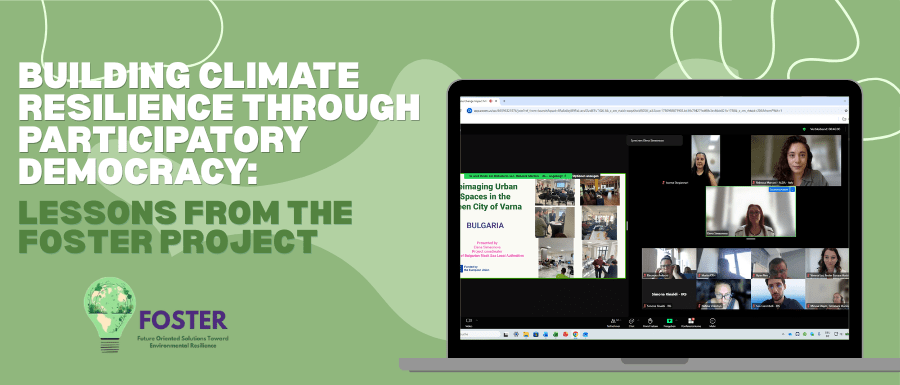

On 9 June 2026, the FOSTER project brought together policymakers, researchers, civil society organisations and citizens from across Europe for an online conference to answer the following question: how can local communities become more resilient to the long-term impacts of climate change through democratic participation? 

Hosted by the partner Foster Europe Foundation, the event offered a unique opportunity to showcase the results achieved throughout the project while fostering a broader discussion on the role of participatory democracy, strategic foresight and collaborative governance in addressing climate-related challenges.

A central part of the event was dedicated to the presentation of the local pathways developed by FOSTER partners: Association of Romanian Municipalities (Romania), Comparative Research Network – CRN (Germany), Foster Europe (Austria),  IASIS (Greece), Istituto per la Ricerca Sociale – IRS (Italy),  NOTUS (Spain), Union of Bulgarian Black Sea Local Authorities – UBBSLA (Bulgaria), with the support of ALDA and CEMR.

Participants had the opportunity to explore the case studies, exchange perspectives and reflect on the lessons learned in the project. The presentations demonstrated how strategic foresight can become a powerful tool for communities to anticipate future challenges and transform them into opportunities for collective action and highlighted both the potential and the challenges of participatory climate governance.

Despite the diversity of local contexts, several common challenges emerged from the case studies. Participants highlighted the increasing vulnerability of urban areas to extreme weather events, the unequal distribution of green infrastructure, the need to protect and regenerate public spaces, and the importance of ensuring that climate adaptation measures also address social inclusion and quality of life.

Strategic foresight as a key tool for engaging with local stakeholders

The FOSTER local pathways demonstrated how participatory foresight can help communities move beyond short-term responses and engage in long-term thinking. Through workshops, scenario-building exercises and co-design activities, citizens, civil society organisations and local authorities worked together to identify future risks and develop locally grounded solutions. These ranged from urban greening interventions and climate-resilient public spaces to sustainable housing strategies, stronger governance mechanisms and new forms of civic participation.

The project also highlighted the importance of building trust between citizens and public institutions. Involving municipal representatives directly in the participatory process helped create constructive dialogue and increased the legitimacy of the proposed solutions. At the same time, participants recognised that maintaining engagement over time remains a challenge. Project’s partners highlighted the phenomenon of “participation fatigue”. Discussions confirmed that citizens are willing to engage in climate-related decision-making when they can clearly understand the purpose of the process and when their contributions are translated into concrete actions.

Another key lesson emerging from the conference and the project was that participatory processes alone are not sufficient. Long-term impact requires institutional commitment, supportive legal frameworks, coordination among stakeholders, and mechanisms that ensure the implementation of the solutions developed collaboratively. As several speakers noted, participation is most effective when it becomes an integral part of governance rather than an isolated project activity.

Together, these contributions reinforced one of the key messages emerging from the FOSTER project: addressing climate change requires governance models that combine long-term thinking, community participation and cross-sector collaboration. Resilient communities are built through inclusive decision-making processes that empower citizens to actively anticipate and shape their futures while co-creating practical and inclusive responses.

Recordings from the Conference:

For more information, contact:

Municipal energy solutions

Municipalities demonstrate the value of locally powered homegrown energy


In a time of geopolitical uncertainty, municipalities are key to Europe’s energy independence by advancing local renewables with communities. The EU Covenant of Mayors is mobilising local leaders to scale community energy and keep benefits local. 

Over the past five years, geopolitical conflicts have twice driven up energy prices for Europeans, exposing Europe’s fossil fuel dependence and vulnerability. European Commission President Ursula von der Leyen has warned that the recent war in Iran is costing the EU 500 million euros per day. As oil and gas prices climb, households and businesses across Europe feel the consequences.

The answer is becoming increasingly clear for Europe: producing more renewable energy at home.

This vision is clearly outlined in the European Commission’s recently released AccelerateEU communication, responding to the EU’s rising energy costs on volatile fossil fuel markets and aims to accelerate the clean energy transition and strengthen our energy resilience, one of its pillars being ‘more homegrown energy’.

But this transformation will not happen only at national level. It will also be built locally – in cities, towns, and villages across Europe – where local authorities can work with local communities to build Europe’s homegrown energy future from the ground up.

The local dimension of homegrown energy

Local governments are uniquely placed to turn nearby resources like sun, wind, and water into affordable, reliable power for their communities.

Homegrown energy protects residents from global price shocks by reducing dependence on imported fossil fuels. It strengthens energy security, giving communities more control over supply. It also helps municipalities meet climate goals faster, bringing everyone along in the journey, while keeping the economic value of the energy transition within the local economy.

That means lower and more stable bills, new jobs, and stronger public trust in the transition.

Across Europe, municipalities are dedicated to advancing homegrown energy, using a wide array of tools, as demonstrated by EU Covenant of Mayors signatories.

Community energy: homegrown and powered by us

One of the most effective tools local governments have for this is community energy – where citizens, municipalities, and local businesses produce, co-own, and manage renewable energy together. Community energy is homegrown energy in its purest form. It gives people ownership over their energy future, stable pricing, and a direct share in the benefits.

Recognised in the European Commission’s Citizen Energy Package, more than 8,000 energy communities already exist across Europe. Their potential is enormous: by 2030, they could scale tenfold and help supply 25 to 30 million households.

Community energy projects are often carried by citizens, but municipalities can also get involved, help drive the project and at times even lead it. When they do, the impacts tend to be broader and more far-reaching, helping these communities reach their full potential.

Across Europe, local governments of all shapes and sizes – from urban cities and towns to rural villages – are showing how municipal leadership makes community energy stronger.

How municipalities can lead

The first and simplest way for a municipality to lead, is just by making it easier for those driving the project. Setting up an energy community comes with many legal and technical challenges. 

Municipalities can help by simplifying procedures, connect stakeholders, raise awareness, and provide technical guidance.

In Valencia, Spain, a network of local energy offices has helped create ten citizen-led energy communities since 2020 through sustained outreach, expert advice, and direct support for residents.

In Siena, Italy, local authorities supported the development of a local energy community by mapping suitable public spaces and helping to streamline administrative procedures. They also established a technical working group with academic and institutional partners to put in place a stable, non-profit governance structure, playing a key role in setting up the initiative and guiding its early development.

Second and a bit more advanced, municipalities can directly lend a hand and support those establishing the community.

They can unlock public assets, provide financing support, and offer practical resources that communities may lack.

In Heilbronn, Germany, the municipality rented public rooftops to cooperative EnerGeno in exchange for cheaper electricity. What began as a simple arrangement evolved into a long-term climate and energy partnership.

In the rural catalonian village of Bellpuig, Spain, the municipality made rooftops and public space available for solar installations and EV charging, while supporting the cooperative that now produces more than 490 MWh of renewable electricity each year.

To go even further, municipalities can directly get involved and directly lead community energy projects

For those wishing to go the extra mile, they can directly join energy communities and co-invest. When there is limited awareness and proactivity around community energy, municipalities can also themselves initiate and lead the project, setting the example.

In the rural Basque town of Ispaster, Spain, the municipality became a member of its local energy community, reinforcing trust and long-term commitment.  

In Križevci, Croatia, the municipality partnered with a local energy cooperative to launch a crowdfunding campaign for the development of solar power plants in the city centre and library. These campaigns for a solar roof project raised the required funds within days and showed a strong citizen interest in renewable energy.  

When local authorities participate directly, they send a strong signal that community energy is a shared priority.

Beyond community energy

Community energy is one of the strongest tools available, but it is not the only one. Municipalities can also promote homegrown power through strategic procurement, public-private partnerships, flexibility schemes with grid operators, digital energy management, building renovation, demand reduction, and neighbourhood micro-grids.

Valencia, for example, integrates social and green criteria into energy procurement, while Ispaster operates a hybrid microgrid supplying buildings and households with renewable heat and electricity backed by storage.

Meaningful leadership does not need to start large. It can begin with one school roof, one housing block, or one street.

Unlock your power with homegrown energy

Europe’s energy future does not need to be imported. It can be produced locally, owned collectively, and designed to serve communities first – homegrown and powered by us.

Municipalities are uniquely placed to lead this transition. The EU Covenant of Mayors is spotlighting all the ways in which local leadership is powering Europe’s clean, affordable and independent energy future. Follow to find out more.

Is your municipality doing something to promote homegrown energy? 

Join the movement – share your story.

For more information, contact:

Training on Strategic Foresight

AI - News Section

CEMR and EUI join forces to prepare leaders for future challenges


CEMR has teamed up with the European University Institute (EUI) to offer a dedicated training on Strategic Foresight, designed for professionals working across public institutions and local and regional government networks. The course will take place online on 22 April, 28 April and 5 May 2026, followed by a three-day in-person residential segment in Brussels on 11, 12 and 13 May 2026. Participants are expected to attend both the online sessions and the face-to-face training, which together include around 25 hours of interactive learning. 

The course gives practical tools to better anticipate change, assess long-term risks and opportunities, and make more informed policy decisions in uncertain methods can support planning, governance and everyday strategic work. 

The training offers public officials, NGO staff and professionals across sectors a practical opportunity to sharpen their strategic skills and exchange with peers from across Europe. It forms part of CEMR’s broader work to strengthen the capacity of local and regional governments and connect its network with leading European knowledge institutions such as the EUI. 
 
More information and registration details are available on the EUI website.

For more information contact:

Covenant of Mayors Ceremony on climate and energy

Covenant of mayors - Ceremony 2025

500 European mayors gathered to talk about local climate and energy transition


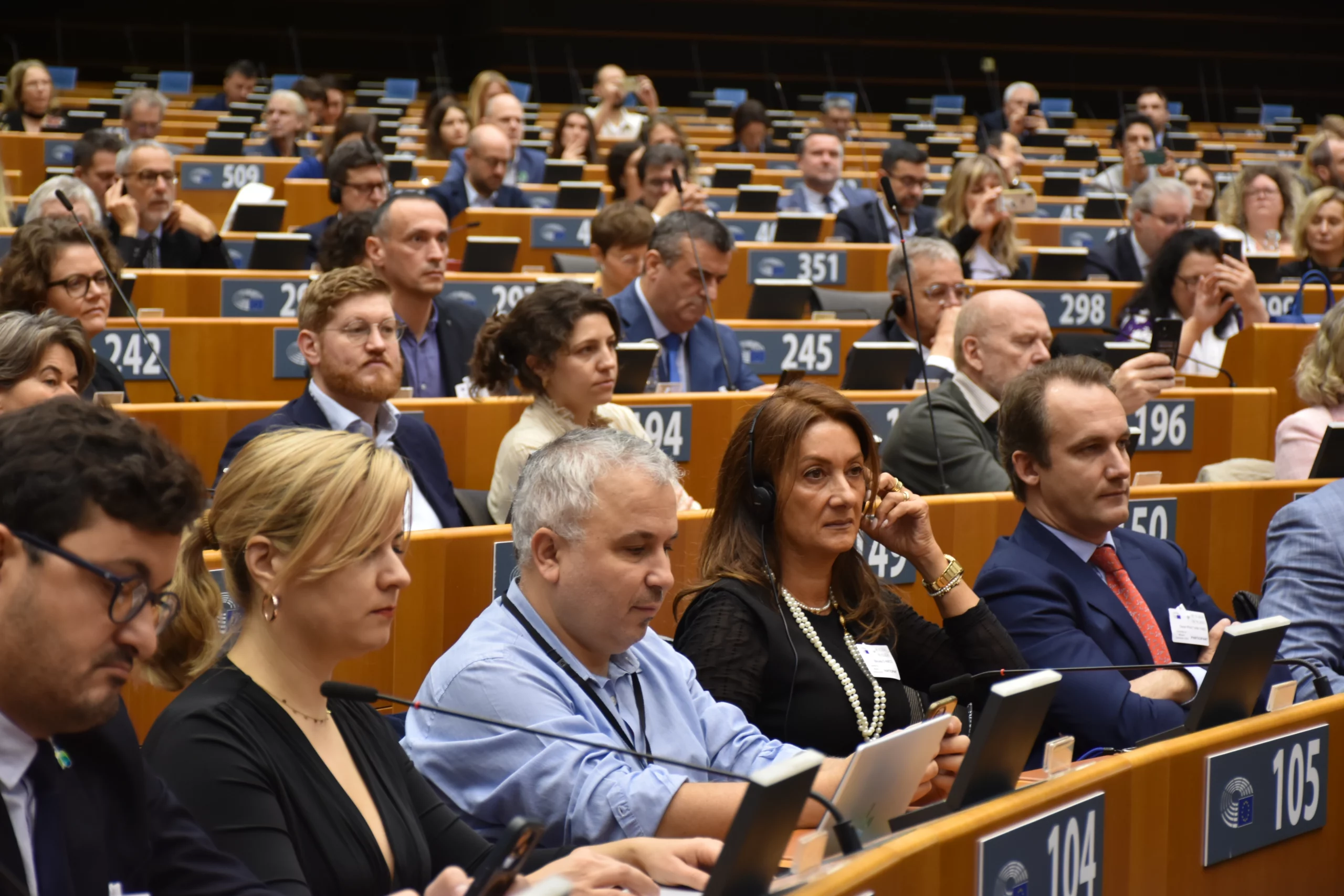
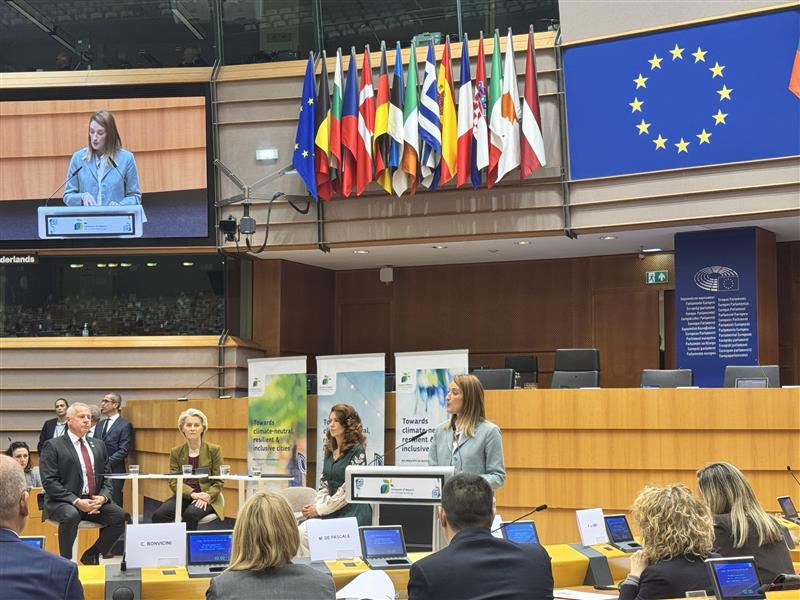
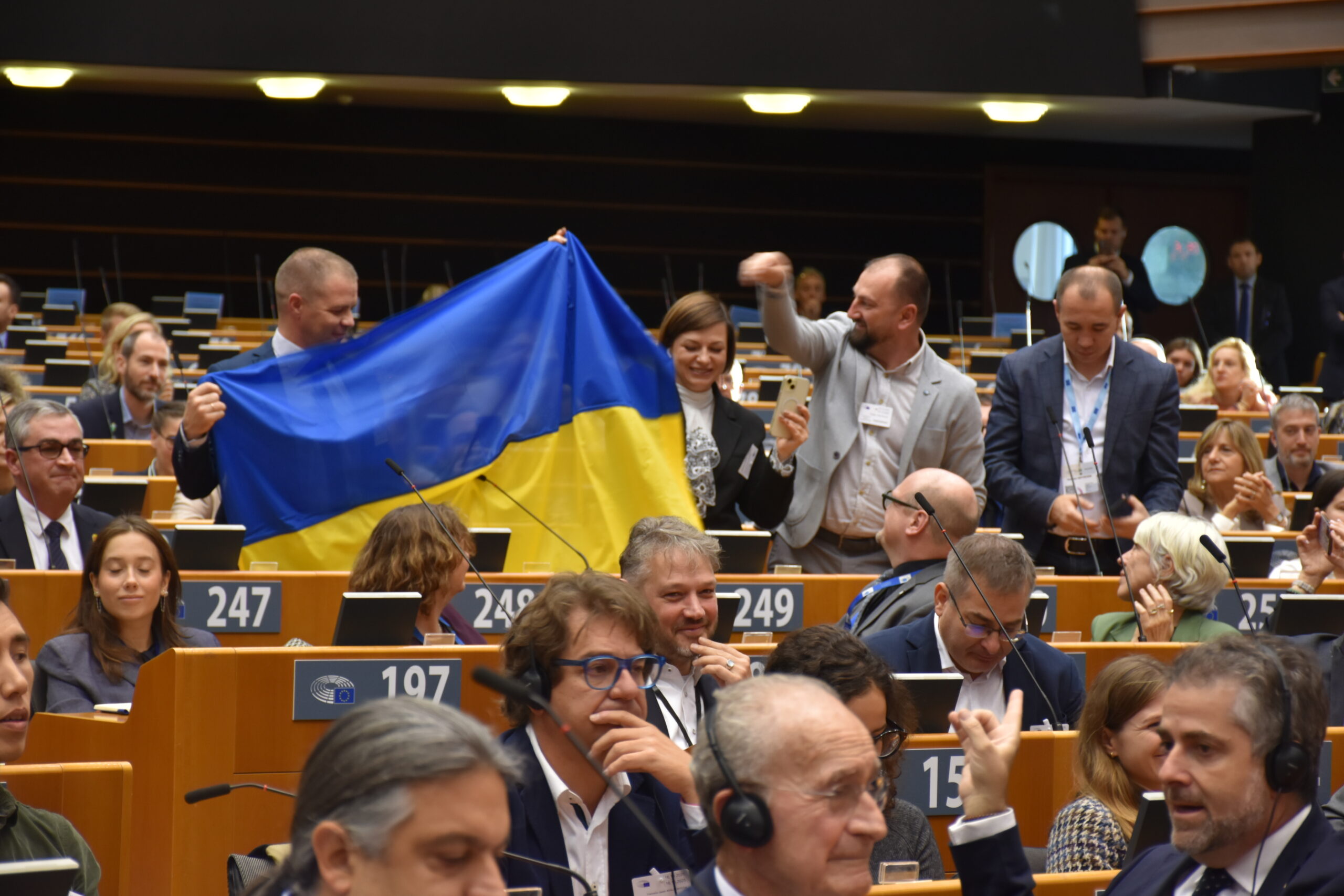
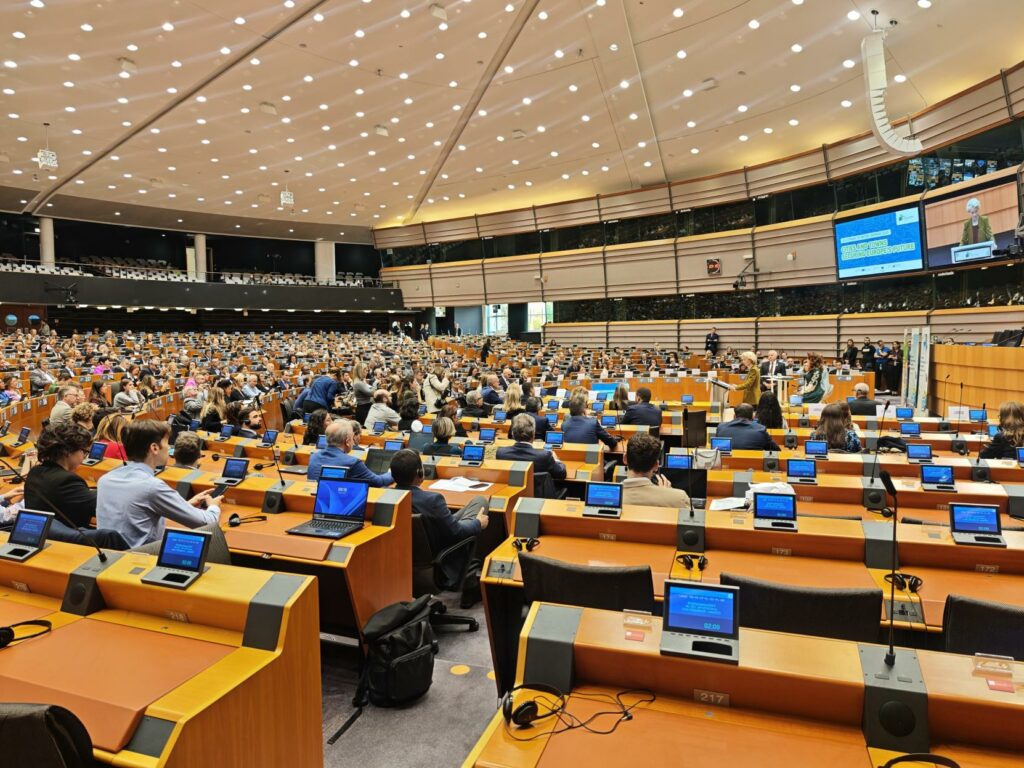
On 16 October, the EU Covenant of Mayors gathered with more than 500 mayors, local and regional representatives, and EU institutions, in the hemicycle of the European Parliament. 

Organised since the launch of the initiative in 2008, the High-level event is the annual gathering of the Covenant signatories invested in securing a safe and sustainable future for their citizens. As an initiative running for more than 15 years, the EU Covenant is mobilising local leaders all over Europe to plan, act and work with their communities to build a more resilient, prosperous and climate-neutral future. 

Both the EU Covenant and the Ceremony are reaffirming the key role of towns, cities and regions in shaping Europe’s vision and future.

Opening session with high-level European leaders

The Ceremony started with an intervention of the President of the European Parliament, Roberta Metsola, who emphasised that Europe is in all cities and regions, that citizens are building Europe every day.

ollowing her welcome, Ursula Von der Leyen, president of the European Commission, shared that “we are on track to achieve our 2030 targets”. For towns, cities and regions to achieve their climate and energy transition, housing and climate resilience are key policies, which are currently tackled by the European Commission. Von der Leyen also welcomed the delegations of Ukraine and Moldova to the Ceremony, reaffirming their belonging to Europe. 

Finally, the President of the European Committee of the Regions, Kata Tüttő, welcomed the local leaders to the Ceek of Regions and cities, key moment of the year. She highlighted how the Covenant of Mayors is a story of and for mayors, regional leaders and their representatives, by highlighting her personal experience.

Covenant of mayors - Ceremony 2025
Covenant of mayors – Ceremony 2025

Celebrating cities leading the way

The Covenant Ceremony is also the occasion to award the successes of many European Cities, and showcase the inspiring and replicable good practices. From Mechelen in Belgium, to Lappeenranta in Finland and Domokos in Greece, European cities are already leading the path towards climate neutrality. 

Local leaders and institutions in dialogue

Several panels gathered European local leaders, interacting with representatives of the European institutions. Focusing on “Powering Europe with local, clean and affordable energy” or “Protecting Europe from climate risk through local resilience”, European Commissioners Dan Jørgensen and Wopke Hoekstra shared video messages to reinforce the importance of the EU Covenant of Mayors for their portfolios linked with climate or energy.

Closing session: working together for cohesion and resilience

The closing session focusing on “Cities and the EU working together for a prosperous Europe” was attended by European Commission Raffaele Fitto Executive Vice-President for Cohesion and Reforms, who reaffirmed the importance of Cohesion Policy as a key tool for climate-neutral cities. Read here more about the Cohesion Policy in the next EU budget for 2028-2032.

Covenant of mayors - Ceremony 2025
Covenant of mayors – Ceremony 2025

Looking ahead: stronger cooperation needed

Closing the European Week of Regions and Cities, the EU Covenant of Mayors ceremony is the right occasion to meet local leaders, inspiring and inspired, from all over Europe. The Ceremony came at a critical moment for Europe, when the next EU budget is being negotiated. 

Reaffirming the essential role of local and regional governments in delivering the climate and energy transition, the Ceremony highlighted Europe’s security, resilience, and prosperity can only be achieved through close cooperation with its towns, cities, and regions.  

For more information, contact:

FOSTER Local Training

Foster Training News 2025

Building Future-Oriented Governance for Climate Resilience


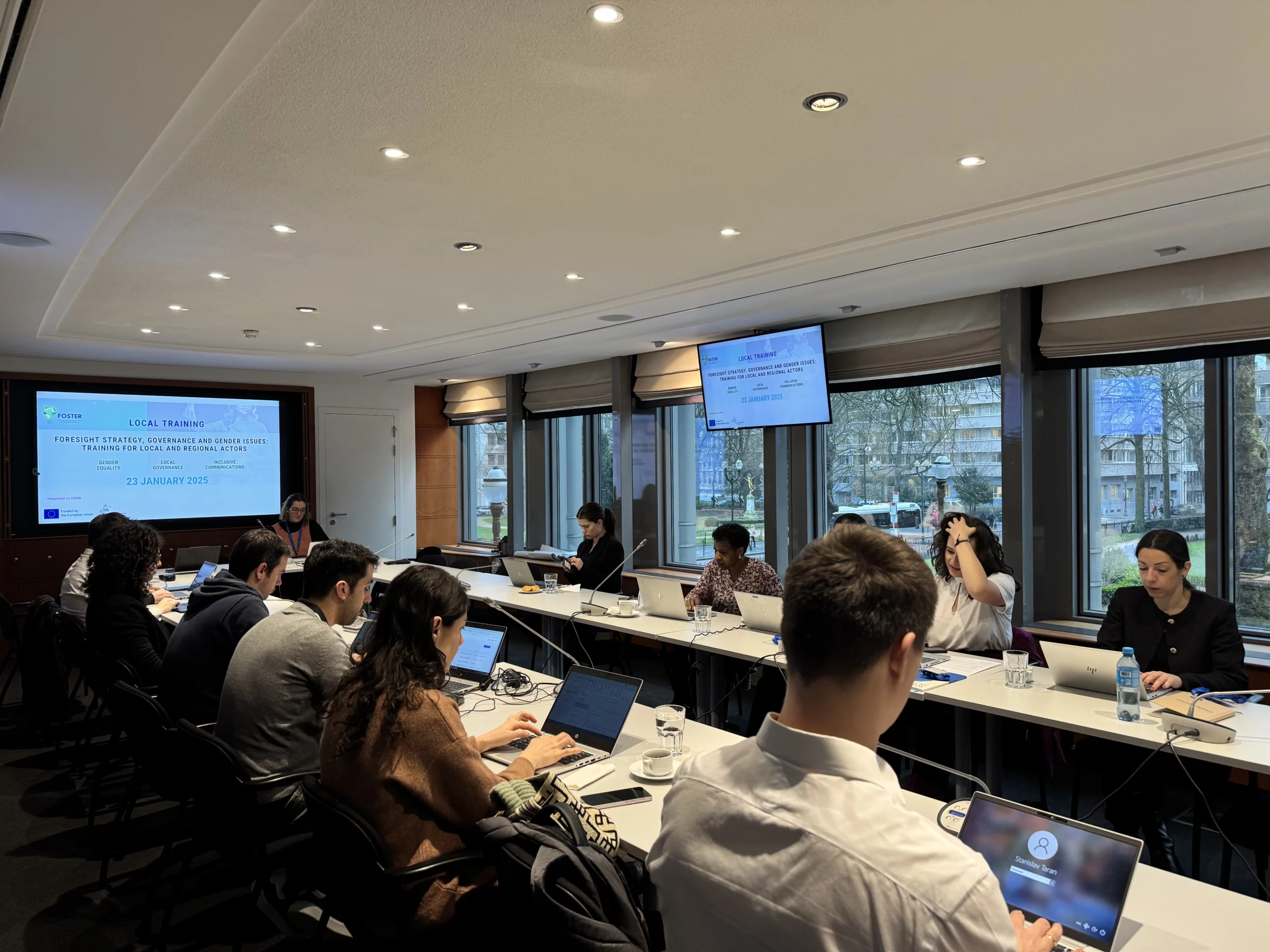
How can Local and Regional Governments prepare for the environmental challenges of tomorrow? On January 23, 2025, CEMR hosted a FOSTER Local Training, bringing together experts, policymakers, and local leaders to explore innovative governance approaches for a climate-resilient future.

FOSTER—Future Oriented Solutions Towards Environmental Resilience—is a two-year EU-funded initiative that strengthens local and regional authorities’ ability to anticipate and respond to climate challenges. Through participatory governance, strategic foresight, and inclusive capacity-building, the project empowers local actors to shape policies that reflect the needs of their communities.

Key Takeaways from the Training

During the event, participants delved into:

Inclusive Communication – How local governments can make their messages accessible and representative of diverse communities.

Participatory Democracy – Strengthening civic engagement and fostering trust between governments and citizens.

Women in Politics – A CEMR study revealing the barriers women face in leadership and strategies to promote gender equality.

Strategic Foresight & Scenario Planning – Equipping local governments with tools to anticipate future risks and opportunities.

Greening Cities – Exploring sustainable urban solutions through foresight discussions.

The training was not just about knowledge-sharing but about action. It provided local actors with practical tools to co-design policies that anticipate climate risks, engage communities, and ensure long-term environmental resilience.

📥 Download the training materials here

Subscribe to Resonance to stay tuned for more activities on climate resilience and join us in shaping the future of local governments!

For more information, contact:

FOSTER Training on Foresight Strategy

Building Local Resilience: FOSTER Training on Foresight Strategy, Governance, and Gender 


Yesterday, the Council of European Municipalities and Regions (CEMR) hosted a training session for the FOSTER – Future Oriented Solutions Toward Environmental Resilience project.  

Funded by the European Union’s CERV – Citizens, Equality, Rights, and Values programme, FOSTER aims to strengthen local governance frameworks to address environmental challenges through strategic foresight and inclusive management practices. 

This interactive training brought together local stakeholders, representatives from national associations of local governments, and municipal leaders. Its goal was to equip participants with practical tools to address key issues, such as climate resilience, participatory democracy, gender equality, and inclusive communication strategies. 

Key Highlights 

The event featured a series of workshops and discussions led by CEMR experts: 

  • Inclusive Communications for Local Governments 

Presented by Léa Hetz and Meritxell Parramon Vilè, this session explored ways to communicate effectively while embracing diversity and inclusion. 

  • Participatory Democracy and Local Governance 

Carol Thomas led this module, focusing on how participatory approaches can empower citizens and strengthen governance at the local level. 

  • Interactive Foresight Game 

The training concluded with a collaborative game, where participants applied foresight techniques to urban development scenarios, fostering innovative thinking and practical solutions for future challenges. 

Building Capacity for a Sustainable Future 

The FOSTER training provided participants with a unique opportunity to gain practical knowledge, share insights, and network with peers across Europe. The hands-on approach ensured that attendees were left with actionable strategies to implement within their communities, particularly in advancing climate resilience, gender equality, and participatory governance. 

This initiative is part of CEMR’s ongoing efforts to empower local and regional governments, enabling them to address global challenges while fostering inclusive and sustainable transitions at the local level. 

For more information on the FOSTER project, contact our Project Officer below: 

Public Conference on environmental resilience

Environment - News section

“Managing the Future for Environmental Resilience”


CEMR and ALDA are pleased to announce the Public Conference “Managing the Future for Environmental Resilience”, organised on October 9th, from 11.00 to 17.00. The conference will be a chance to exchange in an interactive way how to overcome the preference for short-term solutions when it comes to local management of climate change and planning for more prepared and participatory environmental governance.

The conference provides an interactive platform to explore how to overcome short-termism in local climate management, with a focus on future-oriented and participatory environmental governance. It will begin with a keynote speech from the European Environment Agency, followed by a panel debate titled “Local and Regional Policy Making for a Sustainable Future,” featuring institutional speakers discussing the challenges facing European cities and innovative approaches to addressing climate change. In the afternoon, experts will share insights on strategic foresight and key elements for future-oriented climate policies, including decentralised cooperation, participatory policymaking, and non-formal education.

Register here and join us on the 9th of October!

The FOSTER project aims to contribute to the development of governance frameworks that can effectively and inclusively address future environmental challenges at the local level, by fostering strategic foresight and preventative local management of climate change-related phenomena. It is a two-year project funded by the CERV – Citizens Equality Rights and Values programme of the European Union