Meet the Local Hero: Eider Inuntziaga, building trust from the streets of Bilbao
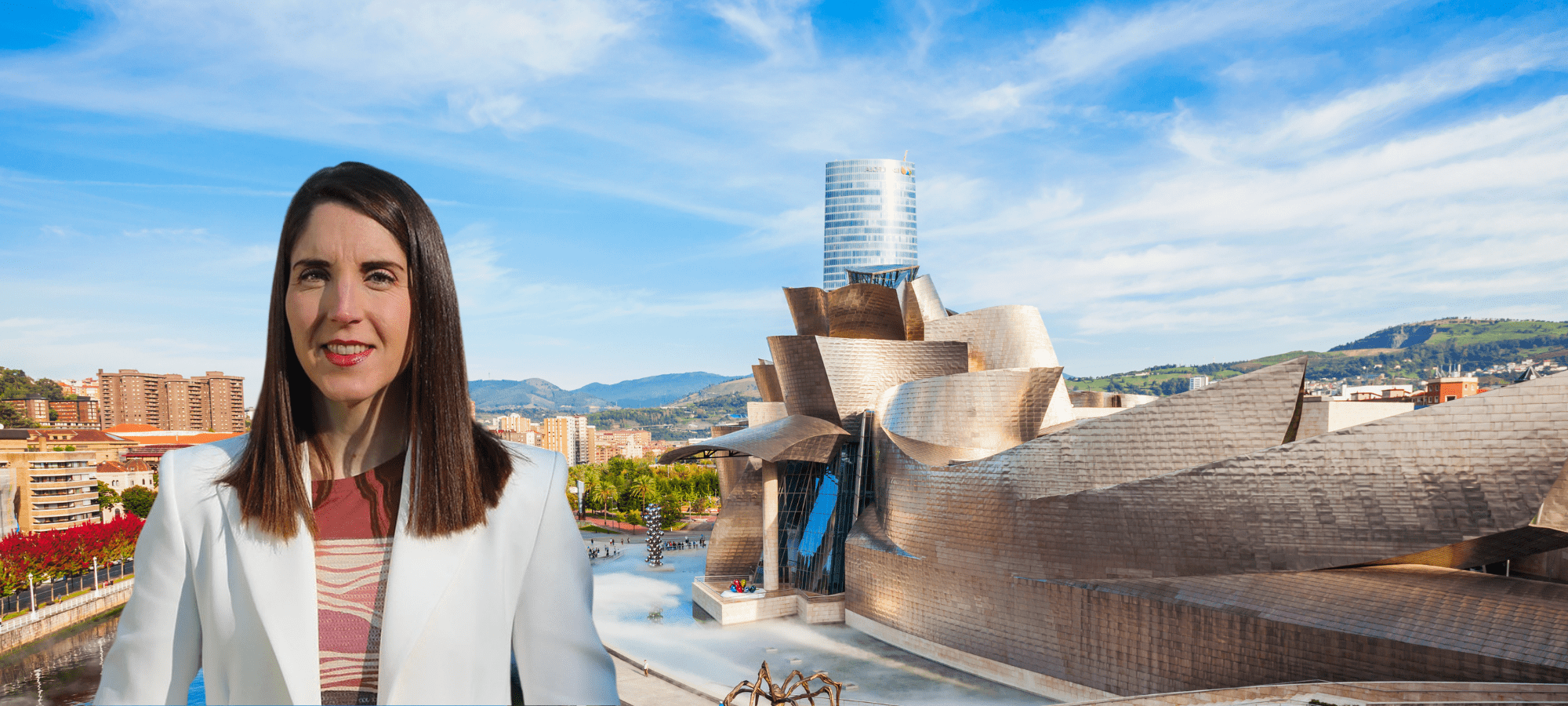
When Eider Inuntziaga talks about local government, one word comes up again and again: closeness.
Since 2023, she has served as a city councillor in Bilbao, after years of political engagement within the Basque Nationalist Party. It is her first public mandate, and the experience has changed how she sees political life.
Before, she observed politics from the inside. Now, she experiences it daily — in the street, in neighbourhood conversations, and in the direct reactions of citizens to local decisions. The distance between elected representatives and residents is minimal, which makes local politics both uniquely meaningful and uniquely exposed. She also brings this experience to the European level as one of the Council of European Municipalities and Regions’ spokespersons on Local Democracy.
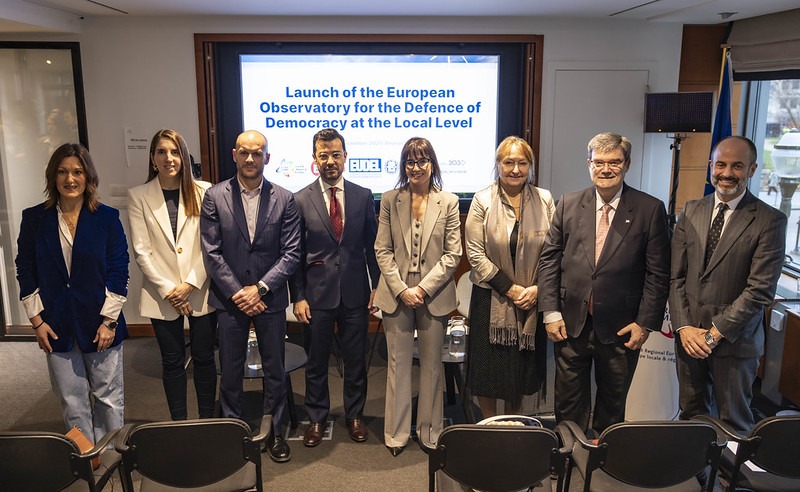
Across Europe, these challenges are increasingly visible. To better understand and address them, CEMR and its partners, including the City of Bilbao, have launched the European Observatory for the Defence of Democracy at the Local Level — an initiative that collects data, documents threats and harassment against local elected representatives, and helps develop practical tools and responses to better protect those serving their communities.
As she puts it, “local governments are the closest level of administration; we are the face of democracy.”
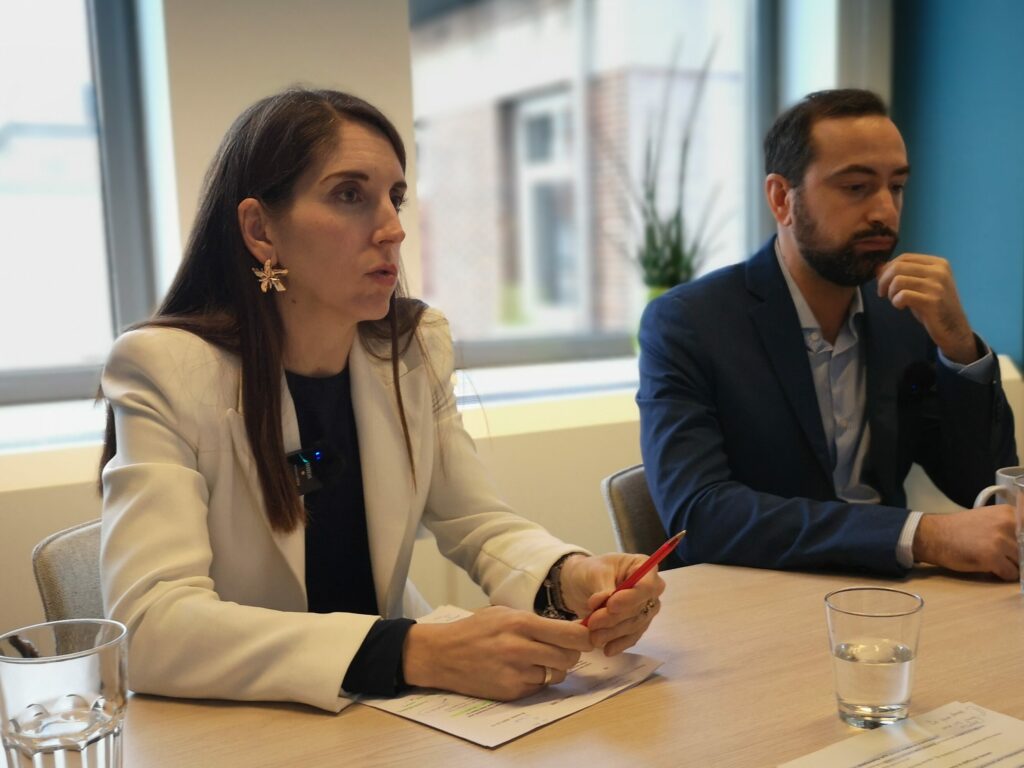
That proximity builds trust, but it also concentrates frustration. When people are unhappy, local leaders are often the first — and easiest — target.
Social media: useful, but risky
That visibility now extends far beyond the street.
Inuntziaga describes her relationship with social media as “conflicted.” While it can help connect people and share information, she also sees clear downsides.
“Social media can connect people and stories, and it can be useful—up to a point. But it also creates noise, polarisation, and sometimes hate. It can be dangerous.”
For local politicians, the effects are concrete.
“It affects integrity, it affects how we speak, and it can silence people. It can make people leave the work they’re doing—or become afraid of what’s happening.”
She keeps her presence limited, using Facebook and LinkedIn, and mixing personal and political communication carefully.
Participation beyond election day
Despite these challenges, Inuntziaga remains firmly optimistic about the role local governments can play in strengthening democracy.
Her approach is simple: stay close, listen carefully and involve citizens as much as possible. For her, elections are only the starting point. Day-to-day participation matters just as much. In Bilbao, this philosophy has taken concrete form through participatory initiatives that invite residents to help shape the city’s direction.
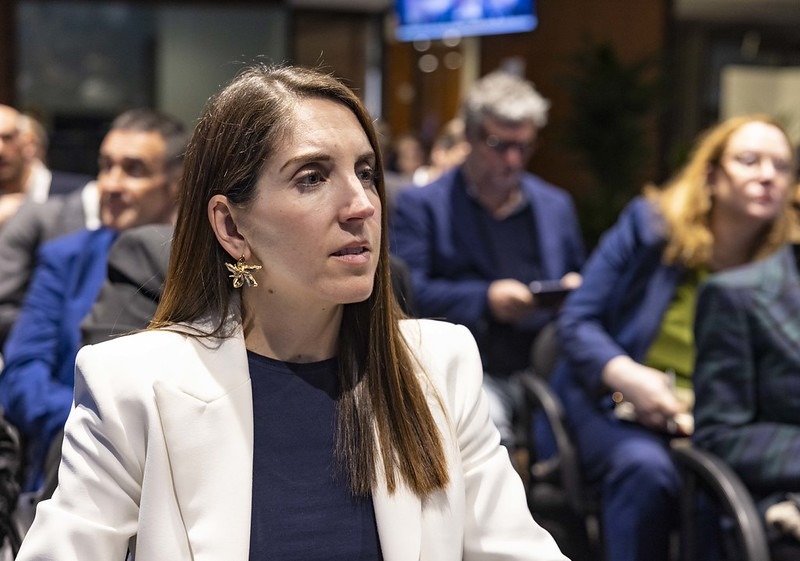
One example is “Bilbao City of Values,” a process through which citizens collectively identified a shared set of principles to guide public life. The idea is to create a common framework that strengthens belonging and counters misinformation. The goal, she explains, is not only better policies, but stronger relationships between institutions and the people they serve.
Learning from Bilbao’s past
Bilbao’s history has also shaped how she thinks about governance.
The city has experienced profound transformation over the past decades — from industrial decline and unemployment to renewal driven by long-term planning and cooperation between public institutions, private actors and civil society. For Inuntziaga, this experience shows that change does not happen overnight and that stability requires patience.
She often points to three elements behind Bilbao’s recovery: cooperation, shared values and long-term vision. Quick fixes rarely work. Instead, consistent decisions taken with the future in mind gradually rebuild trust.
“Decisions must be made with the long term in mind,” she says, describing democracy and stability as mutually reinforcing.
Rooted locally, thinking European
Although her work is grounded in municipal politics, Inuntziaga keeps a strong European outlook. She follows debates beyond Spain closely and draws inspiration from leaders such as Kaja Kallas, whom she admires for her perspective on Europe’s role in a changing world.
Still, her focus remains firmly local. For her, cities are where democracy is tested every day — where policies meet real life, and where trust is either built or lost through everyday interactions.
It is not the most visible level of politics — but, in many ways, it is the one where democracy is felt most directly.
To hear more from Eider Inuntziaga, you can listen to the full episode of Call Simone, also with Gianmarco Daniele of Bocconi University, . They discuss how growing harassment and disinformation are affecting local leaders across Europe, and how the launch of the European Observatory for the Defence of Democracy at the Local Level can better track threats and protect local democracy.
For more information, contact:

Officer – Communications