Workshop

Workship in Israel - News 2023

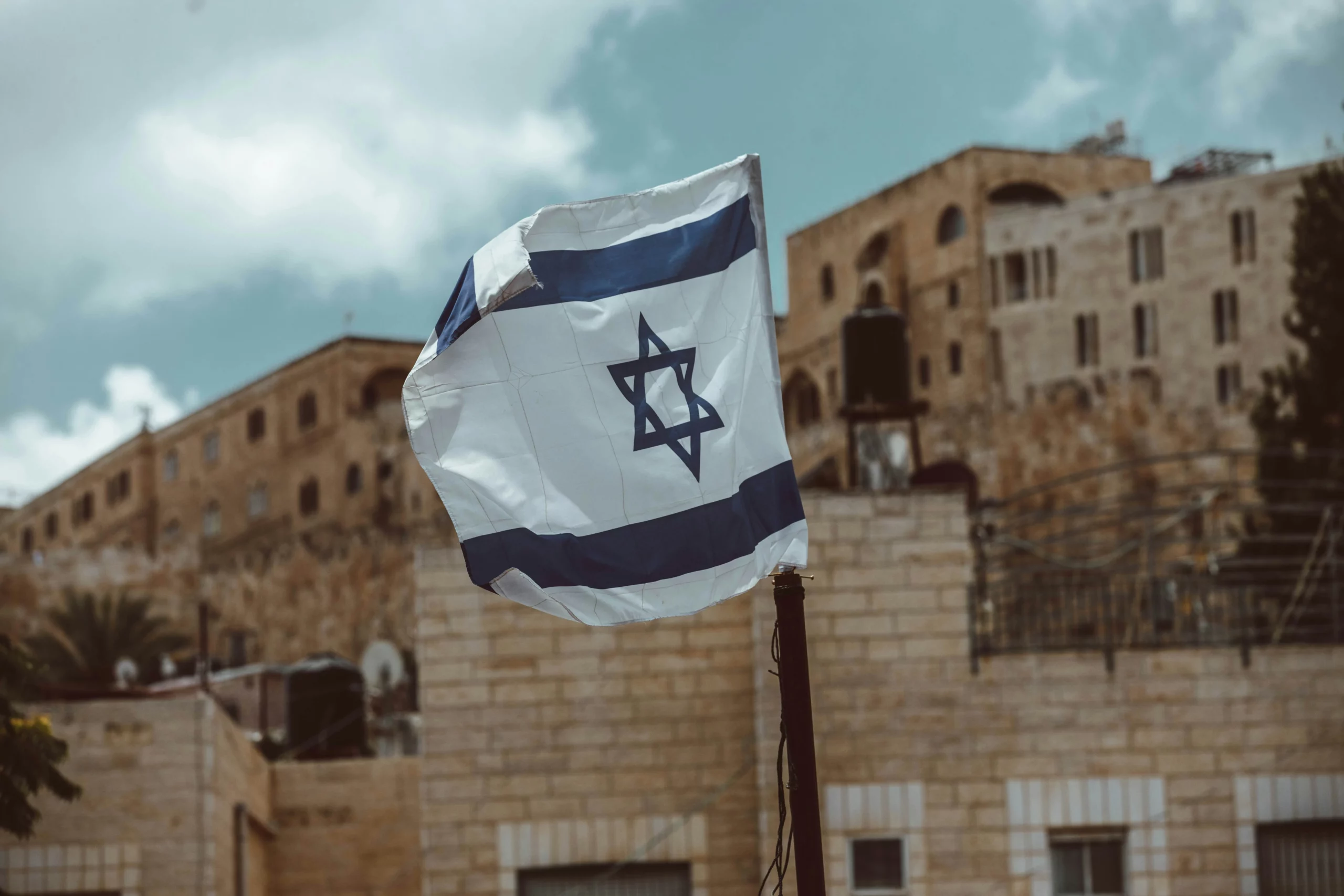
A workshop for better community resilience in Israel


The Federation of Local Authorities in Israel will be hosting an international resilience workshop in May 2023. During three days, participants will learn about Israeli concepts and models of emergency preparedness and community resilience.
 
Individuals, families, businesses, and institutions that are prepared for tackling disasters are more likely to cope efficiently – and to recover faster. Such training reduces the risks of damage to critical infrastructure, lessens economic losses and softens the emotional impact of the catastrophe on the population.
 
Once the steps of immediate emergency response are implemented, it is up to local leadership and the municipality’s services to provide and facilitate all the necessary recovery measures. By supporting citizens and the community’s institutions, local authorities can help restore and strengthen the community’s cohesion.
 
To help communities face emergency situations better, the Federation of Local Authorities in Israel will organize an international community resilience workshop in the coastal city of Nahariya (Israel) from 17 to 19 May 2023. During the event, participants will learn about concepts and methods from experts in the fields of welfare, social work, psychology and urban security. The initiative aims to provide participants with helpful Israeli models of preparedness and resilience that have been field-tested in real emergency situations.
 
For more information on this initiative, visit the website of the Federation of Local Authorities in Israel.

Youth Matters

Youth Matters - News 2022

Youth Matters: A Step-by-Step Booklet for Building a Strong Youth Council


Youth councils enable young people to better understand democracy and take an active part in it. Unfortunately, many cities do not have a long tradition in this area and may even struggle to create and operate a youth council. Therefore, the Norwegian Directorate for Children, Youth and Family Affairs (Bufdir) and the Association of Local and Regional Authorities (KS) decided to jointly organize a workshop for young counsellors and, from this, to create a brochure for an almost “turnkey” youth council.
The youth councils of Karasjok, Alta and Hammerfest came together in the summer of 2022 to learn more about how to organize effectively, train their recruits and participate more actively in local governments.
The organisers felt it was important to exchange their different experiences so as not to have to start from scratch. Bufdir decided to focus on the participation of young people in public affairs because this is enshrined in the rights of the child and Article 104 of the Norwegian Constitution.


Don’t neglect young people
The workshop received the approval of Karasjok Deputy Mayor John Nystad. He emphasizes the importance of having a youth council in his municipality and hopes to cooperate more with young people in his municipality in the future. Mr Nystad believes that for young people’s wishes to become reality, local politicians must fully support them. The main thing is not to neglect issues that concern young people, he thinks.
During the workshop, the youth councillors shared their knowledge and exchanged advice on how to run a youth council. They advised speaking up more, contacting public administrators, following the calendar of political meetings in their municipality, and cooperating with “adult” politicians.
They also reminded us not to forget diversity and representativeness when it comes to recruiting new committed members. As Deputy Mayor Nystad said, everyone has the right to express themselves. Therefore, raising issues cooperatively with other residents keeps everyone better satisfied.

We never stop learning

Henriette Alexandra Mielonen, a member of the newly established youth council in Karasjok, expressed her satisfaction with the workshop: “It was informative.” She acknowledges that they didn’t know much about running a board before, but meeting more experienced members from other organisations helped them enormously.
“It’s always helpful to understand how others approach work,” she says; it was the old Alta council that gave them a lot of ideas. “We didn’t know we could contact the media if we were unhappy,” she adds.
But as Ms Mielonen reminds us, we never stop learning. This is why the Association of Local and Regional Authorities (KS) has produced a new brochure summarizing the learnings from the workshop. They think this brochure could help other youth councils and make their experience easier.


The brochure is available in Norwegian and English.

First Capital of Democracy

European Capital of Democracy - News 2023

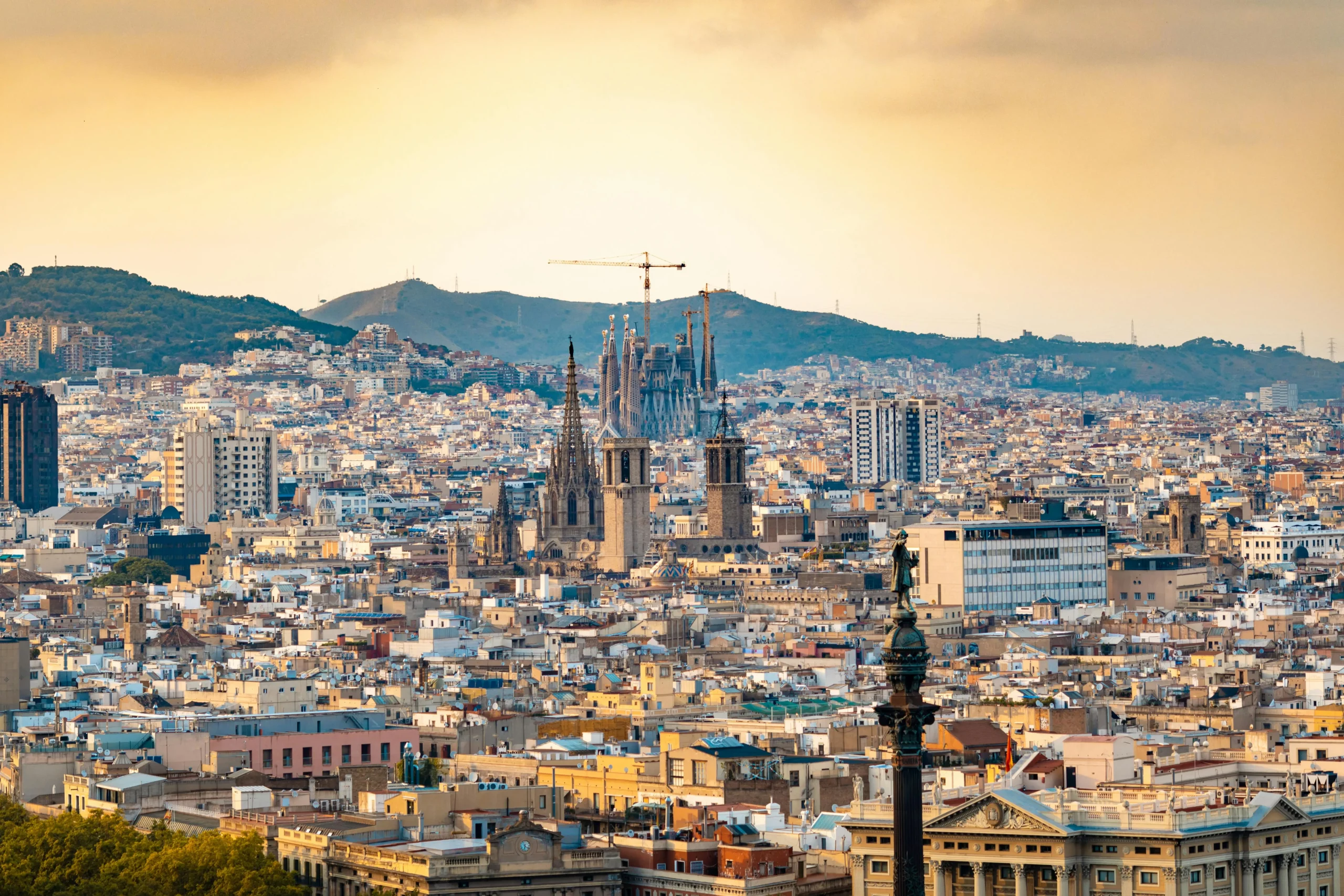
Barcelona becomes the first European Capital of Democracy


There are many awards celebrating outstanding cities. One certainly missing is the European Capital for Democracy. At the heart of the EU construction, this core value definitely deserves some stage light. That’s why in January 2023, a pan-European citizen jury designated the first ever “European Capital of Democracy”: Barcelona.

At the beginning of the year, several thousand citizen jurors from the 46 Council of Europe member states assessed a range of projects by three finalist cities, Barcelona, Braga, and Brussels. Barcelona convinced the jury with innovative projects such as Decidim, a digital citizen participation platform used by hundreds of cities around the world; and Superblock, an initiative to reclaim the city’s streets from cars.

‘Local government has always been the level of public authority closest to the people it serves,’ explains Marija Pejčinović Burić, Secretary General of the Council of Europe. ‘It is here that new ideas and democratic participation are best placed to flourish. The European Capital of Democracy not only recognises excellence but holds it up as an inspiration to others.’

From September 2023 until August 2024, Barcelona will host a Programme Year of events and activities to strengthen European democracy. Activities will be organised in cooperation with partner organisations and citizens. Visitors from all over Europe are invited to participate.

‘The City of Barcelona is proud to be the first European Capital of Democracy. In a global context where hate speech and authoritarian projects are on the rise, cities are the place where we can work together with citizens to strengthen democracy.’ says Ada Colau, Mayor of Barcelona.

Do you want to participate in the next European Capital of Democracy elections?

In February 2023, the call will open for cities to apply for the next title of European Capital of Democracy. Find out how your city can apply.

If you want to participate in the European Capital of Democracy as a citizen, register here.

Source

Paweł Adamowicz Award

City - News

Discover the 2022 Laureate of Paweł Adamowicz Award


On Friday 13th January, the municipality of Michałowo in Poland was announced as the laureate of the second edition of the Mayor Paweł Adamowicz Award. The small municipality was chosen to highlight the incredible work it did, alongside its inhabitants, to provide help to refugees on the border with Belarus and their support of freedom, solidarity, and equality.

“To win the Paweł Adamowicz Award is a great privilege and source of pride for me as the head of the municipality. […] Above all, I am proud of our local people because we were able put into practice the values that the European Union brings, indeed, that humanity brings, and really bring them to life.” stated the Mayor of Michałowo Marek Nazarko.

The award was created to promote the legacy built up by Paweł Adamowicz. He was the long-serving Mayor of the City of Gdańsk when he was murdered in January 2019 whilst carrying out his public duties and standing up for the values of freedom, solidarity and equality.

The jury also decided to give a special mention to Oleksandr Babych, Mayor of Hola Prystan in the south of Ukraine who was supported by CEMR this year, as a representative of all Ukrainian mayors who have been kidnapped or tortured since the beginning of the Russian invasion for trying to protect his local community. Mayor Babych himself has been held captive since March 2022. This special recognition is, as described by the President of the Committee of the Regions Vasco Alves Cordeiro, “a tribute to his courage and a signal of hope and solidarity for all Ukrainian mayors and citizens fighting for our European values”.

The award will be officially presented to the Mayor of Michałowo Marek Nazarko on 8th February 2023 during the plenary session of the European Committee of the Regions in Brussels.

Free Meal App

Free Meal App - News 2022

A mobile app for free meals


“Young people in Türkiye try to receive education under very challenging conditions. Supporting young people is one of the most important responsibilities we bear, because we do not want our youth to be destitute of education due to the high cost of living and limited opportunities. With the ‘MealsForStudents’ application, we have implemented a project that has not been available in Turkey so far. Together, we will protect young people’s right to be young.”, stated Rıza Akpolat, Mayor of Beşiktaş.
 
To fight student poverty, the Turkish municipality Beşiktaş in cooperation with TURYID (Turkish Restaurant and Entertainment Association), developed the application Öğrenci’Ye, which translates to “Meals For Students”.
 
This one-of-a-kind mobile application is a solidarity ecosystem project launched in 2020. Students living in Beşiktaş and/or studying at the universities in Beşiktaş can all benefit from this program. They can reserve a meal, in any of the partner restaurants, through the application and get it for free.  Students are also able to be informed about the available menus of restaurants, how long the meals are reserved, and how many guests the restaurant accepts. Thousands of students have received free food since the beginning of the project.

Local and Regional Power

Matchmaking Platform - Launch

Interview with the new Secretary General of the Congress of Local and Regional Authorities


Mathieu Mori has just been elected as the new Secretary General of the Congress of Local and Regional Authorities of the Council of Europe for a five-year term of office. Secretary General of the Assembly of European Regions and then Director of the Interreg North-West Europe transnational cooperation programme, local and regional governments have been crucial to him all throughout his career.

Mr Mori, next January you will begin your mandate as Secretary General of the Congress of Local and Regional Authorities of the Council of Europe. In a few words, what are the priorities of your mandate?

The Congress is an institution helping the 46 Council of Europe’s member States implement local and regional democracy in line with the European Charter of Local Self-Government*. This is the Congress’ statutory mission and to achieve this mission effectively, the Congress needs to cooperate with the Member States. Developing a constructive institutional relationship between the Congress and the Committee of Ministers is therefore a priority for the Congress. Furthering institutional relationships generally, including with the Parliamentary Assembly and the European Union institutions, will be an important objective.

Furthermore, the Congress is only going to grow stronger with the backing of its members. I will strive to increase the ownership of the Congress by its members, making sure all members know how they can best contribute to the Congress’ work and what they can bring back to their citizens from their involvement with the Congress.

Finally, I will want to promote the role of young people in the work of the Congress. With its youth delegates who contribute actively to its political work, the Congress is already doing well and I want to make sure the Congress remains a leading organisation when it comes to youth engagement.

*This international convention lays down standards for protecting the rights of local authorities and requires the 46 member states of the Council of Europe – which have all ratified it – to comply with a number of principles.

Based on your personal experience with local governments, what do you think are the main democratic advances that have been made as a result of the recommendations of the congressional monitoring?

The Congress has indeed a strong and documented track record in helping Council of Europe member States implement local and regional democracy thanks to its monitoring and election observation missions.

The recommendations that follow these missions have helped many Member States foster reforms, enhance intermunicipal co-operation or strengthen mechanisms of citizens’ participation in public decision-making. 

Among major concrete achievements, we could mention:

– The activation of the role played by associations of sub-national authorities to promote and defend local self-government interests in several member States (Bosnia and Herzegovina, Hungary, Portugal, Switzerland, Iceland, Georgia, Lithuania and Poland);

– The introduction of a variety of legal instruments to promote citizens’ participation in local public affairs (Switzerland, Iceland, Georgia, Slovenia, Lithuania, Liechtenstein);

– The ratification by more and more States of the Additional Protocol to the European Charter of Local Self-Government on the right to participate in the affairs of a local authority. In September 2022, Portugal ratified this Additional Protocol;

– The recent decision by the Scottish Parliament to incorporate the Charter into Scottish domestic law;

– A decentralization strategy in Bulgaria devolving more powers to the local level while increasing municipal resources.

– The introduction of direct election of mayors in Georgia. 

On the other hand, do you see a “democratic backsliding” in a particular area or a danger for Europe?

Democracy can never be taken for granted, at national or local level. In no country can it be considered as completely achieved, and even less so in times of crises.

This is why the Congress monitors the application of the Charter in the 46 Council of Europe Member States on a regular basis.

What we see is a trend towards recentralisation in many countries. This recentralisation has taken many different forms, ranging from the refusal of some courts to apply the Charter directly, to governments’ limiting local authorities’ financial autonomy. 

Overall, the lack of consultation, inadequate distribution of competences and financial resources and excessive supervision have been identified as recurring issues that affect most of the monitored states. This leads either directly or indirectly to democratic backsliding at local and regional level.

In addition, the Congress also warns that many elected representatives have experienced at least some degree of harassment and threats of violence. Threats and attacks against local government representatives have been regularly raised during the Congress series of debates “Mayors under pressure” and received detailed coverage in the recent Congress report on the impact of hate speech and fake news on working conditions of local and regional elected representatives. This situation even leads to the lack of candidates to local and regional elected positions.

The Congress raises awareness on these issues among member States and helps find solutions.

COVID, Ukraine, the energy crisis and climate change… Europe is going through many crises. Faced with this bleak picture, how can communities sustainably strengthen their capacity to deal with these recurring crises?

Indeed, Europe is going through a multitude of crises and European local and regional authorities are at the frontline in tackling them. As seen during the Covid pandemic, the initial reaction of many governments when faced by crisis is to recentralise finances and competences given to the local level of government. This has put the exercise of local democracy under unprecedented pressure and constraints.

Yet, those European countries which did not recentralise did very well in tackling the crisis effectively, proving that multi-level governance systems do not hinder responses to crisis situations.

On the contrary, they increase the quality of decisions and allow greater flexibility in coping with emergencies as they are better suited to providing solutions tailored to specific needs. The effectiveness of response depends indeed on the right balance and interaction between centralised and decentralised capacities that must be present within the system.

The pandemic has revealed the need for a stronger system of multi-level governance in which every level – in particular local and regional – is equipped with proper competences, means and resources to respond to the emergency situation.

The Congress will therefore continue to accompany the Council of Europe Member States in implementing the Charter. 

While Ukrainian local elected officials are fully committed to their populations who are dramatically suffering from the conflict caused by the Russian aggression, how does the Congress envisage its support for Ukrainian communities in the long term?

The Congress has, from the very start, condemned the Russian aggression against Ukraine and the Council of Europe decided to expel Russia from the institution altogether. 

The Congress was also keen to facilitate concrete solidarity between local and regional authorities towards their Ukrainian counterparts by supporting the Cities4Cities platform. This online exchange tool allows local and regional authorities in Ukraine and in the rest of Europe to share their needs and offers related to local infrastructure or humanitarian aid.

What I can share from my visit to Ukraine on the occasion of their Independence Day last August is that the decentralisation process launched in 2014 under the auspices of the Congress has been key in ensuring cities and regions had the means to react to the initial consequences of the war. The martial laws in place today have recentralised the power. 

The Ukrainian local and regional authorities expect the Congress to be at their side after the war to make sure their powers are given back to them and to finalise the path to decentralisation started in 2014. 

Ukraine is also expecting the Congress to help it reach better local democracy to facilitate the country’s accession to the European Union.

Ukraine can count on the continuing support of the Congress on all these aspects.

All over Europe, cities and local authorities are involved in cooperation beyond their borders. What is the added value of this type of cooperation as opposed to that established between states?

This type of cooperation is not in opposition to the State-led cooperation but complements it. Local and regional authorities know best the hurdles they must overcome to implement effective policies and are therefore better placed to cooperate with their counterparts in other countries. 

The Congress has developed co-operation activities which provide a link between the recommendations and resolutions adopted by the Congress members and the situation on the ground.

In line with its mission and thematic priorities the Congress focuses its co-operation activities on :

– Empowering local and regional authorities and their associations

– Building the capacities of local and regional elected representatives as agents of change

– Making young people aware of the principles of local democracy and engaging them at the local level

– Learning by doing through involvement in local initiatives to improve the quality of local democracy 

By focusing on co-operation activities where the Congress has the strongest added value we make sure we do not duplicate work undertaken by other parts of the Council of Europe or by territorial organisations.

You are very familiar with local and regional government associations, such as the AER or CEMR. In what areas do you think the associations and the Congress should strengthen their collaboration?

AER and CEMR are important strategic partners of the Congress, with common values and principles. They are both “statutory partners” of the Congress and can participate in its sessions and committee meetings. Our regular exchanges allow us to complement our respective work, for example to support Ukraine, or for the achievement of the Sustainable Development Goals of the United Nations 2030 Agenda, or promoting new forms of citizens’ democratic engagement such as through deliberative democracy models, and by improving youth participation. A particular focus of the Congress co-operation with CEMR is also on strengthening the role of national associations of local and regional authorities in member States as fully-fledged partners of national authorities in the governance system.

In addition, as European networks of local and regional authorities, we can together contribute to defending and promoting multilevel governance. The Congress has a unique expertise in the local and regional implementation of democracy, the rule of law and human rights. The Congress could bring this added value to joint projects with AER and CEMR while the latter would enable more villages, cities and regions to know about the Congress work and benefit from its know-how. 

I am looking forward to furthering the good cooperation between the Congress and all territorial associations and implementing concrete partnerships for change.

Annual Report – Cities and Regions

Hot of the press: the ‘State of Regions and Cities in the European Union’


Did you know? The Committee of the Regions published its EU Annual Report on the State of the Regions and Cities, as a snapshot of the most pressing challenges faced by regions and cities across the Union, that helps to inform EU policy decisions.
 
This year’s report focuses on the most pressing challenges that EU cities and regions are facing: the economic and social consequences of Russia’s war against Ukraine, the lasting effects of the COVID-19 pandemic and the necessary recovery, the climate emergency and energy transition, the fight against inequalities, and the future of democracy building on the conclusions of the Conference on the Future of Europe.
 
Available in 23 languages, the report will also feature its “Regional and Local Barometer”, presenting the views of elected representatives from across Europe surveyed in partnership with IPSOS.
 
One of the main findings is that 76% of local politicians said their regional or local authority receives refugees from Ukraine and at least half of respondents said that their regional or local authority sends material aid to Ukraine.
 
The crucial importance of cohesion for the EU’s local communities is fully confirmed by the results of the CoR Regional and Local Barometer: 88% of respondents agreed that cohesion should be among the key values of the European Union.
 
More startling is the fact that one in ten of the respondents stated that they were either fully involved (1%) or partially involved (9%) in the drafting of the National Recovery and Resilience Plans.

European Capital of Democracy

People Europe - News

​13 cities are in the race to become the first “European Capital of Democracy”


13 cities from 8 countries have been preselected to become the first ever “European Capital of Democracy”.

Antwerp (Belgium), Barcelona (Spain), Bologna (Italy), Braga (Portugal), Brussels (Belgium), Burgos (Spain), Cascais (Portugal), Linz (Austria), Metz (France), Opole (Poland), Rzeszow (Poland), Sarajevo (Bosnia and Herzegovina) and Valongo (Portugal) have joined the ECoD City Network to compete for the title European Capital of Democracy.

Based on transparent criteria, an Experts’ Jury of five pre-eminent professionals in the field of democracy will now review all of the cities’ applications and draw up a shortlist of outstanding contenders.

The Experts’ Jury Members are: Jaimie Just – Council of European Municipalities and Regions (CEMR), Bruno Kaufmann – Democracy International, Robert Krimmer – Skytte Institute at University of Tartu, Amina Krvavac – Child Warhood Museum, Antonella Valmorbida – ALDA Europe / European Partnership for Democracy.

Up to five nominee cities will be forwarded to a jury of 10,000 European citizens, which will get the final word on the selection of the City to carry the title. Applications are still currently open for citizens to have their say and join the Citizens’ Jury. 

The first city to carry the title of European Capital of Democracy will be designated in January 2023. It will enjoy a wide range of benefits, such as an enhanced international reputation as a centre of education and innovation, and the chance to host international events and meetings of leading European politicians.

Citizen’s Jury

EU - News Section

Join the citizen’s jury and select the very first European Capital of Democracy


It’s time: join the citizen’s jury and select the very first European Capital of Democracy at the end of 2023! To become a juror, you won’t need more than 5 minutes to complete your registration.

Starting in 2022, every year, a different city will be designated the European Capital of Democracy, chosen by a jury of 10,000 European citizens. In cooperation with civil society, the title-holding city will host a wide range of activities and events, all designed to improve and strengthen democracy. 

Selection of the Capital of Democracy

European Parliament - News section

Take part in the selection of the very first European Capital of Democracy!


Join a Europe-wide jury composed of 10,000 European citizens and take part in the selection of the very first European Capital of Democracy!

This Europe-wide initiative aims to innovate and strengthen democracy on the ground. From 2022, each year, one city will be selected in a five-stage process and granted this honorary title.

To become a European Capital of Democracy, cities must have a population of over 100,000 within the member states of the Council of Europe, and present a portfolio of their best democratic practices and new project ideas.

An experts’ jury will then evaluate the projects and decides on a shortlist of three to five Cities. Finally, a jury of 10,000 European citizens will get the final word on the selection of the City to carry the title European Capital of Democracy.

The winning city will host a one-year-long programme of exciting events, festivals and activities designed to improve and strengthen democracy, which puts citizens’ participation at the heart of it.

To become a citizens’ juror and play a crucial role in strengthening and securing Europe’s democratic future, just click here.