Reflecting on what local governance means in the face of current challenges
354 words
1–2 minutes
Local and regional governments across Europe are under growing pressure. Tight budgets, staff shortages, rising social care needs, climate challenges, and digital transformation are pushing governments to rethink how they deliver services and allocate resources to meet increasingly diverse local needs. At the same time, citizens expect more services that are responsive, accessible, and rooted in local realities.
These issues were the subject of a recent meeting of CEMR’s Governance and Local Democracy Expert Group, where one key takeaway stood out: governance is no longer just about deciding who is responsible for what. It is more often about how different levels of government work together and their ability to do so well.
Adapting governance to new realities
Governments across Europe are pursuing all kinds of reforms — decentralisation, territorial restructuring, inter-municipal cooperation and administrative consolidation. The approaches vary, but the goal is often the same: making sure public institutions can keep up with a changing world.
But reform is not just about reshuffling structures. It raises fundamental questions: How clearly are responsibilities divided? How can governments build capacity while staying accountable? And how can reforms improve services without undermining democratic legitimacy? Ultimately, those delivering services on the ground need a real say in shaping reforms, otherwise they risk becoming exercises in administrative tinkering rather than genuine improvements.
Monitoring change
This is part of why CEMR tracks governance developments through its Territorial Governance, Structures and Reforms (TERRI) report. The previous edition, produced during COVID-19, captured how governance arrangements affected crisis response. The next edition, due this autumn, will focus on housing policy, examining how responsibilities are shared across national, regional, and local levels to meet growing demand under tight resource constraints.
The report will not have all the answers, but it will capture a moment in time. Across very different systems, one lesson holds: reform is not an end in itself. The real test is whether it makes public action more effective and more legitimate — and that is what CEMR will keep monitoring.
Preliminary findings of ODELL point to rising violence against local politicians across Europe
Early results presented at the European Observatory for the Defence of Democracy at the Local Level (ODELL) webinar on 21 May 2026 indicate that violence and intimidation against local elected representatives is increasing across Europe, with attacks frequently directed at politicians’ homes and other property and a growing concern about the under‑recorded scale of online abuse. The discussion brought together policymakers, researchers and local politicians, combining emerging evidence from Bocconi University with testimony from elected representatives and institutional actors working on democratic resilience and safety in political life.
A visible phenomenon, but only the “peak of the iceberg”
The dataset currently being assembled for the first ODELL annual report draws on local news and national report archives to capture documented incidents such as assaults, threats and arson attacks against local politicians. Explaining the approach, Gianmarco Daniele, Executive Director of the CLEAN Unit at Bocconi University and Associate Professor at the University of Milan, warned that the numbers are robust for severe incidents but cannot systematically include online abuse: “This is the peak of the iceberg as violence includes other types of attacks, like online attacks” but those are usually underreported.
More than 1,000 attacks — and rising
Daniele said the data shown so far is “based on more than 1,000 violent attacks in Europe in the last six years,” stressing that this is not only a European issue but a global one. In the European sample presented, Italy records the highest number of incidents, followed by France, with Germany, Greece and Ukraine also appearing among the countries with high totals. He also described an increase over time, including a rise in 2023 that was “mostly driven by France”.
Property attacks dominate
The patterns presented suggest that intimidation often reaches politicians through their personal environments. “The most common type of attacks is against the private property of politicians, typically arson attacks against the house or the car,” Daniele said. “The second type is attacks against government property and assaults against politicians” comes next.
For Filiz Ceritoğlu Sengel, Mayor of Selçuk and CEMR Spokesperson on Local Democracy, this reflects a structural vulnerability at the closest tier of governance: “Local elected representatives are the closest democratic link to citizens. They are accessible, visible and accountable, but this makes them increasingly vulnerable.”
Women face significantly higher risks
While gender information is often missing from incident descriptions, Daniele highlighted evidence from a separate Italian study: “Women mayors are three times more likely to be attacked than men, and this is especially true right after they are elected.”
The effect on political participation was echoed by Flo Clucas, Member of Cheltenham Borough Council and Chair of CEMR’s Standing Committee on Equality, who linked intimidation – particularly online, to decisions about whether to continue in office: “That is where democracy begins and that is where, if we are not careful, democracy will end.” She added: “So many local politicians are no longer standing: some 56% in the UK might not stand again.”
Election periods increase risks – depending on institutional strength
Another trend discussed was electoral timing. Daniele explained that early analysis suggests attacks are more likely “right before and right after elections,” but the pattern depends on context: “There is a strong correlation, but this is conditional on the strength of democracy in the country.”
Online abuse amplifies the threat
Several speakers underlined that online harassment is widespread yet remains poorly captured by systematic reporting. Daniele noted that for online attacks, “a very small share is reported to the police.” Clucas described how everyday digital exposure can be weaponised: it gives those who want to intimidate councillors “a method with no mechanism for us to find out who they are.” She drew a line between democratic debate and harassment: “There are times when freedom of speech is not freedom of speech but intimidation… it’s threatening… it’s bullying.”
From the Council of Europe perspective, Bryony Rudkin,Deputy‑Leader of Ipswich Borough Council and Co‑Rapporteur of the Congress of the Council of Europe’s resolution ‘Tackling violence against local and regional elected representatives’, warned that online hate speech reflects a broader climate: “People hide behind the anonymity of a keyboard and say whatever comes into their head.”
Improving data and policy responses
Participants stressed that solutions depend on evidence, even when it is hard to gather. Fabrizio Rossi, Secretary General of the Council of European Municipalities and Regions (CEMR), argued that the difficulty is precisely why the initiative matters: “The gathering of data is challenging. But this is why ODELL exists. We are being innovative.” He added that the goal is to “provide evidence” and “start collecting data and intelligence to shape the right solutions.”
From the European Commission, Daniel Fleischer‑Ambrus, (Team Leader for Democracy at DG JUST in the European Commission, said: “Safety in politics is a key priority for us,” pointing to the European Democracy Shieldand the European Commission’s current work on practical tools. He highlighted that guidance, checklists and toolkits should “emerge before the end of this year.”
A direct impact on democracy
Sharon Pia Hickey, Programme Officer, Constitutional Governance and Rule of Law, International IDEA, placed the problem within broader democratic trends, thanking ODELL for “bringing to light the scale and the severity and the typology and the nuance” of what elected officials face. She described violence against elected officials as “a key manifestation of democratic backsliding, especially at the local level.”
Sengel also warned of the democratic consequences when intimidation pushes people out of public life: “When elected representatives are pressured into silence, discouraged from standing for office, or forced to withdraw, the functions of local democracy are weakened.”
A collective responsibility
Closing the event, Eider Inuntziaga, Councillor of the City of Bilbao and CEMR Spokesperson on Local Democracy, said the session had helped clarify “the scale and the patterns” behind the issue and build a shared space for solutions. She framed political safety as a condition for participation: “Local democracy only works if people feel safe to defend democracy and to raise their voices because otherwise no one will ever dare to make any opinion or any decision public.”
Inuntziaga added that intimidation has consequences well beyond the individual: “All those issues shape the way we do our work; they take away energy from where it should be focused and affect the quality of our decisions and the quality of democracy.” She added the first annual report will present the project’s first-year results in Bilbao on 2 October 2026.
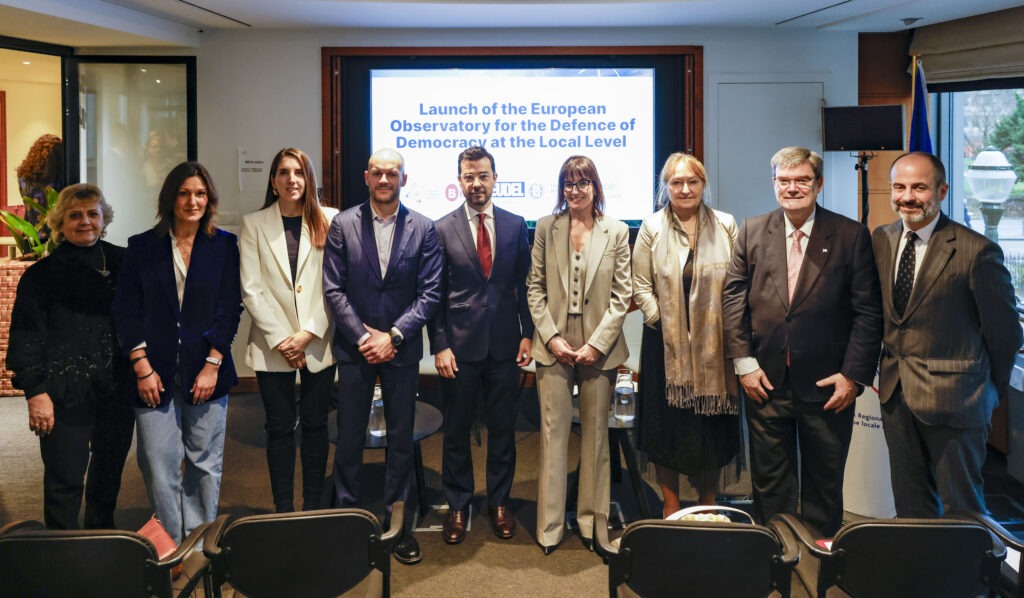
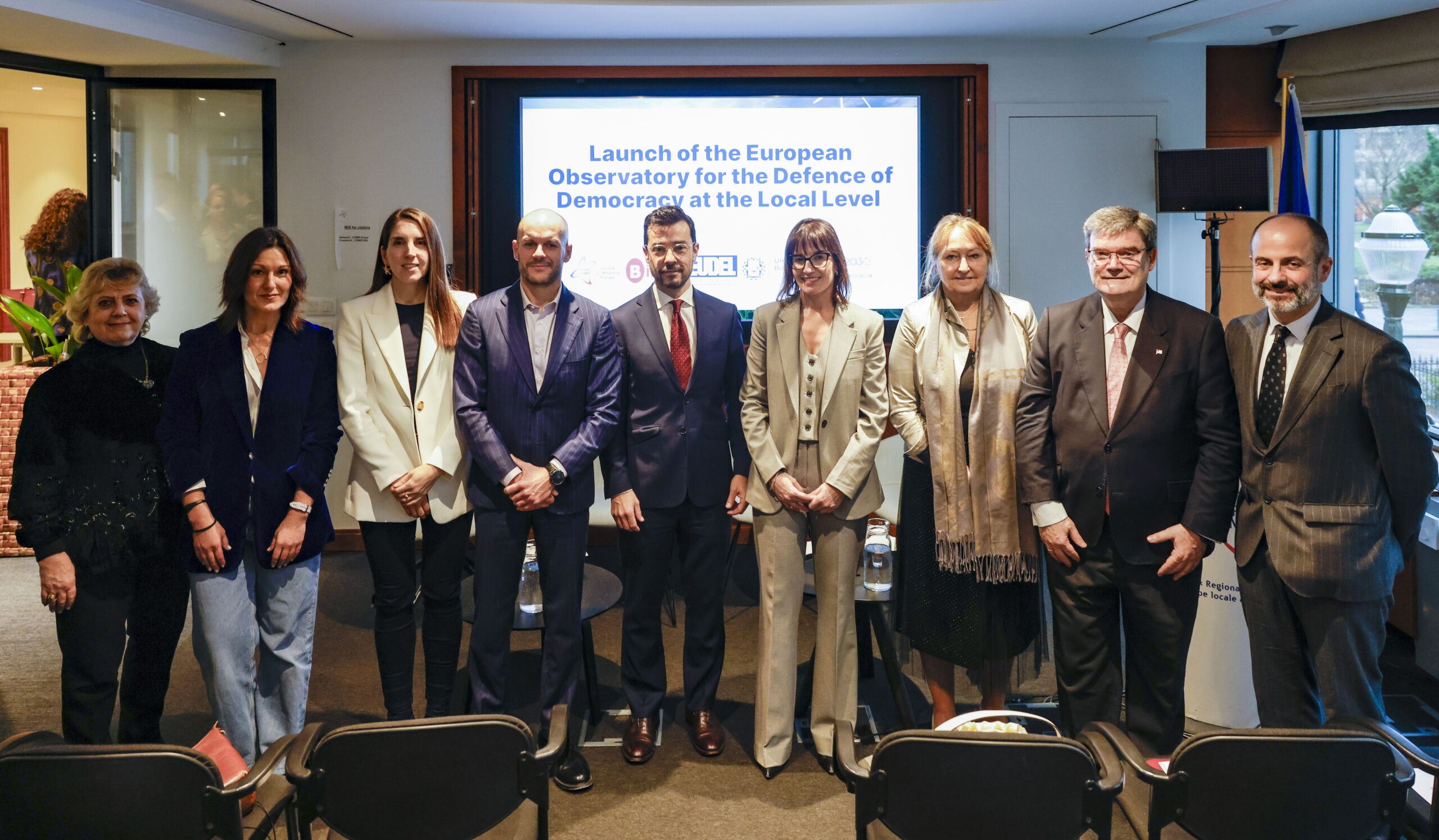
The Observatory is a partnership between the Council of European Municipalities and Regions (CEMR), the Municipality of Bilbao, and the Association of Basque Municipalities (EUDEL), with the scientific partnership of Bocconi University, and with the support of the Basque Government. It works to raise awareness of this growing challenge by generating reliable data and evidence, sharing best practices in good governance, promoting coordinated institutional action, and fostering collaboration among local and regional elected representatives.
Across Europe, local elected representatives are facing growing pressure, harassment and disinformation at a time when communities need trusted leadership more than ever. In a new article published in Burgemeester (pages 158, 159 and 160), the magazine of the Dutch Association of Mayors, dedicated to local governance, democratic resilience and public leadership. In the article, CEMR presents the work of the Observatory for the Defence of Local Democracy at the Local Level (ODELL), a European initiative created to monitor threats against local democracy, support mayors and councillors, and strengthen public trust through clearer communication, evidence-based advocacy and practical tools for municipalities.
Webinar Defending Local Democracy Together
On 21 May 2026, from 14h to 15h15, the Council of European Municipalities and Regions (CEMR) and partners of the Observatory for the Defence of Local Democracy in Europe will host an online webinar exploring the growing threats faced by local and regional elected representatives across Europe.
The discussion will bring together local leaders, experts and European partners to explore the growing challenges facing democracy at the local level, from harassment and intimidation to disinformation and declining public trust, while sharing practical solutions and experiences from across Europe.
On 21 May 2026, from 14h to 15h15, the Council of European Municipalities and Regions (CEMR) and partners of the Observatory for the Defence of Local Democracy in Europe will host an online webinar exploring the growing threats faced by local and regional elected representatives across Europe.
Launched in December 2025 by CEMR, the Municipality of Bilbao and the Association of Basque Municipalities (EUDEL), in partnership with Bocconi University and with the support of the Basque Government, the Observatory aims to monitor, analyse and respond to the increasing pressures affecting local democracy across Europe.
The webinar will present the preliminary findings of the Observatory’s upcoming European report examining patterns of intimidation, harassment, violence and attacks targeting local and regional politicians. The discussion comes at a time when democratic institutions across Europe are facing growing polarisation, disinformation, and declining trust in public authorities.
Local elected representatives are often on the frontline of these challenges. As the level of government closest to citizens, municipalities and regions play a crucial role in safeguarding democratic participation, social cohesion and public trust.
“Threats to local politics affect integrity, how we speak, and can silence people. It can make elected representatives afraid — or push them to leave public life,” said Eider Inuntziaga, city councillor of Bilbao and CEMR spokesperson on local democracy.
The event will bring together local elected representatives, researchers, international organisations and European institutions to discuss how to strengthen democratic resilience at the local level and better protect those serving in public office.
Speakers include Filiz Ceritoğlu Sengel, who will open the webinar, as well as academics and experts working on democratic governance and political violence. Representatives from the European Commission and the Council of Europe Congress will also contribute to the discussion.
The webinar will also examine threats occurring during electoral processes and explore possible policy responses to violence and intimidation targeting local elected officials.
CEMR collects data and evidence on the evolving nature of local and regional governments’ competences and responsibilities for TERRI study
CEMR is preparing the next edition of its flagship study on structures and competences, which examines how local and regional governments across Europe are organised and how their responsibilities change over time. The study, publication foreseen in autumn 2026, will explore recent reforms affecting municipalities and regions, and assess their impact on the effectiveness of public service delivery.
A core focus of the new edition will be housing policy, a growing priority for CEMR members. The study will examine housing as a key competence for local and regional governments, with a particular emphasis on how they balance housing demand and supply, and how governance arrangements influence policy implementation on the ground.
CEMR members are invited to contribute to the survey, with responses due by 4 May, to support the analysis underpinning the study.
From principles to practice, making the European Commission’s new Gender Equality Strategy 2026-2030 deliver
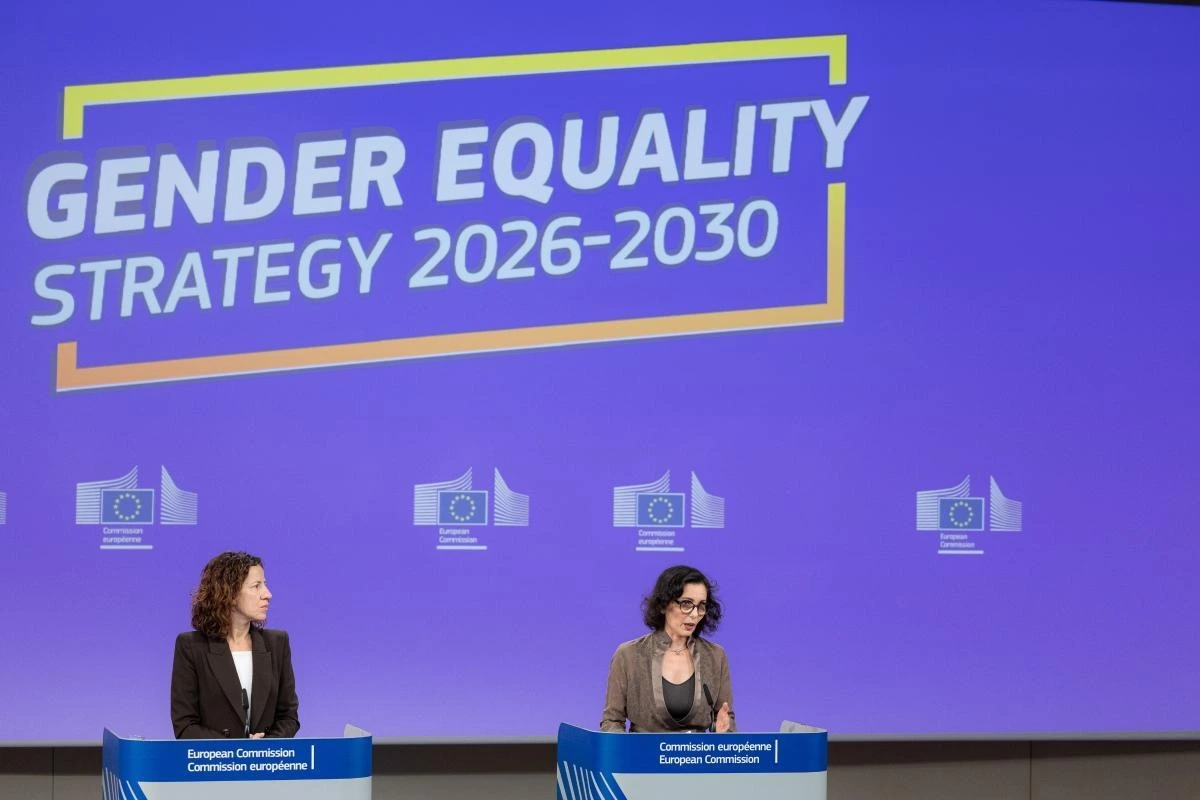
The European Commission’s new Gender Equality Strategy 2026–2030 starts from an important premise: gender equality is not a side issue, but a principle that must shape public life as a whole. Built on the Roadmap for Women’s Rights and its Declaration of principles for a gender-equal society, it sets out a broad vision across education, health, work, leadership and online life, while also confronting cyberviolence, anti-gender narratives and backlash against hard-won rights.
This approach closely reflects CEMR’s own long-standing work. For almost 20 years, the European Charter for Equality of Women and Men in Local Life has advanced the same principle: equality must be anchored in shared commitments, but progress only comes through action at every tier of government. That is why the real test of the new EU Strategy, as with the Charter itself, will be implemented.
That matters because women and girls are still too often pushed out of public life. CEMR’s Women in Politics: Local and European Trends shows that around 32% of women in politics have experienced violence, with cyberviolence rising sharply. The fact that the Commission’s Strategy itself draws on the CEMR study underlines the importance of local and regional experience in shaping the wider European agenda. The study also highlights wider structural barriers: women are still less likely to be drawn into political life and, once elected, are too often denied the most influential responsibilities. Politics cannot be meaningful if it excludes half the population.
Governments must therefore ensure that the safety of women and girls is never pushed to the margins when other priorities arise. Girls must feel that their voice will be heard and that it will lead to action. Only then will they believe there is a place for them in politics. CEMR’s more recent study, Local Truth, Shared Trust, reinforces this message by showing how closely trust in institutions is linked to people’s sense of safety and inclusion, especially for those considering entering public life. Women must have not only a voice in politics, but a safe space in which to use it.
While the Strategy acknowledges elements of CEMR’s work, this recognition represents a welcome first step rather than the destination. To ensure the Strategy’s ambitions translate into meaningful outcomes, there is value in more systematically integrating the depth of local and regional evidence that CEMR and its members have built over two decades. After all, gender equality is shaped on the ground: in towns, cities and regions where policies take effect and where women experience the impact of public action on their lives. Taking local and regional realities into account throughout the EU policy cycle, from data collection to programme design, delivery and monitoring, would help the Strategy reflect women’s lived experiences and enable more effective, inclusive implementation across Europe.
As CEMR marks the 20th year of its Charter, it looks forward to working with the European Commission and partners across Europe to turn principles into lasting change. That same message was recently carried to United Nations at this year’s 70th Conference on the Status of Women, where Flo Clucas, CEMR’s spokesperson on gender equality brought the local perspective into a wider discussion among women and men in public office: local political life must be genuinely open to both women and men, and women cannot participate fully if safety is not guaranteed. The work is far from finished. But the direction is clear: women and girls must be able to participate fully and safely in public life, without fear of violence or intimidation, in every town, city, region and country.
Inside Bonn’s 40-year effort to advance gender equality
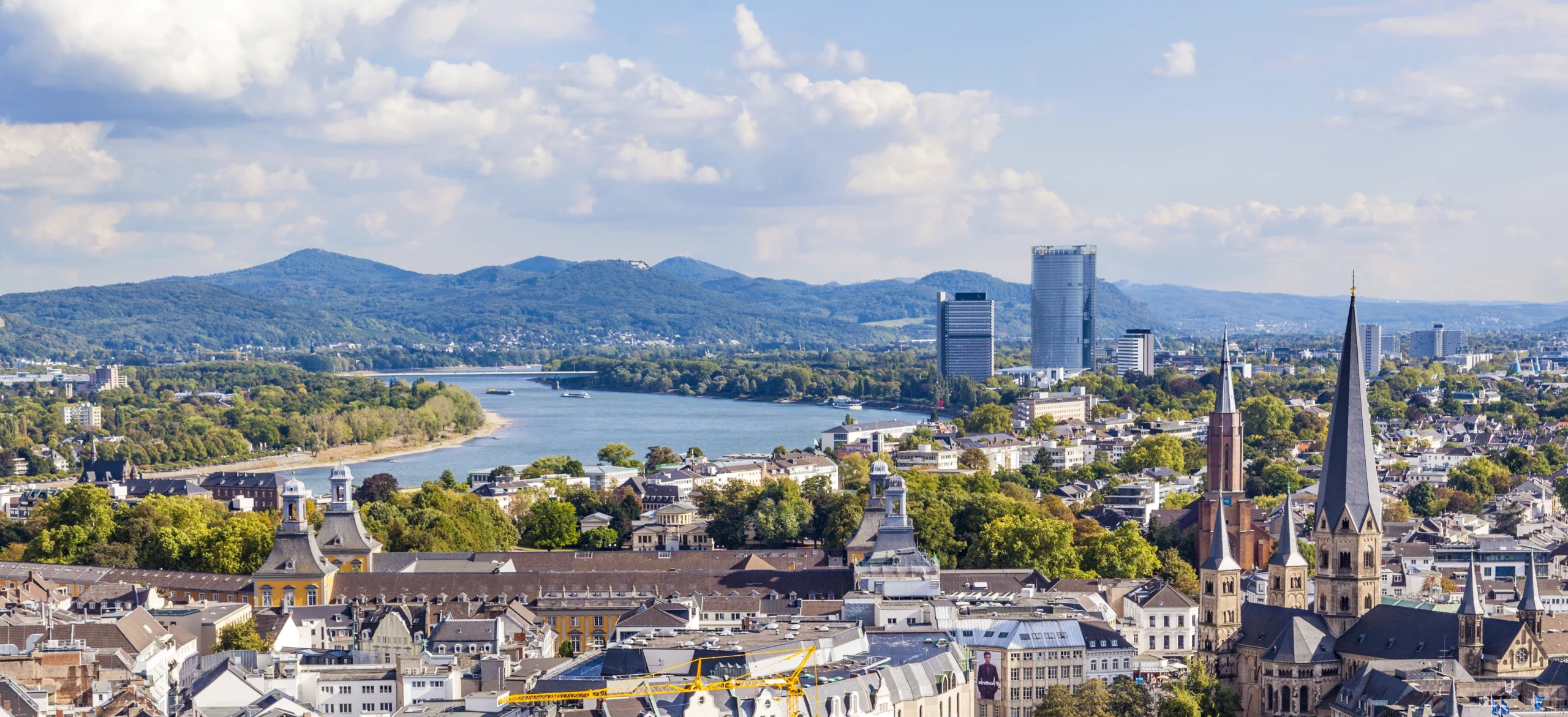
The city of Bonn (Germany) signed the European Charter for Equality of Women and Men in Local Life nineteen years ago. Yet Bonn’s story promoting gender equality does not begin there. It stretches back more than forty years, to a time when gender equality was little more than an ambition, and when the structures needed to drive real change barely existed.
In 1984, Bonn established a dedicated Office for Equal Opportunities, a bold move for its time, signalling that equality was not an abstract value but a governance priority. By 1991, the city had introduced its first bylaws on equal opportunities. A decade later, in 2001, Bonn adopted its first comprehensive Equal Opportunities Plan, laying the foundations for long‑term, structural change in work, care, safety and representation.
Bonn’s commitment has remained unwavering. Today, the city hall maintains a near-equal gender balance in senior management, while women in middle management are empowered to assume leadership responsibilities through structured mentoring programmes.
Deputy Mayor of Bonn, Ursula Sautter, explains that the local administration “advocates and promotes equal care solutions” due to the “still unequal division of work and care”.
Sautter also highlights that the city actively combats all forms of violence and stands firmly with victims. This effort is reinforced by the new German Violence Assistance Act of 2025, which strengthens support frameworks across the country.
Bonn has been a signatory of CEMR’s European Charter for Equality since 2007, demonstrating its commitment to turning principles into action. As Sautter mentions, “the European Charter for Equality is a beacon of empowerment for us, uniting us with a multitude of diverse cities in this important endeavour”.
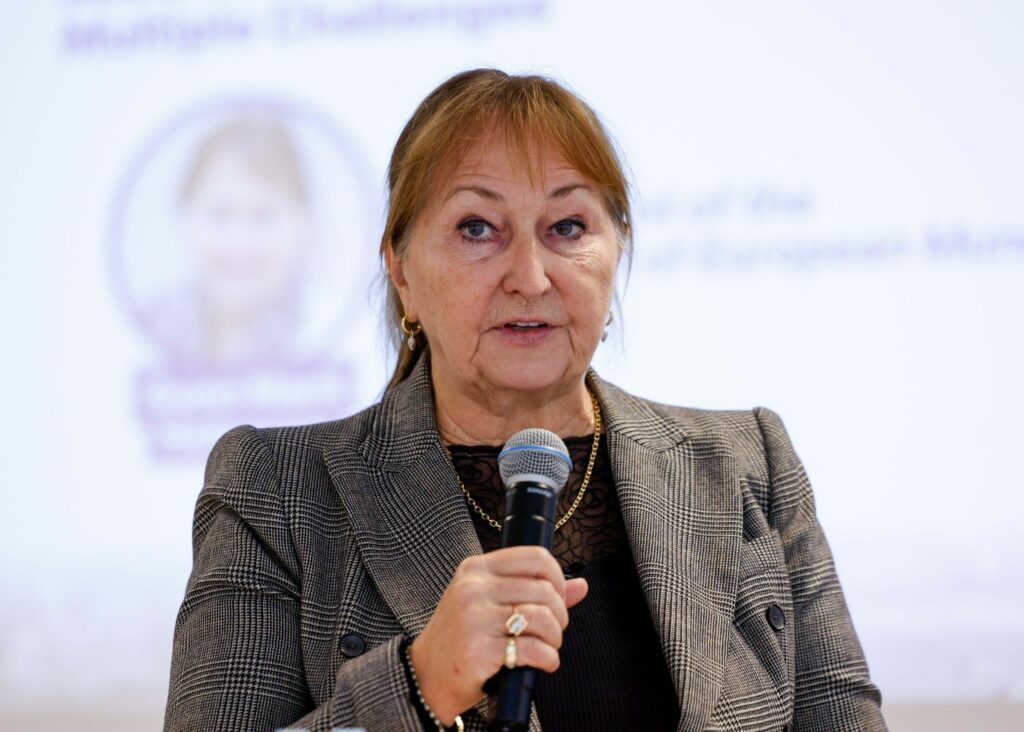
Ursula Sautter, Deputy Mayor of Bonn
20 years of the European Charter for Equality
This year, we mark the 20th anniversary of the European Charter for Equality,a milestone that invites reflection, celebration and renewed ambition.
Since its creation, the Charter has become one of Europe’s strongest frameworks for driving equality at the local and regional levels. Today, more than 2,053 signatories from 36 countries are part of this growing movement of cities, towns, and regions committed to turning equality principles into reality.
Developed by CEMR together with its national associations and project partners, the Charter brings together diverse European visions of equality. Hundreds of local and regional representatives contributed to shaping a shared framework that considers the diverse competences and contexts across Europe. Signing the Charter is a public and formal commitment, a pledge to advance gender equality through policies, programmes, and concrete actions implemented in cooperation with local partners and civil society.
While the Charter is not legally binding, it is intentionally ambitious. CEMR recognises that achieving these objectives requires time, dialogue, and structural change. That is why signatories are encouraged to adopt a progressive approach, identifying priority areas for action while steadily expanding their efforts.
To support signatories, CEMR established the European Observatory on the Charter, dedicated to helping local and regional authorities develop and implement strong equality policies.
The Observatory’s mission is threefold:
Support the development of Local Action Plans for gender equality
Monitor implementation and progress on the ground
Evaluate impact and share knowledge across Europe
By connecting municipalities, facilitating exchanges, and making progress visible, the Observatory ensures that the Charter remains a living, evolving tool, anchored in real practice.
—
Discover the story of Aubagne (France), which signed the European Charter for Equality in November 2025.
Bonn is a member of CEMR’s association Deutscher Städtetag.
CEMR launches new study on local governments’ role, responsibilities in housing governance
In 2026, CEMR will update its flagship study on governance trends, the Terri Report. The previous edition, published in 2021, focused on the role of local and regional governments in public health. The new edition will place housing policy under the spotlight — a policy field that clearly illustrates how responsibilities are shared across levels of government and how effective coordination shapes tangible outcomes and the well-being of citizens and local communities.
For many years, CEMR has monitored territorial and governance developments across its membership, analysing what institutional and territorial changes mean for democracy and the quality of public decision-making. As governance challenges grow more complex and increasingly differ between places, traditional top-down approaches are proving less effective. Strong coordination across national, regional and local levels is therefore more important than ever.
Alongside updating data on governance structures and administrative reforms, the study will use housing as a lens to examine how competences, financial resources and implementation capacities are distributed across levels of government — and what this implies for addressing territorial disparities and delivering place-based solutions.
To support this work, CEMR’s members will receive a detailed questionnaire in early March 2026, addressed to national associations and experts with practical knowledge of housing policy at municipal or regional level. The questionnaire is structured in two parts: • Part I focuses on governance arrangements, competences and reforms. • Part II examines housing policy as a case study of multilevel cooperation.
This is a substantial, expert-level exercise rather than a quick survey. The evidence gathered will form a key foundation for CEMR’s advocacy on effective multilevel governance and housing policy. Members will have approximately three weeks to respond.
The study is expected to be published in autumn 2026, and CEMR looks forward to your participation in this work. Your contribution will strengthen our collective evidence base and advocacy for better governance and stronger place-based policies across Europe.
According to CEMR’s latest study,nearly half of LRGs report moderate to significant impacts from misinformation, particularly in areas such aspublic health, personal attacks on officials, and election interference. During the pandemic, for example, false claims about vaccines and public measures severely undermined public trust.
The personal toll is also growing. One in four local representatives has faced online abuse or intimidation, and over half report being targeted by false claims about their integrity or conduct. These are not abstract challenges, but rather, they erode both individual safety and democratic trust.
The evidence of CEMR’s study highlighted how misinformation and disinformation spike during crises, for example, around COVID-19, climate policies like low-emission zones, or housing and migration debates. During moments when emotions run high and public debate intensifies, local and regional governments often find themselves on the frontline of these tensions, but many lack the capacity or tools to respond effectively. CEMR’s findings show that 58% of municipalities still lack a formal strategy to counter misinformation and disinformation, and only a quarter are in the process of developing one. Most rely on reactive measures, 58% monitoring social media to spot emerging issues, around a third run awareness campaigns, and a smaller share (4%) collaborate with fact-checkers or pursue legal action (21%). These are useful but insufficient without proactive planning.
For CEMR, building resilience requires three key actions:
Strengthen local capacity and trust. Training staff, protecting targeted officials, and using participatory democracy tools such as citizens’ assemblies can help communities become less vulnerable to false narratives.
Improve coordination and tools. Shared monitoring systems, partnerships, and national or EU knowledge-sharing platforms can help municipalities act faster and avoid duplication.
Create an enabling framework. National and EU support, through measures like the Digital Services Act, AI Act, and national counter-disinformation laws, can provide resources, clarity, and legal backing.
Ultimately, misinformation may be a global issue, but its impact is most visible locally. Empowering local governments with the right capacity, coordination, and frameworks is key to protecting communities, safeguarding democracy, and rebuilding public trust.
It often starts with a rumour. In Sweden, when a local council proposed using municipal land for newly arrived migrants, the debate should have focused on policy. Instead, misleading narratives took over. Trust in the process collapsed, divisions deepened, and planning stalled—not because of disagreement over the proposal itself, but because confidence in local leaders had been shaken.
Similar patterns are appearing across Europe. In the UK, false claims spread by extremists have fuelled threats against local politicians and disrupted council meetings. In Romania, local authorities report having to divert time and resources away from essential services just to counter persistent rumours.
These cases reveal a broader reality: when facts are manipulated, democratic dialogue falters. Decisions that should serve communities are delayed or derailed, while elected representatives—especially women and members of minority groups—face heightened hostility and intimidation.
“Disinformation doesn’t just mislead — it derails local decision-making, sows division, and erodes trust in our institutions. Local governments must be equipped to counter manipulated narratives, protect credibility, and defend democratic dialogue.” Gunn Marit Helgesen, CEMR President
The new CEMR report “Local Truth, Shared Trust” launched on 13 October 2025 during the event “The Local Self-Government Charter turns 40 | Renewing Democracy in the Digital Age”, draws on a spring 2025 survey of national associations to explore these dynamics. Local and regional governments (LRGs) report a rise in mis/disinformation campaigns aimed at discrediting officials, obstructing policy, and deepening community divisions. By sharing real experiences from towns, cities and regions, the report highlights the significant disruption these campaigns create for effective local governance.
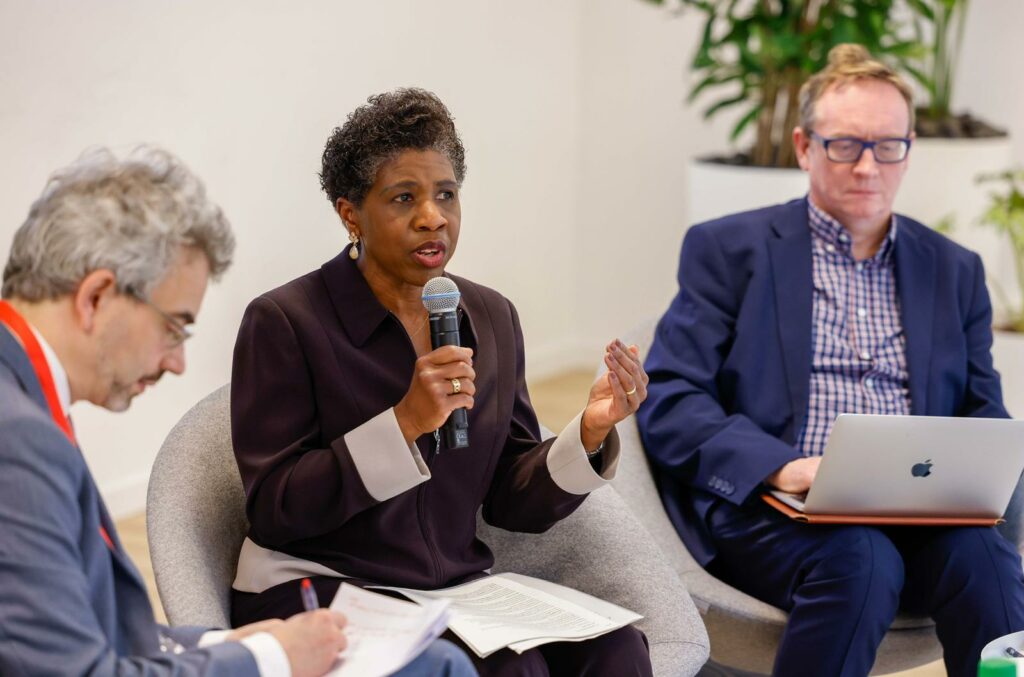
Carol Thomas, Senior Advisor at The Council of European Municipalities and Regions (CEMR) during the report “Local Thruth, Shared Trust” presentation.
Truth in a democracy has always been a contested space, where facts meet beliefs and political narratives shape understanding. But today’s challenge goes beyond healthy debate: it involves deliberate distortion intended to divide. The result is a public sphere that is more polarised, less participatory, and less capable of performing essential functions, from maintaining public order to managing crises and protecting vulnerable populations.
Towns, cities and regions are among the most exposed to these pressures. As the democratic institutions closest to citizens, they are both highly trusted and highly vulnerable. Their central role in service delivery and daily engagement with residents makes them visible targets for narratives that distort facts, fuel mistrust, and erode credibility.
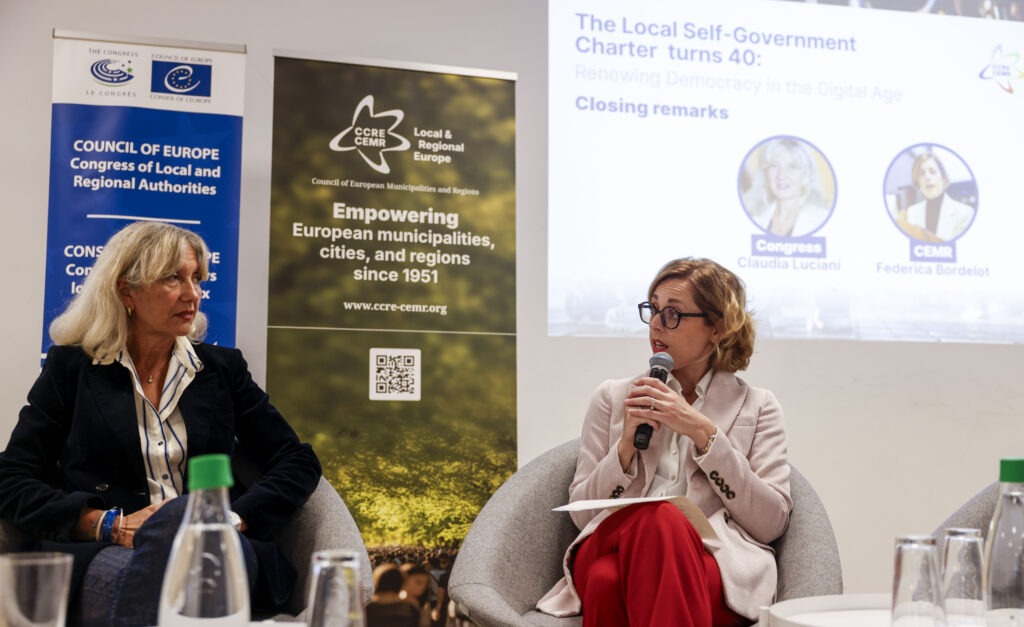
Claudia Luciani, Director of the Congress of Local and Regional Authorities and Federica Bordelot, Director of Advocacy and Impact at CEMR.
Responding effectively to mis/disinformation requires action at the local level. Strengthening local democracy is not only about protecting democratic values, but also ensuring that LRGs can continue providing vital services and leadership for cohesive societies. This includes investing in tools and training for public administrators, supporting independent local media, promoting media literacy, and integrating LRGs into national and EU strategies that reflect on-the-ground realities.
By highlighting these challenges and opportunities, the CEMR report underscores the importance of empowering local governments. Building trust, protecting democratic values, and fostering societal cohesion depends on it. The report’s launch event brought together participants able to share insights, experiences, and expertise—sparking debate and informing concrete solutions to one of democracy’s most pressing challenge.