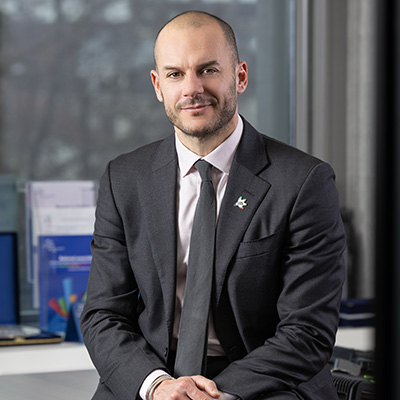
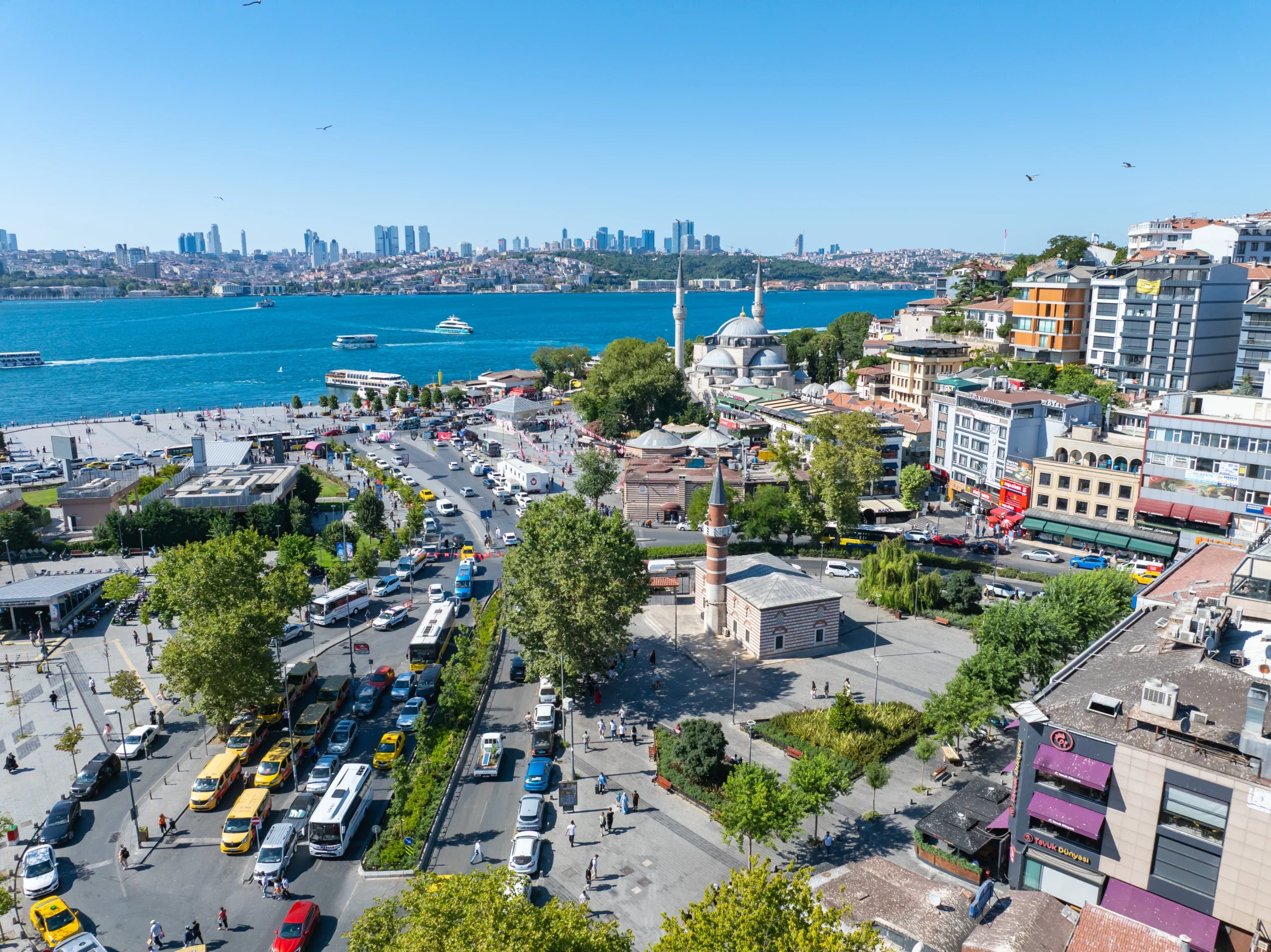
The Council of European Municipalities and Regions (CEMR) is deeply concerned about the arrest of Vahap Seçer on 6 October 2026, Mayor of Mersin Metropolitan Municipality, President of the Union of Municipalities of Türkiye (UMT), and CEMR Vice-President.
Mayor Seçer is the third President of UMT, CEMR’s member association in Türkiye, to be deprived of his liberty since the 2024 Turkish local elections. His arrest follows those of Ekrem İmamoğlu, Mayor of Istanbul Metropolitan Municipality, on 19 March 2025, and Zeydan Karalar, Mayor of Adana Metropolitan Municipality, on 8 July 2025.
These developments are part of a broader and deeply concerning trend. Since the 2024 local elections, more than 80 municipalities in Türkiye have had their mayors replaced, and over 30 mayors have been arrested. Among them is Sinem Dedetaş, Mayor of Üsküdar and a member of the CEMR Policy Committee, who was arrested in July 2026. Taken together, these events point to a continued erosion of local democracy in Türkiye, a trend CEMR has repeatedly raised concerns about.
CEMR reiterates that local elected representatives must be able to carry out their duties freely and without undue interference and calls on the Turkish authorities to:
Respect the democratic mandates entrusted to local elected representatives by citizens and uphold the principles of the European Charter of Local Self-Government;
Release arrested elected representatives and allow them to resume their mandates;
Ensure that UMT can operate freely and continue to be led by the representatives chosen by its members.
CEMR also calls on European institutions and the wider international community to stand in solidarity with democratically elected local representatives in Türkiye and to raise these cases in their dialogue with the Turkish authorities.
At a time when democracy is facing increasing pressure across Europe, protecting local self-government is more important than ever. CEMR will continue to follow developments closely and stands firmly alongside UMT and its members and partners in Türkiye.
A day ahead of President Ursula von der Leyen’s State of the European Union (SOTEU), CEMR has joined Local Alliance, which comprises seven other leading European networks of local and regional governments including ACR+, Climate Alliance, Energy Cities, Eurocities, FEDARENE, ICLEI Europe and POLIS, in a joint letter reaffirming support for a more competitive, resilient and cohesive Union, while raising a clear warning about the direction EU reforms are taking.
The letter recalls the summer’s wildfires and heatwaves, during which towns, cities and regions coordinated evacuations, sheltered residents and led recovery efforts. It is a reminder, Local Alliance writes, that cities and regions are not mere implementers of EU policy: they carry out close to 70% of EU legislation and account for around 68% of climate-significant public investment across the EU and OECD countries.
The signatories warn that the Commission’s envisaged restructuring of its services, the next Multiannual Financial Framework and ongoing simplification efforts risk removing both the institutional dialogue and the financial channels through which local and regional governments engage with the Union. Streamlining EU governance is welcome, the Local Alliance stressed, but not if it comes at the cost of centralisation, weaker locally led transitions, or a thinner territorial dimension in EU policy and funding.
The letter also points to the local dimension of Europe’s other priorities: security, economy and enlargement, noting that towns, cities and regions integrate people fleeing war, sustain partnerships with Ukrainian towns that will matter even more during reconstruction, and are where enlargement will ultimately be felt by citizens in candidate countries.
The ask is simple. The Local Alliance calls on President von der Leyen to use her State of the Union address to reaffirm the Commission’s commitment to local and regional governments as trusted, indispensable partners with a strong Commission service that engages with them directly, and an EU budget that gives them the investment and capacity to deliver for every community.
The Council of European Municipalities and Regions (CEMR), together with President Christoph Schnaudigel, voices full solidarity with Mayor Sinem Dedetaş, member of the CEMR Policy Committee, following her detention, and calls on Turkish authorities and European institutions to defend local self-government and the rule of law.
CEMR has issued a statement expressing its deep concern over the detention today of Sinem Dedetaş, Mayor of Üsküdar and member of the CEMR Policy Committee, along with several members of her team.
CEMR stresses that this is not an isolated case, but the latest in a sustained series of actions targeting democratically elected local representatives in Türkiye. Since the 2024 local elections, more than 80 municipalities in the country have seen their elected mayors replaced through trustee appointments, dismissals or arrests, while over 30 mayors have been detained, many remaining in prolonged pre-trial detention.
“As President of CEMR, I wish to express full solidarity with Mayor Sinem Dedetaş and with all local elected representatives affected by these developments“, writes Christoph Schnaudigel, CEMR President and President of the County of Karlsruhe (Germany).
It should be noted that when mayors and local leaders are deprived of their liberty and unable to exercise the mandates entrusted to them by citizens, the consequences extend far beyond those directly concerned: each case leaves a community without the representatives it elected. Taken together, these developments point to a steady erosion of local democracy and a lack of respect for the will of voters in Türkiye.
CEMR recalls the importance of the principles enshrined in the European Charter of Local Self-Government, including respect for democratic mandates and the autonomy of local governments; principles CEMR considers essential to maintaining citizens’ trust in democratic institutions at all levels.
CEMR calls on the Turkish authorities to ensure full respect for fundamental democratic standards and the rule of law, and to guarantee that elected representatives can carry out their responsibilities freely and without undue interference. It also calls on European institutions and the international community to stand in solidarity with democratically elected local representatives in Türkiye, and to continue advocating for the protection of local self-government, democratic institutions and the rule of law.
CEMR will continue to monitor developments closely and stand alongside its members and partners in Türkiye in their commitment to democratic local governance.
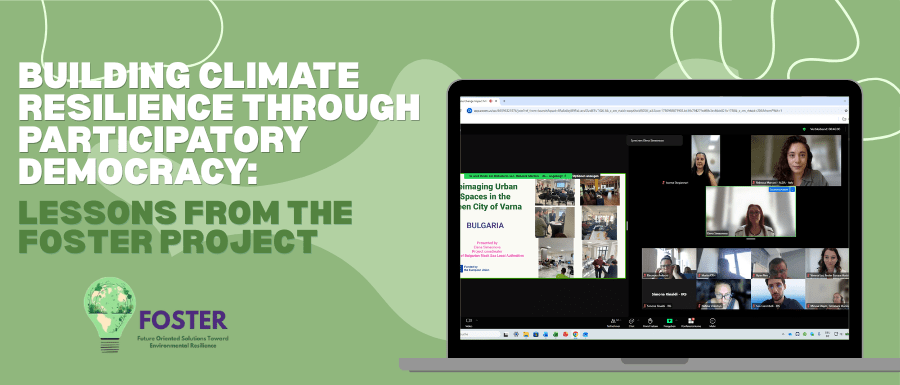
Climate change impact mitigation: what about the role of participatory democracy? Lessons from the FOSTER Project
On 9 June 2026, the FOSTER project brought together policymakers, researchers, civil society organisations and citizens from across Europe for an online conference to answer the following question: how can local communities become more resilient to the long-term impacts of climate change through democratic participation?
Hosted by the partner Foster Europe Foundation, the event offered a unique opportunity to showcase the results achieved throughout the project while fostering a broader discussion on the role of participatory democracy, strategic foresight and collaborative governance in addressing climate-related challenges.
Participants had the opportunity to explore the case studies, exchange perspectives and reflect on the lessons learned in the project. The presentations demonstrated how strategic foresight can become a powerful tool for communities to anticipate future challenges and transform them into opportunities for collective action and highlighted both the potential and the challenges of participatory climate governance.
Despite the diversity of local contexts, several common challenges emerged from the case studies. Participants highlighted the increasing vulnerability of urban areas to extreme weather events, the unequal distribution of green infrastructure, the need to protect and regenerate public spaces, and the importance of ensuring that climate adaptation measures also address social inclusion and quality of life.
Strategic foresight as a key tool for engaging with local stakeholders
The FOSTER local pathways demonstrated how participatory foresight can help communities move beyond short-term responses and engage in long-term thinking. Through workshops, scenario-building exercises and co-design activities, citizens, civil society organisations and local authorities worked together to identify future risks and develop locally grounded solutions. These ranged from urban greening interventions and climate-resilient public spaces to sustainable housing strategies, stronger governance mechanisms and new forms of civic participation.
The project also highlighted the importance of building trust between citizens and public institutions. Involving municipal representatives directly in the participatory process helped create constructive dialogue and increased the legitimacy of the proposed solutions. At the same time, participants recognised that maintaining engagement over time remains a challenge. Project’s partners highlighted the phenomenon of “participation fatigue”. Discussions confirmed that citizens are willing to engage in climate-related decision-making when they can clearly understand the purpose of the process and when their contributions are translated into concrete actions.
Another key lesson emerging from the conference and the project was that participatory processes alone are not sufficient. Long-term impact requires institutional commitment, supportive legal frameworks, coordination among stakeholders, and mechanisms that ensure the implementation of the solutions developed collaboratively. As several speakers noted, participation is most effective when it becomes an integral part of governance rather than an isolated project activity.
Together, these contributions reinforced one of the key messages emerging from the FOSTER project: addressing climate change requires governance models that combine long-term thinking, community participation and cross-sector collaboration. Resilient communities are built through inclusive decision-making processes that empower citizens to actively anticipate and shape their futures while co-creating practical and inclusive responses.
Reflecting on what local governance means in the face of current challenges
354 words
1–2 minutes
Local and regional governments across Europe are under growing pressure. Tight budgets, staff shortages, rising social care needs, climate challenges, and digital transformation are pushing governments to rethink how they deliver services and allocate resources to meet increasingly diverse local needs. At the same time, citizens expect more services that are responsive, accessible, and rooted in local realities.
These issues were the subject of a recent meeting of CEMR’s Governance and Local Democracy Expert Group, where one key takeaway stood out: governance is no longer just about deciding who is responsible for what. It is more often about how different levels of government work together and their ability to do so well.
Adapting governance to new realities
Governments across Europe are pursuing all kinds of reforms — decentralisation, territorial restructuring, inter-municipal cooperation and administrative consolidation. The approaches vary, but the goal is often the same: making sure public institutions can keep up with a changing world.
But reform is not just about reshuffling structures. It raises fundamental questions: How clearly are responsibilities divided? How can governments build capacity while staying accountable? And how can reforms improve services without undermining democratic legitimacy? Ultimately, those delivering services on the ground need a real say in shaping reforms, otherwise they risk becoming exercises in administrative tinkering rather than genuine improvements.
Monitoring change
This is part of why CEMR tracks governance developments through its Territorial Governance, Structures and Reforms (TERRI) report. The previous edition, produced during COVID-19, captured how governance arrangements affected crisis response. The next edition, due this autumn, will focus on housing policy, examining how responsibilities are shared across national, regional, and local levels to meet growing demand under tight resource constraints.
The report will not have all the answers, but it will capture a moment in time. Across very different systems, one lesson holds: reform is not an end in itself. The real test is whether it makes public action more effective and more legitimate — and that is what CEMR will keep monitoring.
CEMR reinforces its role as Europe’s Hub for Municipal Cooperation with Ukraine
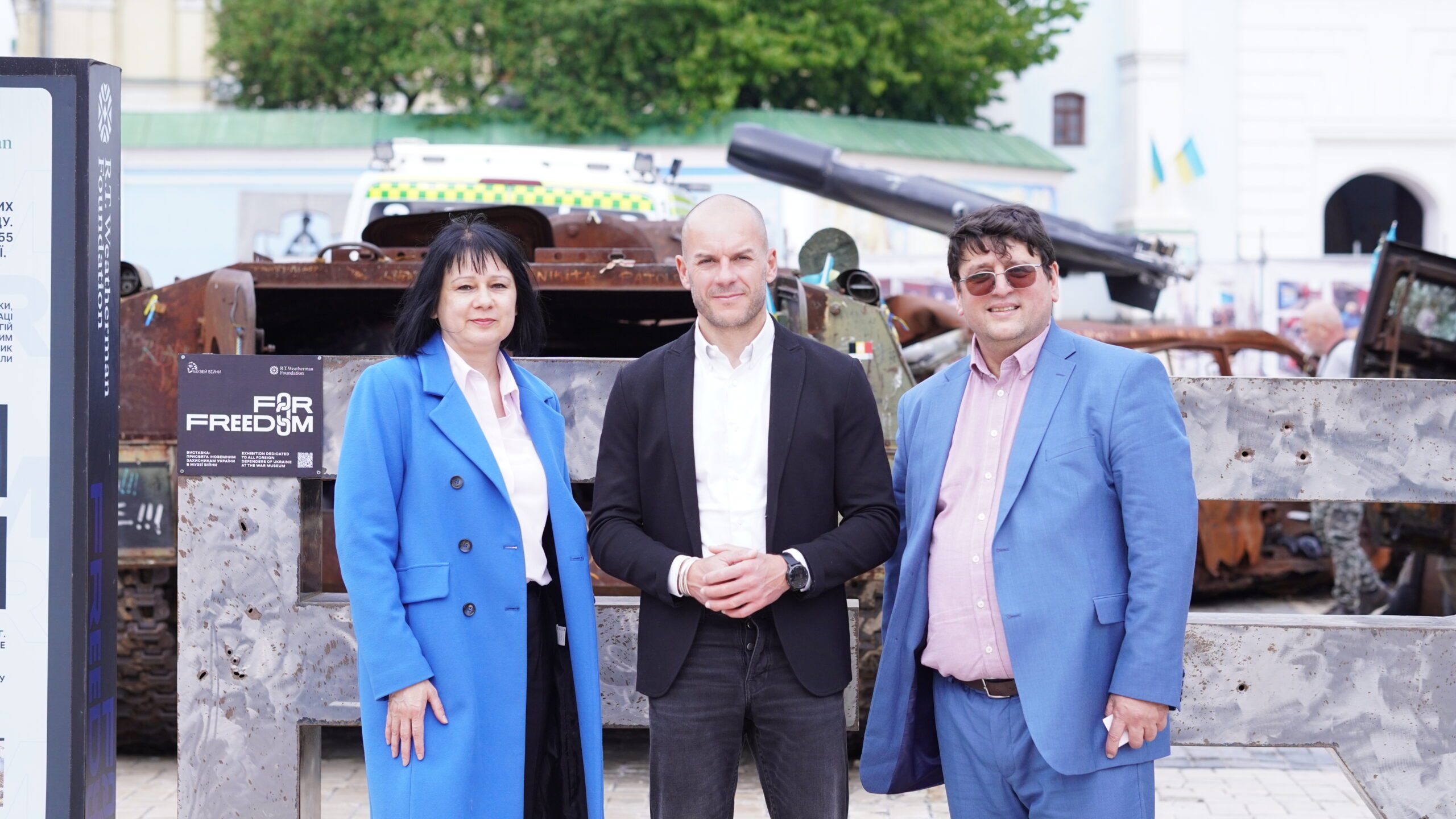
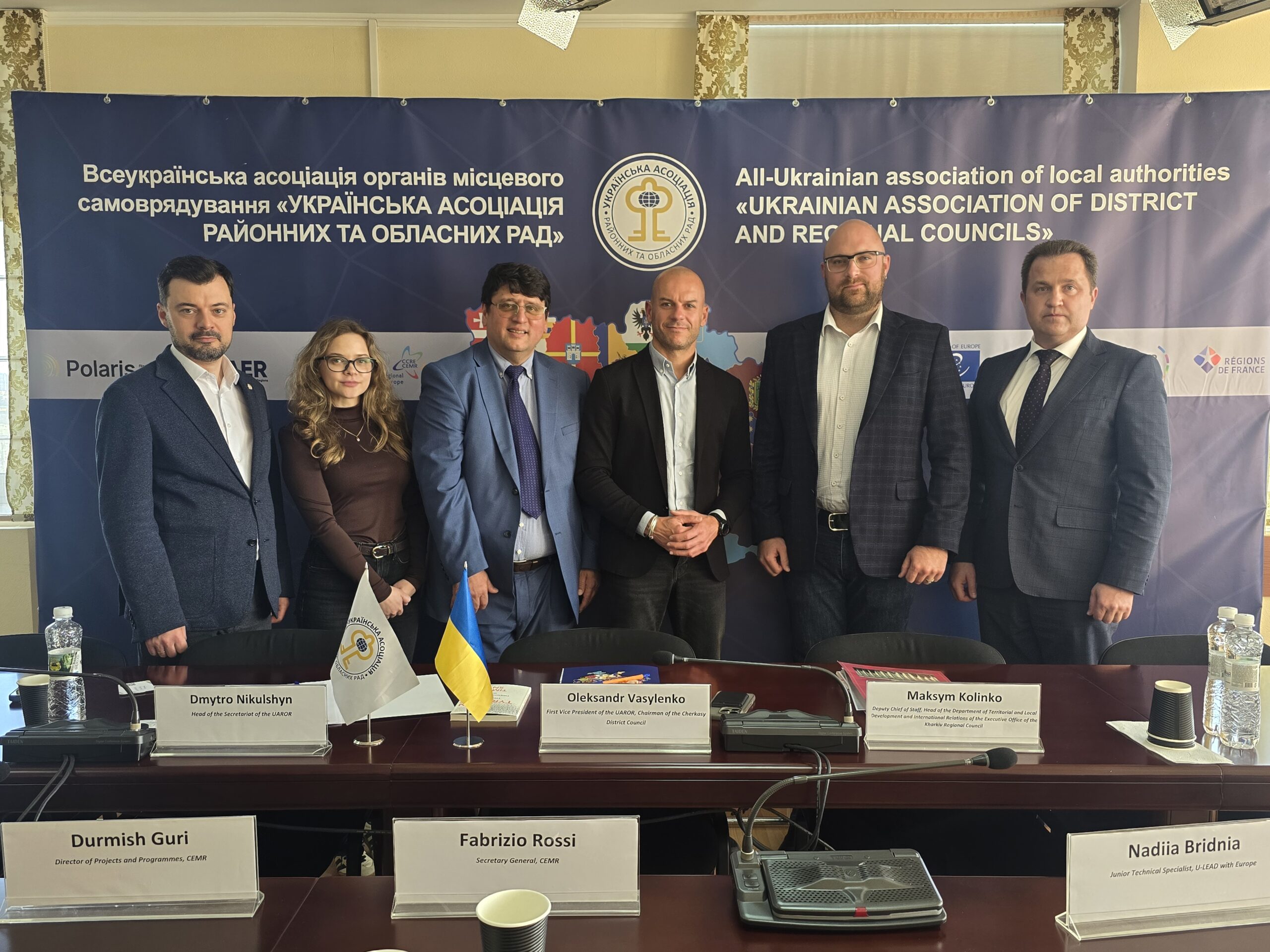
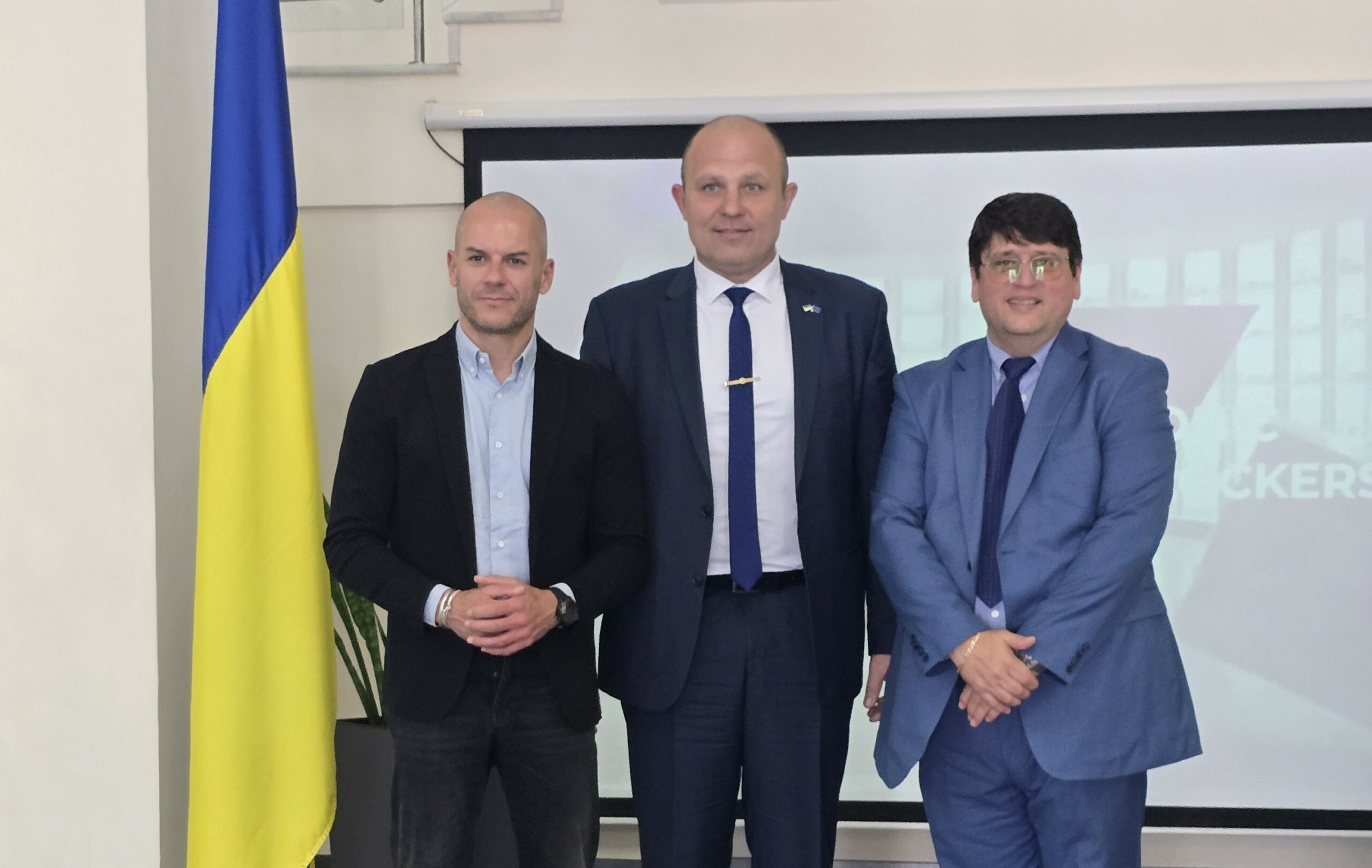
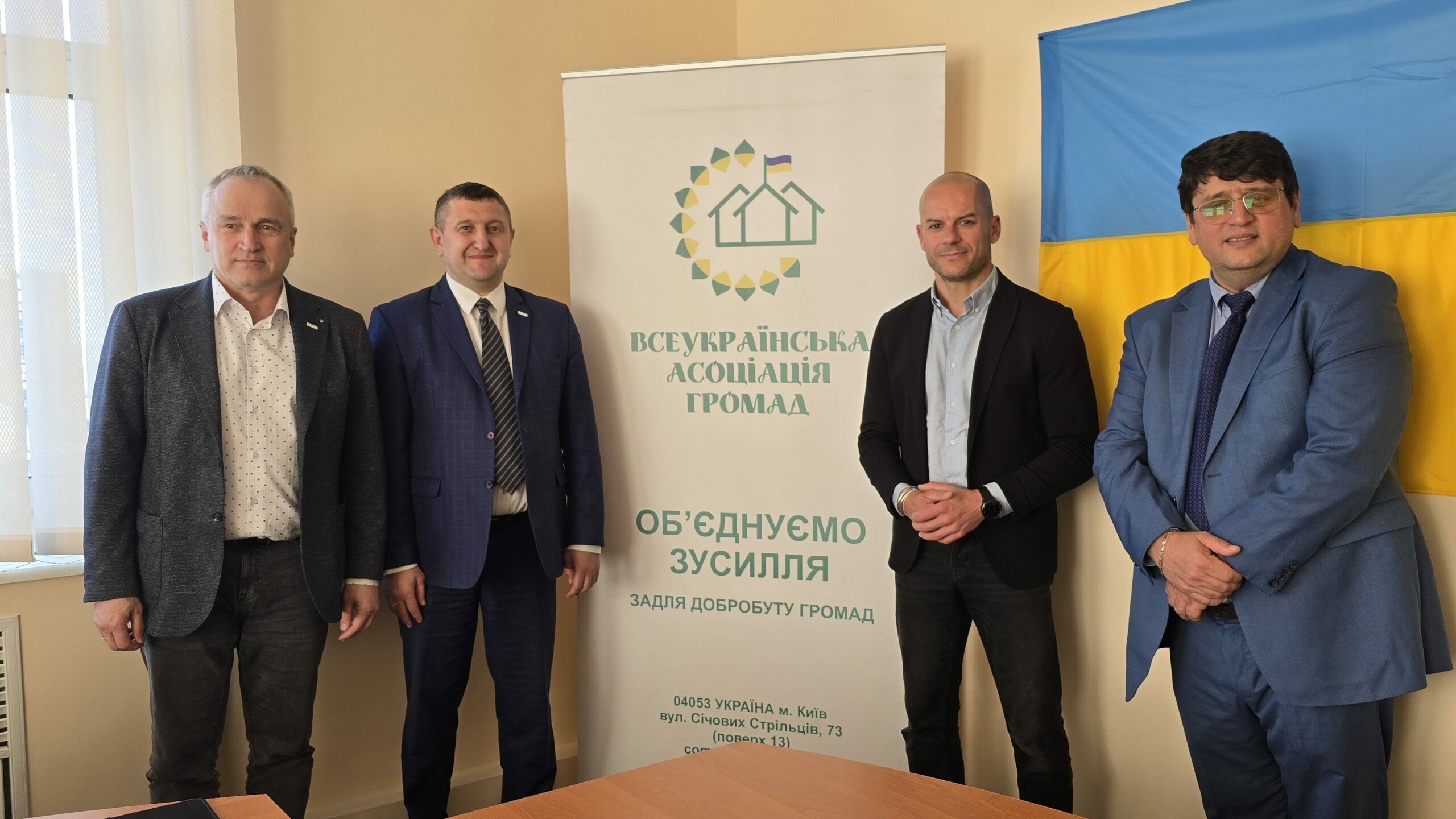
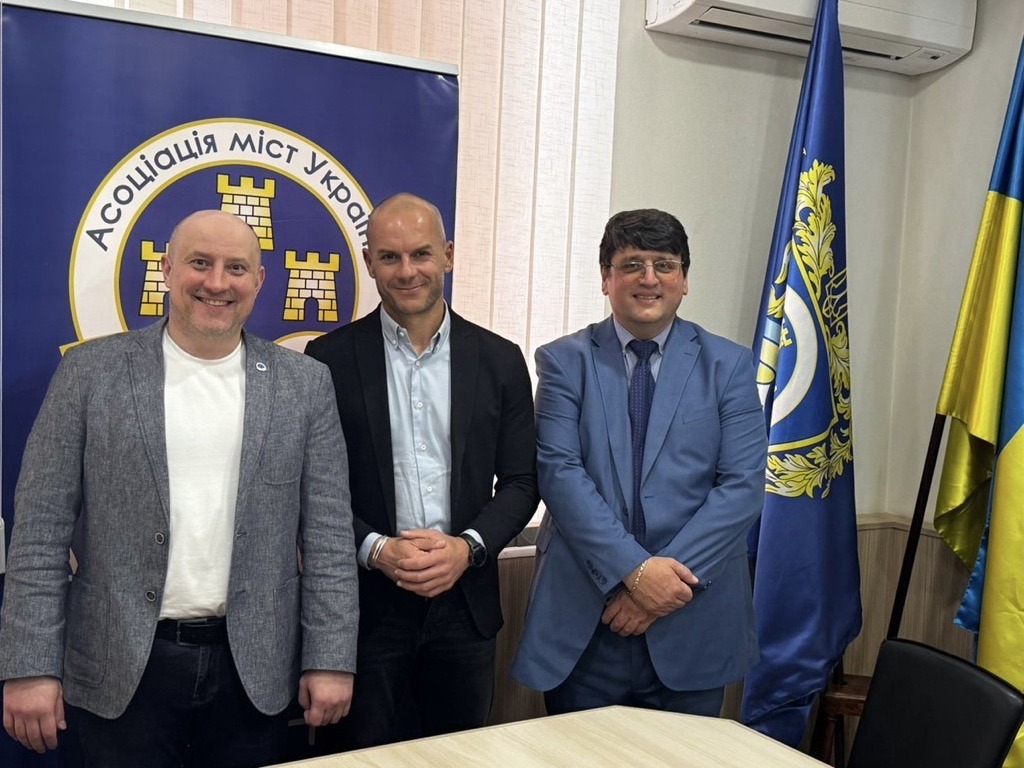
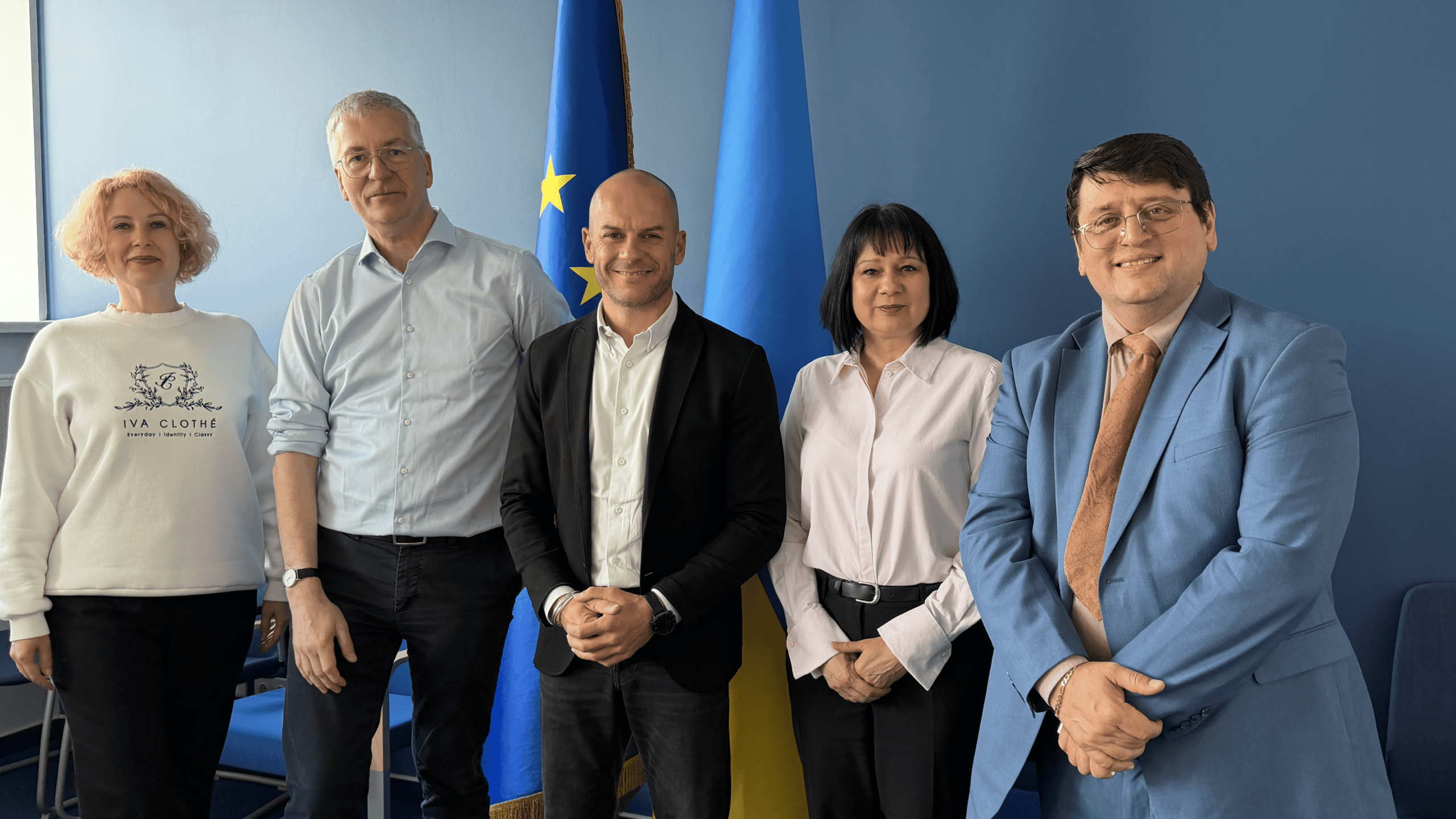
A week-long mission to Kyiv, carried out by CEMR Secretary General Fabrizio Rossi and Director of Projects and Programmes Durmish Guri, has reaffirmed CEMR as a facilitating structure of the European Partnership Hub (EPH), for international municipal cooperation in support of Ukraine’s recovery, resilience, and European integration.
Although CEMR’s engagement with Ukraine stands since 2002, this visit took place within a strategically significant framework, which is the European Partnership Hub (EPH), supported by the EU and its member states through U-LEAD with Europe programme. The EPH, developed jointly with the Bridges of Trust Community actors, is designed to scale up, structure, and coordinate international municipal partnerships between European and Ukrainian municipalities.
With hundreds of bilateral and multilateral cooperation initiatives already underway and demand for further support growing, the EPH Secretariat (EPHS) provides the coherent, European-level coordination needed to align actors and eliminate duplication. This approach better serves needs on the ground and directly answers the call to action from the Ukraine Recovery Conference in Berlin, which urged the creation of a dedicated one-stop shop.
Main takeaways from the visit to Ukraine
Federating the national associations of local and regional governments.
Exchanging with key local leaders: Klitschko, Mayor of Kyiv and Pikula, Deputy Mayor of MariupolCity Council
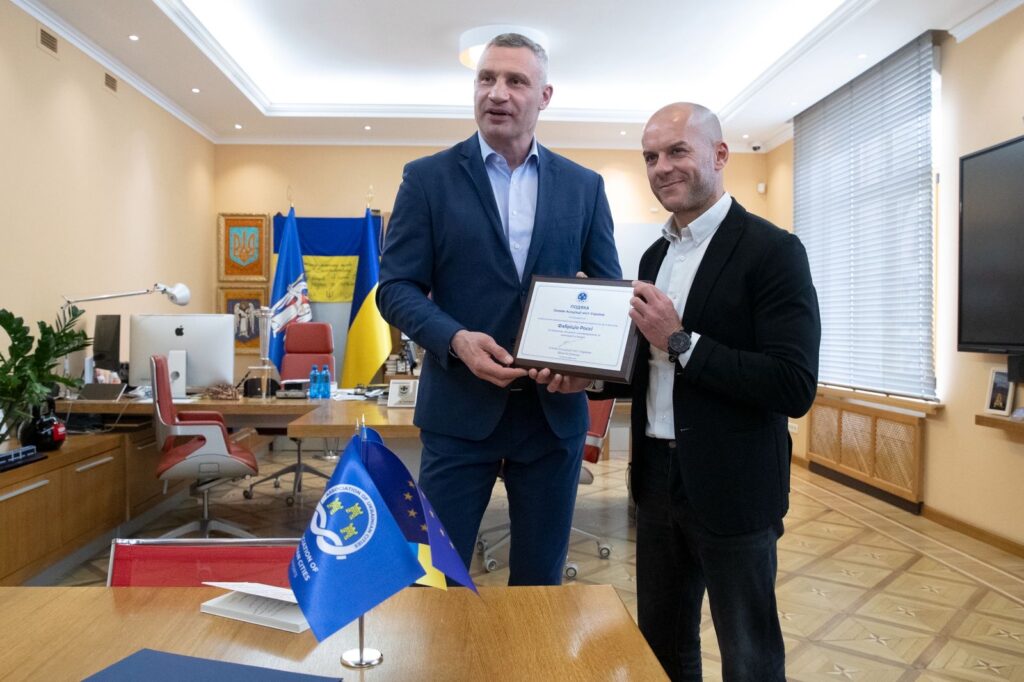
A meeting with the Mayor of Kyiv and Chair of the AUC, Vitaliy Klitschko, provided an opportunity to review more than twenty years of cooperation and to discuss the practical solidarity that Ukrainian cities need from their European counterparts. Mayor Klitschko expressed particular appreciation for CEMR’s annual declarations and its sustained international advocacy for mayors in captivity.
The meeting with the Deputy Mayor of Mariupol City Council, and also CEMR Spokesperson on EU Enlargement, Olha Pikula, covered the need for a clear CEMR position on Ukraine in the context of the next Multiannual Financial Framework, ensuring that Ukraine’s specific circumstances are fully reflected in both policy and funding approaches.
Dialoguing with Ukrainian ministries and the EU delegation in Ukraine
Meetings with the EU Delegation to Ukraine, including the Head of Cooperation at the EU Delegation to Ukraine, Stefan Schleuning and with the Deputy Minister for Development of Communities and Territories, Oleksii Riabykin, produced a consistent political signal: Ukraine’s recovery and accession will only succeed if local and regional governments are systematically involved. Particular attention was given to Chapter 22 on Cohesion Policy, where municipalities and regions are central delivery actors, and to the urgent need for clarity on how local governments can access the Pillar III of the Ukraine Facility.
Coordinating with the Bridges of Trust Community actors working in Ukraine
A meeting with Expertise France, a key actor within the Bridges of Trust Community, illustrated the breadth of the EPHS coordination role. Discussions focused on the preparation of the Ukraine Recovery Conference and the need for a more coordinated approach to international municipal cooperation within the EU framework. The mission was also an opportunity to work alongside the U-LEAD with Europe team in Ukraine, who co-organised and supported the visit throughout the week.
What is International Municipal Cooperation, and why does it matter now in Ukraine?
International municipal cooperation refers to structured partnerships between local and regional governments across borders, enabling peer learning, institutional strengthening, capacity building, and democratic resilience. In normal times, these partnerships help municipalities share expertise and improve public services.
In Ukraine’s current context, they carry an additional and urgent purpose: they are instruments of resilience, reconstruction, and EU integration, built from the ground up.
While Ukraine’s EU accession path is negotiated at the European and national level, it is mostly implemented and made credible at the local level. Municipalities and regions are responsible for delivering essential services under wartime conditions, for rebuilding infrastructure, for supporting internally displaced persons, and for implementing the administrative and governance reforms that EU membership requires. Their full involvement in the accession process is indispensable.
The need for a coordinated approach
The meetings confirmed that the European Partnership Hub is increasingly recognised as a strategic priority. The EU Delegation in Ukraine expressed strong support for developing the Hub further as a reference of expertise on international municipal cooperation with Ukraine, covering EU policy, decentralisation, local governance, and capacity building.
The political context makes this ambition both timely and necessary. Ukraine’s recovery will only be credible, effective, and sustainable if it is co-shaped with local governments and partners. CEMR, as host of the European Partnership Hub Secretariat, together with the Bridges of Trust Community actors, are positioned to ensure that it is.
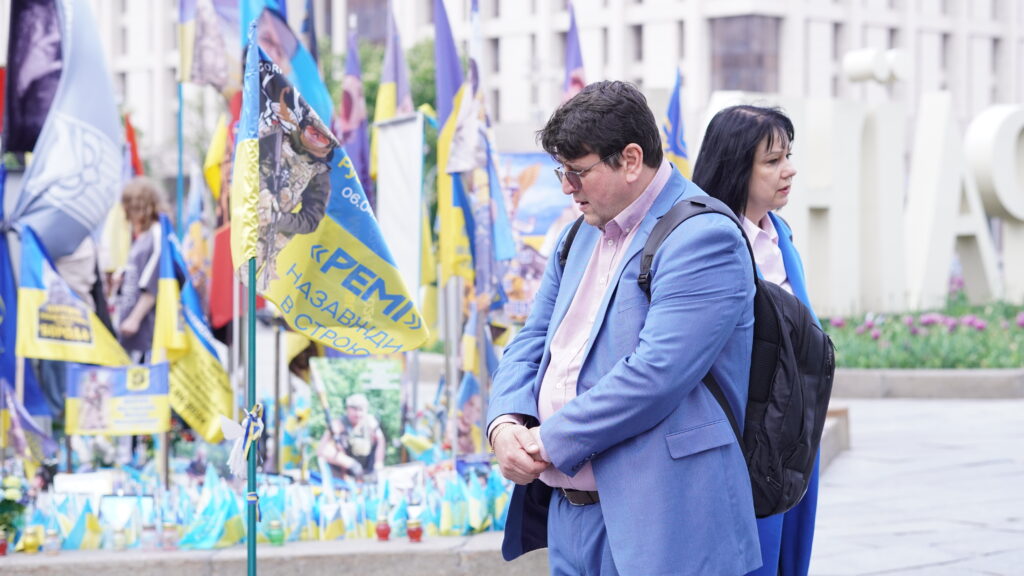
Four years ago, uncertainty dominated every conversation. As Mayor Klitschko recalled, no one believed this war would last this long. Today, the war continues, but Ukrainians translate everyday fear and uncertainty into resilience, determination, and preparedness. I, as everyone, was amazed by how Local communities have adapted and stood firm, and to see the great value of international solidarity.
Preliminary findings of ODELL point to rising violence against local politicians across Europe
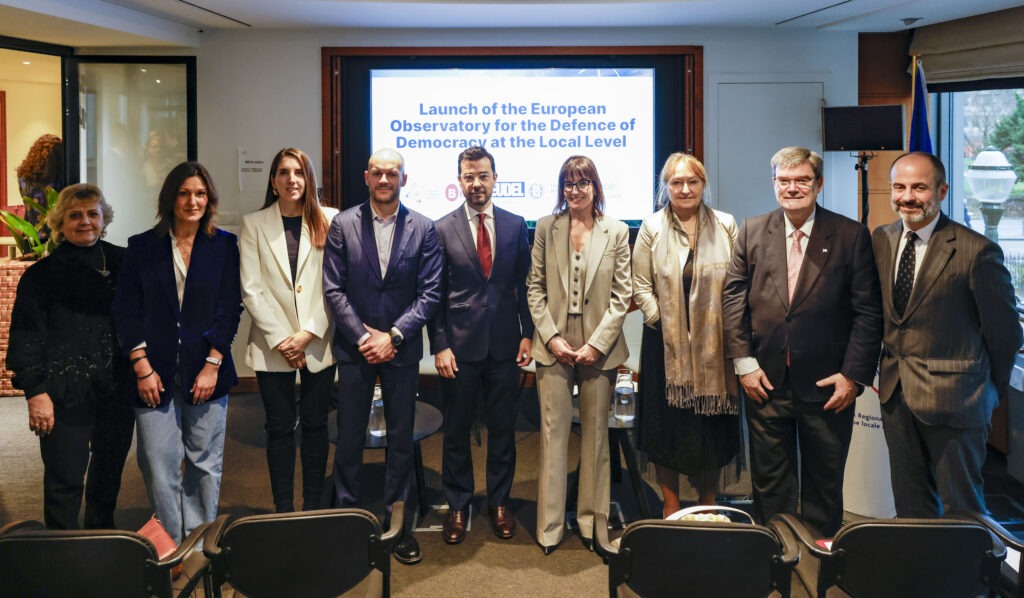
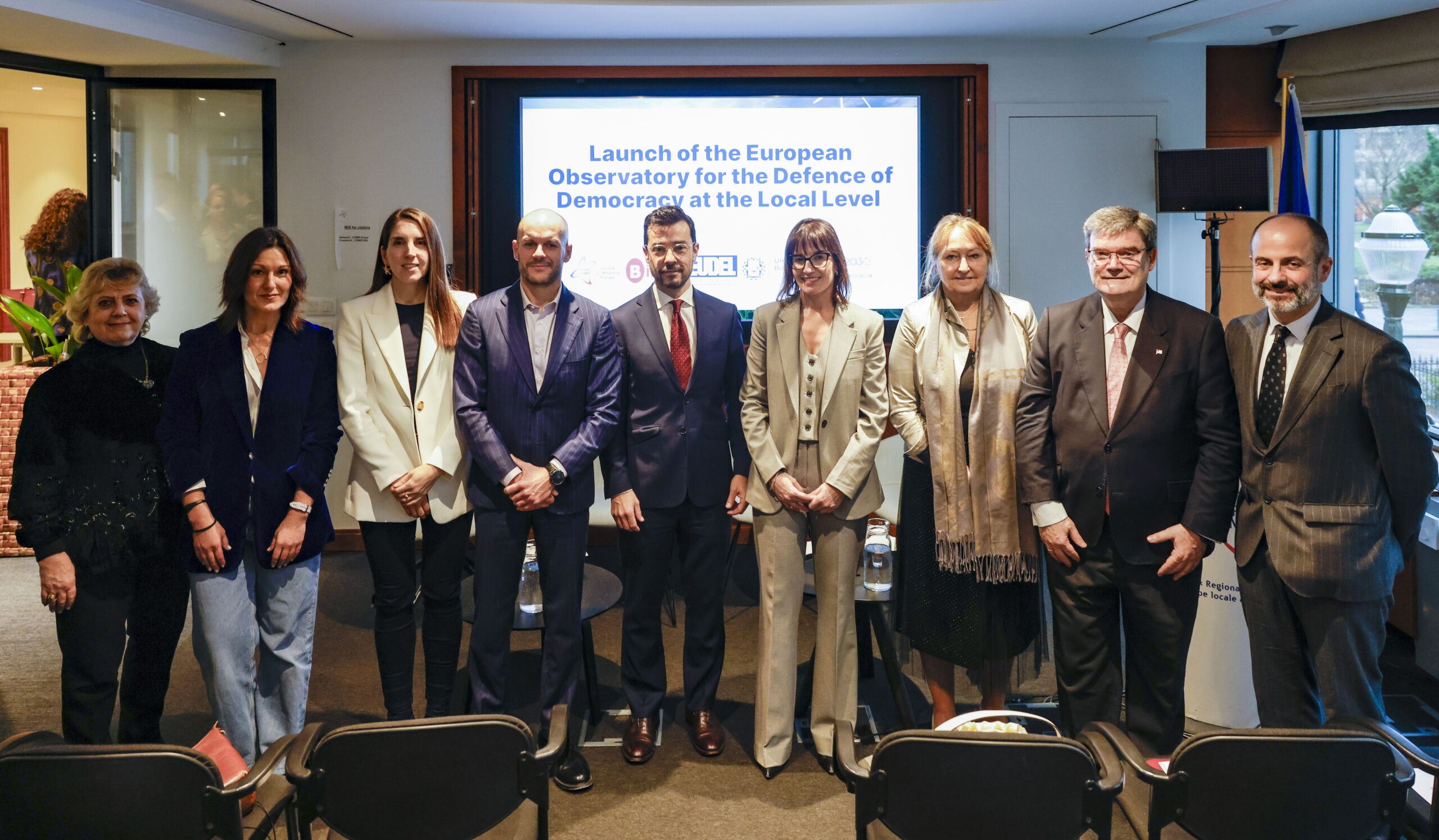
Early results presented at the European Observatory for the Defence of Democracy at the Local Level (ODELL) webinar on 21 May 2026 indicate that violence and intimidation against local elected representatives is increasing across Europe, with attacks frequently directed at politicians’ homes and other property and a growing concern about the under‑recorded scale of online abuse. The discussion brought together policymakers, researchers and local politicians, combining emerging evidence from Bocconi University with testimony from elected representatives and institutional actors working on democratic resilience and safety in political life.
A visible phenomenon, but only the “peak of the iceberg”
The dataset currently being assembled for the first ODELL annual report draws on local news and national report archives to capture documented incidents such as assaults, threats and arson attacks against local politicians. Explaining the approach, Gianmarco Daniele, Executive Director of the CLEAN Unit at Bocconi University and Associate Professor at the University of Milan, warned that the numbers are robust for severe incidents but cannot systematically include online abuse: “This is the peak of the iceberg as violence includes other types of attacks, like online attacks” but those are usually underreported.
More than 1,000 attacks — and rising
Daniele said the data shown so far is “based on more than 1,000 violent attacks in Europe in the last six years,” stressing that this is not only a European issue but a global one. In the European sample presented, Italy records the highest number of incidents, followed by France, with Germany, Greece and Ukraine also appearing among the countries with high totals. He also described an increase over time, including a rise in 2023 that was “mostly driven by France”.
Property attacks dominate
The patterns presented suggest that intimidation often reaches politicians through their personal environments. “The most common type of attacks is against the private property of politicians, typically arson attacks against the house or the car,” Daniele said. “The second type is attacks against government property and assaults against politicians” comes next.
For Filiz Ceritoğlu Sengel, Mayor of Selçuk and CEMR Spokesperson on Local Democracy, this reflects a structural vulnerability at the closest tier of governance: “Local elected representatives are the closest democratic link to citizens. They are accessible, visible and accountable, but this makes them increasingly vulnerable.”
Women face significantly higher risks
While gender information is often missing from incident descriptions, Daniele highlighted evidence from a separate Italian study: “Women mayors are three times more likely to be attacked than men, and this is especially true right after they are elected.”
The effect on political participation was echoed by Flo Clucas, Member of Cheltenham Borough Council and Chair of CEMR’s Standing Committee on Equality, who linked intimidation – particularly online, to decisions about whether to continue in office: “That is where democracy begins and that is where, if we are not careful, democracy will end.” She added: “So many local politicians are no longer standing: some 56% in the UK might not stand again.”
Election periods increase risks – depending on institutional strength
Another trend discussed was electoral timing. Daniele explained that early analysis suggests attacks are more likely “right before and right after elections,” but the pattern depends on context: “There is a strong correlation, but this is conditional on the strength of democracy in the country.”
Online abuse amplifies the threat
Several speakers underlined that online harassment is widespread yet remains poorly captured by systematic reporting. Daniele noted that for online attacks, “a very small share is reported to the police.” Clucas described how everyday digital exposure can be weaponised: it gives those who want to intimidate councillors “a method with no mechanism for us to find out who they are.” She drew a line between democratic debate and harassment: “There are times when freedom of speech is not freedom of speech but intimidation… it’s threatening… it’s bullying.”
From the Council of Europe perspective, Bryony Rudkin,Deputy‑Leader of Ipswich Borough Council and Co‑Rapporteur of the Congress of the Council of Europe’s resolution ‘Tackling violence against local and regional elected representatives’, warned that online hate speech reflects a broader climate: “People hide behind the anonymity of a keyboard and say whatever comes into their head.”
Improving data and policy responses
Participants stressed that solutions depend on evidence, even when it is hard to gather. Fabrizio Rossi, Secretary General of the Council of European Municipalities and Regions (CEMR), argued that the difficulty is precisely why the initiative matters: “The gathering of data is challenging. But this is why ODELL exists. We are being innovative.” He added that the goal is to “provide evidence” and “start collecting data and intelligence to shape the right solutions.”
From the European Commission, Daniel Fleischer‑Ambrus, (Team Leader for Democracy at DG JUST in the European Commission, said: “Safety in politics is a key priority for us,” pointing to the European Democracy Shieldand the European Commission’s current work on practical tools. He highlighted that guidance, checklists and toolkits should “emerge before the end of this year.”
A direct impact on democracy
Sharon Pia Hickey, Programme Officer, Constitutional Governance and Rule of Law, International IDEA, placed the problem within broader democratic trends, thanking ODELL for “bringing to light the scale and the severity and the typology and the nuance” of what elected officials face. She described violence against elected officials as “a key manifestation of democratic backsliding, especially at the local level.”
Sengel also warned of the democratic consequences when intimidation pushes people out of public life: “When elected representatives are pressured into silence, discouraged from standing for office, or forced to withdraw, the functions of local democracy are weakened.”
A collective responsibility
Closing the event, Eider Inuntziaga, Councillor of the City of Bilbao and CEMR Spokesperson on Local Democracy, said the session had helped clarify “the scale and the patterns” behind the issue and build a shared space for solutions. She framed political safety as a condition for participation: “Local democracy only works if people feel safe to defend democracy and to raise their voices because otherwise no one will ever dare to make any opinion or any decision public.”
Inuntziaga added that intimidation has consequences well beyond the individual: “All those issues shape the way we do our work; they take away energy from where it should be focused and affect the quality of our decisions and the quality of democracy.” She added the first annual report will present the project’s first-year results in Bilbao on 2 October 2026.
The Observatory is a partnership between the Council of European Municipalities and Regions (CEMR), the Municipality of Bilbao, and the Association of Basque Municipalities (EUDEL), with the scientific partnership of Bocconi University, and with the support of the Basque Government. It works to raise awareness of this growing challenge by generating reliable data and evidence, sharing best practices in good governance, promoting coordinated institutional action, and fostering collaboration among local and regional elected representatives.
Across Europe, local elected representatives are facing growing pressure, harassment and disinformation at a time when communities need trusted leadership more than ever. In a new article published in Burgemeester (pages 158, 159 and 160), the magazine of the Dutch Association of Mayors, dedicated to local governance, democratic resilience and public leadership. In the article, CEMR presents the work of the Observatory for the Defence of Local Democracy at the Local Level (ODELL), a European initiative created to monitor threats against local democracy, support mayors and councillors, and strengthen public trust through clearer communication, evidence-based advocacy and practical tools for municipalities.
Webinar Defending Local Democracy Together
On 21 May 2026, from 14h to 15h15, the Council of European Municipalities and Regions (CEMR) and partners of the Observatory for the Defence of Local Democracy in Europe will host an online webinar exploring the growing threats faced by local and regional elected representatives across Europe.
The discussion will bring together local leaders, experts and European partners to explore the growing challenges facing democracy at the local level, from harassment and intimidation to disinformation and declining public trust, while sharing practical solutions and experiences from across Europe.
On 21 May 2026, from 14h to 15h15, the Council of European Municipalities and Regions (CEMR) and partners of the Observatory for the Defence of Local Democracy in Europe will host an online webinar exploring the growing threats faced by local and regional elected representatives across Europe.
Launched in December 2025 by CEMR, the Municipality of Bilbao and the Association of Basque Municipalities (EUDEL), in partnership with Bocconi University and with the support of the Basque Government, the Observatory aims to monitor, analyse and respond to the increasing pressures affecting local democracy across Europe.
The webinar will present the preliminary findings of the Observatory’s upcoming European report examining patterns of intimidation, harassment, violence and attacks targeting local and regional politicians. The discussion comes at a time when democratic institutions across Europe are facing growing polarisation, disinformation, and declining trust in public authorities.
Local elected representatives are often on the frontline of these challenges. As the level of government closest to citizens, municipalities and regions play a crucial role in safeguarding democratic participation, social cohesion and public trust.
“Threats to local politics affect integrity, how we speak, and can silence people. It can make elected representatives afraid — or push them to leave public life,” said Eider Inuntziaga, city councillor of Bilbao and CEMR spokesperson on local democracy.
The event will bring together local elected representatives, researchers, international organisations and European institutions to discuss how to strengthen democratic resilience at the local level and better protect those serving in public office.
Speakers include Filiz Ceritoğlu Sengel, who will open the webinar, as well as academics and experts working on democratic governance and political violence. Representatives from the European Commission and the Council of Europe Congress will also contribute to the discussion.
The webinar will also examine threats occurring during electoral processes and explore possible policy responses to violence and intimidation targeting local elected officials.
Meet the Local Hero: Emil Boc. From national leadership to local transformation — and a call to put cities at the heart of Europe’s future
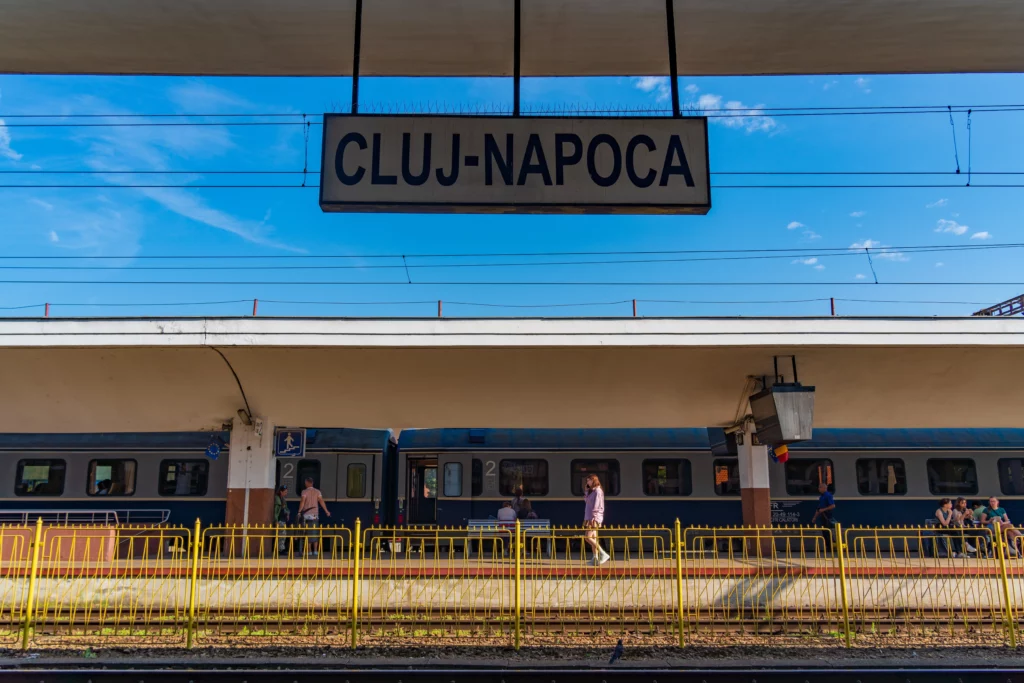
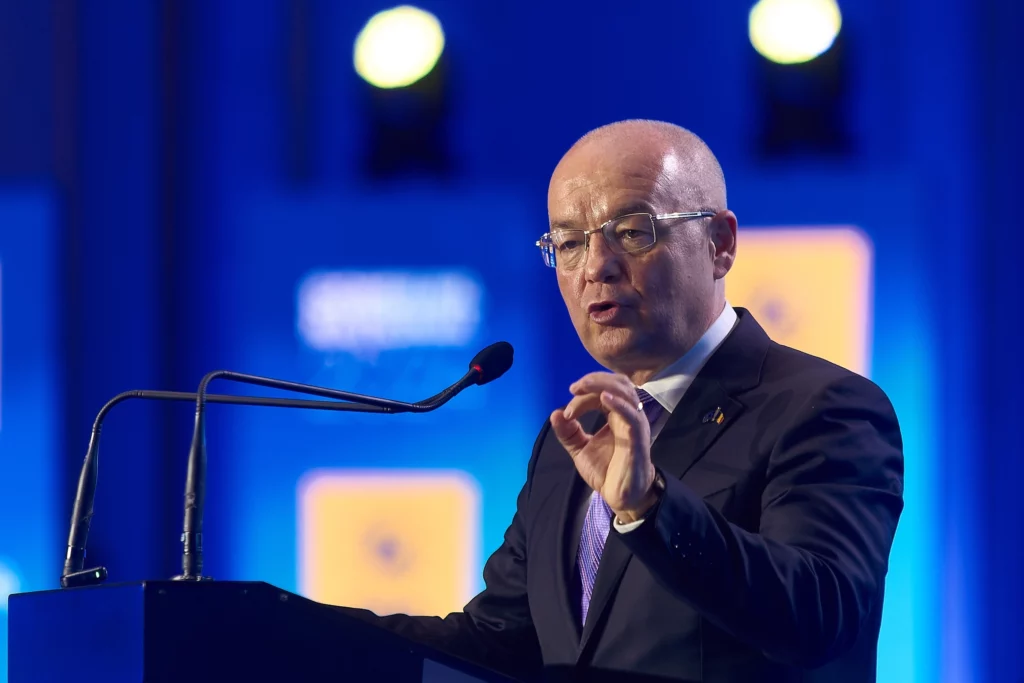
For Emil Boc, leadership has never been confined to a single level of governance. A former Prime Minister of Romania until 2012 turned long-serving mayor of Cluj-Napoca since then, his career reflects a rare continuity between national vision and local delivery.
Today, as Europe debates its next budget, Boc’s message is direct: without cities and regions at the table, the European project risks losing both effectiveness and legitimacy.
From Prime Minister to Mayor: why vision comes first
Boc’s years as Prime Minister fundamentally reshaped how he approaches local governance.
“The first lesson,” he explains, “is that no country — and no city — can develop without a clear vision, followed by a strategy and a concrete plan.”
Returning to Cluj-Napoca after his time in national office, he applied this logic with precision. The city identified its competitive advantage — universities, education, and innovation — and built a development model around a knowledge-based economy.
But beyond economic strategy, Boc insists leadership is about more than administration:
“A leader is not just there to keep the lights on or clean the streets. You need a long-term vision, and the discipline to follow it.”
Turning Cluj-Napoca into a pro-European city
Over the past two decades, Boc has overseen a profound transformation.
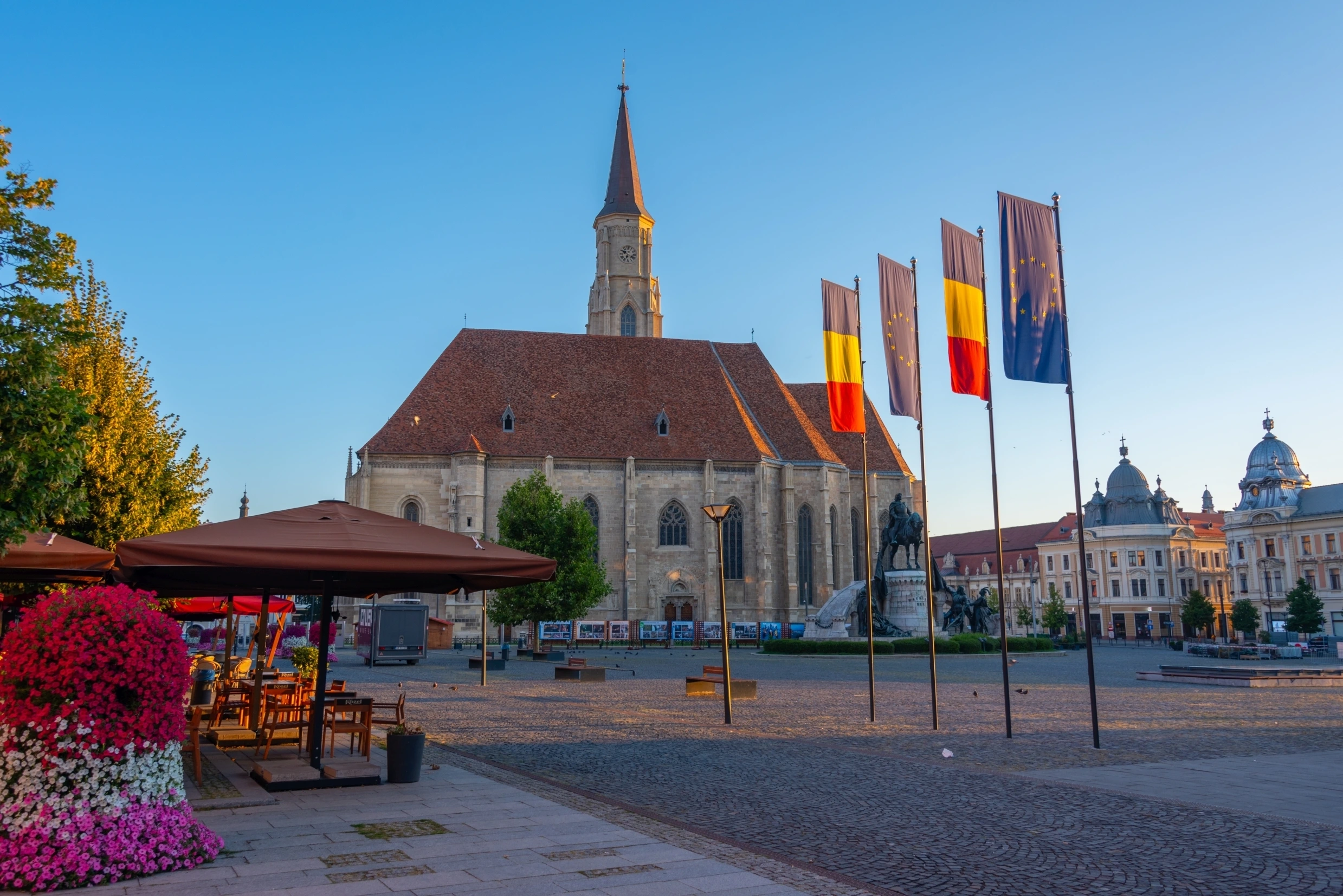
Once considered one of the most Eurosceptic cities in Romania, Cluj-Napoca — a city of around 300,000 inhabitants in the northwest of the country, with a dynamic, university-driven and innovation-based economy — is now, in his words, “the most pro-European city in the country.”
This shift did not happen overnight. It was built “day by day,” by embedding what Boc calls a European way of life: openness, tolerance, and cooperation — combined with strategic use of EU funds.
The results are visible everywhere: infrastructure, schools, public transport, and urban regeneration. For Boc, these are not abstract policies but tangible proof of what Europe delivers.
“If someone asks me why Europe matters,” he says, “I just go outside. The schools, the roads, the parks — they are there because of European funding.”
At the core of this transformation is a simple idea: freedom to stay.
“People should not be forced to leave their city or country for economic reasons. Europe must guarantee not only freedom of movement, but also the freedom to build a life at home.”
This message resonates particularly strongly in Romania, a country that has experienced one of the largest waves of emigration within the European Union. Since the early 2000s, millions of Romanians — many of them young, educated, and highly mobile — have left to study and work abroad, seeking better economic opportunities and living conditions. While this mobility reflects one of the EU’s core freedoms, it has also created deep territorial imbalances, with cities and regions losing talent at a critical stage of their development.
What’s at stake in the next EU budget
As negotiations intensify over the next Multiannual Financial Framework, Boc warns that the role of cities and regions is far from secure.
His concern is not rhetorical — it is structural.
First, he argues that local governments must move from consultation to real decision-making power: “We want to be at the table, not on the menu.”
A key issue is how the European Commission plans to introduce so-called “regional checks.” Without legal weight, Boc fears these could become a box-ticking exercise rather than a genuine partnership.
His proposal is clear: a binding subsidiarity clause, ensuring that municipalities and regions are involved at every stage — from design to implementation and evaluation — and can reject national plans that ignore them.
Second, he pushes back against proposals to merge cohesion policy funding with other priorities, particularly agriculture.
“These are two pillars of the European Union. If they are put in the same pot, cities and regions risk losing out.”
Third, Boc insists that cohesion policy must remain universal. Limiting access only to less-developed regions would weaken Europe’s ability to address inequalities across all territories.
“Cohesion is the glue that keeps Europe together — and that glue is needed everywhere.”
Finally, he calls for dedicated regional chapters in national plans to ensure that local perspectives are not sidelined.
From climate to defence: investing in cities is investing in Europe
For Boc, the debate about the EU budget ultimately comes down to credibility.
“Europe has the vision. Now it needs the resources to deliver.”
He points to climate policy as a concrete example. Cities are expected to lead the transition — including initiatives like climate-neutral urban development — but without sufficient funding, ambitions risk remaining theoretical.
At the same time, he highlights the growing interconnection between policy areas. Investments in urban infrastructure, such as metro systems, serve multiple purposes: sustainability, mobility, and even resilience in times of crisis.
“Look at how metro systems are used in emergencies,” he notes. “This is not just climate policy — it is also about security and preparedness.”
A Europe built with its cities
Boc’s argument is ultimately political as much as financial.
The European Union, he says, cannot be reduced to negotiations between capitals.
“It is not just a union of states. It is a union of municipalities, regions, and cities.”
Excluding them from decision-making would not only weaken policy outcomes but also erode the diversity and cohesion that define Europe itself.
As the EU looks ahead to 2034 and beyond, Boc’s message is a warning — and a roadmap:
Without strong local governments, there is no strong Europe.