
Mental Health in Ukraine

Mental Health in Ukraine - News 2022

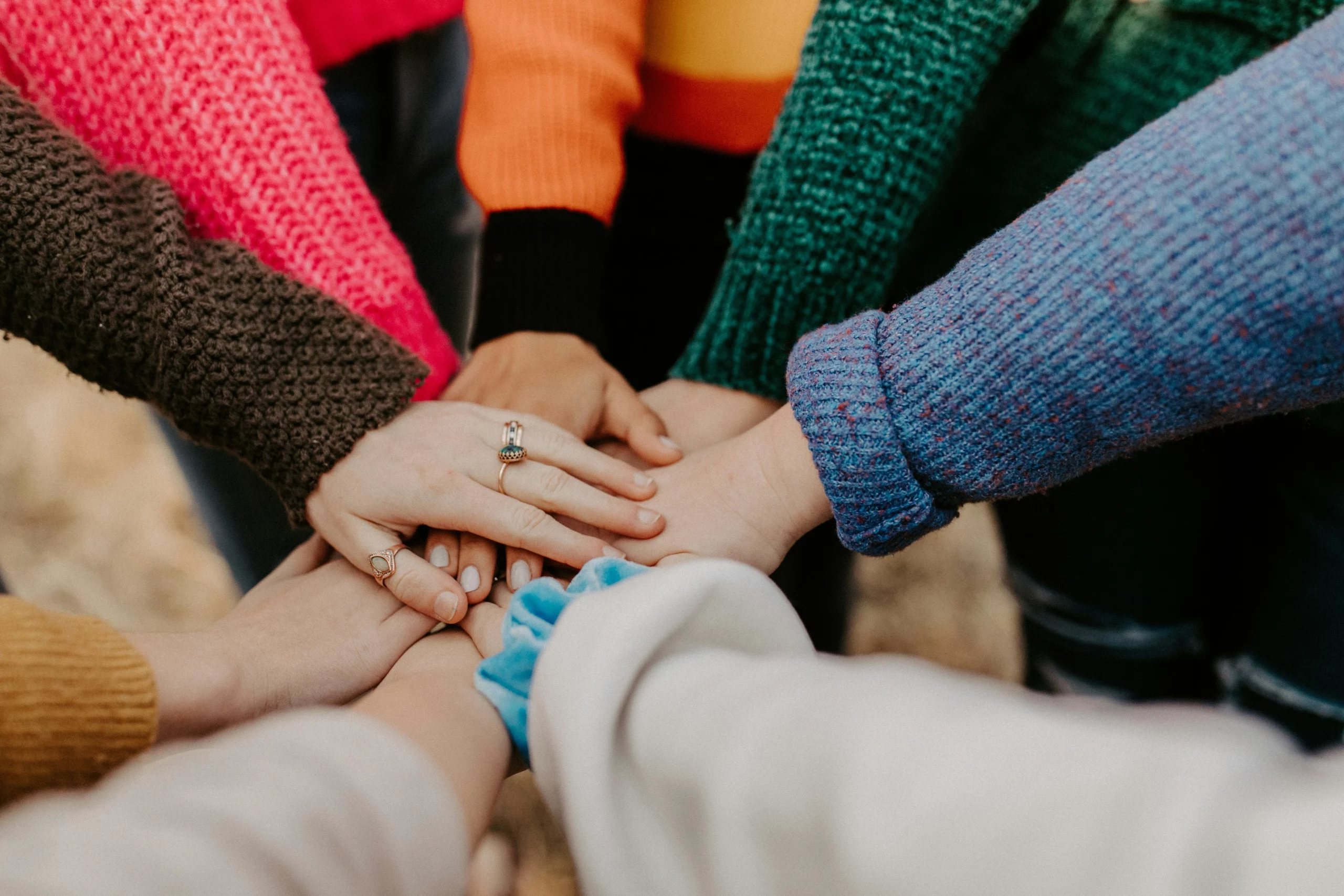
EU cities mobilise to address mental health toll of war on Ukrainians


European cities and towns are facilitating access to mental health care professionals and psychological support for displaced Ukrainians, on top of practical measures relating to education and housing.

As the war nears its seventh month, refugee activists and mental health experts have also warned that the mental health toll on those who have fled the country must not be overlooked.

According to experts, the sudden displacement caused by the conflict has increased the prevalence of mental health conditions, including post-traumatic stress disorder, depression and anxiety.

In April, the European Commission mobilised €9 million from the EU4Health Programme to aid the Red Cross and other NGOs in offering mental health and trauma support for Ukrainian refugees.

“It is important to see the situation of displaced people in a holistic way, including the need for mental health support,” Commission officials told EURACTIV.

According to the officials, fourteen EU countries currently offer mental health services and psychosocial support to Ukrainian citizens.

However, while “our governments and international organisations do offer a lot of solutions, some issues cannot be solved with a top-down approach,” said Maria Trybus, a young activist from the Polish Youth Council.

In her view, cities and civil society can help refugees by “creating safe spaces where they can talk about their needs, their worries.”

Trybus co-founded ‘You Have A Friend In Me‘, an online platform connecting young Poles and Ukrainians.

The idea behind it is to “create a substitute of normality as well as some sort of impromptu safety net,” she explained during the World Urban Forum in Katowice.

Some European municipalities have also taken the initiative to provide psychological support to refugees, although health competencies generally fall on the national government.

For instance, the city of Milan supports Ukrainian refugees hosted in municipal structures through assistance teams, including psychologists, to address basic needs and mental well-being.

“This allows to monitor the situation and identify possible situations of malaise and unease requiring specific assistance,” Lamberto Bertolé, councillor for welfare and health at Milan municipality, told EURACTIV.

Moreover, the city has organised activities with a local theatre to help Ukrainians process the trauma caused by the war in their home country.

The municipality relies on a network of associations to reach those hosted by families or relatives.

“The essential thing is to reach people because it’s not granted that demand and offer will meet,” the councillor said, adding that offering services in the Ukrainian language is crucial.

This article was first published by EurActiv. Real the whole text.

MENTOR Programme

MENTOR Programme - News 2022

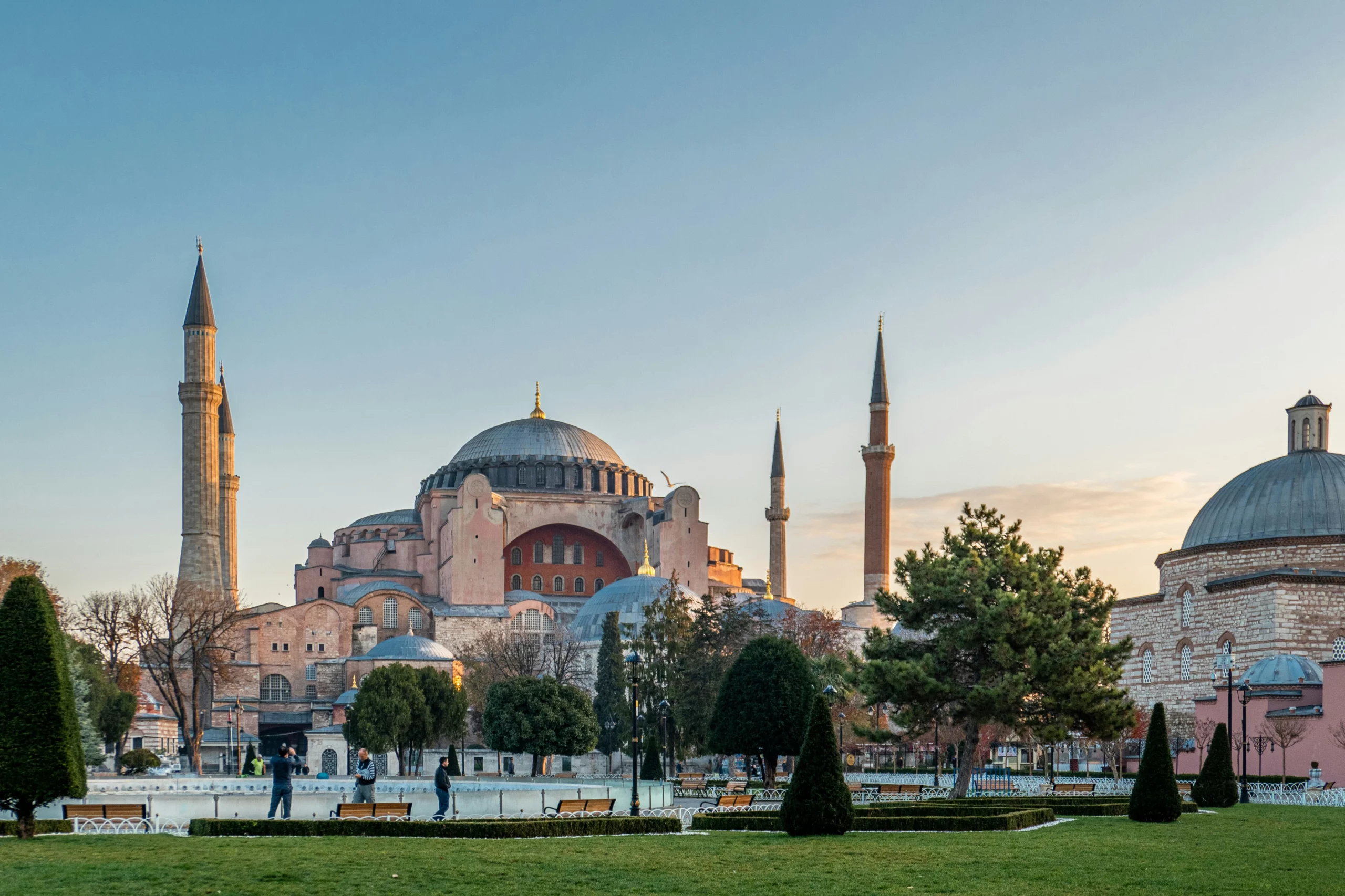
How the Marmara Municipalities Union is boosting local expertise by partnering up with towns


From pandemic management to sustainable development, local governments need to share expertise if they are to successfully tackle the challenges of today.

That’s why the Marmara Municipalities Union (MMU) in Turkey created the MENTOR Programme in July 2020. The initiative enables inter-municipal cooperation and the development of municipalities’ capacities and municipal employees’ competencies. 

The MENTOR Programme provides municipalities with an opportunity to learn from the experiences of others within their own limits in terms of financial and human resources. Municipal staff who need expertise in a particular topic are matched with staff from another municipality that is already experienced in that area.

Municipalities seeking and offering indicate their interest by filling out online forms. The MMU then matches municipalities and sets up online or face-to-face meetings between municipal staff.

Following the first meetings, municipalities can either keep up the communication on their own or ask MMU to maintain its coordinating role. The municipalities can also request staff exchange with their counterparts if useful.

The MENTOR programme gathers and shares expertise in all thematic areas relevant to municipalities, including planning, transportation, disaster management, financial affairs, migration, environmental management, localisation of the UN Sustainable Development Goals (SDGs), institutional procedures, human resources and so on.

As part of this, MMU is thus building a pool of experts who can be consulted whenever needed.

Having started among MMU member municipalities, the programme has expanded to enable international cooperation. Members of MMU can now be matched with their peers in Turkey or foreign countries.

As of August 2022, 24 meetings have been held as part of the MENTOR Programme. These meetings have increased municipal staff’s knowledge on different subjects, contributed to capacity building and fostered inter-municipal relationships.

The programme has also resulted in concrete outcomes. For instance, two mentee municipalities, who sought expertise on Voluntary Local Reviews (VLRs) on the localisation of the SDGs, have since begun preparing their VLRs.

The programme contributes primarily to SDG 11 “Sustainable Cities and Communities” by empowering the local governments to build more sustainable cities by increasing the capacities of their staff and SDG 17 “Partnerships for the Goals” by encouraging the exchange of knowledge and experience as well as cooperation between local governments. 

Boost Migration Integration

Inclusion Europe - News 2022

European towns exchange good practices to boost migrants’ integration


Cooperation and knowledge exchanges between European towns can play a key role in integrating newcomers, experts say, adding that their inclusion strategies can also serve as a model for larger
European cities.

“The local communities are where integration happens, through working and studying,” said Katerina Dimitrakopoulou from the Commission’s directorate-general for migration, pointing to the key role of local authorities in integrating newcomers.

Around 8.4% of the EU population are people born outside the bloc and between two and three million third-country nationals settle in the EU for work or study every year, according to the Commission.

To support European cities and regions facing new arrivals, in March 2021 the EU executive and the Committee of the Regions launched a partnership aimed at increasing capacity and fostering know-how exchanges between local communities.

“Our role is to connect people, states, regions and cities and make sure that all the good practices […] are properly disseminated,” Dimitrakopoulou said.

Sharing good practices

Knowledge exchanges are particularly important for smaller towns, which often do not have the same capacity and means to welcome migrants as large cities, according to experts.

“We have cities that already know how to live with migration,” Barbara Kuznik from the Council of European Municipalities and Regions (CEMR) told EURACTIV, adding that these can serve as a model for other EU towns managing new arrivals.

Kuznik is currently working on the IncluCities project, which allows medium-sized cities to mentor smaller towns on integration practices.

“Sharing our own experiences helps us reflect on the way we promote our services and improve them,” said Juan Carlos Hernández Navas, technical director for city projects in Fuenlabrada, which is mentoring the Greek town of Livadia on employment opportunities for newcomers.

This article was first published by EurActiv. Read the whole text.