Joint letter to President von der Leyen on Climate Resilience
After a series of natural disasters this summer, CEMR joins 30+ organisations call on the front line of floods, droughts, wildfires, mate disasters.
Two days ahead of the State of the European Union address, the Council of European Municipalities and Regions (CEMR) has joined more than 30 organisations representing local and regional governments, sustainable farmers, water providers, healthcare providers and financial service providers in an open letter to European Commission President Ursula von der Leyen. The letter urges her to make nature-based solutions the first line of defence against climate disasters, and to embed this ambition in the upcoming European Framework for Climate Resilience.
A summer that exposed Europe’s vulnerability
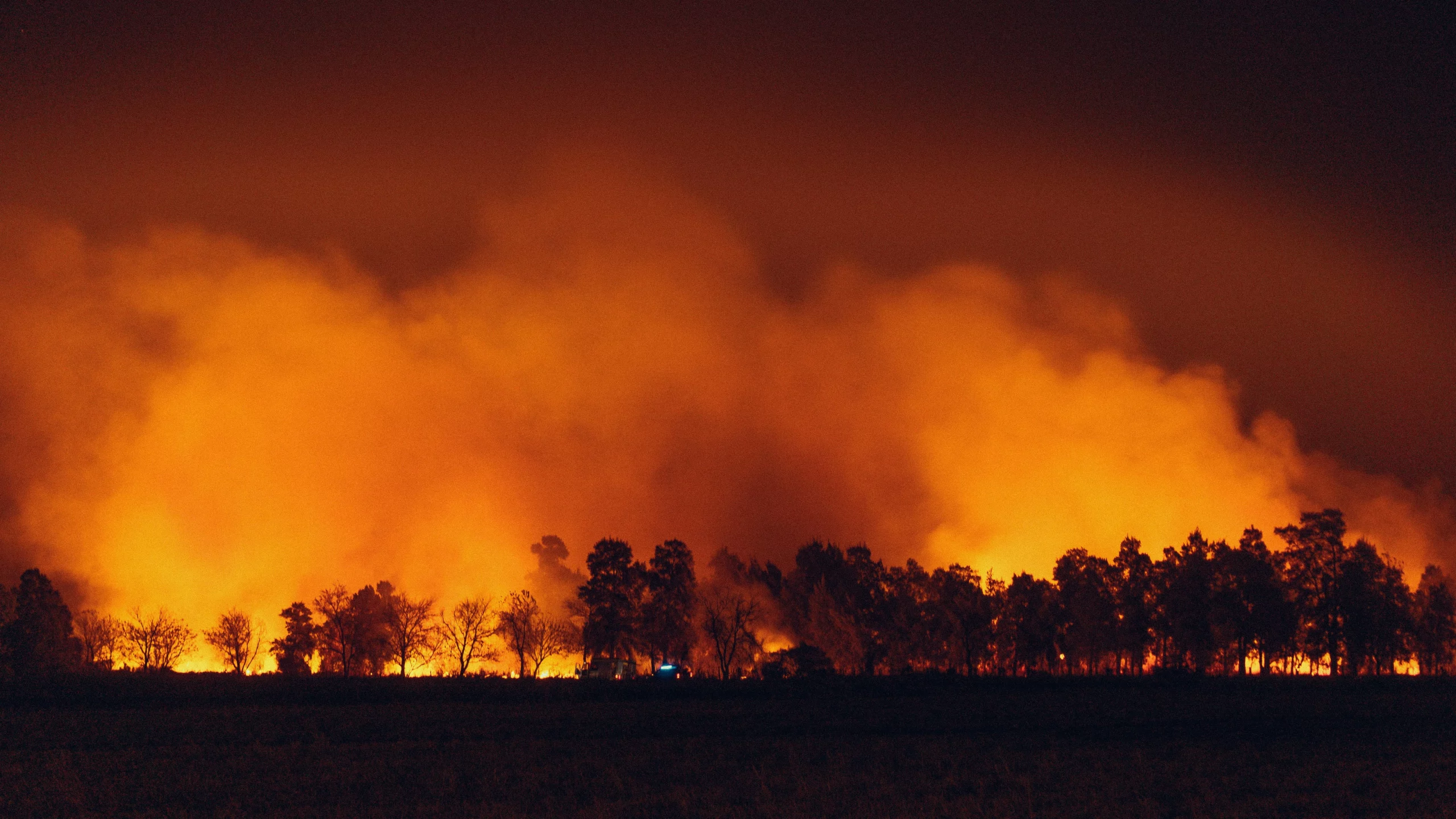
The letter follows a summer that broke heat records and once again exposed how unprepared Europe is for the climate it already faces. Western Europe recorded its hottest June–July period since records began, with severe wildfires sweeping across the continent. At least 35,000 excess deaths have been linked to this summer’s back-to-back heatwaves, a figure that does not even include August, meaning the true toll is likely higher still.
For local and regional governments, who are on the front line of responding to floods, droughts, wildfires and heatwaves, these are not abstract statistics. They translate directly into strained emergency services, damaged infrastructure, and communities left exposed.
Restoring nature to restore resilience
The signatories point to a common root cause behind Europe’s intensifying climate risks: the degradation of landscapes, soils and water systems. Wetlands, floodplains, peatlands, healthy soils, coastal ecosystems and forests naturally store water, recharge aquifers, regulate temperatures and buffer extreme events. Yet, these systems have been steadily lost or degraded across the continent, leaving communities exposed to increasingly volatile cycles of flooding, drought and heat.
The letter calls the Commission to:
- Make the systemic integration of nature-based solutions a key priority in the legislative part of the European Framework for Climate Resilience;
- Provide legal incentives and financing mechanisms so that Member States manage landscapes and water systems to prioritise resilience, including national targets for natural water retention delivered through locally driven approaches that reflect territorial needs and capacities.
This last point matters greatly for CEMR’s members: it recognises that effective climate adaptation must be designed and delivered at the local and regional level, where the knowledge of territorial needs and the capacity to act actually sit.
A moment for action
“Europe’s recent summers have shown that climate resilience can no longer be treated as a problem for the future. The Commission has acknowledged the vital role that nature-based solutions play in protecting communities and ecosystems from climate disasters. With the interservice consultation on the European Framework for Climate Resilience expected to begin before the end of September, now is the moment to ensure that this recognition is translated into the legislation itself,” said Claire Baffert, Senior EU Policy Officer, Water & Climate Change Adaptation at WWF EU, speaking on behalf of the 30+ signatories.
President von der Leyen has herself acknowledged the stakes: in her State of the Union speech last year, she warned that climate change is making summers hotter, harsher and more dangerous, and that Europe must radically step up its efforts on resilience, adaptation and nature-based solutions. In July, she confirmed in writing to MEPs that nature-based solutions play an essential role in adapting to heatwaves, droughts, and floods.
CEMR and its co-signatories are now calling on the Commission to turn that recognition into law and to give local and regional governments the tools, incentives and financing they need to lead the way.
For more information, contact:

Advisor – Environment and mobility