State of the Union: Local Alliance letter

Climate Change News

Local Alliance calls for a stronger role for towns, cities and regions in EU reforms ahead of SOTEU

342 words
1–2 minutes

A day ahead of President Ursula von der Leyen’s State of the European Union (SOTEU), CEMR has joined Local Alliance, which comprises seven other leading European networks of local and regional governments including ACR+, Climate Alliance, Energy Cities, Eurocities, FEDARENE, ICLEI Europe and POLIS, in a joint letter reaffirming support for a more competitive, resilient and cohesive Union, while raising a clear warning about the direction EU reforms are taking.

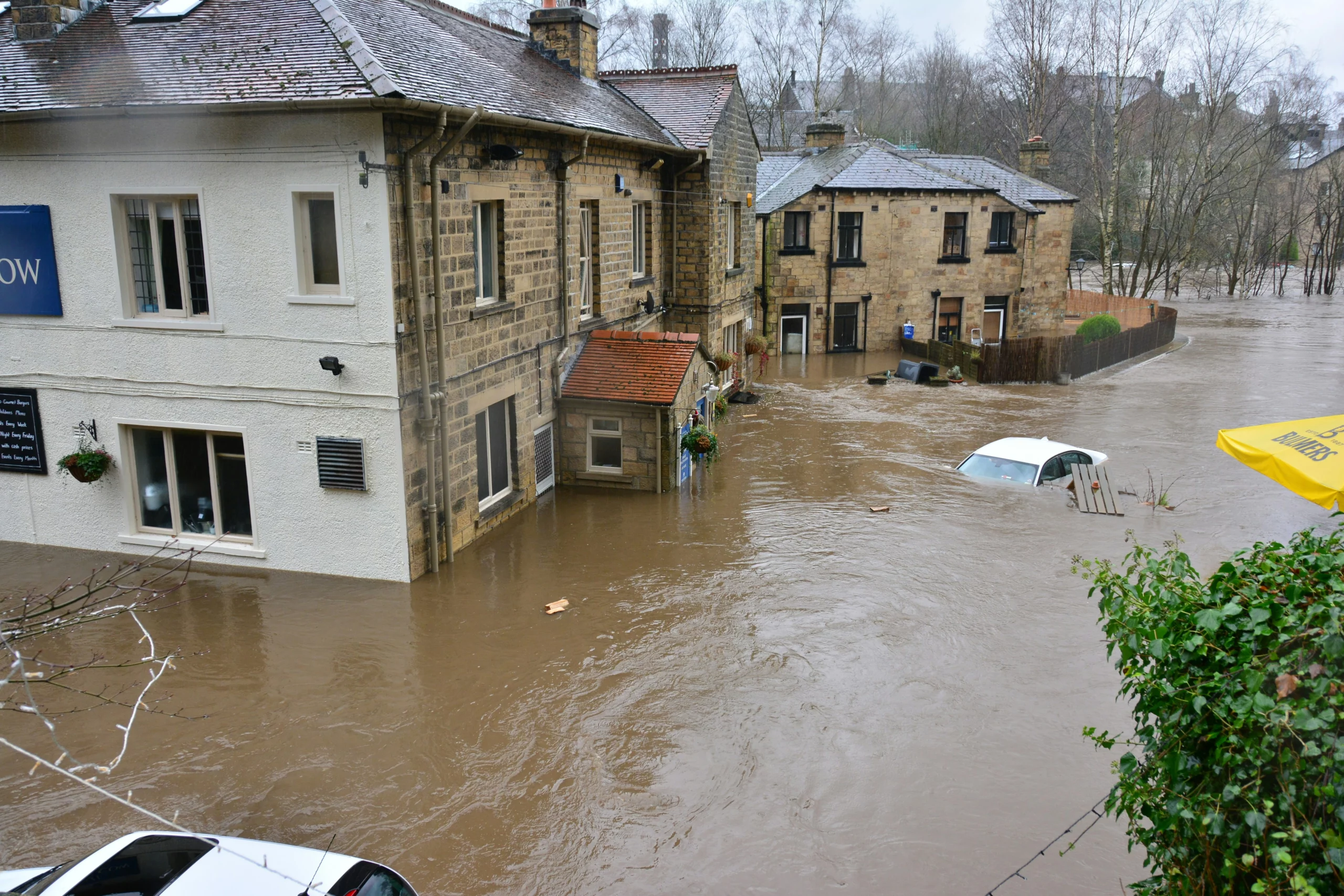
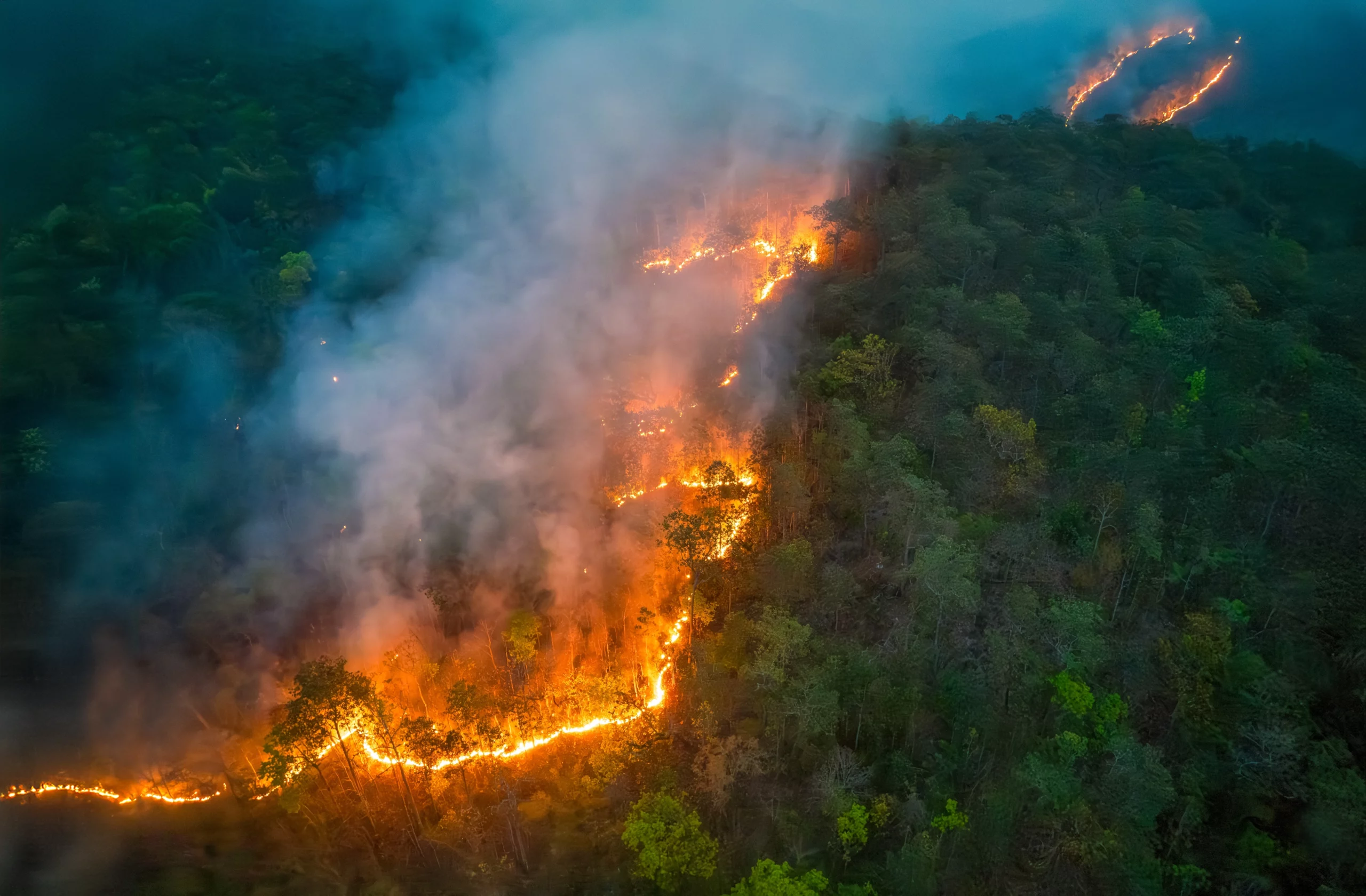
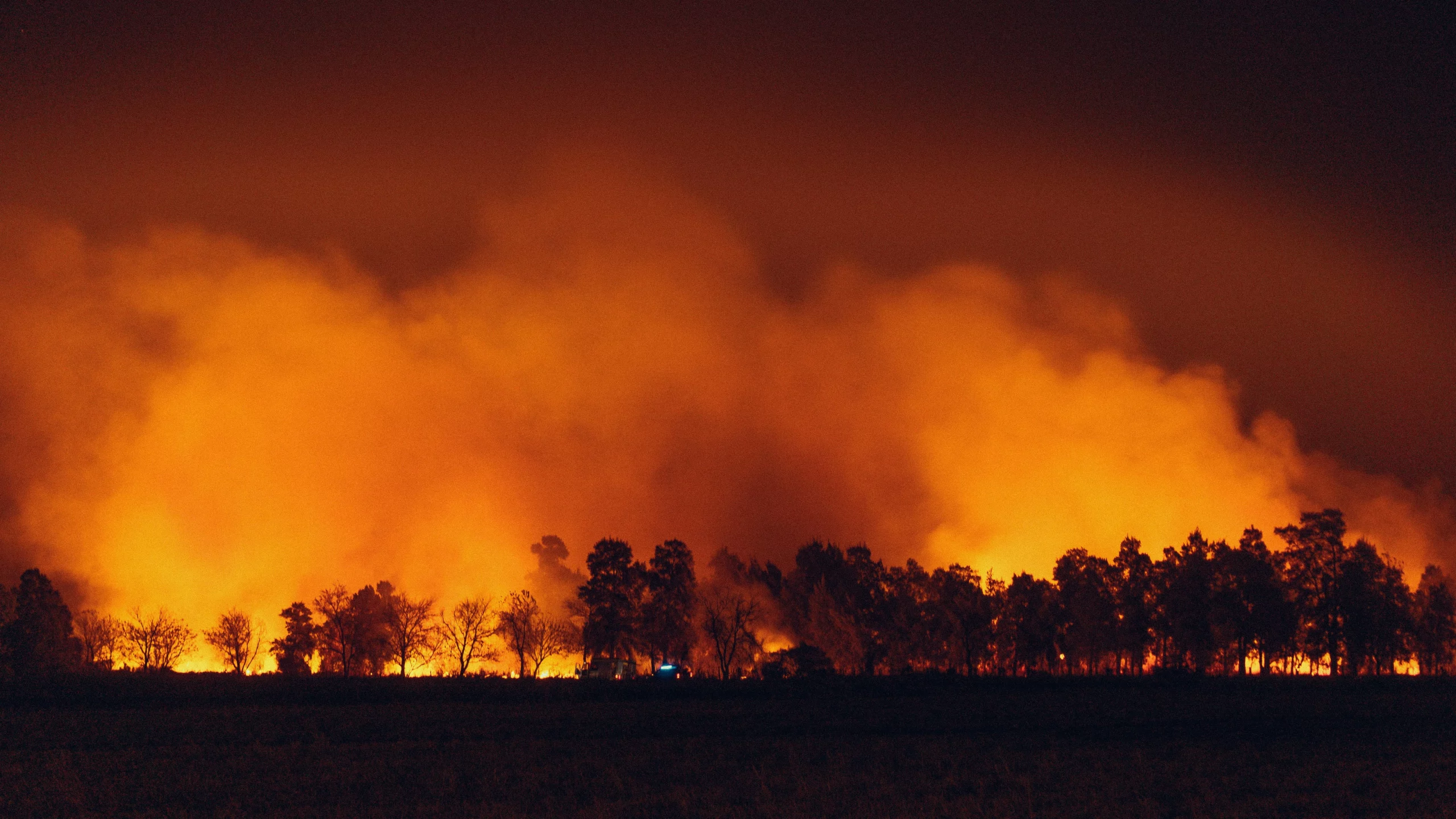
The letter recalls the summer’s wildfires and heatwaves, during which towns, cities and regions coordinated evacuations, sheltered residents and led recovery efforts. It is a reminder, Local Alliance writes, that cities and regions are not mere implementers of EU policy: they carry out close to 70% of EU legislation and account for around 68% of climate-significant public investment across the EU and OECD countries.

The signatories warn that the Commission’s envisaged restructuring of its services, the next Multiannual Financial Framework and ongoing simplification efforts risk removing both the institutional dialogue and the financial channels through which local and regional governments engage with the Union. Streamlining EU governance is welcome, the Local Alliance stressed, but not if it comes at the cost of centralisation, weaker locally led transitions, or a thinner territorial dimension in EU policy and funding.

The letter also points to the local dimension of Europe’s other priorities: security, economy and enlargement, noting that towns, cities and regions integrate people fleeing war, sustain partnerships with Ukrainian towns that will matter even more during reconstruction, and are where enlargement will ultimately be felt by citizens in candidate countries.

The ask is simple. The Local Alliance calls on President von der Leyen to use her State of the Union address to reaffirm the Commission’s commitment to local and regional governments as trusted, indispensable partners with a strong Commission service that engages with them directly, and an EU budget that gives them the investment and capacity to deliver for every community.

For more information, contact:

Joint letter on Climate Resilience

Letter on Climate resilience

Joint letter to President von der Leyen on Climate Resilience

600 words
3–4 minutes

After a series of natural disasters this summer, CEMR joins 30+ organisations call on the front line of floods, droughts, wildfires, mate disasters.  

Two days ahead of the State of the European Union address, the Council of European Municipalities and Regions (CEMR) has joined more than 30 organisations representing local and regional governments, sustainable farmers, water providers, healthcare providers and financial service providers in an open letter to European Commission President Ursula von der Leyen. The letter urges her to make nature-based solutions the first line of defence against climate disasters, and to embed this ambition in the upcoming European Framework for Climate Resilience. 

A summer that exposed Europe’s vulnerability 

The letter follows a summer that broke heat records and once again exposed how unprepared Europe is for the climate it already faces. Western Europe recorded its hottest June–July period since records began, with severe wildfires sweeping across the continent. At least 35,000 excess deaths have been linked to this summer’s back-to-back heatwaves, a figure that does not even include August, meaning the true toll is likely higher still. 

For local and regional governments, who are on the front line of responding to floods, droughts, wildfires and heatwaves, these are not abstract statistics. They translate directly into strained emergency services, damaged infrastructure, and communities left exposed. 

Restoring nature to restore resilience 

The signatories point to a common root cause behind Europe’s intensifying climate risks: the degradation of landscapes, soils and water systems. Wetlands, floodplains, peatlands, healthy soils, coastal ecosystems and forests naturally store water, recharge aquifers, regulate temperatures and buffer extreme events. Yet, these systems have been steadily lost or degraded across the continent, leaving communities exposed to increasingly volatile cycles of flooding, drought and heat. 

The letter calls the Commission to: 

  • Make the systemic integration of nature-based solutions a key priority in the legislative part of the European Framework for Climate Resilience;  
  • Provide legal incentives and financing mechanisms so that Member States manage landscapes and water systems to prioritise resilience, including national targets for natural water retention delivered through locally driven approaches that reflect territorial needs and capacities. 

This last point matters greatly for CEMR’s members: it recognises that effective climate adaptation must be designed and delivered at the local and regional level, where the knowledge of territorial needs and the capacity to act actually sit. 

A moment for action 

“Europe’s recent summers have shown that climate resilience can no longer be treated as a problem for the future. The Commission has acknowledged the vital role that nature-based solutions play in protecting communities and ecosystems from climate disasters. With the interservice consultation on the European Framework for Climate Resilience expected to begin before the end of September, now is the moment to ensure that this recognition is translated into the legislation itself,” said Claire Baffert, Senior EU Policy Officer, Water & Climate Change Adaptation at WWF EU, speaking on behalf of the 30+ signatories. 

President von der Leyen has herself acknowledged the stakes: in her State of the Union speech last year, she warned that climate change is making summers hotter, harsher and more dangerous, and that Europe must radically step up its efforts on resilience, adaptation and nature-based solutions. In July, she confirmed in writing to MEPs that nature-based solutions play an essential role in adapting to heatwaves, droughts, and floods. 

CEMR and its co-signatories are now calling on the Commission to turn that recognition into law and to give local and regional governments the tools, incentives and financing they need to lead the way. 

For more information, contact:

Reaction to the European Electrification Action Plan

Europe’s Electrification Plan news

Europe’s Electrification Plan can only succeed with local governments 

552 words
2–4 minutes

The European Commission has presented its Electrification Action Plan, setting out how Europe can accelerate the transition to clean electricity across buildings, industry and transport and reduce costs of future-proof solutions. For CEMR, this is an important step towards a more competitive, secure and decarbonised Europe.  

Efficient electrification is no longer a sectoral energy policy – it is becoming a defining element of Europe’s economic and territorial transformation. That is why local and regional governments must be fully involved to make the plan a success.  

The Action Plan rightly recognises the need for major investments in electricity grids, energy storage, renewable energy, electric mobility and cleaner heating systems. 

CEMR welcomes the Commission’s proposal to support local heating and cooling planning through the European City Facility. The programme will begin with €15 million to help 180 local and regional governments prepare local plans before expanding to support up to 1,000 local plans, ready for investments. 

CEMR also welcomes the focus on clean heating solutions, including heat pumps and district heating and cooling, which already play an important role in the transition in many towns, cities and regions. Local governments are leading projects and investments in these solutions and help make buildings and neighbourhoods more sustainable. At the same time, CEMR stresses that support measures and new requirements must work together in a coordinated way.  

CEMR also highlights the importance of efficient waste-to-energy use for waste that cannot be recycled. EU legislation should clearly recognise energy recovered from non-recyclable waste and ensure that emissions from the fossil part of waste are allocated fairly to producers and waste generators, rather than to district heating operators or energy users.  

While the Commission calls for simplifying permitting procedures for clean energy projects, implementation will occur locally. Every new charging station, heat pump, district heating network, energy storage facility or grid connection depends on local planning, permits and cooperation with citizens and stakeholders. Local and regional governments are therefore not only implementing the transition; they are strategic partners in shaping the transition. Efficient permitting requires locally and regionally grounded solutions and processes with early coordination among stakeholders, rather than uniform EU-wide deadlines. 

Europe’s regions also face different challenges. Solutions that work in large cities may not be suitable for rural areas, islands, or industrial regions. Recognising the skills and capacity gap at the technical and administrative level is essential. A flexible, place-based approach is key to ensure that every community can benefit from electrification.  

Since Europe’s electrification targets will ultimately be delivered in its cities, towns and regions, the local and regional governments are already investing in the infrastructure needed for the transition, from electricity grids and heating networks to electric vehicle charging stations.  

CEMR therefore welcomes the ambition of the Electrification Action Plan and its recognition of the opportunities offered by clean electricity and modern heating and cooling solutions. To make the Plan a success, local and regional governments must have the resources, flexibility and role they need as full partners in Europe’s energy transition.  

CEMR will continue to contribute to this work in the months ahead and is awaiting the European Cooling and Heating Action Plan to be announced. 

Read the European Commission’s press release: Commission boosts Europe’s competitiveness, decarbonisation and independence and the plan itself: eur-lex.europa.eu/legal-content/EN/TXT/PDF/?uri=CELEX:52026DC0595 

Pour plus d’informations, veuillez contacter :

The future of the SDGs is local

High Level Policy Forum news 2026

The future of the 2030 Agenda should be local, or it won’t be

1,701 words
7–11 minutes

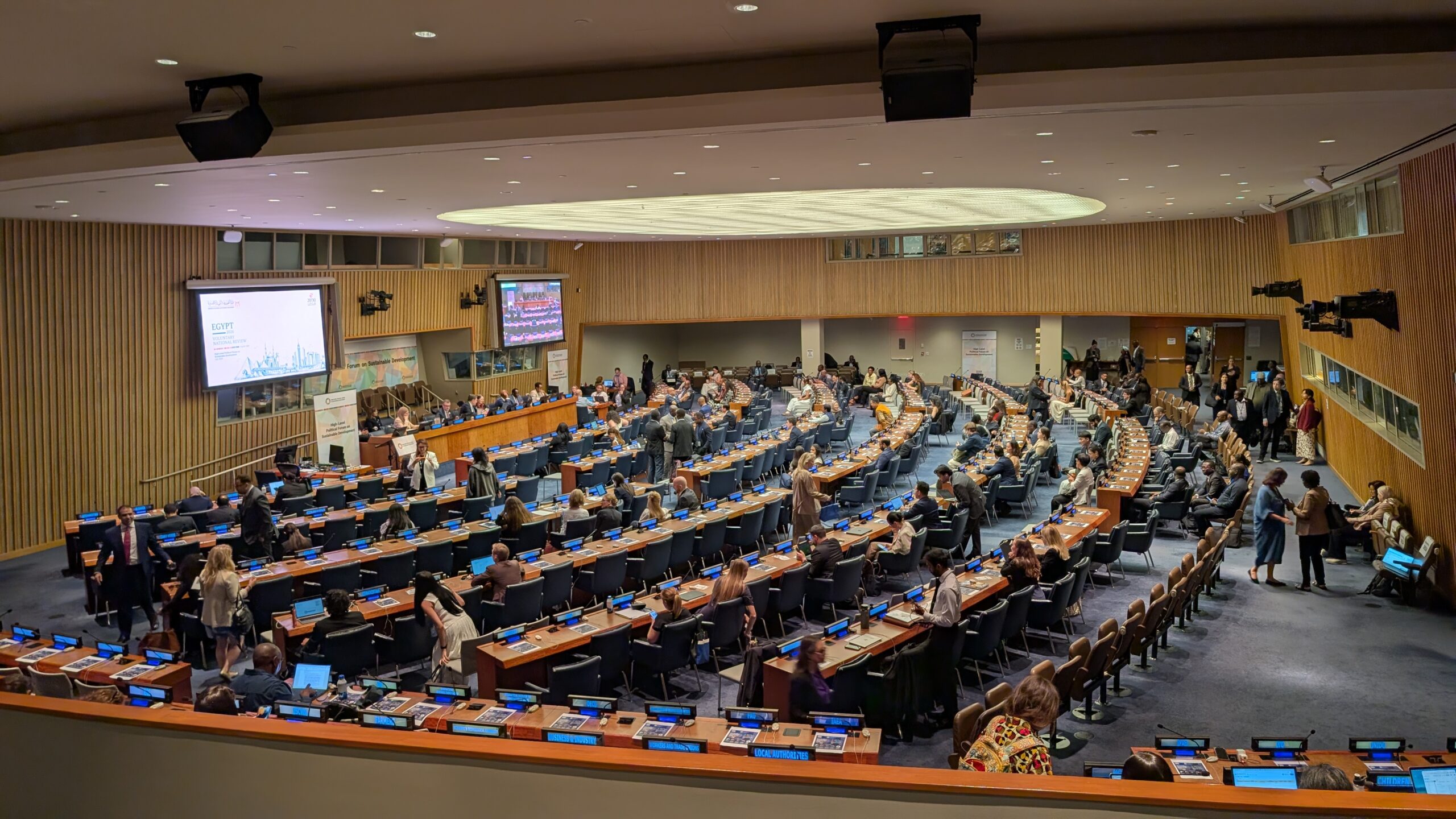
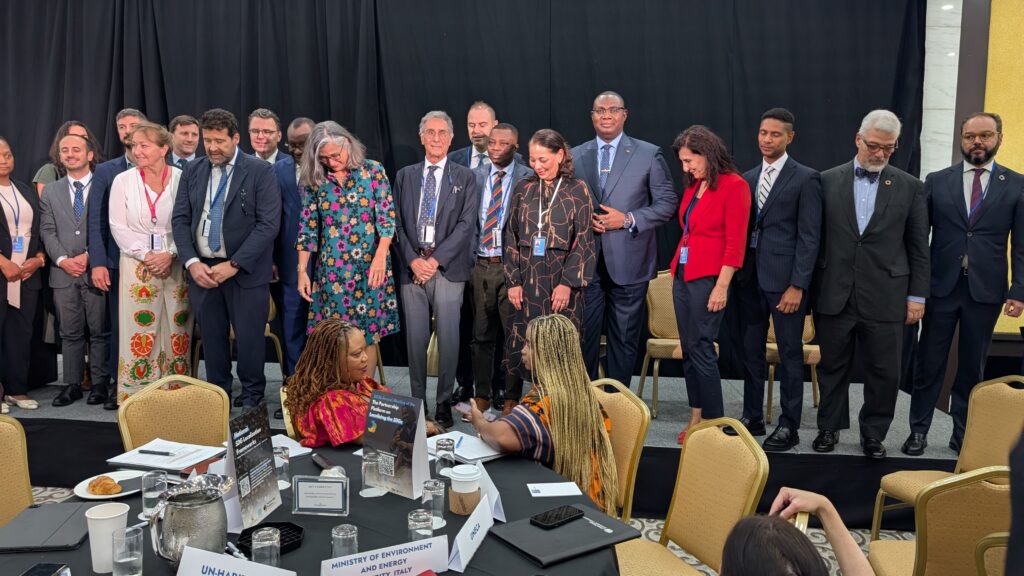
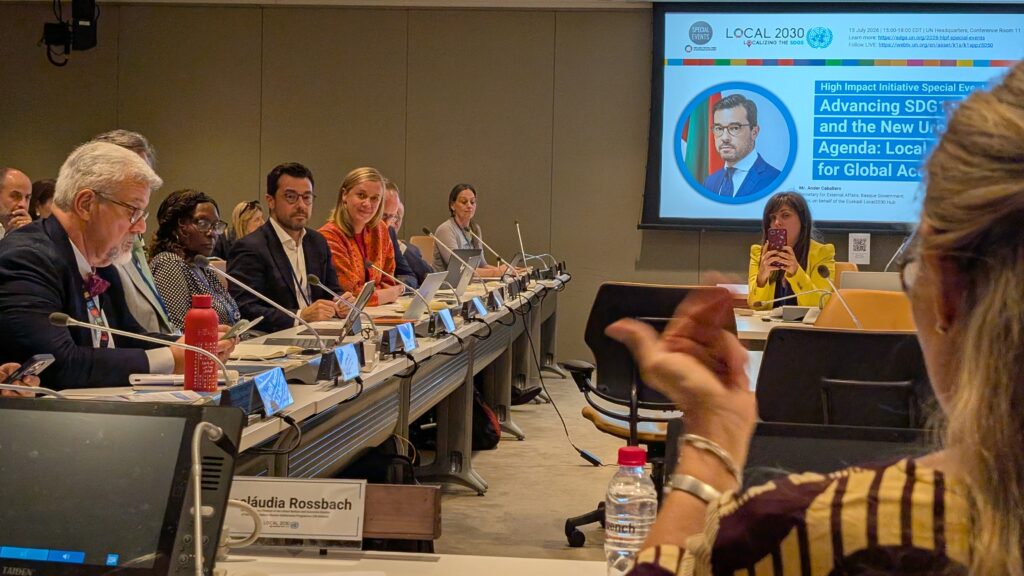
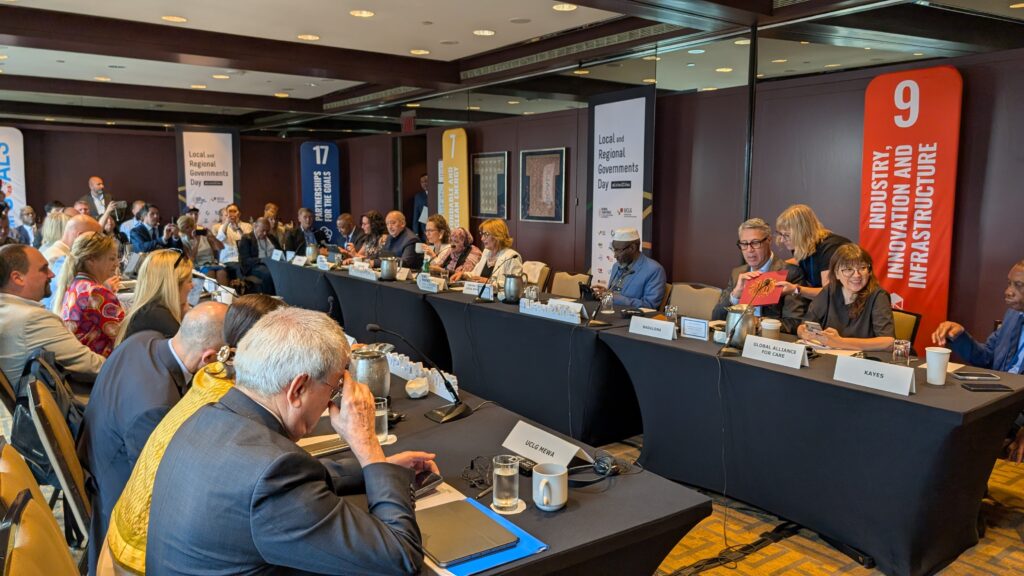
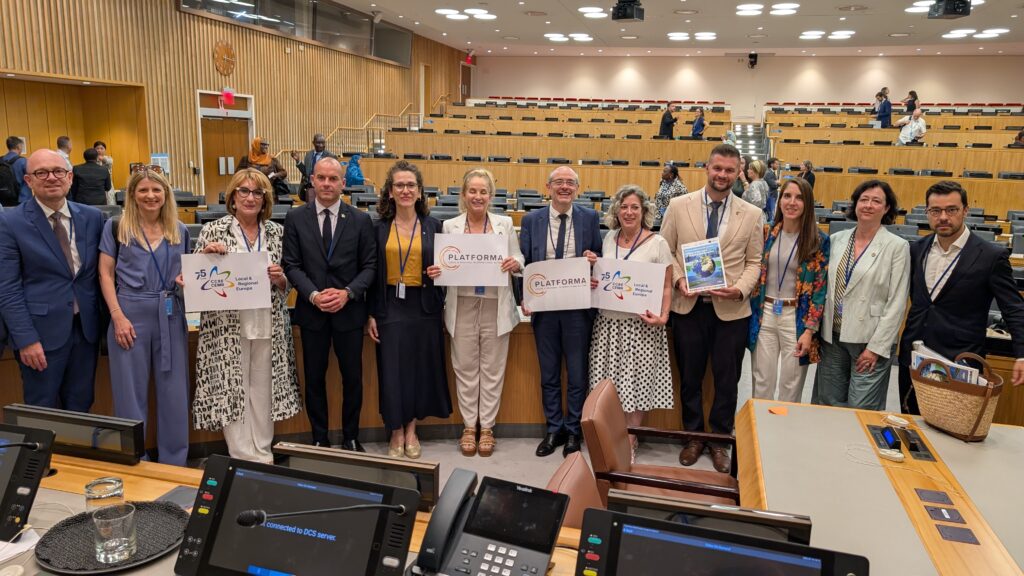
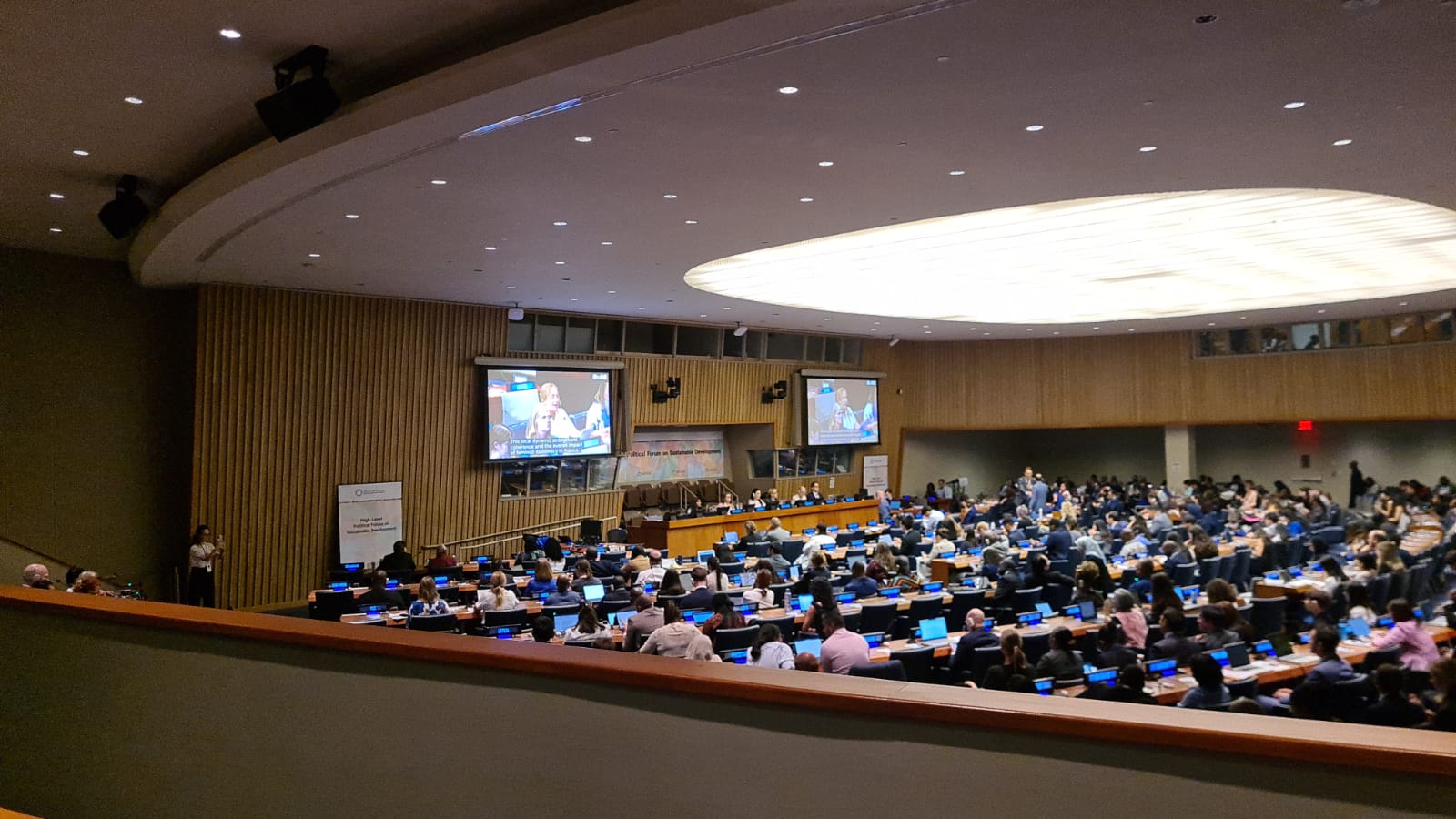
More than 15 European mayors and local leaders dominated the stage this week in New York. They run from one session to another at the UN High-Level Political Forum (HLPF) on Sustainable Development to defend the role of towns, cities and regions in delivering the 2030 Agenda and helping define what comes next. Through various events, mostly co-organised by the Global Task Force of Local and Regional Governments led by UCLG, European local leaders took the floor more than 50 times. 

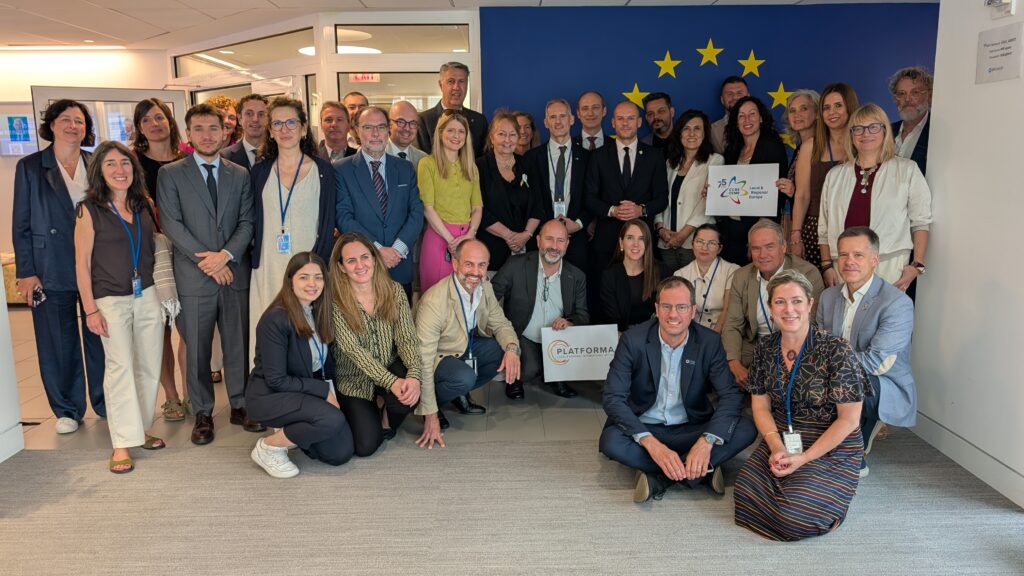
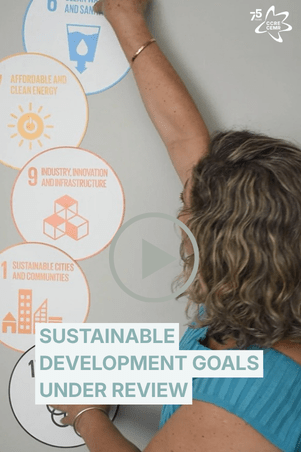
With only four years to go until 2030, the clock is ticking to implement as much as possible the Sustainable Development Goals (SDGs), but also to shape their future. During the UN-proofed Local and Regional Governments Forum, but also the Global Task Force Local and Regional Governments Day, and the CEMR-PLATFORMA meeting with the EU Delegation in New York, mayors and local leaders gave examples and ideas on how to implement the 2030 Agenda from the ground. They all asked the United Nations (UN) to deepen local and regional governments’ engagement, stressing that SDG 11 (Sustainable Cities and Communities), among many others, cannot be delivered without empowering towns, cities and regions.

Even if the Local and Regional Governments Forum is officially recognised as being part of HLPF, towns, cities and regions are absent from the final conclusions of the ECOSOC (UN’s Economic and Social Council, a platform to advance the economic, social and environmental dimension of sustainable development), responsible for the organisation of HLPF. However, the numerous UN officials who attended the various sessions all recognised the key role of local and regional governments in achieving the SDGs and defining their future shape.

High Level Policy Forum - CEMR and PLATFORMA 2026
High-Level Policy Forum – CEMR and PLATFORMA, New York 2026

The voice of European local leaders at the United Nations

The future is local

Wim Dries, Mayor of Genk (Belgium), Association of Flemish Cities and Municipalities (VVSG): “Local and regional governments are often invited only after decisions have already been made. We need a stronger role in decision-making, adequate financing, and better coordination. We connect SDGs to budgets. The SDGs will be local or they won’t be.”

Antoine Le Solleuz, Deputy Mayor of Nancy (France), AFCCRE and Cités Unies France: “For me, SDG17 (Partnerships for the goals) is not the last SDG, it’s in fact the first one. We need real commitments to meet the SDGs by 2030. We call on the UN to recognise networks of cities and regions as partners, especially in areas such as the climate crises, to strengthen multilateralism.”

Xavier García Albiol, Mayor of Badalona (Spain), Spanish Federation of Municipalities and Provinces (FEMP): “As we look beyond the 2030 Agenda, we must build on what works. SDG localisation delivers results, but we need stronger financing, partnerships, and empowered governments at the heart of implementation.”

“Housing must be at the centre of the future post 2030 Agenda. The challenge beyond 2030 will depend on how well we deliver on the commitments we have already made. Rather than setting new goals, we need to focus on the areas where implementation is still falling short and where the response has not been sufficient. The years after 2030 will be decisive in turning these commitments into tangible benefits that citizens can clearly see and experience.”

Local leaders in New York 2026
Local leaders in New York for the High-Level Policy Forum 2026

María del Mar Vázquez, Mayor of Almería (Spain), Andalusian Fund of Municipalities for International Solidarity (FAMSI): “We have developed a local plan to localise the 2030 Agenda, with over 70% achieved so far. To face our challenges, we need: real multilevel governance, financing, and stronger cooperation between different spheres of governance.”

Barbara Meyer, Mayor of the City of Saarbrücken, German Association of Cities (DST): “Cities are responsible for more than a third of the Sustainable Development Goals (SDGs). That is why cities should be the focus of the era beyond 2030.”

Eckart Würzner, Mayor of Heidelberg (Germany), Association of German Cities (DST): “We need a step forward: empowering local governments through local development banks and stronger funding mechanisms. We see more and more discussions and support from finance ministers and development banks towards local and regional governments. It is time to ensure this happens. SDG 11 should be at the centre of the future SDGs. If you focus on city diplomacy, you can be the game changer.”

Gunn Marit Helgesen, President of the Congress of Local and Regional Authorities and President of the Norwegian Association of Local & Regional Authorities (KS): “The SDGs won’t be achieved in conference rooms. They will happen within local communities.”

Quality public services and adequate funding

Localising SDGs - New York 2026
Local 2030 meeting – High-Level Policy Forum in New York 2026

Jordi Castellana, Vice President of the Barcelona Metropolitan Area, Spain: “Quality public services are how people experience the SDGs. Metropolitan governments need stronger multilevel cooperation and direct access to finance to deliver local change.”

Clare Hart, Vice-President of Montpellier metropole (France), Cités Unies France: “Infrastructure alone is never enough. Sustainable public services require strong local governance, skilled public institutions and trust —and maybe even caring— between our partners. This is why investing in territorial cooperation is also investing in the achievement of the Sustainable Development Goals.”

Marek Hudak, Member of the City of Bardejov and Member of Presov Regional Council (Slovakia), Member of CEMR Young Elected Officials Committee (YEOC), Association of Towns and Communities of Slovakia (ZMOS): “Looking beyond 2030, our cities and regions face major challenges. From a Slovak perspective, strengthening decentralisation – with adequate funding, competences and responsibilities – it is essential, especially in the context of the future Cohesion Policy and the next EU budget. At the same time, innovation will be key to keeping our regions competitive and ensuring that young people can build their futures in the places they call home.”

Stronger partnerships

High-Level Policy Forum debate in New York 2026

Ander Caballero, Secretary General for External Action, Basque Government, Spain: “Major global challenges also require responses at the regional and local levels. Systemic challenges cannot be solved in silos. Strong partnerships across all levels of government, academia and communities are essential, because how we work together is just as important as what we achieve.”

Rosanna Laconi, Regional Minister of the Autonomous Region of Sardinia (Italy): “Strong partnerships, robust evaluation and inclusive governance are key to scaling local action and delivering lasting impact.”

Clare Hart, Vice-President of Montpellier Métropole (France), Cités Unies France: “It is equally important that local governments have a voice and a seat at the table here at the United Nations, a highly symbolic place where local voices are finally being heard and where we can contribute directly to shaping our future. Let’s be optimistic about the future, with cities fully engaged as partners in delivering sustainable development for all.”

“We have the imminent end of the 2030 Agenda for the SDGs, and we are not strictly on track. Local governments are responsible for delivering 70–80% of the SDGs, which makes supporting them essential to advancing the SDGs agenda. Sharing ideas is key to accelerating progress and strengthening collaboration.”

Eider Inuntziaga, Councillor for Citizen Attention and Participation, the 2030 Agenda and International Relations and Euskera, Bilbao City Council (Spain): “Localisation is a method. Our strategy embeds the SDGs in our daily work, with a methodology focused on a transformative agenda, action plans to involve communities and developing capacities. The post 2030 Agenda has to go one step ahead.”

Bärbel Kofler, Parliamentary State Secretary to the Federal Minister for Economic Cooperation and Development, Germany: “Localising the SDGs means equipping municipalities with the resources they need to deliver. Through peer learning & partnerships like the Local 2030 Coalition, cities are driving innovation.”

The UN still needs to walk the talk

CEMR and PLATFORMA in New York for the High-Level Policy Forum 2026

Anacláudia Rossbach, Under-Secretary-General and Executive Director of the United Nations Human Settlements Programme (UNHABITAT): “Localising the SDGs is the only way to close the implementation gap. Through the Local2030 Coalition, we are working together to support cities and local governments with the tools, partnerships, and platforms they need.”

Koldo Casla, UN Special Rapporteur on the Right to Adequate Housing: “The right to housing is realised locally. From social and public housing to rent control and land policies, local and regional governments play a central role in protecting human rights & ensuring no one is left behind.”

Sarah Lister, Global Director for Governance, Rule of Law and Peacebuilding, UNDP: “The last five years of the 2030 Agenda demand stronger collaboration across all levels of government. Empowering local governments while reinforcing national-local partnerships will be essential to accelerate progress on the SDGs.”

Dario Liguti, Director, Energy, Housing & Land Management Division, United Nations Economic Commission for Europe (UNECE): “Local and regional governments need to be involved from the outsets in implementing solutions. The Global Taskforce of Local and Regional Governments makes this possible by bringing the organised voices of LRGs to the steering committee of Local 2030″

Amina Mohammed, UN Deputy Secretary-General: “SDGs must be built with local actors. The UN Secretary General’s Report sets out how the UN needs to work. The role of local and regional governments needs to be embedded in how we plan, finance and deliver. Let this Forum be a catalyst for shared solutions”

Lok Bahadur Thapa, President of the UN Economic and Social Council (UNECOSOC): “We need to strengthen local actions through Voluntary Local Reviews, to reinforce the value of local acceleration of the 2030 Agenda. The next phase needs to be defined by delivery, measurable actions, strong partnerships and local action.”

“The next phase of SDG implementation must be defined by delivery – moving from commitments to measurable action, strengthening partnerships across all levels of government, and ensuring solutions reach the communities where they are needed most. The success of the 2030 Agenda will ultimately be measured not by the ambitions we express, but by the realities people experience in their daily lives. That is why local leadership is indispensable.”

To strengthen the role of local and regional governments in the 2030 Agenda and the post‑2030 framework, CEMR and PLATFORMA, together with UCLG, will continue working closely with local leaders and with actors across the multilateral system. They will also keep producing knowledge, including reports like the one presented this year at the HLPF (European Territories Localise the SDGs), which shows how essential towns, cities and regions are to delivering the SDGs.

Check the HLPF album here

For more information, contact:

Localising the Sustainable Development Goals in Europe

Reference Framework for Sustainable Cities - image 1

European territories localise the SDGs: cities at the core of implementation

613 words
3–4 minutes

With less than four years remaining to achieve the 2030 Agenda, a new CEMR–PLATFORMA report highlights a clear message from local and regional governments across Europe: sustainable development will only succeed if cities, towns and regions are placed at the centre of decision-making, financing and implementation.

Published by the Council of European Municipalities and Regions (CEMR) and PLATFORMA at the occasion of the High-Level Political Forum on Sustainable Development (HLPF), the 2026 edition of the report European territories localise the SDGs: Cities at the core of the implementation examines how local and regional governments are contributing to the Sustainable Development Goals (SDGs) and what is needed to accelerate progress during the final stretch to 2030.

The study is based on a survey of 23 respondents from 17 countries, including associations of local and regional governments from 15 EU Member States and two non-EU countries.

Local action is essential for global goals

The report comes at a pivotal moment. As both the UN New Urban Agenda and the Urban Agenda for the EU reach their tenth anniversary, local and regional governments are reaffirming their indispensable role in translating global ambitions into concrete results on the ground.

From mobility and housing to climate resilience and social inclusion, towns, cities and regions are responsible for many of the policies that directly affect residents’ daily lives. According to the report, SDG implementation is not primarily a technical matter but a political one, requiring trust, resources and authority to be devolved to the territorial level.

The publication places particular emphasis on SDG 11 – Sustainable Cities and Communities, one of the goals under review at the 2026 HLPF. It argues that sustainable urban development cannot be achieved without strong local democracy, effective multi-level governance and meaningful involvement of subnational authorities in national and international decision-making processes.

Six recommendations to accelerate SDG implementation

Drawing on the experience of local and regional governments, the report puts forward six recommendations addressed to the United Nations, the European Union and national governments.

Among its key messages, the study calls for:

  • Reinforcing multi-level governance as a political priority for the 2026–2030 period.
  • Placing the subnational level at the centre of SDG implementation, including stronger participation of local and regional governments in global review processes and improved access to development finance.
  • Reaffirming the importance of the UN New Urban Agenda as the main global framework for sustainable urbanisation.
  • Ensuring that cities and towns remain central to Europe’s sustainable development agenda through stronger alignment between EU and UN urban policy frameworks.
  • Recognising the role of territories in the upcoming EU Multiannual Financial Framework 2028–2034, with more accessible and place-based funding for municipalities and regions.
  • Accelerating the localisation of the SDGs by fully involving local and regional governments in the design and implementation of sustainable development policies.

A contribution to the global SDG debate

Beyond policy recommendations, the report showcases good practices from across Europe and explores how local and regional governments are advancing the goals under review in 2026 (SDG 6 – Clean Water and Sanitation, SDG 7 – Affordable and Clean Energy), SDG 9 – Industry, Innovation, and Infrastructure, and SDG 17 – Partnerships for the Goals). It also includes a dedicated focus on housing and the outcomes of discussions linked to the World Urban Forum, reflecting growing concerns about affordability, inclusion and sustainable urban growth.

As the international community approaches the final years of the 2030 Agenda, the report sends a strong and consistent message: the SDGs will be achieved — or missed — at the local level. Empowering towns, cities and regions with the necessary political mandate, resources and partnerships is therefore not optional, but essential.

Discover this report also online: European Territories Localise the SDGs

For more information, contact:

European local leaders at the UN

High Level Policy Forum (HLPF) 2025

Sustainable Development Goals – European local leaders at the UN table


A delegation of more than 15 European local leaders is heading to New York next week for the High-Level Political Forum on Sustainable Development (HLPF) organised by the United Nations. There, thanks to the coordination of the Global Task Force of Local and Regional Governments (GTF) led by UCLG, they will take the floor at several high-level events to defend the key role of towns, cities and regions in localising the 2030 Agenda, but also designing its future shape. This includes, among others, the UN Habitat and Local2030 coalition annual event (14 July), UCLG Local and Regional Government Day (15 July) and CEMR-PLATFORMA breakfast meeting at the EU Delegation (16 July). 

Under the theme “Transformative, equitable, innovative and coordinated actions for the 2030 Agenda for Sustainable Development and its Sustainable Development Goals (SDGs) for a sustainable future for all”, this year HLPF will concentrate on the review of a crucial goal for local and regional governments: SDG 11 (Sustainable Cities and Communities). It will also focus on SDG 6 (Clean Water and Sanitation), SDG 7 (Affordable and Clean Energy), SDG 9 (Industry, Innovation, and Infrastructure), and SDG 17 (Partnerships for the Goals), where local and regional governments play a key role. 

Mayors and councillors will present the CEMR-PLATFORMA annual study: European Territories Localise the SDGs |Cities at the core of the implementation. With examples from 23 associations of local and regional governments, the report highlights concrete local actions supporting the SDGs under review in 2026, while stressing the need for stronger multilevel governance, financing and partnerships to accelerate progress towards the 2030 Agenda.  

A special focus on housing and territorial inequalities underlines that achieving sustainable development requires empowering towns, cities and regions, sharing good practices, and ensuring that no community is left behind. 

A large delegation of European local leaders 

Among CEMR members and PLATFORMA partners’ local leaders attending HLPF this year are: 

  • Rosa del Amo, Third Deputy Mayor of the City of Badalona (Spain), Spanish Federation of Municipalities and Provinces (FEMP) 
  • María del Mar Vázquez Agüero, Mayor of the City of Almeria (Spain), Andalusian Fund of Municipalities for International Solidarity (FAMSI) 
  • Óscar Bleda, Councilor of the City of Almeria (Spain), Andalusian Fund of Municipalities for International Solidarity (FAMSI) 
  • Wim Dries, Mayor of the City of Genk (Belgium), President of the Association of Flemish Cities and Municipalities (VVSG) 
  • Xavier García Albiol, Mayor of the City of Badalona (Spain), Spanish Federation of Municipalities and Provinces (FEMP)  
  • Clare Hart, Vice-President of Montpellier Méditerranée Métropole and President of the Crisis Group of Cités Unies France (CUF) 
  • Gunn Marit Helgesen, President of the Council of Europe’s Congress of Local and Regional Authorities and President of the Norwegian Association of Local and Regional Authorities (KS) 
  • Marek Hudak, Member of the City of Bardejov and Member of Presov Regional Council (Slovakia), Member of CEMR Young Elected Officials Committee (YEOC), Association of Towns and Communities of Slovakia (ZMOS) 
  • Eider Inuntziaga, Councillor for Citizen Attention and Participation, the 2030 Agenda and International Relations and Euskara of the City of Bilbao (Spain), CEMR Spokesperson on Local Democracy, Relations and Euskera  
  • Antoine Le Solleuz, Deputy Mayor of the City of Nancy, President of the Lebanon Country Group of Cités Unies France (CUF) 
  • Michael Maas, Mayor of the City of Pirmasens, German Association of Cities (DST) 
  • Barbara Meyer, Mayor of the City of Saarbrücken, German Association of Cities (DST) 
  • Giorgos Papanastasiou, Mayor, City of Agrinio (Greece) and second Vice President of the Central Union of Municipalities of Greece (KEDE) 
  • André Viola, President of the Aude Departmental Council (France), Cités Unies France (CUF) 
  • Dirk Wurm, Mayor of the City of Augsburg, German Association of Cities (DST) 
  • Eckart Würzner, Mayor of the City of Heidelberg, German Association of Cities (DST) 

Discover the study European Territories Localise the SDGs |Cities at the core of the implementation (also available in PDF) 

Access the Forum’s photos here

For more information, contact:

Lessons learned from the project FOSTER on climate

Climate - News

Climate change impact mitigation: what about the role of participatory democracy? Lessons from the FOSTER Project 


On 9 June 2026, the FOSTER project brought together policymakers, researchers, civil society organisations and citizens from across Europe for an online conference to answer the following question: how can local communities become more resilient to the long-term impacts of climate change through democratic participation? 

Hosted by the partner Foster Europe Foundation, the event offered a unique opportunity to showcase the results achieved throughout the project while fostering a broader discussion on the role of participatory democracy, strategic foresight and collaborative governance in addressing climate-related challenges.

A central part of the event was dedicated to the presentation of the local pathways developed by FOSTER partners: Association of Romanian Municipalities (Romania), Comparative Research Network – CRN (Germany), Foster Europe (Austria),  IASIS (Greece), Istituto per la Ricerca Sociale – IRS (Italy),  NOTUS (Spain), Union of Bulgarian Black Sea Local Authorities – UBBSLA (Bulgaria), with the support of ALDA and CEMR.

Participants had the opportunity to explore the case studies, exchange perspectives and reflect on the lessons learned in the project. The presentations demonstrated how strategic foresight can become a powerful tool for communities to anticipate future challenges and transform them into opportunities for collective action and highlighted both the potential and the challenges of participatory climate governance.

Despite the diversity of local contexts, several common challenges emerged from the case studies. Participants highlighted the increasing vulnerability of urban areas to extreme weather events, the unequal distribution of green infrastructure, the need to protect and regenerate public spaces, and the importance of ensuring that climate adaptation measures also address social inclusion and quality of life.

Strategic foresight as a key tool for engaging with local stakeholders

The FOSTER local pathways demonstrated how participatory foresight can help communities move beyond short-term responses and engage in long-term thinking. Through workshops, scenario-building exercises and co-design activities, citizens, civil society organisations and local authorities worked together to identify future risks and develop locally grounded solutions. These ranged from urban greening interventions and climate-resilient public spaces to sustainable housing strategies, stronger governance mechanisms and new forms of civic participation.

The project also highlighted the importance of building trust between citizens and public institutions. Involving municipal representatives directly in the participatory process helped create constructive dialogue and increased the legitimacy of the proposed solutions. At the same time, participants recognised that maintaining engagement over time remains a challenge. Project’s partners highlighted the phenomenon of “participation fatigue”. Discussions confirmed that citizens are willing to engage in climate-related decision-making when they can clearly understand the purpose of the process and when their contributions are translated into concrete actions.

Another key lesson emerging from the conference and the project was that participatory processes alone are not sufficient. Long-term impact requires institutional commitment, supportive legal frameworks, coordination among stakeholders, and mechanisms that ensure the implementation of the solutions developed collaboratively. As several speakers noted, participation is most effective when it becomes an integral part of governance rather than an isolated project activity.

Together, these contributions reinforced one of the key messages emerging from the FOSTER project: addressing climate change requires governance models that combine long-term thinking, community participation and cross-sector collaboration. Resilient communities are built through inclusive decision-making processes that empower citizens to actively anticipate and shape their futures while co-creating practical and inclusive responses.

Recordings from the Conference:

For more information, contact:

Local Alliance calls to put cities at the heart of Europe’s climate plans

Local Alliance news

Local Alliance calls for a governance overhaul to put cities at the heart of Europe’s climate plans

408 words
2–3 minutes

In a new position paper, the Local Alliance – a coalition of CEMR, ACR+, Climate Alliance, Energy Cities, Eurocities, FEDARENE, ICLEI Europe, and POLIS – calls on the EU to seize the revision of the Governance Regulation to make National Energy and Climate Plans (NECP) truly implementable, investable, and grounded in local realities. 

Cities, towns and regions across Europe are already acting — renovating buildings, deploying renewables, transforming mobility systems. Yet the EU’s climate planning framework has not caught up. National Energy and Climate Plans (NECPs) continue to be drafted largely without the involvement of the local and regional governments that will ultimately deliver them. 

The revision of the Governance Regulation, expected from the European Commission in the last quarter of 2026, is therefore a critical opportunity — one the Local Alliance is determined not to miss. 

A structural disconnect 

A wealth of local data, investment pipelines and climate plans already exists across Europe — from Sustainable Energy and Climate Action Plans to Climate City Contracts and local heating strategies. Yet this territorial knowledge rarely feeds into NECPs, creating duplication, fragmentation and missed investment opportunities.  

Meanwhile, the multi-level dialogues already required under Article 11 of the current Regulation have largely remained disconnected from real implementation decisions or remained tick-the-box level only. 

The result is a dangerous two-speed dynamic: high ambition at European and national levels, too little attention to what happens on the ground. 

The Local Alliance’s answer: connect what already exists 

The position paper calls for the revised Regulation to be built around four mutually reinforcing elements:  

  1. a permanent multi-level dialogue platform in each Member State to align all levels of government around NECP preparation and monitoring, taking into account national governance structures and needs;  
  1. a territorial chapter in each NECP drawing on existing local plans to show where and how national objectives will be delivered;  
  1. territorially informed sectoral pathways linking national targets across buildings, transport, heating, renewable energy, and circular economy with the local realities that determine whether delivery is actually possible; 
  1. and investment strategies that take account of local investment and capacity needs. 

This is not a call for more bureaucracy. It is a call to make what already exists work together — reducing consultation fatigue, cutting administrative duplication, and turning NECPs from reporting exercises into genuine frameworks for implementation and investment. 

Read the full position paper here

For more information, contact:

Our reaction to the Urban Wastewater Treatment directive 

Water management news 2026

CEMR warns EU Parliament’s move risks weakening the Polluter Pays Principle and undermining investments by local and regional governments and wastewater operators


Following today‘s European Parliament vote on a motion for resolution calling for a “stop the clock” on the implementation of the revised Urban Wastewater Treatment Directive (UWWTD), the Council of European Municipalities and Regions (CEMR) regrets the adoption of amendments calling on the European Commission to consider suspending the implementation of the Extended Producer Responsibility (EPR) and quaternary treatment obligations*. CEMR finds the resolution to be contradictory to all the efforts that are currently being undertaken by local and regional governments, and wastewater operators, which include optimising the machinery to meet the requirements of the revised Directive. 

According to Andrea Carli, CEMR spokesperson for the environment and Regional Councillor of Friuli Venezia Giulia “we are deeply concerned with the outcome of today’s plenary vote. We are standing with Europe’s local and regional governments and wastewater operators that have already been preparing the investments needed to implement the revised Urban Wastewater Treatment Directive.  What they need now is a clear commitment that the agreed implementation timeline will be respected.” 

The polluter pays principle, which states that those responsible for causing pollution should bear the costs of managing it and repairing the damage caused, is one of the cornerstones of EU environmental policy. Any suggestion that the implementation of EPR could be suspended risks undermining investor confidence. The revised Directive reached a carefully negotiated balance between protecting public health, safeguarding the environment, and ensuring that those responsible for pollution contribute to the costs of its removal. 

CEMR recognises the legitimate need to monitor the impact of the Directive on the availability of critical and generic medicines. However, it strongly believes these concerns should be addressed through the monitoring and flexibility mechanisms already provided for in the legislation.   

Therefore, CEMR calls the Commission to maintain the agreed implementation timeline and provide the legal certainty that local and regional governments, and wastewater operators need to invest in quaternary treatment. As Member States will likely start preparing next year their National and Regional Partnership Plans (NRPPs) under the next EU budget, delaying implementation could result in wastewater infrastructure investments being deprioritised or excluded from future funding plans.  

In a letter written last year to Commission President Ursula von der Leyen, CEMR and 11 other European organisations representing local and regional governments, public utilities, environmental NGOs, trade unions, and water professionals urged the Commission to firmly uphold the EPR scheme introduced by the revised UWWTD, which entered into force on 1 January 2025. 

*The quaternary treatment is the additional treatment step for removing micropollutants from urban wastewater, which is now an obligation introduced in the last revision of the UWWTD. EPR is the scheme that makes the contributor (pharmaceutical and cosmetic industry), cover at least 80% of the related treatment costs. 

Read more about CEMR‘s advocacy on the UWWTD implementation:  https://ccre-cemr.org/impact-community-climate/water/protecting-europes-water-future 

For more information, contact:

Climate Chance Summit 2026

Climate Chance Summit 2026

Cities and regions must lead Europe’s climate adaptation 


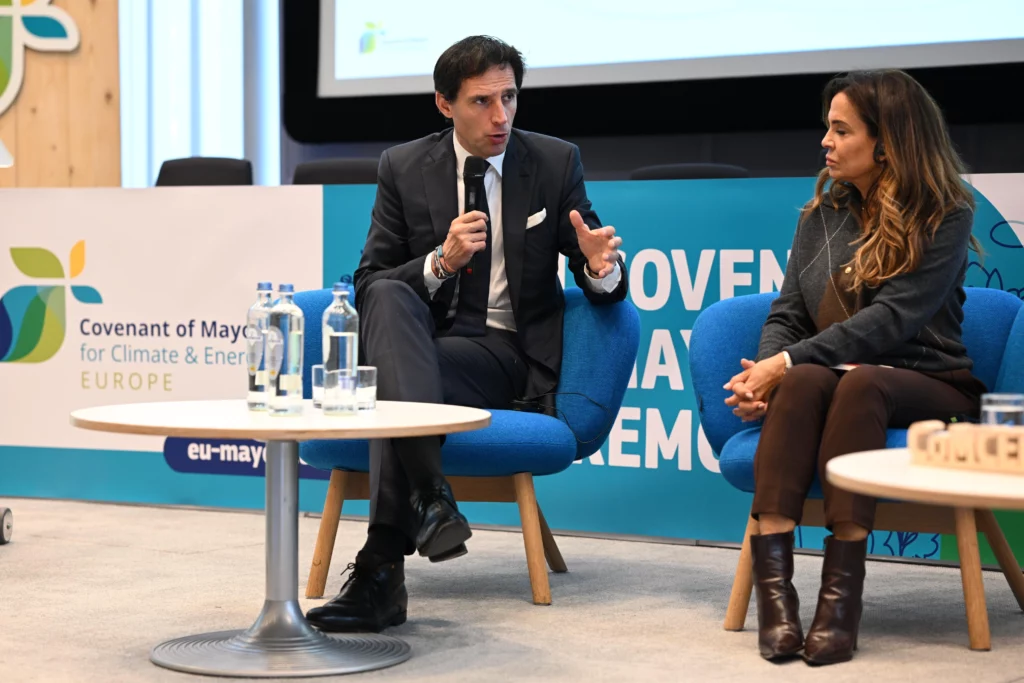
CEMR participated on 3 and 4 of June in the Climate Chance Europe Summit 2026 organised in Brussels by The Climate Chance association. The two-day event brought together local and regional leaders, European institutions, businesses, NGOs and civil society networks around a shared theme: climate adaptation as a lever for resilience and prosperity in Europe.  

The message shared by the Council of European Municipalities and Regions (CEMR) was that towns, cities and regions must be recognised as strategic partners in designing Europe’s climate response, not merely as implementers on the ground.  

The summit echoes the key messages of CEMR’s position paper “Adapting Together – A territorial approach to resilience and risk management”, published in February 2026. In this position paper, CEMR makes a case for a territorial approach to climate resilience, grounded in multi-level governance. A fundamental gap is highlighted: local and regional governments already implement most adaptation measures, yet their role remains insufficiently recognised and supported in EU and national frameworks.  

To close this gap, CEMR continues to flag six priorities:  

  1. Empowering local and regional governments with clear mandates and flexibility to act 
  1. Strengthening local capacity through better access to data and peer learning 
  1. Securing predictable and accessible funding for adaptation investments 
  1. Improving preparedness and disaster risk management 
  1. Restoring ecosystems and scaling nature-based solutions 
  1. Ensuring water resilience through integrated, locally driven water management 

The summit organised by Climate Chance came at a critical political moment. The European Commission is currently developing a new integrated framework for European Climate Resilience and Risk Management, expected to be adopted in the second half of 2026.  

Ronan Dantec, CEMR Spokesperson for Climate: “Climate adaptation will only succeed if local and regional governments are recognised as full partners in the future resilience framework. Territories need a common trajectory, the tools to understand their vulnerabilities and the long-term funding to turn resilience into reality.” 

Discussions at the summit on multi-level governance, funding adaptation and resilience at local level, technical support for LRG to prepare risk management strategies and investments, and solidarity mechanisms all reinforced what our position paper argues: coherent and effective climate action requires local and regional governments at the table from the very beginning — in the design, financing and monitoring of policy, not just its delivery. 

The summit closed with the adoption of the Brussels Declaration of European Non-State Actors on Climate Change Adaptation, signed by a wide range of local government networks, economic actors networks, and NGOs, including: Eurocities, FEDARENE and Association internationale des maires francophones (AIMF). 

It commits all signatories to playing an active role in shaping Europe’s climate resilience policies and calls for adaptation to be built into every level of decision-making, from EU policy down to local plans. 

CEMR will continue to push this message forward in the lead-up to the adoption of the EU framework by the end of the year. Europe’s resilience starts in its territories. 

Connie Heedegard, Chair of the Climate Adaptation Mission and former Commissioner for Climate Action: “Adaptation is crucial for resilience, but it is also key for citizens safety. The EU Adaptation Mission has laid the foundations; now is the time to harvest the fruits and scale up implementation.” 

Read our position paper Adapting Together – A territorial approach to resilience and risk management  

For more information, contact: