Voices of our 75-year history

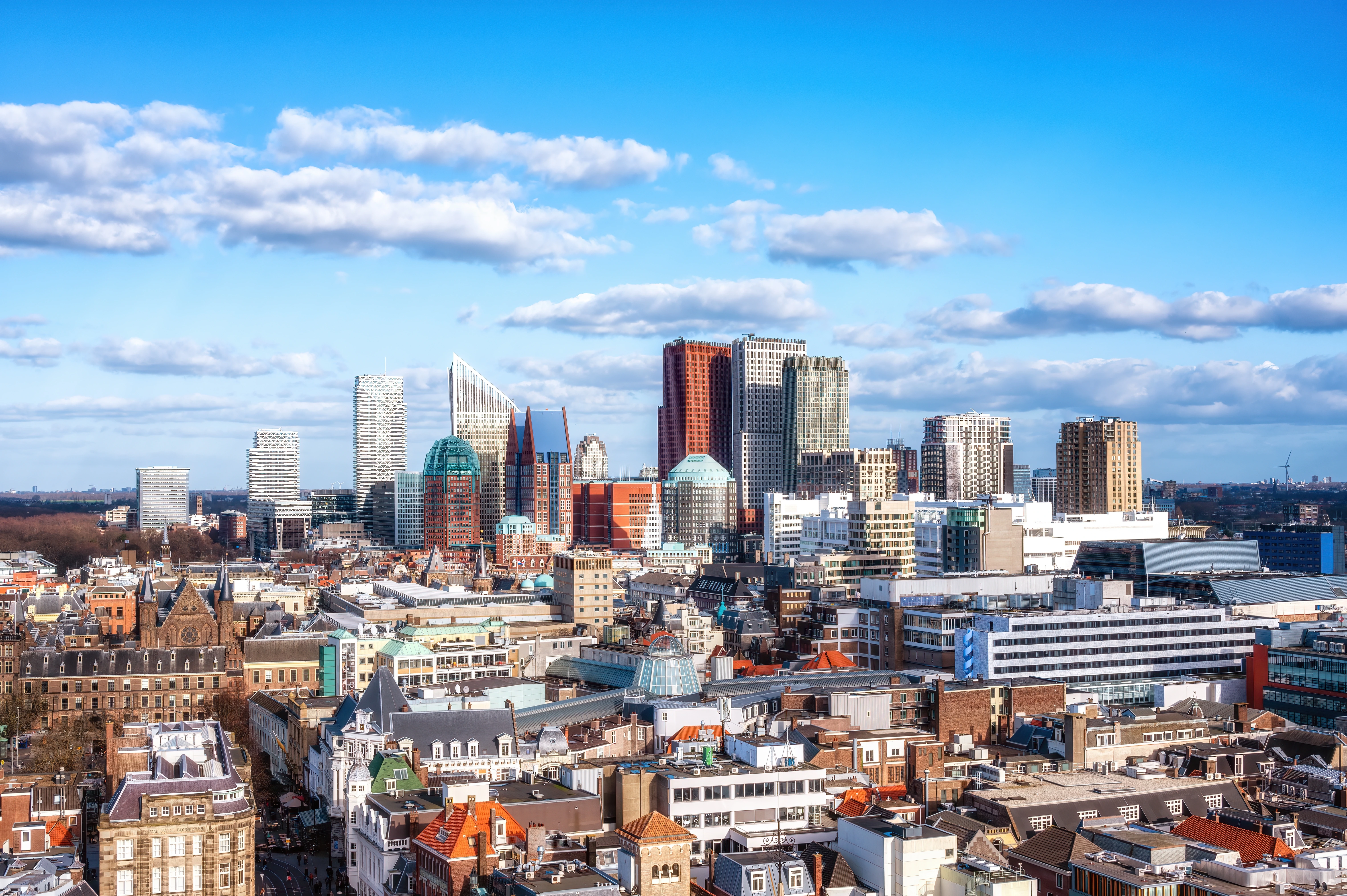
The Hague

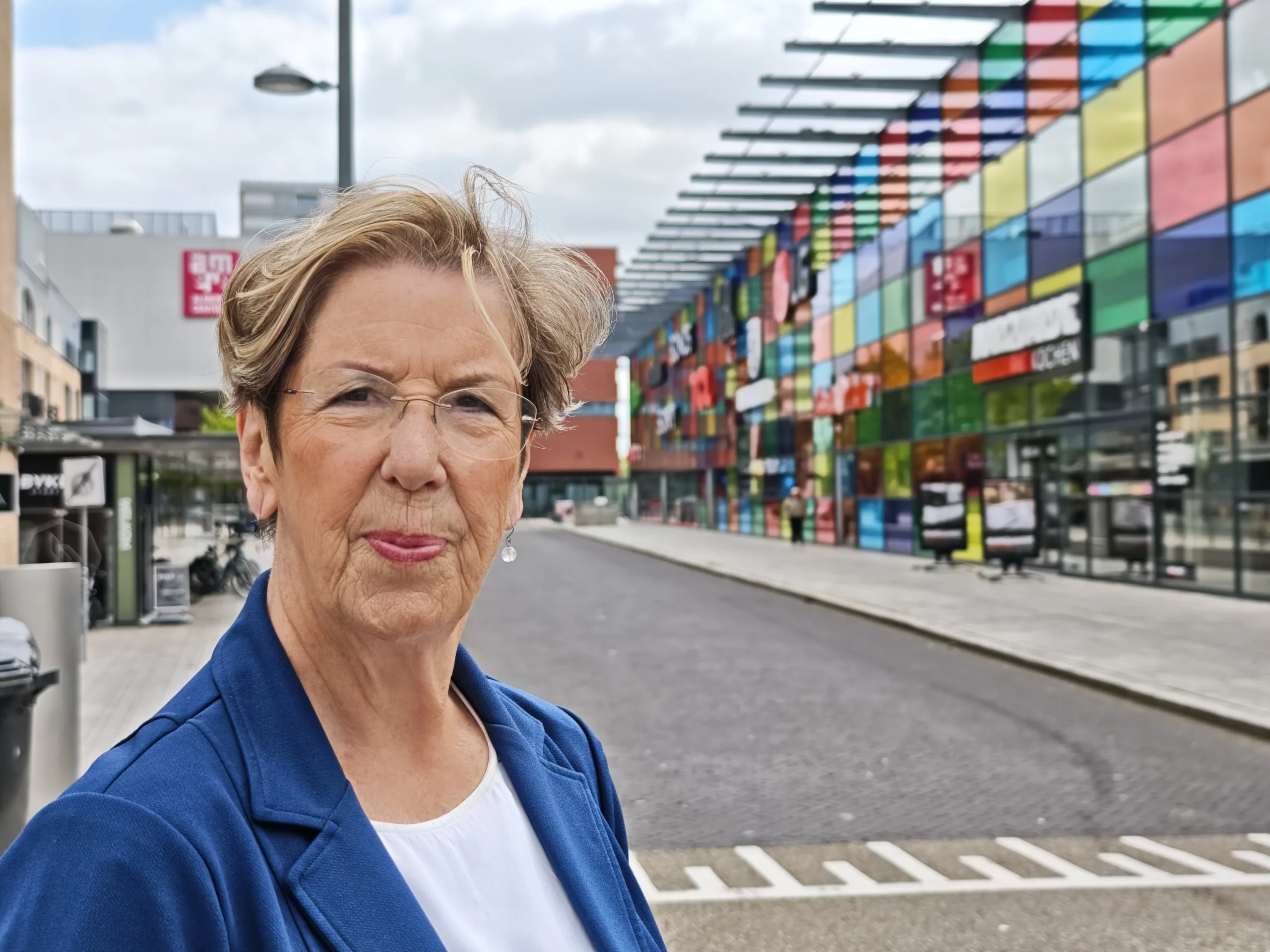
Jan Van Zanen: “If we want impact, global and local governments must go hand in hand”

801 words
3–5 minutes

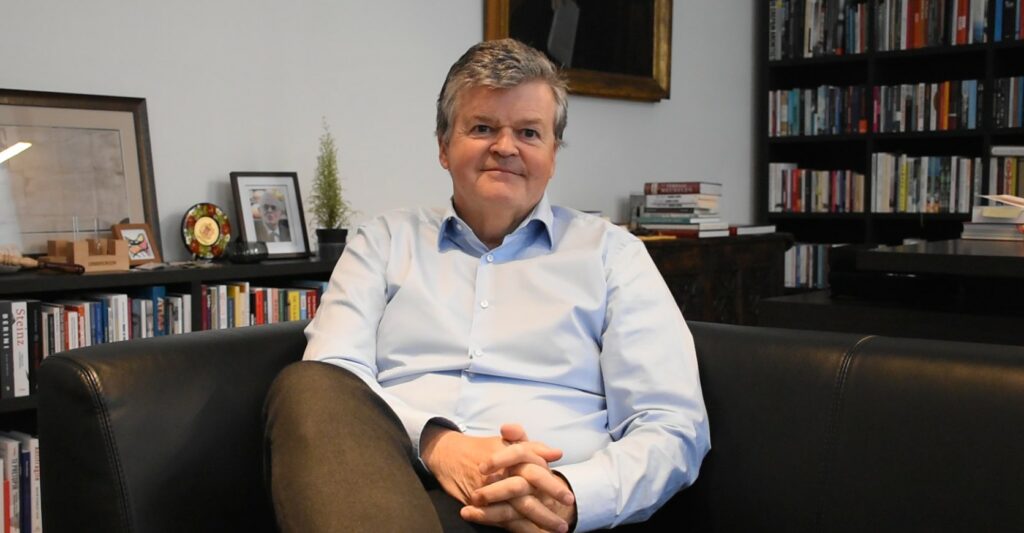
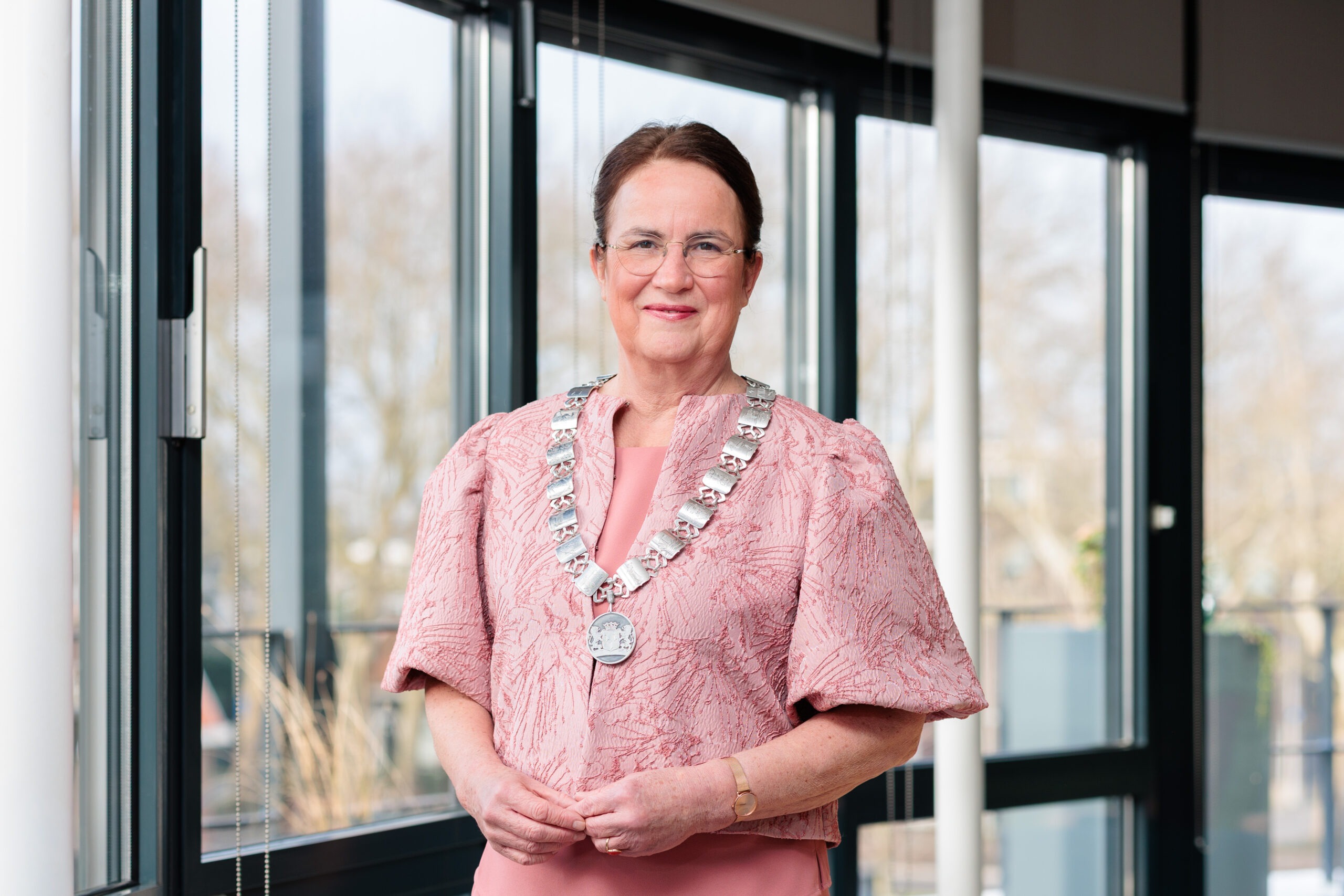
Jan Van Zanen, Mayor of The Hague and President of United Cities and Local Governments (UCLG), has been a long-standing figure in international municipal cooperation. With more than a decade of active involvement in both CEMR and UCLG, he has witnessed first-hand how cities increasingly shape global responses to shared challenges, from climate change to social cohesion.

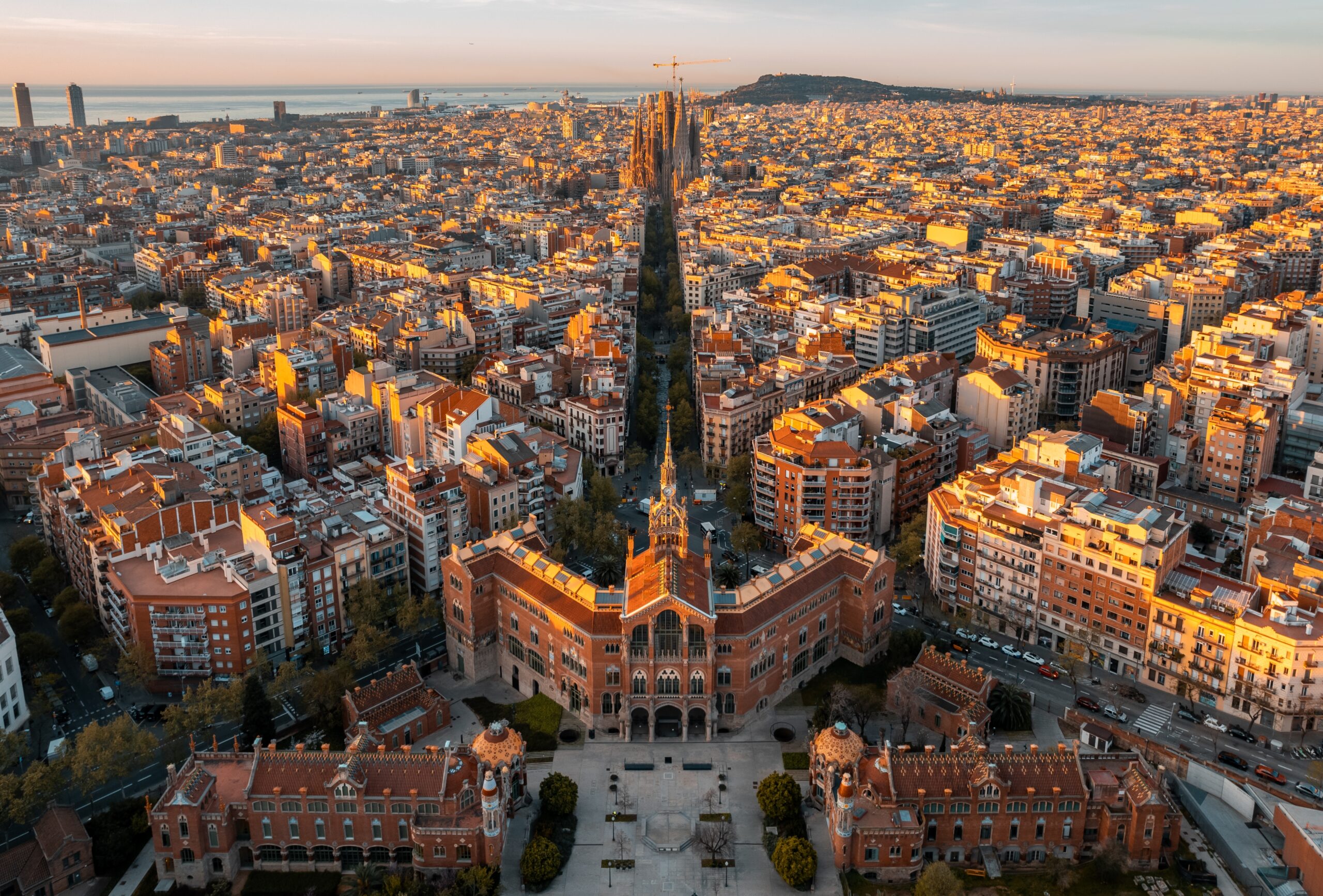
This interview was recorded in Barcelona during the UCLG Retreat in February 2026. In it, Van Zanen reflects on the defining moments of his engagement within the global municipal movement, the importance of international city networks, and his vision for the future of CEMR and UCLG.

A defining moment in The Hague

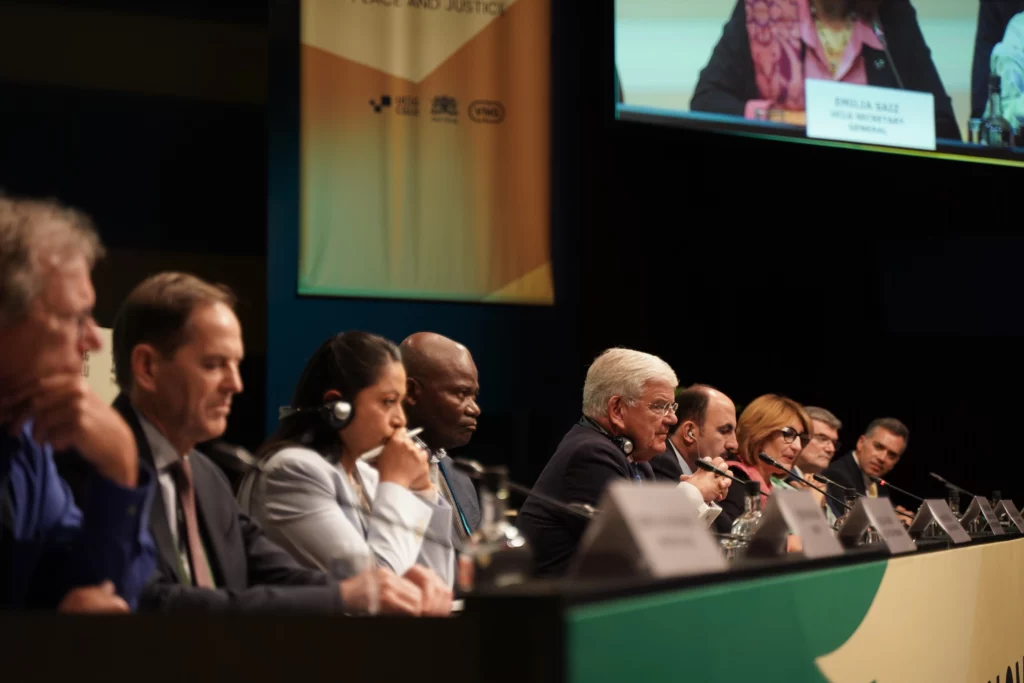
For Jan Van Zanen, one memory clearly stands out from his years within CEMR and UCLG: hosting the UCLG World Council in The Hague in 2024.

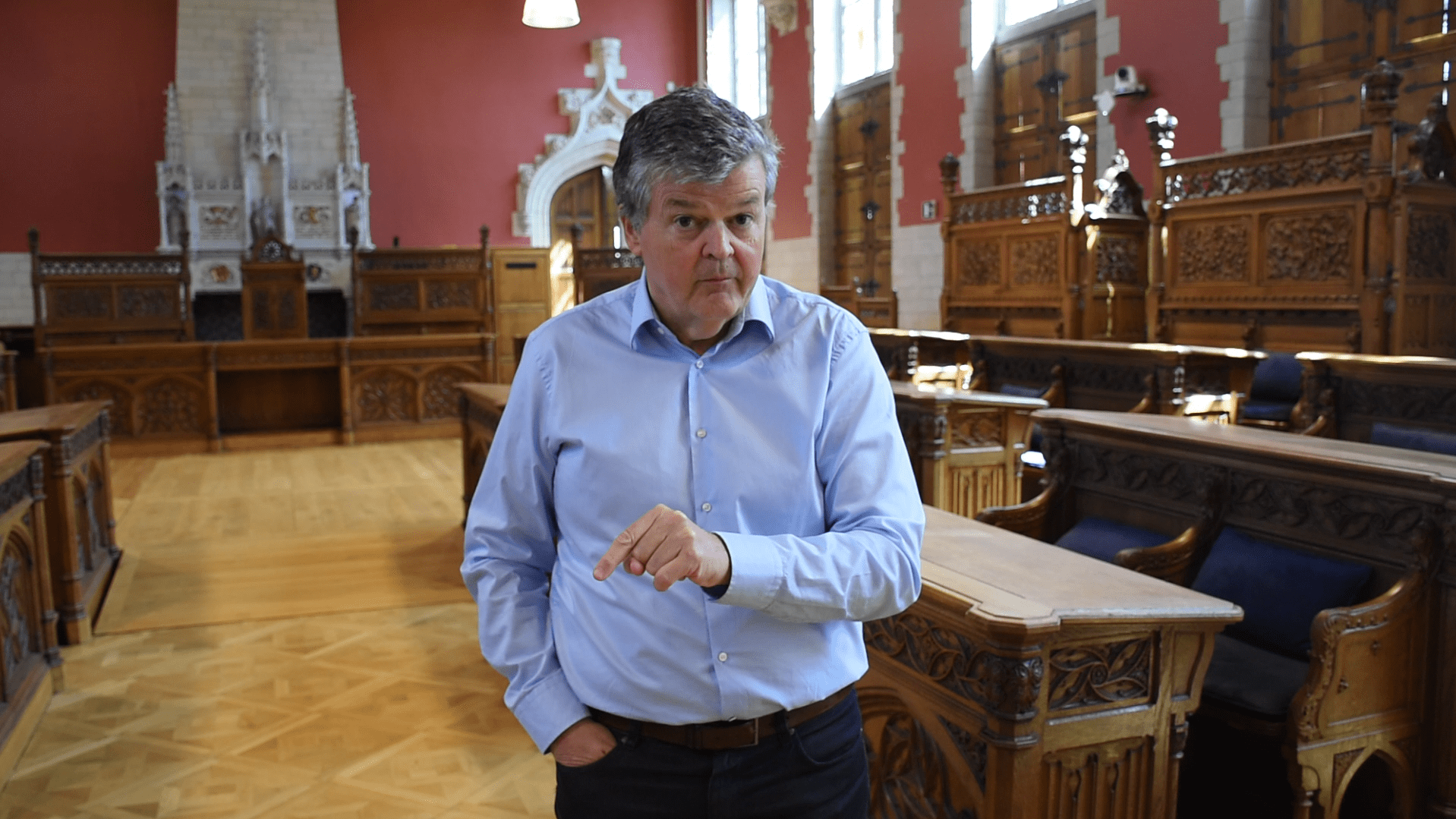
UCLG - Jan Van Zanen interview

For three days, more than 300 local leaders from around the world gathered in the Dutch city, in a moment that carried both political and symbolic significance. The meeting took place 125 years after The Hague hosted the first Peace Conference, adding historical depth to the occasion.

“To see that global community come together in The Hague,” he recalls, “was very meaningful.”

*UCLG World Council in the Hague 2024

The event also marked a personal milestone, as Van Zanen took over the rotating presidency of UCLG. In line with the city’s long-standing identity as a centre for peace and justice, the gathering led to the adoption of The Hague Charter on Municipal Peace — a document designed to guide cities in fostering dialogue and strengthening peaceful communities at the local level.

“Doing so in my own city, surrounded by colleagues from all over the world, made it truly memorable,” he says. “It is something I always look back on with pride.”

Cities at the heart of global challenges

Beyond memorable milestones, Van Zanen emphasises the growing importance of international cooperation between cities. In his view, local and regional governments today are on the frontline of major global transformations.

“From climate adaptation and migration to digitalisation and social cohesion, these developments may be global, but they always land locally in our streets and neighbourhoods,” he explains.

This is precisely why networks such as CEMR and UCLG play a crucial role. For cities like The Hague — home to numerous international institutions — engagement at the global level is both natural and necessary. But, he insists, the value of these networks goes beyond visibility or prestige.

“It is about connecting with fellow cities,” he says. “Sitting around a table with other mayors and local leaders, exchanging openly about what works in practice.”

Through this peer-to-peer exchange, cities are able to share solutions, learn from each other, and build collective resilience. Ultimately, this cooperation translates into more effective policies and tangible benefits for citizens.

Recognising local governments as key partners

Looking ahead, Van Zanen outlines an ambitious but clear vision for CEMR and UCLG in the coming decade. His expectation is that both organisations become fully recognised as indispensable partners in policymaking at all levels.

I would hope that CEMR and UCLG are recognised everywhere as key actors in shaping solutions,” he says, “not only globally but also within the European Union and at national level.”

Central to this ambition is the idea that local governments should be involved from the very beginning when major agreements are designed, whether on climate, migration or development. For Van Zanen, this early involvement is essential to ensure that policies are both practical and impactful.

“Involved from the beginning, with a clear and recognised role,” he insists.

However, recognition alone is not enough. He also stresses the importance of aligning responsibilities with adequate resources, particularly in terms of access to funding. Without this, cities cannot fully deliver on their commitments.

From ambition to impact

Underlying Van Zanen’s reflections is a consistent message: local and regional governments are not just implementers but also innovators and essential drivers of change.

“Cities implement, cities innovate, cities are closest to citizens,” he notes.

This proximity gives local governments a unique capacity to translate global ambitions into concrete action. But to fully unlock this potential, stronger collaboration between levels of governance is needed.

If we really want impact, global governments and local governments must go hand in hand,” he concludes.

For Van Zanen, the history of CEMR over the past 75 years demonstrates precisely this capacity: turning shared ambition into tangible results. Strengthening that role in the years to come will be key to addressing the complex challenges ahead — and ensuring that solutions are rooted where they matter most: in towns, cities and regions and its local communities.

Watch the video interview here.

  • The Hague is part of CEMR’s national association of VNG.

For more information, contact:

Leaders’ Summit in Rovaniemi

CEMR Leaders Summit 2026 - Rovaniemi

CEMR local leaders adopt a political declaration calling for cohesion, competitiveness and global partnerships at the heart of the next EU budget 


Gathered at the CEMR Leaders’ Summit in Rovaniemi, around 150 local leaders call on EU Heads of State to include the European Parliament’s EU budget recommendations on multilevel governance, territorial delivery and predictable funding into their negotiations with the Council 


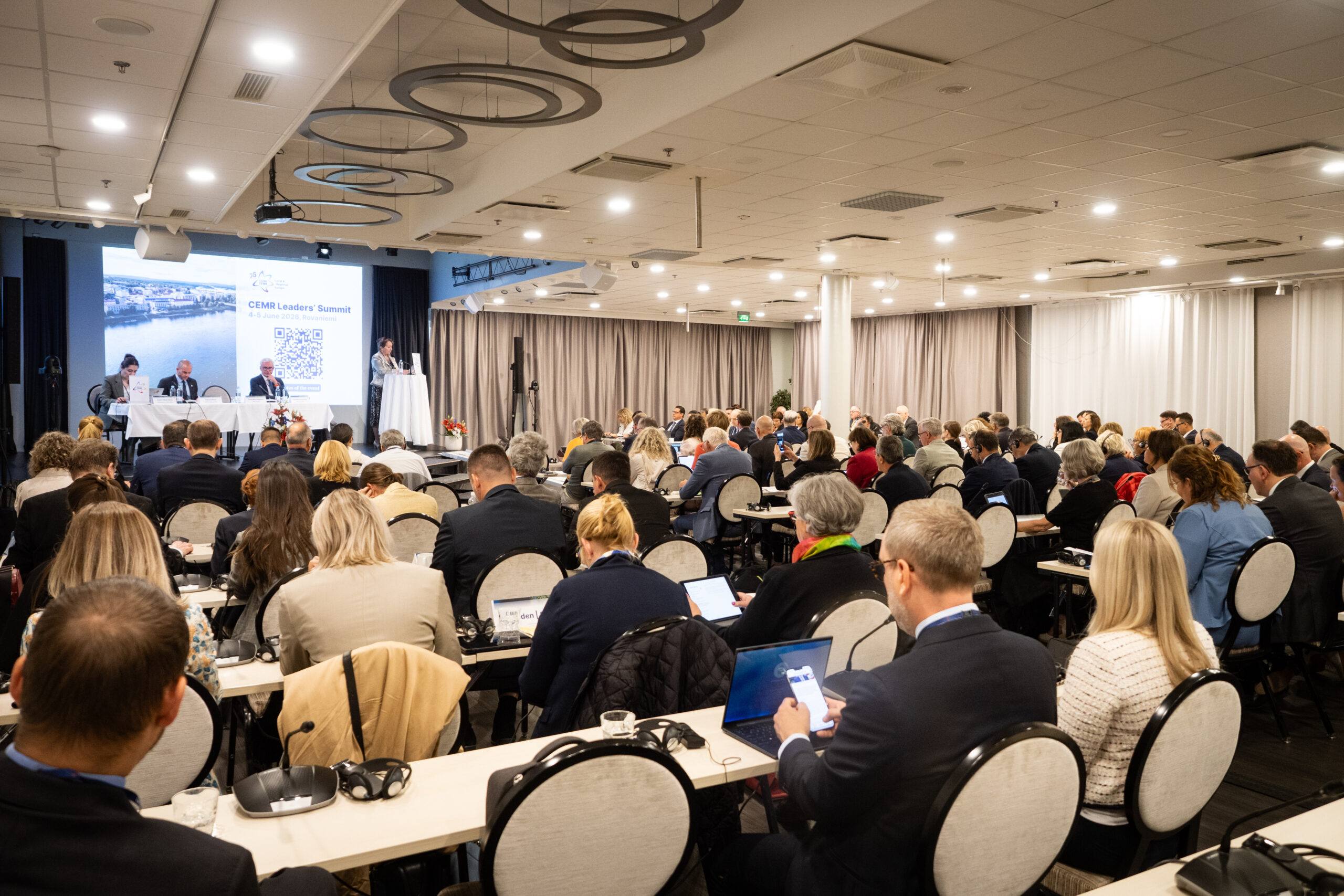
Over 150 local leaders from 29 countries across Europe gathered in Rovaniemi, Finland, for the Council of European Municipalities and Regions (CEMR) Leaders’ Summit, engaging in timely discussions on key European priorities. 

A political declaration at a pivotal moment 

One of the Summit’s main outcomes was the adoption of a political declaration signed by 55 local leaders who are calling on EU Heads of State to incorporate the European Parliament’s key recommendations on the next EU budget (2028-2034) into their negotiations in the European Council. Adopted during the CEMR Leaders’ Summit in Rovaniemi, the declaration comes at a crucial stage in the interinstitutional discussion on the upcoming Multiannual Financial Framework (MFF). 

By endorsing this declaration in support of an EU budget that works for every territory, CEMR members urge that cohesion, competitiveness and global partnerships remain at the core of the next long-term EU budget. Addressed to national leaders, the declaration advocates for a place-based, predictable budget grounded in genuine multilevel governance

The declaration follows the European Parliament’s adoption of its interim report on the 2028–2034 EU budget on its plenary meeting of 28 April 2026, in which the Parliament set out its political priorities and will be the basis of negotiations with the Council.   

Given that the Member States will finalise their position at the Council meeting to be held on 18 and 19 June, CEMR calls on them to take into consideration the position and proposals put forward by the European Parliament towards an EU budget that delivers competitiveness, cohesion, and trust across all territories. 

Christoph Schnaudigel, CEMR president, stated that: The next EU budget must work for every territory in Europe. Cities and regions are where European policy meets real life — where floods are managed, where people need cooling centres, where businesses invest or leave. Europe’s competitiveness and resilience will only be as strong as its weakest territory. The time to act is now”. 

Local leaders attending the CEMR Leaders’ Summit also had the opportunity to exchange views on the interinstitutional negotiations on the next MFF with the Member of the European Parliament, Vice-chair of the EU Budget Committee, Giuseppe Lupo. During the discussion, Luppo stated that “we are asking for the Council’s official position, therefore it is extremely important to develop any initiative in order to convince member states to accept the European Parliament proposal.” 

Local and regional governments: strengthening resilience through foresight and preparedness 

The Summit also provided a platform to discuss how local and regional governments can better use foresight and preparedness to anticipate and mitigate the impacts of crises and emergencies. 

As the host country, Finland—internationally recognised as a global leader in crisis preparedness and long-term strategic foresight—offered valuable insights. Participants explored how democratic institutions at all levels must evolve to govern effectively in an era marked by uncertainty and disruption. 

Katri Kulmuni, Former Deputy Prime Minister of Finland and the northernmost Member of the European Parliament, stated that “preparedness is a broader way of living. It is not a cost but an investment, and it will only work if the local communities are involved.”   

The political discussion included voices from across the continent, from north to south. 

Director of Technical Service of the City of Rovaniemi, Pertti Onkalo, expressed that “across Europe, cities and regions face similar challenges, even though each has its own unique characteristics. By sharing lessons learned, we can ensure that no one has to reinvent the wheel”. He also added that “these days the importance of preparedness is increasingly recognised; but preparedness must be built before a crisis, not during it.” 

This is what Elisabeth Unell, the mayor of Västerås in Sweden, stated: “Building preparedness means practising different scenarios and preparing together. We need stronger coordination and experience sharing among local governments across Europe.” 

“Preparedness and foresight are getting more into our DNA, especially in the western part of Europe. When there is a crisis, the most vital thing is the structure. But it is not always the government that can instantly help. It is also important to invest in the local governments.“ Ap Reinders, the Mayor of Stichtse Vecht. 

The Mayor of Estarreja (Portugal), Isabel Simoes Pinto, argued that “for citizens, preparedness cannot be an abstract concept. It needs to come from the confidence of the local leaders. We must transform preparedness into a normal dimension of governance, a daily aspect of life.” – Mayor of Estarreja (Portugal), Isabel Simoes Pinto 

Christoph Schnaudigel appointed CEMR President 

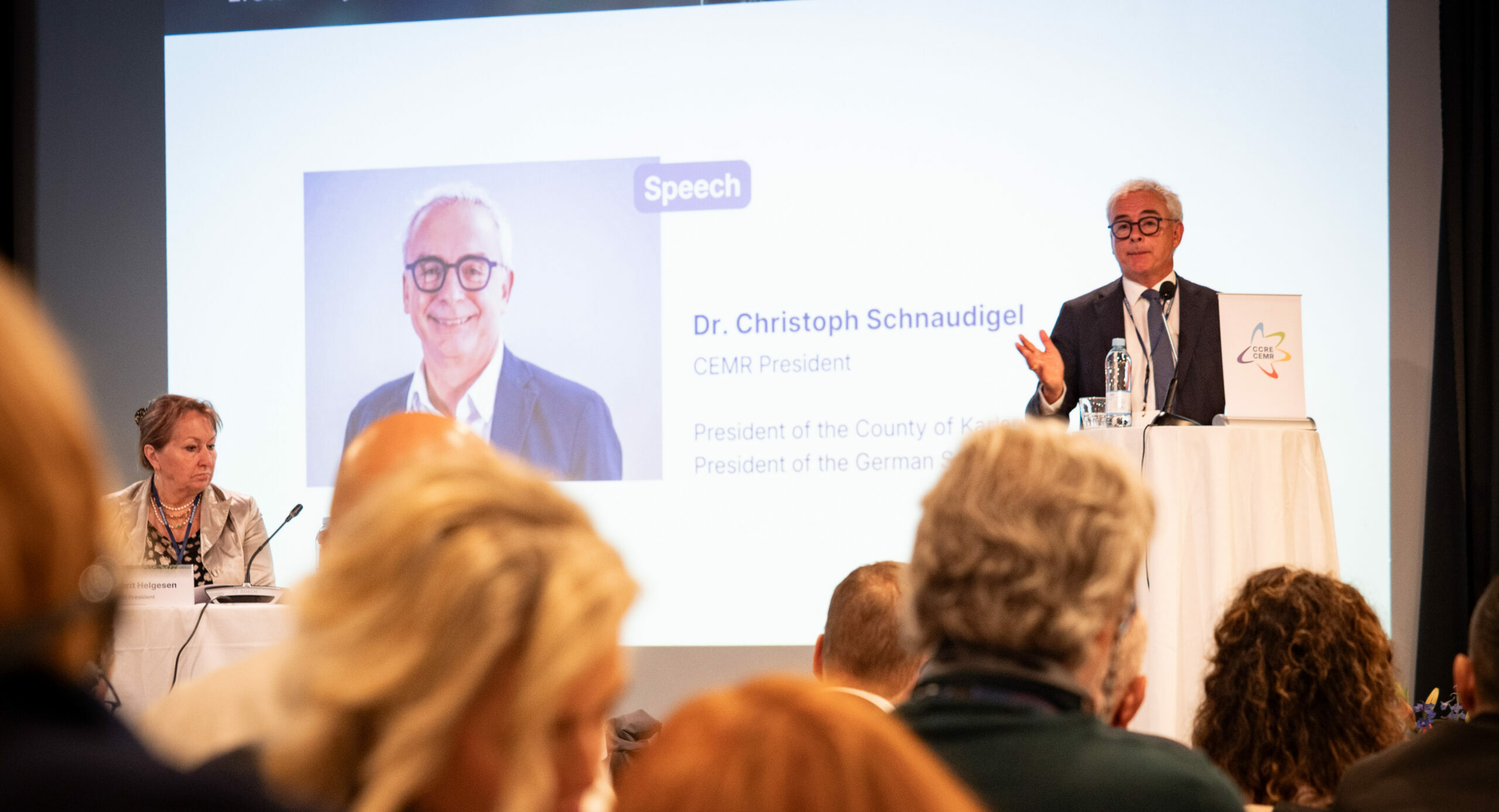
During the Summit, the CEMR Policy Committee appointed Christoph Schaudigel as the new President of the organisation, following the resignation of Gunn Marit Helgesen after her election as President of the Congress of Local and Regional Authorities (CLRAE).  

CEMR local leaders also decided that Gunn Marit Helgesen will continue to serve as CEMR Co-President alongside Philippe Laurent and Vince Maple. 

In his initial speech, Christoph Schnaudigel stated: “I am honoured to take on the role of President of CEMR at such a crucial moment for Europe’s towns, cities and regions. As the negotiations on the next EU budget unfold, and as our values and local democracy are increasingly challenged in a turbulent geopolitical context, our unity matters more than ever. I look forward to working even more closely with all our members to ensure that local voices are heard and involved in the European process of decision-making. This also includes strengthening CEMR’s commitment to international partnerships to uphold peace, democracy, sustainability and solidarity.” 

Christoph Schnaudigel is the President of the German Section of CEMR (RGRE) and the President of the County of Karlsruhe (Germany). He has been an active member of CEMR’s leadership since 2017, when he became the Spokesperson on Public Services. 

Marking CEMR’s 75th anniversary 

The Rovaniemi Summit built on CEMR’s 75-year legacy of supporting towns, cities and regions through major transformations—from post-war reconstruction to today’s climate and social transitions. 

Local leaders celebrated this milestone with the launch of a new CEMR video presentation, as well as a series of interviews titled “Voices of our 75-year history.” A photobooth featuring a “Local Time” newspaper, showcasing “Our local leaders” as protagonists, also formed part of the celebrations. 

The CEMR Leaders’ Summit in Rovaniemi was hosted by the city of Rovaniemi and the Association of Finnish Cities and Municipalities (Kuntaliitto). 

For more information, contact:

Christoph Schnaudigel: new CEMR President

Leaders Summit 2026 - New presidency

Christoph Schnaudigel appointed as the new CEMR President


The Council of European Municipalities and Regions (CEMR) has appointed Christoph Schnaudigel as its new President, following the decision of former President Gunn Marit Helgesen to step down after her election as President of the Congress of Local and Regional Authorities of the Council of Europe (CLRAE).

At this June edition of the Leaders´ Summit in Rovaniemi, from 4 to 5 June, the Policy Committee warmly congratulated Gunn Marit Helgesen on her new role and appointed Christoph Schnaudigel, until now serving as Co-President, as the new President of CEMR.

Christoph Schnaudigel is the President of the German Section of CEMR (RGRE) and the President of the County of Karlsruhe (Germany). He has been an active member of CEMR’s leadership since 2017, when he became the Spokesperson on Public Services.


“I am honoured to take on the role of President of CEMR at such a crucial moment for Europe’s towns, cities and regions. As the negotiations on the next EU budget unfold, and as our values and local democracy are increasingly challenged in a turbulent geopolitical context, our unity matter more than ever. I look forward to working even more closely with all our members to ensure that local voices are heard and involved in the European process of decision-making. This also includes strengthening CEMR’s commitment to international partnerships to uphold peace, democracy, sustainability and solidarity.”

– Christoph Schnaudigel, the newly elected CEMR President

Continuity and commitment at the heart of CEMR’s leadership

The transition reflects CEMR’s commitment to stability and continuity at a pivotal moment for Europe’s local and regional governments. During his period as CEMR Co-President, Christoph Schnaudigel has been closely involved in shaping CEMR’s political direction and is well placed to lead the organisation through the current mandate.

The remaining leadership structure remains in place:

  • Philippe Laurent, CEMR Co-President; President of AFCCRE; Mayor of Sceaux; Vice-President of Territoire Vallée Sud – Grand Paris; Member of the Ile-de-France Regional Council
  • Vince Maple, Chair of the CEMR Financial Management Committee; Councillor of Medway; Vice-President of CEMR (Local Government Association, UK)

You can consult all the CEMR governance details here.

For more information, please contact:

Voices of our 75-year history 

Christoph Chaillou

Christophe Chaillou: “Europe cannot be built without its local territories”

740 words
3–5 minutes

Christophe Chaillou served as Director of the Cabinet of the Secretary General of the Council of European Municipalities and Regions (CEMR) from 1992 to 2007, during one of the most transformative periods in European history. Accompanying the organisation through the great years of the Delors Commission, the democratic transitions in Eastern Europe, and the formal recognition of local and regional governments by European institutions, he witnessed first-hand how CEMR helped shape the place of towns, cities and regions within the European project.

In this interview, he looks back on the defining moments of his period in CEMR, the presidents he worked alongside, and the message he believes must continue to guide CEMR today.

A privileged witness to a founding era

Christophe Chaillou’s time at CEMR coincided with a period of exceptional momentum for European integration.

It was the moment during which local and regional governments gained formal recognition from European institutions, a long-held objective of CEMR that finally became reality. For Chaillou, this convergence of political, institutional and historical forces made it a remarkable moment to be part of the organisation.

“I had the privilege of accompanying CEMR at a time when the European project was especially valued,” he recalls. “It was a fantastic period. In many ways, it meant achieving many of our founding objectives.”

Central to that experience was the opportunity to work alongside exceptional leaders. Among the presidents he served with, he mentions Pasqual Maragall [read Maragall’s head of cabinet interview here] and Valéry Giscard d’Estaing as figures who left a remarkable impression. Each bringing their own vision and weight to CEMR’s work on the European stage.

A moment of reconciliation: Prague, 1993

Of all the moments that marked his years at CEMR, one stands out above the rest. The General Assembly held in Prague in 1993 remains, in Chaillou’s view, one of the most powerful and symbolically charged events in the organisation’s history.

It was the moment when CEMR welcomed the local and regional associations that had just been re-established across Central and Eastern Europe, organisations asking for their place after decades of authoritarian rule and joining, for the first time, the broader European family.

“It was a moment of European reconciliation,” he says. “All the associations across the continent, gathered. It was undoubtedly a very powerful moment of affirmation of our message and, once again, of European unity.”

The assembly carried a weight that went far beyond the institutional. For those present, it was a vivid demonstration of what CEMR stood for: local democracy and European integration were not separate ambitions, but deeply interconnected ones.

Local freedoms at the heart of CEMR’s advocacy work

Beyond the symbolic milestones, Chaillou also highlights the strategic advocacy done by CEMR during his period as Secretary General. He specifically mentions the recognition granted to local and regional governments, which ensured that local freedoms were not recognised in principle but also respected in practice within the European institutional framework.

That achievement, in his view, was the result of both political momentum and persistent effort. It was built through relationships, credibility and the clarity of the CEMR’s message at a time when Europe was still defining what it wanted to be.

CEMR’s founding message, still urgent today

Looking ahead, Chaillou is unambiguous about the challenge that matters most. In a period marked by rising threats to democracy, growing geopolitical instability, and renewed questions about the future of European integration, he believes CEMR must return to its roots and carry its founding message with renewed conviction.

“What we need today is to strengthen all of this,” he says. “The main challenge is to preserve and promote local democracy in all the territories; the spirit of both local autonomy and European integration. That is the founding message of CEMR.”

For Chaillou, that message is as relevant now as it was in the early 1990s. Europe, he insists, cannot be built from the top down. It must be rooted in its territories in the places where citizens live, where decisions are made, and where democracy either thrives or falters.

“Europe cannot be built without its local territories,” he says. “And it is in the territories that local freedoms must assert themselves. In times when there are many threats, including a clear challenge to democracy, it is important to defend this message.”

Check the full interview here

Christophe Chaillou - thumbnail
Christophe Chaillou – Interview video

For more information, contact:

Voices of our 75-year history 

Barcelona - Antonia interview

Antònia Sabartés: “I would like CEMR to be brave and bold” 

1,089 words
5–7 minutes

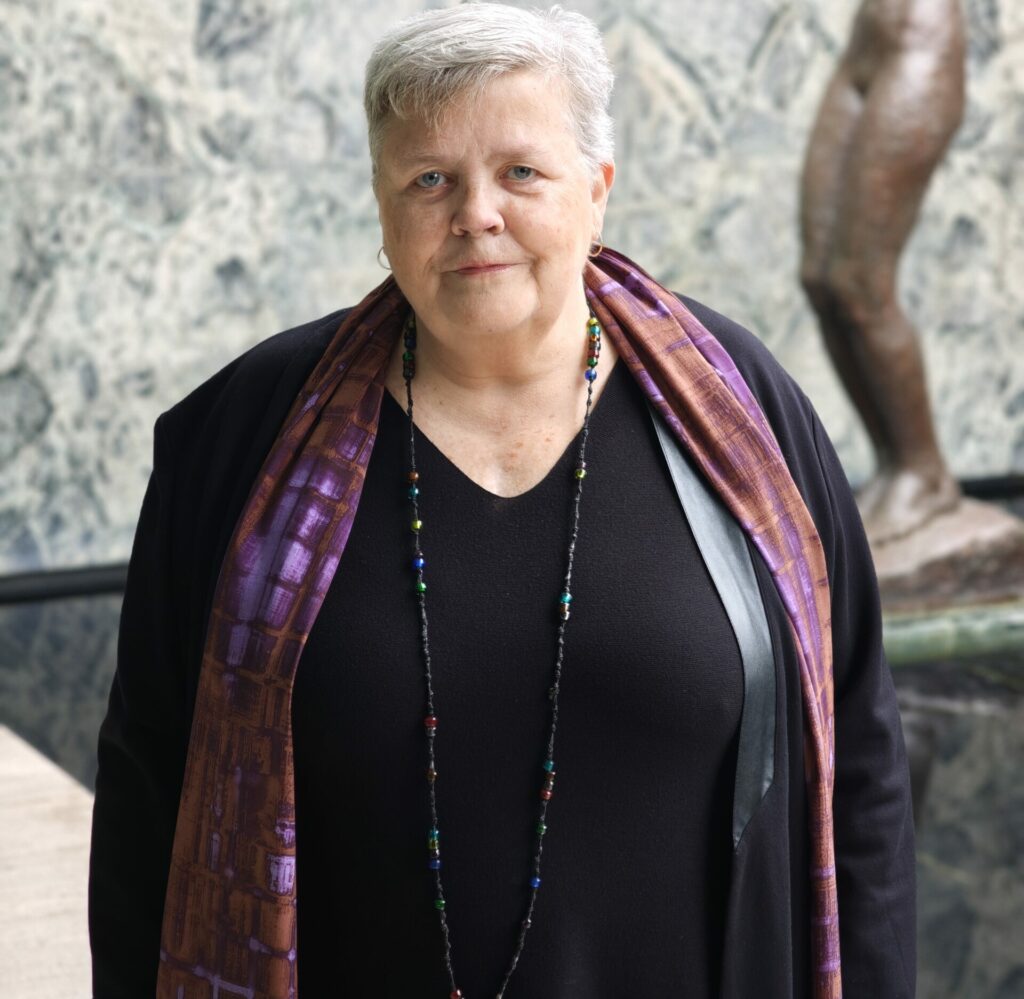
Antònia Sabartés

Antònia Sabartés was Head of Cabinet to Pasqual Maragall, Mayor of Barcelona, and President of the Council of European Municipalities and Regions (CEMR) from 1992 to 1997. Closely involved in the organisation’s leadership during a pivotal period for Europe, she witnessed first‑hand how CEMR helped shape the place of local and regional governments in the European project.

*Antònia Sabartés – Head of Cabinet to Pasqual Maragall, President of CEMR from 1992 to 1997.

In this interview —recorded at the Fundació Mies Van der Rohe in Barcelona, rebuilt during Maragall’s time as the Mayor of the Catalan capital and closely linked to the European Union through the European Union Prize for Contemporary Architecture — she looks back on Maragall’s presidency, the defining moments of that period, and the legacy she believes continues to guide CEMR today.

Pasqual Maragall: a European by conviction and practice

Pasqual Maragall was elected President of CEMR in December 1991 in Paris and formally took office on 9 May 1992, at a moment of intense political, institutional and symbolic change for Europe. The year of his appointment coincided with the Olympic Games in Barcelona and with the ratification of the Maastricht Treaty, placing him — and CEMR — at the heart of Europe’s transformation.

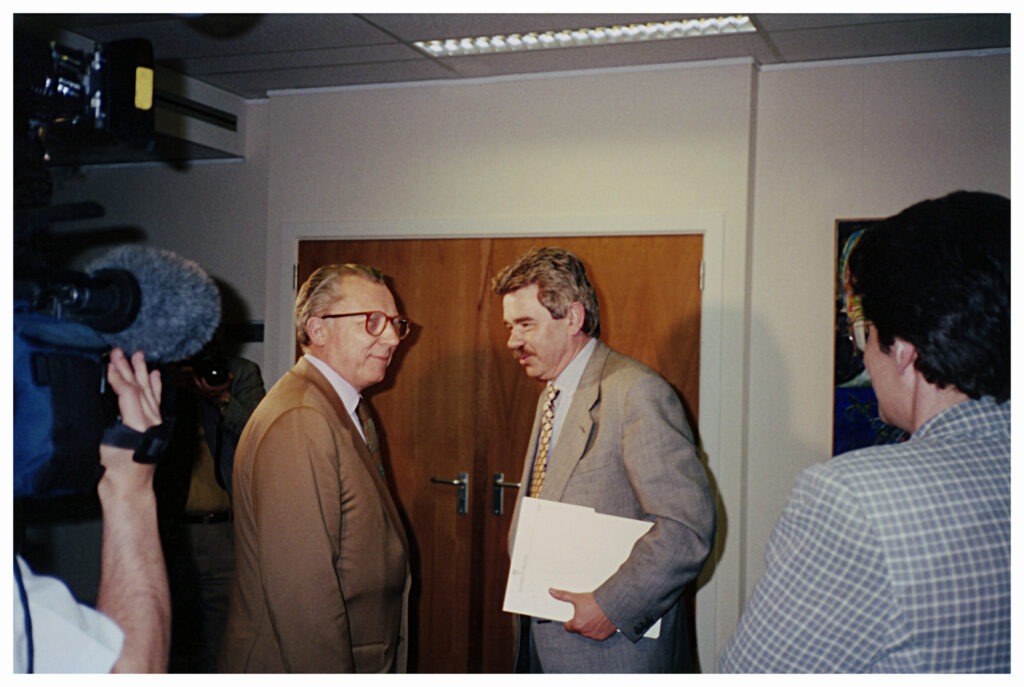
Pasqual Maragall with Jacques Delors - Arxiu Digital Pasqual Maragall, Fundació Catalunya Europa

As Mayor of Barcelona, he embodied the growing international role of cities, having an active role also in the creation of Eurocities. His political and intellectual background reinforced this outlook: he had studied in Paris, been a student of Jacques Delors, knew key European figures such as Romano Prodi, and came from a deeply pro‑European family.

*Pasqual Maragall with Jacques Delors – Arxiu Digital Pasqual Maragall, Fundació Catalunya Europa

For Sabartés, this combination of experience and conviction made him particularly suited to leading CEMR at a time when local and regional governments were claiming a stronger voice in Europe.

Memories that mattered: from Delors in Barcelona to the Steering Committee in Prague

Certain moments remain particularly vivid in Sabartés’ memory for their symbolic weight and historical significance. One was Pasqual Maragall’s formal inauguration as CEMR President in Barcelona on Europe Day in 1992 — an event made exceptional by the presence of Jacques Delors. Delors rarely left Brussels, and his decision to attend underlined both the importance of the moment and the esteem in which Maragall and CEMR were held.

Another landmark was the 1992 Steering Committee meeting in Prague, held shortly after the Olympic Games. Beyond its timing, the meeting marked a turning point for CEMR, reinforcing its internal consolidation and expanding its European ambition at a crucial moment of transformation for the continent.

Alongside these emblematic events, Sabartés also recalls more personal memories linked to Maragall’s presidency. Initially, she admits to having doubts. As a mayor with major responsibilities, she wondered whether he would be able to devote enough time to CEMR. Those concerns were quickly dispelled. Maragall attended every single meeting without exception and treated the presidency as a true priority.

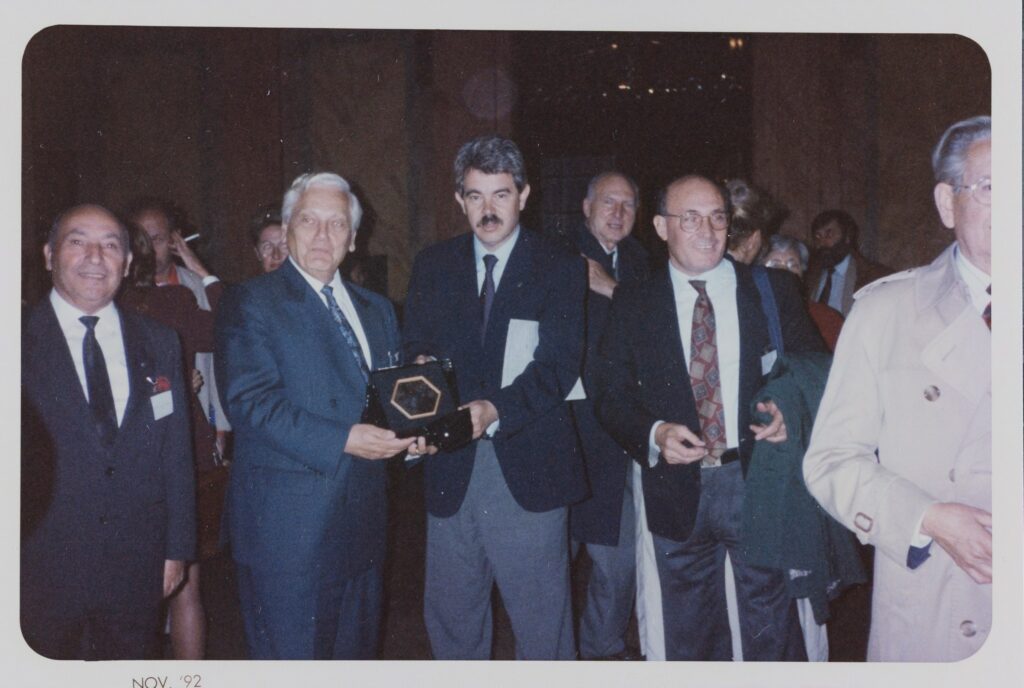
*Pasqual Maragall with Josef Hofmann, ECOS Conference (Prague), in the 90s. HAEU, CCRE-846

She also vividly remembers the intense spirit of collaboration within the CEMR team during those years. Working closely with Elisabeth Gateau and Christophe Chaillou, coordination between Paris and Barcelona was constant and often demanding. In a pre-digital era, communication relied on phone calls and faxes, with short messages sometimes exchanged several times a day. Achieving what today comes effortlessly thanks to the internet required at that moment a real level of coordination.

The relevant role of Maragall in the creation of the Committee of the Regions

Under Maragall’s leadership, CEMR played a central role during one of the most important phases of European integration. The approval of the Maastricht Treaty created new opportunities, notably the future establishment of the Committee of the Regions.

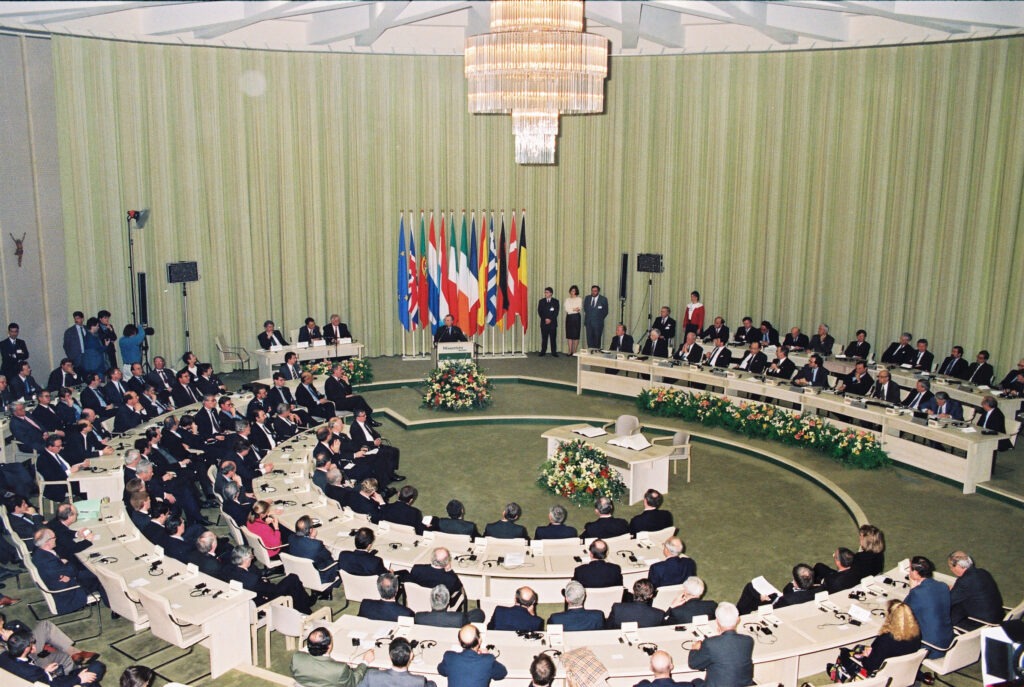
*General view in the ceremony auditorium of the signature of the Maastricht Treaty. Copyright: European Communities, 1992.

Securing a place for the President of CEMR in the first presidency of the Committee of the Regions was a major success. From the moment Maastricht was approved until the Committee became operational in 1994, CEMR worked intensively to ensure that local and regional authorities would be taken seriously within the EU’s new institutional framework.

This effort was reinforced through a Consultative Council of Local and Regional Authorities set up by the European Commission, working closely with Eneko Landaburu, then Director‑General of DG REGIO. These relationships opened doors and ensured that CEMR was recognised as a key interlocutor.

Another complex but decisive achievement was the reform of the Conference of Local and Regional Authorities of the Council of Europe, which became the Congress of Local and Regional Authorities with two chambers. This process sparked debate between CEMR and the Assembly of European Regions, led by another Catalan, who, in this case, was the President of the Government of Catalonia, Jordi Pujol.

Throughout all the discussions, Maragall’s personal qualities made a difference. Multilingual, approachable and deeply European, he had a unique ability to connect people across political and cultural divides, even when positions were opposed.

Another greatest achievement: a vision that still matters

Beyond institutional successes, Sabartés believes Maragall’s most important contribution was strategic and ideological. He was a convinced federalist, defending a Europe built on subsidiarity, proximity and citizenship at a time when this narrative was far from mainstream.

He also played a decisive role in shaping the path that would later lead to the creation of United Cities and Local Governments (UCLG). Working with mayors such as Jorge Sampaio of Lisbon, Pierre Mauroy of Lille, and leaders of IULA, he pushed for unification — particularly as a way to strengthen the presence of local governments within the United Nations system.

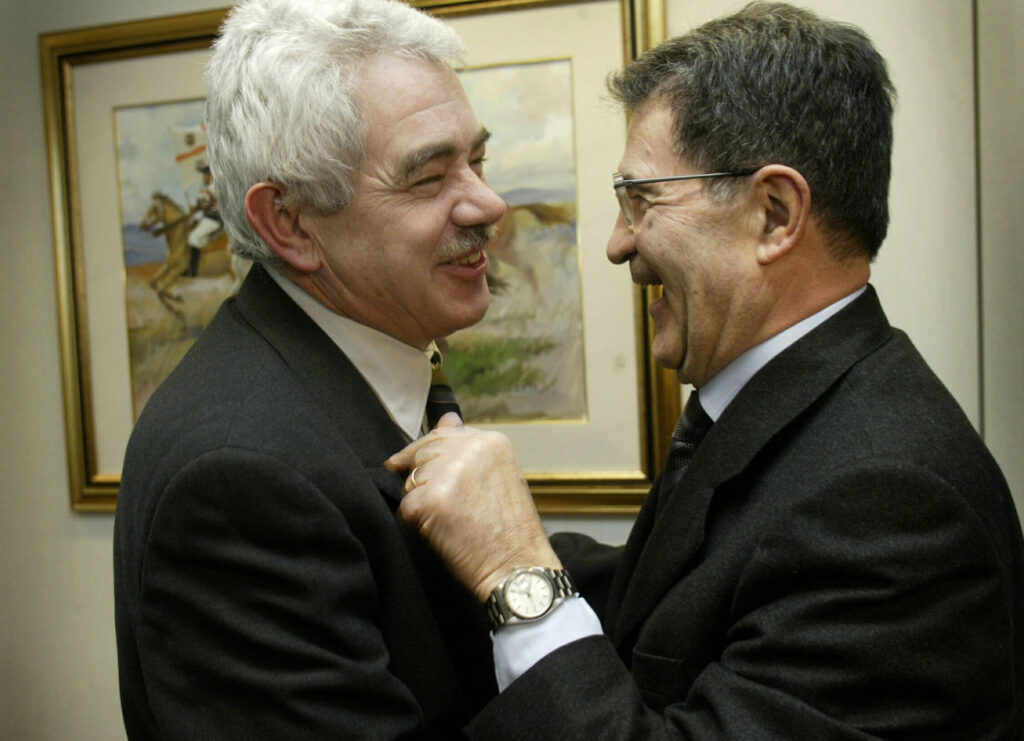
*Pasqual Maragall with Romani Prodí (2004) – Author: Bedmar, Jordi. Arxiu Digital Pasqual Maragall

Defending the European Charter of Local Self‑Government as a global reference helped open doors and positioned Europe as a leader in local democracy, also in the multilateral system.

“Brave and bold”, this is what CEMR needs to be in the next 10 years

Looking ahead, Sabartés is clear about what she hopes for CEMR today. In a context marked by geopolitical tensions, social inequalities, migration challenges and the rise of the far right, she believes CEMR must once again show courage.

“I would like CEMR to be brave and bold, as we were during the Maragall years,” she says. “Above all, it needs strong leadership. If we do not act, governments of proximity risk being sidelined. We must work to improve the lives of European citizens, confront prejudice and defend the values we believe in. That is my dream for CEMR.”

For more information, contact:

CEMR activity report 2025

Impact Community - Head banner

What was CEMR’s impact in 2025?


The year 2025 was a period of many activities and a great impact at the local and international levels.

We are truly grateful to our members, partners and donors for their continued trust, commitment and collaboration throughout that year.

Local and regional governments are essential to tackle Europe’s most urgent and day-to-day challenges, and through CEMR, we have worked together to ensure that European local voices remain present, heard, and influential in EU and global debates.

Check CEMR’s activity report 2025 below:

For more information, contact:

Meet Emil Boc (Cluj-Napoca)

Cluj Napoca - Local Heroes 2026

Meet the Local Hero: Emil Boc. From national leadership to local transformation — and a call to put cities at the heart of Europe’s future


For Emil Boc, leadership has never been confined to a single level of governance. A former Prime Minister of Romania until 2012 turned long-serving mayor of Cluj-Napoca since then, his career reflects a rare continuity between national vision and local delivery. 

Today, as Europe debates its next budget, Boc’s message is direct: without cities and regions at the table, the European project risks losing both effectiveness and legitimacy. 

From Prime Minister to Mayor: why vision comes first 

Boc’s years as Prime Minister fundamentally reshaped how he approaches local governance. 

“The first lesson,” he explains, “is that no country — and no city — can develop without a clear vision, followed by a strategy and a concrete plan.” 

Returning to Cluj-Napoca after his time in national office, he applied this logic with precision. The city identified its competitive advantage — universities, education, and innovation — and built a development model around a knowledge-based economy.

But beyond economic strategy, Boc insists leadership is about more than administration: 

“A leader is not just there to keep the lights on or clean the streets. You need a long-term vision, and the discipline to follow it.”

Turning Cluj-Napoca into a pro-European city 

Over the past two decades, Boc has overseen a profound transformation. 

Once considered one of the most Eurosceptic cities in Romania, Cluj-Napoca — a city of around 300,000 inhabitants in the northwest of the country, with a dynamic, university-driven and innovation-based economy — is now, in his words, “the most pro-European city in the country.” 

This shift did not happen overnight. It was built “day by day,” by embedding what Boc calls a European way of life: openness, tolerance, and cooperation — combined with strategic use of EU funds. 

The results are visible everywhere: infrastructure, schools, public transport, and urban regeneration. For Boc, these are not abstract policies but tangible proof of what Europe delivers. 

“If someone asks me why Europe matters,” he says, “I just go outside. The schools, the roads, the parks — they are there because of European funding.” 

At the core of this transformation is a simple idea: freedom to stay. 

“People should not be forced to leave their city or country for economic reasons.
Europe must guarantee not only freedom of movement, but also the freedom to build a life at home.”

This message resonates particularly strongly in Romania, a country that has experienced one of the largest waves of emigration within the European Union. Since the early 2000s, millions of Romanians — many of them young, educated, and highly mobile — have left to study and work abroad, seeking better economic opportunities and living conditions. While this mobility reflects one of the EU’s core freedoms, it has also created deep territorial imbalances, with cities and regions losing talent at a critical stage of their development.  

What’s at stake in the next EU budget 

As negotiations intensify over the next Multiannual Financial Framework, Boc warns that the role of cities and regions is far from secure. 

His concern is not rhetorical — it is structural. 

First, he argues that local governments must move from consultation to real decision-making power: “We want to be at the table, not on the menu.” 

A key issue is how the European Commission plans to introduce so-called “regional checks.” Without legal weight, Boc fears these could become a box-ticking exercise rather than a genuine partnership. 

His proposal is clear: a binding subsidiarity clause, ensuring that municipalities and regions are involved at every stage — from design to implementation and evaluation — and can reject national plans that ignore them. 

Second, he pushes back against proposals to merge cohesion policy funding with other priorities, particularly agriculture. 

“These are two pillars of the European Union. If they are put in the same pot, cities and regions risk losing out.”

Third, Boc insists that cohesion policy must remain universal. Limiting access only to less-developed regions would weaken Europe’s ability to address inequalities across all territories. 

“Cohesion is the glue that keeps Europe together — and that glue is needed everywhere.” 

Finally, he calls for dedicated regional chapters in national plans to ensure that local perspectives are not sidelined. 

 
From climate to defence: investing in cities is investing in Europe 

For Boc, the debate about the EU budget ultimately comes down to credibility. 

“Europe has the vision. Now it needs the resources to deliver.”

He points to climate policy as a concrete example. Cities are expected to lead the transition — including initiatives like climate-neutral urban development — but without sufficient funding, ambitions risk remaining theoretical. 

At the same time, he highlights the growing interconnection between policy areas. Investments in urban infrastructure, such as metro systems, serve multiple purposes: sustainability, mobility, and even resilience in times of crisis. 

“Look at how metro systems are used in emergencies,” he notes. “This is not just climate policy — it is also about security and preparedness.” 

 
A Europe built with its cities 

Boc’s argument is ultimately political as much as financial. 

The European Union, he says, cannot be reduced to negotiations between capitals. 

“It is not just a union of states. It is a union of municipalities, regions, and cities.” 

Excluding them from decision-making would not only weaken policy outcomes but also erode the diversity and cohesion that define Europe itself. 

As the EU looks ahead to 2034 and beyond, Boc’s message is a warning — and a roadmap: 

Without strong local governments, there is no strong Europe. 

Cluj-Napoca is member of CEMR national association Romanian Municipalities Association.


Check out our EU budget campaign and what we have produced so far:

For more information, contact:

Artificial Intelligence and local governments

AI training article 2026

CEMR partners with 28Digital to provide AI training for local and regional governments


Local and regional leaders gathered in Cagliari to discuss the growing political impact of artificial intelligence (AI) at the roundtable “Opportunities and Challenges of Artificial Intelligence for Local and Regional Governments”, hosted at Palazzo Regio.

Organised by the Council of European Municipalities and Regions (CEMR) together with AICCRE, PLATFORMA and 28DIGITAL, the event focused on how AI is reshaping public services, democratic participation and multilevel governance.

Speakers stressed that while AI offers significant opportunities for innovation, it also raises key political issues such as transparency, accountability, and fairness.

AI training article 2026

During the gathering, participants also learnt about concrete initiatives supporting local leaders in the digital transition, including the project “Empowering Local Leaders through AI”, as well as 28DIGITAL’s work on education, skills and capacity-building for public administrations, presented by experts from Gofore, 28DIGITAL and Politecnico di Milano.

The roundtable that followed was moderated by Fabrizio Rossi, Secretary General of CEMR, and included contributions from Piero Comandini, President of the Regional Council of Sardinia; Massimo Zedda, Mayor of the Metropolitan City of Cagliari; and Federico Menna, CEO of 28DIGITAL.

AI training article 2026

A central outcome of the event was the signing of a Memorandum of Understanding between CEMR and 28DIGITAL, launching a new training programme on AI for local elected representatives. The initiative aims to strengthen political competence and informed decision-making on AI at a territorial level.

Commenting on the agreement, Jork Cardeneo, CEMR spokesperson on digitalisation, underlined the importance of political leadership:

“If local leaders are expected to govern AI responsibly, they must first understand it. This memorandum marks a decisive step towards empowering elected representatives to lead the digital transition, rather than merely react to it.”

The Cagliari meeting confirmed the role of cities and regions as key political actors in ensuring that AI supports more democratic, inclusive, and innovative governance.

For more information, contact:

CEMR Leaders’ Summit 2025

Leaders Summit Malta 2025

CEMR local leaders reaffirm political leadership and confront Europe’s demographic turning point


St. Julian’s, Malta, 5 December 2025 – Over 160 European mayors, councillors and representatives of national associations of local and regional governments gathered in Malta for the Council of European Municipalities and Regions (CEMR) Leaders’ Summit 2025, hosted by the Maltese Association of Local Councils. During the event, CEMR confirmed its political leadership for the 2026–2028 mandate.

The confirmed leadership reflects a strong commitment to stability, continuity and collective action at a time when Europe’s territories face accelerating demographic change, geopolitical instability and shifting investment priorities.

CEMR Leadership for the 2026–2028 mandate

  • Gunn Marit Helgesen, President of CEMR; President of the Norwegian Association of Local and Regional Authorities (KS); Member of Telemark County Council
  • Philippe Laurent, CEMR Co-President; President of AFCCRE; Mayor of Sceaux; Vice-President of Territoire Vallée Sud – Grand Paris; Member of the Ile-de-France Regional Council
  • Christoph Schnaudigel, CEMR Co-President; President of the German Section of CEMR (RGRE); President of the County of Karlsruhe
  • Vince Maple, Chair of the CEMR Financial Management Committee; Councillor of Medway; Vice-President of CEMR (Local Government Association, UK)

CEMR also announced the appointment of 24 new spokespersons, who will serve as political voices for Europe’s local and regional governments on key issues such as the EU Budget, cohesion policy, democracy, the green and digital transitions, territorial development and international cooperation.

“This Summit marks the beginning of a renewed direction for CEMR. Europe is transforming at a pace we have not seen in decades, and our communities feel the pressure every day. We need stronger partnerships, deeper territorial cooperation and long-term investment. Local and regional governments are not secondary actors — we are essential partners in shaping Europe’s future.”Gunn Marit Helgesen, CEMR President

Demographic change in the European continent takes centre stage

* Maltese Financial Minister Clyde Caruana – Leaders’ Summit 2025 Malta

The Summit’s political debates highlighted the profound impact of demographic transitions across Europe. In her opening intervention, Maltese Financial Minister Clyde Caruana stressed the realities his country faces as an island deeply shaped by mobility and rapid population change.

* Journalist and founder of Friends of Europe, Giles Merritt – Leaders’ Summit 2025 Malta

Giles Merritt, journalist and founder of Friends of Europe, warned that “ageing, rural depopulation and housing pressures are converging into a structural challenge for Europe’s future prosperity”.

* Head of Unit at DG REGIO, Kadri Uustal; Municipal Councillor of Elva (Estonia) and representative of AECM, Juhani Jaeger, and member of KEDE and mayor of Agrinio in Greece, Giorgos Papanastasiou – Leaders’ Summit 2025 Malta

A high-level panel featuring Kadri Uustal, Head of Unit at the Directorate-General for Regional and Urban Policy (DG REGIO); Alison Zerafa Civelli, Parliamentary Secretary for Local Government within Malta’s Ministry for National Heritage, the Arts and Local Government; Giorgos Papanastasiou, Member of KEDE and Mayor of Agrinio (Greece); and Juhani Jaeger, Municipal Councillor of Elva (Estonia) and representative of AECM, explored how demographic pressures—declining birth rates, shrinking cities, labour shortages and uneven territorial development—require strong multilevel governance and durable policy consistency.

Their message was clear: local and regional governments are on the frontline of Europe’s demographic shift, and their leadership is essential to reverse decline, foster resilience and rebuild attractiveness in Europe’s territories.

* Parliamentary Secretary for Local Government in the Ministry of the National Heritage, Arts and Local Government of Malta, Alison Zerafa Civelli – Leaders’ Summit 2025 Malta

Local governments call for a central role in shaping the next EU Budget

On the second day of the CEMR Leaders’ Summit, attention shifted to the next Multiannual Financial Framework (2028–2034). Contributions from Zsolt Darvas, Senior Fellow at Bruegel, John Mallia, President of the Malta Cooperative Federation, Jan Olbrycht, former MEP and Co-Rapporteur of the 2021–2027 EU Budget, Sigrid Sengers, Mayor of Druten (Netherlands), and Carlo Borghetti, Councillor of the Lombardy Region (Italy), reaffirmed a shared objective: ensuring that Europe’s budgetary priorities truly reflect the needs of its territories.

* Senior Fellow at Bruegel, Zsolt Darvas; President of the Malta Cooperative Federation, John Mallia; former MEP and Co-Rapporteur of the 2021–2027 EU Budget, Jan Olbrycht; Mayor of Druten (Netherlands), Sigrid Sengers; and Councillor of the Lombardy Region (Italy), Carlo Borghetti – Leaders’ Summit 2025 Malta

Speakers emphasised that cohesion and competitiveness must go hand in hand, and that the EU Budget must recognise the operational reality of local and regional governments, who implement over 70% of EU legislation and manage more than half of public investment.

Building Europe from the ground up

In his closing message, Fabrizio Rossi, CEMR Secretary General, underlined that the Summit had reinforced a shared political commitment across Europe’s territories. He stressed that CEMR will continue to champion stronger multilevel governance, advocate for EU investments that reflect the realities of every territory, confront demographic and social disparities, and defend democratic values where they matter most: at the local and regional levels. Rossi concluded by affirming that Europe’s future can only be built by empowering the communities that form its foundation.

The Summit was opened by Mario Fava, President of the Maltese Association, who stressed that “demographic pressures, territorial fractures and shifting EU priorities show that Europe’s future begins locally. As the 2028–2034 MFF is shaped, cities and regions must be co-authors — not afterthoughts”, and also counted with an opening introduction by Olaf McKay, Mayor of Valletta, who underlined “today’s transitions demand the same instinct that built our city. We are facing demographic change, and as Europe shapes its next EU budget, cities must be co-authors of Europe’s agenda. That is the spirit of this Summit”.

For more information, contact:

UCLG World Council in Xi’an

European cities and regions unite for peace and cooperation in Xi’an


As the European section of UCLG, CEMR took part in the UCLG World Council, hosted in Xi’an, and held in synergy with the 10th anniversary of the United Nations Industrial Development Organisation’s (UNIDO) “Bridge for Cities” initiative. Under the motto “Shaping Communities for Current and Future Generations,” the summit brought together more than 300 participants from over 80 cities and local government networks.

The UCLG World Council was also an occasion for European local and regional representatives to engage with counterparts from around the world. During the European caucus meeting, CEMR members exchanged with Bernadia Irawati Tjandradewi, UCLG Asia-Pacific Secretary General, the priorities and potential areas of cooperation, particularly on gender equality.

The opening session, co-organised with UNIDO, reaffirmed the importance of collaboration between cities and international institutions. A joint statement was signed between UCLG, UNIDO and the city of Xi’an to deepen technical cooperation and capacity-building programmes. Speakers underlined that local transformation can only succeed when communities are fully involved as partners, not just beneficiaries.

CEMR also participated in the Bridge for Cities High-Level Plenary, which focused on innovation, sustainable urban development and the contribution of local leadership to global agendas.

During the World Council,  a new call for action open to all local and regional governments was approved. Under the title “Call for action on peace and reconstruction”, it expresses the commitment of local and regional governments to peace, human rights and reconstruction, particularly in territories affected by armed conflict. It builds on the values of the Pact for the Future of Humanity — People, Planet and Government — and highlights the unique role of cities in rebuilding coexistence and social ties.

By representing the European perspective and emphasising the key role of cities, towns and regions in democratic resilience and inclusive development, CEMR helped to reinforce this global movement and reaffirm the role of local governance in shaping peaceful and sustainable societies.

For more information, contact: