
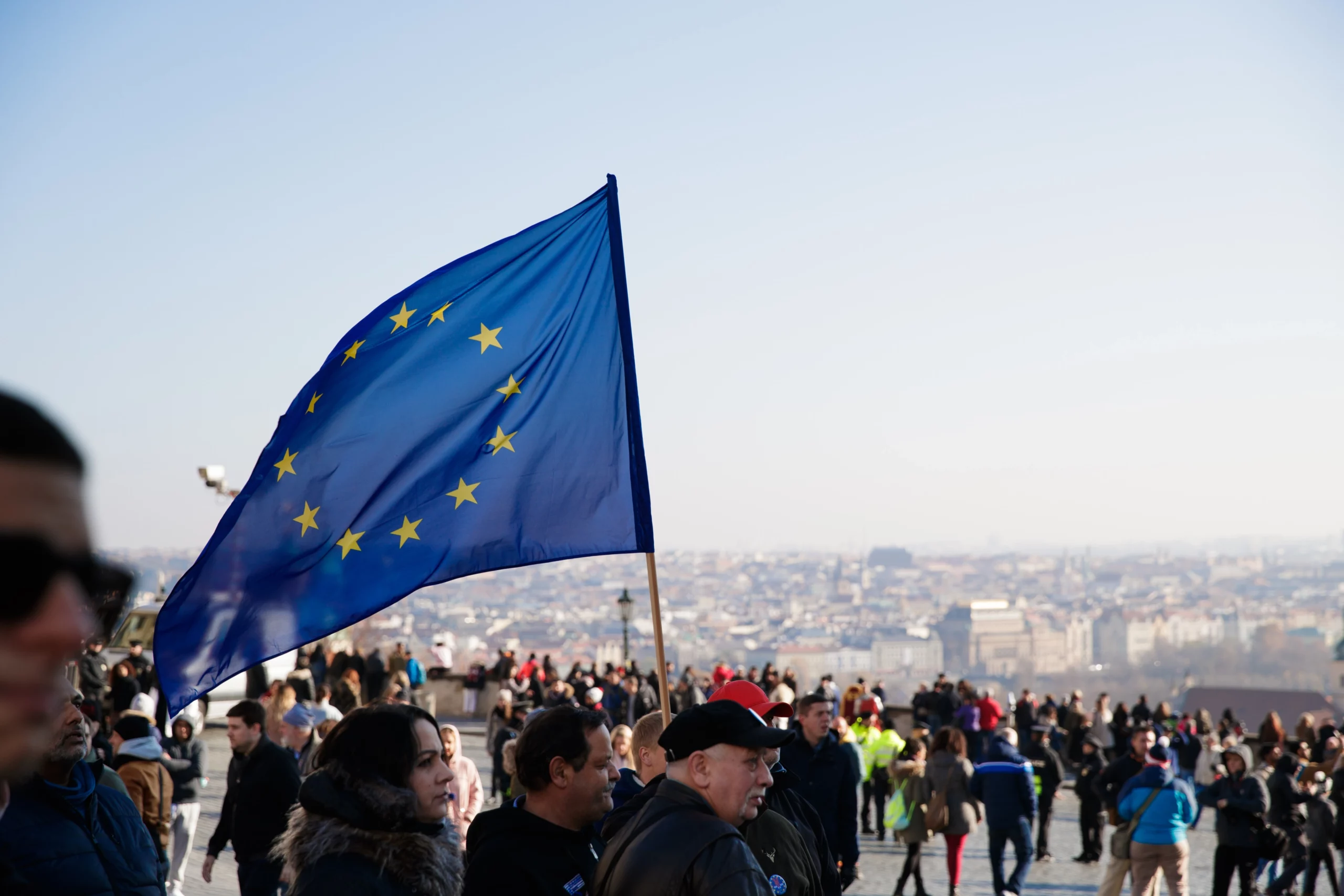
Stronger EU policies require the full involvement of local and regional governments to ensure democracy, sustainability, and citizen engagement
The 2019 European Parliament elections took place at a decisive moment for the Union, marked by global challenges, climate imperatives, and demands for greater transparency. Local and regional leaders stressed that Europe’s future depends on building closer ties between EU institutions and citizens, while ensuring that local governments are recognised as central actors in European governance.
Local Governments at the Heart of Europe
Europe’s 130,000 municipalities and regions are indispensable to democracy and public life. They provide services, drive innovation, and implement EU policies on the ground. To meet citizens’ expectations, the EU must adopt governance models that fully recognise the role of local authorities in decision-making, as outlined in Article 4 of the Treaty on the European Union.
Key Priorities for the Future
The challenges Europe faces, climate change, sustainable growth, social inclusion, and democratic participation, require a strong partnership across all levels of government. Local and regional leaders have called for:
- Strengthened cohesion policy as a central EU priority to reduce inequalities and foster sustainable development.
- Citizen-centred democracy, including local dialogues between communities and EU institutions and greater transparency in decision-making.
- Education for Europe, such as promoting the EU Charter of Fundamental Rights in schools and ensuring every pupil has the chance to visit EU institutions.
- Climate and global commitments, with local governments mobilising to achieve the Paris Agreement and the 2030 Agenda for Sustainable Development.
- Inclusive governance, with clearer recognition of the representative role of local associations and easier cooperation across borders, including with UK local governments post-Brexit.
A stronger European Union can only be built in partnership with its cities, municipalities, and regions. By embedding local governments into EU governance, supporting their projects, and fostering open dialogue with citizens, Europe can remain democratic, resilient, and united in the face of today’s challenges.
For more information, contact:
Director – Policy & Impact