
Mis/disinformation impact on democracy

Local truth study 2025

Empowering cities against mis/disinformation: building capacity, coordination, and trust


According to CEMR’s latest study, nearly half of LRGs report moderate to significant impacts from misinformation, particularly in areas such as public health, personal attacks on officials, and election interference. During the pandemic, for example, false claims about vaccines and public measures severely undermined public trust. 

The personal toll is also growing. One in four local representatives has faced online abuse or intimidation, and over half report being targeted by false claims about their integrity or conduct. These are not abstract challenges, but rather, they erode both individual safety and democratic trust. 

The evidence of CEMR’s study highlighted how misinformation and disinformation spike during crises, for example, around COVID-19, climate policies like low-emission zones, or housing and migration debates. During moments when emotions run high and public debate intensifies, local and regional governments often find themselves on the frontline of these tensions, but many lack the capacity or tools to respond effectively. CEMR’s findings show that 58% of municipalities still lack a formal strategy to counter misinformation and disinformation, and only a quarter are in the process of developing one. Most rely on reactive measures, 58% monitoring social media to spot emerging issues, around a third run awareness campaigns, and a smaller share (4%) collaborate with fact-checkers or pursue legal action (21%). These are useful but insufficient without proactive planning. 

For CEMR, building resilience requires three key actions: 

  1. Strengthen local capacity and trust. Training staff, protecting targeted officials, and using participatory democracy tools such as citizens’ assemblies can help communities become less vulnerable to false narratives. 
  1. Improve coordination and tools. Shared monitoring systems, partnerships, and national or EU knowledge-sharing platforms can help municipalities act faster and avoid duplication. 
  1. Create an enabling framework. National and EU support, through measures like the Digital Services Act, AI Act, and national counter-disinformation laws, can provide resources, clarity, and legal backing. 

Ultimately, misinformation may be a global issue, but its impact is most visible locally. Empowering local governments with the right capacity, coordination, and frameworks is key to protecting communities, safeguarding democracy, and rebuilding public trust. 

Read the study here

For more information, contact:

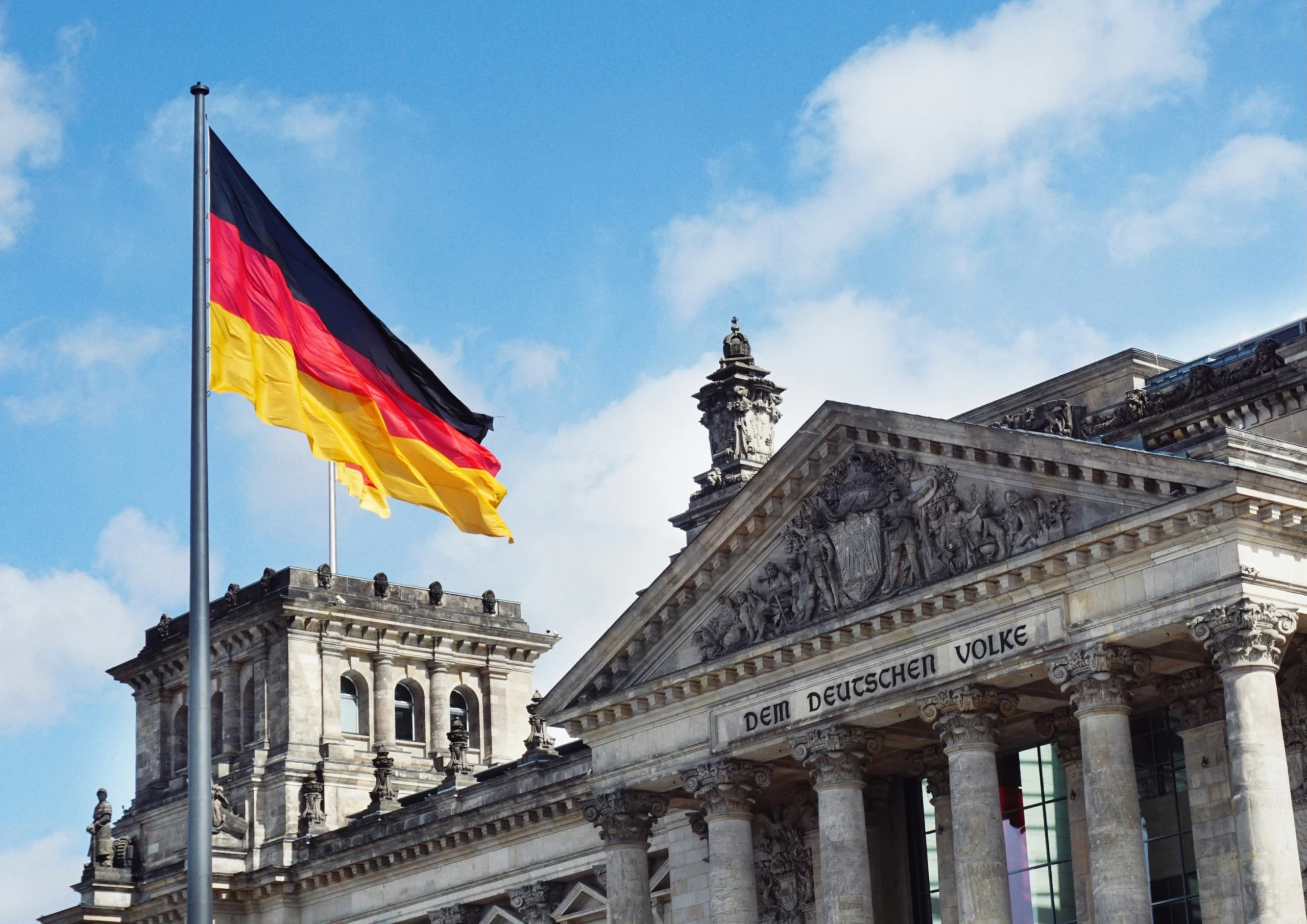
Country profile #2 – Germany

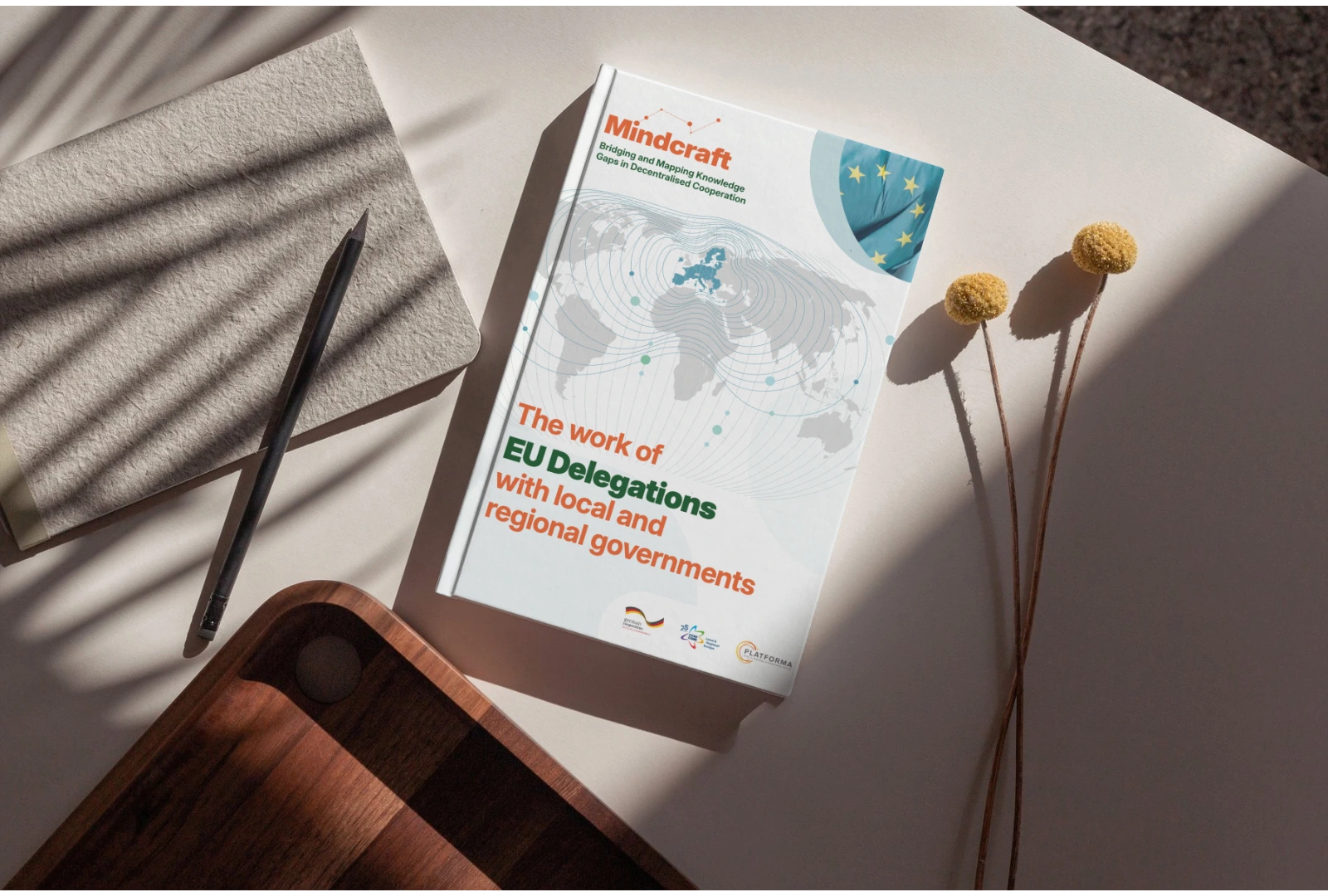
Mindcraft - Germany publication

Country Profile on decentralised development cooperation: the case of Germany


The country profiles offer a short overview of national models of (decentralised) development cooperation frameworks in selected EU Member States. The aim is to provide insights into specific mechanisms and modalities of analysed national frameworks and identify enabling factors as well as challenges related to practical implementation, focusing on the role and opportunities for local and regional governments and their associations.   
 
Based on the study, the German framework for DDC is characterised by:  
 
1. German federal states and municipalities maintain lasting partnerships with their counterparts abroad, generating sustainable impact. Recent German-Ukrainian solidarity partnerships underline DDC’s role in development policy and open paths for trilateral and multilateral cooperation.  

 2. Service Agency Community in One World – SKEW of Engagement Global is the main advisory and grant-providing platform for German LRGs in DDC, supporting project planning, implementation, and international exchange.  

 3. The variety of funding programmes (mainly financed by the Ministry for Economic Cooperation and Development – BMZ, managed via Service Agency Community in One World – SKEW and Deutsche Gesellschaft für Internaztionale Zusammenarbeit – GIZ), designed for specific purposes, enable project-based, thematic cooperation and long-term partnerships. 
 
This article is part of a series of 7 Country Profiles examining decentralised development cooperation frameworks across Europe. The thirs edition, focusing on Spain, will be published in December. Stay tuned!  
 
Read the Country Profile, available in four languages: 

CEMR encourages German authorities to strengthen the role of LRGs in development policy, not only as implementers, but also as strategic partners helping shape a more resilient, inclusive and effective development agenda.  

This publication is produced within the Bridging and Mapping Knowledge Gaps in Decentralised Cooperation (Mindcraft), funded by the German Federal Ministry for Economic Cooperation and Development (BMZ) and supported by the Deutsche Gesellschaft für Internationale Zusammenarbeit (GIZ)

For more information, contact:

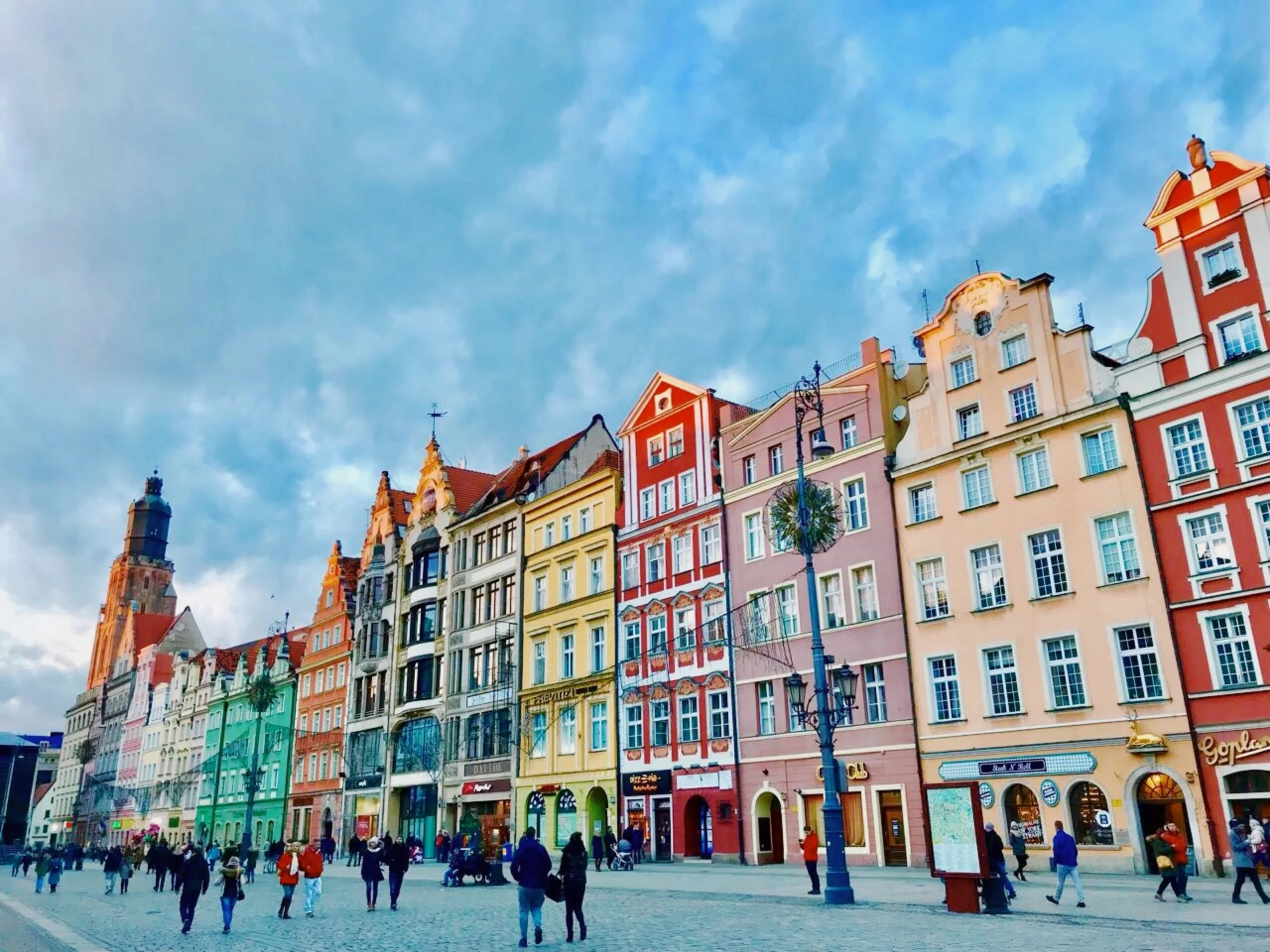
Country profile #1 – Poland

Poland services - News 2022

Country Profile on decentralised development cooperation: the case of Poland 


The country profiles offer a short overview of national models of (decentralised) development cooperation frameworks in selected EU Member States. The aim is to provide insights into specific mechanisms and modalities of analysed national frameworks and identify enabling factors as well as challenges related to practical implementation, focusing on the role and opportunities for local and regional governments and their associations.  
 
Based on the study, Poland’s approach to DDC is characterised by: 
 
 1. Focusing on cooperation with Eastern European countries – with Ukraine, Georgia, and Moldova. Polish local governments actively support partners through strategy development, peer learning, and implementation support. 
 
2. Highlighting the vital role of direct local-level partnerships in times of crisis, including twinning and hands-on collaboration despite the ongoing war. 
 
3. Polish municipalities have developed strong expertise in accessing EU funds and designing effective local strategies, which they can use in their partnerships. 
 
This article is part of a series of 7 Country Profiles examining decentralised development cooperation frameworks across Europe. The second edition, focusing on Germany, will be published in September. Stay tuned! 
 
Read the Country Profile, available in four languages:

CEMR encourages Polish authorities to strengthen the role of LRGs in development policy, not only as implementers, but also as strategic partners helping shape a more resilient, inclusive and effective development agenda. 

This publication is produced within the Bridging and Mapping Knowledge Gaps in Decentralised Cooperation (Mindcraft), funded by the German Federal Ministry for Economic Cooperation and Development (BMZ) and supported by the Deutsche Gesellschaft für Internationale Zusammenarbeit (GIZ).

* The content of this publication is the responsibility of its author(s) and does not reflect the views of the German Federal Ministry for Economic Cooperation and Development (BMZ).

For more information, contact: 

Better regulation position paper

CEMR calls for stronger governance, placing local and regional governments at the heart of Europe’s competitiveness


Europe cannot deliver competitiveness with legislation alone. It will only succeed if policies work on the ground.

And that depends on local and regional governments.

Across the European Union, towns, cities and regions implement more than 70% of EU legislation. They finance public investment, deliver essential services, and turn European priorities — from the Green Deal to digital transformation — into concrete results for citizens and businesses.

Yet too often, local and regional governments are brought into the process too late, faced with fragmented rules, overlapping obligations and growing administrative burdens — clear signs of the limits of the current system. Complex legislative packages, inconsistent timelines and layers of guidance have made implementation harder, slower and more expensive, forcing authorities to spend valuable time navigating procedures instead of delivering solutions. At a moment when Europe is striving to boost productivity, resilience and strategic autonomy, this is a luxury the EU cannot afford.

In this position paper, the Council of European Municipalities and Regions (CEMR) calls for a fundamental shift in how EU policies are designed and implemented: from top-down regulation to genuine multilevel governance.

To make this shift a reality, CEMR calls for:

  • Systematic involvement of local and regional governments throughout the entire EU policy cycle — from design to implementation and evaluation.
  • Structured consultation mechanisms, ensuring meaningful and timely participation of subnational authorities.
  • Territorial and governance impact assessments to ensure policies are realistic and implementable across diverse local contexts.
  • Stronger political recognition of local and regional governments as equal partners in EU decision-making.
  • EU legislation and funding frameworks that reflect territorial realities, avoiding one-size-fits-all approaches.
  • A governance model that prioritises implementability, ensuring policies can be effectively delivered on the ground.

Competitiveness goes beyond regulatory simplification. It requires public policies that are relevant to businesses and communities that they serve and capable of being effectively implemented.

CEMR and its members stand ready to contribute their expertise, data and on-the-ground experience. The time has come to move beyond ad hoc consultation and embed local and regional governments where they belong: at the decision-making table.

Because Europe’s competitiveness will be won — or lost — locally.

Discover CEMR’s full recommendations for a stronger multilevel governance framework in the position paper.

For more information, contact:

Prague declaration in climate policy-making

Prague Declaration 2023 - News 2023

CEMR Policy Committee in Prague issues a Declaration Advocating Systematic Involvement of Local and Regional Governments (LRGs) in Climate Policy-Making


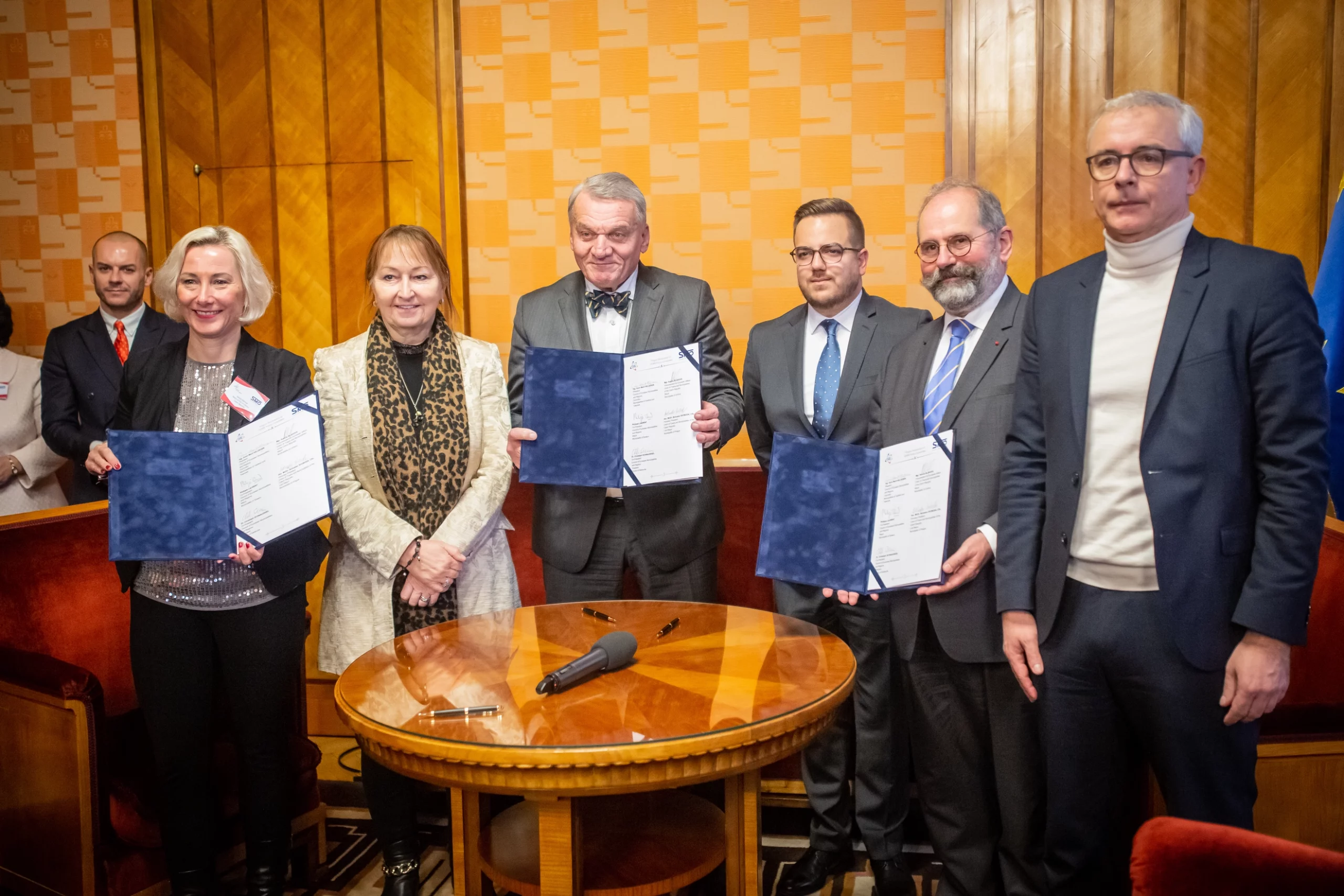
Policy Committee of the Council of European Municipalities and Regions (CEMR) is meeting in Prague on 6 and 7 December, and the first day of its deliberations culminated in the adoption of a landmark document titled “The Prague Declaration: More Trust in and Stronger Voice for Local and Regional Governments”. This significant political act underscores the pivotal role that local and regional governments (LRGs) play in confronting the formidable challenges facing our municipalities and regions.

“The Prague Declaration” sends a clear message about the imperative need for a stronger voice and a more vigorous partnership between the European Union, national governments, and LRGs. It calls for a more active involvement and consultation with LRGs throughout the entire policymaking process.

Fabrizio Rossi, CEMR Secretary General, expressed his gratitude, stating, “We extend our sincere appreciation to the Union of Towns and Municipalities of the Czech Republic SMO CR for their proactive role in initiating the Prague Declaration. This document reflects our shared commitment to effective governance, sustainability, and the well-being of our communities. Together, we are charting a course toward a more resilient and prosperous future.”

This declaration serves as a roadmap for empowering LRGs to effectively fulfil their responsibilities to citizens, highlighting their strategic role in the implementation of both European and national policies. Only in this way will it be possible to achieve the common goals of climate and social sustainability, preserve our planet for future generations, and ensure prosperity and well-being for the citizens of our towns and cities, municipalities, and regions.

CEMR welcomes media coverage and inquiries related to the Policy Committee meeting in Prague. For further information or to arrange interviews, please contact:

Martina Lehmannová
lehmannova@smocr.cz

CEMR is the broadest European association of local and regional governments that brings together one million democratically elected European politicians, in 60 member associations from 40 countries since 1951.

SMO ČR: The Union of Towns and Municipalities of the Czech Republic is a voluntary, apolitical, and nongovernmental organisation. The Union’s activity is primarily based on the efforts of mayors, lord mayors, and representatives who, beyond their duties, dedicate themselves to general self-government issues.

Analysis of twinning in Europe 

Twinning Report - News

CEMR survey highlights evolving practices, challenges and opportunities for town twinning in Europe 


Town twinning has long been recognised as a bridge between communities, fostering cultural exchange and mutual understanding. Since 1951, the Council of European Municipalities and Regions (CEMR) has championed this practice, helping municipalities and regions across Europe build partnerships that transcend borders. 

A new CEMR survey, with 315 responses from 27 European countries, reveals how twinning is adapting to today’s challenges. While cultural exchanges remain important, local and regional governments increasingly view twinning as a tool for practical cooperation, from joint projects and workshops to exchanges of best practices. Nearly 80% of respondents expressed their intent to further develop twinning activities, with national associations showing particularly high engagement. 

At the same time, the study identifies three persistent barriers: limited financial resources, shortages of staff, and gaps in knowledge or experience. Respondents highlighted the need for more structured support to help municipalities realise their ambitions. 

Looking to the future, municipalities and associations are especially interested in using twinning to: 

  • Build sustainable networks that go beyond one-off exchanges; 
  • Access and manage EU funding opportunities for joint projects in areas like economic development, agriculture, and new technologies; 
  • Strengthen local capacity through training and guidance

CEMR concludes that twinning remains a relevant and powerful practice, but unlocking its full potential requires a multifaceted approach: more funding, better information on financing opportunities, and dedicated training programmes to empower municipal staff. 

With its long-standing commitment to twinning, CEMR is uniquely placed to drive this renewed agenda, helping towns and regions use partnerships not only to connect communities, but also to advance shared European priorities, from innovation to the localisation of the Sustainable Development Goals

Read the study here 

For more information, contact: 

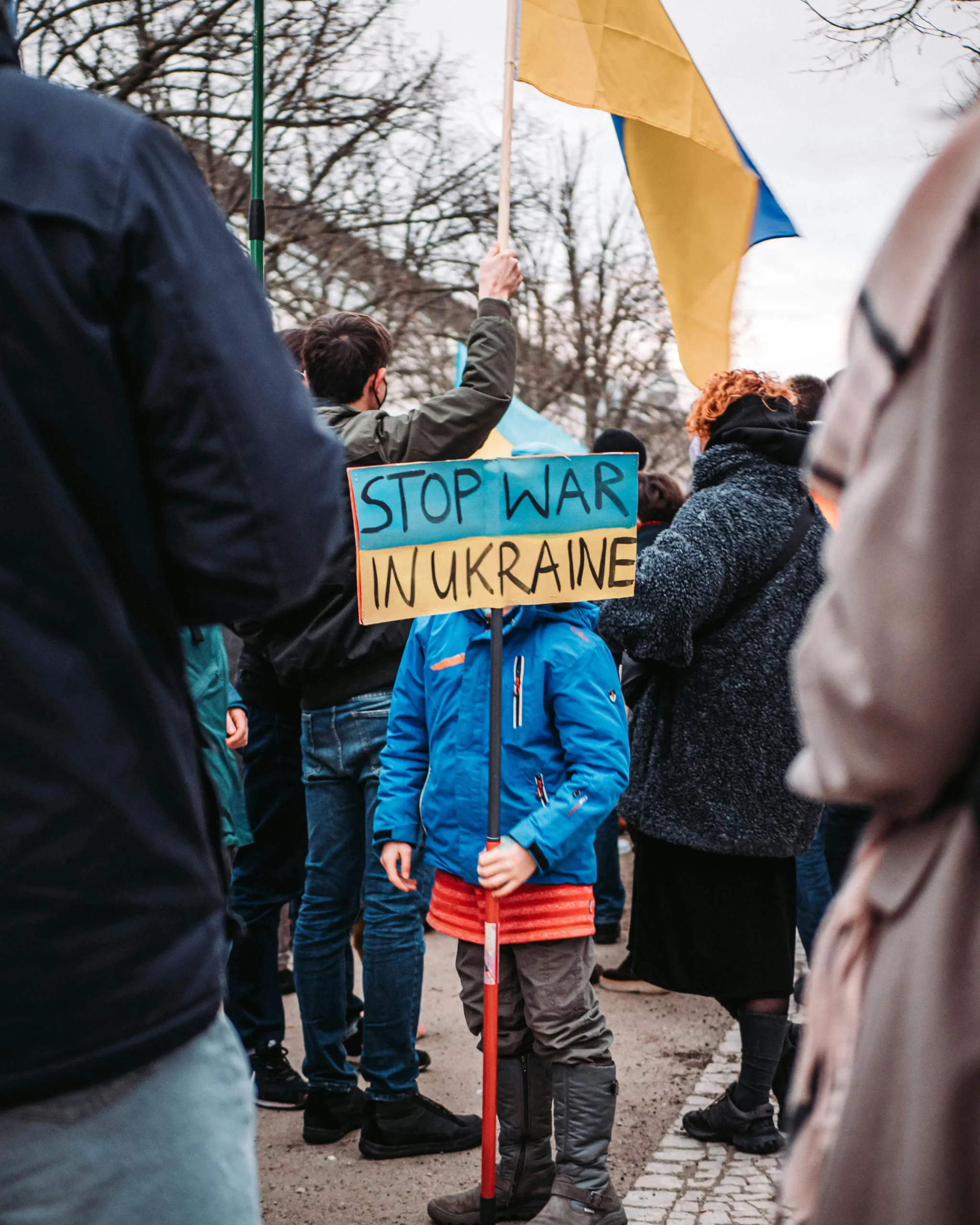
War on Ukraine first declaration

European local and regional leaders reaffirm solidarity with Ukraine and call for peace, justice, and reconstruction.


On the first anniversary of Russia’s full-scale invasion of Ukraine, local and regional leaders across Europe renew their strongest support for Ukraine, its people, and its democratic institutions. 

Condemning Aggression 
The war has brought devastation to civilians, elected representatives, and essential infrastructure. The abduction of Ukrainian mayors and the ongoing detention of five of them highlight the assault on democracy and the rule of law. These acts are condemned in the strongest terms, with urgent calls for the immediate release of the detained leaders. 

Solidarity and Support 

Local and regional governments across Europe stand firmly by Ukraine. Partnerships such as the Bridges of Trust project, the Eastern Partnership programme, and the European Alliance of Cities and Regions for the Reconstruction of Ukraine are mobilising resources, expertise, and cooperation. These initiatives are not only helping communities recover but also preparing Ukraine for its future as a full member of the European Union. 

Shared Values 
This declaration is a reminder that Europe’s foundations rest on peace, democracy, and respect for international law. As the war continues, European leaders join the international community in reaffirming Ukraine’s sovereignty and territorial integrity, and in urging the Russian Federation to end its illegal war. 

A year into this unjustified conflict, the commitment of Europe’s municipalities, cities, and regions is unwavering: to stand with Ukraine, to defend shared values, and to contribute to rebuilding a peaceful, democratic future. 

Read the declaration here 

For more information, contact: 

Recovery & Resilience Facility funds 

RRF Consultation - News

Local and regional governments warn of weak involvement, risks of fund misallocation, and limited ownership of recovery plans 


The Recovery and Resilience Facility (RRF) is the EU’s largest ever economic support plan, launched in response to the COVID-19 crisis. While national governments designed National Recovery and Resilience Plans (NRRPs) to guide investments and reforms until 2026, a new consultation by the Committee of the Regions (CoR) and the Council of European Municipalities and Regions (CEMR) highlights a persistent problem: local and regional authorities (LRAs) remain sidelined in the process. 

Weak involvement in preparation and governance 

The survey, conducted in early 2022 among 26 associations across 19 EU member states, shows that most LRAs had little to no influence on defining objectives, reforms, or investments. Compared with 2021, dialogue with national governments slightly improved, but respondents stress that these consultations had minimal impact on final plans. Governance of the process remains largely top-down. 

Mixed views on the plans’ content 

Respondents were broadly positive about the NRRP’s contribution to the green (37% earmark) and digital transitions (20% earmark). However, they expressed doubts about the plans’ ability to advance territorial cohesion, one of the RRF’s six pillars. The interplay between NRRPs and other EU funds such as the ERDF or Cohesion Fund also remains unclear and inconsistent, raising fears of overlaps and inefficient spending. 

Implementation: low ownership, high risks 

When it comes to implementation, optimism is scarce. Only a handful of LRAs reported having a meaningful role in monitoring, adapting, or co-managing projects. Ownership is strikingly low, despite LRAs’ frontline role in pandemic response and recovery. The main barriers identified were a lack of political will at the national level and tight or unsuitable formats and timelines, rather than a lack of local capacity. 

These shortcomings translate into serious risks: 

  • Failure to meet milestones and targets 
  • Misallocation of funds 
  • Increased territorial disparities 
  • Public distrust in the EU and national institutions 

Calls for stronger EU-level monitoring 

To improve outcomes, respondents strongly supported enhanced dialogue between the EU and local/regional representatives and the creation of an early warning mechanism to flag delays or problems in implementation. 

Conclusion 

Two years after the pandemic outbreak, Europe’s recovery is underway, but its governance remains overly centralised. The CoR-CEMR consultation warns that without meaningful involvement of local and regional governments, the RRF risks missing its objectives, weakening both recovery efforts and citizens’ trust in the European project. 

Read the study here 

For more information, contact: 

Local support to Ukraine 

Mayors in Ukraine - News 2023

European local and regional governments denounce Russia’s aggression and pledge solidarity with Ukrainian communities 


European local and regional governments have expressed their strongest condemnation of Russia’s repeated attacks and violations of Ukraine’s sovereignty and territorial integrity. They reject any attempt to dismantle a free and democratic state in Europe, stressing that these acts threaten peace and democracy across the continent. 

Solidarity with Ukrainian Communities 
Mayors, councils, and regional leaders stand firmly with their peers in Ukraine, municipalities, hromadas, districts, and their associations, who remain on the frontline providing essential services to citizens under the constant threat of bombings and destruction of infrastructure. 

Commitment to Support 
Local and regional governments across Europe, representing 60 national associations in 40 countries, commit to offering Ukrainian communities the materials, expertise, and assistance needed to face the ongoing crisis. They also prepare to respond to the humanitarian consequences, including the likely arrival of refugees, in close coordination with national governments. 

City Diplomacy for Peace 
Rooted in a tradition of local democracy and city diplomacy since 1951, European municipalities reaffirm their belief in peace and cooperation. They call on Russia to cease its aggression, withdraw from Ukraine, including Donbas and Crimea, and respect international law. 

Looking Ahead 
Despite the violence, local leaders remain convinced that diplomacy between cities can once again be a powerful force for unity, peace, and rebuilding across Europe. 

Read the declaration here 

For more information, contact: 

Empowering local Europe 

European Town - News

CEMR unveils its vision for stronger, inclusive and sustainable territories across Europe


The Council of European Municipalities and Regions (CEMR) has launched its political manifesto calling for a more inclusive, resilient, and citizen-driven European Union. With over 41 national associations of local and regional governments behind it, the manifesto sets out a roadmap to bring Europe closer to its citizens, starting from the ground up. 

At its heart are six concrete proposals to reinvigorate European democracy: from establishing permanent citizen panels and annual Europe Day debates in schools, to relaunching town twinning and creating an Erasmus-style programme for civil servants. 

CEMR also stresses that a strong Europe must leave no one and no place behind. It calls for renewed efforts to tackle territorial disparities, address depopulation, and ensure that public services, from education to health, are accessible to all citizens, no matter where they live. 

The manifesto also focuses on key priorities for the coming decade, including: 

  • Citizen participation through inclusive local democracy; 
  • Empowered local climate action, as cities and regions lead Europe’s green transition; 
  • Fair and coordinated migration policies, with strong local support for integration; 
  • Digital transformation that bridges the urban–rural divide; 
  • New forms of town-to-town partnerships, especially beyond the EU’s borders; 
  • And financial means to invest in sustainable local infrastructure and innovation. 

CEMR’s proposals emphasise the urgent need for deeper recognition of local and regional governments in European decision-making. This includes a stronger role for the Committee of the Regions, the creation of a local chamber, and systematic consultation of representative associations like CEMR when shaping EU legislation and strategies. 

By calling for a Europe that is democratic, sustainable, and close to its people, the manifesto is a bold invitation to reimagine the Union from the local level up, with municipalities and regions playing a central role in shaping the continent’s future. 

Read the position paper here 

For more information, contact: