
Cohesion Forum 

Is territorial dimension disappearing from Cohesion Policy?


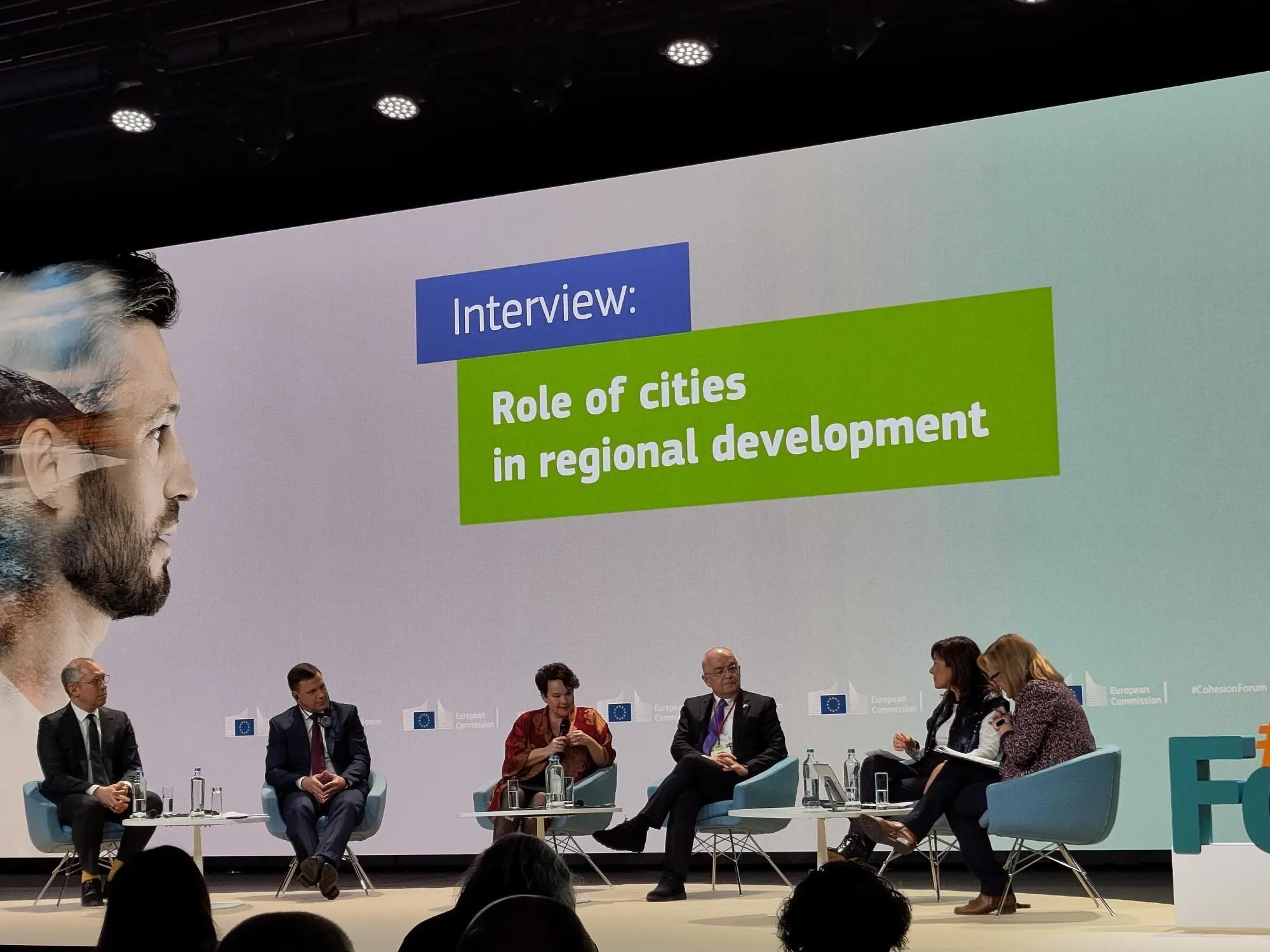
The Cohesion Forum took place on 11-12 April in Brussels, organised every three years by the European Commission following the publication of its Cohesion Report, it is an important event gathering the Member States, Managing Authorities, regions, and cities involved in the implementation of the Cohesion Policy. And in this election year, the Forum was an even more important moment for the European Commission to start preparing Cohesion stakeholders for the big change ahead.
 
The proposals for the next EU long-term budget (2028-2034) are expected to be published in the first half of 2025, therefore it is no surprise that the current Commission used the Cohesion Forum to test some ideas. Increasingly DG REGIO is talking about a radical change for the Cohesion Policy, which is no longer called “Cohesion” but “Instrument for Reforms and Investments” – on the model of the Recovery and Resilience Facility. The idea of linking instruments to reform conditionality seemed to be quite consensual during the Cohesion Forum. This is presented as a major simplification together with a “performance-based model”, meaning that the funds will be delivered upon completion of activities and milestones, which is expected to reduce a significant part of the administrative burden compared to the current system of financing linked to actual costs.  
 
In this scenario, it is possible that the different Cohesion funds as we know them (ERDF, ESF+, Just Transition Fund, etc) could be merged into a single instrument. But will the fundamental objectives of Cohesion Policy remain in such architecture? Commissioner Ferreira started her opening speech of the Cohesion Forum saying “This is an important moment for economic, social and political cohesion in Europe”. It can only be deliberate that the Commissioner ignored the “Territorial” dimension of Cohesion Policy as enshrined in article 174 of the Treaty on the Functioning of the EU. And versions of the upcoming strategic agenda for Member States’ leaders also referred only to “economic and social cohesion”, forgetting the territorial dimension.
 
In this context it will be important to strongly share the messages of the CEMR position paper on future of Cohesion Policy, advocating for a place-based approach and the extension of the Partnership Principle to all EU Policies with an impact on local and regional levels, and particularly the European Semester which will guide Member States reforms agenda. Whatever the shape of the upcoming instrument(s) for investment, it is essential to ensure it will not be spatially blind, and able to answer the specific needs of the various municipalities and regions in Europe.
 
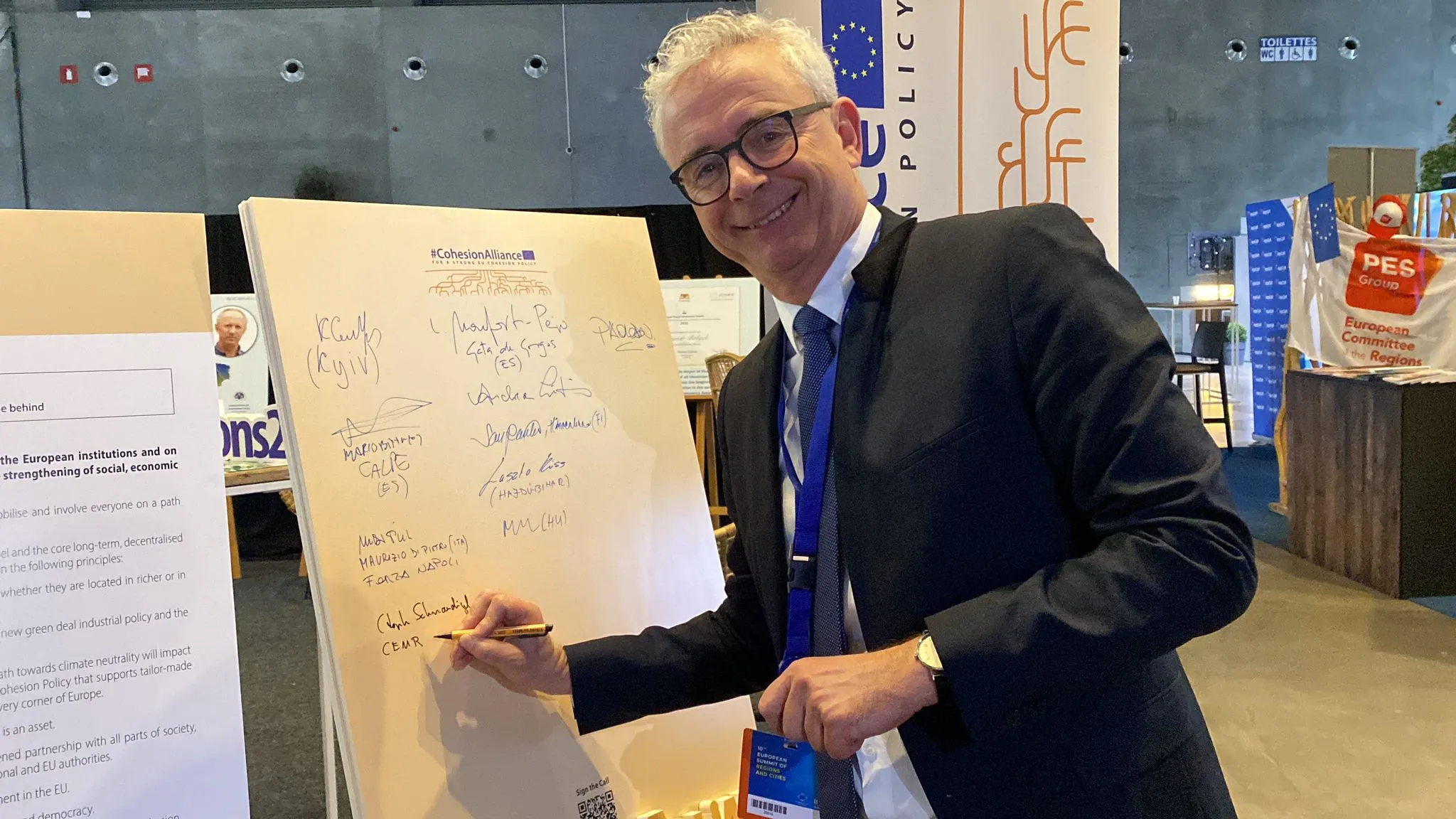
Local and Regional governments are also invited to sign and share the Cohesion Alliance joint call on a renewed Cohesion policy post-2027 that leaves no one behind.

Cohesion Alliance – Joint Call

The Cohesion Alliance Join Forces in Launching Joint Call: “A Renewed Cohesion Policy Post-2027 That Leaves No One Behind”


The Council of European Municipalities and Regions (CEMR) is proud to announce the launch of the Joint Call of the Cohesion Alliance, “A Renewed Cohesion Policy Post-2027 That Leaves No One Behind.” This Declaration brings together elected representatives of regions and cities across Europe to advocate for a comprehensive EU agenda that prioritises social, economic, and territorial cohesion.

In a united effort, CEMR, the Committee of Regions and the organisations of the Cohesion Alliance call upon European institutions and national governments to devise an inclusive EU agenda that places the strengthening of social, economic, and territorial cohesion at its core, as stated in the CEMR position on the Future of Cohesion Policy.

Christoph Schnaudigel, Co-President of CEMR, remarked, “We need a Cohesion Policy that puts the Local and Regional public services and investments at the centre to make our territories resilient to face the next crises. This will allow citizens to see that the EU is placing them at the centre.”

Recognising that Cohesion Policy serves as the glue of European action, Fabrizio Rossi, CEMR Secretary-General, adds: “CEMR advocates for a dedicated Commissioner for Territorial Development in the upcoming EU Commission, recognising the vital interconnection between various EU policies and their tangible effects at local and regional levels. Such an appointment would support cohesive, sustainable growth that resonates across every corner of Europe.”

The joint call outlines several key principles for a renewed Cohesion Policy post-2027:

  1. Inclusivity: Ensuring that all regions, cities, and municipalities have access to Cohesion Policy, regardless of their economic status or geographical location.
  2. Alignment with Green Deal and Digital Agenda: Anchoring social, economic, and territorial cohesion within the EU’s Green Deal industrial policy and strategic autonomy.
  3. Just Transition: Prioritising tailor-made solutions based on the principles of just transition to address the challenges of climate neutrality.
  4. Place-Based Solutions: Recognising the diversity of territories and enabling local-level strategies within a stable and predictable framework.
  5. Shared Management Principle: Strengthening shared management, partnership, and multi-level governance to overcome fragmentation and enhance effectiveness.
  6. Culture of Trust: Fostering a new culture of trust between different layers of government in the EU to ensure Cohesion Policy’s actual impact on Europeans’ lives.
  7. Territorial Cooperation: Supporting cross-border and interregional cooperation to deliver concrete improvements in people’s daily lives.
  8. Do No Harm to Cohesion: Ensuring consistency across all EU policies to strengthen economic, social, and territorial cohesion.

The full Call to Action can be signed through this link: Cohesion Alliance Joint Call (europa.eu)

The Cohesion Alliance invite the general public, trade unions, businesses, and non-governmental and civil society organisations to join in their efforts to secure a just Europe that leaves no one behind. 

European Urban Policy

Paving the Way for Sustainable European Urban Policy at “A Urban Policy Fit for the Future” Conference


The Council of European Municipalities and Regions (CEMR) participated in to “A Urban Policy Fit for the Future” conference, organised by the Belgian presidency of the European Union. Convened on January 24 by the Brussels-Capital Region, the conference, initiated by Rudi Vervoort, Minister-President, and Ans Persoons, Secretary of State for Urban Planning and European Relations, brought together 41 mayors from European cities, European institutions, and key stakeholders invested in Europe’s urban policy landscape.
 
The gathering delved into the integral role of cities in shaping a resilient and inclusive Europe. It underscored the necessity for a continual dialogue between cities and European institutions, shedding light on the vital experiences and expertise European cities possess in tackling future challenges.
 
Brussels Declaration of European Mayors:
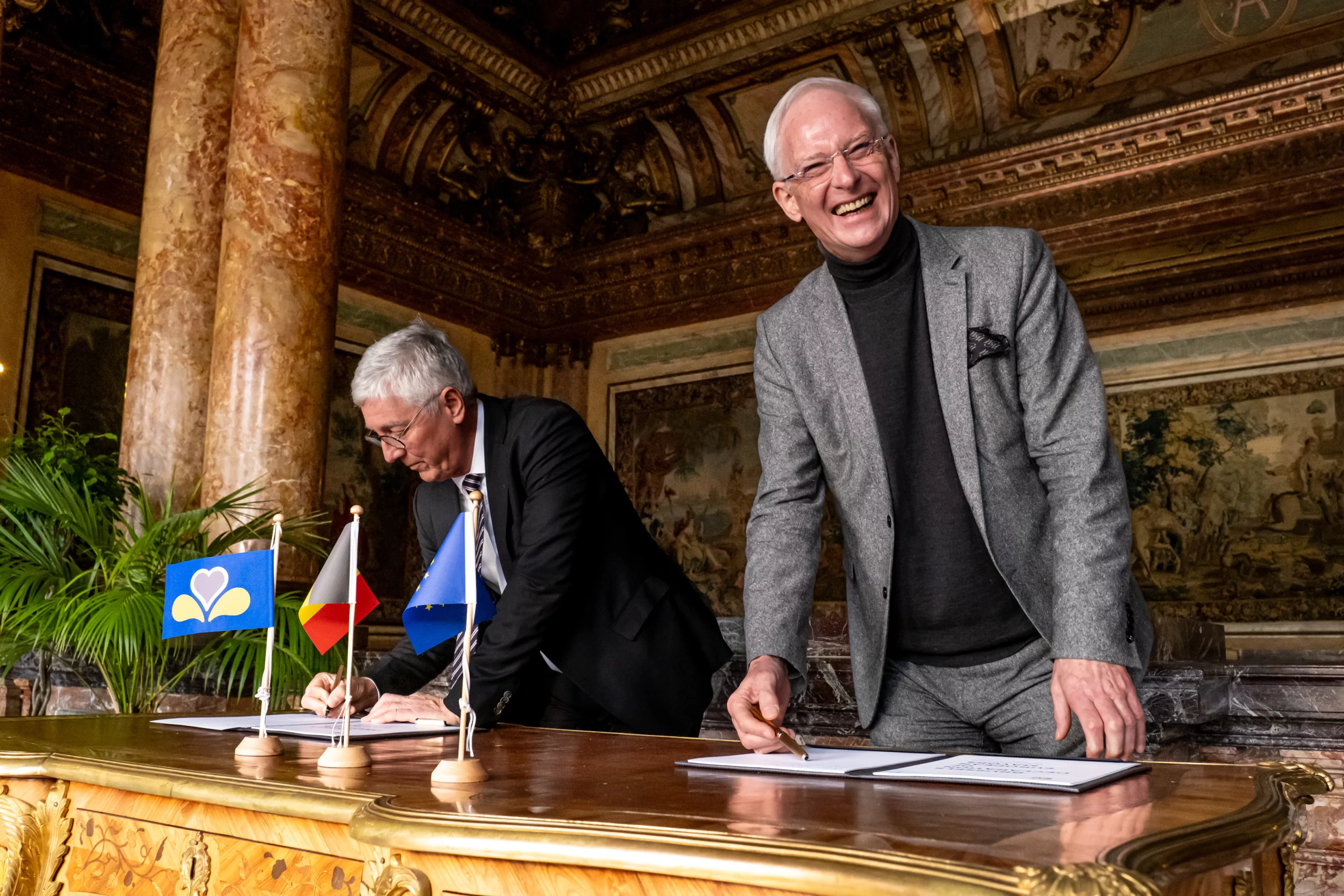
A highlight of the event was the signing of the Brussels Declaration of European Mayors, a landmark document signed by 41 mayors from 19 European countries. This declaration, a crucial component of the urban policy initiative under the Belgian presidency, outlines six recommendations for the EU’s 2024-2029 mandate. These recommendations emphasize the significance of dialogue, coordination, regulations, funding, metropolitan governance, and a sustainable urban model.
 
CEMR Secretary General Fabrizio Rossi stressed the interdependence between urban and rural systems, emphasising the need to eliminate the artificial opposition between the two. According to Wolfram Leibe member of the Association of German Cities and Mayor of Trier, “Municipalities, cities, and regions are essential to deliver key public services to the inhabitants. We strive to ensure well-being and quality of life. 70% of EU regulation require a local action to be implemented, this is why local and regional governments should be closely associated to any decision at the European level that has an impact at the local level.”. Mayor Hanna Zdanowska of the City of Łódź, from the Association of Polish Counties, highlighted the necessity to mobilize private funds for ecological activities, citing the success of Łódź’s EcoPact for Łódź project with support from 50 investors “Cities cannot count only on their financial resources or subsidies from national programs or European funds. To maximize ecological activities, it is necessary to mobilize private funds, especially business”.

Housing and Urban Development 

Housing and Urban Development - News 2023

Addressing Europe’s Housing Crisis: an Open Letter to EU Ministers


Amidst Europe’s deepening housing crisis, characterised by a scarcity of suitable, reasonably priced, and sufficient housing, CEMR, Eurocities, Housing Europe, the International Union of Tenants, and SOLIDAR have come together in an open letter directed at the European Union Ministers overseeing the dossier. These ministers are convening on November 13-14 in Gijón to discuss Housing and Urban Development, and to adopt the Gijón Declaration on sustainable, healthy, and inclusive housing.

The housing crisis gripping Europe is not confined to vulnerable groups. It now engulfs middle-income households, including essential workers like police officers, teachers, and nurses, who are priced out of the market. The challenges extend to young adults unable to leave their parents’ homes and those confronted with sudden housing needs due to life changes. Against this backdrop, CEMR and the other signatory organisations emphasise the urgency for EU action, advocating for increased investment in the housing sector to address the pressing issues affecting citizens, the economy, and the environment.

The recommendations in the open letter underscore the need for comprehensive reforms, particularly the revision of the Services of General Economic Interest (SGEI) Decision 2012. The signatories welcome the call to redefine social housing, aligning it with a modern concept of affordable housing for all. As advocates for local and regional authorities, cities, housing providers, tenants, and social welfare organisations, CEMR and the other signatories stress the imperative for continued monitoring of EU policies relevant to housing. 

Rural Development

Rural Development Event - News 2023

CEMR’s “Harnessing Skills in Rural Areas” Event: Shaping the Future of Rural Development


The Council of European Municipalities and Regions (CEMR) hosted the “Harnessing Skills in Rural Areas” event to address the pressing need for digitalisation and sustainable development in rural regions. This event aimed to shift the paradigm, considering rural areas not as isolated territories but as integral components of a broader continuum linked to urban centres. It underscored the pivotal role of Local and Regional Governments in elevating the needs of rural areas in the political agenda. During the event, CEMR also announced the launch of the Impact Community for Territorial Cohesion.

The “Harnessing Skills in Rural Areas” event brought together diverse stakeholders interested in rural development. It occurred within the context of the Rural Pact, an initiative launched in 2021 by the European Commission as part of its Long-Term Vision for the EU’s rural areas. The Rural Pact is a collaborative framework, that fosters cooperation among public authorities, civil society, businesses, academia, and citizens at the European, national, regional, and local levels.

EWRC 2023

EWRC 2023 - News 2023

CEMR Advocates for Enhanced Local Government Role in European Week of Regions and Cities


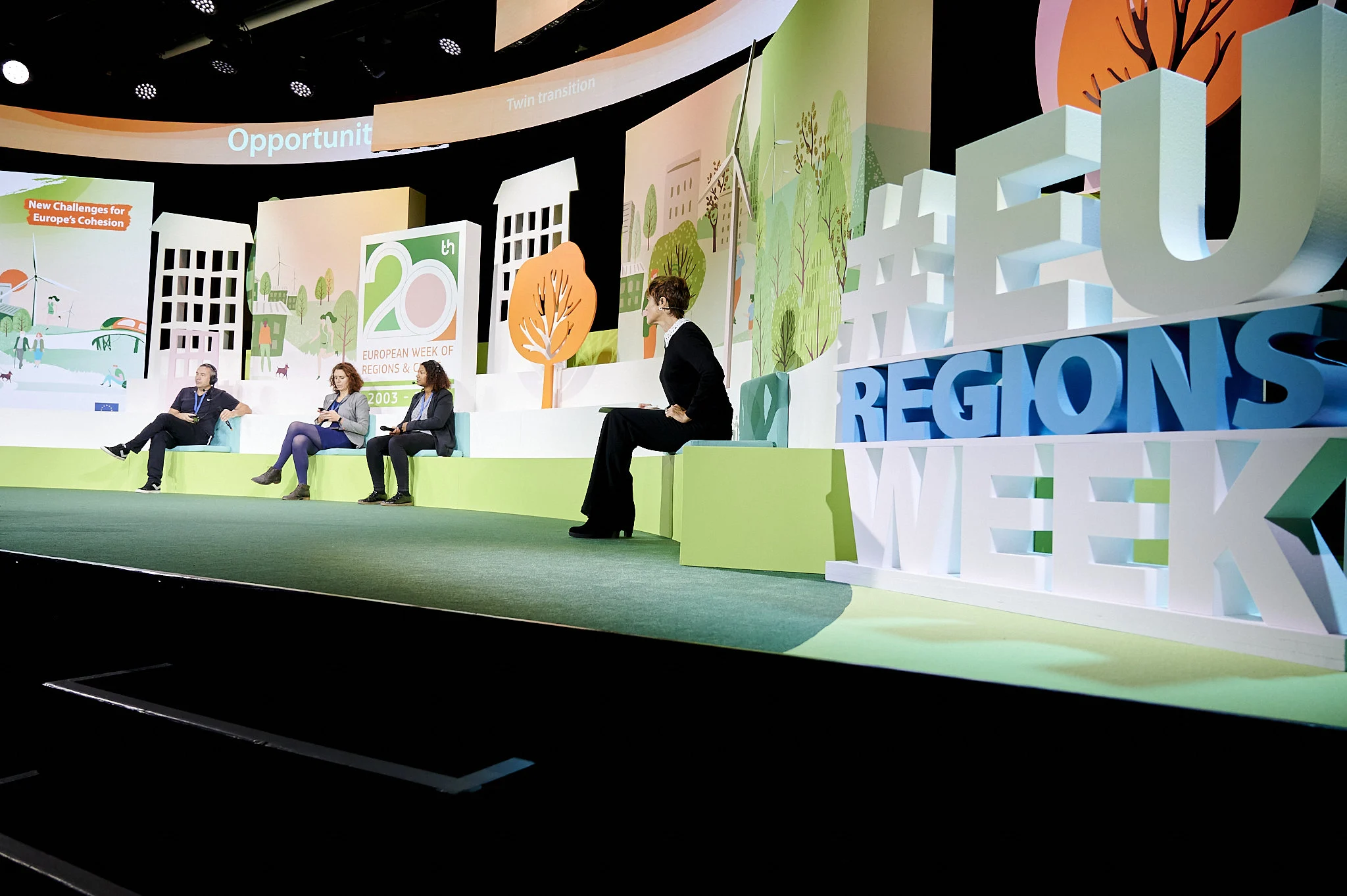
The Council of European Municipalities and Regions (CEMR) actively participated in the 2023 European Week of Regions and Cities, engaging in five informative sessions that addressed pivotal regional and local challenges. The event took place from October 9th to 12th, 2023.

Our Secretary General, Fabrizio Rossi, moderated a discussion on “The commitment of regions and cities to the Sustainable Development Goals”, where local administrators demonstrated the integration of SDGs into their action plans for their respective territories. Christoph Schnaudigel, Vice President of CEMR, made substantial contributions to discussions about “Public Banks and their role in ensuring Energy Security, Green Sustainability”, and also participated in the “Cohesion Alliance Event – Lessons Learnt from the RRF: Safeguarding a Place-Based Approach”. Finally, CEMR supported the “Together for Ambitious Climate and Energy Actions” session of the Covenant of Mayors, which showcased how bottom-up governance is mobilising thousands of cities committing to ambitious targets and taking local climate and energy action.

These stimulating sessions mark the beginning of critical dialogues, knowledge exchange, and collaborative efforts aimed at forging a more sustainable and cohesive Europe. CEMR stands resolute in its commitment to fostering conversation and collaboration among regional and local governments, addressing urgent issues, and collectively working towards a greener, more just future where the stances of local and regional governments are represented at the highest levels of discussion.

A new gateway to learning 

Portico - News 2023

Portico, the new gateway to urban learning in the EU


Portico, the new knowledge-sharing and community platform for sustainable urban development in the EU, is set for official launch on 10 October at mid-day during the 2023 European Week of Regions and Cities in Brussels.

The new platform is being launched by the European Urban Initiative (EUI) in partnership with CEMR and a range of initiatives, programmes and organisations supporting urban development under the EU Cohesion Policy. It combines knowledge and resources from EUI and partners on productive, green and just cities, as well as key tools for putting policy into
Urban knowledge, tools, people, community

Discover Portico’s three main pillars, available from 10 October 2023 mid-day:

  • Knowledge Hub: This knowledge repository integrates resources and tools from the European Urban Initiative, EU Urban Agenda, URBACT and other Cohesion Policy actors to support urban practitioners in building their knowledge and skills.
  • Urban Panorama: Drawn from existing EU knowledge and initiatives, this is an overview of the main bodies contributing to the design and implementation of sustainable urban development policies and strategies in Europe.
  • Portico Community: Brings together practitioners, policymakers, urban experts, mayors… anyone interested in improving sustainable urban development from across the EU. This is where peers can exchange ideas, get information on upcoming events, and participate in discussions on sustainable urban development themes.

As Portico develops in line with users’ needs, new modules will become availableSign up and join the journey!

Follow Portico on social media: #portico #EUI4learning
Register for the guided tour of Portico at EURegionsWeek
For more information, contact: communication@urban-initiative.eu

Resilient Cities and Regions

Resilient Cities and Regions Seminar - News 2023

CEMR Advocates for Robust Public Investments at ‘Resilient Cities and Regions’ Seminar


The Council of European Municipalities and Regions (CEMR) actively participated in the event “Resilient Cities and Regions: Impact of Public Investments on Economic and Social Development at the local level,” organised by the Committee of the Regions. The seminar’s primary focus was to assess the influence of public investments on the economic and social growth of cities and regions and to exchange insights and experiences on local public investment, green infrastructure development, and digitalisation scaling within the European Union.
 
The event gathered esteemed experts, policymakers, and representatives from various regions and municipalities across the EU engage in discussions and share their perspectives on the critical role of public investments in shaping sustainable development.
 
Carol Thomas, Interim Director of Policy at CEMR and speaker at the event, emphasised the significance of effective governance in partnership for achieving favourable policy outcomes. Drawing on CEMR’s research, Thomas highlighted that local and regional governments play a substantial role, accounting for 64% of investments linked to climate and environmental actions.
 
Carol stated: “CEMR’s studies have shown the importance of robust governance-in-partnership for effective policy outcomes. Local and regional governments account for 64% of investment linked to climate and environment actions, and their contribution is essential if we want to achieve the objectives of the green and digital transition.”
 
Furthermore, she insisted on the vital role of local finances, asserting that investments in local infrastructure and public finances are pivotal in bolstering Europe’s recovery: “Shoring up our local finances is not just a nice to have. Investment in local infrastructure and public finances is key to boosting Europe’s recovery and reducing the innovation gap”.

Insights on cohesion policy funds

Cohesion Policy - News 2023

CEMR released in-depth study unveiling insights into European cohesion policy funds


The Council of European Municipalities and Regions (CEMR) is pleased to announce the release of its comprehensive study on European Cohesion Policy funds. This illuminating study offers valuable insights into the management and implementation of European Structural and Investment Funds, a cornerstone of the European Union’s investment strategy.

Offers practitioners and policymakers a comprehensive overview of how Cohesion Policy Funds are implemented in different countries.

European Cohesion Policy funds, also known as European Structural and Investment Funds, are pivotal to the EU’s vision of a more prosperous and sustainable continent. These funds reach every corner of Europe, supporting critical initiatives such as job creation, economic growth, sustainable development, green and digital transitions, and the building of inclusive societies. In the funding period from 2021 to 2027, eight distinct funds play a key role:

  1. European Regional Development Fund (ERDF)
  2. European Social Fund Plus (ESF+)
  3. Cohesion Fund (CF)
  4. Just Transition Fund (JTF)
  5. Asylum and Migration Fund (AMIF)
  6. European Maritime, Fisheries and Aquaculture Fund (EMFAF)
  7. Internal Security Fund (ISF)
  8. Border Management and Visa Instrument (BMVI)

However, to truly understand the impact of these funds and their operational dynamics, one must delve deeper. Questions emerge, such as who manages these funds, how Member States approach their administration, and how coordination is ensured to prevent overlap. Additionally, understanding their alignment with non-Cohesion Policy funds, like the Recovery and Resilience Facility, is crucial.

The Cohesion Policy Funds study delves into these fundamental questions. It offers a comprehensive exploration of Cohesion Policy funds for 2021-2027, shedding light on their management, coordination, and impact.
This pioneering study reveals critical insights into:

  • Centralised vs. Decentralised Management: Discover how Member States manage Cohesion Policy funds, whether through centralized, decentralized, or mixed models.
  • Sustainable Urban Development: Explore the rising emphasis on sustainable urban development, a core component of Cohesion Policy, with Member States committing an average of approximately 12%, surpassing the required 8% allocation for this purpose.

CEMR’s study is a valuable resource for policymakers, regional and local authorities, and all stakeholders invested in Europe’s advancement.
Unlock the potential of Cohesion Policy funds and their transformative role in shaping Europe’s future.

Cohesion Policy Fund graph

Read the position paper

For more information, contact:

Cohesion Policy Study

Cohesion Policy Study - News 2023

Implementing Cohesion Policy funds: Insights and Training


On 30 June, CEMR will introduce its new report on the implementation and management of European Structural and Investment Funds in the European countries. On this occasion, local and regional governments and their associations are invited to a hybrid training event on the European Cohesion Policy.

With the new funding period 2021-2027 being now underway, Cohesion Policy funds have been programmed in all Member States through Partnership Agreements, and most are already starting to be implementated.

But how does it work in practice? Who is in charge of implementing the funds? Are Member States privileging centralised or decentralised approach for funds targeting territories?  How are the different funds coordinated at central level to avoid overlap, and how do they coordinate with non-Cohesion Policy funds such as the Recovery and Resilience Facility?

All these questions, and more, will be covered during the event.

Information

Schedule: 30 June – 9.30-16.30

Format: Hybrid event (House of Cities and Regions, 1 Square de Meeus, 1000 Brussels and via Webex)
Inperson attendants will also receive a copy of the Overview of Implementation of Cohesion Policy fund, a new study to be released on the occasion of this event.

Discover the public agenda here.

Register for this event here.