“Right to Stay” strategy

Right to Stay strategy news

CEMR calls for a place-based “Right to Stay” strategy

468 words
2–3 minutes

In its contribution to the European Commission’s call for evidence on the upcoming “Right to Stay” strategy, the Council of European Municipalities and Regions (CEMR) calls for a politically ambitious, place-based framework that puts local and regional governments at the centre of Europe’s response to territorial, social, economic and demographic imbalances.

For CEMR, the right to stay means that people must be able to live, work and thrive in the place of their choice: whether in a city, a town or a rural area, without being forced away by lack of public services, economic opportunity, poor connectivity or rising living costs.

This is not just a matter of territorial cohesion. It is also a question of fairness, democracy and trust in the European project. If the EU wants to respond to growing territorial inequalities, it must start by investing in the places people call home and by recognising the governments closest to citizens as strategic partners.

In its response, CEMR underlines that there can be no right to stay without access to services, housing and opportunity. Across Europe, too many territories still face shortages in healthcare, education, mobility, childcare, energy and digital infrastructure. At the same time, rising housing costs are pushing people out of cities, while many rural and shrinking areas continue to suffer from depopulation and underinvestment.

CEMR therefore calls on the EU to strengthen support for services of general interest, affordable housing and integrated territorial development. It also stresses the need to create enabling conditions for local economic opportunities in every territory, including through better transport and digital connectivity, support for entrepreneurship, and action to tackle labour shortages in key local public services.

CEMR also highlights the growing importance of climate resilience, sustainable mobility and local energy production for territorial attractiveness and energy security. Investments in adaptation, renewable energy and accessible transport must therefore be part of any credible Right to Stay agenda.

For CEMR, Cohesion Policy must be the main delivery tool of the future strategy. In the next EU budget, the Right to Stay should be recognised as a clear strategic objective, backed by strong funding, integrated territorial instruments and genuine partnership with local and regional governments in the design of national and regional plans.

CEMR also calls for the Right to Stay to be embedded in EU governance, including through the European Semester and stronger territorial impact assessments. Europe cannot continue to shape policies for territories without systematically involving the authorities responsible for delivering them.

The message is clear: the right to stay will only be real if the EU gives territories the means to remain attractive, affordable, connected and resilient. That requires political ambition, long-term investment and a genuine multilevel partnership with local and regional governments.

For more information, contact:

CEMR inputs for EU agenda for cities

Matchmaking Platform - Launch

Towards an inclusive EU Agenda for cities of all sizes 


As the European Union prepares to shape its next urban strategy, CEMR has published a new input paper calling for a truly inclusive EU Agenda for Cities — one that recognises the vital role of Local and Regional Governments (LRGs) in shaping Europe’s future. 

LRGs are the first responders to many of Europe’s most pressing challenges. From tackling the energy crisis to investing in sustainable mobility and managing public services, cities and regions are not just implementing EU policies — they are innovating, adapting, and delivering results on the ground. Their proximity to citizens places them in a unique position to foster trust, ensure inclusive governance, and respond effectively to the evolving needs of their local communities. 

Yet too often, EU policies are developed without fully engaging the very authorities responsible for delivering them. Over 70% of EU legislation is implemented at the local and regional level. Despite this, subnational governments still lack a formal role in shaping that legislation. 

CEMR’s paper sets out a vision for a new EU Agenda for Cities that is not only inclusive of every territory — from smaller municipalities to major metropolitan areas — but also equipped with the governance mechanisms, funding tools, and institutional recognition to deliver real impact. 

Key proposals include: 

  • Establishing a permanent, structured process for multi-level governance consultations for any new EU regulation proposal that could have an impact on LRGs. 
  • Using the “reforms” component of the next EU structural investment policy to ensure LRGs have the capacities (financial, technical, human) to implement EU regulations. 
  • Streamlining and simplifying access to EU funding, and including a 15% earmark for sustainable territorial development in the next EU budget period, CEMR also calls for greater alignment between EU funding opportunities and local realities, simplifying access and strengthening the administrative capacity of subnational governments. As the paper makes clear, the time has come to transition from fragmented engagement to a systemic approach that incorporates local and regional voices at every stage of the EU policy cycle — from design to implementation. 

The new EU Agenda for Cities presents an opportunity to bridge the gap between ambition and implementation. With the right tools and governance in place, LRGs can power Europe’s green and digital transitions, drive economic resilience, and make the promise of inclusive, sustainable communities a reality for all. 

CEMR will present these ideas at the Cities Forum in Krákow, taking place from 17 to 19 June 2025. Our Secretary General, Fabrizio Rossi, will join the discussion on the Agenda with the Executive Vice-President of the European Commission, Raffaele Fitto. 

Read the full input paper here

For more information, contact:

For more information, contact:

€86 billion SCF at risk

Local-Alliance

Vulnerable households risk being underserved by the €86 billion EU Social Climate Fund due to inadequate consultation with local and regional governments, a new Local Alliance report warns.


An exclusive new report from eight major European local and regional government networks reveals that vulnerable households in the EU are at risk of being underserved by the €86 billion Social Climate Fund (SCF) due to inadequate consultation by national governments.

The survey underpinning the report, conducted by the Local Alliance — a coalition comprising ACR+, CEMR, Climate Alliance, Energy Cities, Eurocities, FEDARENE, ICLEI Europe and POLIS — highlights widespread non-compliance with key requirements under SCF legislation. 

Articles 4 and 5 of the SCF state that Member States must engage with local and regional governments in developing their national Social Climate Plans. However, the report finds that many governments are failing to fulfil these obligations, often reducing consultations to empty gestures or bypassing them entirely.

A missed opportunity to address local needs

The SCF is a flagship initiative under the European Green Deal, aimed at supporting vulnerable households. But the findings show a troubling disconnect between national decision-makers and their local governments.

The survey, covering cities and regions across 14 Member States, including Belgium, Finland, Germany, Greece and Spain, paints a stark picture of delayed consultations, inadequate dialogue, and missed opportunities to incorporate local expertise.

“The €86 billion Social Climate Fund holds the potential to transform lives and build a more equitable Europe, but only if the voices of local and regional governments are at the table. These governments are on the frontlines of addressing energy and transport poverty, yet too often, their expertise is overlooked. National governments and the EU Institutions must recognise that meaningful consultation isn’t just a legal requirement — it’s a necessity for effective and inclusive action.”  Fabrizio Rossi, Secretary General of CEMR. 

Local governments: Key partners for effective action

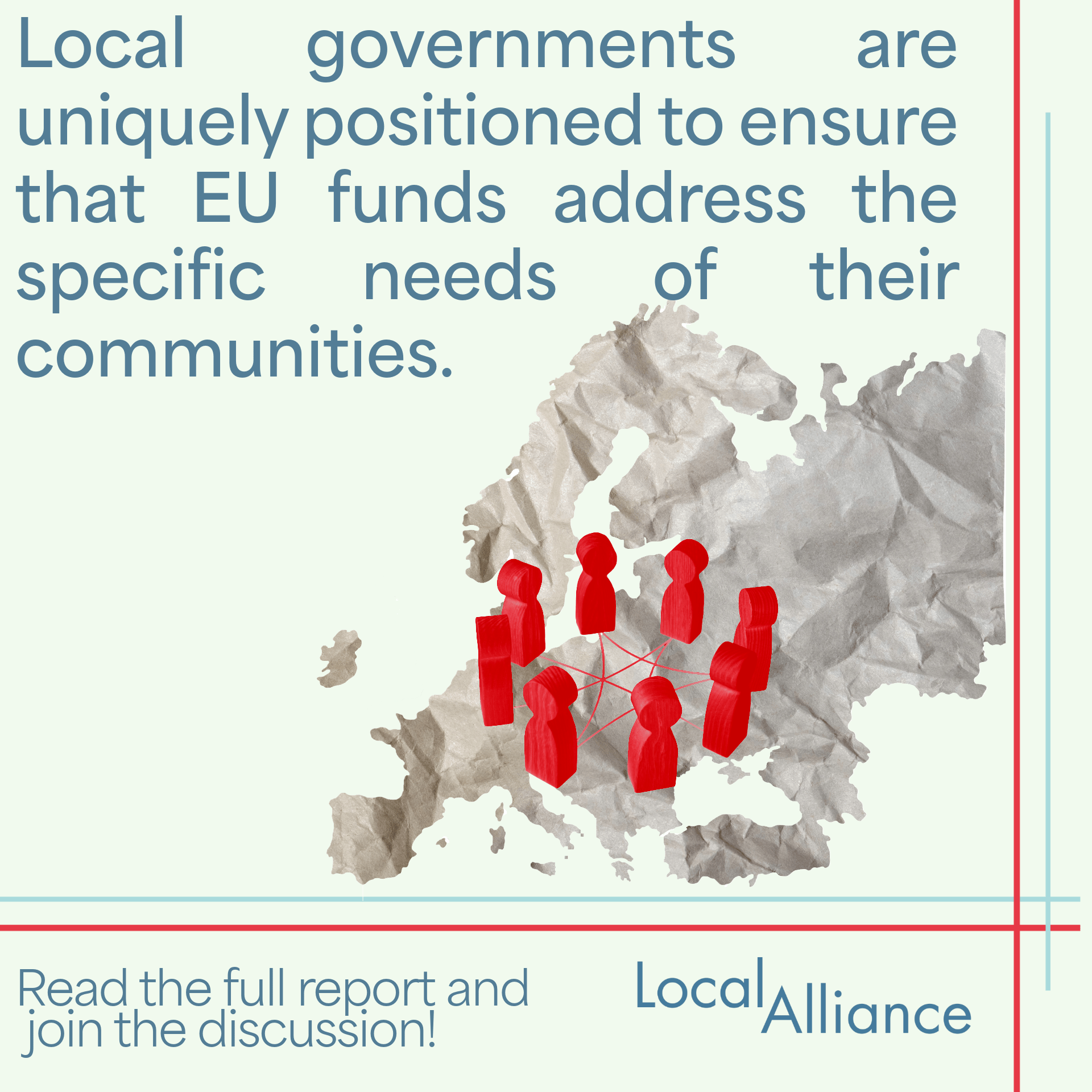
Local and regional governments are uniquely positioned to ensure that EU funds address the specific needs of their communities. They bring expertise, proximity, and an understanding of local priorities, which are crucial for tailoring measures to effectively support vulnerable households.

The absence of meaningful consultation not only undermines the legislative requirements but also jeopardises the effectiveness of the SCF just six months before Member States are due to submit their plans in June.

Recommendations for national and EU decision-makers

To ensure the Social Climate Fund effectively supports vulnerable households, the Local Alliance urges Member States, amongst others, to prioritise meaningful collaboration with regional and local governments, through locally developed plans such as SECAPs and Sustainable Urban Mobility Plans.

This will provide EU investments that are aligned with local needs to address energy and transport poverty, ensuring measures that target the needs of vulnerable groups like women, older people and single-parent households. For more information, download the full report here.

New Mandate, Funding Crossroads

New EU Mandate: Navigating a Crossroads in European Funding and Governance


With the confirmation of the European Commissioner College, the second mandate of Ursula von der Leyen is ready to start. If you are wondering on the direction the EU will turn, especially when it comes to what is coming next for local governments, the hearings of Commissioners-designate provide valuable insight into the mindset, priorities and challenges of the next EU Executive. It is evident that addressing these challenges – boosting European competitiveness and improving citizens’ lives – will require more than ambition. Vision needs to be translated into action through effective policy implementation and ensuring funding meets the Europeans everywhere. It will also be crucial to avoid learning the wrong lessons from past experiences, especially when it comes to fund management and policy implementation.  

What did the interviews with College candidates at the European Parliament reveal? 

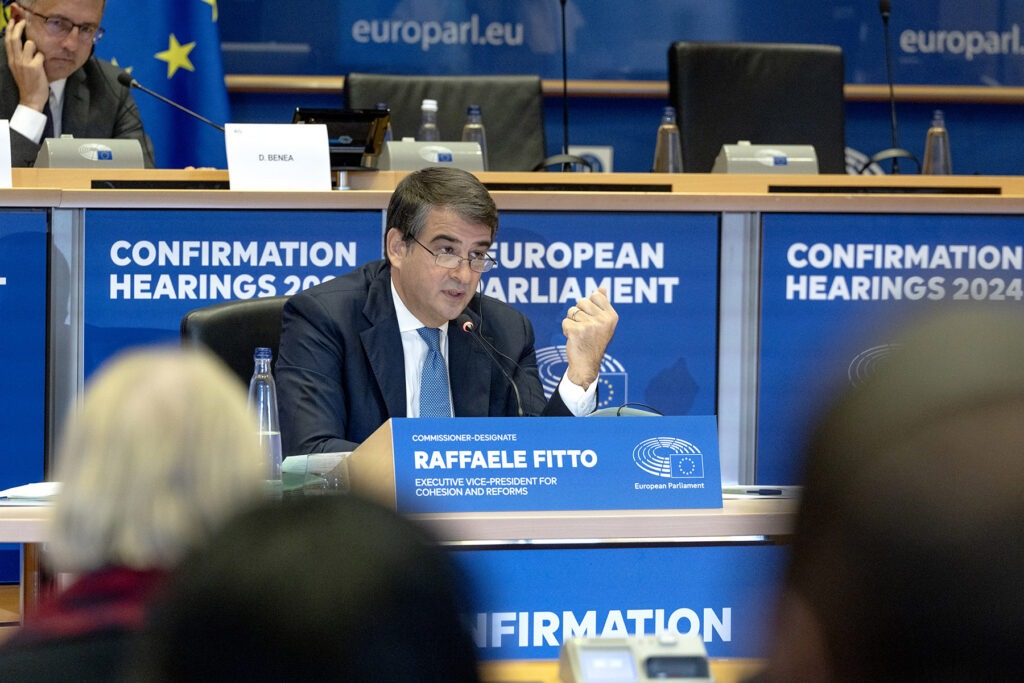
© European Union, 2024 – Source: EP – https://www.europarl.europa.eu/news/en/press-room/20241029IPR25049/hearing-of-executive-vice-president-designate-raffaele-fitto

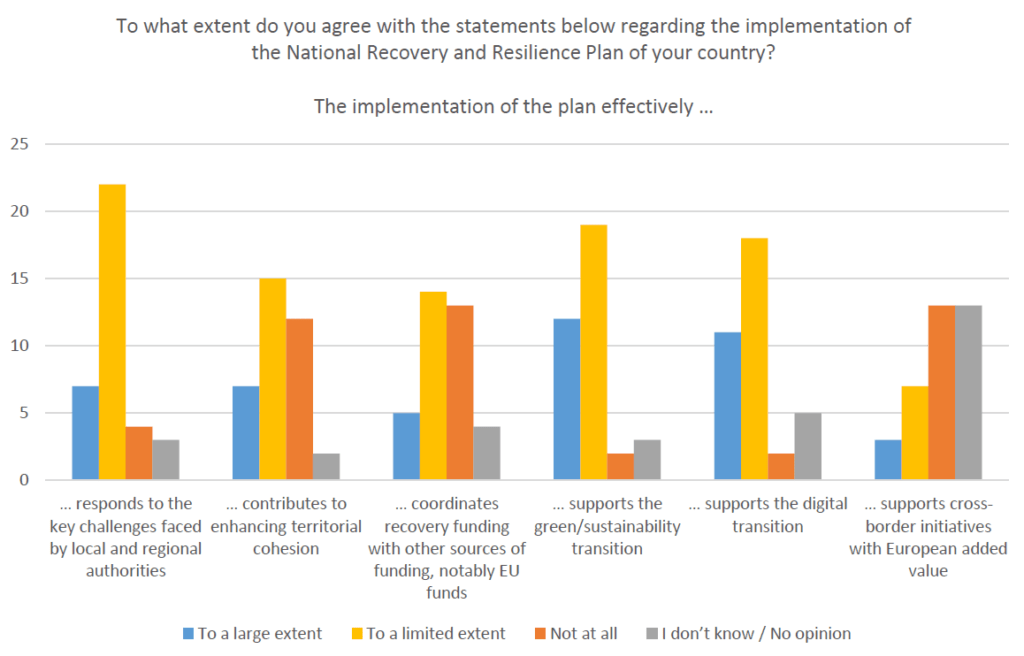
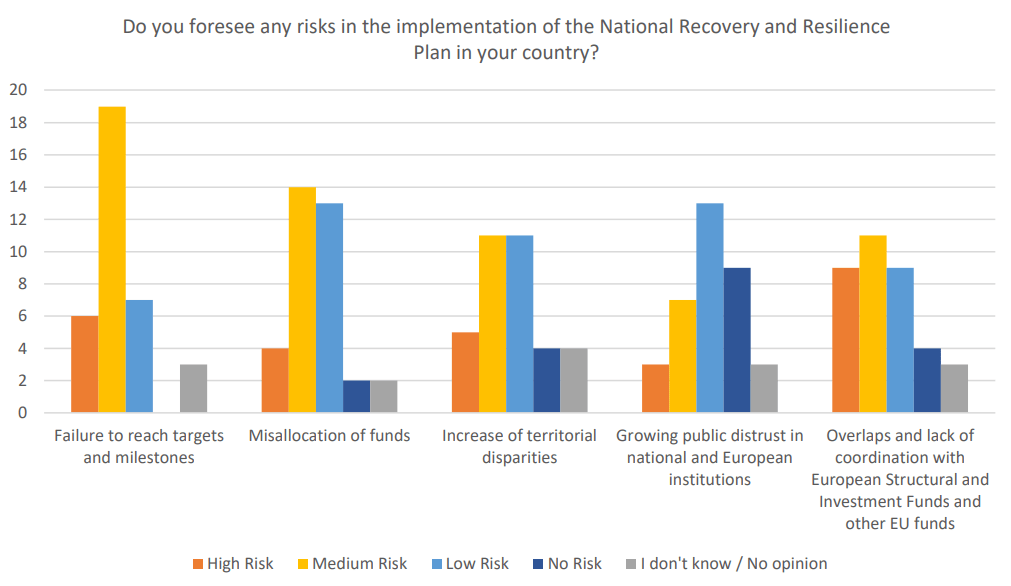
Yet the hearings offered little reassurance for local governments. The centralisation intentions clearly outlined in Commission President Ursula von der Leyen’s political guidelines, which propose replacing the Recovery and Resilience Facility (RRF) with “fewer programmes and a plan for each country linking key reforms with investment”. The RRF, the centrepiece of the EU’s €800 billion NextGenerationEU recovery package, revealed the pitfalls of the performance-based, cash for reform approach. From the outset, CEMR, in partnership with the Committee of Regions (CoR), has closely monitored the RRF’s rollout, consulting with stakeholders to assess local and regional governments participation. The findings are clear: the exclusion of those closest to understanding local needs has hampered the RRF’s effectiveness. The lack of involvement of local governments has led to misaligned priorities, with some reforms and investments failing to address local needs or capitalise on the unique insights and expertise of regional authorities. With the risk of not only missing the RRF community targets but also displacing other essential funding streams, such as cohesion funds, further compromising the EU’s territorial cohesion goals. 

Data from CCRE-COR consultation on the RRF implementation.

The hearings of the Commissioner-designates echoed these concerns. Commissioner-designate Valdis Dombrovskis faced sharp criticism for the RRF’s shortcomings, with Members of the European Parliament (MEPs) expressing frustration over the performance of the RRF to date. Mr Dombrovskis conceded that stronger partnerships with local governments are essential for the RRF to have a transformative impact, and this needs to be addressed as we go forward. In his hearing Commissioner-designate for Budget Piotr Serafin backed the idea, expressed in von der Leyen political guidelines, of single national plans for investment and reforms but also emphasised the central role that regions should play in the elaboration of these plans. On the other hand, Vice-President and Commissioner-designate for Cohesion and Reforms Raffaele Fitto did not substantively address MEPs concerns regarding the risks of centralisation. However, he expressed that a single national plan would not be problematic, provided that local and regional governments are consulted – demonstrating at least a recognition of multi-level governance. 

We need to make room for learning complex lessons  

Designed to foster a greener, more resilient, and innovative Europe, the delays in implementing national recovery plans have worsened the governance conversation surrounding the RRF, casting doubt on its ability to meet its goals. However, the proposed cure risks misusing EU resources and undermining the critical green and digital transitions essential for towns, cities, and regions. 

CEMR is committed to promoting evidence-based evaluations of funding performance, ensuring that critical development policies are not subject to hasty adjustments. Local governments, which implement 70% of European legislation—including key policies for the green transition—cannot be excluded from these discussions. They are on the frontlines of delivering climate action, digital innovation, and social transformation. Their unique territorial knowledge ensures that EU funding aligns with real, localised needs rather than blanket national strategies that often overlook regional disparities. As we learnt from the RRF, neglecting this level of expertise risks inefficiencies, missed opportunities, and a failure to meet citizens’ expectations. Discussions on the next major EU funding package must acknowledge the lessons from the RRF’s shortcomings. Decentralising funding management will not only enhance transparency but also ensure resources are channelled where they can make the most significant long-term impact. 

From the roundtable: Local and Regional Perspectives on the Recovery and Resilience Facility (RRF)

As the new Commission takes office, CEMR will continue pushing for transparent monitoring of the RRF’s performance, emphasising the need for territorial expertise to shape EU funding policies. Ensuring that those with the greatest knowledge of their localities have a say in how resources are allocated is not just a matter of fairness—it is the key to delivering sustainable, transformative outcomes across Europe.

Looking for Proposals

Looking for Proposals EU Green Deal - News 2024

CEMR is currently looking for an agency to design, publish and print a study


CEMR calls for proposals for external services to design and produce a publication and a one-to-two-page document to promote it.

For more information, you can access our Terms of Reference here.

European Urban Policy

Paving the Way for Sustainable European Urban Policy at “A Urban Policy Fit for the Future” Conference


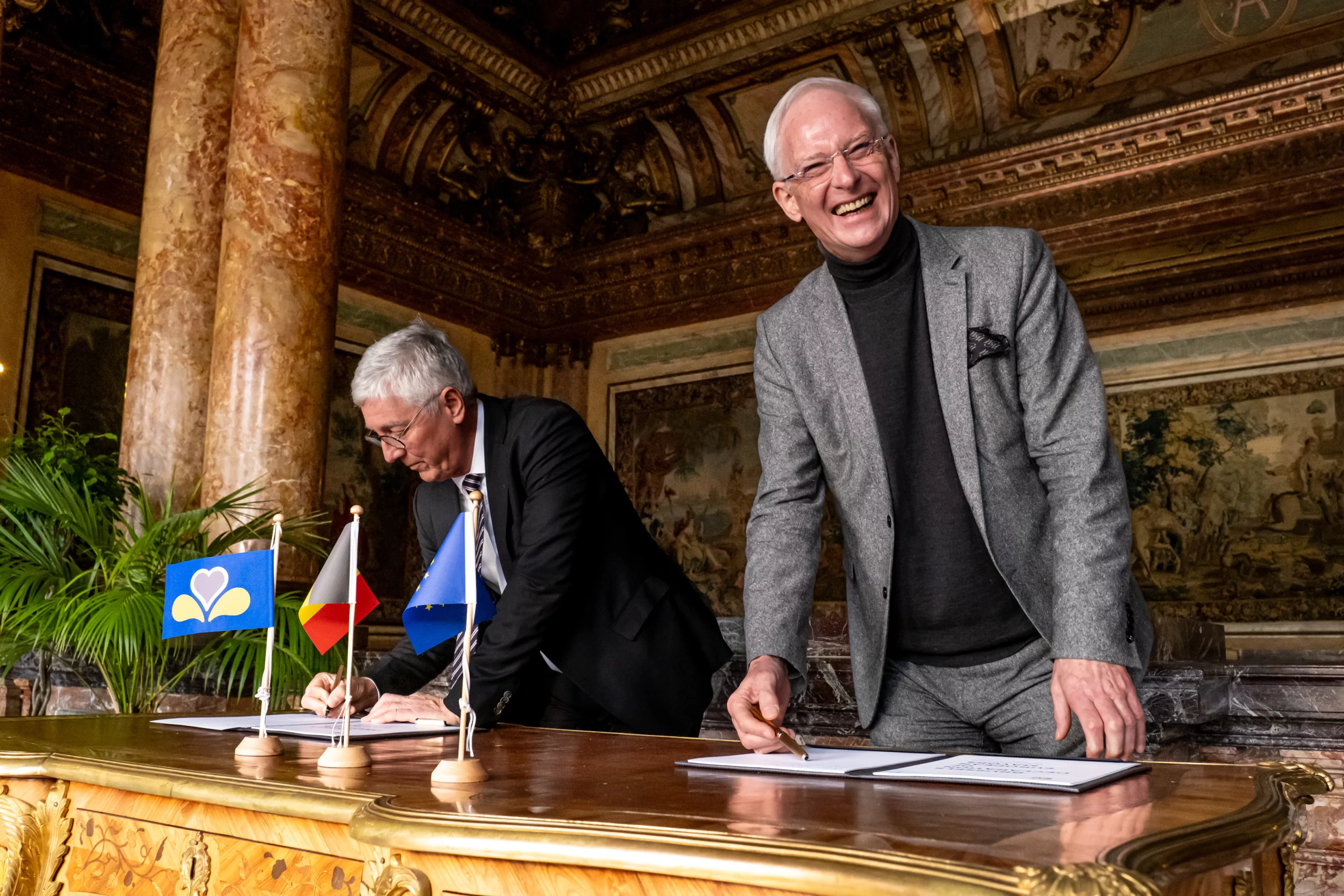
The Council of European Municipalities and Regions (CEMR) participated in to “A Urban Policy Fit for the Future” conference, organised by the Belgian presidency of the European Union. Convened on January 24 by the Brussels-Capital Region, the conference, initiated by Rudi Vervoort, Minister-President, and Ans Persoons, Secretary of State for Urban Planning and European Relations, brought together 41 mayors from European cities, European institutions, and key stakeholders invested in Europe’s urban policy landscape.
 
The gathering delved into the integral role of cities in shaping a resilient and inclusive Europe. It underscored the necessity for a continual dialogue between cities and European institutions, shedding light on the vital experiences and expertise European cities possess in tackling future challenges.
 
Brussels Declaration of European Mayors:
A highlight of the event was the signing of the Brussels Declaration of European Mayors, a landmark document signed by 41 mayors from 19 European countries. This declaration, a crucial component of the urban policy initiative under the Belgian presidency, outlines six recommendations for the EU’s 2024-2029 mandate. These recommendations emphasize the significance of dialogue, coordination, regulations, funding, metropolitan governance, and a sustainable urban model.
 
CEMR Secretary General Fabrizio Rossi stressed the interdependence between urban and rural systems, emphasising the need to eliminate the artificial opposition between the two. According to Wolfram Leibe member of the Association of German Cities and Mayor of Trier, “Municipalities, cities, and regions are essential to deliver key public services to the inhabitants. We strive to ensure well-being and quality of life. 70% of EU regulation require a local action to be implemented, this is why local and regional governments should be closely associated to any decision at the European level that has an impact at the local level.”. Mayor Hanna Zdanowska of the City of Łódź, from the Association of Polish Counties, highlighted the necessity to mobilize private funds for ecological activities, citing the success of Łódź’s EcoPact for Łódź project with support from 50 investors “Cities cannot count only on their financial resources or subsidies from national programs or European funds. To maximize ecological activities, it is necessary to mobilize private funds, especially business”.

Housing and Urban Development 

Housing and Urban Development - News 2023

Addressing Europe’s Housing Crisis: an Open Letter to EU Ministers


Amidst Europe’s deepening housing crisis, characterised by a scarcity of suitable, reasonably priced, and sufficient housing, CEMR, Eurocities, Housing Europe, the International Union of Tenants, and SOLIDAR have come together in an open letter directed at the European Union Ministers overseeing the dossier. These ministers are convening on November 13-14 in Gijón to discuss Housing and Urban Development, and to adopt the Gijón Declaration on sustainable, healthy, and inclusive housing.

The housing crisis gripping Europe is not confined to vulnerable groups. It now engulfs middle-income households, including essential workers like police officers, teachers, and nurses, who are priced out of the market. The challenges extend to young adults unable to leave their parents’ homes and those confronted with sudden housing needs due to life changes. Against this backdrop, CEMR and the other signatory organisations emphasise the urgency for EU action, advocating for increased investment in the housing sector to address the pressing issues affecting citizens, the economy, and the environment.

The recommendations in the open letter underscore the need for comprehensive reforms, particularly the revision of the Services of General Economic Interest (SGEI) Decision 2012. The signatories welcome the call to redefine social housing, aligning it with a modern concept of affordable housing for all. As advocates for local and regional authorities, cities, housing providers, tenants, and social welfare organisations, CEMR and the other signatories stress the imperative for continued monitoring of EU policies relevant to housing. 

Rural Development

Rural Development Event - News 2023

CEMR’s “Harnessing Skills in Rural Areas” Event: Shaping the Future of Rural Development


The Council of European Municipalities and Regions (CEMR) hosted the “Harnessing Skills in Rural Areas” event to address the pressing need for digitalisation and sustainable development in rural regions. This event aimed to shift the paradigm, considering rural areas not as isolated territories but as integral components of a broader continuum linked to urban centres. It underscored the pivotal role of Local and Regional Governments in elevating the needs of rural areas in the political agenda. During the event, CEMR also announced the launch of the Impact Community for Territorial Cohesion.

The “Harnessing Skills in Rural Areas” event brought together diverse stakeholders interested in rural development. It occurred within the context of the Rural Pact, an initiative launched in 2021 by the European Commission as part of its Long-Term Vision for the EU’s rural areas. The Rural Pact is a collaborative framework, that fosters cooperation among public authorities, civil society, businesses, academia, and citizens at the European, national, regional, and local levels.

SDG Implementation 

SDG Implementation - News 2023

Enhancing SDG Implementation: Joint Event with URBAN Intergroup


The European Parliament URBAN intergroup and the Council of European Municipalities and Regions (CEMR) met to discuss how to “Foster multilevel Dialogue for SDG Implementation.”

The event gathered various stakeholders to discuss the challenges and opportunities local and regional governments face in their journey towards successfully achieving the Sustainable Development Goals (SDGs) by 2030. The agenda also included a closer look at different European Union (EU) initiatives and tools that support cities in their path to realizing the SDGs.

The timing of this event is particularly significant, as 2023 marks the midway point in the timeline set by the United Nations General Assembly for achieving the 17 Sustainable Development Goals outlined in the 2030 Agenda. To mark this milestone, the European Parliament has produced two important reports on the Implementation of SDGs in Europe, while the European Commission, for the first time, is presenting a Voluntary Review that assesses how the European Union as a whole is integrating SDGs into its policies and projects.

The event’s program featured a line-up of distinguished speakers, each bringing valuable insights and experiences to the discussions. CEMR had the opportunity to showcase their work on SDGs, with Eva Banos presenting our report on the implementation of SDGs at the local and regional levels.

EWRC 2023

EWRC 2023 - News 2023

CEMR Advocates for Enhanced Local Government Role in European Week of Regions and Cities


The Council of European Municipalities and Regions (CEMR) actively participated in the 2023 European Week of Regions and Cities, engaging in five informative sessions that addressed pivotal regional and local challenges. The event took place from October 9th to 12th, 2023.

Our Secretary General, Fabrizio Rossi, moderated a discussion on “The commitment of regions and cities to the Sustainable Development Goals”, where local administrators demonstrated the integration of SDGs into their action plans for their respective territories. Christoph Schnaudigel, Vice President of CEMR, made substantial contributions to discussions about “Public Banks and their role in ensuring Energy Security, Green Sustainability”, and also participated in the “Cohesion Alliance Event – Lessons Learnt from the RRF: Safeguarding a Place-Based Approach”. Finally, CEMR supported the “Together for Ambitious Climate and Energy Actions” session of the Covenant of Mayors, which showcased how bottom-up governance is mobilising thousands of cities committing to ambitious targets and taking local climate and energy action.

These stimulating sessions mark the beginning of critical dialogues, knowledge exchange, and collaborative efforts aimed at forging a more sustainable and cohesive Europe. CEMR stands resolute in its commitment to fostering conversation and collaboration among regional and local governments, addressing urgent issues, and collectively working towards a greener, more just future where the stances of local and regional governments are represented at the highest levels of discussion.