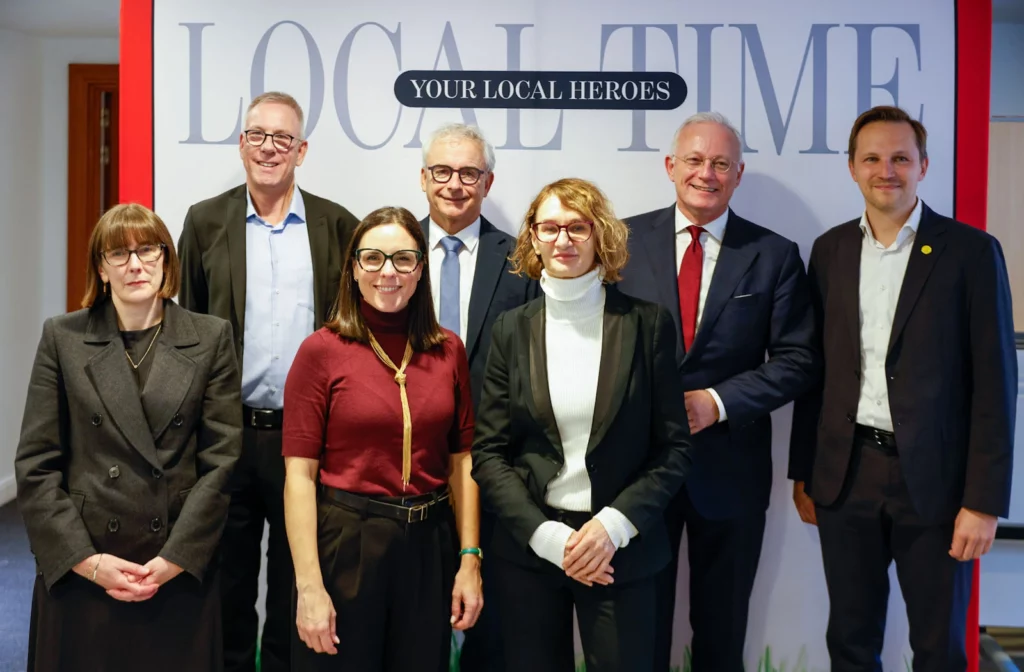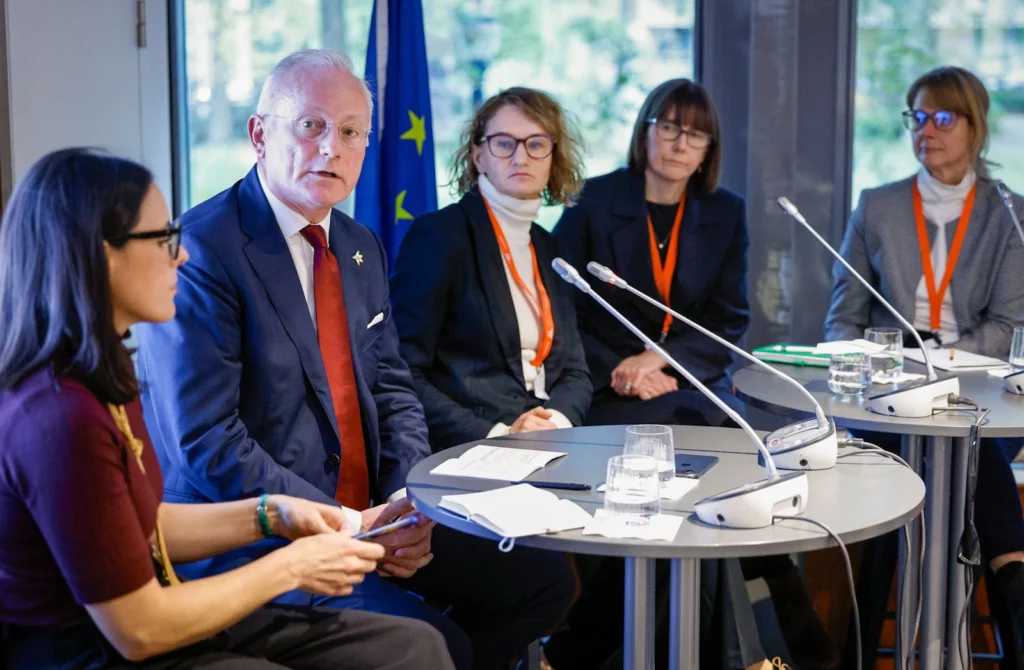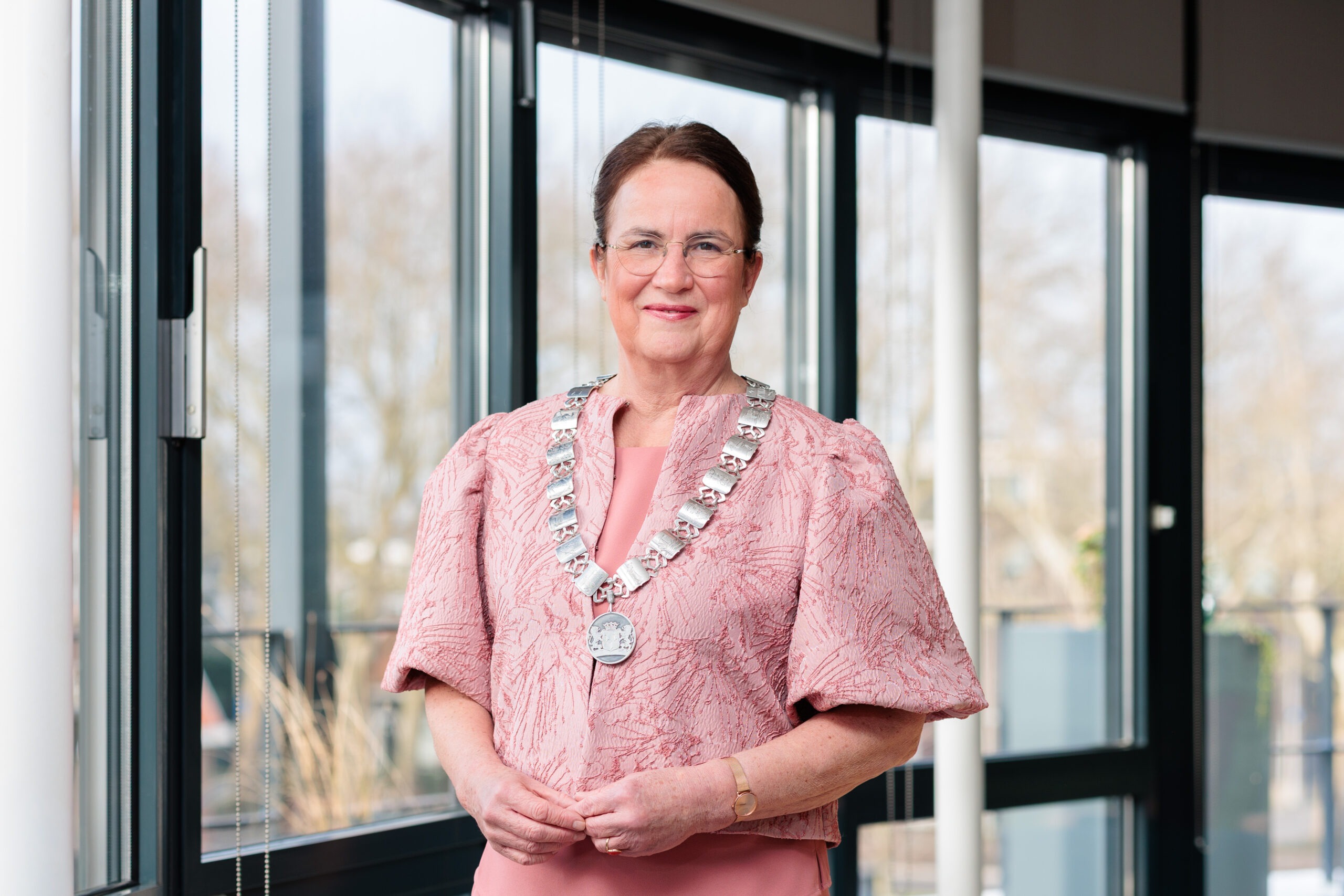
Meet Ellen van Selm (Purmerend)

Ellen van selm

Meet the Local Hero: Ellen van Selm, merging the best of the local and the European politics

807 words
3–5 minutes

In this edition of Local Heroes, we speak to Ellen van Selm, Mayor of Purmerend (The Netherlands), about the city’s challenges, her goals and achievements as a mayor, as well as what connects her town to Brussels.

A city shaped by water and growth

Purmerend is a town of 100,000 inhabitants just north of Amsterdam, part of the city’s wider metropolitan area. Its roots, however, lie in a very different landscape.

“Purmerend used to be a small market town in a very watery area,” van Selm explains. “Farmers from the surrounding wetlands came here to trade their agricultural products, livestock and fish.” When the lakes and wetlands around it were reclaimed, the town became an important food-producing region for Amsterdam and later, thanks to its proximity to the capital, an increasingly attractive place to live.

That proximity still shapes daily life. A steady flow of commuters travels between Purmerend and Amsterdam, and the town has grown rapidly since the 1970s. For van Selm, that growth is also the municipality’s biggest challenge today. “We also want to remain a town where people know each other, where there is room for nature, culture and community, and where people feel at home,” she says. “Our biggest challenge is not simply to build more houses, but to grow in a way that strengthens the quality of life and preserves the identity of Purmerend and [the nearby municipality], Beemster.”

In the Netherlands, mayors are not elected

Being a mayor in the Netherlands, van Selm points out, differs from the role in many other European countries. Unlike many of her European colleagues, she was not elected by residents but appointed by the Crown. Dutch municipalities are governed jointly by the mayor, the Aldermen, who serve in the Netherlands as the executive and administrative officers of a local municipality, and an elected city council, each with distinct responsibilities.

“I don’t have my own election programme that I want to implement,” she says. “I see my role as bringing people together, creating connections, and making sure that the interests of our residents are heard in our democratic process.”

Three initiatives stand out for van Selm. The first is Purmerend’s regional deal, a genuine partnership between the municipality, the national government in The Hague, and local NGOs, all investing together in the region’s future.

The second is the town’s children’s mayor programme. “It gives children in Purmerend a real voice and teaches them that they can make a difference,” she says. “My aim is to make sure that their voices are heard as well.”

The third is safety, a legally assigned part of her role as mayor. Purmerend has worked to make neighbourhoods safer following incidents involving explosions, and to make public spaces feel safer for women.

From Purmerend to Brussels, and back

Van Selm’s local role and her European work, as a member of the Dutch delegation to the European Committee of the Regions and of its COTER Commission are, in her words, “two sides of the same coin.”

“What I experience locally informs my work in Brussels, and what I learn in Brussels comes back to my municipality.” Through COTER, she is closely involved in discussions on the future of the EU budget and cohesion policy, topics that can sound abstract, but which she sees translated directly into local impact. In Purmerend, European Social Fund support has helped sustain the municipality’s labour market programme, run through a local social development organisation, giving it continuity from year to year and room to innovate.

That two-way exchange extends beyond the Committee of the Regions. Van Selm also takes part in European city networks such as the New Towns Alliance, exchanging experience with towns facing similar pressures around housing, the energy transition, the labour market and social inclusion. As Purmerend is part of Association of Netherlands Municipalities (VNG), Van Selm is also CEMR Spokesperson on Housing.

“What works in one city can inspire solutions in another,” she says. “Policy becomes meaningful when it reaches people and communities locally and local experiences become even more valuable when we share them with other cities and use them to shape European policy.”

Staying close, looking outward

Asked what matters most for a mayor today, van Selm points to balance: staying close to residents while keeping a broader view. “You need to stay close to your residents, listen to them, understand what makes your municipality unique, and protect that sense of identity. But at the same time, don’t only look inward, ask what your municipality can contribute to the country, to Europe, and to the other regions and networks you work in.”

–

Pumerend is a member of the CEMR National Association of Netherlands Municipalities (VNG).

For more information, contact:

Reaction: EU Affordable Housing Act 

EU Affordable Housing Act

Local flexibility must remain at the heart of EU Housing

1,128 words
5–7 minutes

The European Commission has shared its proposal for an Affordable Housing Act, introducing a common EU framework for assessing and justifying housing-related measures at the local level. The proposal aims to provide greater legal certainty for public authorities while explicitly recognising that housing policy remains primarily a national, regional and local competence.  

The legislative proposal is accompanied by a Recommendation on Housing Affordability and Supply in Areas under Housing Stress, introducing the concept of affordable housing areas and proposing measures to address housing stress. 

CEMR welcomes the publications as important milestones in the growing recognition of housing as a European challenge that requires action at all levels of governance. Local and regional governments are on the frontline of addressing housing affordability and availability, and CEMR has consistently advocated for a framework that strengthens their ability to act while respecting territorial diversity.  

However, despite CEMR repetitive efforts indicating the importance of flexibility and strengthened capacity for local and regional governments, the Commission’s main solution to address housing affordability is a standardised definition for housing stress at EU level.  

While CEMR positively takes note of repeated recognition of regional and local competences in the proposal, the reliance on “competent authorities” under Article 4 in the Housing Act raises concerns for local and regional governments. That is because, according to this terminology, it is left to the discretionary interpretation of each Member State. The use of the terminology continues throughout the Recommendation, suggesting significant decision-making power and responsibility at the level of a “competent authority”.  

A common definition of housing stress 

Throughout its advocacy, CEMR has pushed to keep the Affordable Housing Act flexible enough to reflect Europe’s varied housing realities. In its recommendations to the Commission, CEMR argued for a place-based approach that preserves local assessment mechanisms rather than imposing a single, uniform definition of housing stress. 

Yet despite leaving room for “competent authorities” to decide what action is necessary, Article 6 in the Act still sets out a common EU methodology for determining when an area qualifies as being under housing stress. 

Under the proposed rules, an area can only be classified as experiencing housing stress if three conditions are met: the price-to-income ratio stands at 8 or higher, that ratio has risen over the past decade, and the pressure shows no sign of easing over the next three years. 

CEMR has repeatedly pointed out that this fairly narrow lens risks missing the bigger picture. Housing stress takes many forms across Europe and can’t always be reduced to a single affordability indicator. Pressures may come from tourism, supply shortages, demographic shifts, land constraints, planning and permitting bottlenecks, infrastructure gaps, or a simple shortfall in affordable and social housing. 

This nuance does appear in the proposal’s explanatory sections, in the Recommendation, and in comments made at the press conference. But it largely fades from view in the operative provisions themselves, where housing stress is defined almost exclusively through price and income indicators.  

What’s more, experience suggests local authorities often have legitimate public-interest reasons to act that go beyond affordability alone: environmental nuisance, for instance and the proposal makes no room for these.

Ellen van Selm (CEMR spokesperson on Housing and Mayor of Purmerend (The Netherlands)):

’We are pleased to see the efforts of the EC to support solving the housing crisis. However, we encourage the Commission to create a more beneficial framework for local and regional authorities. By introducing a rigid definition of housing stress, increasing burdens to deliver proof while data is not always available, and focusing repeatedly on short-term rentals, the Affordable Housing Act limits the place-based and innovative solutions that local and regional governments need. In practice, this makes it more difficult for towns, cities and regions to act proactively when housing pressures emerge.’’ 

A range of measures available to authorities 

The proposal largely reflects what CEMR has been asking for: giving local and regional governments the flexibility to deploy different interventions depending on local circumstances. Under the conditions set out in the Regulation, “competent authorities” would be able to restrict short-term rentals in non-primary residences and regulate the acquisition or use of land and residential property for purposes other than primary living. The proposal also allows for territorial targeting and differentiated approaches. 

Still, CEMR has consistently stressed that local authorities need to be able to act before housing pressures spiral out of control and, on this front, concerns remain. Article 9 requires authorities to prove that an activity has had an adverse effect on housing affordability or availability for at least three years before any restrictive measures can be introduced. For many local governments, this could place an additional burden on authorities and delay action to address housing pressures early enough.  

On streamlining, the Recommendation proposes creating Housing Acceleration Areas, to be identified by the “competent authority.” These zones would benefit from a unified permitting timeframe and, where relevant, tacit approval. But CEMR warns this approach doesn’t adequately account for local realities, which are shaped by complex legislative frameworks and need to be assessed case by case.  

The legislative proposal also seeks to clarify how housing measures interact with existing Internal Market legislation, including the Services Directive, with the aim of giving public authorities greater legal certainty and reducing the risk of litigation. Even so, CEMR warns that the Affordable Housing Act could end up doing the opposite for municipalities, adding extra difficulty and legal uncertainty around the burden of proof required across the different frameworks. 

Looking ahead 

The Affordable Housing Act represents a significant step in building a clearer EU framework for housing-related measures and includes several elements long advocated by local and regional governments. The Commission Recommendation indicates recognition of the importance of subsidiarity and rightfully promotes a holistic understanding of the challenges that are faced at the local level.  

However, important questions remain regarding the proposed definition of housing stress, the allocated responsibility to ‘competent authority’, the practical feasibility of making the right assessments, and the reduced flexibility for authorities to address broader forms of housing pressure that are not fully reflected in affordability indicators alone.  

Beyond the Affordable Housing Act and its action on securing the legality of local and regional housing policies, CEMR highlights that addressing the housing crisis will also require massive investments capacities. In this respect, discussions on the future of the Multiannual Financial Framework and Cohesion Policy should reflect the political attention given to housing and enable adequate support for local action to address the housing crisis. 

CEMR will continue to engage with the European institutions throughout the legislative process to ensure that the final legislation provides local and regional governments with the flexibility, legal certainty and practical tools needed to respond effectively to Europe’s diverse housing challenges.

For more information, contact:

Europe’s housing agenda must start locally  

Cities, towns and regions call for investment, smart simplification and local autonomy as Europe steps up its response to the housing crisis

791 words
3–5 minutes

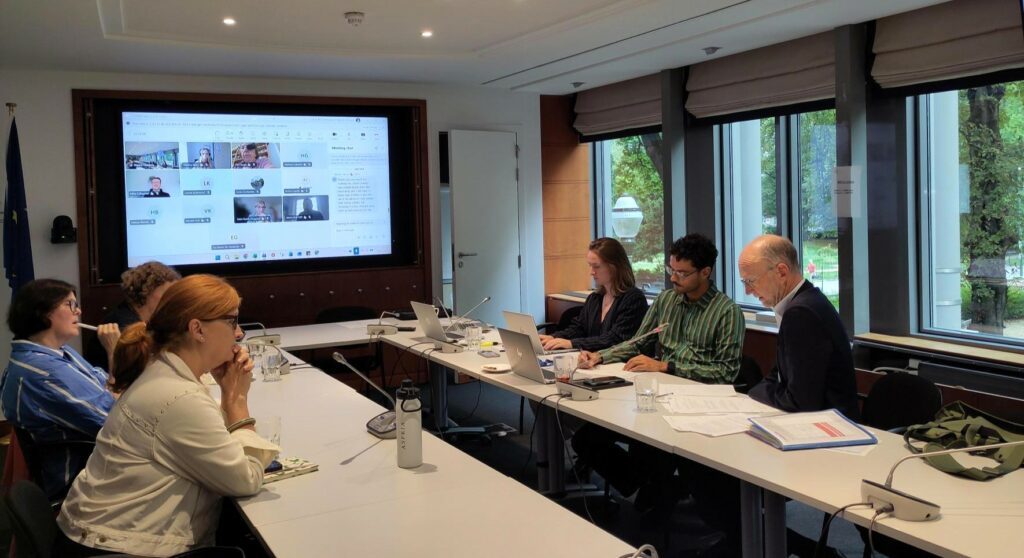
Europe’s housing initiatives will only succeed if they reflect the realities faced by cities, towns, and regions. This was the central message from the latest meeting on 3 September of the CEMR Housing Task Force, which brought together participants from 12 national associations of local and regional governments, alongside representatives of the Irish government and the European Commission. 

During the meeting, CEMR Task Force members exchanged experiences from across Europe and discussed two major initiatives expected to shape the EU housing agenda: the forthcoming Affordable Housing Act and the Housing Simplification Package. The discussion enabled CEMR members to provide early feedback directly to EU policymakers and help prepare CEMR’s contribution to the European Commission’s ongoing call for evidence on housing simplification.

Housing: high on the European agenda 

The meeting opened with an exchange on the housing priorities of the Irish Presidency of the EU. Ireland plans to build on the political momentum generated by previous presidencies, with housing supply, affordability and homelessness among the priorities under discussion. Participants also heard about plans for stronger European cooperation, including a pan-European housing investment platform and the recently established European Housing Alliance, which aims to promote networking and the exchange of good practices. 

CEMR members stressed that local and regional governments must have a meaningful place in this emerging European architecture, including in ministerial discussions and stakeholder events. They also expressed strong interest in financial solutions capable of supporting long-term public and affordable housing investment, such as revolving funds.

Simplify delivery is not deregulation 

The European Commission’s forthcoming Housing Simplification Package, expected in the second quarter of 2027, offers an opportunity to remove unnecessary costs, delays, and inconsistencies affecting housing delivery. EU rules on procurement, State aid, environmental assessment, energy performance, taxation, and construction standards can all influence what local and regional governments are able to deliver. 

CEMR Task Force members nevertheless cautioned that simplification must not become deregulation. Environmental protection, building quality, and citizen participation remain essential. The objective should be to resolve conflicts and duplication between policies while preserving their public interest goals. 

Above all, participants called for respect for municipal autonomy over zoning, local taxation, permitting, and development plans. Definitions of affordability, housing stress, and priority groups must reflect local conditions rather than rely exclusively on uniform indicators or datasets that may not capture realities on the ground. 

Direct dialogue on the Affordable Housing Act 

In an exchange with Matthew Baldwin, Deputy Director-General at the European Commission and Head of its Housing Task Force, members discussed how the forthcoming Affordable Housing Act could provide greater legal clarity for public authorities in areas experiencing severe housing pressure. Members welcomed efforts to reduce legal uncertainty but stressed that Member States must allow the competent local and regional authorities to play a decisive role in assessing housing pressure and choosing the appropriate response. 

Short-term rentals are not the sole cause of Europe’s housing crisis. Nevertheless, in some territories, the combined effects of tourism, vacant homes, and insufficient supply can intensify local pressures. Cities need clear and workable legal tools to act where necessary, without new administrative burdens or EU interference in local decisions.

Different housing markets, shared barriers 

The meeting also featured a national roundtable, which showed the diversity of housing markets and challenges across Europe. Members reported ambitious construction targets, rising development costs, high mortgage rates, shortages of public funding, and difficulties financing renovation in lower-value areas. Severe pressure on municipal budgets is also limiting the ability of local governments to build and maintain public and social housing. 

Despite these differences, common priorities emerged: stable and accessible finance, stronger construction capacity, support for renovation, and policy frameworks that allow local authorities to respond to their own housing markets. 

Participants also highlighted the social dimensions of the crisis. Housing policies should better address homelessness and the needs of people at particular risk, including women experiencing domestic violence. Tackling skills shortages in construction, while opening the sector to a more diverse workforce, was identified as another important area for future work.

Turning local expertise into European influence 

The meeting’s conclusions will feed directly into CEMR’s response to the European Commission’s call for evidence on the Housing Simplification Package. By bringing together evidence from its members and maintaining a direct dialogue with the European Commission and Council presidencies, CEMR is ensuring that local and regional experience informs European decisions from their earliest stages. 

As the EU develops its housing agenda, CEMR will continue to advocate for a simple principle: local and regional governments must be trusted, financed, and fully involved if Europe wants to turn housing ambitions into affordable, sustainable, and inclusive homes. 

For more information, contact:

EU budget campaign – Slovenia

Nova Gorica - Slovenia

The advocacy work of our national associations: the case of Slovenia

359 words
2–3 minutes

As negotiations on the next EU long-term budget move forward at both European and national level, CEMR is calling for a stronger role for local and regional governments in shaping EU investments and priorities.

In a recent video message, Samo Turel, Mayor of Nova Gorica and President of the Association of Urban Municipalities of Slovenia, says that the current proposal does not fully reflect the needs and realities of cities. Speaking from Nova Gorica, a border city that has experienced firsthand how European cooperation and EU funds shape local development, he highlights, in particular, that a weaker cohesion policy could widen development gaps between regions rather than closing them, pulling Europe away from its shared goals.

The Association of Urban Municipalities of Slovenia has been active both nationally and at European level, engaging directly with national ministries, the European Commission and Slovenian Members of the European Parliament to argue that involving the local level in policymaking leads to better outcomes for citizens.


Our views on the current EU budget proposal

CEMR calls for stronger guarantees for multilevel governance and partnership, greater flexibility for local governments to respond to crises, and a budget that reflects today’s challenges: from climate adaptation and housing to digital services and territorial cohesion.

The message behind the campaign is simple: when local and regional governments are involved from the start, Europe delivers better results for citizens.

For months, CEMR has been calling for:

  • A strong role for local and regional governments in EU programmes and funds
  • Clear guarantees for multilevel governance and partnership
  • Greater flexibility so local governments can respond quickly to crises
  • A budget that matches today’s real challenges, from climate adaptation to housing, digital services and territorial cohesion

CEMR’s EU budget campaign centres on one simple truth: When local and regional governments are involved from the start, Europe delivers better results for its citizens.

This is how democracy works — through cooperation, partnership and decisions made close to the people they affect.

Join us in defending that principle.

Learn more about the CEMR EU budget campaign

For more information, contact:

Letter to Von der Leyen on DG REGIO

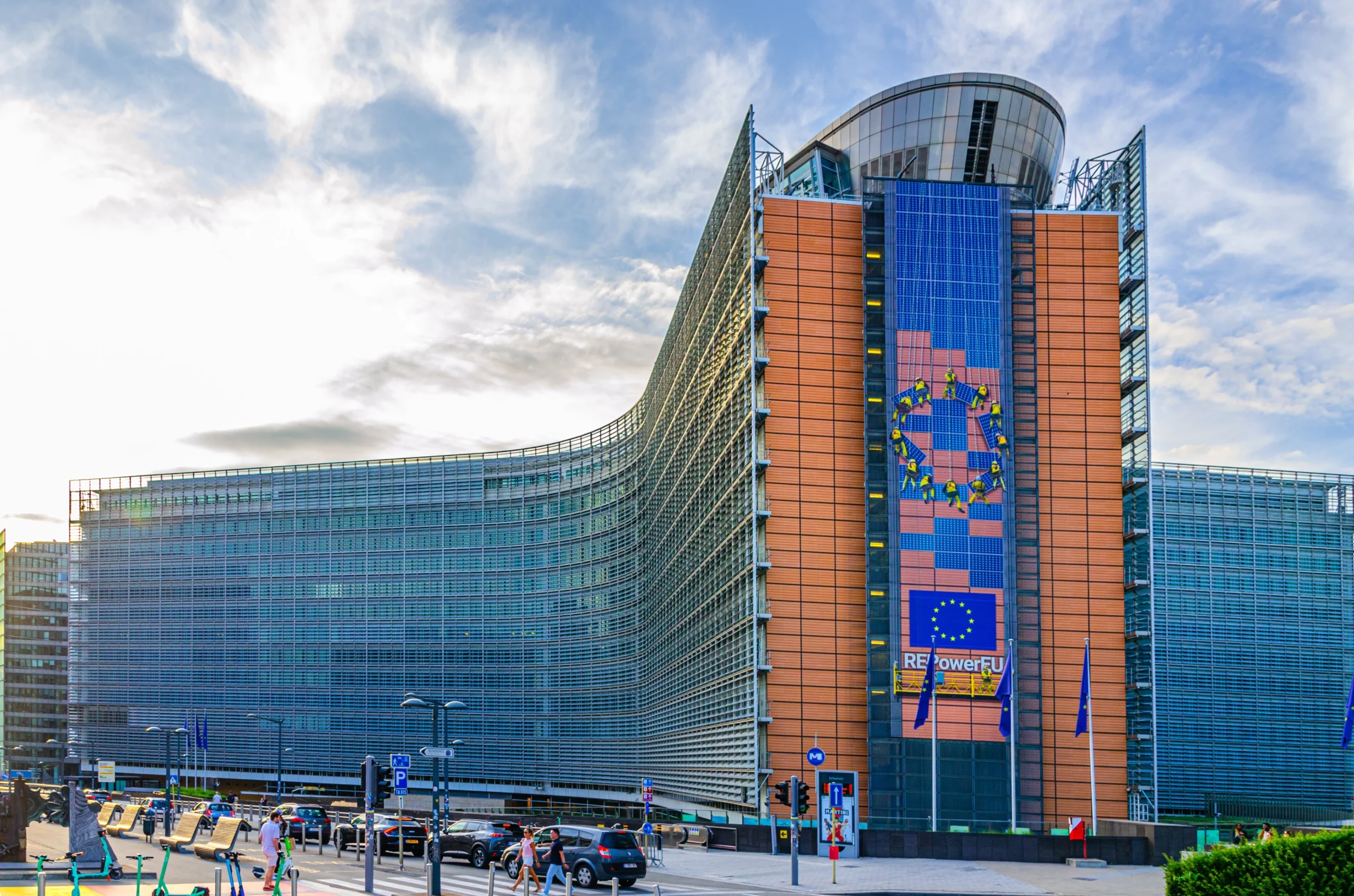
European Commission image

Local and regional leaders warn Von der Leyen against marginalising DG REGIO

578 words
2–4 minutes

The Council of European Municipalities and Regions (CEMR), representing 110,000 local and regional governments and 1,000,000 elected representatives across Europe, sends a letter to the Commission President amid continuous reports of a possible weakening of Directorate-General for Regional and Urban Policy (DG REGIO)

Brussels, 13 July 2026 – The Council of European Municipalities and Regions (CEMR), Europe’s largest association of local and regional governments, has sent a letter to European Commission President Ursula von der Leyen warning of the serious consequences that could result from any move to weaken or eliminate the Directorate-General for Regional and Urban Policy (DG REGIO), following persistent reports about a possible internal restructuring.

In a letter sent on behalf of 110,000 local and regional governments and 1,000,000 elected representatives across Europe, CEMR stresses that such a move would not be a simple administrative change but would represent a major political shift in the relationship between the European Union and the cities, towns and regions responsible for delivering many of the EU policies on the ground.

“Should DG REGIO be substantially weakened or its role reduced, this would send a profoundly negative political message to Europe’s local and regional governments: that they no longer have a central place in the Union’s institutional architecture”, writes Christoph Schanudigel, CEMR President and President of the County of Karlsruhe (Germany).

CEMR warns that weakening DG REGIO would undermine the expertise, territorial knowledge and long-standing partnerships that have made cohesion policy one of the EU’s most effective instruments for promoting development, competitiveness and solidarity across Europe.

The organisation also cautions that a reduced role for DG REGIO could weaken the European Commission’s ability to maintain direct contact with the Managing Authorities responsible for implementing EU funds, many of which are regional and local governments.

Rather than reducing DG REGIO’s role, CEMR argues that current challenges require stronger territorial capacity within the European Commission. In its letter, the organisation stresses that DG REGIO’s role will become even more important as the Commission prepares its proposed National and Regional Partnership Plans (NRPPs) for the post-2027 EU budget. It also points to recent Commission initiatives on islands, coastal communities, outermost regions and eastern border regions as evidence of the growing importance of place-based policymaking.

For these ambitions to succeed, Europe needs a strong institutional anchor capable of maintaining dialogue with regional and local governments and ensuring that territorial realities are reflected in EU policymaking.

The letter also recalls that local and regional governments are responsible for implementing up to 70% of EU legislation and are indispensable to the Union’s effectiveness, democratic legitimacy and capacity to deliver results for citizens.

CEMR is calling on the European Commission to clarify its intentions regarding DG REGIO and has requested a meeting with President von der Leyen and relevant Commissioners to discuss the future of the EU’s territorial agenda.

The letter, which was also addressed to Raffaele Fitto, Executive Vice-President for Cohesion and Reforms; Piotr Serafin, Commissioner for Budget, Anti-Fraud and Public Administration; and Ilze Juhansone, Secretary-General of the European Commission, was sent at this stage as, according to Politico, Valère Moutarlier, deputy director-general at the Directorate-General for Internal Market, Industry, Entrepreneurship and SMEs, who is overseeing the review of the Commission’s restructuring process, is expected to weigh in later this month. The final restructuring proposals are expected to be presented by Budget Commissioner Piotr Serafin to von der Leyen and the College by the end of 2026.

For more information, contact:

Localising the Sustainable Development Goals in Europe

Reference Framework for Sustainable Cities - image 1

European territories localise the SDGs: cities at the core of implementation

613 words
3–4 minutes

With less than four years remaining to achieve the 2030 Agenda, a new CEMR–PLATFORMA report highlights a clear message from local and regional governments across Europe: sustainable development will only succeed if cities, towns and regions are placed at the centre of decision-making, financing and implementation.

Published by the Council of European Municipalities and Regions (CEMR) and PLATFORMA at the occasion of the High-Level Political Forum on Sustainable Development (HLPF), the 2026 edition of the report European territories localise the SDGs: Cities at the core of the implementation examines how local and regional governments are contributing to the Sustainable Development Goals (SDGs) and what is needed to accelerate progress during the final stretch to 2030.

The study is based on a survey of 23 respondents from 17 countries, including associations of local and regional governments from 15 EU Member States and two non-EU countries.

Local action is essential for global goals

The report comes at a pivotal moment. As both the UN New Urban Agenda and the Urban Agenda for the EU reach their tenth anniversary, local and regional governments are reaffirming their indispensable role in translating global ambitions into concrete results on the ground.

From mobility and housing to climate resilience and social inclusion, towns, cities and regions are responsible for many of the policies that directly affect residents’ daily lives. According to the report, SDG implementation is not primarily a technical matter but a political one, requiring trust, resources and authority to be devolved to the territorial level.

The publication places particular emphasis on SDG 11 – Sustainable Cities and Communities, one of the goals under review at the 2026 HLPF. It argues that sustainable urban development cannot be achieved without strong local democracy, effective multi-level governance and meaningful involvement of subnational authorities in national and international decision-making processes.

Six recommendations to accelerate SDG implementation

Drawing on the experience of local and regional governments, the report puts forward six recommendations addressed to the United Nations, the European Union and national governments.

Among its key messages, the study calls for:

  • Reinforcing multi-level governance as a political priority for the 2026–2030 period.
  • Placing the subnational level at the centre of SDG implementation, including stronger participation of local and regional governments in global review processes and improved access to development finance.
  • Reaffirming the importance of the UN New Urban Agenda as the main global framework for sustainable urbanisation.
  • Ensuring that cities and towns remain central to Europe’s sustainable development agenda through stronger alignment between EU and UN urban policy frameworks.
  • Recognising the role of territories in the upcoming EU Multiannual Financial Framework 2028–2034, with more accessible and place-based funding for municipalities and regions.
  • Accelerating the localisation of the SDGs by fully involving local and regional governments in the design and implementation of sustainable development policies.

A contribution to the global SDG debate

Beyond policy recommendations, the report showcases good practices from across Europe and explores how local and regional governments are advancing the goals under review in 2026 (SDG 6 – Clean Water and Sanitation, SDG 7 – Affordable and Clean Energy), SDG 9 – Industry, Innovation, and Infrastructure, and SDG 17 – Partnerships for the Goals). It also includes a dedicated focus on housing and the outcomes of discussions linked to the World Urban Forum, reflecting growing concerns about affordability, inclusion and sustainable urban growth.

As the international community approaches the final years of the 2030 Agenda, the report sends a strong and consistent message: the SDGs will be achieved — or missed — at the local level. Empowering towns, cities and regions with the necessary political mandate, resources and partnerships is therefore not optional, but essential.

Discover this report also online: European Territories Localise the SDGs

For more information, contact:

Meet Bart Somers (Mechelen)

Bart Somers Interview 2026

Meet the Local Hero: Bart Somers, proving that Europe’s future is built locally

900 words
4–6 minutes

When Bart Somers talks about local government, one idea keeps coming back: it is the level where you can really make a difference.

He has been mayor of Mechelen in Belgium for 26 years — a tenure that ran in parallel with a national political career that took him through parliament, a ministerial post, and the leadership of a political party. Somers has spent much of his career moving between the two levels of politics. He never doubted which one he wanted to keep.

“The real strength of politics in the 21st century is situated on the local level, where you really can make a difference.”

A love for the city, a case for the local level

Somers was born and raised in Mechelen, and that attachment to the city is part of why he stayed. But it is not the whole story. Early in his career, he became convinced that the local level was where politics could achieve the most — a conviction he carried with him even while sitting in national government and parliament, where he pushed colleagues to lean on local leverage far more than they typically do.

Bart Somers interview 2026

*Bart Somers, Mayor of Mechelen in Belgium – interview on 29 April 2026

Climate action recognised at street level

That belief runs through Mechelen’s climate work too, recently recognised with the EU Covenant of Mayors Award for its heat decarbonisation success, which served as inspiration for other cities and towns across Europe. At a moment when some EU institutions appear to be easing off the pace of the green transition, Somers sees the local level as where the urgency is most visible and most actionable.

“At the local level, you can see with your own eyes what the impact of climate change is, and sometimes it’s really devastating. So, you feel the urgency to do something about it.”

Mechelen has been recognised for its large-scale roll-out of heat networks combined with heat storage to provide green heat to densely populated areas, while maximising the potential of local, renewable and residual heat sources.

The jury of the EU Covenant of Mayors Award applauded Mechelen’s comprehensive planning and concrete implementation steps of this specific project. The implementation of Mechelen’s heat plan is driven by strong local stakeholder mobilisation through a Heat Coalition of over 25 key organisations, from district system operators, energy cooperatives and government bodies to social housing corporations and local businesses. The jury praised Mechelen’s vast engagement and outreach efforts to get everyone on board with their heat plan, as well as their focus on supporting vulnerable communities facing energy poverty.

International, European and national frameworks matter, he says, but it is within them that cities do the concrete work: getting people onto bicycles instead of into cars and shifting investment away from fossil energy and into solar power.

*Mechelen, city centre and city hall

Refugees, and a city that remembers

Mechelen’s response to Russia’s full-scale invasion of Ukraine was, for Somers, emotional as much as political. He had visited Maidan in 2014, as a member of parliament, while the uprising against Ukraine’s government was unfolding. Standing behind Ukraine afterwards felt like the only option for a city that, in his words, embraces human rights and European values.

“They are fighting our fight. They are sacrificing lives to protect also my country.”

Convincing the city to act was not difficult, he says, partly because Mechelen carries its own history of displacement. During the First World War, 90% of the city’s residents became refugees; Somers’ own grandfather spent three years in a refugee camp in the Netherlands, from the age of 14. It is a story many families in Mechelen share, and one that shaped how naturally the city opened its doors this time.

Safety and inclusion, hand in hand

Somers has built his reputation on combining an inclusive approach with a firm stance on the rule of law — a combination he says is often misunderstood. Asked about his most difficult decision as mayor, he points to the work of convincing people that safety and inclusion reinforce each other rather than conflict.

“Safety and inclusion go hand in hand, it strengthens each other.”

The people who most need a safe city, he argues, are not the ones in comfortable, middle-class neighbourhoods, they are mothers raising children in more vulnerable areas, where danger is closer to home. That conviction, he says, has helped Mechelen become a city where people from different backgrounds live together well.

A message to Brussels: trust the local laboratory

Asked what he would tell national and EU leaders, Somers is direct: solving today’s crises requires the local level. Cities and towns hold people’s trust, sit close to citizens, and can move fast and pragmatically in ways higher levels of government often cannot.

“We not only need a top-down policy, but we need a bottom-up policy. The place where you can reinvent democracy, where you can find real answers for the challenges of today and tomorrow, is at the local level.”

His advice is to treat that local level as a laboratory: a place to experiment and build strength that, in turn, feeds back into national and European politics.

Meet the local hero
BART SOMMERS

–

The city of Mechelen is a member of the CEMR national association VVSG (Association of Flemish Cities and Municipalities).

For more information, contact:

Policy recommendations on AgoraEU

EU financing opportunities - News

Committee of the Regions adopts AgoraEU opinion with CEMR’s key policy recommendations at its core

742 words
3–5 minutes

The European Committee of the Regions (CoR) adopted its opinion on the proposed AgoraEU programme at its 171st plenary session. Drafted by rapporteur Csaba Borboly (RO/EPP), Vice-President of Harghita (Romania) County Council, the opinion sends a clear message to EU institutions: local and regional governments are essential implementing partners in Europe’s cultural, media and democratic future.

AgoraEU is the Commission’s proposal to merge Creative Europe and the Citizens, Equality, Rights and Values (CERV) programme into a single framework for the EU budget 2028–2034, covering three strands: culture, media, and democracy. While the ambition to create coherence is welcome, CEMR and the CoR have both underlined that this merger must not dilute the specific objectives and funding of each stream.

Ahead of the CoR’s deliberations, CEMR submitted several policy recommendations to the European Committee of the Regions, which have been reflected across four critical areas.

Town twinning: from omission to recognition

The most important alignment concerns town twinning and networks of towns. CEMR called for twinning to be recognised as a strategic democratic instrument with a clearly earmarked budget line — a cost-effective vehicle for civic participation, intercultural dialogue and European identity-building, especially in the context of geopolitical instability and enlargement process.

The CoR echoes this directly, calling for twinning networks and cross-border municipal partnerships with dedicated multi-annual funding. It also formally regrets that the Commission’s proposal dropped the twinning actions provided for under CERV and calls for their reinstatement. Town twinning reaches hundreds of thousands of citizens each year, including in small towns and rural areas rarely served by complex EU funding instruments. A CEMR Analysis of Twinning in Europe in 2023 showed that local and regional government associations (LRGAs) play an important role in twinning. More than 80% of respondents stated that they have been active in this field in the last two years and 75% declared interest to continue and to develop activities even further including cultural exchange, peer learning and joint project implementation.

National Contact Points and simplified access

National local and regional government associations and city networks have a proven track record in channelling EU funding to grassroots actors. CEMR argued that well-resourced National Contact Points, hosted by national associations of local and regional governments, are essential to reach smaller municipalities, rural areas and first-time applicants, and that national associations and municipal networks should be formally recognised as strategic bridge actors empowered to manage Financial Support to Third Parties (FSTP) mechanisms.

The CoR moves in the same direction, though with its own framing. It stresses that proportionality must be assessed not only in policy scope but in accessibility and inclusivity, and endorses simplified grant formats, capacity-building support and two-step application and cascade grant processes that have proven their value in previous programmes. It also calls for AgoraEU contact points to be established at least at national level, and where appropriate at regional level. Critically, it proposes that own contribution requirements for small-scale and grassroots initiatives be capped at 10% of total eligible costs, coverable through national, regional or local co-financing — a practical measure that directly addresses one of the most persistent barriers to bottom-up participation.

Embedding local governments within the programme’s governance framework

The CoR holds that AgoraEU must fully align with active subsidiarity and multilevel governance, calling for the role of LRAs to be formally recognised in the regulation, for territorial participation indicators to be introduced, and for evaluation criteria to be explicitly linked to territorial cohesion and citizen engagement.

What comes next

The CoR opinion is a strong institutional signal. The challenge now is to carry this territorial voice into the EU budget negotiations between the European Parliament and the Council.

CEMR will continue to advocate for the four pillars essential to making AgoraEU work for local and regional governments: a protected budget line for twinning actions; well-resourced National Contact Points with a genuine territorial mandate; formal recognition of intermediary organisations to facilitate the access to small subgrants; and meaningful participation of LRGs representatives in programme governance from the outset.

Culture, media and democracy are lived every day in town squares, local theatres and municipal councils across Europe. AgoraEU has the potential to reinforce that. The CoR has made clear what it takes — now it is up to the European Parliament and the Council to move towards this direction.

Read the Committee of the Regions’ adopted opinion [here]

Discover CEMR’s EU budget campaign

For more information, contact:

“Right to Stay” strategy

Right to Stay strategy news

CEMR calls for a place-based “Right to Stay” strategy

468 words
2–3 minutes

In its contribution to the European Commission’s call for evidence on the upcoming “Right to Stay” strategy, the Council of European Municipalities and Regions (CEMR) calls for a politically ambitious, place-based framework that puts local and regional governments at the centre of Europe’s response to territorial, social, economic and demographic imbalances.

For CEMR, the right to stay means that people must be able to live, work and thrive in the place of their choice: whether in a city, a town or a rural area, without being forced away by lack of public services, economic opportunity, poor connectivity or rising living costs.

This is not just a matter of territorial cohesion. It is also a question of fairness, democracy and trust in the European project. If the EU wants to respond to growing territorial inequalities, it must start by investing in the places people call home and by recognising the governments closest to citizens as strategic partners.

In its response, CEMR underlines that there can be no right to stay without access to services, housing and opportunity. Across Europe, too many territories still face shortages in healthcare, education, mobility, childcare, energy and digital infrastructure. At the same time, rising housing costs are pushing people out of cities, while many rural and shrinking areas continue to suffer from depopulation and underinvestment.

CEMR therefore calls on the EU to strengthen support for services of general interest, affordable housing and integrated territorial development. It also stresses the need to create enabling conditions for local economic opportunities in every territory, including through better transport and digital connectivity, support for entrepreneurship, and action to tackle labour shortages in key local public services.

CEMR also highlights the growing importance of climate resilience, sustainable mobility and local energy production for territorial attractiveness and energy security. Investments in adaptation, renewable energy and accessible transport must therefore be part of any credible Right to Stay agenda.

For CEMR, Cohesion Policy must be the main delivery tool of the future strategy. In the next EU budget, the Right to Stay should be recognised as a clear strategic objective, backed by strong funding, integrated territorial instruments and genuine partnership with local and regional governments in the design of national and regional plans.

CEMR also calls for the Right to Stay to be embedded in EU governance, including through the European Semester and stronger territorial impact assessments. Europe cannot continue to shape policies for territories without systematically involving the authorities responsible for delivering them.

The message is clear: the right to stay will only be real if the EU gives territories the means to remain attractive, affordable, connected and resilient. That requires political ambition, long-term investment and a genuine multilevel partnership with local and regional governments.

For more information, contact:

Local Alliance calls for multilevel governance

EU budget 2026 news

Local Alliance urges the EU leaders to support the vision for multilevel governance in the next EU budget

1,141 words
5–7 minutes

As negotiations on the EU’s next long-term budget enter a crucial phase, mayors and local leaders from across Europe are urging national leaders to ensure that cities and regions remain central to EU investment.

Ahead of the European Council meeting on 18 – 19 June, CEMR, as part of, and in partnership with the Local Alliance – a coalition of the Europe’s leading networks of local and regional governments representing more than 1,800 cities, 60 regions, 60 energy agencies and 42 national associations – has issued an open letter to Heads of State and Government.

The letter was signed by the presidents of all eight member networks, alongside over 50 additional signatories — including municipalities such as Barcelona, Budapest, Lisbon, Paris and Rome, as well as provinces, networks and associations.

Local and regional governments translate EU priorities into concrete projects, services and investments that improve the daily lives of their citizens. From expanding public transport and protecting water quality to modernising schools, hospitals and social housing, most EU priorities are implemented locally.

This is why the Local Alliance has consistently called for the next EU budget to be place-based, grounded in multilevel governance, and designed to deliver our shared European goals, including competitiveness and the green transition. 

The coalition therefore welcomes the adoption of the European Parliament’s recent interim report on the Multiannual Financial Framework (MFF), and the draft reports on the European Competitiveness Fund and the National and Regional Partnership Plans.

Ahead of the Council meeting, the open letter urges national leaders to uphold the Parliament’s key positions, including:

  • On the overall EU budget: Clearly define budget allocations for key programmes serving local and regional governments – including Cohesion Policy, the European Regional Development Fund (ERDF), the European Social Fund (ESF) and LIFE. This would prevent uncertainty and competition with other priorities like the Common Agricultural Policy. Mayors also call for safeguards to ensure local beneficiaries are not penalised when EU funds are suspended at Member State level due to rule-of-law concerns.
  • On the National and Regional Partnership Plans (NRPPs): Require mandatory regional and territorial chapters in national plans, make multilevel governance a core principle, allocate resources to strengthen administrative capacity, and protect integrated territorial and urban development tools through dedicated ERDF funding.
  • On the Competitiveness Fund: Maintain support for territorial innovation with dedicated mechanisms, provide predictable funding streams specifically for local and regional investment pipelines, and explicitly recognise local authorities as eligible beneficiaries and implementation partners.

The Local Alliance stands ready to provide practical evidence from cities and regions and to contribute to a structured dialogue on implementation.

About the Local Alliance

The Local Alliance is an informal coalition of Europe’s leading networks representing local and regional governments, including CEMR, ACR+, Climate Alliance, Energy Cities, Eurocities, FEDARENE, ICLEI Europe, and POLIS. Together, they advocate for a stronger, more inclusive European Union that empowers local democracy.

Statements from signatories:

“Navigating the next budget period, the MFF 2028-2034 must at once bolster competitiveness, invest in sustainability, and restore stability to our economies, as well as societies and ecosystems. At this critical junction, Europe needs cities and regions now more than ever. Successfully delivering for EU citizens requires the work of local and regional authorities — those on the ground who know their challenges best. Cities and regions are the theatre of the European project, indispensable to the twin green and digital transitions, and indeed at the very centre of the circular economy. ACR+ endorses this letter to Heads of State and Government because these common goals require our cumulative strength and multilevel governance.”

Hugh Coughlan, acting president of ACR+

“The next EU budget must deliver competitiveness, cohesion and trust in every territory. That means a budget with clear and predictable funding for cohesion, genuine multilevel governance, and a real role for local and regional governments in shaping and implementing the instruments that will carry Europe’s priorities to the ground.”

Arjen Gerritsen, King’s Commissioner of Flevoland and CEMR spokesperson on the EU budget

“Europe’s ambitions on climate, sustainability and resilience cannot be achieved by Member States alone. Regions, cities and towns are key partners in delivering EU priorities on the ground. The European Council now has an opportunity to ensure the next EU budget reflects this reality through genuine partnership and adequate, predictable funding.”

Andreas Wolter, Councillor and former Mayor for the City of Cologne, Germany

“Local authorities turn Europe’s competitiveness and cohesion goals into tangible results for businesses and citizens on the ground.
Cities and towns are already building a more resilient energy future, through renovation, decarbonisation and local energy infrastructure projects, one building and one neighbourhood at a time.
The next European budget should recognise this role by making us full partners in the design and delivery of EU programmes, and by investing directly in the place-based projects that strengthen our communities and economies.”

Mohamed Ridouani, President of Energy Cities and Mayor of Leuven

“Europe is at a decisive moment in the MFF negotiations. This is not only about the EU budget, it is about how Europe governs, invests and delivers. We support simplification through the National and Regional Partnership Plans, but it must not lead to centralisation or disconnect decision-making from local delivery. Cities and regions are where EU priorities become reality, from climate and innovation to housing, mobility and social inclusion. The European Parliament’s position is moving in this direction, and national governments should take these messages into account.
 Over the past year together with 20 other Belgian city mayors, we have consistently called on the Belgian governments to ensure stronger recognition of cities and local governments in the next EU budget. We now urge the Belgian government, and all member states in the European Council, to set a clear direction for a budget that delivers competitiveness, cohesion and trust across all territories.”

Mathias De Clercq, President of Eurocities and Mayor of Ghent

“The credibility of the next EU budget will be measured not only by what it promises, but by whether it will work in practice. To build a more resilient, competitive and climate-neutral Europe, cities and regions need predictable investment, genuine partnership and a stronger role in shaping the programmes they are expected to implement. The European Council should ensure the next MFF empowers local and regional governments as full partners in Europe’s future.”

Martin W. W. Horn, ICLEI Europe President and Mayor of Freiburg

“From sustainable mobility to climate adaptation, cities are where Europe delivers results for citizens. In Ljubljana, EU funding has helped us create safer streets, greener neighbourhoods and better public transport. These investments show what is possible when European priorities are matched with local action. The next EU budget must continue to empower cities as key partners in building a competitive, resilient and sustainable Europe.”

Dejan Crnek, President of POLIS and Deputy Mayor of Ljubljana

For more information, contact: