“If we are lucky, she will be a mayor”
Power, pressure, and local democracy in Europe
Local democracy is often described as the closest level of government to people’s everyday lives. But across Europe, that closeness is increasingly being tested.
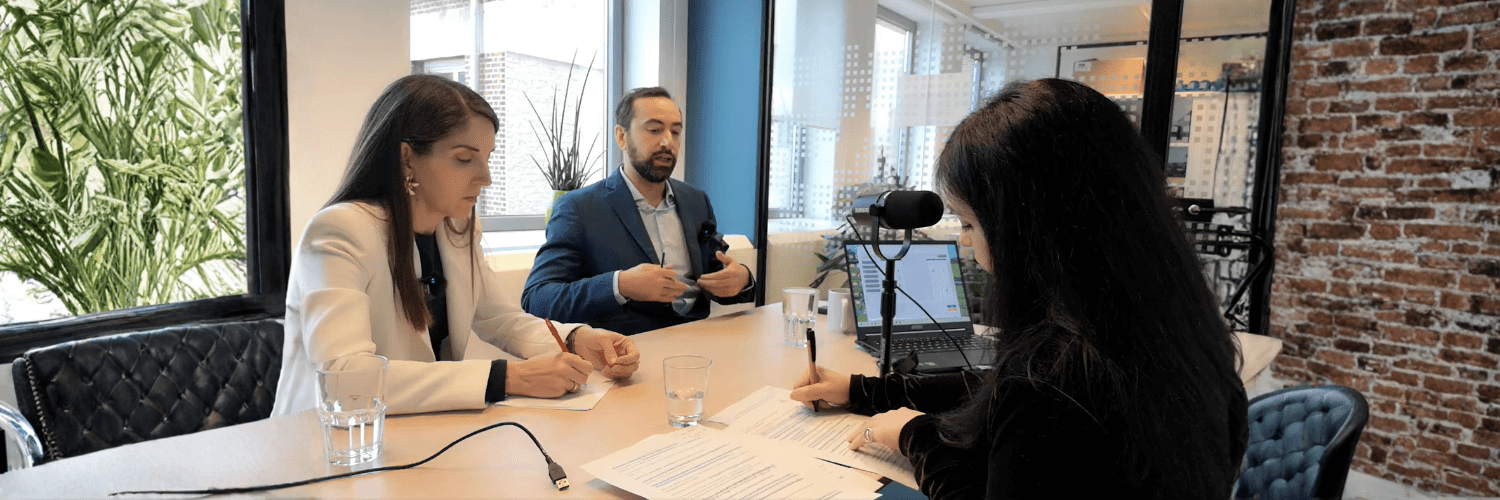
In the latest episode of Call Simone, we explore how power and democratic pressure are playing out at the local level — where politics is most visible, most accessible, and, increasingly, most exposed. Harassment, intimidation, disinformation campaigns, and threats are becoming part of the reality for many local elected representatives. The consequences go well beyond individual cases: when intimidation shapes who speak, who run, and who stay, representation shrinks and democracy weakens.
This episode brings together two voices who connect political experience with rigorous research:
- Eider Inunciaga, City Councillor in Bilbao, Spain
- Gianmarco Daniele, Executive Director of the CLEAN Unit, Bocconi University, Italy
Together, they unpack what harassment looks like in practice, why it is rising, who is most affected, and what local leaders — and European institutions — can do to respond with policies grounded in evidence.
When intimidation becomes a political filter
Harassment against local elected representatives is not only “bad behaviour” online — and the way humans respond to these attacks has little to do with personal resilience. As the episode shows, intimidation can work as a political filter: it discourages participation, pushes people out, and narrows the diversity of voices in local councils.
For Eider Inunciaga, the change became more tangible when she entered a public mandate in 2023. Local politics means proximity: you can be approached in the street, at community events, at school gates — and anger is often directed at local representatives precisely because they are the most reachable. As she puts it: “Local governments are the face of democracy.” And that visibility comes with exposure.
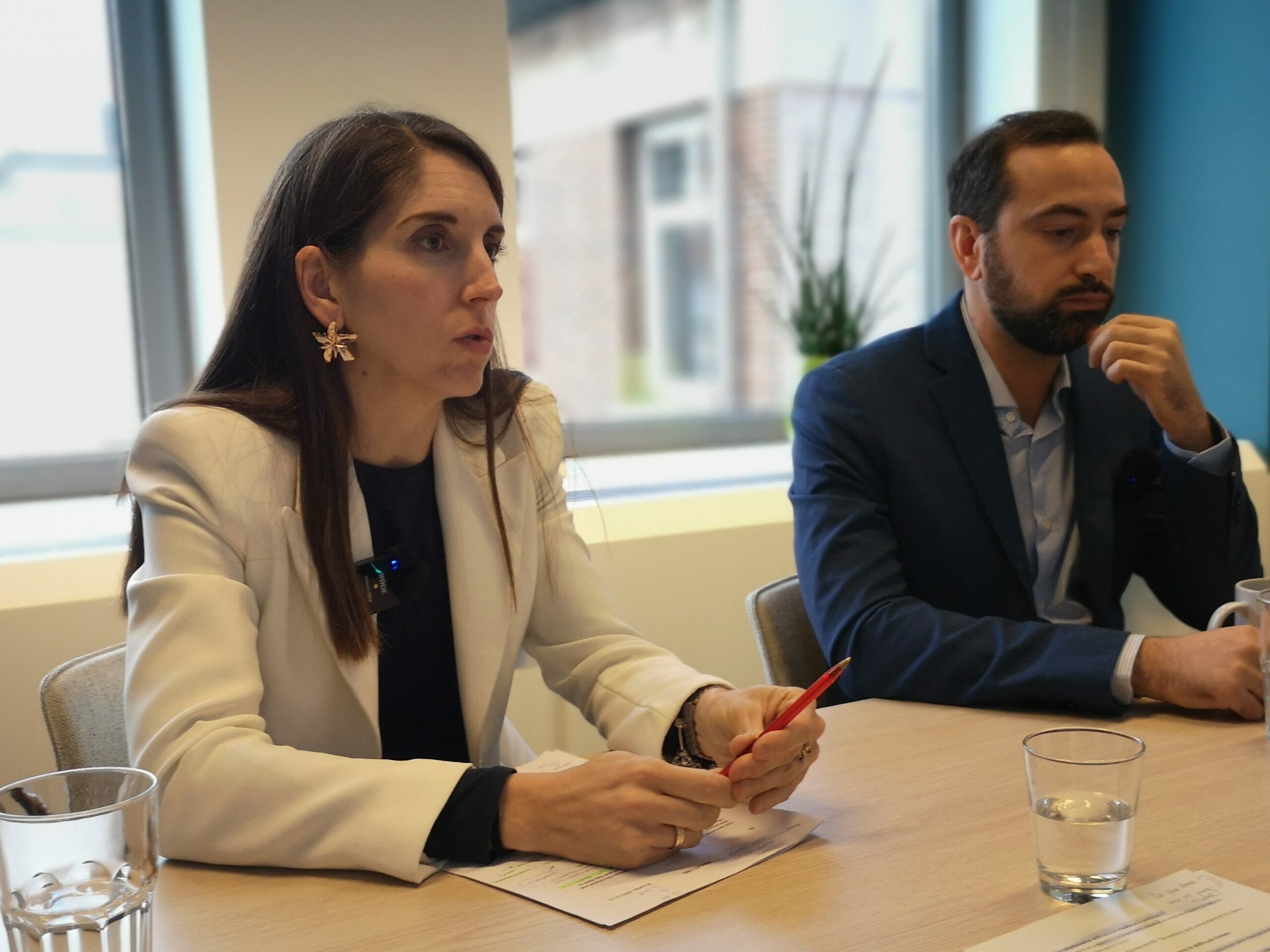
“Local governments are the face of democracy — and that makes us the most exposed.” – Eider Inunciaga, City Councillor Bilbao, Spain.
Who pays the highest price?
One recurring theme in the conversation is that harassment does not hit everyone equally. Those seen as “different” — women, minority representatives, LGBTQIA+ politicians — are often targeted more aggressively, with the implicit message: you don’t belong here.
Gianmarco Daniele shares research findings from Italy that put numbers to what many already sense. Using a carefully matched dataset to compare women and men in similar contexts, his work finds women are three times more likely to be targeted — and that almost one-quarter of female mayors experience an attack during their mandate. Importantly, these are offline attacks: assaults, burned cars, arson against property, threatening letters — not simply online hostility.
The timing is also revealing: attacks concentrate in the first year after election, consistent with a backlash against women’s visibility in power — and not explained by performance differences in office. The democratic cost is direct: women who are attacked are less likely to run again, turning progress on representation into a revolving door.
As Daniele notes, we often focus on how to get more diverse candidates into politics — and too rarely on why people leave.
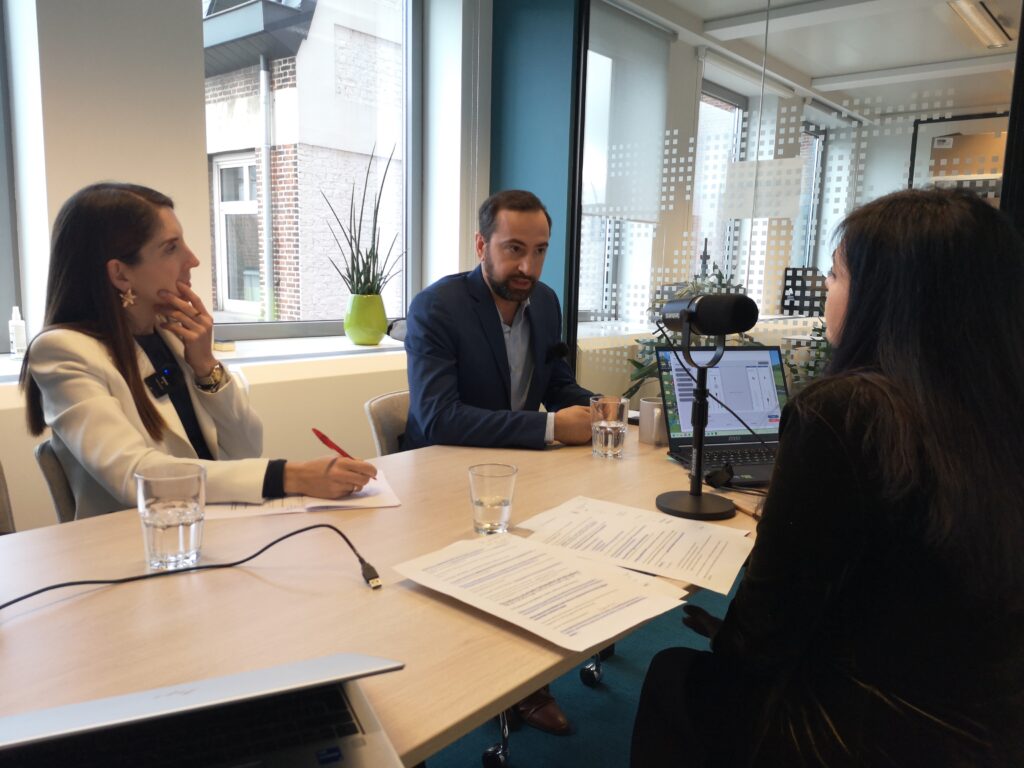
“Without data, we’re fighting blind. Europe needs comparable evidence to spot risks early and respond.” – Gianmarco Daniele, Executive Director Clean Unit, Bocconi University, Italy.
Bilbao’s lesson: rebuild trust through participation and shared values
The episode also looks at the other side of the equation: how local governments can maintain trust and stay close to citizens in a polarised environment.
For Eider Inunciaga, the starting point is closeness and participation: democracy is not only elections and voting day. In Bilbao, she highlights the “Bilbao City of Values” process, where citizens helped define a set of shared values to create a common framework for community life. In her view, shared values and participation are also part of the response to misinformation: they strengthen belonging and reduce the space in which false narratives thrive.
Bilbao’s longer history adds perspective. The city’s transformation — shaped by industrial crisis, social hardship, terrorism and the 1983 floods — was driven by cooperation across institutions, partnerships with society, and long-term vision. The lesson is simple and demanding: coexistence is not inherited; it is cultivated — and democratic stability requires sustained investment.
From stories to evidence — and from evidence to action
This episode connects directly to the launch of the European Observatory for the Defence of Democracy at the Local Level: a new partnership bringing together local and regional governments (including Bilbao and Basque municipalities represented by EUDEL) and the research community at Bocconi, with the support of the Basque Country and CEMR.
The Observatory’s goal is to help Europe move from scattered stories to coordinated action by connecting the dots between:
- what local elected leaders experience on the ground
- what research and data can show about patterns, drivers and impact
- what public authorities and institutions can do to prevent, protect and respond more effectively
A central message from the conversation is the data gap. Today, there is no comparable European-level dataset even on local politicians, let alone on attacks and threats. Without common data infrastructure, risks are harder to detect early and policy responses are harder to evaluate.
As Daniele explains, better data brings not only understanding — but visibility. In Italy, there is evidence of more than one attack per day on average, yet the issue often remains local news and rarely reaches broader political attention. Data can help turn a hidden pattern into a shared European priority.
About Call Simone
Call Simone is CEMR’s podcast on power and democracy in Europe — told through the lens of the local level. Each episode brings together local leaders, insiders and researchers to explore who gets to sit at the table, who is pushed out, and why it matters for Europe’s future.
Listen on Spotify
For more information, contact:

Officer – Communications