Anne Marie Jorritsma: “The local level is where citizens meet their government”
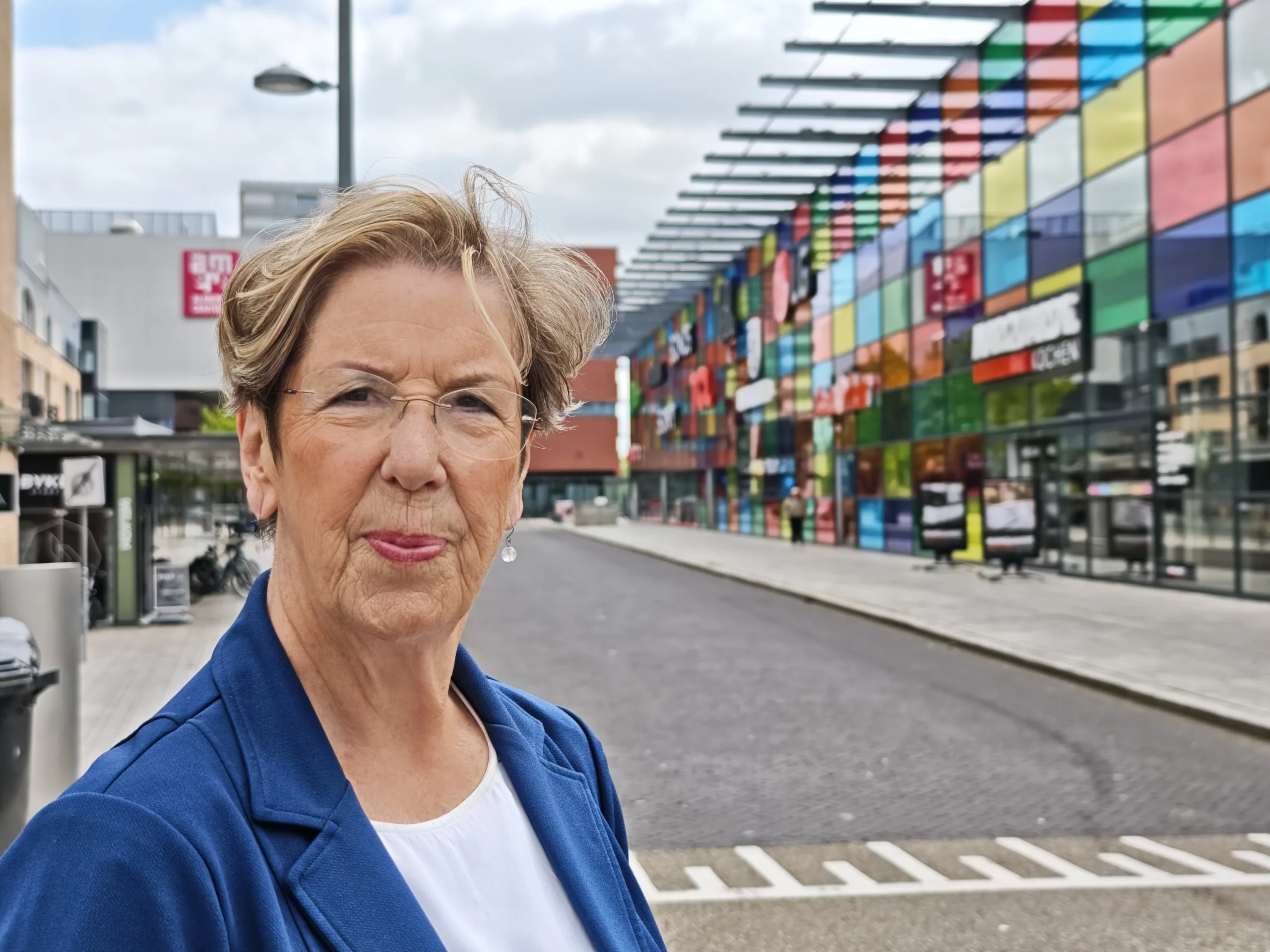
Anne Marie Jorritsma is a prominent figure in Dutch politics. She served as the Netherlands’ first female Deputy Prime Minister (1998-2022), later chaired her party’s group in the Senate, and spent many years as Mayor of Almere (2003-2015), a period she describes as “the most important” of her political career. Throughout her career, she was also the first female CEMR President (2013-2015).
In this interview, recorded in Almere, Jorritsma reflects on how the European Commission’s understanding of local and regional governments has evolved over the years. She also shares her views on the progress of gender equality in politics and explains why politicians at every level should never lose sight of the local level.
A stronger seat at Europe’s table
Asked about her major achievement during her period as CEMR’s President, Jorritsma does not point to a single decision or campaign. Instead, she highlights a shift in attitude: local and regional governments are now taken far more seriously by the European Commission than they once were.
In her view, it used to be only the Council and Member States who mattered in Brussels. That has changed. Today, she says, there is a growing recognition that European policy cannot work without the support of local and regional governments, since a town, city or region cannot survive without its national government, and a country cannot manage alone without Europe.
She sees the war in Ukraine as having sharpened that understanding further, pushing countries to recognise that they cannot face today’s challenges alone. Still, she notes with some regret that it so often takes a crisis to bring that lesson home.
Naming the gender gap, and closing it
Jorritsma was the first woman to hold the office of Deputy Prime Minister in the Netherlands, though she says she rarely thought of it in those terms at the time; she simply worked hard and tried to outperform the men around her. Looking at the wider picture today, she is candid that progress on gender equality in politics has stalled, and in some respects is slipping backwards. The Netherlands has still never had a female prime minister, and even in Europe, where a woman leads the European Commission, she points out that sexism has not disappeared.
She recalls one achievement with particular pride: as chair of her party’s group in the Senate, she reached a 50-50 balance between men and women. Once achieved, she says, people quickly assumed it was simply normal, but she warns that without continued effort, that balance can just as easily be lost again. It is a lesson she is determined to act on, by pushing her party to bring more young women into politics and into the education that prepares them for it.
The local level is where it all begins
For Jorritsma, local government is not a stepping stone to something more important; it is where the real work of democracy happens. Most citizens will never meet a government minister, she notes, but they will meet their mayor or visit their local council. It is at that level that people encounter their government directly.
What frustrates her is how many politicians, once they move to the national stage, forget the local level they came from. She hopes that in the years ahead, the influence of local government on national decision-making will grow stronger, building on the progress she believes has already been made, but which still has a long way to go.
Lessons from an international network
Reflecting on her years at CEMR, Jorritsma describes it as a source of constant learning. Every country does things differently, and sharing those experiences, and the practical tools other local leaders use, was, she says, one of the things she valued most.
She recalls a particular lesson from her time as Mayor of Almere: that leaders of large cities can learn a lot from the mayors of small towns, who tend to stay much closer to their inhabitants, going out to meet people rather than waiting for them to make an appointment. She made a point of doing the same, keeping her network among the city’s residents strong rather than retreating behind an office door.
Being Mayor of Almere, she says, was the most important part of her entire political career, and she hopes mayors across Europe come to feel the same way about their own local roots, and that national politicians learn to see it that way too.
*Jorritsma served as president of the Association of Netherlands Municipalities (Vereniging van Nederlandse Gemeenten) starting in January 2008 until June 2015, representing the interests of Dutch local governments during her tenure as Mayor of Almere.
For more information, contact:
Communications Officer (matternity leave cover)