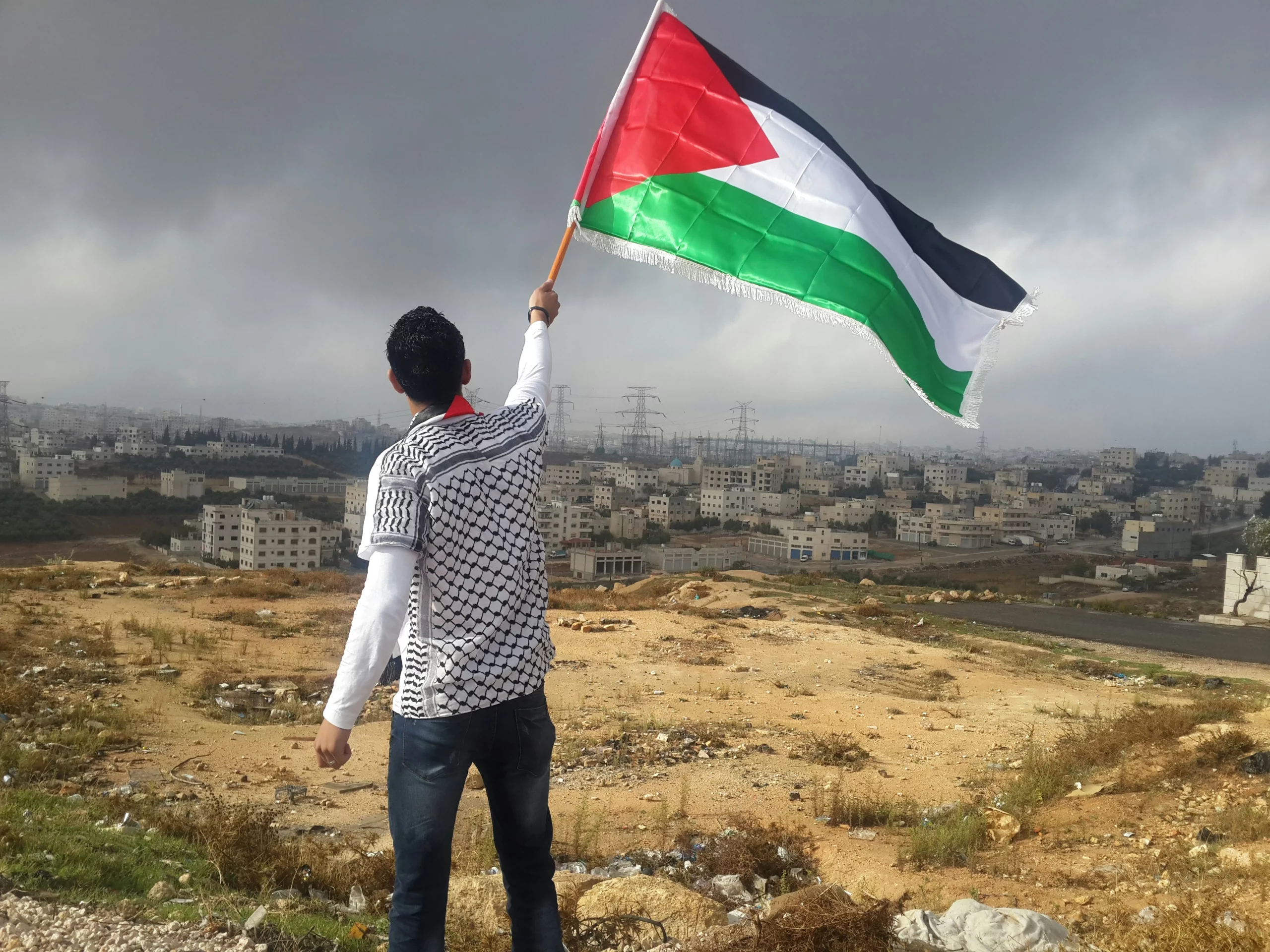
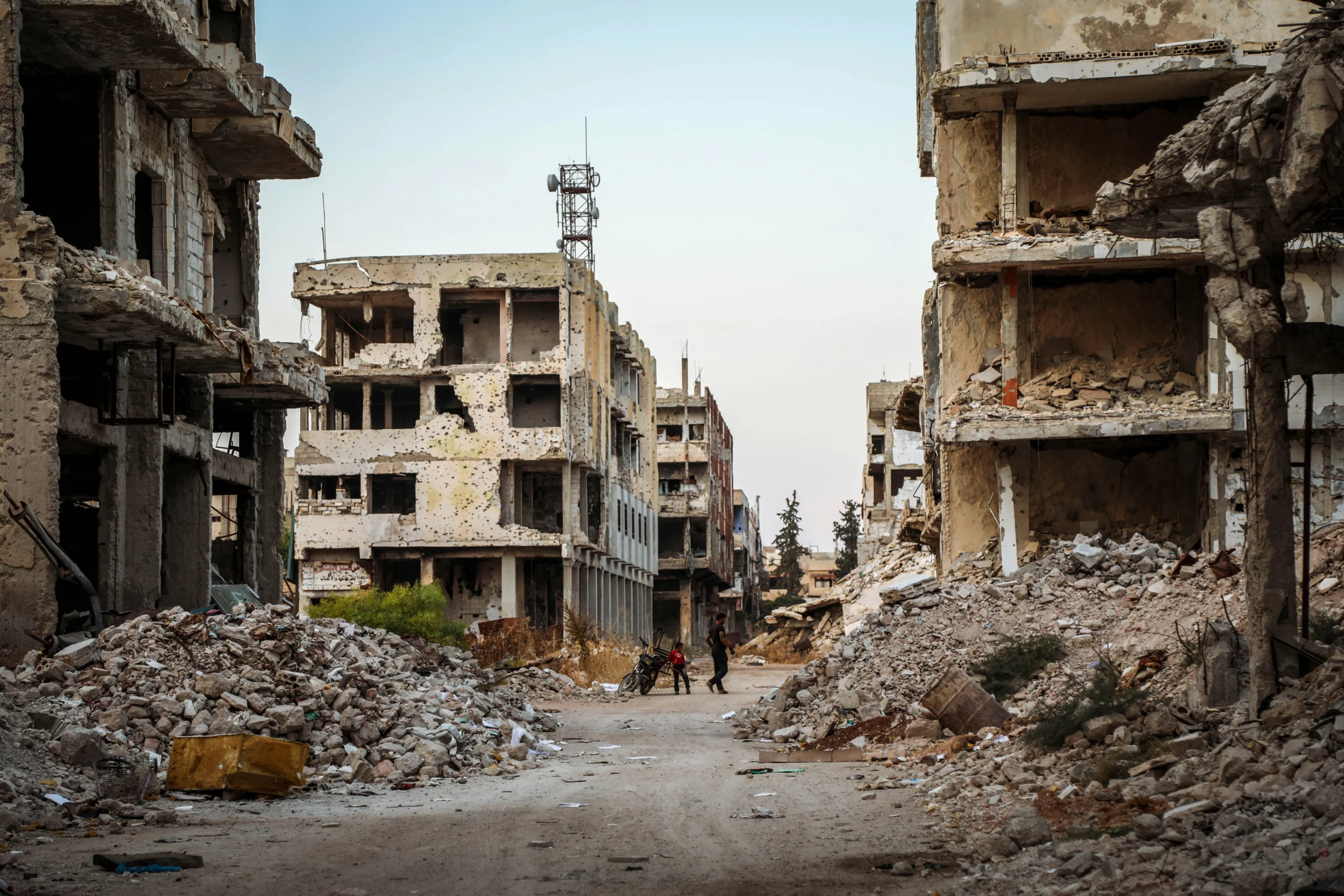
EUROPEAN SECTION’S STATEMENT ON THE CURRENT SITUATION IN ISRAEL AND PALESTINE
You can read the full declaration here.

Secretary General
Secretary General
You can read the full declaration here.

Secretary General
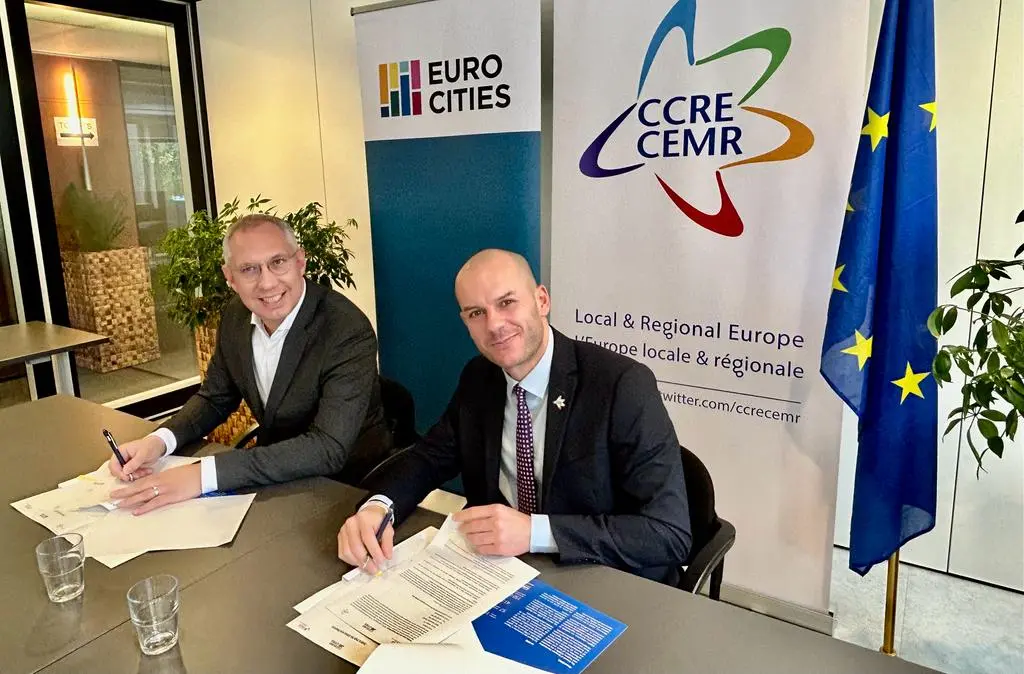
The Council of European Municipalities and Regions (CEMR), Eurocities, and UCLG World Secretariat are delighted to announce a groundbreaking HR collaboration, introducing the Talent Hub for Cities and Regions. This unparalleled partnership further establishes the three organizations as a World-leading hub for young professionals and practitioners in territorial diplomacy.
The Talent Hub for Cities and Regions is a pioneering initiative in human resources, focusing on three crucial objectives. First, conduct initiatives to attract new talent and nurture the next generation of leaders in the field of territorial diplomacy. Secondly, develop a pool of talents and knowledge via joint trainings, exchanges, and tailored mentoring. And finally, implement strategies to retain talent across all three organisations.
Fabrizio Rossi, Secretary General of CEMR, highlighted the essence of this collaboration: “Regrettably, the field of territorial diplomacy has not been able to attract and retain the talent it truly deserves. This is unfortunate because working as agents of European and international cooperation for local and regional governments and their organisations can offer immense career satisfaction while enabling us to forge a better future for our territories and communities. The Talent Hub for Cities and Regions takes a vital step in the right direction, aiming to attract and nurture the essential talents required to address the pressing challenges ahead of us.”
André Sobczak, Secretary General Eurocities, said: “We are striving to create new sense-making career paths for young professionals and build new standards for the market, in collaboration with public authorities, universities and research centres seeking to contribute to this field. Through this unprecedented cooperation, we are laying the foundation for the largest job market in the field of local and regional diplomacy. The new Talent Hub will inspire a new generation of leaders and practitioners in the field of territorial diplomacy and support those who wish to make a career in this field.”
Secretary General of the UCLG World Secretariat, Emilia Saiz, said:
“Through combining their unique strengths and specialised knowledge, CEMR, Eurocities, and UCLG World Secretariat aim to greatly improve the landscape of territorial diplomacy. The creation of the Talent Hub for Cities and Regions stands as a concrete expression of their shared commitment to cultivating a dynamic community of experts and propelling the field to new heights.”
For media inquiries:
CEMR
Fiorella Lavorgna
Communication Officer
email: fiorella.lavorgna@ccre-cemr.org
Tel: +32 25000535
Eurocities
Andrew Kennedy
Communications Advisor
email: Andrew.kennedy@eurocities.eu
Tel: +32 470650173
UCLG World Secretariat
Xavi Castellanos
Statutory Officer
email: communication@uclg.org


Secretary General
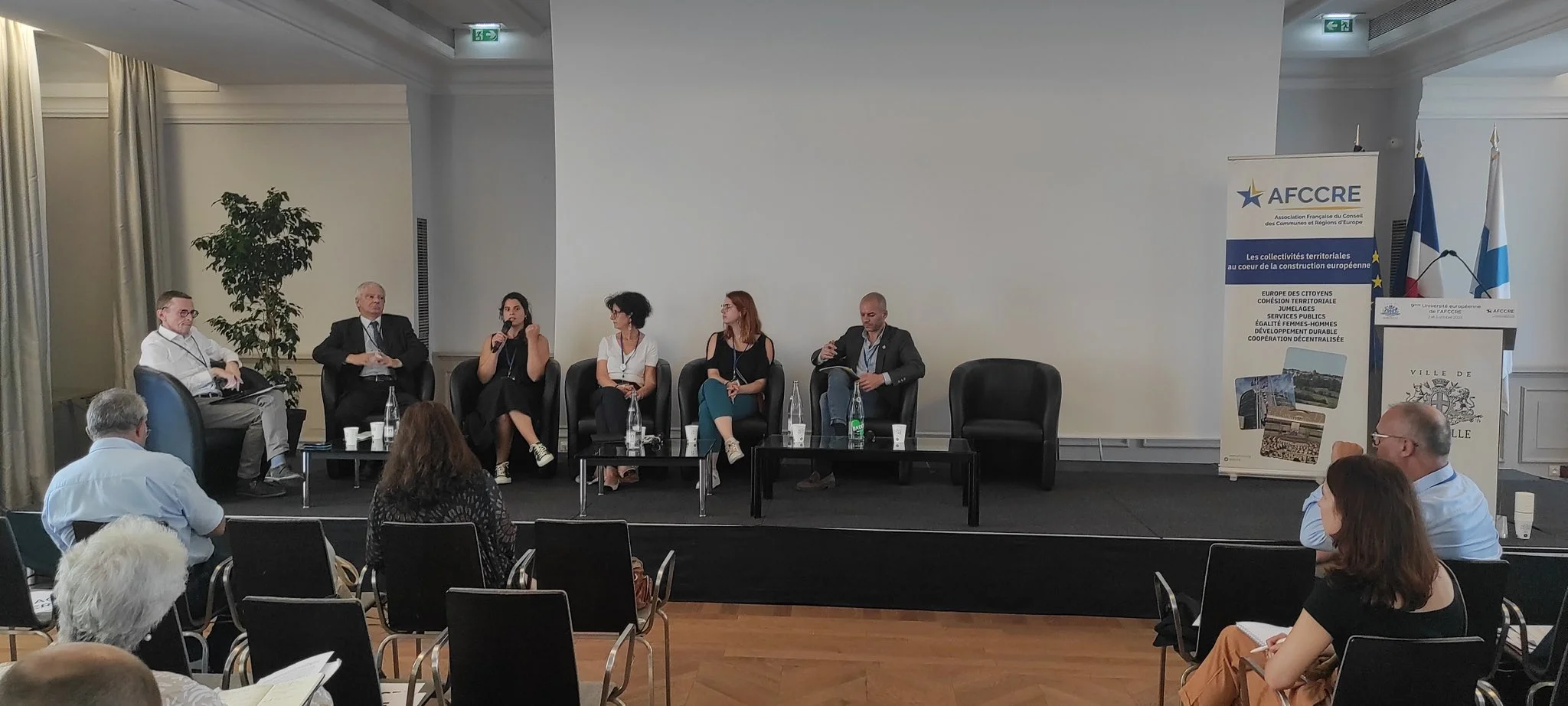
Fabrizio Rossi, Secretary General of the Council of European Municipalities and Regions (CEMR), delivered a keynote speech in Marseille during an event organised by the Université européenne de l’AFCCRE. The gathering aimed to explore the critical role of regional and local partnerships in the context of the European Union’s enlargement.
The event comes at a pivotal moment in the EU’s history, stressing the importance of examining the active involvement of regional and local entities, which play a crucial role in fostering collaboration, sharing expertise, and shaping policies that resonate with the diverse needs of communities.
In his address, Rossi highlighted the indispensable role that regional and local partnerships play in shaping the European Union’s future. He emphasised that involving these entities in policy-making and collaboration is crucial for creating policies that truly understand and address the distinct requirements of different communities.
Fabrizio Rossi summed up the sentiment, stating, “Local and regional authorities are the backbone of our societies. Their active engagement is vital for a successful and cohesive European Union. Let us join hands and work towards a stronger, more unified Europe, where the voices of local and regional entities are at the forefront of policy-making and progress.”
The Secretary expressed warm appreciation towards the Association Française du Conseil des Communes et Régions d’Europe (AFCCRE) for arranging the event and lauded their steadfast dedication to fostering dialogue and understanding regarding EU enlargement. The event acts as a platform for stakeholders to collaborate and contribute to a stronger, more unified Europe where local and regional perspectives hold significant value and are integrated.

Secretary General
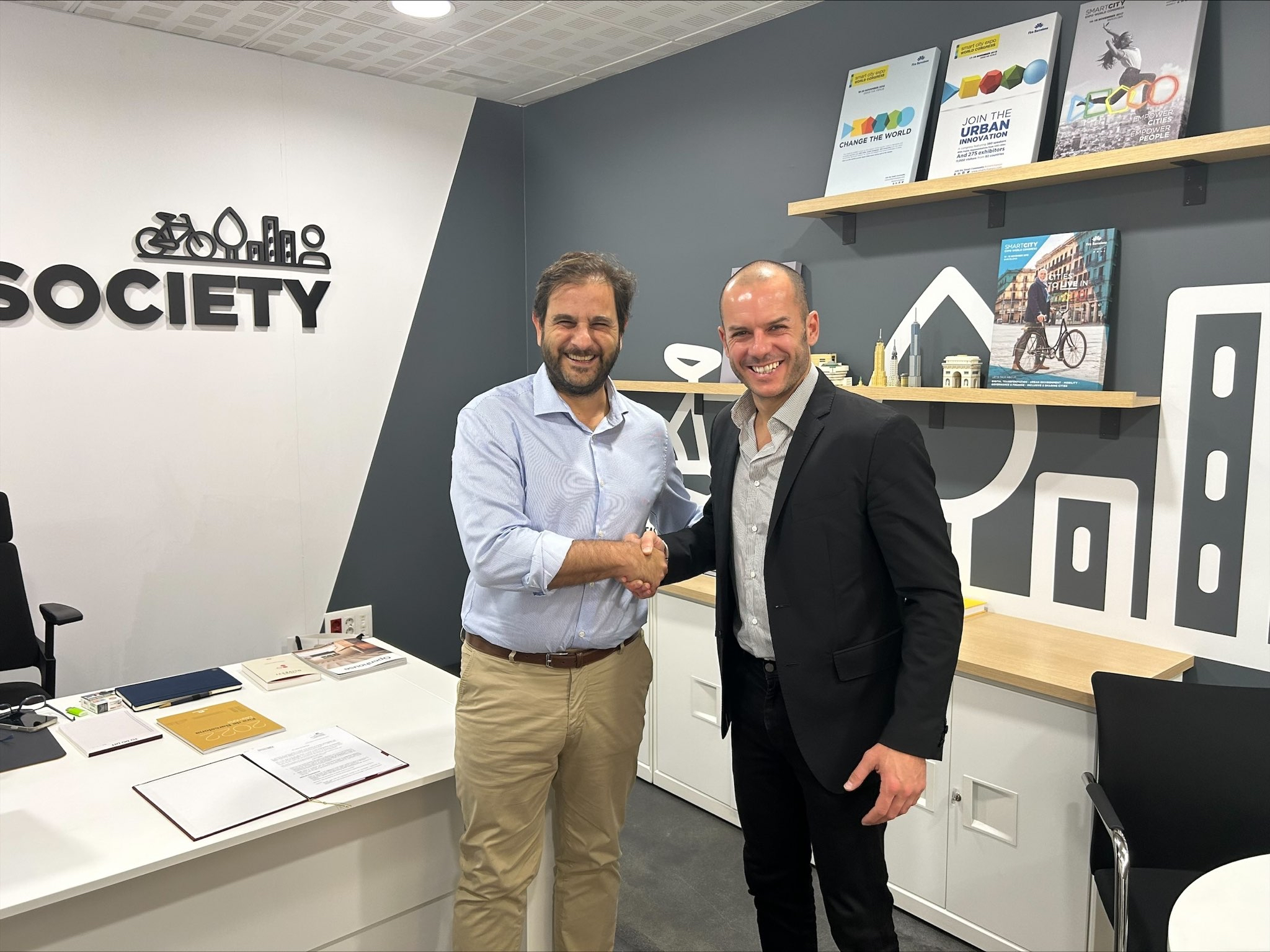
The Council of European Municipalities and Regions (CEMR) has signed a partnership agreement with DevelopmentAid, at a time when CEMR is working to make sustainable innovation accessible to local and regional governments.
DevelopmentAid is an innovative membership organisation founded in 2007. It provides essential information to donors, agencies, consultancies, non-governmental organisations, and individuals working in the international development sector. With a network of 500,000 aid stakeholders, the organisation aims to bring together the international development community.
Under the terms of the agreement, CEMR members will benefit from a number of services, including free access to the Calls4Partners Service and the DevelopmentAid Job Board.
CEMR will soon provide its members with information on how to access the DevelopmentAid platform and take advantage of the partnership benefits.

Secretary General
Are you currently enrolled in a university programme?
Are you interested in EU policy issues?
Are you ready to learn a lot about European regions and municipalities?
Then an internship at CEMR might be what you are looking for!
CEMR is currently looking to recruit interns as follows:
While policy interns will work across various topics, candidates are invited to indicate their areas of interest among the thematic areas described below.
Find more information on the internships and how to apply here. Deadline for applications is 30 June 2023.

Secretary General
The Council of European Municipalities and Regions is #hiring!
An exciting opportunity has arisen for a driven and creative Digital Communications Officer, passionate for digital content with a good understanding of digital technologies. We would like someone ambitious who can be a champion for our upcoming campaigns, and with a deep insight of the Pan-European media landscape and its trends.
We are offering a 6-month contract with a possibility of renewal.

Secretary General
CEMR is looking for an external expert external expertise to develop and implement an innovative HR initiative alongside EUROCITIES and United Cities and Local Governments (UCLG).
Deadline to apply: 20 March 2023
For more information, have a look at our call for tender.

Secretary General
With the devastating earthquake striking Turkey and Syria, the CEMR President and Secretary General addressed a letter to the President of the Union of Municipalities of Turkey (TBB), Fatma Sahin, and its Secretary General, Hayri Baraçli.
The quake struck at 4 am local time at a depth of about 18 km near the Turkish city of Gaziantep, whose mayor is Fatma Sahin, also Vice-President of the CEMR.
The co-signed document states: “It was with emotion that we learned the terrible news of the earthquake at the Turkish-Syrian border today. On behalf of CEMR and its members, we wish to express our support to your association at this difficult time. We share our deepest condolences with the families of the victims and with the Turkish people for the loss of their loved ones.”
CEMR and its member associations will continue to closely monitor the situation and are ready to provide support and assistance to the Union of Municipalities of Turkey (TBB).

Secretary General
The world, and Europe in particular, are being wracked by multiple crises. We have all been affected by the pandemic, climate change, and, now, a deepening energy crisis. As serious as these events are, we already know that more great transformations are on the way this century.
The sheer scale of transformations is daunting: extreme weather events, the energy transition, demographic change and artificial intelligence will all impact our societies in profound ways in the years to come.
Anticipating and responding to such changes requires both effective foresight and the contribution of all levels of government. That’s why, on the occasion of CEMR’s annual retreat, CEMR and the European Parliamentary Research Service (EPRS) held a joint event on Monday (26 September) drawing attention to future shocks and have signed an agreement to formalise and intensify their collaboration.
A century of crisis and transformation
Local, regional and European elected officials gathered in the European Parliament in Brussels to discuss how local and regional governments can anticipate and respond to future shocks. The EPRS presented their “Future Shocks 2022” study outlining the diverse set of risks Europe faces as well as possible policy responses.
The participants emphasised the multiplicity of current crises and upcoming changes: the pandemic, climate change, democratic alienation and populism, demographic changes, war and the resulting refugee waves and energy crisis.
These crises are heightening inequalities and poverty, and leading to a degree of uncertainty unheard of since the Second World War. “Uncertainty is impeding human development across the globe” said CEMR Secretary General Fabrizio Rossi. “For the first time ever, the Global Human Development Index has declined for two years in a row. This means people face falling standards of living and worse quality of life in many countries.”
Younous Omarjee, a French MEP and the chair of the Committee on Regional Development (REGI), emphasised that, in addition to today’s crises, tremendous transformational changes were already underway and would continue to be amplified this century.
These include the ongoing mass extinction event of the Anthropocene, a “demographic revolution” with Europe’s population stagnation and the growth of Africa to 4 billion people by 2100, worsening natural disasters, the rise of “emerged powers” like China and the ongoing technological revolution of digitalisation and AI.
Global crises, local impact
Local leaders from France, Georgia and Malta outlined what these crises mean in their communities. Karine Gloanec Maurin, regional councillor for Centre-Val de Loire in France, hailed the swift provision of European cohesion funds to help local governments tackle the COVID crisis. The EU had been much swifter to respond than in previous crises.
Francine Farrugia, local councillor for Siggiewi Municipality in Malta, stressed that these crises are already being experienced by ordinary people and cannot be solved without their participation. Maltese are already facing rising temperatures and are contributing to mitigating climate change by reducing car usage (promoted notably through car-free days) and diversifying the country’s energy mix.
Farrugia emphasised local governments’ crucial pedagogic role. “It is important to educate people on what the challenges are, what the issues are and how we can solve them on a day-to-day basis”, she said.
Magda Kostova, a member of Kutaisi City Council in Georgia, highlighted the challenges faced by her city, one of the oldest in the world, having been founded over 2500 years ago. These challenges include the threat of Russia – Georgia having only freed itself from Soviet occupation three decades ago – and a high level of emigration, especially of educated youth to the capital Tbilisi and the West. In tackling these diverse challenges, Kostova stressed that Georgia’s future lies in the European Union and its values.
Combining EU research and local knowledge
In anticipating and reacting to this century’s profound crises and transformations, it is crucial that policymakers be informed by accurate and relevant research. That is why CEMR and EPRS signed on Tuesday a Memorandum of Understanding to intensify their cooperation.
“I am very pleased with the good cooperation that has developed these past years between EPRS and CEMR, and which is now being formalised and strengthened for the years to come” said EPRS Acting Director General Étienne Bassot.
Our organisations will regularly exchange policy priorities and their ongoing work and events, as well as participate in events of mutual interest. In particular, CEMR will provide information, based on local governments’ knowledge and experience, for EPRS’ research and share relevant parliamentary studies with local and regional government associations.

Secretary General
The CEMR is very pleased to welcome Fabrizio Rossi as its new Secretary General. Elected on 20 January 2022 by CEMR’s Policy Committee, Mr Rossi takes over from Frédéric Vallier. Speaking of his new position, Mr Rossi said: “I want to make a contribution to addressing the main challenges humankind is currently facing by working hand in hand with territories and local communities in Europe and across the world.”
As Secretary General, Mr Rossi will work on the whole range of issues faced by local governments and their citizens. “The challenges are great and plenty – building local solutions to current and future crises, promoting peace and security, decarbonising European territories and societies, reducing social inequality and many others”, he said.
A career in service of local governments and sustainability
Born and raised in Italy, Mr Rossi graduated with a bachelor’s degree in political science from the University of Cagliari, his hometown, and completed his education in Spain with a master’s degree in European and international cooperation from the Autonomous University of Barcelona.
Mr Rossi has worked with local and regional governments across Europe throughout his career. After his studies, he became an EU affairs advisor for the Regional Parliament of Sardinia. A year later, working for the Barcelona Provincial Council, Mr Rossi took the leadership of Partenalia, a European association representing provincial authorities.
Besides his work with local governments, Mr Rossi has been a social entrepreneur active in environmental issues such as forest restoration and climate change. He founded a start-up focused on reforestation projects in Madagascar which later expanded to Bolivia.
Before joining CEMR, Mr Rossi was an Innovation Orchestrator and Head of Programmes for the Land Use Area in Climate-KIC, the main climate innovation initiative of the European Union. Prior to that, he worked for INTERACT, an EU-funded project facilitating cross-border cooperation across Europe.
Supporting Ukrainians in the face of Russia’s war
Mr Rossi’s term of office began in tragic circumstances with the launch of Russia’s war against Ukraine. One of his first decisions was to set up a taskforce with CEMR members to exchange and coordinate on how to best support Ukraine.
The taskforce is working on issues such as financial and logistical support to Ukrainian municipalities, the hosting of refugee and EU sanctions and the consequences for procurement and cooperation with Russian municipalities.
“In the face of this horrifying situation, we are prouder than ever of the work we have implemented so far together with our friends in Ukraine”, Mr. Rossi said. “Cooperation will not stop and we are getting ready to build new bridges to support the Ukrainian people.”

Secretary General