CEMR Secretariat

CEMR New Presidency - News 2022

CEMR secretary general Frédéric Vallier ends his mandate


On 31 January 2022, Frédéric Vallier ended his second mandate as secretary general of the Council of European Municipalities and Regions (CEMR). In a letter addressed to the CEMR members, partners, friends and colleagues, he looks back on 12 years at the service of local and regional governments in Europe.

“After two mandates serving local and regional governments and their associations, it is now time to say good bye, it has been an honour to serve CEMR for those last 12 years. I would like to thank all of you for the confidence you gave me along all these years.

I leave with the feeling of that I did the job, bringing CEMR secretariat from 20 to close to 40 collaborators, strengthening its finances, placing it at the centre of representation of Local and Regional Governments in Europe while giving space to partnerships with allies, other networks of local and regional governments in Europe and the World, the institutions, academics and civil society organisations.

I would like to thank my colleagues and former colleagues who supported me all along these years, the “dream team” from the secretariat for the work done, I have tried to be a fair manager, giving each staff member the possibility to develop their ideas and projects in the best manner, sometime pushing them to the maximum to give their best, launching new ideas that came up in one of my troubled nights. I would like also to thank all the colleagues from member associations for their support and understanding, it was not always easy but I enjoyed the discussions and debates to find sound compromises respecting the diversity we represent.

CEMR is a family, and like in every family, we have debates and discussions with good shared moments and sometimes also more difficult times. It has been the main part of my life those past 12 years.

Along these years, we have built a strong organisation, recognised by the European and International institutions, thanks to our mobilisation for Sustainable development, Cohesion, the fight against Climate change, International cooperation to name a few of the issues where our action had a meaningful impact to support the building of a fairer Europe.

Equality has been a driver for me, and I am particularly proud that we made this organisation the first one to apply equality of women and men in its statutory bodies, there are still progress to be made obviously but I think we contributed greatly in promoting equality and diversity in both our political leadership and our secretariat.

I would like to thank our partners with whom we have reinforced the role of local and regional governments in the governance of Europe and at global level: our sister organisations, UCLG and all the regional sections, NALAS, but also the AER, ABRE, CPMR and Eurocities with whom we have built meaningful coalitions; Climate Alliance, Energy cities, Fedarene, Iclei Europe, our partners on the European and Global Covenant of Mayors, Climate Chance and Iclei World with whom we have ensured the representation of LRGs in International Climate fora; our 30 partners from Platforma including the AIMF, CLGF, UCLG, UCLGA who share with us the priviledge to be strategic partners of the European Development Policy, the successive teams of Devco and Intpa who helped us strengthening this strategic partnership; the Members of the European Parliament, in particular the Chairs and members of the AGRI, BUDG, DEVE, ENVI, FEMM, LIBE, REGI Committees; Jan Olbrycht and the members of the Urban Intergroup; the European Movement International where we bring the voice of LRGs and who brings the voices of citizens in our meetings and work; our institutional partners, the Congress of Local and Regional governments and the Committee of the Regions; the OECD, UN Habitat and other UN agencies; OLA with whom we have published so many studies and research. And all the others I might have forgotten in this long list…

I would like to pay tribute to the elected representatives who give their time and energy voluntarily to the organisation, in particular the Presidents who have been subjected to my sometime iconoclastic ideas and my repeated requests for representation in this or that meeting: Michael Häupl, Wolfgang Schuster, Annemarie Jorritsma, Inigo de la Serna and Stefano Bonaccini.

I would like to say a special word to my French friends, I want to thank them for their support, in good times as well as in difficult ones.

I leave with a sense of achievement, even if I would have liked to continue, that is no secret, but I take note of the Presidency’s decision and I wish good luck to the new Secretary general, Fabrizio Rossi.

CEMR’s richness lies in its ability to bring together the whole family of local and regional governments, whatever their size, their functions and the status of their country in Europe. I have always regarded national associations with the same respect, there are no small associations in CEMR, there are only members united together to defend democracy and local and regional self-government. There are no members of the European Union and the others because WE are Europe, a Europe united beyond our differences, a Europe made of exchanges, friendships and common battles.

Finally, I wish to thank all those who sent me messages and presents in the last few days, they have warmed my heart!

I wish CEMR the best of luck, we will meet again one day soon because I will not stop carrying the values that are ours.

Thank you all and good luck!”

Frédéric Vallier

Presenting CEMR

CEMR - News Section

Hot off the Press: “Empowering Local and Regional Europe since 1951”


We are pleased to announce the release of CEMR’s new presentation brochure: “Empowering Local and Regional Europe since 1951”.

This richly-illustrated publication provides a bird’s eye view of CEMR and its work on behalf of Europe’s municipalities, counties and regions. It also takes stock of what has been achieved since its creation in 1951 and draws the lessons of decades of work. The document, available in English and French, features numerous charts, a map and a historical timeline.

“If this publication makes one thing clear”, explains CEMR President Stefano Bonnacini“it is the crucial role of Europe’s complex patchwork of municipalities, counties and regions in so many aspects of life. Behind the words that jump out – basic services, climate change, international development, COVID – there is a human reality: local and regional elected officials and civil servants, working every day for their citizens in an ever-growing sphere of areas.

In particular, you will discover inside:

  • The men and women, elected mayors and local/regional leaders from across Europe, who make up our leadership
  • CEMR’s membership and the diverse territorial organisation of different European countries
  • CEMR’s democratic values, internal organisation and way of working
  • Our thematic work, projects and partners under the headings People, Places, Planet and Partnership
  • CEMR’s rich history since our founding in 1951: from the contribution of town twinning and local autonomy-building in postwar Europe to our expanding work on territorial development, gender equality and environment
  • How to keep in touch with us through our many communications channels tailored to diverse audiences

In memoriam

In memoriam - News

The passing away of David Sassoli leaves a “terrible void” in Europe


It is with great sadness that we have learned of the passing away of David Sassoli, president of the European Parliament, at the age of 65.

David Sassoli was first a journalist, and then an excellent politician and a man of the institutions, but he was above all an outstanding human being acting with commitment and passion for a Europe of and for the people, rights and openness”, said Stefano Bonaccini, president of CEMR and of the Emilia-Romagna Region. “His death leaves a terrible void in both national and international politics.

In addition to his deep European commitment and strong support for territorial development, PresidentSassoli will be remembered as the man who steered the Parliament through the worst of the COVID crisis, enabling MEPs to work effectively against and despite the pandemic”, said CEMR Secretary General Frédéric Vallier. “In the name of Europe’s municipalities and regions, CEMRexpresses its condolences to his family, friends and his colleagues in the European Parliament.

After a three-decade career as an Italian journalist, starting out in newspapers then moving to television and becoming a nationally known anchor, David Sassoli became a member of the European Parliament in 2009 as part of the centre-left Progressive Alliance of Socialists and Democrats group. Ten years later, he was elected President of the European legislative body.

Sassoli’s mandate was coming to an end this January. MEPs are expected to hold the first round of voting for his successor on Tuesday next week in Strasbourg.

Empowering local Europe since 1951  

Democracy, diversity, and sustainability at the heart of CEMR 


Since its founding in 1951, the Council of European Municipalities and Regions (CEMR) has worked to promote a peaceful, democratic, and united Europe. Rooted in local self-government and citizen participation, CEMR brings together municipalities, counties, and regions across 41 countries, giving local democracy a strong voice at European and international levels. 

Our Values 

CEMR stands on three core pillars: 

  • Local democracy: Protecting municipal autonomy, human rights, and the rule of law. 
  • Sustainability: Guiding action through the United Nations’ Global Goals. 
  • Diversity: Promoting gender balance, inclusiveness, and respect for differences. 

With a team of 40 professionals in Brussels, representing a dozen nationalities and speaking 15 languages, CEMR embodies the European mosaic it serves. 

A History of Local Leadership 

CEMR was born in 1951 when 56 mayors from six countries gathered in Geneva to lay the foundations of a united Europe from the bottom up. Their early efforts focused on town twinning, fostering reconciliation through exchanges and cultural ties. Today, with some 20,000 twinnings across Europe, this remains the continent’s most widespread form of cooperation. 

CEMR also pioneered the push for local autonomy, adopting the European Charter of Municipal Liberties in 1953, which later inspired the Council of Europe’s European Charter of Local Self-Government. 

In 1984, CEMR officially added “Regions” to its name, reflecting its advocacy for decentralisation and the growing importance of regional governance. 

What We Do Today 

CEMR’s mission is organised around four “Ps”: People, Places, Planet, and Partnerships

  • Advocacy: Representing local and regional interests to the EU, the Council of Europe, OECD, and the United Nations. CEMR works to ensure that 70% of EU laws affecting municipalities and regions take account of local realities. 
  • Knowledge: Sharing expertise and producing ground-breaking studies on local democracy, equality, climate action, migration, and finance. 
  • Partnerships: Leading externally funded projects on sustainable development, integration, climate, and democracy, including initiatives such as PLATFORMA, IncluCities, and the Covenant of Mayors. 
  • Communication: Reaching citizens, members, and global partners through campaigns, media work, and digital platforms. 

Looking Ahead 

Marking its 70th anniversary in 2021, CEMR reflected on past achievements while preparing for future challenges. In an age of polarisation, climate change, and digital transformation, the organisation continues to champion local democracy as the bedrock of peace and progress. 

As former CEMR President Valéry Giscard d’Estaing once urged Europe’s young people: “Today, power is there for the taking! It is the power to act, to bring on the future and to organise it.” 

Read the study here 

For more information, contact: 

Afghanistan

Afghanistan - News

CEMR expresses solidarity with the people of Afghanistan


The Council of European Municipalities and Regions expresses its major concern regarding the situation in Afghanistan and wishes to express solidarity with the people of Afghanistan.

Echoing the statement of Silvia Baraldi, CEMR spokesperson for Gender Equality, we call for the respect of human rights for all Afghan people and in particular for those whose lives and wellbeing are being jeopardised by the Taliban takeover.  

We support the UCLG statement for human rights to be preserved in Afghanistan, and we ask the international community to take all the necessary measures to protect those who are in need.

CEMR – 70 years

Brussels - Image

Celebrating 70 years of local and regional Europe


500 mayors, regional and local leaders, and EU officials from 50 countries are gathering on 28 January 2021 to celebrate the 70th anniversary of the Council of European Municipalities and Regions (CEMR). 

The attendants – including the Mayors of Paris, Lisbon and Gdansk, the EU commissioner for environment, MEPs and many more – will also reflect on the role of local and regional governments in the transformative decades to come.

Today, the Council of European Municipalities and Regions looks back on a proud history representing and federating local and regional Europe”, said Stefano Bonaccini, President of CEMR and of the Emilia-Romagna Region. 

From the first steps promoting town twinning and local democracy to later work on territorial development and regional representation at EU level, CEMR and our member associations have time and again been trendsetters for Europe”, added President Bonaccini. “In our current context, marked by the pandemic, climate change and other major challenges, municipalities and regions are again playing a critical role.

We have steadily expanded in every respect over the years”, said CEMR Secretary General Frédéric Vallier. “CEMR has grown to embrace 60 associations covering 41 countries, making it by far Europe’s broadest local government organisation.

Vallier added: “So too we have increased our areas of action, to include issues such as rights, gender equality, territorial development, public services, international cooperation and climate change, thanks to our highly professional and devoted staff and members. That is why we can look to the future with confidence: local and regional Europe is ready for the great changes of this momentous century!

A few of CEMR’s achievements

• Defence of local democracy and self-governance: The adoption of the European Charter of Municipal Liberties in Versailles in October 1953 affirmed the conditions for municipalities’ genuine administrative and financial self-government. The text notably served as a basis for the European Charter of Local Self-Government, which has been ratified by all 47 states of the Council of Europe.

• The recognition of local and regional governments as an integral part of Europe’s model of governance, notably with the creation of EU Committee of the Regions and the Council of Europe’s Congress of Local and Regional Authorities.

• Launch of the European Charter for Equality of Women and Men in Local Life in 2006: this political document aims to secure firm commitments from towns and regions to take concrete measures to promote gender equality in their territories. Over 1,850 signatories have thus committed to taking action.

• Participating in the creation and operation of the Covenant of Mayors for Climate and Energy in 2008: the Covenant’s signatory territories commit to reducing CO2 emissions by at least 40% by 2030 and to increase the use of renewable energy.

• Creation of PLATFORMA, the network of 34 local and regional governments and their associations engaged in international development, working on further growing the practice of decentralised cooperation.

CEMR in mourning

Valéry Giscard d’Estaing - News 2020

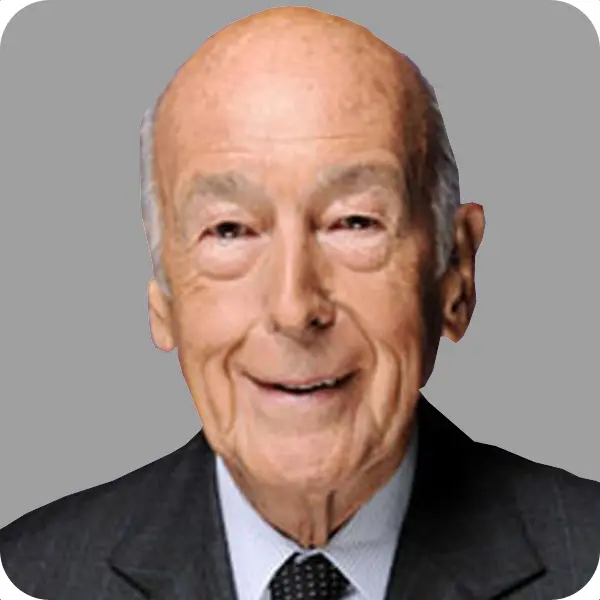
CEMR pays tribute to Valéry Giscard d’Estaing


CEMR pays tribute to Valéry Giscard d’Estaing, key architect of the European project and strong advocate for local democracy.

“Valéry Giscard d’Estaing’s presidency of the Council of European Municipalities and Regions was marked by his commitment to fight for the recognition of local and regional governments as integral parts of governance. We owe him article 4(2) of the Lisbon Treaty protecting local self-government, which he had inserted into the draft constitution while he served as president of the Convention on the Future of Europe.”

Stefano Bonaccini, President of CEMR and of the Emilia-Romagna Region
Frédéric Vallier, CEMR Secretary General

Statement on COVID-19

COVID Statement - News 2020

Stefano Bonaccini: Strong local and regional governments are crucial to tackling COVID-19


This op-ed by CEMR President Stefano Bonaccini was first published by EUobserver.


The COVID-19 pandemic is an unprecedented situation for virtually all of Europe’s citizens, territories and Union. So far, over a million Europeans have been infected and 100,000 have died from this disease. These grim figures can only increase in the coming weeks and months. All of our lives have been affected in one way or another.

As President of the Italian Region of Emilia-Romagna and of the Council of European Municipalities and Regions, I have witnessed first-hand the efforts and sacrifices of our doctors, nurses, police officers, waste collectors, civil servants, volunteers and countless others in the struggle to protect our citizens from the virus and continue to serve their community.

As is often the case during crises, municipalities and regions are on the frontlines against this pandemic. They continue to provide essential services all the while doing their utmost to limit the risk of further infection. Simultaneously, local governments face huge shortfalls in revenue due to the collapse in business activity and general economic slowdown, as well as the closure of theatres, museums and sports facilities. In Italy alone, cities face a shortfall in revenue estimated around €3 billion.

At a time when solidarity was needed, European States’ initial response was dismaying. Nationalistic reflexes reappeared in many countries, with export embargoes on certain medical products and even expressions of xenophobia. All EU countries and levels of government must now work together to fight this virus, which respects neither borders nor nationalities and restore our continent’s well-being.

We have been happy to see the swift mobilisation of resources by the European institutions. More will have to be done however to overcome this crisis and be better prepared for the next one. The Council of European Municipalities and Regions and its members are committed to a strong and united Europe, based on joint action, shared values, and solidarity.

Though EU Cohesion Policy is not designed to respond to emergency situations, it will in this crisis show its usefulness as a concrete expression of European solidarity. The European Commission’s new Coronavirus Response Investment Initiative (CRII), allocating unspent cohesion funds to help municipalities and regions to handle the crisis, will provide much-needed support.

It is true that the new financial assistance will not be sufficient and will even be marginal compared to the large-scale national support schemes that are being prepared in the Member States. Beyond the emergency response, CEMR urges the Commission to consider extraordinary measures for 2021 to ensure continuity of response to the economic and social challenges that are only beginning to emerge.

More generally, we call on the European Commission to work with us and Member States to include the national associations of local and regional governments in their immediate and long-term working groups responding to coronavirus.

Why? Because, our expertise, knowledge of territorial realities and continuous contact with local and regional officials can be of invaluable assistance. In all affected countries, and in particular among the worst-hit as I can bear witness in my own country of Italy, we have seen that a coordinated response and dialogue between cities, regions and national governments are crucial.

As we enter a new phase of gradually withdrawing restriction measures, municipalities and regions will continue to have a crucial role. As the European Commission observed in its recent coronavirus exit strategy roadmap: “The lifting of measures should start with those with a local impact and be gradually extended to measures with a broader geographic coverage”. Close collaboration with local and regional governments will be essential in safely executing this great task.

The ordeal of COVID-19 must lead us to reflect on our policies and stimulate us to prepare for the future. Addressing the immediate crisis should not make us overlook the need to invest in the future-oriented sectors necessary for a prosperous and sustainable future. The European Green Deal and the European Digital Strategy are steps in the right direction and others should follow.

This crisis shows yet again the need for strong international coordination and resilient territories. As such, Europe should continue to promote worldwide both vertical and horizontal cooperation between all levels of government, as well as the achievement of the Sustainable Development Goals.

It is often said that the European Union takes the necessary steps when it is challenged by a crisis. If this is true, we should not remain passive in this ongoing tragedy, but make the most to prepare for a healthier and safer tomorrow. It is not too late to unite and to build a sustainable future based on solidarity.
Europe’s municipalities and regions are ready to play their part.

Europe 2030 – local leaders speak out

Europe 2030 - News

Local and regional leaders call for a renewed European model, rooted in unity, democracy, and empowered territories


Europe has always been a bold political project. Born from the ashes of two World Wars, it was built on the conviction that lasting peace and prosperity can only be achieved together. From the beginning, local and regional leaders played a decisive role: mayors and municipalities spearheaded cooperation across borders and called for stronger local democracy through the European Charter for Local Liberties.

Today, facing crises from climate change to migration, from social tensions to war at its borders, Europe once again needs its local pioneers. In 2016, CEMR launched a visionary initiative inviting leaders, citizens, and young people to share their vision of Europe in 2030. The results were clear: citizens want a more cohesive, democratic, and responsive Europe, one that listens and acts closer to their daily lives.

The vision for 2030 is ambitious: empower local and regional governments with greater resources, strengthen cooperation between all levels of governance, and ensure that policies remain people-centered. Local governments already provide over 60% of public investment in the EU, showing that they are key drivers of innovation, social support, and sustainable development.

Contributors stress that decentralisation is essential to building trust in democracy. Nation-states should act as regulators and guarantors of equality, regions should drive economic growth, and towns should remain the heart of community life. At the same time, Europe must stay united in diversity, serving as the guardian of territorial cohesion, welfare, and collective security.

By 2030, Europe will be more global and more urban. Local and regional governments must therefore take a stronger role in international cooperation, through city diplomacy, twinning, knowledge-sharing, and decentralised cooperation, to tackle challenges like climate change and sustainable development.

The message is simple but powerful: to change the world, we must think and act locally while standing united as Europeans. A renewed European model, decentralised, democratic, and open to the world, is the key to regaining citizens’ trust and securing a brighter future.

Read the study here 

For more information, contact: