European Partnership Hub launch

Ukraine Recovery Conference - News 2025

CEMR launched the European Partnership Hub to strengthen inter-municipal cooperation between Ukraine and the EU


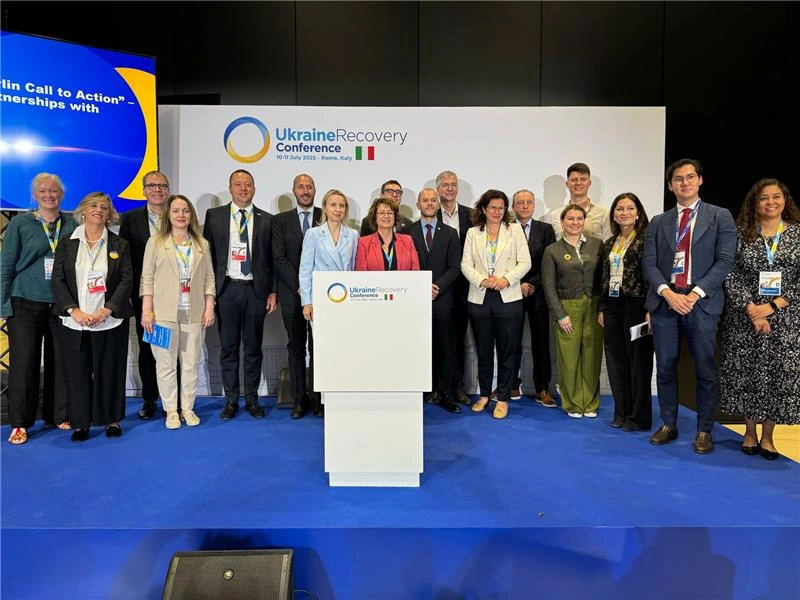
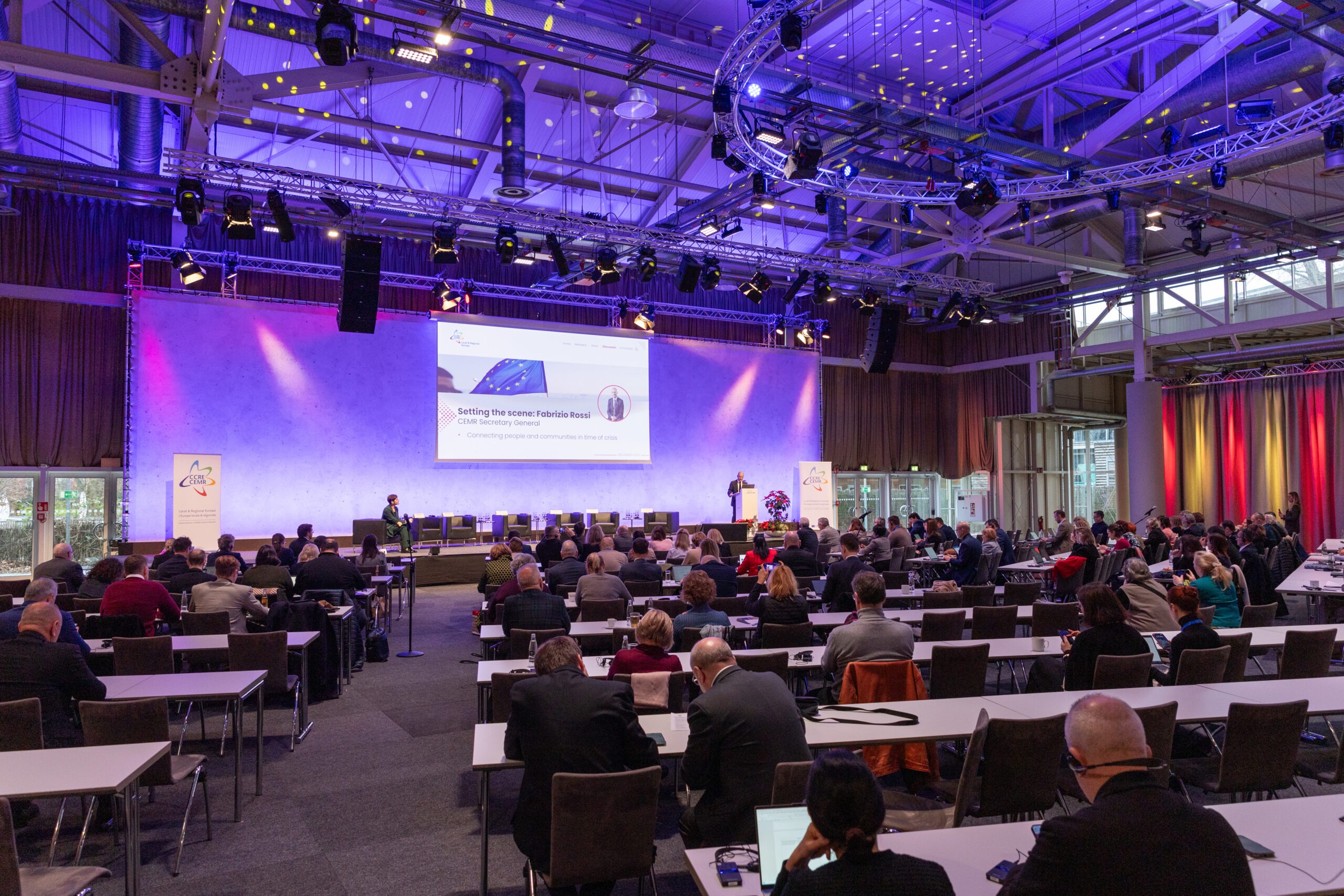
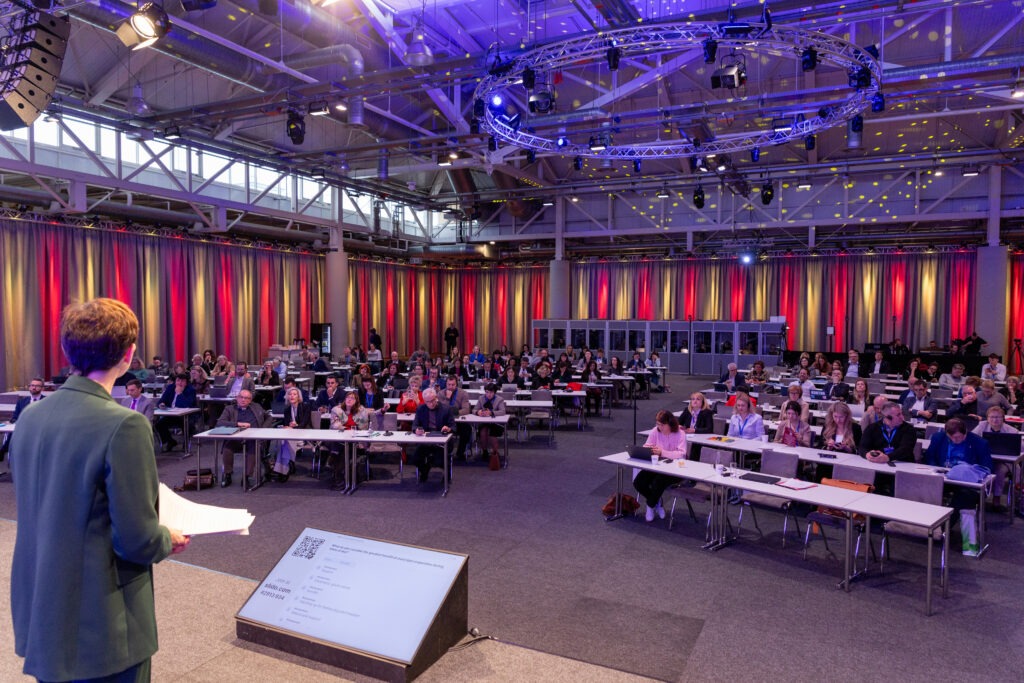
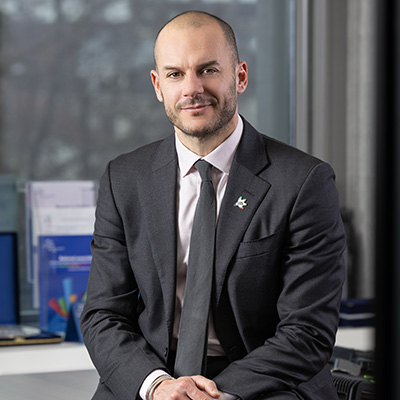
At the Ukraine Recovery Conference (URC) in Rome 2025, and in the context of the Coalition for Sustainable Municipalities, CEMR Secretary General Fabrizio Rossi announced the launch of the European Partnership Hub – a practical response to the Berlin Call to Action and a next step in connecting Ukrainian and European municipalities. 

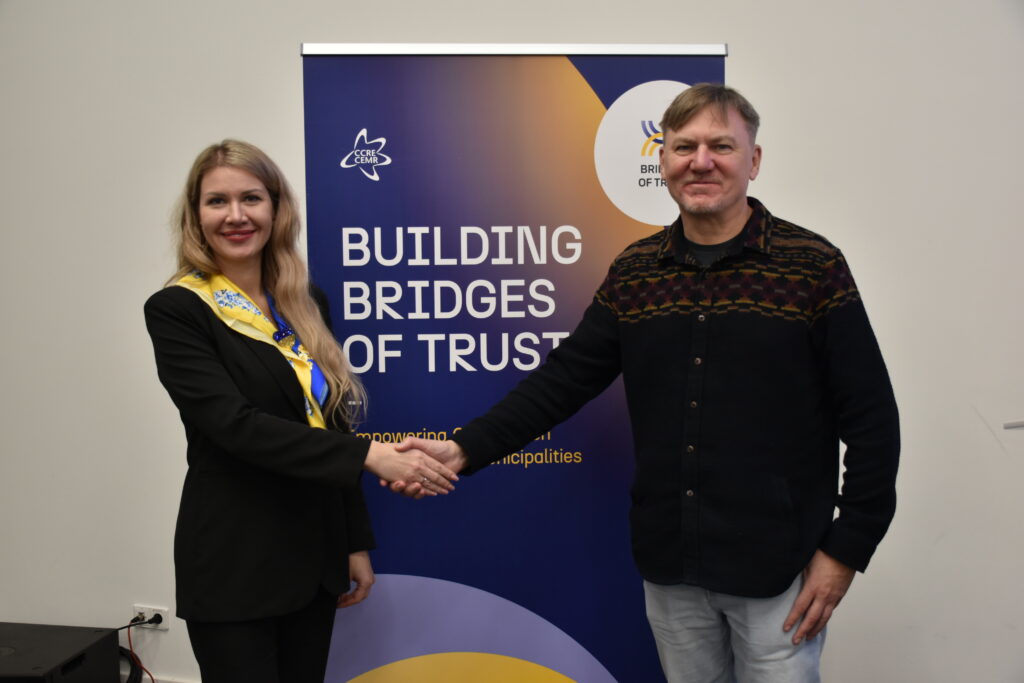
This Hub will serve as the operational secretariat of the Bridges of Trust (BoT) Community — a pan-European network that brings together local and regional governments and key stakeholders to strengthen inter-municipal cooperation between Ukraine and the EU, promote decentralisation, build local resilience, and support Ukraine’s path towards EU integration.

This announcement marks a new milestone following last year’s launch of the Matchmaking Platform — an innovative tool that connects Ukrainian cities with other municipalities across Europe to support cooperation and unlock targeted funding.

Connecting, consolidating, and coordinating to maximise efforts

We know that partnerships don’t work on their own, they need coordination, shared purpose, and long-term support”, reminded CEMR Secretary GeneralFabrizio Rossi to ministers, mayors and partners who attended the Ukraine Recovery Conference in Rome.

Objectives of the European Partnership Hub:
Expand and connect: link local and regional governments through the Matchmaking Platform and other digital tools, while activating sectoral networks and national associations.
Build capacity: provide tailored services to support partnerships through targeted funding, joint projects, project guidance, and mentoring, addressing Ukraine’s recovery needs.
Boost synergies: ensure coordinated support among actors, programmes and existing initiatives, and maximising collective impact.

With the Hub and the Matchmaking Platform, every city or region can find the right partner, develop joint projects, access funding, join a vibrant network and actively contribute to Ukraine’s sustainable recovery and European future.

The European Partnership Hub is possible thanks to the support of the European Union and its member states Germany, with the leadership of the Federal Ministry for Economic Cooperation and Development, Denmark, France, Poland and Slovenia through U-LEAD with Europe and other supporters on European level as Alliance of Cities and Regions for the Reconstruction of Ukraine and many CEMR national association.

CEMR and SGI Europe meet Commissioner Raffaele Fitto

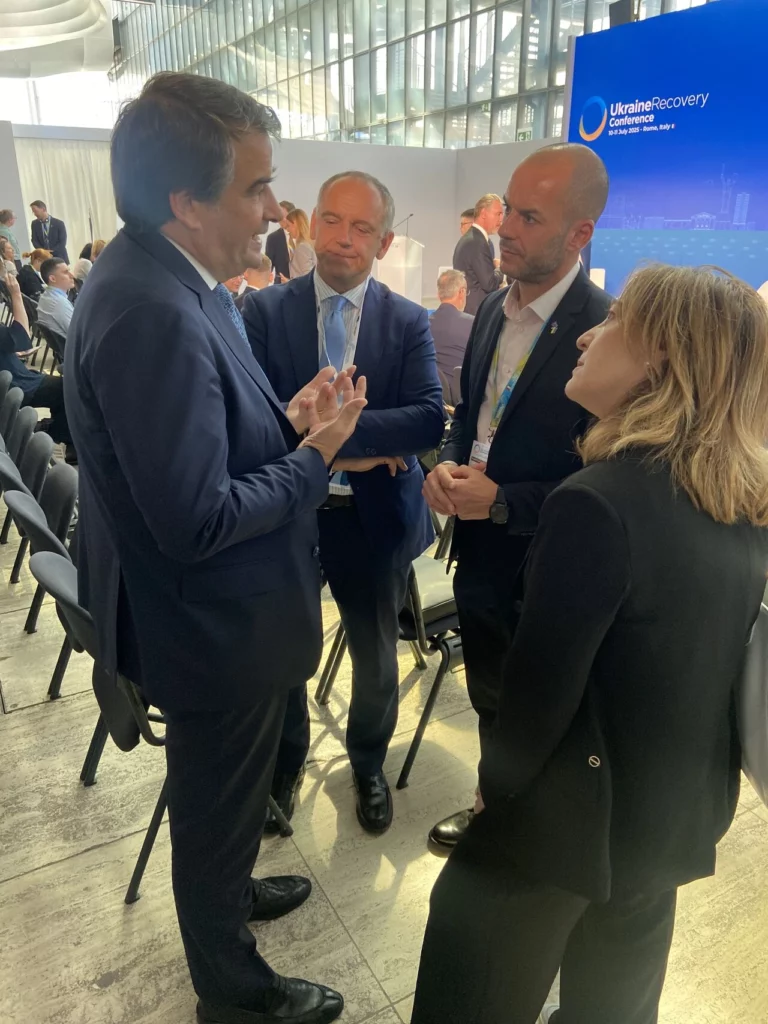
On the margins of the conference, CEMR Secretary General Fabrizio Rossi, together with SGI Europe, met with European Commission Vice-President and Commissioner for Cohesion and Reforms, Raffaele Fitto. The meeting was an opportunity to reaffirm the strong support of both organisations for a Cohesion Policy that continues to deliver on its Treaty-based mission: reducing regional disparities and supporting Europe’s most disadvantaged areas.

CEMR and SGI Europe acknowledged the importance of adapting the EU budget to current challenges while underlining that the future of Cohesion Policy must remain anchored in solidarity, flexibility, accessibility, and effectiveness. As the EU enters a new institutional cycle, both organisations reiterated that reform must reinforce—not replace—the core mission of Cohesion Policy.

For more information, contact:

Concerns over local democracy in Türkiye

Democracy in Turkyie - News 2025

CEMR issues a statement condemning escalating pressure against democratically elected mayors in Türkiye 


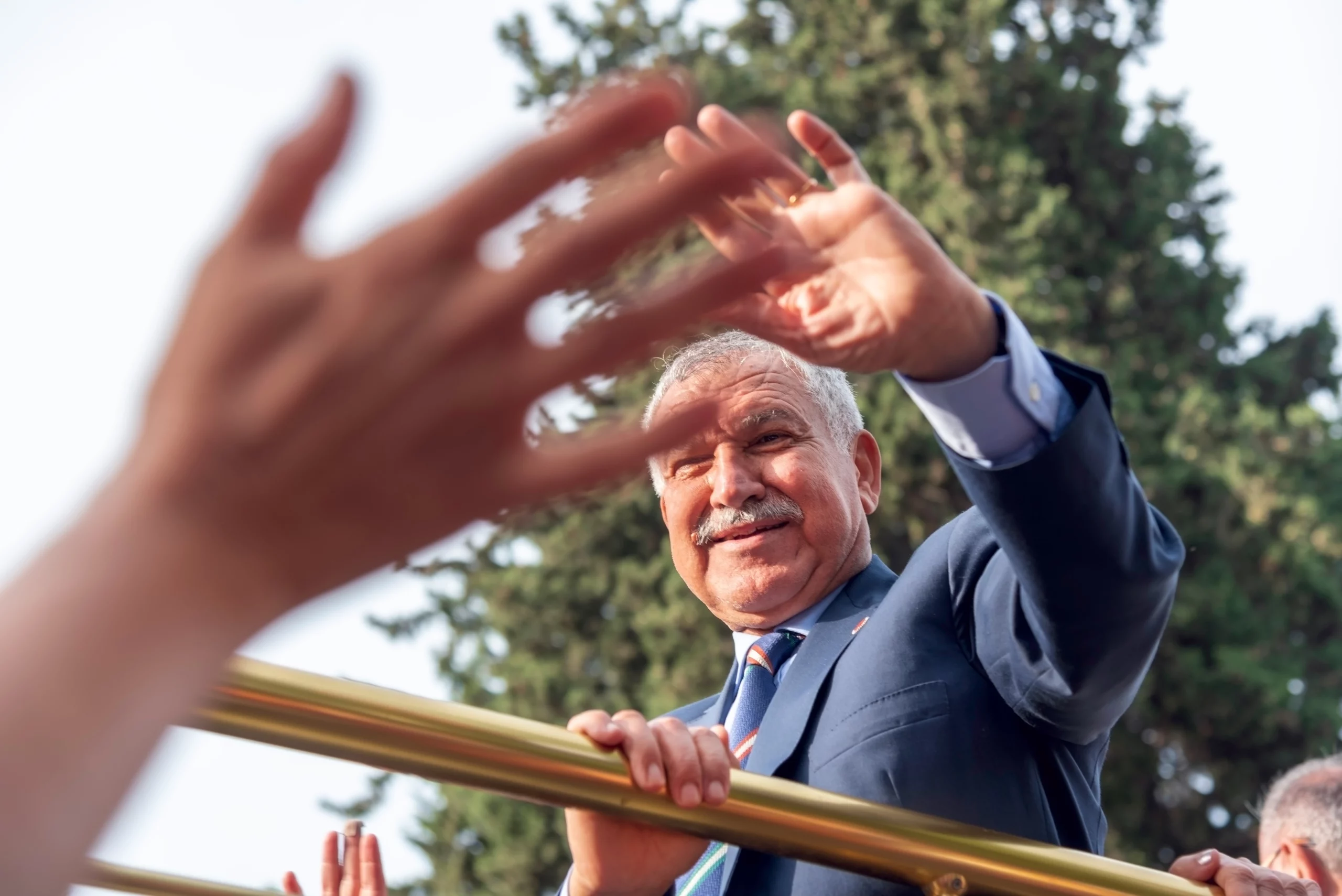
The Council of European Municipalities and Regions (CEMR) has issued a statement expressing its deep concern over the intensifying political pressure on local democracy in Türkiye, following the detention of Zeydan Karalar, Mayor of Adana and Deputy-President of the Union of Municipalities of Türkiye (UMT), CEMR’s member organisation. 

In recent months, an increasing number of opposition-affiliated mayors and staff members of the municipalities have been suspended, prosecuted, or detained in ways that obstruct their ability to carry out their democratic mandates. 

The detention of Mayor Karalar follows the earlier arrest of Ekrem İmamoğlu, former President of UMT. These successive events “risk undermining the principles of local democracy and have potentially far-reaching consequences for stability, democratic resilience, and social cohesion across our continent”. “The legitimacy of democratic governances relies on strong, autonomous local governments, and respect for political pluralism”, defend the signatories.  

CEMR calls on the European and international communities to keep the principles of democracy, the rule of law, and local self-government at the core of their engagement with Türkiye. 

“We respectfully urge the prompt release of all detained Mayors and officials and the full restoration of their rights to perform their democratic functions without fear or interference”, the signatories declare. “Democracy and local self-government cannot and will not be compromised”, they conclude. 

Signatories of this statement include: 

  • Vince Maple, Councillor of Medway, Chair of CEMR Financial Management Committee 
  • Philippe Laurent, Mayor of Sceaux, CEMR Co-President 
  • Christoph Schnaudigel, President of the County of Karlsruhe, CEMR Co-President 
  • Gunn Marit Helgesen, Member of Telemark County Council, CEMR President 
  • Jan van Zanen, Mayor of The Hague, CEMR Executive President 
  • Anders Knape, Councillor of Karlstad, CEMR Executive President 
  • Aleksandra Dulkiewicz, Mayor of Gdansk, CEMR Executive President 

Related content: 

Matchmaking Platform

CEMR launches a Matchmaking Platform for Twinning cooperation during the Leaders’ Summit in Karlsruhe


  • CEMR launches a new Matchmaking Platform to promote city-to-city cooperation and international partnerships during the Leaders’ Summit in Karlsruhe, Germany
  • The Bridges of Trust Community is launched in partnership between CEMR and U-Lead to foster new partnerships and support international municipal cooperation
  • The CEMR Leaders’ Summit gathered over 200 international leaders from across Europe, emphasising collaboration for sustainable and inclusive development

The Council of European Municipalities and Regions (CEMR) unveiled an innovative Matchmaking Platform to enhance city-to-city and local cooperation during its Leaders’ Summit in Karlsruhe. This high-profile event gathered over 200 international leaders, representing towns, regions, and cities from EU and Ukranian countries.

The platform, building on CEMR’s seven-decade legacy of town twinning, allows municipalities, cities, and regions to form partnerships sending a matching request to potential peers across Europe in just a few minutes.

First introduced at the Ukraine Recovery Conference in Berlin and now open to all local governments in Europe, the platform is also meant to strengthen partnerships with Ukrainian municipalities to secure its vital recovery support and advance through its integration into the EU.

Building on its long-standing collaboration with Ukrainian local governments, CEMR in partnership with U-Lead with Europe have announced the creation of the Bridges of Trust Community. The project’s positive impact expanded beyond its initial scope, demonstrating the need for wider engagement and collaboration.

CEMR President Gunn Marit Helgesen underlined the Matchmaking Platform strategic importance: “Local leaders are at the forefront when it comes to adopting the acquis communautaire — the foundational laws of the EU. It is crucial to support them in this process to ensure it is carried out equitably, avoiding future disparities between urban and rural communities”.

Christoph Schnaudigel, CEMR Co-President, RGRE President and Mayor of Karlsruhe, highlighted: “City-to-city cooperation has already shown its power as a tool for post-war reconstruction, reconnecting people divided by war and cultural gaps, and fostering peace. Today, we are committed to putting our network at the service of every town in Europe, small or large, to connect, share experience, and work on their dream projects together.”

Stefano Poretti, Councillor of Arconate, Italy, a city twinned with the Ukranian city of Zlatopil, emphasized the Bridges of Trust impact: “In a time of growing geopolitical uncertainty, local governments remain steadfast in promoting cooperation and solidarity. Thanks to Bridges of Trust, we have exchanged knowledge and experiences that will leave a lasting mark on my political journey.”

Media opportunities:
Journalists can interview key participants, including mayors and local leaders, and explore the matchmaking platform in detail.

Register to the Platform – here

€86 billion SCF at risk

Local-Alliance

Vulnerable households risk being underserved by the €86 billion EU Social Climate Fund due to inadequate consultation with local and regional governments, a new Local Alliance report warns.


An exclusive new report from eight major European local and regional government networks reveals that vulnerable households in the EU are at risk of being underserved by the €86 billion Social Climate Fund (SCF) due to inadequate consultation by national governments.

The survey underpinning the report, conducted by the Local Alliance — a coalition comprising ACR+, CEMR, Climate Alliance, Energy Cities, Eurocities, FEDARENE, ICLEI Europe and POLIS — highlights widespread non-compliance with key requirements under SCF legislation. 

Articles 4 and 5 of the SCF state that Member States must engage with local and regional governments in developing their national Social Climate Plans. However, the report finds that many governments are failing to fulfil these obligations, often reducing consultations to empty gestures or bypassing them entirely.

A missed opportunity to address local needs

The SCF is a flagship initiative under the European Green Deal, aimed at supporting vulnerable households. But the findings show a troubling disconnect between national decision-makers and their local governments.

The survey, covering cities and regions across 14 Member States, including Belgium, Finland, Germany, Greece and Spain, paints a stark picture of delayed consultations, inadequate dialogue, and missed opportunities to incorporate local expertise.

“The €86 billion Social Climate Fund holds the potential to transform lives and build a more equitable Europe, but only if the voices of local and regional governments are at the table. These governments are on the frontlines of addressing energy and transport poverty, yet too often, their expertise is overlooked. National governments and the EU Institutions must recognise that meaningful consultation isn’t just a legal requirement — it’s a necessity for effective and inclusive action.”  Fabrizio Rossi, Secretary General of CEMR. 

Local governments: Key partners for effective action

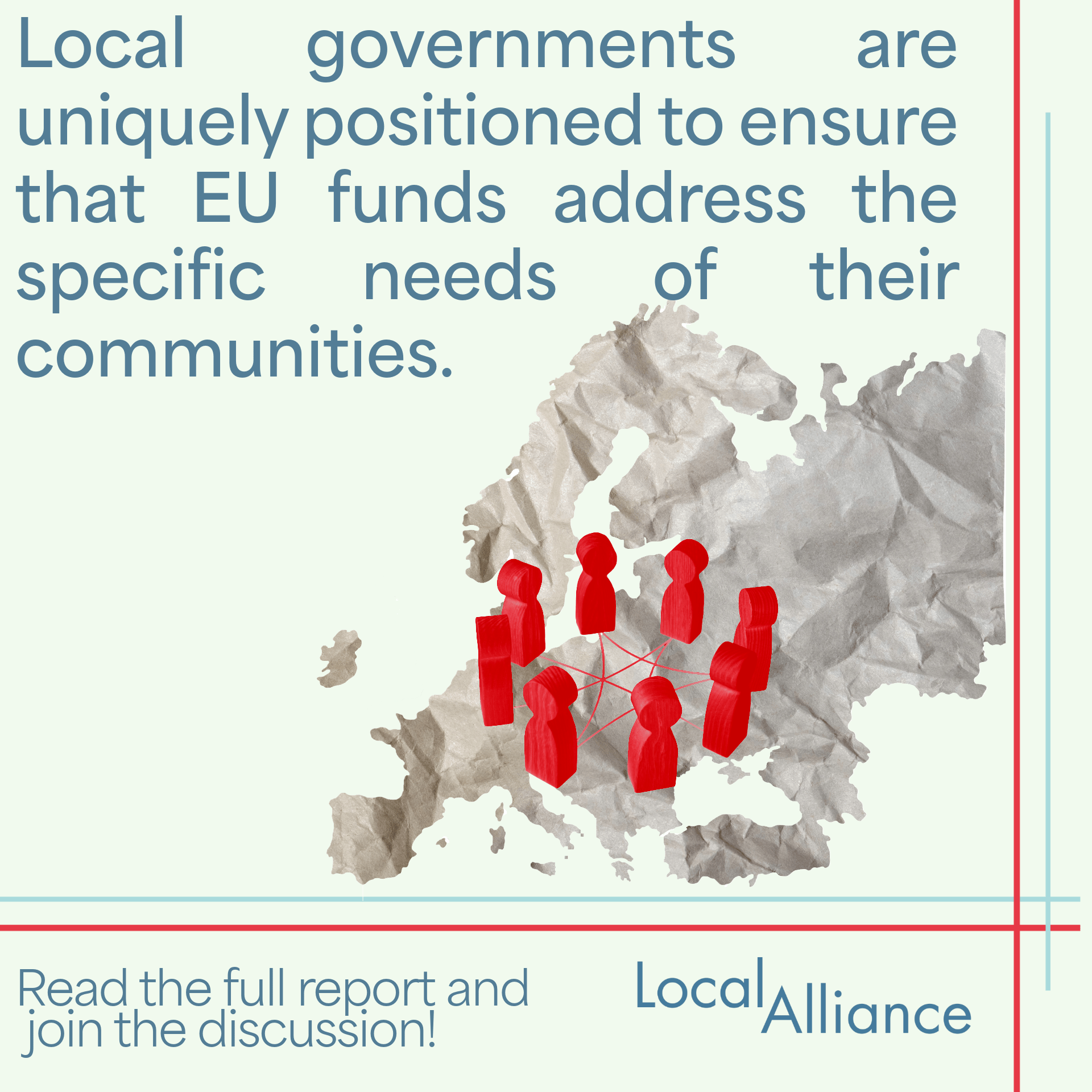
Local and regional governments are uniquely positioned to ensure that EU funds address the specific needs of their communities. They bring expertise, proximity, and an understanding of local priorities, which are crucial for tailoring measures to effectively support vulnerable households.

The absence of meaningful consultation not only undermines the legislative requirements but also jeopardises the effectiveness of the SCF just six months before Member States are due to submit their plans in June.

Recommendations for national and EU decision-makers

To ensure the Social Climate Fund effectively supports vulnerable households, the Local Alliance urges Member States, amongst others, to prioritise meaningful collaboration with regional and local governments, through locally developed plans such as SECAPs and Sustainable Urban Mobility Plans.

This will provide EU investments that are aligned with local needs to address energy and transport poverty, ensuring measures that target the needs of vulnerable groups like women, older people and single-parent households. For more information, download the full report here.

Key retreat takeaways

Strategic Retreat 2024 - News

CEMR members gather at Smart City Expo in Barcelona: facing global challenges together


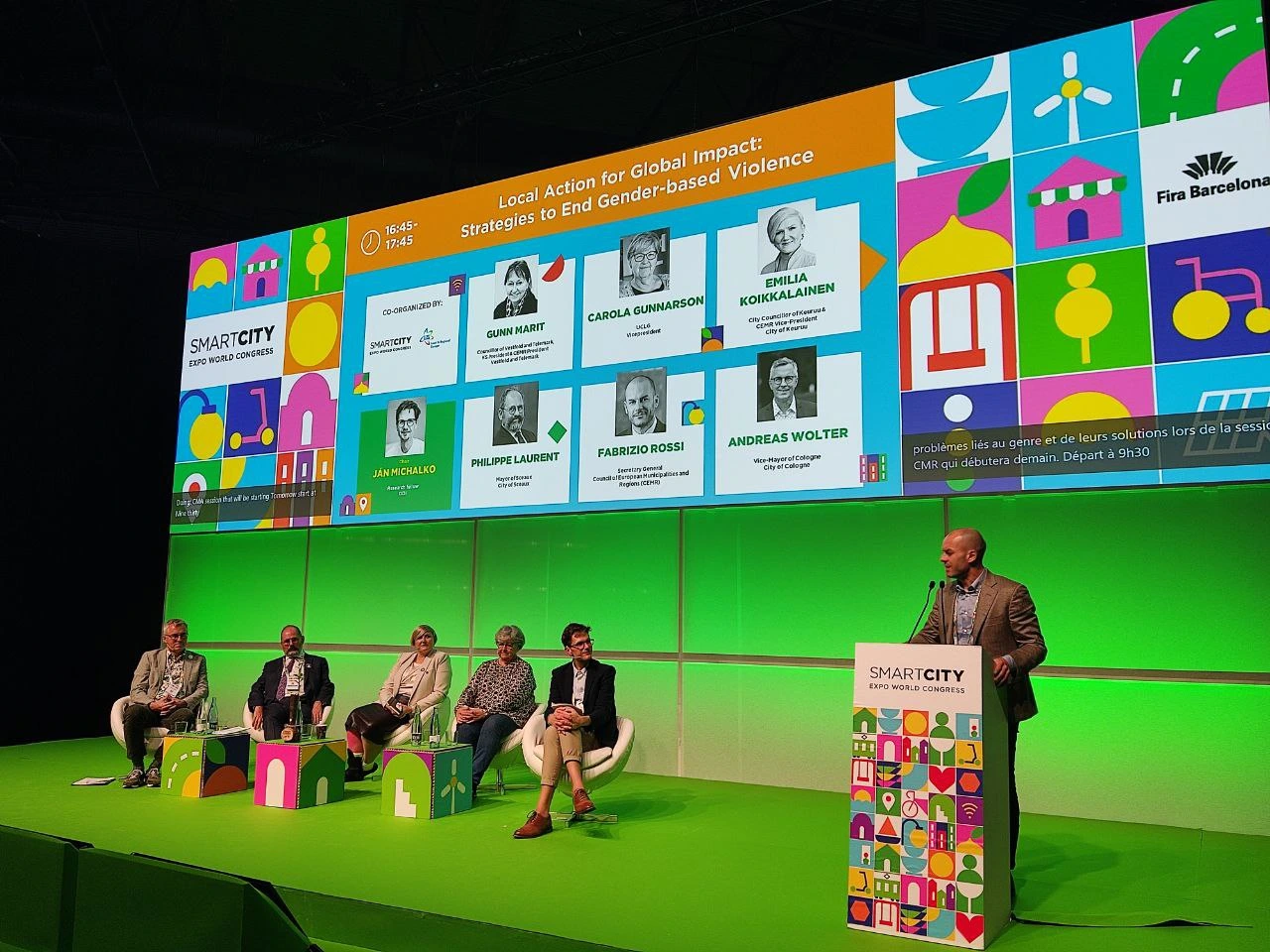
What does it take for Local and Regional Governments to stay resilient in a world of growing challenges? From November 5 to 7, members of the Council of European Municipalities and Regions (CEMR) convened in Barcelona for a strategic retreat to tackle this very question.

The event, hosted at the Smart City Expo, opened with a sombre reminder: a devastating flood in Valencia had claimed over 200 lives. This tragedy underscored the urgent need for stronger climate adaptation policies and support for local governments to drive the green transition. The gathering also coincided with the announcement of the US election results, sparking discussions about its potential ripple effects across Europe and beyond.

This convergence of events set the stage for the retreat, emphasizing the urgency of collective action and mutual support in the face of global shifts. Our members worked in groups, guided by a professional facilitator, where they had the chance to present the situation in their territory and exchange ideas with their peers. The insights and conclusions drawn from these discussions will shape and guide CEMR’s strategic direction and priorities in the coming years.

Key Trends Defining the Future

How can local governments anticipate and prepare for emerging challenges? CEMR’s mission to foresee these trends and advocate for local authorities at the EU and international levels was a central theme. With insights from CIDOB (Barcelona Centre for International Affairs), participants defined major trends shaping European territories in the coming years.

Demographic Shifts and Labour Shortages

What if migration can help bridge the void between urban and rural? Europe faces a severe demographic crisis, marked by an ageing population and labour shortages. These trends widen gaps between urban and rural areas and between developed and less developed regions, creating significant challenges for local administrations. Yet, migration, when managed inclusively, can be a vital asset. CEMR members shared the difficulties and successes of implementing inclusive policies that benefit their communities and defined how CEMR can be meaningful in influencing the EU policy making when it comes to migration inclusion at the local level.

Climate Change and adaptation policies

How can we effectively address climate change at the local level? Recent extreme weather events, such as the DANA floods, have highlighted the urgent need for climate adaptation. Local governments play a critical role in implementing 70% of climate policies and driving sustainable solutions. Yet, they often face significant funding challenges at both European and international levels. Additionally, the retreat recognised how climate change is influencing migration patterns, further complicating future planning for cities and regions. CEMR is exploring the interconnectedness of these challenges and has recently published a report on the impact of these two global dynamics at the local level. The report is available here.

Artificial Intelligence and Hyperconnectivity

Why is attracting talent vital for local governments? In an era of rapid technological advancement, investing in AI-driven services and innovative solutions is essential. The retreat underscored the importance of harnessing collective intelligence and empowering younger leaders to drive digital transformation in local governance. It also introduced the Talent Hub for Regions and Cities – developed in partnership with UCLG and Eurocities – an innovative platform designed to attract, train, and retain talent in the field of local diplomacy.

Threats to Liberal Democracy

Did you know that 73% of the world’s population lives under autocratic regimes and that this trend threatens local self-governance and diminishes the role of local governments in international forums? CEMR members discussed how rising inequality and polarisation fuel violence, particularly against female elected officials. Drawing from a recent report on women in local politics, members examined ways to protect these leaders and ensure equitable portfolio distribution.

Shifts in Geopolitics

What role will city diplomacy play in a fragmented world? As geopolitical alliances evolve, city-to-city partnerships may shift from value-based to interest-driven collaborations. Yet, city diplomacy remains a powerful tool when national dialogues falter. As Fabrizio Rossi, CEMR Secretary General, reflected: “It is our collective duty to think ahead and prepare local and regional governments to navigate the profound transformations shaping our world. By working together, we can build the resilience and inclusivity needed to safeguard democracy and prosperity.”

The three-day retreat concluded with CEMR members agreeing that, while local leaders continue to earn the trust of their communities, tackling these complex challenges demands a renewed commitment to collaboration. The priorities set during the retreat will be further developed in upcoming CEMR gatherings to define our organisation’s action and advocacy. Only through united action can we create sustainable solutions for a resilient and democratic future.

Nobel Peace Prize

Nobel Prize Peace - News 2024

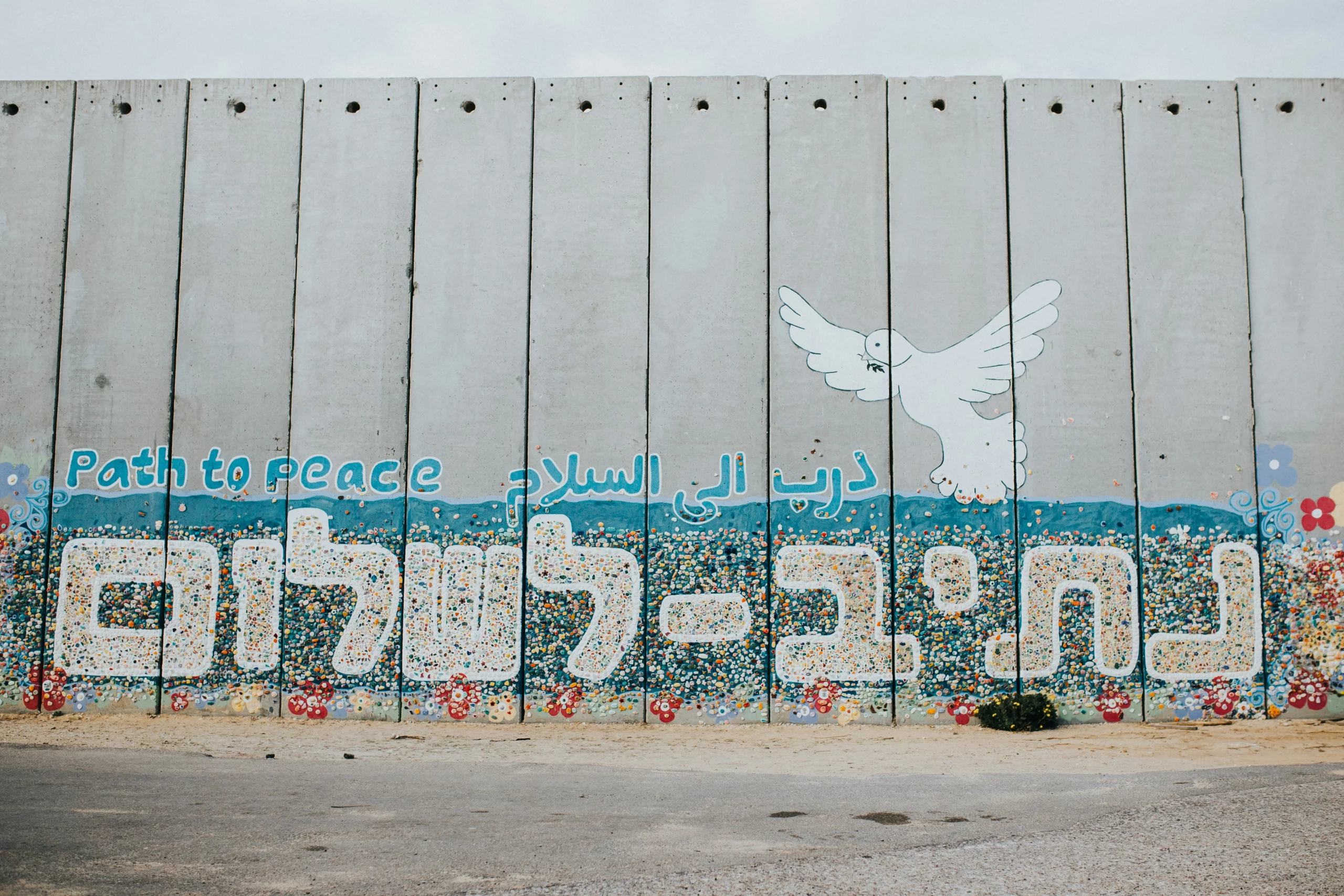
Nobel Peace Prize 2024: A Tribute to the Japanese Anti-Nuclear Movement and a Call for Global Peace


The 2024 Nobel Peace Prize has been awarded to Nihon Hidankyo, a grassroots movement of survivors of the atomic bombings of Hiroshima and Nagasaki. Praised by the Norwegian Nobel Committee for their relentless efforts to promote a world free of nuclear weapons, this group has spent decades highlighting the devastating human toll of nuclear warfare through survivor testimonies. Since its founding in 1956, Nihon Hidankyo has been a powerful voice against the threat of nuclear arms, ensuring that the horrors of the past are never repeated.

The Nobel Committee’s choice is particularly poignant as 2025 will mark the 80th anniversary of the bombings that claimed over 120,000 lives and left countless more suffering from burn and radiation injuries. This recognition also arrives at a time when nuclear powers are modernising their arsenals, and the spectre of nuclear conflict looms larger than ever. As Jorgen Watne Frydnes, chair of the Norwegian Nobel Committee, warned, “A nuclear war could destroy our civilisation.”

In a world marked by increasing armed conflicts – 59 in 2023, according to the Uppsala Conflict Data Program – the message of this year’s Nobel Peace Prize resonates strongly. The recognition of Nihon Hidankyo highlights the urgency of global cooperation to prevent further destruction and the vital role of grassroots movements in shaping a peaceful future.

At the Council of European Municipalities and Regions (CEMR), we recognise that lasting peace is built not only at the international level but also through local and regional governance. Cities and regions play a pivotal role in fostering dialogue, cooperation, and understanding between communities. They are the building blocks of a peaceful society, promoting inclusivity and resilience from the ground up. By empowering local authorities and encouraging cross-border collaboration, we can create environments where peace is nurtured, and conflicts are prevented before they escalate.

CEMR continues to advocate for a better world, one where hope and cooperation bind nations together, not fear.

Online Breakfast

EU Elections - News

Join Us for an Online Breakfast on the Future of Local & Regional Governments


Start your day with insights at our Online Breakfast on October 22, from 9:00 to 9:45 AM.

Meet with CEMR Secretary General Fabrizio Rossi and Marta Galceran-Vercher, Senior Researcher at CIDOB, as they discuss a crucial new study examining the implications of the June 2024 European elections.

This report highlights a significant shift to the right in the European Parliament and explores the election results from the perspective of local and regional governments (LRGs). It examines territorial voting disparities between urban and rural areas, as well as the local backgrounds of Members of the European Parliament and the European Commission. Key issues like policy cohesion, rural-urban connections, the European budget, decentralized cooperation, climate transition, migration, the rights agenda, and local democracy will also be addressed.

The event will be livestreamed on LinkedIn, providing a platform for lively discussion and engagement. This is a fantastic opportunity to gain valuable insights and strategic recommendations for LRGs to advocate effectively with European institutions during the 2024-2027 term.

Don’t miss out—register here to secure your spot and join us for breakfast and insights!

Reflections on the Pact for the Future

European Union - News


Local & Regional Governments are in, but still far from where they should be


The inclusion of Local and Regional Governments (LRGs) in the recently adopted Pact for the Future, particularly in Article 83, represents a significant milestone. This article acknowledges their crucial role and calls on the UN Secretary-General to offer recommendations on engaging with local and regional authorities to advance the 2030 Agenda, especially by localising the Sustainable Development Goals (SDGs).

However, this achievement is only the beginning. Realising the full potential of LRGs in global governance requires continued effort. Below are five key takeaways that reflect the pact’s impact on the local leadership community.

Cities and Local Governments on the Global Stage

The adoption of this text reflects widespread recognition of the vital role cities and local governments play in building a sustainable future. The conversation has shifted from questioning their relevance to focusing on collaboration to drive progress across all levels. This shift is crucial for advancing the 2030 Agenda and promoting sustainable development for all.

The Growing Movement for Local Governance

Engagement with the UN Secretary-General and other key stakeholders highlights the increasing momentum behind the movement advocating for LRGs’ unique role. Unlike civil society organisations, local governments have distinct mandates and constituencies, making their contributions essential for shaping a sustainable future.

The Global Task Force Model: A Proven Approach

Global challenges—whether securing peace, reducing inequalities, addressing water scarcity, or reforming food systems—require coordinated action across all levels of government. The Global Task Force of LRGs has proven effective in uniting agendas and coordinating advocacy on issues that transcend borders and jurisdictions.

Recognition is Progressing, But Still Limited

While LRGs’ inclusion in the text is a positive step, their role remains largely focused on implementing SDGs. It is essential that local and regional governments are recognised not only as implementers but also as full partners in shaping policies that affect the future of our communities.

Challenges to Local Democracy

There are growing concerns about the future of local democracy, as autocratic regimes and centralising reforms threaten the autonomy of local governments. Reduced powers and budget cuts jeopardise the sustainability of local democracy. Although the current UN Secretary-General supports local governance, the post-2025 landscape remains uncertain, posing risks to local self-government.

What to watch

While the Pact for the Future marks a crucial milestone, much work is still needed to achieve full recognition and empowerment of LRGs. Now is the time to press forward, ensuring our voices continue to shape global and national agendas for the future of our communities.

Louis Le Pensec 

Louis Le Pensec - News 2024

CEMR Mourns the Passing of Louis Le Pensec, a Distinguished Advocate for European Values and City Solidarity


On behalf of President Gunn Marit Helgesen, Co-presidents Philippe Laurent and Christoph Schnaudigel, Secretary-General Fabrizio Rossi, Members and Secretariat, we bid a heartfelt farewell to Louis Le Pensec. An exemplary figure, his tireless efforts championed European values and city solidarity.
 
Louis Le Pensec, former President of AFCCRE, Vice-President of CEMR, and a distinguished former French minister, leaves behind an enduring legacy marked by unwavering commitment and dedication to the European project. His significant contributions have indelibly shaped our community, advancing unity among cities. Twinning, a central tenet of Le Pensec’s advocacy, stands as a testament to his vision for fostering cooperation and mutual understanding among municipalities across Europe.
 
As we reflect on Louis Le Pensec’s impactful journey, CEMR extends its deepest condolences to his family and colleagues. During this difficult time, our thoughts are with those whom his remarkable influence has touched.

Smart City Expo

Smart City Expo - News 2023

CEMR Engages in a Vibrant Debate on Europe’s Green Transition at SMARTCITY Expo Barcelona


The Secretary-General of the Council of European Municipalities and Regions (CEMR) is set to participate in a high-stakes panel discussion at the SMARTCITY Expo Barcelona. The session, titled “Governance-in-Partnership to Achieve an Inclusive Green Transition,” will delve into the pivotal role of local and regional governments in delivering Europe’s green transition goals.
 
Local and regional authorities are at the forefront of Europe’s green transformation, playing an irreplaceable role in achieving autonomy through green energy sources within the EU while reducing dependence on fossil fuels. This ambitious vision is central to the CEMR’s message as they work to create an inclusive, sustainable, and green future that leaves no one and no place behind.
 
The CEMR Secretary-General, Fabrizio Rossi, will discuss Europe’s challenges in garnering widespread support for this green transition. These include the fear of negative social impacts. He will also showcase how region-to-region cooperation and going beyond the traditional urban-rural dichotomy, can lead to more effective solutions for addressing Europe’s challenges in garnering widespread support for the green transition. 
 
In the context of the upcoming EU election, it is also crucial to understand that addressing the potential negative social impacts and inequalities is critical for the future of European democracy and social justice.
 
CEMR has recently become a supporting institution of SMARTCITY Expo Barcelona, the world’s largest urban innovation event, guiding cities towards a brighter future since 2011. The event brings together global leaders from innovative companies, governments, and organisations to promote urban innovation and empower cities to confront today’s pressing challenges.