Spatial development

Spatial Development - Turkey News

Multi-level cooperation in practice: How Marmara Region, Türkiye, pioneered a participatory approach


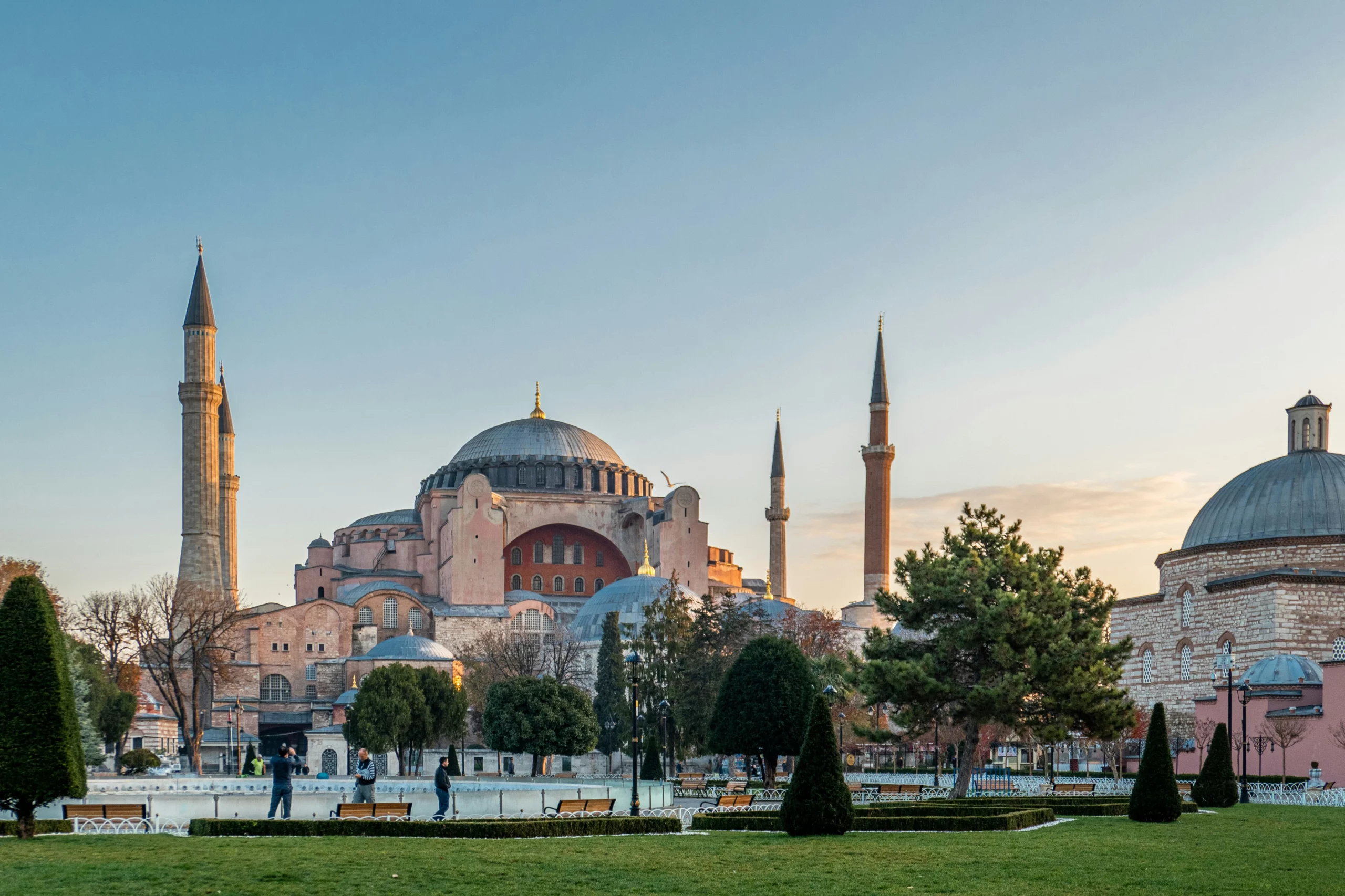
The Marmara Region in Türkiye is home to astonishing cultural treasures and diverse landscapes. But it is also a territory of great risks in terms of earthquakes, droughts, flooding and other natural disasters. As a result, disaster planning and resilience are essential to people’s safety. Cities in the region must find more interactive, comprehensive, responsive and innovative solutions to these challenges.

To meet these challenges and broader development goals, the Marmara Municipalities Union (MMU) partnered with Istanbul Technical University and initiated the Marmara Region Spatial Development Strategic Framework Research Project in June 2020. The project, funded by the MMU, aimed to identify problems with the participation of all stakeholders at the provincial and regional levels and to find solutions in harmony with the projects and activities of the various organisations in the region.

Specific objectives included:

  • Strengthening the integration of sub-regional plans, which have been prepared by sub-regional development agencies and which have not been adequately integrated so far
  • Creating a dialogue platform and a road map for local governments and other relevant stakeholders
  • Minimising the side effects and externalities of big infrastructure projects such as airports, bridges, etc
  • Creating a regional approach to maximise the common interests of all cities
  • Raising awareness of inter-city and interregional planning
  • Contributing to regional development in line with the New Urban Agenda and SDGs

Staff collected data from governorships, provincial special institutions, local governments, trade associations and NGOs located in the 14 cities covered by the project. This enabled the identification of the cities’ and region’s problems. A series of workshops with the participation of relevant stakeholders were also held to get their recommendations and ideas on the earliest results of the analysis.

The project identified themes requiring cooperation between cities in the region and prepared sectoral programmes, short-term action plans and spatial development schemes.

The conclusions were outlighted in a three-volume Marmara Region Spatial Development Strategic Framework presented in October 2021. This action-oriented, flexible and participatory strategic document seeks to reduce territorial disparities, increase global competitiveness and local cooperation, and respect climate and ecological sensitivities in line with the UN Sustainable Development Goals (SDGs).

With this future-oriented strategic framework and the creation of an effective platform for exchange, all the players in the Marmara Region are now working together for a prosperous, sustainable and safe territory.

High-Level Political Forum (HLPF)

Promoting the Global Goals - News 2023

Hannah-Lea Braun: New generations of local and regional leaders are at the heart of the Sustainable Development Goals


CEMR and PLATFORMA were present at last month’s High-Level Political Forum (HLPF), a key event dedicated to sustainable development held every year at the United Nations headquarters in New York. The delegation was made up of some twenty representatives of national associations of local and regional government and partners, including Hannah-Lea Braun, local councillor for Maichingen (Sindelfingen, Germany) and member of the Committee of Young European Local Authorities.

Together, delegate members expressed the voice of European territories to the local and regional government sessions. These focused on the issues posed by the implementation of the Sustainable Development Goals (SDGs) in the wake of the global pandemic, including those related to access to quality education (SDG4), gender equality (SDG5) and partnerships for the global goals (SDG17).

On the occasion of the Local and Regional Government Day and Forum (11-12 July), Hannah-Lea Braun highlighted the crucial role of local and regional governments in building a more sustainable, inclusive and egalitarian society, starting with gender equality, a topic at the heart of CEMR’s work.

The spotlight was also put on youth during a meeting with Olof Skoog, the European Union’s Ambassador to the United Nations in New York. This year 2022 having been declared “European Year of Youth” by EU Commission President Ursula von der Leyen, Hannah-Lea Braun reminded the audience of the crucial importance of taking into consideration the expectations of European youth. This entails giving the means necessary for the new generations of citizens and local elected representatives to take part in the decision-making process and in the deployment of public policies implementing the SDGs.

The presence of PLATFORMA and CEMR’s members and partners was also an opportunity to highlight the work done to localise the SDGs, documented notably in their recent annual report on the topic.

​Support for Ukraine

Ukraine flag - News section

The Luxembourg association SYVICOL launches a platform to shed light on local initiatives


What actions are Luxembourg municipalities taking to support Ukraine and its population? How can they gear up their efforts and operate within their means? The association of Luxembourg cities and municipalities, SYVICOL, provides a first set of answers to these questions, while also casting light on initiatives developed locally and on the global stage. 

Entitled “Support for Ukraine“, SYVICOL’s new platform reveals, for example, why elected officials from the city of Esch-sur-Alzette agreed to set up a twinning partnership with Stryi, a Ukrainian city located near the Polish and Slovak borders. Scrolling through the website, you will come across Ukrainescht Haus Stroossen, an initiative led by the municipality of Strassen to give Ukrainians who fled their country, a place to exchange, to spend some time and, if they want, to participate in activities.

The platform also provides municipalities with information it has access to through its relations with various international players and networks, including the CEMR. SYVICOL also collaborates with the Association of Ukrainian Cities and can establish contact between the latter and the Luxembourg municipalities that wish to do so.

Finally, the platform relays official information released by the national government and brings together in one place the contact details of several supporting NGOs.

Available in English and French, the new platform will be regularly updated.

Did you know?

Many of CEMR’s member associations have set up sections of their websites dedicated to Ukraine where you can follow their latest activities. You will find a non-comprehensive list of these sections at the bottom of this page.

Local Best Practices

Twinning - News 2

LGA’s case studies database: a wealth of local best practices from climate to COVID


Local and regional governments are genuine laboratories for democratic politics and policymaking. Decentralisation enables each locality to experiment with different approaches, enabling the discovery of what works best.

The Local Government Association, our English and Welsh member, has a dedicated database of case studies which showcases the many innovative actions its local councils are taking. The database includes over 2000 entries searchable by date and topic, including youth, health, safety, culture, data and much more. LGA also maintains a dedicated page on COVID-19 best practices and case studies.

English and Welsh councils’ actions are striking because of their sheer diversity and the range of topics covered. For example, Devon County Council’s Apricot Centre is training local farmers to transition to regenerative farming. In contrast to the overuse of pesticides and monocultures, methods such as growing hedgerows and diversifying produce can restore local biodiversity and increase resilience to climate change.

Meanwhile, the Manchester Council has developed a programme to reduce overweight among South Asian women, a group at particular risk of obesity. The city has created Bollyfit Active, a simple scheme for South Asian women to come together to exercise and bond. The scheme responds to the isolation experienced by many during the COVID crisis and to the fact South Asian women may be less likely to use mixed-gender gyms.

These are just a taster of the wide variety of case studies undertaken by local councils in England and Wales. Have a look to discover for yourself and find inspiration for local action!

People Make the City

Cities - News Section

Storytelling as a powerful way of strengthening social cohesion by promoting mutual understanding


Mechelen. A middle-aged woman dressed in light colours sits in a public library. It seems like someone interrupted her while she was reading a book, but she does not mind. She looks straight ahead, and you immediately feel there is a story to tell behind those warm brown eyes.
This is Farida, a woman, a mother of three children, a grandmother of five, and an accountant. She speaks five languages, likes to cook and loves to read. She lives in Mechelen, but fled from Syria years ago: she is a refugee. Her picture, placed on a window near the public library in Mechelen was part of the ‘People Make the City’ exhibition and Farida’s story is just one of many in the series.

‘People Make the City’ is a storytelling project that translates residents’ experiences into public content such as street art, podcasts, exhibitions, images and texts, building a more nuanced narrative of migrants and refugees’ impact on their local neighbourhoods. These features show the diversity and the rich multi-layered identities of people living in the local community.

The people concerned can co-create the way they want to be presented because it’s up to them how they want their story to be told and where. Storytelling is a powerful way of strengthening social cohesion by promoting mutual understanding.

You can find out more about the People Make the City project and other good practices and tools on migrant integration from the OECD website.

Buddy projects

Citizenship - News

Everyone needs a buddy: fostering migrant integration in Mechelen, Belgium, through mentoring


Buddy programmes are an excellent way to integrate immigrants into a new society. A buddy is someone from the host community who spends a few hours a month with a newcomer in the city. 

There are many possibilities: a buddy can help a refugee learn a language, finish school, find a job or accommodation, or you can just hang out with them. A buddy programme is an opportunity to discover other cultures, contribute to an inclusive society and even develop lasting friendships. 

Belgian cities have many excellent examples of buddy programmes, that serve as best practices for the integration and inclusion of newcomers. In particular, the IncluCities partner city Mechelen has been running several different buddy mentoring projects. 

Mechelen started the buddy project Samen Inburgeren (Dutch for “Integrate Together”) in 2012. A native of Mechelen becomes a buddy of a newcomer in the city. They are matched on the basis of common interests and, during the pandemic, communicate via WhatsApp, Skype, Zoom or Google chat. During a six-month period, the buddies meet regularly. Together they practise Dutch, discover the city and learn about each other’s cultures.

Buddy projects can also be designed with specific activities and needs in mind. Mechelen also runs a jogging buddy project called ‘Samen Lopen’ and a school buddies project for migrant and refugee children.

Different localities can pioneer best practices that can be shared elsewhere, especially within the IncluCities network. As such, Mechelen’s buddy programme approach is replicated in Capaci, a town in Sicily, under the name “Tutti Capaci”.

Anti-rumours Project 

Diversity - News Section

Fuenlabrada, Spain, is promoting inclusion by discrediting false rumours


We tend to make up stories about people we don’t know well. An animated story, ‘It all started accidentally’ (“Todo empezó sin querer”), sets a mirror to people who spread assumptions about other people without checking the facts first. Such rumours can spread like wildfire and thus contribute to exclusion and discrimination.

This animated video has been made for children and adults alike as part of the Anti-rumours Project in Fuenlabrada, Spain. It aims to raise awareness about the negative impact of rumours. 

The Spanish city has experienced rapid population growth due to migration over the past 40 years. “Antirumours” is one of many projects in the city boosting social cohesion. The project has been running since 2013 as part of the Council of Europe’s Intercultural Cities initiative and brings together 25 cities across Spain.

The project aims to tackle discrimination and harness the potential of diversity by triggering a change in perceptions and behaviours. The objective is to identify significant rumours by collecting objective data and emotional arguments to dismantle false rumours.

It is also creating an anti-rumour network of local actors from civil society, empowering anti-rumour agents and designing a campaign to raise awareness about the damage rumours can inflict.

Policy Committee Meeting

Policy committee in Turkey - News 2022

Young local leaders: time “to go beyond the simple notion of ‘youth'”


Empowerment and representation: these are the keywords defining the work of the Committee of Young European Elected Officials run by CEMR and PLATFORMA. Cemal Baş, Councillor of the Municipality of Keçiören (Turkey), spoke on behalf of this network, which is currently being rebuilt, at CEMR’s Policy Committee in Bologna (4-5 July 2022).

The network’s aspirations go “beyond the simple notion of ‘youth’, since it is above all about supporting young leaders in their becoming familiar with the major European issues and opportunities for the local and sustainable development of territories while enabling them to bring the voice of CEMR, PLATFORMA and their own local authority to international discussion forums.

Gathered in Italy for two days, CEMR’s members were able to take stock of the association’s main orientations and thematic projects. It was an opportunity to highlight for the first time the development of the Young Elected Officials Committee. Cemal Baş stressed that this “network is growing and is today giving the possibility to strengthen the voice of European local and regional governments.

After a break of several months, this group of young European leaders has been reviving since the spring 2022, in a context marked by the European Year of Youth. So much so that today, it brings together more than fifteen elected representatives under the age of 40, from the four corners of Europe: Austria, Georgia, Germany, Greece, Italy, Latvia, Malta, the Netherlands, Portugal, Romania and Turkey.

Beyond their nationality, the diversity of the members of this network is embodied in their different areas of expertise. As was pointed out to the members of the CEMR Policy Committee, “each young leader has his or her own field experience and expertise in relation to the public policies implemented in his or her area.” This is a real strength for pursuing the objectives of the Committee of Young Elected Representatives and promoting the interests of Europe’s local and regional governments at the European and global levels.

In concrete terms, recent weeks have seen João Fortes, Mayor of the Portuguese municipality of Mourão, bring the voice of European local and regional governments on youth and sustainable development to the Africities Summit organised by UCLG Africa in Kenya. Hannah-Lea Braun, elected member of Maichingen Local Council in Germany, will also participate in the UN High Level Political Forum on the Sustainable Development Goals (HLPF) in New York.

All the perspectives raised during this presentation will be at the heart of the first meeting of the Committee of Young European Elected Representatives in autumn 2022, while a spokesperson will be appointed to CEMR’s Policy Committee by the end of the year. In the meantime, the next few weeks will allow us to enlarge this network of young European local leaders, as CEMR members are invited to nominate two local elected representatives.

Annual report on SDGs goes digital

PLATFORMA - banner 3

Our annual report on the SDGs goes digital at the UN High-Level Political Forum on Sustainable Development (HLPF)


Available for the first time in an online format, PLATFORMA and CEMR have just published their fifth annual study on the localisation of the Sustainable Development Goals (SDGs). Released on the occasion of the UN High-Level Political Forum on Sustainable Development (HLPF) in New York, discover this innovative publication today on local-sdgs.eu

This study gathers the most recent information on how and to what extent associations and networks of local and regional governments have been involved in the localisation of the SDGs, both in Europe and with their global peers, and in particular during the COVID-19 pandemic. This year’s survey therefore, included questions on the SDGs’ implementation since 2015 and the impact of the COVID-19 crisis. In the last two sections, there were also additional questions regarding Voluntary Subnational Reviews (VSR) and decentralised cooperation.

It gathers 63 answers from 28 European countries, 37 associations of local and regional governments and 18 municipalities and regions.

Main recommendations

Six main recommendations came out of this study, targeting EU institutions, national governments and local and regional governments and their national associations:

  1. The European Commission should report regularly on any progress made in achieving the Sustainable Development Goals (SDGs) at the EU level and indicate how the different levels of governance have contributed to this process.
  2. We encourage associations of local and regional governments to actively take part in the Voluntary Subnational Reviews (VSR) process.
  3. Local and regional governments (LRGs) are calling for the firm recognition and inclusion by national governments of the role of LRGs and their associations in the monitoring and reporting of progress in the implementation of SDGs at the national level.
  4. European states and the EU need to strengthen their dialogue with the subnational levels and include them in any relevant high-level delegation meetings.
  5. Strengthen international cooperation to achieve the 2030 Agenda at the local and regional levels
  6. There is still a need to localise and territorialise the SDGs, through the deployment of appropriate funds and resources

This study will be presented by a PLATFORMA-CEMR delegation at different events during the second week of the High-Level Political Forum on Sustainable Development (HLPF) taking place in New York between 5 and 15 July 2022.

This delegation is composed of:

  • Fabrizio Rossi, CEMR Secretary General
  • José Hila, Mayor of Palma de Mallorca (Spain, FEMP)
  • Hannah-Lea Braun, Member of Maichingen Council (Sindelfingen, Germany) and the CEMR Young Elected Officials Committee
  • Luis Salaya, Mayor of Cáceres (Spain, FEMP)
  • Valérie Dumontet, Vice-President of Aude Region, (France, Cités Unies France)
  • Pilar Díaz, Mayor of Espluges de Llobregat, Deputy to the Presidency, Delegate for International Relations at the Diputació de Barcelona (Spain, Barcelona Provincial Council – DIBA)
  • Jan van Zanen, Mayor of The Hague (Netherlands, VNG International)

Directors, advisers and technicians from CEMR, the City of Paris, DIBA, FEMP, the Norwegian Association of Local and Regional Authorities (KS), UCLG and VNG International are also attending HLPF this year.

More

For more information, contact:

EU accession

European Union - News

How can we support Ukraine, Moldova and Georgia’s joining the European Union?


It was a few days after the outbreak of war by Russia: Ukraine, Moldova and Georgia each submitted an official application to join the EU. Since then, Ukraine and Moldova have been granted official candidate status to join the Union, while for Georgia, EU leaders recognised its “European perspective,” a sort of prelude to formal candidacy.

But how can these countries that are betting on a European future prepare themselves? CEMR’s members adopt a declaration on the subject at their Policy Committee meeting, on 5 July 2022.

While it is undeniable that the enlargements of 2004, 2007 and 2013 have mechanically led the EU to play a greater role in Ukrainian, Georgian and Moldovan politics, the road to membership for these countries is still long and perilous.

In this context, local and regional governments and their representative associations can contribute to bringing them closer to the EU. As affirmed in the declaration, CEMR “commits to defending a Trio holistic approach and is ready to accompany the EU accession process of Ukraine, Moldova and Georgia from a local perspective.”

For almost 25 years, CEMR, later supported by PLATFORMA, has been providing unstinting support to local governments in the EU’s eastern neighbours. As the declaration explains, CEMR’s network works continuously “to strengthen local autonomy and institutional capacity and foster multi-level governance reforms.”

In order to accompany the necessary institutional reforms and to ensure a sustainable integration process, CEMR’s members recommend “decentralised cooperation (…) to ensure a sustainable integration process.” And they specify that “peer exchanges, municipal partnerships, mentorship, study visits, twinning, seminars and training” are all levers to bring these three countries closer to the European Union.

While CEMR is ready to “continue to underpin its member associations in Georgia, Moldova and Ukraine in their contribution to the EU accession process”, let’s hope that the European institutions and the relevant authorities fully involve local and regional governments in this process in due time.

As the European Commission points out, “the reform of public administration and the decentralisation process in these three countries are essential components of the EU accession criteria.” Europe is not built from the top down. In order to create a common base, it is necessary to start from the bottom.