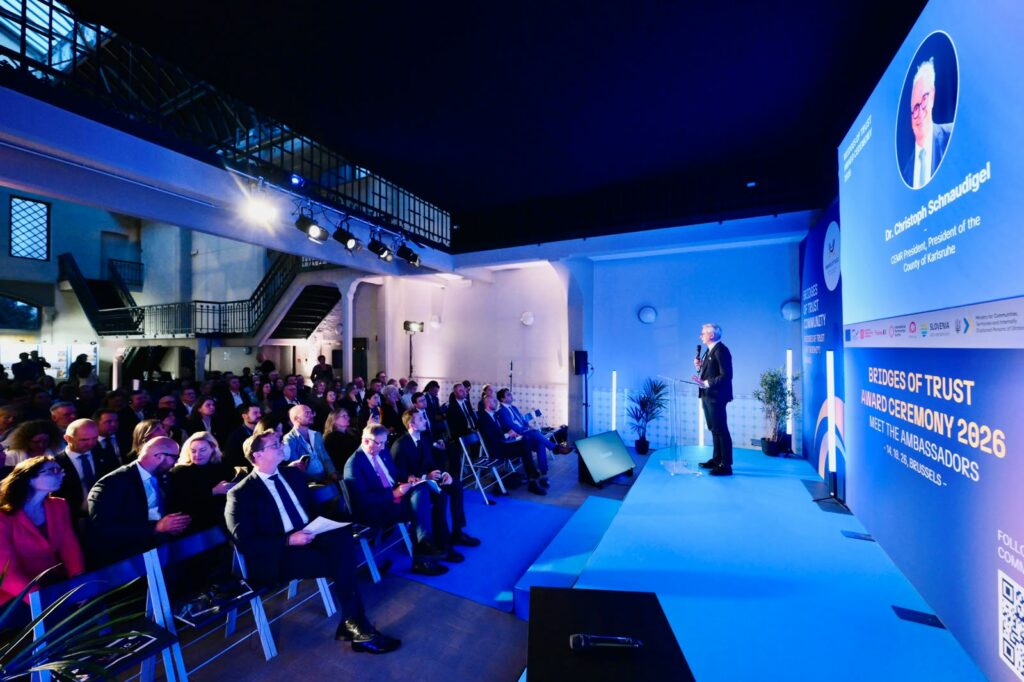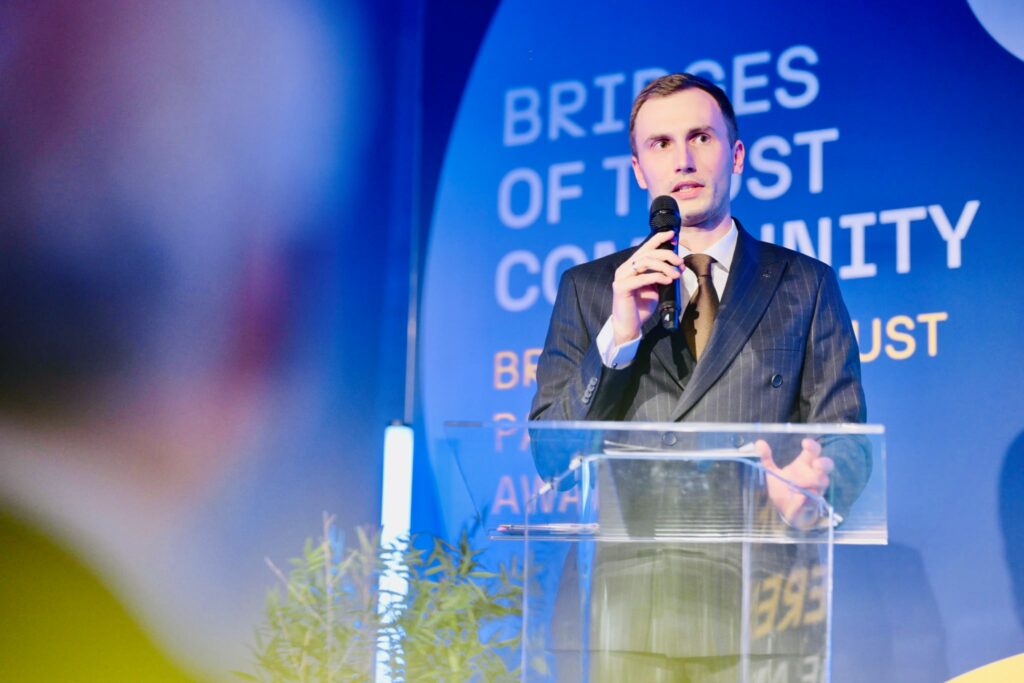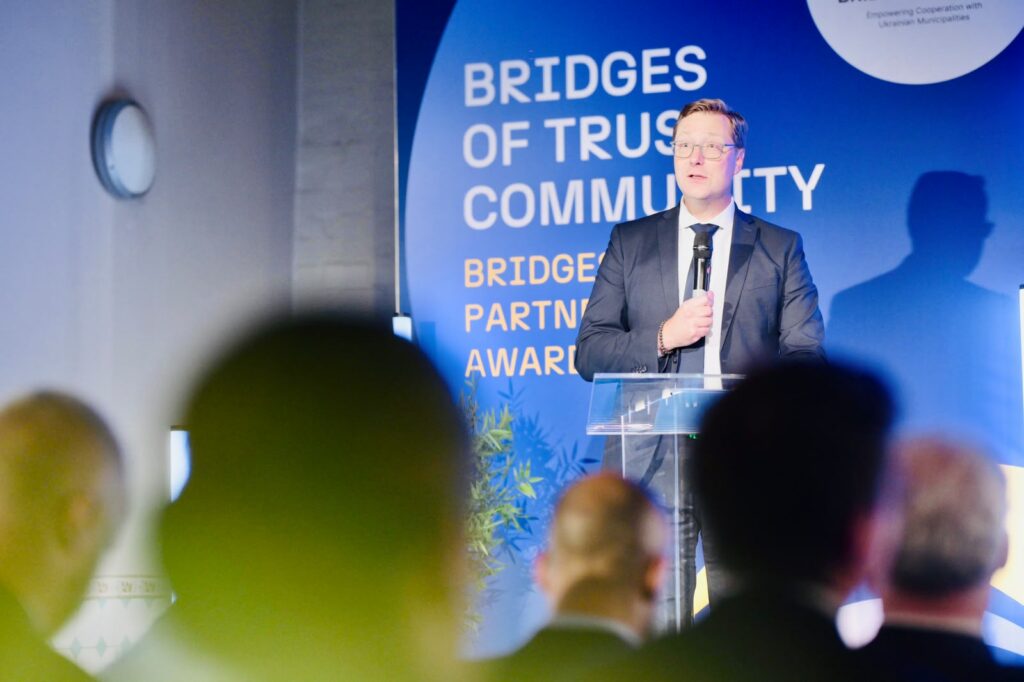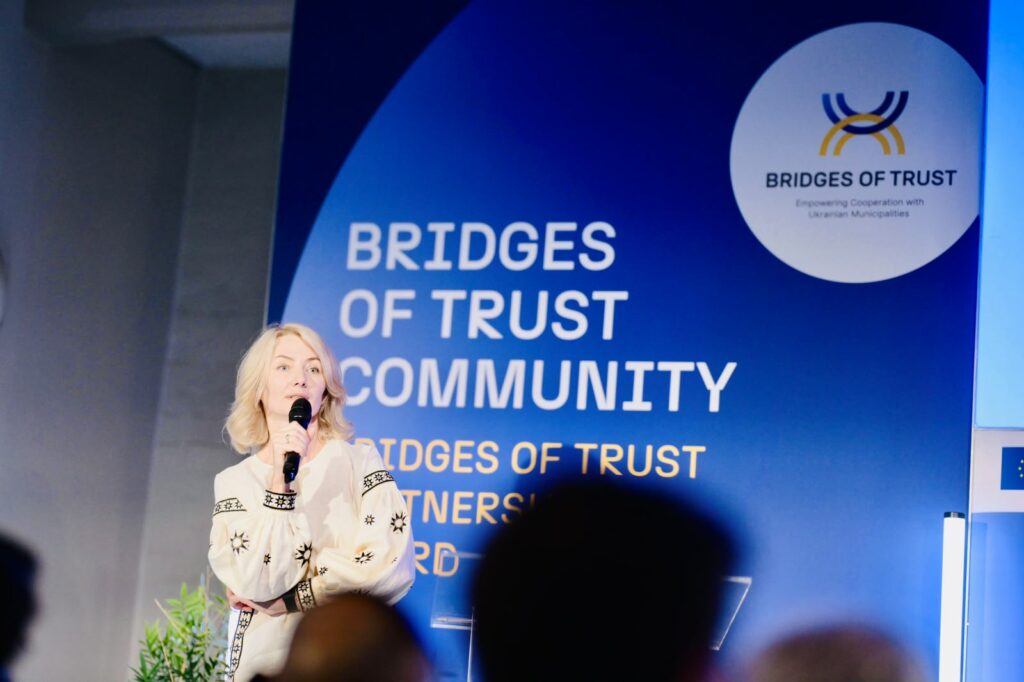
Ukraine Recovery Conference 2026

In Gdańsk, the Ukraine Recovery Conference confirmed the importance of local and regional governments in Ukraine’s recovery and EU accession

1,349 words
6–9 minutes

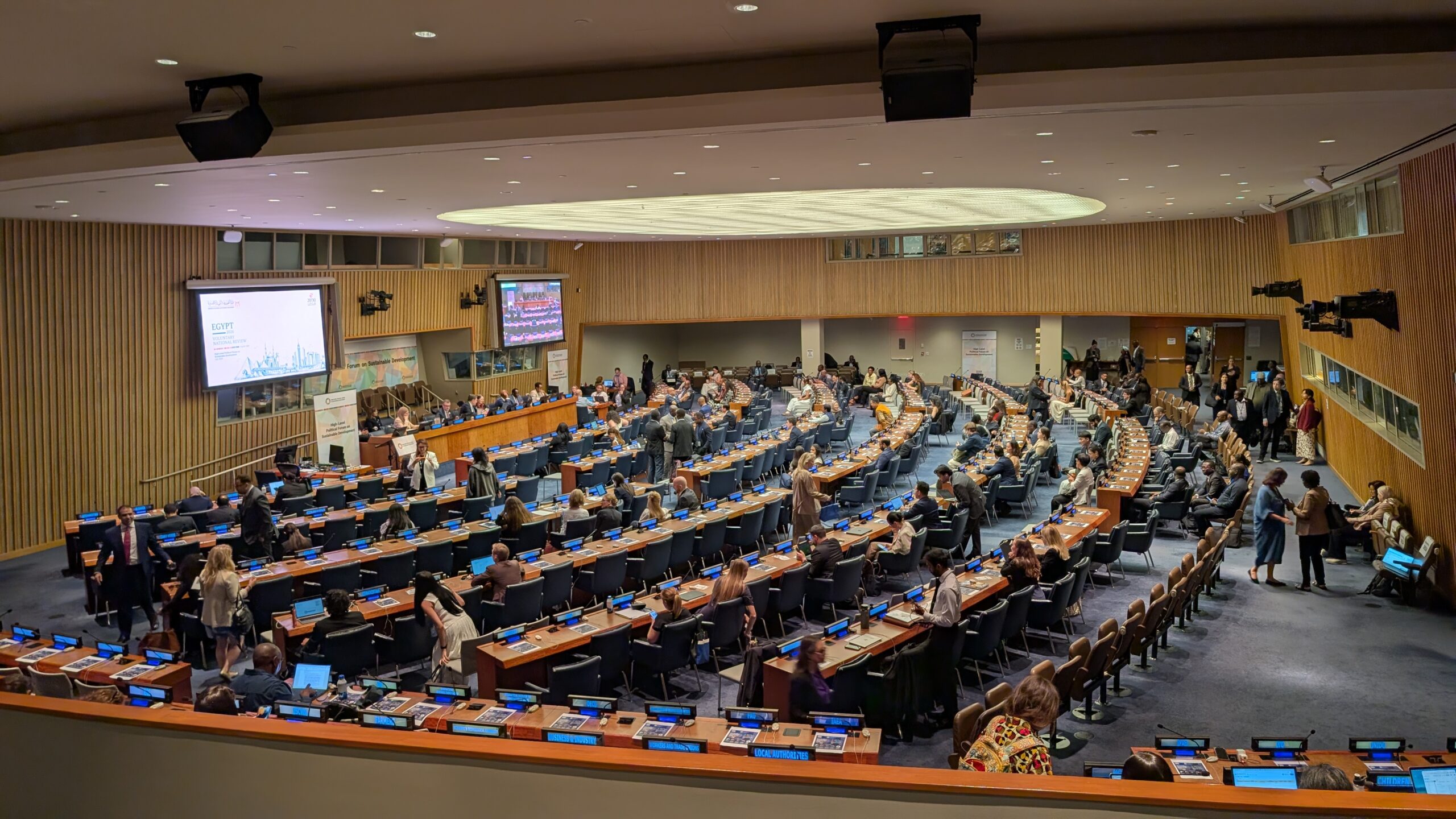
The Ukraine Recovery Conference (URC 2026), co-hosted by Poland and Ukraine, took place in Gdańsk on 25 and 26 June 2026. Being one of the largest international gatherings dedicated to bolstering international support for the country’s reconstruction, as well as catalysing investments for Ukrainian businesses and local governments, this edition brought together more than 5,000 participants.

Heads of state, ministers, donors, and international organisations converged in the Polish city to address the most relevant challenges to Ukraine’s future: energy, critical infrastructure, logistics, and, for the first time, security capabilities.

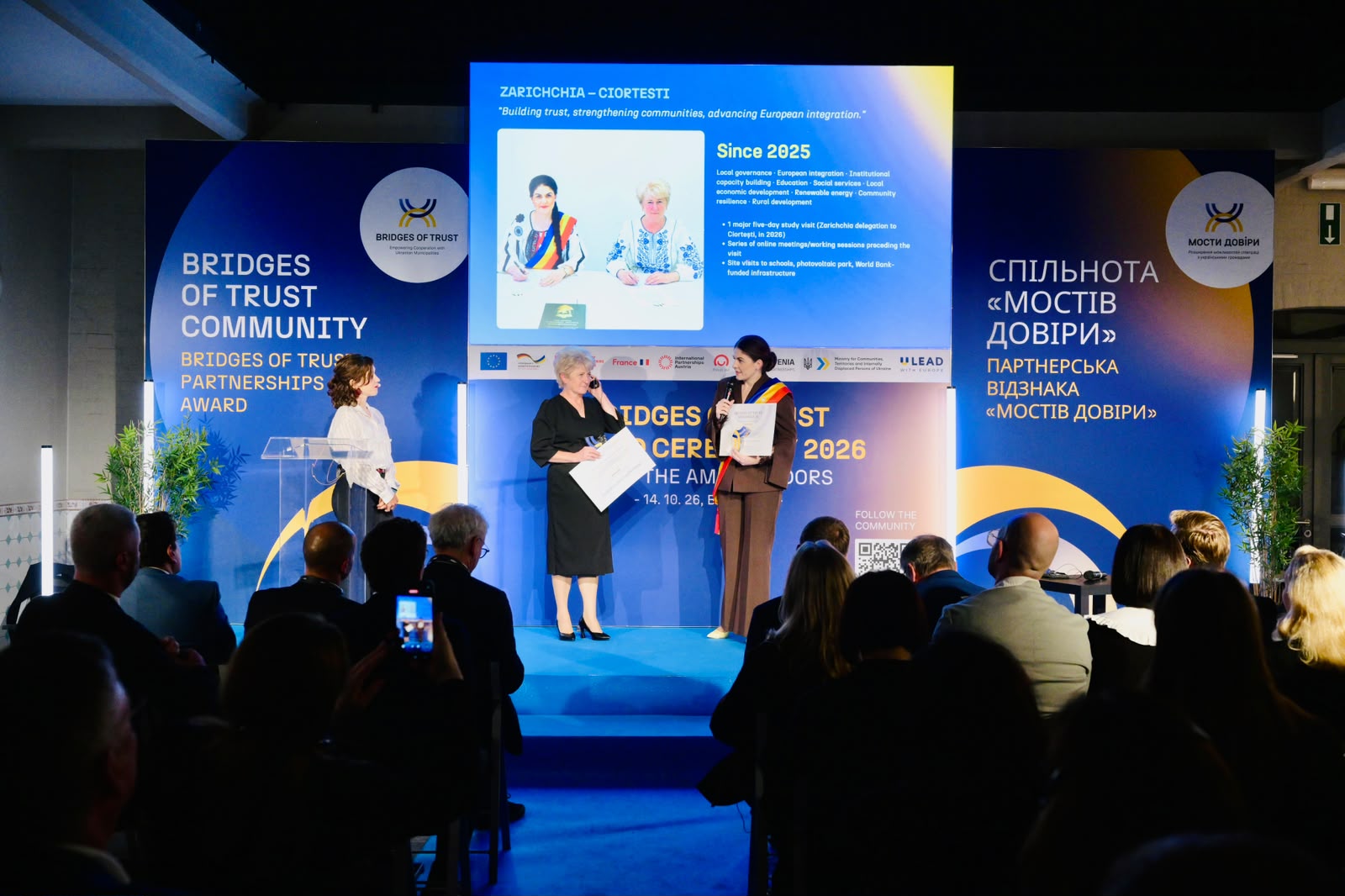
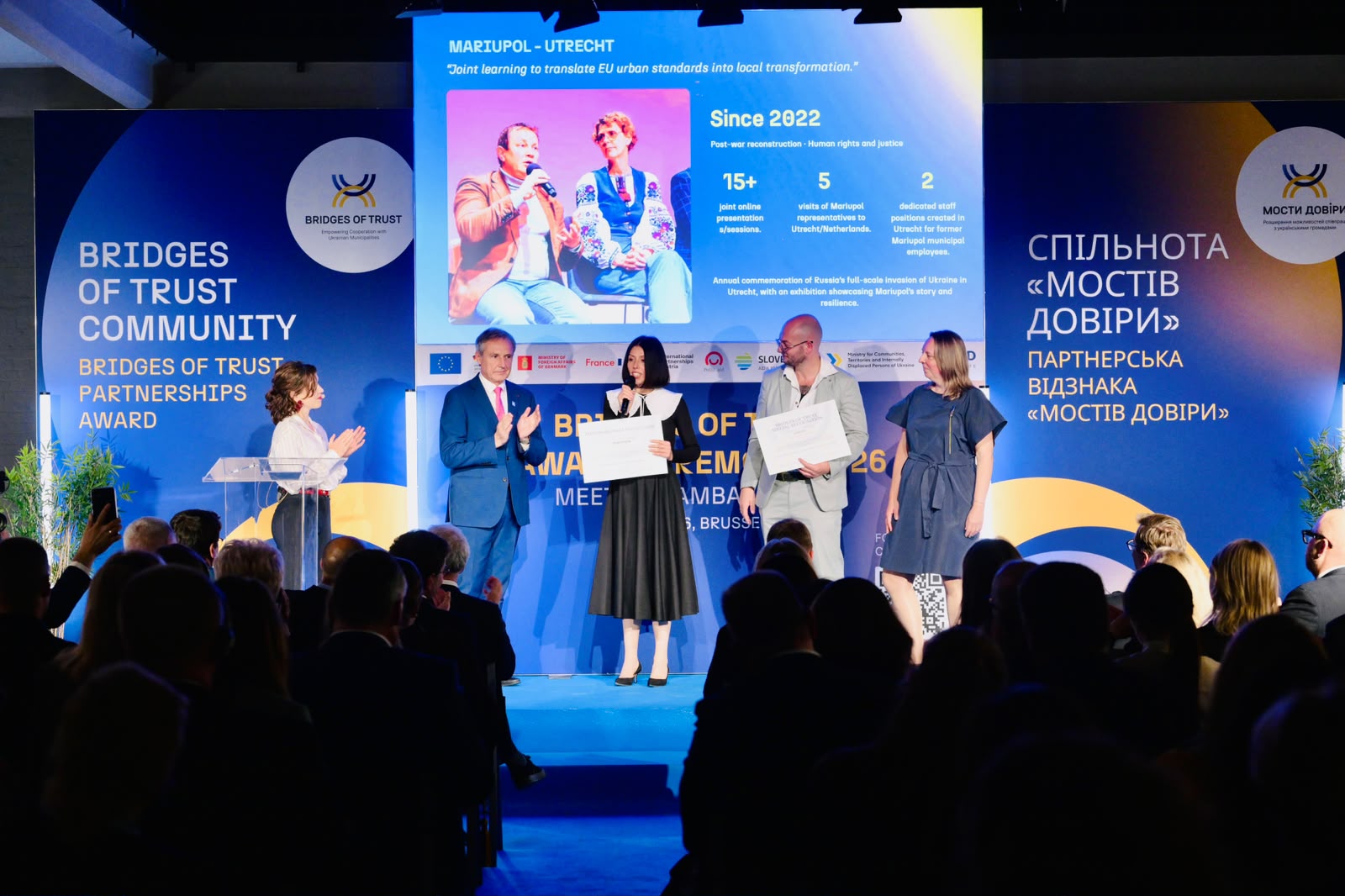
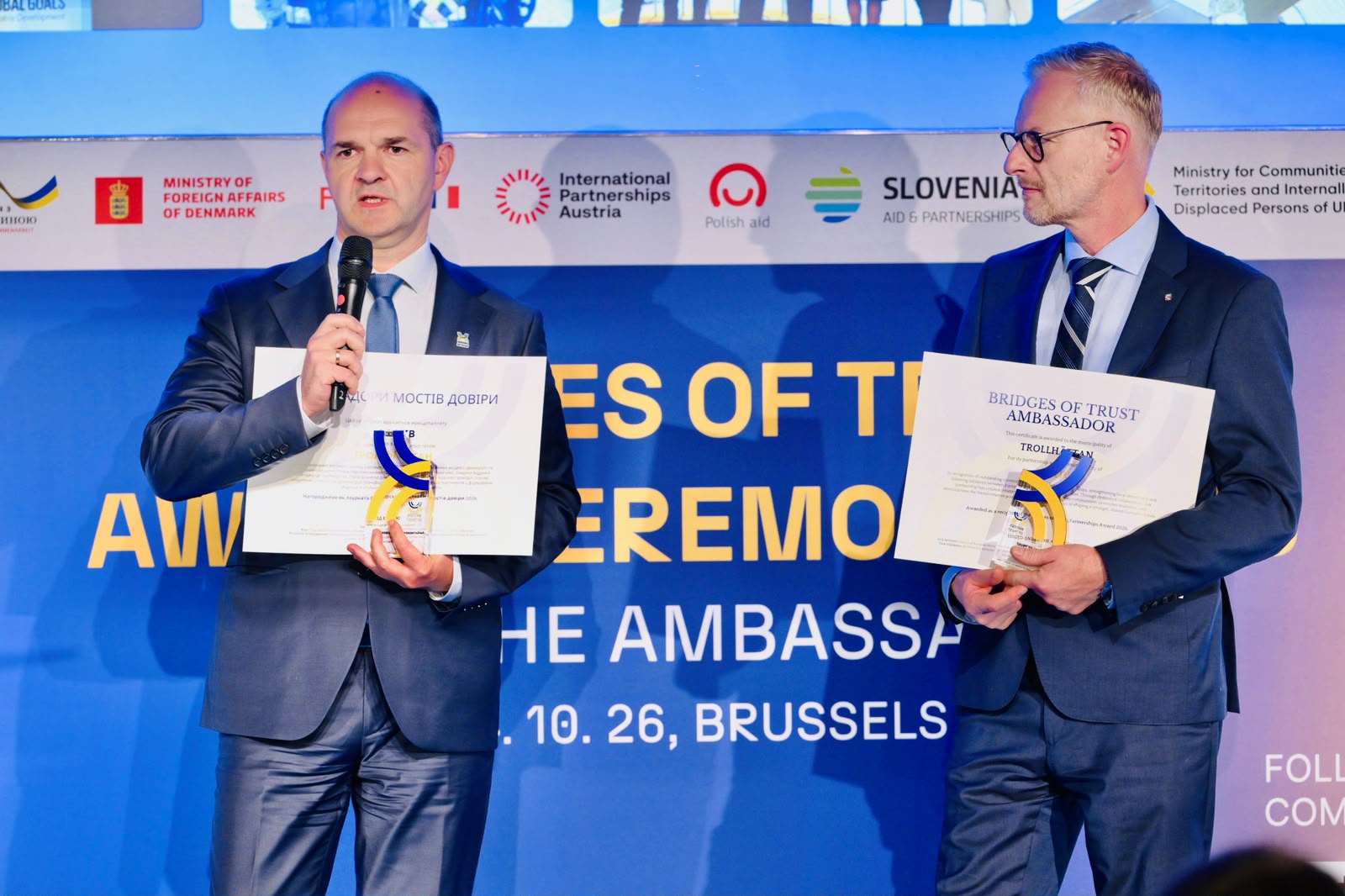
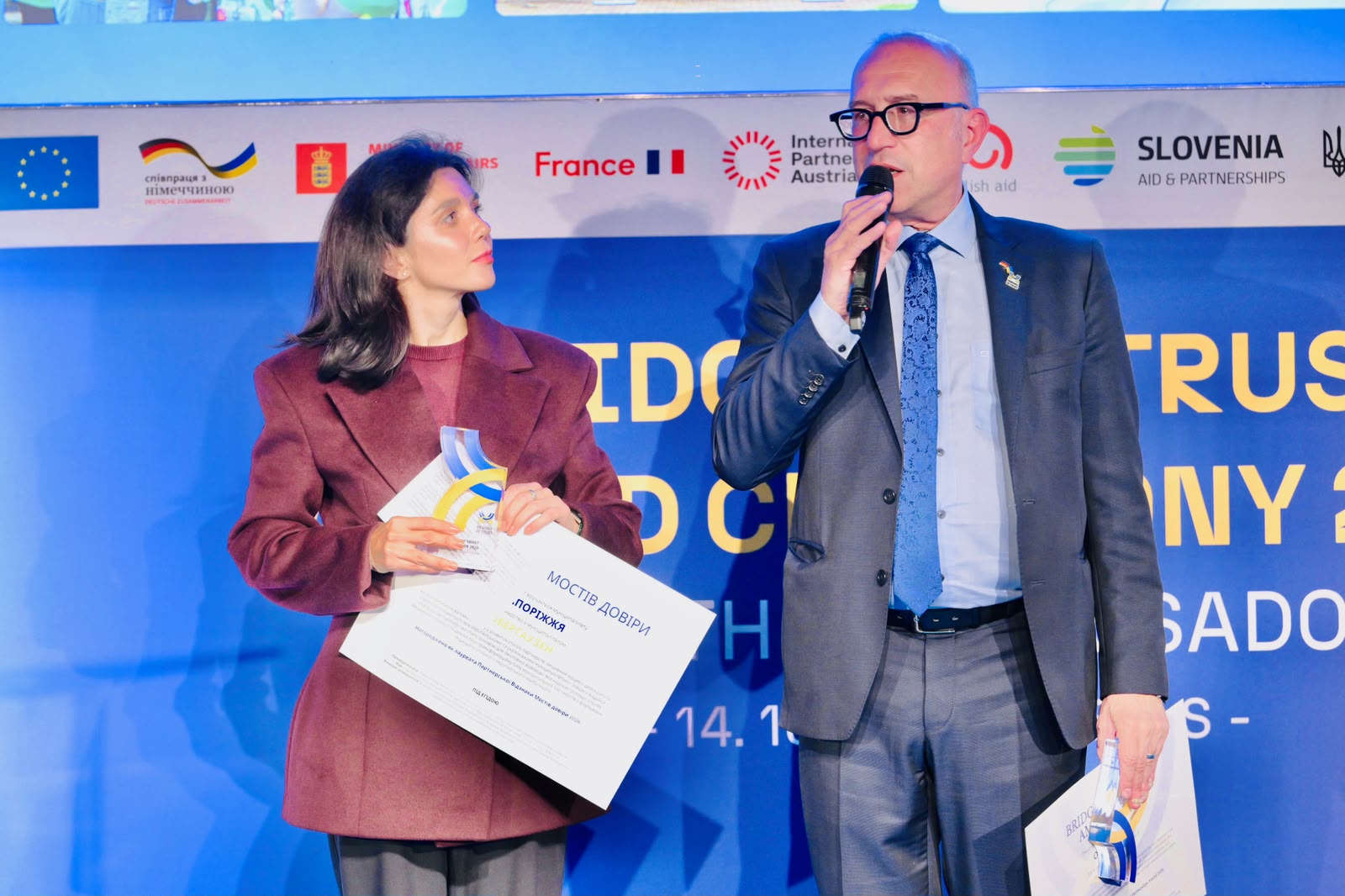
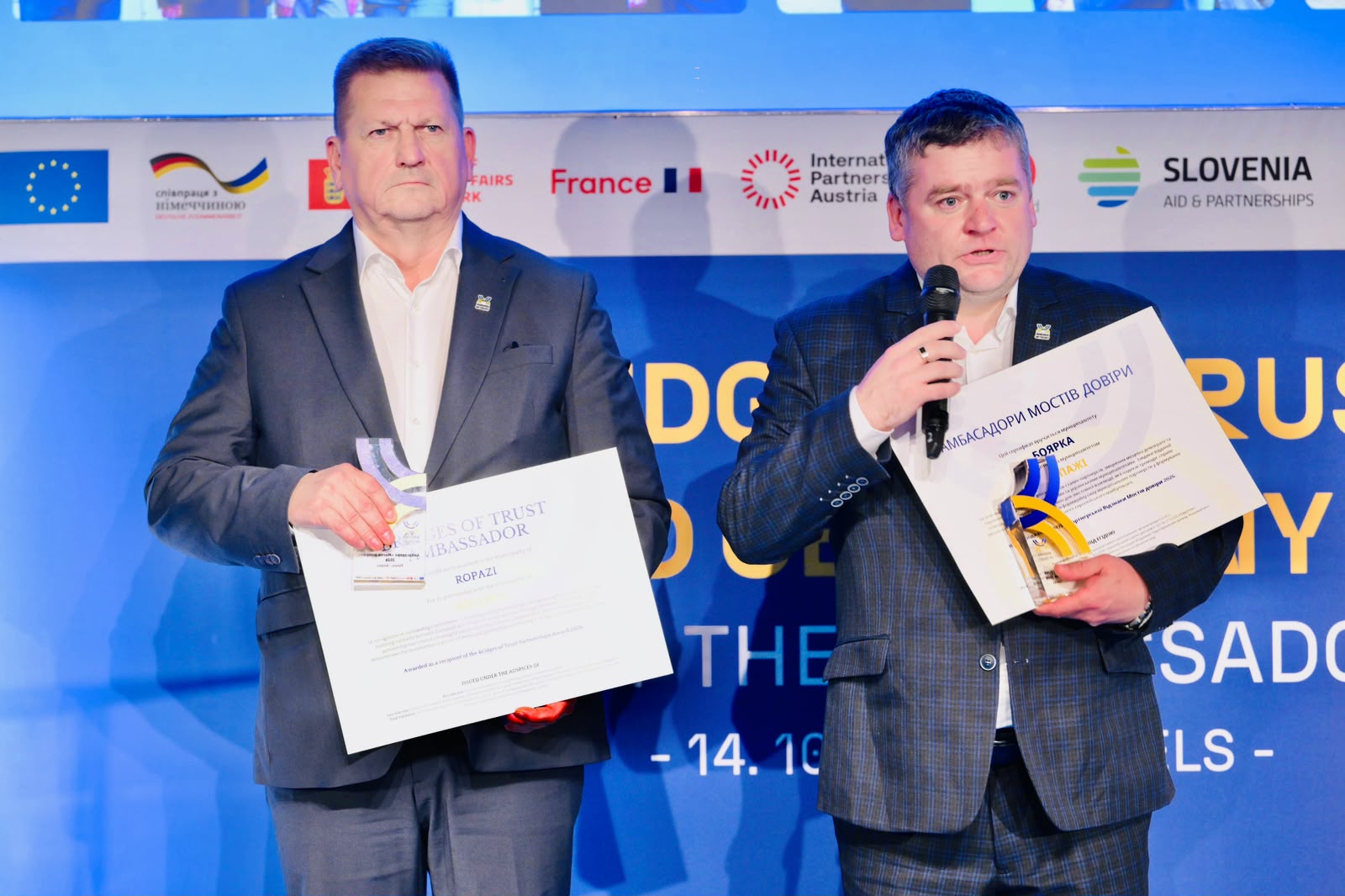
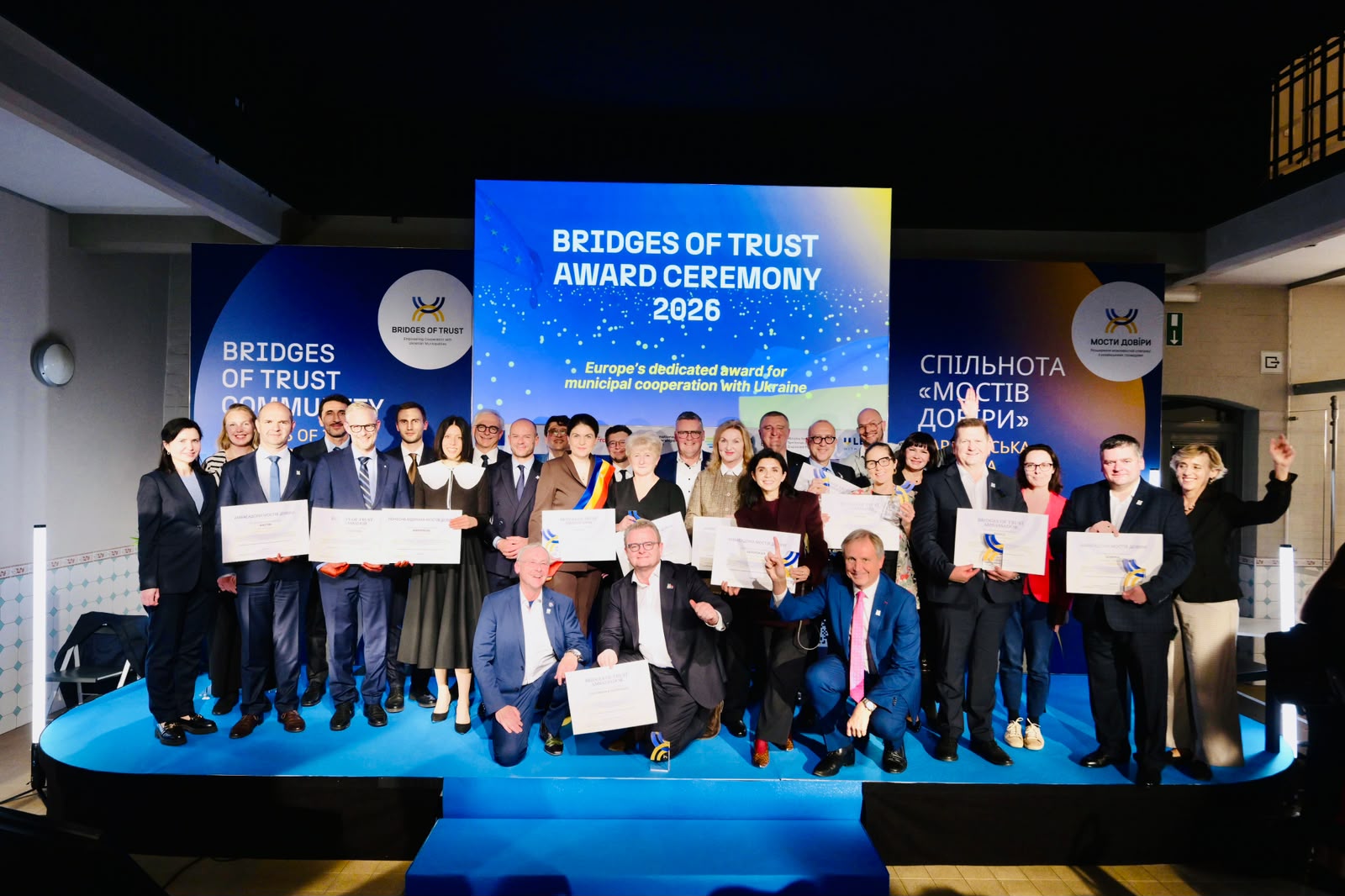
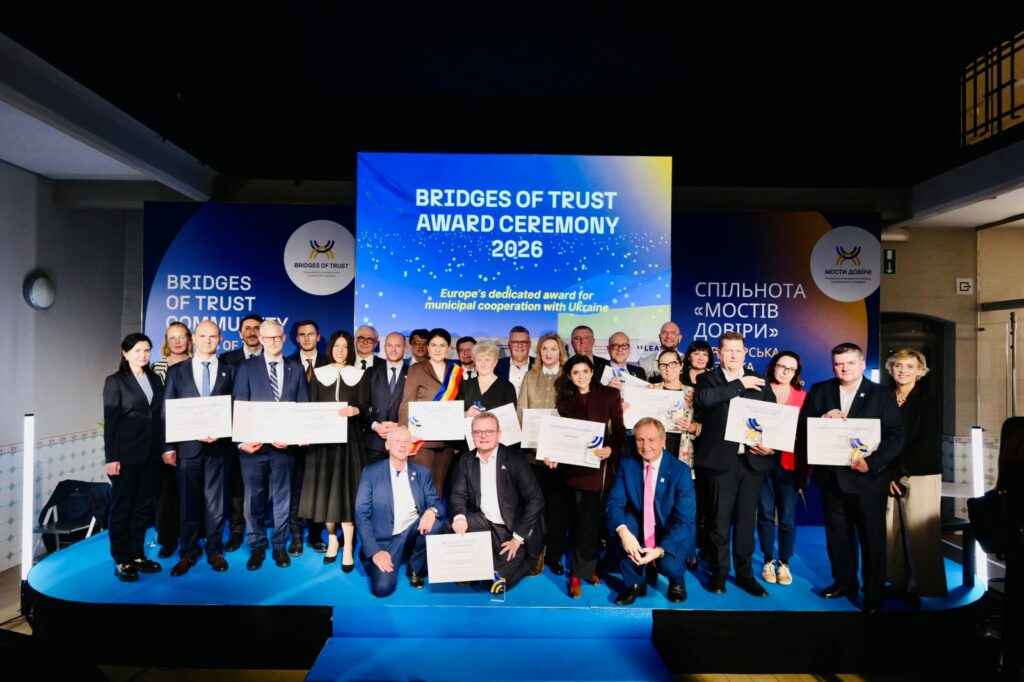
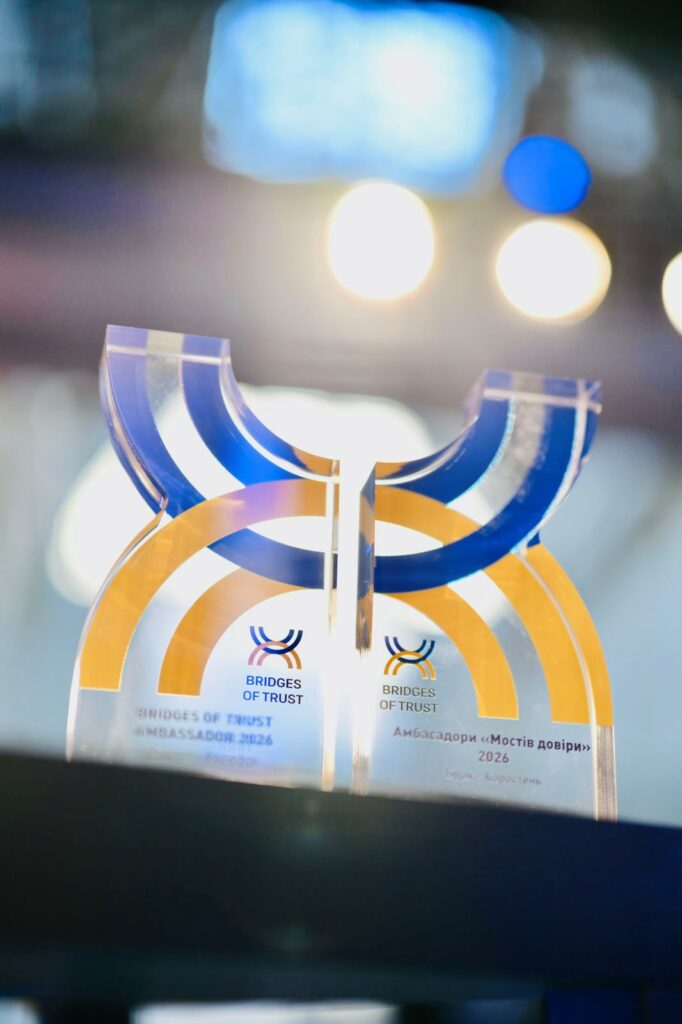
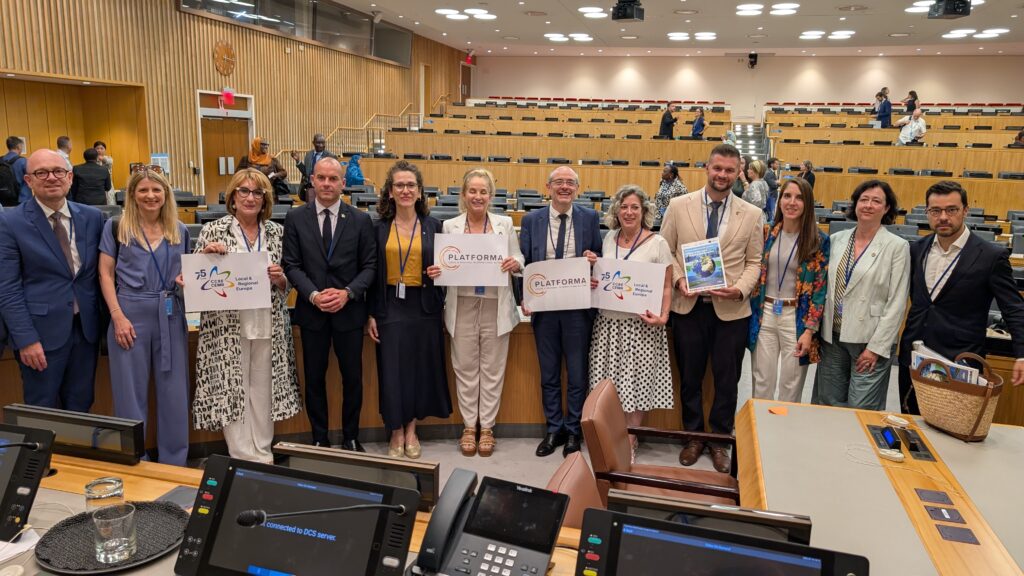
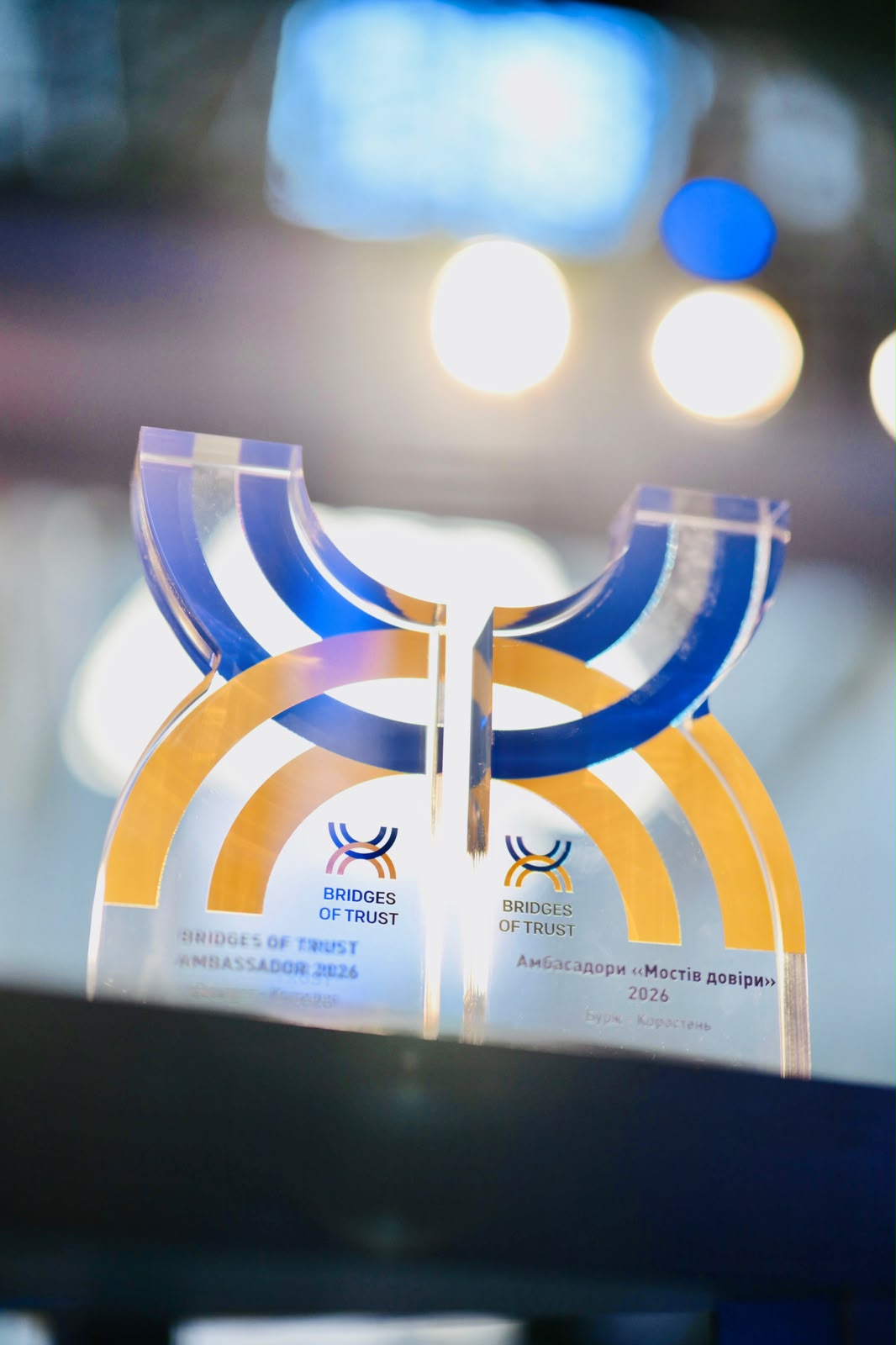
The Council of European Municipalities and Regions (CEMR) participated in the URC2026 representing the secretariat of the European Partnership Hub (EPH), which facilitates the Bridges of Trust (BoT) Community. Two years after the launch of the Matchmaking Platform at URC 2024, and one year after, the launch of the European Partnership Hub (EPH) – hosted by CEMR – at URC 2025 to facilitate the BoT Community actors active in international municipal cooperation with Ukraine, CEMR was present at URC 2026 with a dedicated booth showcasing the collective efforts of the BoT Community and best practices in international municipal cooperation with Ukraine.

CEMR contributed to the local and regional dimension of the conference and thus carried a specific voice, that of local and regional governments. CEMR President Christoph Schnaudigel represented the organisation throughout the two days conference together with Olha Pikula, CEMR Spokesperson on Enlargement and Deputy Mayor of Mariupol City Council, and Oleksandr Vasylenko, Head of the Cherkasy District Council and First Vice-President of the Ukrainian Association of Rayon and Oblast Councils (UAROR).

A joint statement and a call for coordination

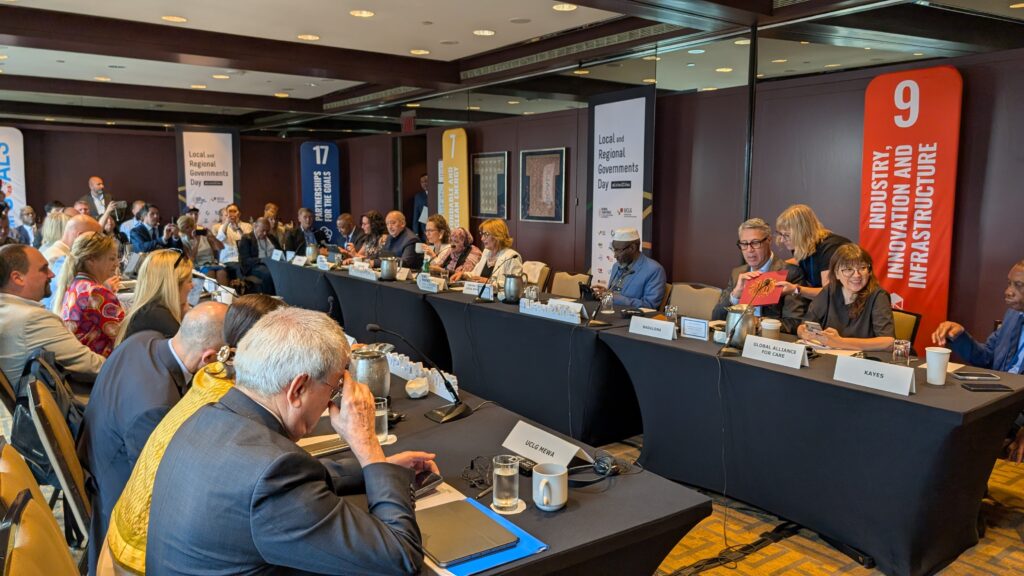
On the eve of the conference, the European Alliance of Cities and Regions for the Reconstruction of Ukraine gathered its 100 members to endorse a joint statement setting out concrete priorities for donor action and Ukraine’s EU integration. As a founding member of the Alliance, CEMR contributed directly to this collective effort. Oleksandr Vasylenko, represented CEMR during the political-level Alliance meeting.

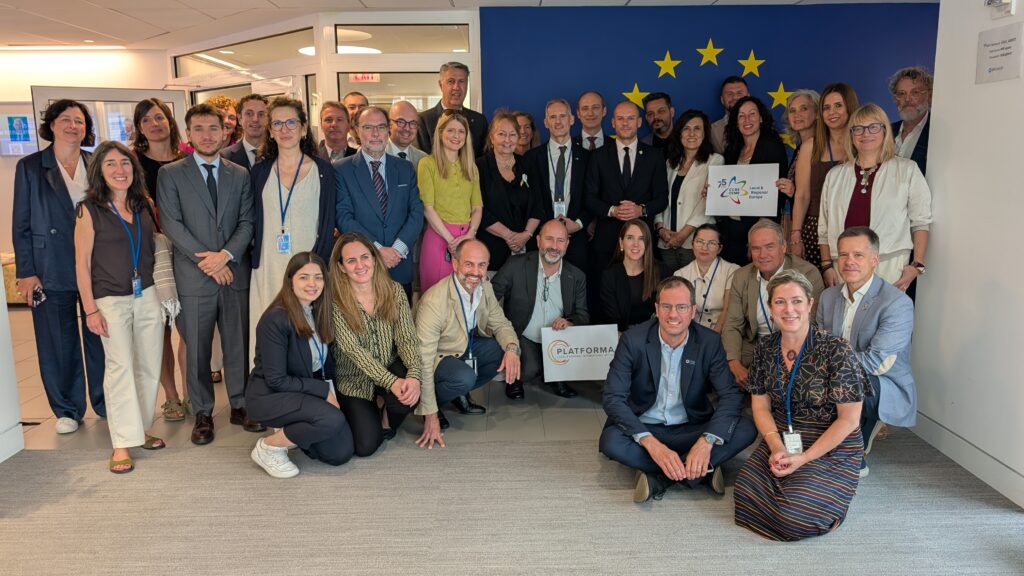
24 June 2026, European Alliance of Cities and Regions for the Reconstruction of Ukraine – political level meeting. Gdańsk – Poland – June 2026 © European Union / Giedrė Daugėlaitė

In his statement, he emphasised: “The Bridges of Trust Community, facilitated by the European Partnership Hub and supported by U-LEAD with Europe, is a successful example of practical cooperation and joint efforts of various actors across Europe. All of these actors deliver tangible results in partnership building and capacity development demonstrating the diversity and potential of municipal cooperation.

The statement recognises that Ukrainian towns, cities and regions have been at the core of the country’s resilience since the start of the full-scale invasion, providing emergency response, maintaining infrastructure, and acting as operational hubs for humanitarian assistance, all whilst preparing for a sustainable future. It calls on institutional partners to treat local and regional governments as strategic partners and integral decision-makers in reconstruction governance, and urges donors to allocate ring-fenced, transparent funding for local and regional development, including direct access to finance and dedicated technical assistance.

Critically for CEMR and the EPH, the statement underlines the potential of municipal cooperation with Ukraine and calls for a reinforcement of existing coordination structures, including the Alliance itself and the BoT Community facilitated by the EPH, and to foster links between local needs, funding opportunities, and the tools already established to support peer-to-peer partnerships such as the Matchmaking Platform.

Niels Annen, State Secretary in the German Federal Ministry for Economic Cooperation and Development, recognised in his intervention the significant increase of international partnerships with Ukrainian municipalities in the last years: “We have moved in the right direction, and we call for the permanent operationalisation of this coordinated effort.

Together with Muriel Lacoue-Labarthe, Special Envoy of the President of the French Republic for Ukraine’s Recovery and Reconstruction, he announced the launch of a new funding line for multi-partner cooperation involving municipalities from Germany, France, Poland and Ukraine.

Meetings and exchanges at the European Partnership Hub booth

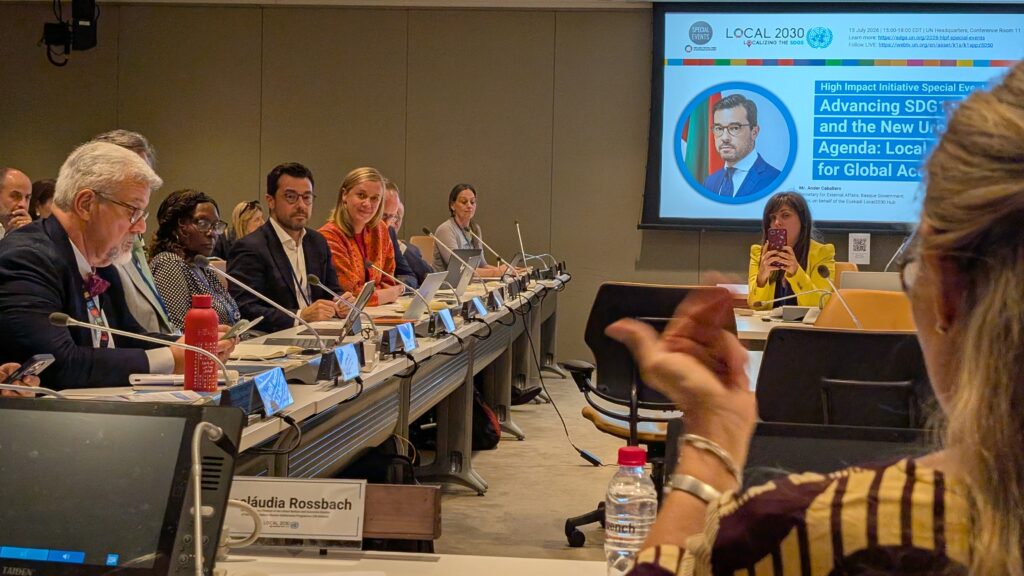
The EPH booth was more than a presence at the conference. Positioned alongside partners from the Committee of the Regions, Eurocities and the Polish Association of Cities, it became a point of convergence for Ukrainian and European partners, hosting a series of exchanges that moved between the political and the technical, the bilateral and the collective.

CEMR President Christophe Schnaudigel met with Aleksandra Dulkiewicz, Mayor of Gdańsk, for a focused conversation on the next Multiannual Financial Framework and the persistent need to ensure that local and regional governments have a genuine seat at the European table. The discussion touched on the importance of coordinated messaging across CEMR, the Committee of the Regions, and city networks, with Ukraine’s recovery and the potential of municipal partnerships running as a thread throughout.

A particularly significant exchange took place between CEMR President Christoph Schnaudigel and Oleksandr Vasylenko, Head of the Cherkasy District Council and First Vice-President of the Ukrainian Association of Rayon and Oblast Councils (UAROR). The two sides explored future prospects of cooperation, covering institutional ties, peer-to-peer exchanges, and support for local self-government. The conversation also engaged with a structural question that matters enormously for Ukraine’s governance: the clarity of competences assigned to rayons and oblasts as the country pursues rebuilding and decentralisation.

CEMR President Christoph Schnaudigel also met with Vitali Klitschko, Mayor of Kyiv, Ukrainian Deputy Minister Oleksii Riabykyn, and Olha Pikula, CEMR Spokesperson on Enlargement and Deputy Mayor of Mariupol City Council, alongside representatives of the BoT Community and partner organisations.

The Director General of Expertise France, one of the key actors within the BoT Community, also visited the EPH stand. The exchange focused on the value of mapping and evaluating existing partnerships, and on the EPH’s role as a coordination structure that helps avoid duplication and fragmentation among international actors. Within the framework of the Global Gateway, the EPH was put forward as a model for building coherent, multi-stakeholder engagement in partner countries.

On the technical side, CEMR’s Director of Projects and Programmes Durmish Guri met with Astrid Kohl, newly appointed Programme Director of U-LEAD with Europe. The meeting was an opportunity to reflect on the results of this partnership: what began as a project has grown into a genuine community of actors committed to Ukraine’s recovery, decentralisation, and EU accession. That trajectory owes much to the sustained support and long-standing cooperation of U-LEAD with Europe, without which the BoT Community and the EPH would not be what they are today.

URC 2026 has shown a strong commitment to the local and regional dimension in the reconstruction of Ukraine, by the organising City of Gdansk as well as by the various associations and networks represented. Side events and exchanges at the EPH booth provided insights into the practical work of municipal partnerships, their opportunities and challenges. CEMR will use this feedback to improve the services of the EPH even further and to shape the future of municipal cooperation with Ukraine with partners from the BoT Community.

CEMR will continue working with its members and partners to ensure that local and regional governments remain central actors in shaping Ukraine’s future, as the institutions closest to the people that reconstruction is ultimately for.

About the next Ukraine Recovery Conference 2027

At the end of URC 2026 in Gdańsk, Estonia announced it will take over as host of the next Ukraine Recovery Conference, to be held in Tallinn in 2027, succeeding Poland’s role as organiser. The Prime Minister of the Republic of Estonia, Kristen Michal, confirmed the news, framing support for Ukraine’s reconstruction as directly tied to European security, and said Estonia intends to build on the momentum generated in Gdańsk. The Estonian Minister of Foreign Affairs, Margus Tsahkna, described Ukraine’s rebuilding as Europe’s largest economic project of the coming decade, spanning infrastructure, democratic institution-building, and EU integration. Estonia also plans to draw on the Nordic-Baltic Eight (NB8) cooperation format to pool regional expertise and resources in organising the 2027 conference.

For CEMR and the EPH, this transition sets the horizon for the next phase of municipal cooperation with Ukraine, building on the commitments and coordination structures reinforced in Gdańsk.

For more information, contact:

Lessons learned from the project FOSTER on climate

Climate - News

Climate change impact mitigation: what about the role of participatory democracy? Lessons from the FOSTER Project 


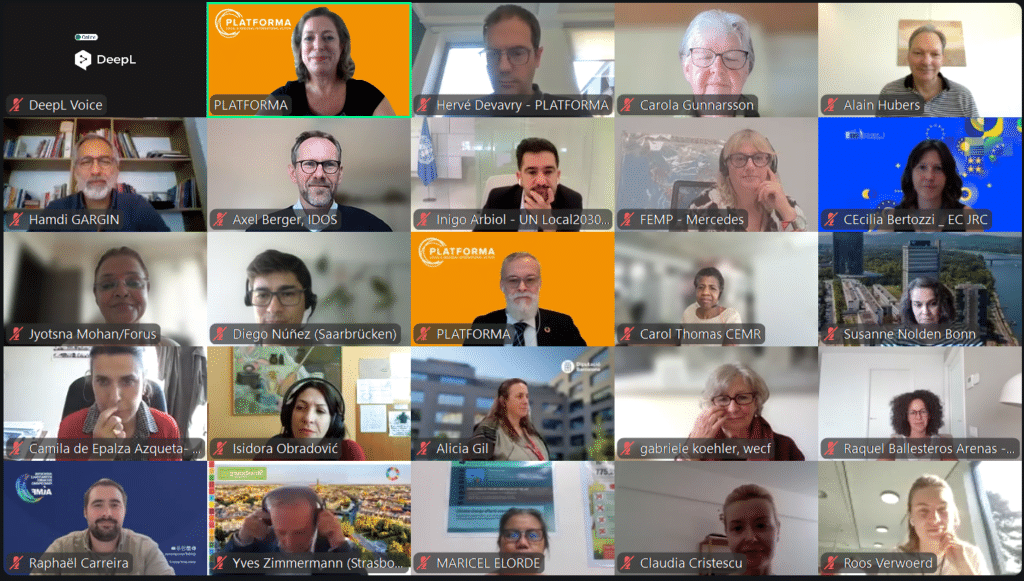
On 9 June 2026, the FOSTER project brought together policymakers, researchers, civil society organisations and citizens from across Europe for an online conference to answer the following question: how can local communities become more resilient to the long-term impacts of climate change through democratic participation? 

Hosted by the partner Foster Europe Foundation, the event offered a unique opportunity to showcase the results achieved throughout the project while fostering a broader discussion on the role of participatory democracy, strategic foresight and collaborative governance in addressing climate-related challenges.

A central part of the event was dedicated to the presentation of the local pathways developed by FOSTER partners: Association of Romanian Municipalities (Romania), Comparative Research Network – CRN (Germany), Foster Europe (Austria),  IASIS (Greece), Istituto per la Ricerca Sociale – IRS (Italy),  NOTUS (Spain), Union of Bulgarian Black Sea Local Authorities – UBBSLA (Bulgaria), with the support of ALDA and CEMR.

Participants had the opportunity to explore the case studies, exchange perspectives and reflect on the lessons learned in the project. The presentations demonstrated how strategic foresight can become a powerful tool for communities to anticipate future challenges and transform them into opportunities for collective action and highlighted both the potential and the challenges of participatory climate governance.

Despite the diversity of local contexts, several common challenges emerged from the case studies. Participants highlighted the increasing vulnerability of urban areas to extreme weather events, the unequal distribution of green infrastructure, the need to protect and regenerate public spaces, and the importance of ensuring that climate adaptation measures also address social inclusion and quality of life.

Strategic foresight as a key tool for engaging with local stakeholders

The FOSTER local pathways demonstrated how participatory foresight can help communities move beyond short-term responses and engage in long-term thinking. Through workshops, scenario-building exercises and co-design activities, citizens, civil society organisations and local authorities worked together to identify future risks and develop locally grounded solutions. These ranged from urban greening interventions and climate-resilient public spaces to sustainable housing strategies, stronger governance mechanisms and new forms of civic participation.

The project also highlighted the importance of building trust between citizens and public institutions. Involving municipal representatives directly in the participatory process helped create constructive dialogue and increased the legitimacy of the proposed solutions. At the same time, participants recognised that maintaining engagement over time remains a challenge. Project’s partners highlighted the phenomenon of “participation fatigue”. Discussions confirmed that citizens are willing to engage in climate-related decision-making when they can clearly understand the purpose of the process and when their contributions are translated into concrete actions.

Another key lesson emerging from the conference and the project was that participatory processes alone are not sufficient. Long-term impact requires institutional commitment, supportive legal frameworks, coordination among stakeholders, and mechanisms that ensure the implementation of the solutions developed collaboratively. As several speakers noted, participation is most effective when it becomes an integral part of governance rather than an isolated project activity.

Together, these contributions reinforced one of the key messages emerging from the FOSTER project: addressing climate change requires governance models that combine long-term thinking, community participation and cross-sector collaboration. Resilient communities are built through inclusive decision-making processes that empower citizens to actively anticipate and shape their futures while co-creating practical and inclusive responses.

Recordings from the Conference:

For more information, contact:

Counting down towards the new TERRI report

Terri report - News 2026

Reflecting on what local governance means in the face of current challenges

354 words
1–2 minutes

Local and regional governments across Europe are under growing pressure. Tight budgets, staff shortages, rising social care needs, climate challenges, and digital transformation are pushing governments to rethink how they deliver services and allocate resources to meet increasingly diverse local needs. At the same time, citizens expect more services that are responsive, accessible, and rooted in local realities.

These issues were the subject of a recent meeting of CEMR’s Governance and Local Democracy Expert Group, where one key takeaway stood out: governance is no longer just about deciding who is responsible for what. It is more often about how different levels of government work together and their ability to do so well.

Adapting governance to new realities

Governments across Europe are pursuing all kinds of reforms — decentralisation, territorial restructuring, inter-municipal cooperation and administrative consolidation. The approaches vary, but the goal is often the same: making sure public institutions can keep up with a changing world.

But reform is not just about reshuffling structures. It raises fundamental questions: How clearly are responsibilities divided? How can governments build capacity while staying accountable? And how can reforms improve services without undermining democratic legitimacy? Ultimately, those delivering services on the ground need a real say in shaping reforms, otherwise they risk becoming exercises in administrative tinkering rather than genuine improvements.

Monitoring change

This is part of why CEMR tracks governance developments through its Territorial Governance, Structures and Reforms (TERRI) report. The previous edition, produced during COVID-19, captured how governance arrangements affected crisis response. The next edition, due this autumn, will focus on housing policy, examining how responsibilities are shared across national, regional, and local levels to meet growing demand under tight resource constraints.

The report will not have all the answers, but it will capture a moment in time. Across very different systems, one lesson holds: reform is not an end in itself. The real test is whether it makes public action more effective and more legitimate — and that is what CEMR will keep monitoring.

Read CEMR´s last TERRI report here: https://terri.cemr.eu/en/

For more information, contact:

Policy recommendations on AgoraEU

EU financing opportunities - News

Committee of the Regions adopts AgoraEU opinion with CEMR’s key policy recommendations at its core

742 words
3–5 minutes

The European Committee of the Regions (CoR) adopted its opinion on the proposed AgoraEU programme at its 171st plenary session. Drafted by rapporteur Csaba Borboly (RO/EPP), Vice-President of Harghita (Romania) County Council, the opinion sends a clear message to EU institutions: local and regional governments are essential implementing partners in Europe’s cultural, media and democratic future.

AgoraEU is the Commission’s proposal to merge Creative Europe and the Citizens, Equality, Rights and Values (CERV) programme into a single framework for the EU budget 2028–2034, covering three strands: culture, media, and democracy. While the ambition to create coherence is welcome, CEMR and the CoR have both underlined that this merger must not dilute the specific objectives and funding of each stream.

Ahead of the CoR’s deliberations, CEMR submitted several policy recommendations to the European Committee of the Regions, which have been reflected across four critical areas.

Town twinning: from omission to recognition

The most important alignment concerns town twinning and networks of towns. CEMR called for twinning to be recognised as a strategic democratic instrument with a clearly earmarked budget line — a cost-effective vehicle for civic participation, intercultural dialogue and European identity-building, especially in the context of geopolitical instability and enlargement process.

The CoR echoes this directly, calling for twinning networks and cross-border municipal partnerships with dedicated multi-annual funding. It also formally regrets that the Commission’s proposal dropped the twinning actions provided for under CERV and calls for their reinstatement. Town twinning reaches hundreds of thousands of citizens each year, including in small towns and rural areas rarely served by complex EU funding instruments. A CEMR Analysis of Twinning in Europe in 2023 showed that local and regional government associations (LRGAs) play an important role in twinning. More than 80% of respondents stated that they have been active in this field in the last two years and 75% declared interest to continue and to develop activities even further including cultural exchange, peer learning and joint project implementation.

National Contact Points and simplified access

National local and regional government associations and city networks have a proven track record in channelling EU funding to grassroots actors. CEMR argued that well-resourced National Contact Points, hosted by national associations of local and regional governments, are essential to reach smaller municipalities, rural areas and first-time applicants, and that national associations and municipal networks should be formally recognised as strategic bridge actors empowered to manage Financial Support to Third Parties (FSTP) mechanisms.

The CoR moves in the same direction, though with its own framing. It stresses that proportionality must be assessed not only in policy scope but in accessibility and inclusivity, and endorses simplified grant formats, capacity-building support and two-step application and cascade grant processes that have proven their value in previous programmes. It also calls for AgoraEU contact points to be established at least at national level, and where appropriate at regional level. Critically, it proposes that own contribution requirements for small-scale and grassroots initiatives be capped at 10% of total eligible costs, coverable through national, regional or local co-financing — a practical measure that directly addresses one of the most persistent barriers to bottom-up participation.

Embedding local governments within the programme’s governance framework

The CoR holds that AgoraEU must fully align with active subsidiarity and multilevel governance, calling for the role of LRAs to be formally recognised in the regulation, for territorial participation indicators to be introduced, and for evaluation criteria to be explicitly linked to territorial cohesion and citizen engagement.

What comes next

The CoR opinion is a strong institutional signal. The challenge now is to carry this territorial voice into the EU budget negotiations between the European Parliament and the Council.

CEMR will continue to advocate for the four pillars essential to making AgoraEU work for local and regional governments: a protected budget line for twinning actions; well-resourced National Contact Points with a genuine territorial mandate; formal recognition of intermediary organisations to facilitate the access to small subgrants; and meaningful participation of LRGs representatives in programme governance from the outset.

Culture, media and democracy are lived every day in town squares, local theatres and municipal councils across Europe. AgoraEU has the potential to reinforce that. The CoR has made clear what it takes — now it is up to the European Parliament and the Council to move towards this direction.

Read the Committee of the Regions’ adopted opinion [here]

Discover CEMR’s EU budget campaign

For more information, contact:

“Right to Stay” strategy

Right to Stay strategy news

CEMR calls for a place-based “Right to Stay” strategy

468 words
2–3 minutes

In its contribution to the European Commission’s call for evidence on the upcoming “Right to Stay” strategy, the Council of European Municipalities and Regions (CEMR) calls for a politically ambitious, place-based framework that puts local and regional governments at the centre of Europe’s response to territorial, social, economic and demographic imbalances.

For CEMR, the right to stay means that people must be able to live, work and thrive in the place of their choice: whether in a city, a town or a rural area, without being forced away by lack of public services, economic opportunity, poor connectivity or rising living costs.

This is not just a matter of territorial cohesion. It is also a question of fairness, democracy and trust in the European project. If the EU wants to respond to growing territorial inequalities, it must start by investing in the places people call home and by recognising the governments closest to citizens as strategic partners.

In its response, CEMR underlines that there can be no right to stay without access to services, housing and opportunity. Across Europe, too many territories still face shortages in healthcare, education, mobility, childcare, energy and digital infrastructure. At the same time, rising housing costs are pushing people out of cities, while many rural and shrinking areas continue to suffer from depopulation and underinvestment.

CEMR therefore calls on the EU to strengthen support for services of general interest, affordable housing and integrated territorial development. It also stresses the need to create enabling conditions for local economic opportunities in every territory, including through better transport and digital connectivity, support for entrepreneurship, and action to tackle labour shortages in key local public services.

CEMR also highlights the growing importance of climate resilience, sustainable mobility and local energy production for territorial attractiveness and energy security. Investments in adaptation, renewable energy and accessible transport must therefore be part of any credible Right to Stay agenda.

For CEMR, Cohesion Policy must be the main delivery tool of the future strategy. In the next EU budget, the Right to Stay should be recognised as a clear strategic objective, backed by strong funding, integrated territorial instruments and genuine partnership with local and regional governments in the design of national and regional plans.

CEMR also calls for the Right to Stay to be embedded in EU governance, including through the European Semester and stronger territorial impact assessments. Europe cannot continue to shape policies for territories without systematically involving the authorities responsible for delivering them.

The message is clear: the right to stay will only be real if the EU gives territories the means to remain attractive, affordable, connected and resilient. That requires political ambition, long-term investment and a genuine multilevel partnership with local and regional governments.

For more information, contact:

Statement on public procurement

Public procurement services news

Call on European institutions to safeguard public-public cooperation and in-house provision in the Revision of the Public Procurement Directives 

313 words
1–2 minutes

Public-public cooperation and in-house provision are essential tools enabling local and regional governments to organise, deliver, and manage public services directly — whether through cooperation with other public authorities or through entities under their control — without resorting to external operators.  

The Council of European Municipalities and Regions (CEMR) released a statement in which it expresses its strong opposition to calls and proposals that further restrict public-public cooperation and in-house provision in view of the upcoming Revision of the EU Public Procurement Directives.  

In this new statement, CEMR argues that public-public cooperation and in-house provision are firmly grounded in the EU Treaties, the Public Procurement Directives, and the case law of the Court of Justice of the European Union. Local and regional governments must retain the freedom to choose the delivery model that best serves their communities — including direct provision and cooperation with other public authorities.  

CEMR also takes aim at the notion that public-public cooperation or in-house provision harms competition. There is no evidence to support that claim; if anything, these models can improve efficiency, support investment, and strengthen essential public services for citizens.  

Additionally, at a time of growing geopolitical uncertainty, cybersecurity risks, and growing pressure on public services, local authorities cannot afford to lose the flexibility to organise critical services in-house or through trusted public partnerships.  

CEMR calls to the European institutions for greater legal certainty — not further restriction — in the revision of Article 12 of the Public Procurement Directive, while safeguarding the right of local and regional governments to organise public services according to local needs and democratic choices.  

To complement this information, you can also read here CEMR’s position paper setting out what local and regional governments need from the revision of the 2014 Public Procurement Directives. 

For more information, contact:

Reaction to the EU procurement rules

Public Procurement news

CEMR calls for a simpler, fairer revision of the EU public procurement directives, putting local realities at the centre of the reform

526 words
2–3 minutes

Local and regional governments (LRGs) are Europe’s largest public investors, spending more than €3 trillion a year through procurement. From care services to construction, from digital tools to energy infrastructure, every euro spent through public contracts has a direct impact on citizens’ daily lives. Yet the rules governing how LRGs buy are growing increasingly fragmented, complex, and out of sync with local realities.

As the European Commission prepares to revise the 2014 Public Procurement Directives, CEMR has adopted a position paper setting out what LRGs need from the reform. The message is clear: the revision must prioritise simplicity, flexibility, and subsidiarity instead of adding new layers of mandatory obligations to already overstretched towns, cities and regions.

A flexible framework that works for all

Most LRGs in Europe are small, operating with limited legal, technical, and administrative capacity. The current framework, scattered across more than 60 EU sectoral legislative acts, was not designed with them in mind. CEMR calls for a directive-based approach that preserves flexibility, and for EU-level clauses on environmental, social, and innovation considerations to remain voluntary. A comprehensive review mechanism should consolidate procurement obligations across sectoral legislation to eliminate contradictions and reduce the burden on contracting authorities.

Higher thresholds, fewer unnecessary procedures

EU procurement thresholds have not been changed in over a decade, despite significant inflation and rising costs. As a result, an ever-growing number of public purchases are now subject to full EU-level procedures, despite no real cross-border interest. Indeed, direct cross-border procurement accounts for just around 2% of all contract awards. CEMR calls for a substantial increase in thresholds, in line with cumulative inflation since 2014, alongside an automatic indexation mechanism to prevent the same problem from recurring.

Made-in-Europe and strategic goals must not come at local cost

CEMR supports the Commission’s broader ambitions on European competitiveness and strategic autonomy, goals that matter equally to LRGs who depend on resilient supply chains. However, a “Made in Europe” approach will significantly increase costs for contracting authorities if applied broadly. LRGs must not be penalised when EU supply is unavailable and must not be responsible for verifying complex supply chain origin documentation. That responsibility should lie with economic operators, supported by EU-level certification.

Protecting public-public cooperation and in-house provisions

LRGs regularly collaborate across boundaries to pool resources and deliver services more efficiently, especially in rural or low-capacity areas. Yet, Article 12 of the current directive remains too restrictive and unclear, creating legal uncertainty for many legitimate forms of public-public cooperation and in-house arrangements. CEMR therefore calls for a broader and clearer exemption for genuine cooperation between public authorities, and for in-house procurement to be protected from market-oriented interpretations, allowing LRGs to retain the democratic discretion to organise and deliver public services in the way that best serves their communities.

CEMR will continue to engage actively with the European institutions throughout the revision process to ensure that the voices of local and regional governments shape the outcome of this crucial reform.

Read our latest statement on our position paper here

For more information, contact:

Leaders’ Summit in Rovaniemi

CEMR Leaders Summit 2026 - Rovaniemi

CEMR local leaders adopt a political declaration calling for cohesion, competitiveness and global partnerships at the heart of the next EU budget 


Gathered at the CEMR Leaders’ Summit in Rovaniemi, around 150 local leaders call on EU Heads of State to include the European Parliament’s EU budget recommendations on multilevel governance, territorial delivery and predictable funding into their negotiations with the Council 


Over 150 local leaders from 29 countries across Europe gathered in Rovaniemi, Finland, for the Council of European Municipalities and Regions (CEMR) Leaders’ Summit, engaging in timely discussions on key European priorities. 

A political declaration at a pivotal moment 

One of the Summit’s main outcomes was the adoption of a political declaration signed by 55 local leaders who are calling on EU Heads of State to incorporate the European Parliament’s key recommendations on the next EU budget (2028-2034) into their negotiations in the European Council. Adopted during the CEMR Leaders’ Summit in Rovaniemi, the declaration comes at a crucial stage in the interinstitutional discussion on the upcoming Multiannual Financial Framework (MFF). 

By endorsing this declaration in support of an EU budget that works for every territory, CEMR members urge that cohesion, competitiveness and global partnerships remain at the core of the next long-term EU budget. Addressed to national leaders, the declaration advocates for a place-based, predictable budget grounded in genuine multilevel governance

The declaration follows the European Parliament’s adoption of its interim report on the 2028–2034 EU budget on its plenary meeting of 28 April 2026, in which the Parliament set out its political priorities and will be the basis of negotiations with the Council.   

Given that the Member States will finalise their position at the Council meeting to be held on 18 and 19 June, CEMR calls on them to take into consideration the position and proposals put forward by the European Parliament towards an EU budget that delivers competitiveness, cohesion, and trust across all territories. 

Christoph Schnaudigel, CEMR president, stated that: The next EU budget must work for every territory in Europe. Cities and regions are where European policy meets real life — where floods are managed, where people need cooling centres, where businesses invest or leave. Europe’s competitiveness and resilience will only be as strong as its weakest territory. The time to act is now”. 

Local leaders attending the CEMR Leaders’ Summit also had the opportunity to exchange views on the interinstitutional negotiations on the next MFF with the Member of the European Parliament, Vice-chair of the EU Budget Committee, Giuseppe Lupo. During the discussion, Luppo stated that “we are asking for the Council’s official position, therefore it is extremely important to develop any initiative in order to convince member states to accept the European Parliament proposal.” 

Local and regional governments: strengthening resilience through foresight and preparedness 

The Summit also provided a platform to discuss how local and regional governments can better use foresight and preparedness to anticipate and mitigate the impacts of crises and emergencies. 

As the host country, Finland—internationally recognised as a global leader in crisis preparedness and long-term strategic foresight—offered valuable insights. Participants explored how democratic institutions at all levels must evolve to govern effectively in an era marked by uncertainty and disruption. 

Katri Kulmuni, Former Deputy Prime Minister of Finland and the northernmost Member of the European Parliament, stated that “preparedness is a broader way of living. It is not a cost but an investment, and it will only work if the local communities are involved.”   

The political discussion included voices from across the continent, from north to south. 

Director of Technical Service of the City of Rovaniemi, Pertti Onkalo, expressed that “across Europe, cities and regions face similar challenges, even though each has its own unique characteristics. By sharing lessons learned, we can ensure that no one has to reinvent the wheel”. He also added that “these days the importance of preparedness is increasingly recognised; but preparedness must be built before a crisis, not during it.” 

This is what Elisabeth Unell, the mayor of Västerås in Sweden, stated: “Building preparedness means practising different scenarios and preparing together. We need stronger coordination and experience sharing among local governments across Europe.” 

“Preparedness and foresight are getting more into our DNA, especially in the western part of Europe. When there is a crisis, the most vital thing is the structure. But it is not always the government that can instantly help. It is also important to invest in the local governments.“ Ap Reinders, the Mayor of Stichtse Vecht. 

The Mayor of Estarreja (Portugal), Isabel Simoes Pinto, argued that “for citizens, preparedness cannot be an abstract concept. It needs to come from the confidence of the local leaders. We must transform preparedness into a normal dimension of governance, a daily aspect of life.” – Mayor of Estarreja (Portugal), Isabel Simoes Pinto 

Christoph Schnaudigel appointed CEMR President 

During the Summit, the CEMR Policy Committee appointed Christoph Schaudigel as the new President of the organisation, following the resignation of Gunn Marit Helgesen after her election as President of the Congress of Local and Regional Authorities (CLRAE).  

CEMR local leaders also decided that Gunn Marit Helgesen will continue to serve as CEMR Co-President alongside Philippe Laurent and Vince Maple. 

In his initial speech, Christoph Schnaudigel stated: “I am honoured to take on the role of President of CEMR at such a crucial moment for Europe’s towns, cities and regions. As the negotiations on the next EU budget unfold, and as our values and local democracy are increasingly challenged in a turbulent geopolitical context, our unity matters more than ever. I look forward to working even more closely with all our members to ensure that local voices are heard and involved in the European process of decision-making. This also includes strengthening CEMR’s commitment to international partnerships to uphold peace, democracy, sustainability and solidarity.” 

Christoph Schnaudigel is the President of the German Section of CEMR (RGRE) and the President of the County of Karlsruhe (Germany). He has been an active member of CEMR’s leadership since 2017, when he became the Spokesperson on Public Services. 

Marking CEMR’s 75th anniversary 

The Rovaniemi Summit built on CEMR’s 75-year legacy of supporting towns, cities and regions through major transformations—from post-war reconstruction to today’s climate and social transitions. 

Local leaders celebrated this milestone with the launch of a new CEMR video presentation, as well as a series of interviews titled “Voices of our 75-year history.” A photobooth featuring a “Local Time” newspaper, showcasing “Our local leaders” as protagonists, also formed part of the celebrations. 

The CEMR Leaders’ Summit in Rovaniemi was hosted by the city of Rovaniemi and the Association of Finnish Cities and Municipalities (Kuntaliitto). 

For more information, contact:

The European Partnership Hub Secretariat in Ukraine    

CEMR reinforces its role as Europe’s Hub for Municipal Cooperation with Ukraine


A week-long mission to Kyiv, carried out by CEMR Secretary General Fabrizio Rossi and Director of Projects and Programmes Durmish Guri, has reaffirmed CEMR as a facilitating structure of the European Partnership Hub (EPH), for international municipal cooperation in support of Ukraine’s recovery, resilience, and European integration.

Although CEMR’s engagement with Ukraine stands since 2002, this visit took place within a strategically significant framework, which is the European Partnership Hub (EPH),  supported by the EU and its member states through U-LEAD with Europe programme. The EPH, developed jointly with the Bridges of Trust Community actors, is designed to scale up, structure, and coordinate international municipal partnerships between European and Ukrainian municipalities.

With hundreds of bilateral and multilateral cooperation initiatives already underway and demand for further support growing, the EPH Secretariat (EPHS) provides the coherent, European-level coordination needed to align actors and eliminate duplication. This approach better serves needs on the ground and directly answers the call to action from the Ukraine Recovery Conference in Berlin, which urged the creation of a dedicated one-stop shop.

Main takeaways from the visit to Ukraine

Federating the national associations of local and regional governments.

In a single day, CEMR held bilateral meetings with all four of Ukraine’s national associations: the Association of Ukrainian Cities (AUC), the All-Ukrainian Association of Communities (VAG), the Ukrainian Association of District and Regional Councils (UAROR), and the Association of Amalgamated Territorial Communities (AAATC). Each association represents a distinct segment of local governance, from cities and urban communities to districts, regions, and rural hromadas. CEMR discussed synergies and individual priorities, explored avenues for synergies, and convened for other joint gatherings to foster a collective dynamic. The exchange highlighted the need to strengthen the cooperation between the associations and CEMR in the light of the next Multiannual Financial Framework (MFF) and to develop joint policy work in 2026, focusing on three priorities: the post-2027 EU funding for sub-national governments, common positions on Ukraine’s EU accession and recovery process, and advocacy on decentralisation.

Exchanging with key local leaders: Klitschko, Mayor of Kyiv and Pikula, Deputy Mayor of Mariupol City Council

A meeting with the Mayor of Kyiv and Chair of the AUC, Vitaliy Klitschko, provided an opportunity to review more than twenty years of cooperation and to discuss the practical solidarity that Ukrainian cities need from their European counterparts. Mayor Klitschko expressed particular appreciation for CEMR’s annual declarations and its sustained international advocacy for mayors in captivity.

The meeting with the Deputy Mayor of Mariupol City Council, and also CEMR Spokesperson on EU Enlargement, Olha Pikula, covered the need for a clear CEMR position on Ukraine in the context of the next Multiannual Financial Framework, ensuring that Ukraine’s specific circumstances are fully reflected in both policy and funding approaches.

Dialoguing with Ukrainian ministries and the EU delegation in Ukraine

Meetings with the EU Delegation to Ukraine, including the Head of Cooperation at the EU Delegation to Ukraine, Stefan Schleuning and with the Deputy Minister for Development of Communities and Territories, Oleksii Riabykin, produced a consistent political signal: Ukraine’s recovery and accession will only succeed if local and regional governments are systematically involved. Particular attention was given to Chapter 22 on Cohesion Policy, where municipalities and regions are central delivery actors, and to the urgent need for clarity on how local governments can access the Pillar III of the Ukraine Facility.

Coordinating with the Bridges of Trust Community actors working in Ukraine

A meeting with Expertise France, a key actor within the Bridges of Trust Community, illustrated the breadth of the EPHS coordination role. Discussions focused on the preparation of the Ukraine Recovery Conference and the need for a more coordinated approach to international municipal cooperation within the EU framework. The mission was also an opportunity to work alongside the U-LEAD with Europe team in Ukraine, who co-organised and supported the visit throughout the week.

What is International Municipal Cooperation, and why does it matter now in Ukraine?

International municipal cooperation refers to structured partnerships between local and regional governments across borders, enabling peer learning, institutional strengthening, capacity building, and democratic resilience. In normal times, these partnerships help municipalities share expertise and improve public services.

In Ukraine’s current context, they carry an additional and urgent purpose: they are instruments of resilience, reconstruction, and EU integration, built from the ground up.

While Ukraine’s EU accession path is negotiated at the European and national level, it is mostly implemented and made credible at the local level. Municipalities and regions are responsible for delivering essential services under wartime conditions, for rebuilding infrastructure, for supporting internally displaced persons, and for implementing the administrative and governance reforms that EU membership requires. Their full involvement in the accession process is indispensable.

The need for a coordinated approach 

The meetings confirmed that the European Partnership Hub is increasingly recognised as a strategic priority. The EU Delegation in Ukraine expressed strong support for developing the Hub further as a reference of expertise on international municipal cooperation with Ukraine, covering EU policy, decentralisation, local governance, and capacity building.

The political context makes this ambition both timely and necessary. Ukraine’s recovery will only be credible, effective, and sustainable if it is co-shaped with local governments and partners. CEMR, as host of the European Partnership Hub Secretariat, together with the Bridges of Trust Community actors, are positioned to ensure that it is.

For more information, contact:

Rising violence against local politicians

ODELL webinar news 2026

Preliminary findings of ODELL point to rising violence against local politicians across Europe 


Early results presented at the European Observatory for the Defence of Democracy at the Local Level (ODELL) webinar on 21 May 2026 indicate that violence and intimidation against local elected representatives is increasing across Europe, with attacks frequently directed at politicians’ homes and other property and a growing concern about the underrecorded scale of online abuse. The discussion brought together policymakers, researchers and local politicians, combining emerging evidence from Bocconi University with testimony from elected representatives and institutional actors working on democratic resilience and safety in political life.  

A visible phenomenon, but only the “peak of the iceberg” 

The dataset currently being assembled for the first ODELL annual report draws on local news and national report archives to capture documented incidents such as assaults, threats and arson attacks against local politicians. Explaining the approach, Gianmarco Daniele, Executive Director of the CLEAN Unit at Bocconi University and Associate Professor at the University of Milan, warned that the numbers are robust for severe incidents but cannot systematically include online abuse: “This is the peak of the iceberg as violence includes other types of attacks, like online attacks” but those are usually underreported

More than 1,000 attacks — and rising 

Daniele said the data shown so far is “based on more than 1,000 violent attacks in Europe in the last six years,” stressing that this is not only a European issue but a global one. In the European sample presented, Italy records the highest number of incidents, followed by France, with GermanyGreece and Ukraine also appearing among the countries with high totals. He also described an increase over time, including a rise in 2023 that was “mostly driven by France”.  

Property attacks dominate 

The patterns presented suggest that intimidation often reaches politicians through their personal environments. “The most common type of attacks is against the private property of politicians, typically arson attacks against the house or the car,” Daniele said. “The second type is attacks against government property and assaults against politicians” comes next.  

For Filiz Ceritoğlu Sengel, Mayor of Selçuk and CEMR Spokesperson on Local Democracy, this reflects a structural vulnerability at the closest tier of governance: “Local elected representatives are the closest democratic link to citizens. They are accessible, visible and accountable, but this makes them increasingly vulnerable.”  

Women face significantly higher risks 

While gender information is often missing from incident descriptions, Daniele highlighted evidence from a separate Italian study: “Women mayors are three times more likely to be attacked than men, and this is especially true right after they are elected.”  

The effect on political participation was echoed by Flo Clucas, Member of Cheltenham Borough Council and Chair of CEMR’s Standing Committee on Equality, who linked intimidation – particularly online, to decisions about whether to continue in office: “That is where democracy begins and that is where, if we are not careful, democracy will end.” She added: “So many local politicians are no longer standing: some 56% in the UK might not stand again.”  

Election periods increase risks – depending on institutional strength 

Another trend discussed was electoral timing. Daniele explained that early analysis suggests attacks are more likely “right before and right after elections,” but the pattern depends on context: “There is a strong correlation, but this is conditional on the strength of democracy in the country.”  

Online abuse amplifies the threat 

Several speakers underlined that online harassment is widespread yet remains poorly captured by systematic reporting. Daniele noted that for online attacks, “a very small share is reported to the police.” Clucas described how everyday digital exposure can be weaponised: it gives those who want to intimidate councillors “a method with no mechanism for us to find out who they are.” She drew a line between democratic debate and harassment: “There are times when freedom of speech is not freedom of speech but intimidation… it’s threatening… it’s bullying.”  

From the Council of Europe perspective, Bryony Rudkin, Deputy‑Leader of Ipswich Borough Council and Co‑Rapporteur of the Congress of the Council of Europe’s resolution ‘Tackling violence against local and regional elected representatives’, warned that online hate speech reflects a broader climate: “People hide behind the anonymity of a keyboard and say whatever comes into their head.”  

Improving data and policy responses 

Participants stressed that solutions depend on evidence, even when it is hard to gather. Fabrizio Rossi, Secretary General of the Council of European Municipalities and Regions (CEMR), argued that the difficulty is precisely why the initiative matters: “The gathering of data is challenging. But this is why ODELL exists. We are being innovative.” He added that the goal is to “provide evidence” and “start collecting data and intelligence to shape the right solutions.”  

From the European Commission, Daniel FleischerAmbrus, (Team Leader for Democracy at DG JUST in the European Commission, said: “Safety in politics is a key priority for us,” pointing to the European Democracy Shield and the European Commission’s current work on practical tools. He highlighted that guidance, checklists and toolkits should “emerge before the end of this year.”  

A direct impact on democracy 

Sharon Pia Hickey, Programme Officer, Constitutional Governance and Rule of Law, International IDEA, placed the problem within broader democratic trends, thanking ODELL for “bringing to light the scale and the severity and the typology and the nuance” of what elected officials face. She described violence against elected officials as “a key manifestation of democratic backsliding, especially at the local level.”  

Sengel also warned of the democratic consequences when intimidation pushes people out of public life: “When elected representatives are pressured into silence, discouraged from standing for office, or forced to withdraw, the functions of local democracy are weakened.”  

A collective responsibility 

Closing the event, Eider Inuntziaga, Councillor of the City of Bilbao and CEMR Spokesperson on Local Democracy, said the session had helped clarify “the scale and the patterns” behind the issue and build a shared space for solutions. She framed political safety as a condition for participation: “Local democracy only works if people feel safe to defend democracy and to raise their voices because otherwise no one will ever dare to make any opinion or any decision public.”  

Inuntziaga added that intimidation has consequences well beyond the individual: “All those issues shape the way we do our work; they take away energy from where it should be focused and affect the quality of our decisions and the quality of democracy.” She added the first annual report will present the project’s first-year results in Bilbao on 2 October 2026

European Observatory for the Defence of Democracy at the Local Level
Brussels, 11/12/2025 – Launch of the European Observatory for the Defence of Democracy at the Local Level – ODELL © Elio Germani 2025

About ODELL 

The Observatory is a partnership between the Council of European Municipalities and Regions (CEMR), the Municipality of Bilbao, and the Association of Basque Municipalities (EUDEL), with the scientific partnership of Bocconi University, and with the support of the Basque Government. It works to raise awareness of this growing challenge by generating reliable data and evidence, sharing best practices in good governance, promoting coordinated institutional action, and fostering collaboration among local and regional elected representatives. 

For more information, contact: