Interview with Stefano Bonaccini – “A united Europe cannot exist without its diverse territorial sensitivities”
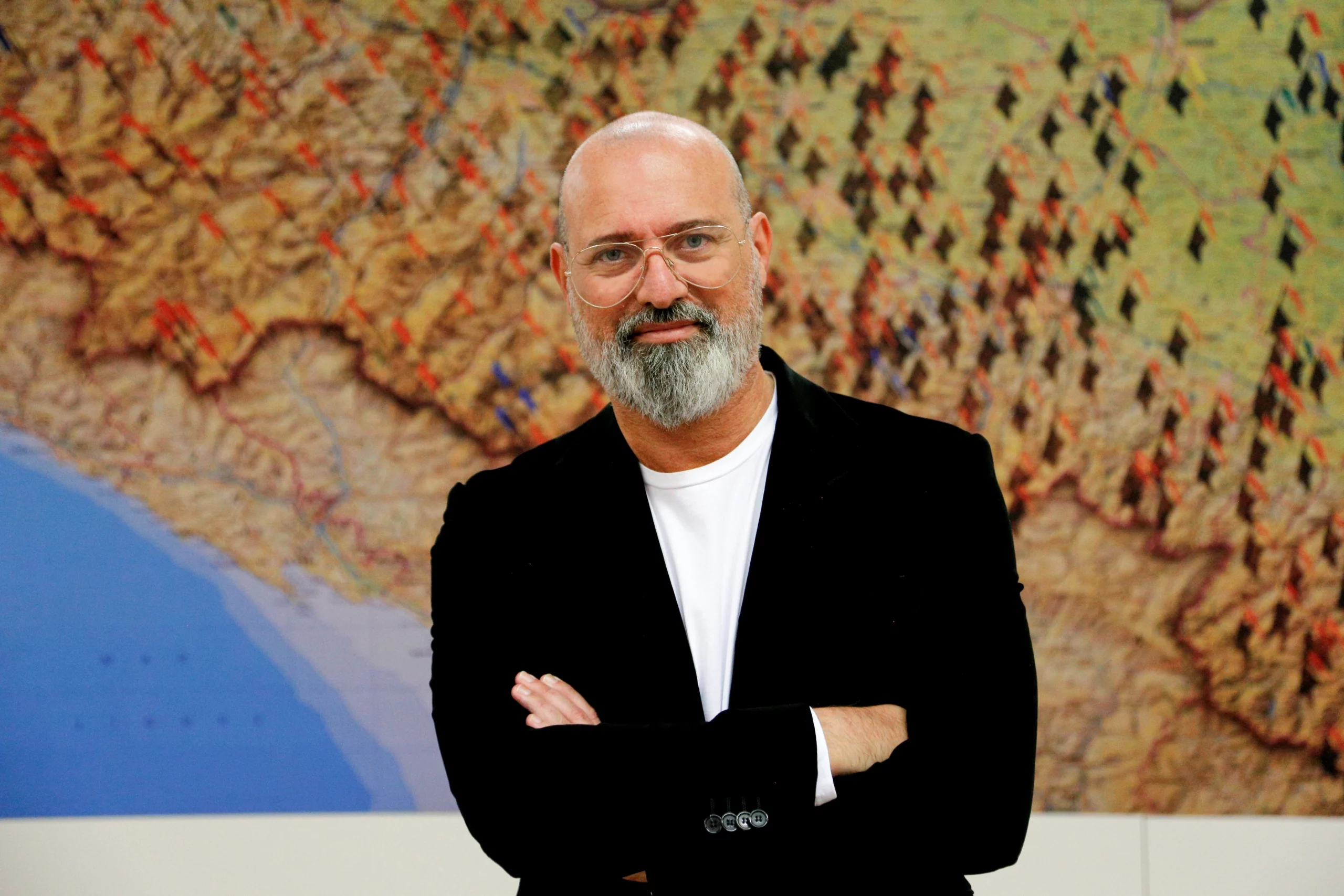
Stefano Bonaccini served as the President of the Council of European Municipalities and Regions (CEMR) from 2016 to 2022, leading the organisation through two consecutive three-year terms. With an extensive background in Italian regional governance, having served for 10 years as the President of the Emilia-Romagna region and six years as the President of all Italian regions, Bonaccini brought a deep understanding of local administration to the European stage. Today, as a Member of the European Parliament, he welcomes us to discuss his experience, the role of local governments in Europe, and the challenges ahead.
In this interview, Bonaccini looks back on the challenges and rewards of leading a continent-wide network such as CEMR. He shares his views on the importance of cohesion policy in the ongoing discussions on the EU budget and reflects on what lies ahead for both CEMR and the wider local and regional government movement within the EU project.
Building consensus across a diverse membership
Asked about his fondest memory from his six years as CEMR President, Bonaccini does not point to a particular event. Instead, he highlights what he sees as one of the organisation’s greatest achievements: bringing together local and regional governments from across Europe around a shared agenda.
Representing members from countries with different political traditions, cultures and priorities is no easy task. During Bonaccini’s presidency, CEMR brought together local and regional leaders from both EU and non-EU countries, often with very different perspectives on key issues.
Despite long debates, Bonaccini proudly recalls that nearly all major decisions and objectives were voted on and passed almost entirely with unanimity. For him, this ability to find common ground is one of CEMR’s defining strengths and a key reason why the organisation has remained an influential voice for local and regional government in Europe throughout its 75-year history.
Standing firm on the relevance of local governance in EU discussions
Drawing from his experience as CEMR President, Bonaccini stresses the importance of organisations such as CEMR in shaping European debates.
In his view, decisions taken at the EU level cannot be effective unless they take account of the realities faced by towns, cities and regions on the ground. This is particularly true for the ongoing discussions on the next EU budget, where he clearly states that “we cannot exclude cohesion policy” because “that would mean excluding regions and municipalities from the planning of European funds”. “When planned and discussed together with the territories, these policies can provide citizens with opportunities”, he concludes.
A vision for an expanded, fairer, and more cohesive continent
Looking toward the next decade, Bonaccini outlines a clear, ambitious path for the future of CEMR. His hope is to see the family of European territories, cities, and regions expand even further, welcoming more diverse local voices.
At the same time, he believes CEMR must continue to make the case for a Europe that works closely with its local and regional governments. Whatever their political complexity, national and European leaders need to recognise that many of today’s challenges can only be addressed through stronger cooperation and solidarity across the continent.
Stefano Bonaccini is part of the CEMR Italian national association of AICCRE.
For more information, contact:
Communications Officer (matternity leave cover)