Meet the Local Hero: Fabien Pérez, building Marseille a climate-neutral city
Marseille’s path to climate neutrality
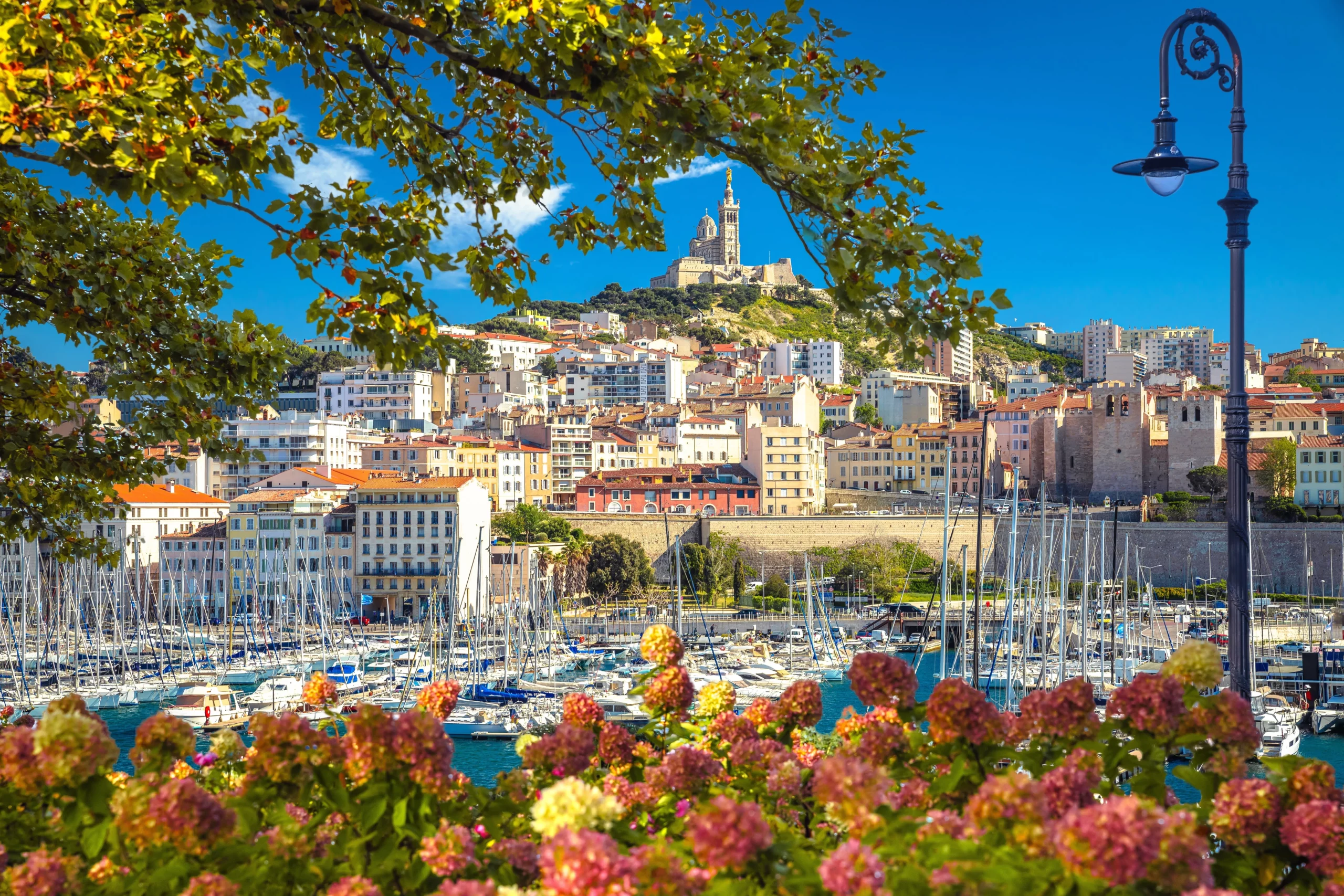
Marseille is in the middle of a major ecological transformation — one that began in 2020, when climate action was placed firmly at the centre of the local political agenda. This renewed momentum emerged at the same time as Europe was strengthening support for cities taking the lead on climate neutrality, creating the right moment for Marseille to accelerate its transition.
The city recognised that its challenges were multidimensional. Reducing greenhouse gas emissions, adapting to climate change or addressing energy poverty were among the urgent priorities. Local leaders understood that climate action could not be separated from social realities.
In February 2026, ahead of the French local elections, we interviewed Fabien Pérez, then Marseille’s councillor responsible for European Funds, to learn more about this experience.
Connecting local vision with European ambition
In 2022, Marseille was selected from 377 candidates to join the 100 cities part of the “EU Mission: Climate-neutral and smart cities”, a moment that Fabien Pérez describes as “the start of a new chapter in Marseille’s ecological transition”.
Two years later, in 2024, the city officially received the “100 climate-neutral cities” label after an evaluation by the European Commission. The distinction not only strengthens the city’s visibility at the European level but also provides access to technical expertise and dedicated funding to accelerate decarbonisation — crucial steps on the path towards Europe’s 2050 climate neutrality goal.
A collective process: building a shared Climate City Contract
One of the cornerstones of this transformation is Marseille’s Climate City Contract, drafted in collaboration with the Aix‑Marseille‑Provence Metropolis, the Region Sud and more than 250 private actors. As Pérez explains, “the Climate City Contract was prepared with citizens, enterprises, associations… a collective roadmap to decarbonise the territory by 2030”.
Behind this roadmap lies a political choice: to move away from a top‑down vision and instead build a shared strategy that tackles various topics such as mobility, building, renewable energy, circular economy and waste, nature in the city, urban agriculture, sea and coastline or education.
The elaboration of the contract also created a new sense of momentum across the territory — a desire to transform the city and accelerate the transition, matched with the need to secure and coordinate the necessary financial resources.
Climate action rooted in Marseille’s realities
Marseille’s ecological transition is shaped by the unique challenges of its territory. Like many European cities, road transport is a major source of emissions. But Marseille also faces additional pressure from industrial activities surrounding the city, emissions linked to air transport or food supply chains, and the geographical reality of being a major port.
Being part of the Mediterranean region also makes this city extremely vulnerable to the effects of climate change. As Pérez explains, Marseille regularly faces extreme weather events, soil fragility, and a coastline that is already evolving — and will continue to change in the coming years. These vulnerabilities have forced the local government to think long‑term and to get ready for tomorrow’s challenges.
Social urgency is another defining factor. Combating energy poverty has become not only an environmental priority but also a way to build social cohesion and support residents in tangible, meaningful ways. “The ecological transition must go hand in hand with social justice”, says Pérez.
From planning to action: relevant projects on the ground
The European label has already helped unlocking new funding for Marseille’s transition. Around €6 million are being invested in concrete, community-centred initiatives, including:
- A neighbourhood outreach programme (€600,000), sending ambassadors into key districts to work directly with residents and companies on ecological initiatives.
- Jet cities project, supporting changes in employment and skills caused by green transition (€1.5 million).
- The “Poséidon” project (€400,000), promoting renewable energy, heat recovery systems and energy‑efficient renovation.
- The PeriAsty project (€1.2 million), supporting the transition of Europe’s peri-urban areas towards climate-neutral, sustainable and resilient environments in areas such as mobility.
- Additional support via the ELENA mechanism, helping finance large scale retrofits of public buildings and the expansion of renewable energy solutions.
These early projects illustrate how Marseille is moving from planning to delivery — and how European support can help local authorities turn long-term strategies into visible action.
Marseille also became a signatory of the EU Covenant of Mayors in 2021, an initiative in which CEMR is also involved. Through this initiative, the city has shared various of its case studies such as its plan for zero-euro electricity bills, its strategy to “refresh” public spaces, its heat strategy, and its transformative energy community strategy.
Under the umbrella of the Metropole Aix-Marseille-Provence, the city has been involved in the EU Missions Adaptation to Climate Change, another initiative in which CEMR is involved, with a budget of €999,000 budget for a project combining public and private partnerships to reduce CO₂ emissions.
A Mediterranean city that can inspire Europe
Marseille’s initiative in this field, combined with its geography and identity, makes it a compelling example for other European cities. As a major Mediterranean hub with diverse communities and a complex socio‑climatic landscape, it faces many of the shared challenges that cities across Europe are dealing with.
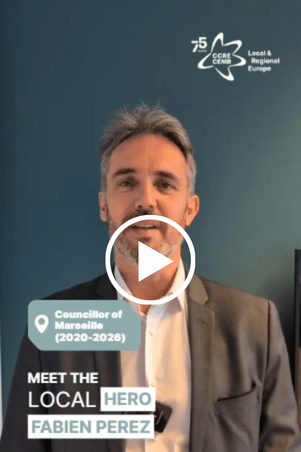
This is why Pérez emphasises the city’s wider relevance:
“Bring forward representative cities like Marseille, with a Mediterranean port, can inspire other cities in Europe to move towards carbon neutrality”.
Marseille is proving that climate neutrality is not only an environmental imperative, but also an opportunity to rethink governance, strengthen social cohesion and build a shared vision for the future. Its initiative shows how cities are already delivering results aligned with the global objectives of achieving the climate neutrality goal by 2050.
—
Marseille is a member of CEMR’s French association AFCCRE.
For more information, please contact:

Head of Communications