UCLG World Congress: our participation

European local leaders meet in Tangier to champion Europe’s priorities in the global UCLG network

905 words
4–6 minutes

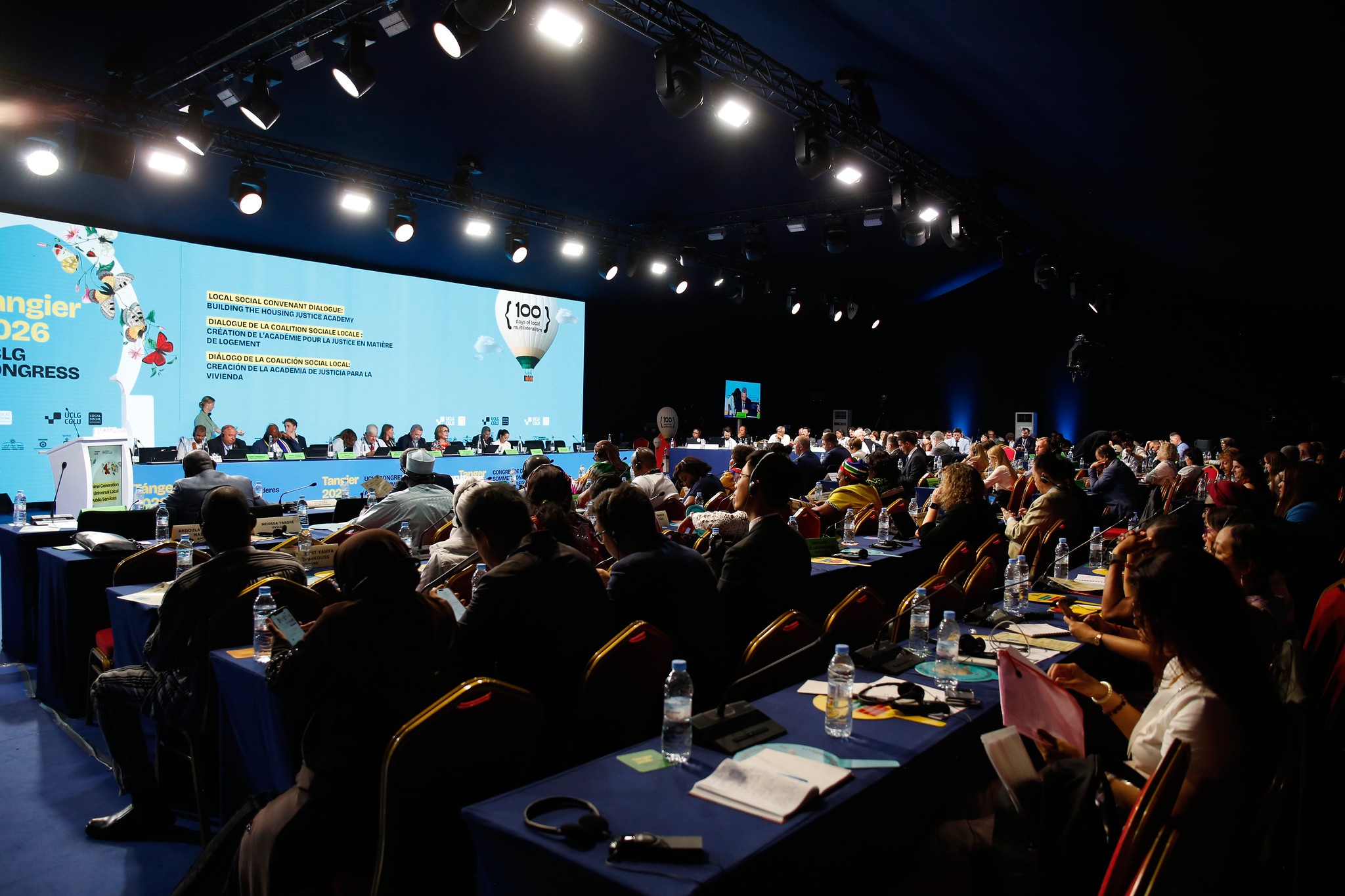
The City of Tangier hosted the 2026 United Cities and Local Governments (UCLG) World Congress and World Summit of Local and Regional Leaders from 22 to 26 June 2026, bringing together local and regional leaders from across the globe to shape a shared vision for the future of their communities. The Council of European Municipalities and Regions (CEMR), as the European section of UCLG, was present throughout the event, with two particularly significant days marking their contribution to the global programme.

Strengthening Europe’s voice in the global arena
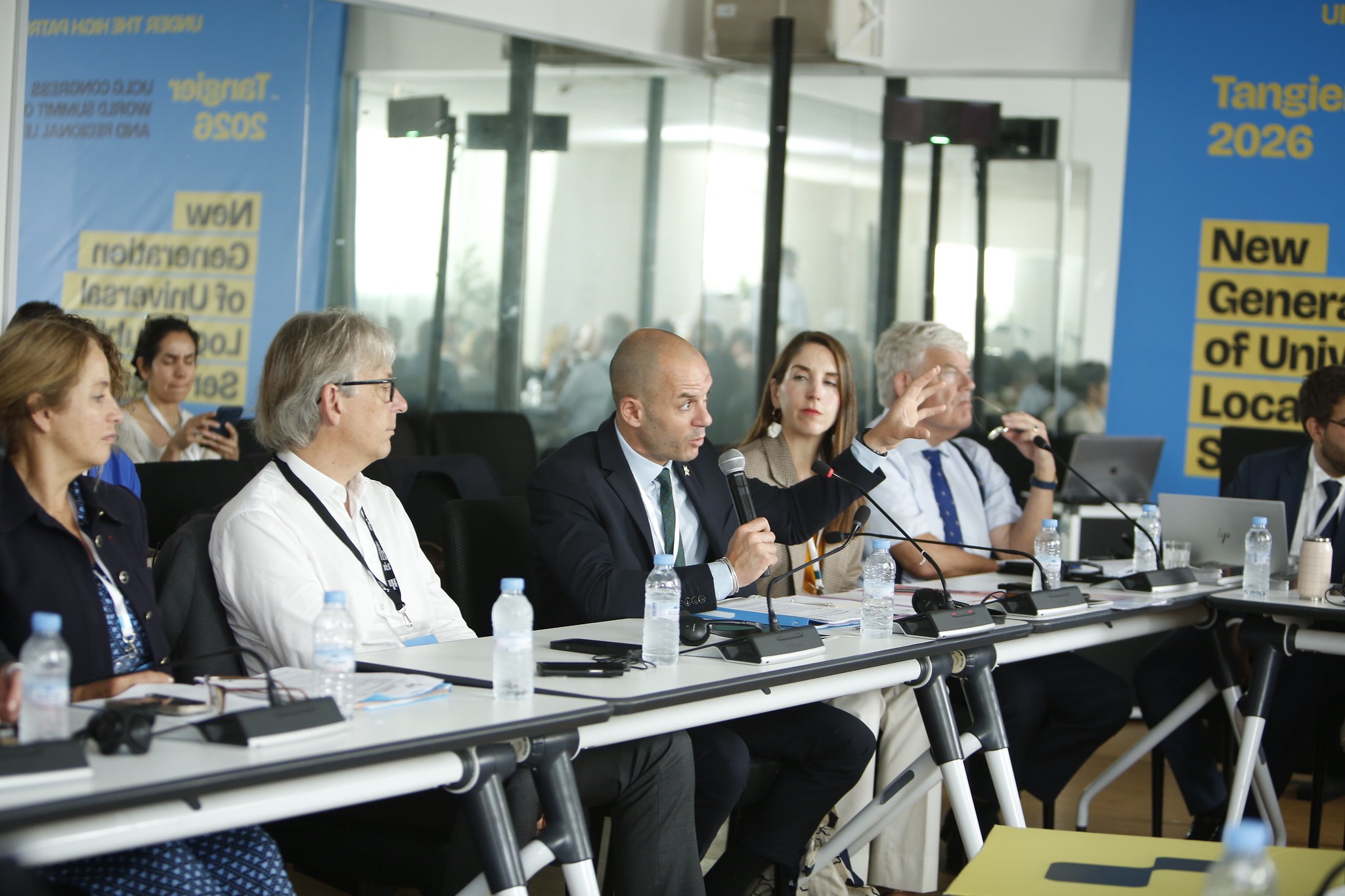
UCLG Congress 2026 Fabrizio Rossi
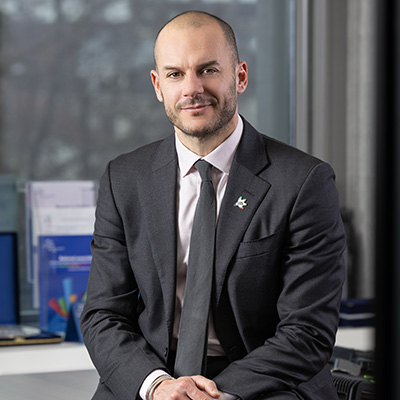
Fabrizio Rossi, Secretary General of CEMR at the UCLG Congress 2026.

On June 23, CEMR convened the Assembly Track session “From Local Action to Global Impact: Strengthening Multilevel Governance from a European Perspective”. The session brought together local leaders from across the continent to chart European priorities for the 2026–2029 UCLG mandate, explore how local action can feed into global agendas through the Local Social Covenant, and strengthen the role of towns, cities and regions as genuine political partners in global governance.

Participants in the first two panels included Councillors and CEMR spokespersons Carola Gunnarsson and Eider Inuntziaga, as well as Shona Morrisson, Tiit Terik, and André Viola, Deputy Mayor Ursula Sautter and Regional President Marta Prates. Mayor Jan van Zanen, who served as UCLG President until this UCLG Congress, delivered the closing remarks, anchoring the session’s conclusions in a firm commitment to Europe’s role in shaping the next UCLG mandate.

New study on EU Delegations and local governments

On June 24, the third day of the Congress, PLATFORMA and CEMR announced the publication of an upcoming study on how EU Delegations engage with local and regional governments across the globe — the first update to their landmark 2021 report, due to be released in July 2026. Preliminary findings were presented at the session, highlighting opportunities for cooperation as well as ongoing challenges.

By offering a snapshot of how EU Delegations engage with cities, towns, regions and their representative associations under the NDICI–Global Europe framework and the Global Gateway initiative, the session contributed to the broader reflection on EU development policy ahead of the next Multiannual Financial Framework (MFF) for 2028–2034.
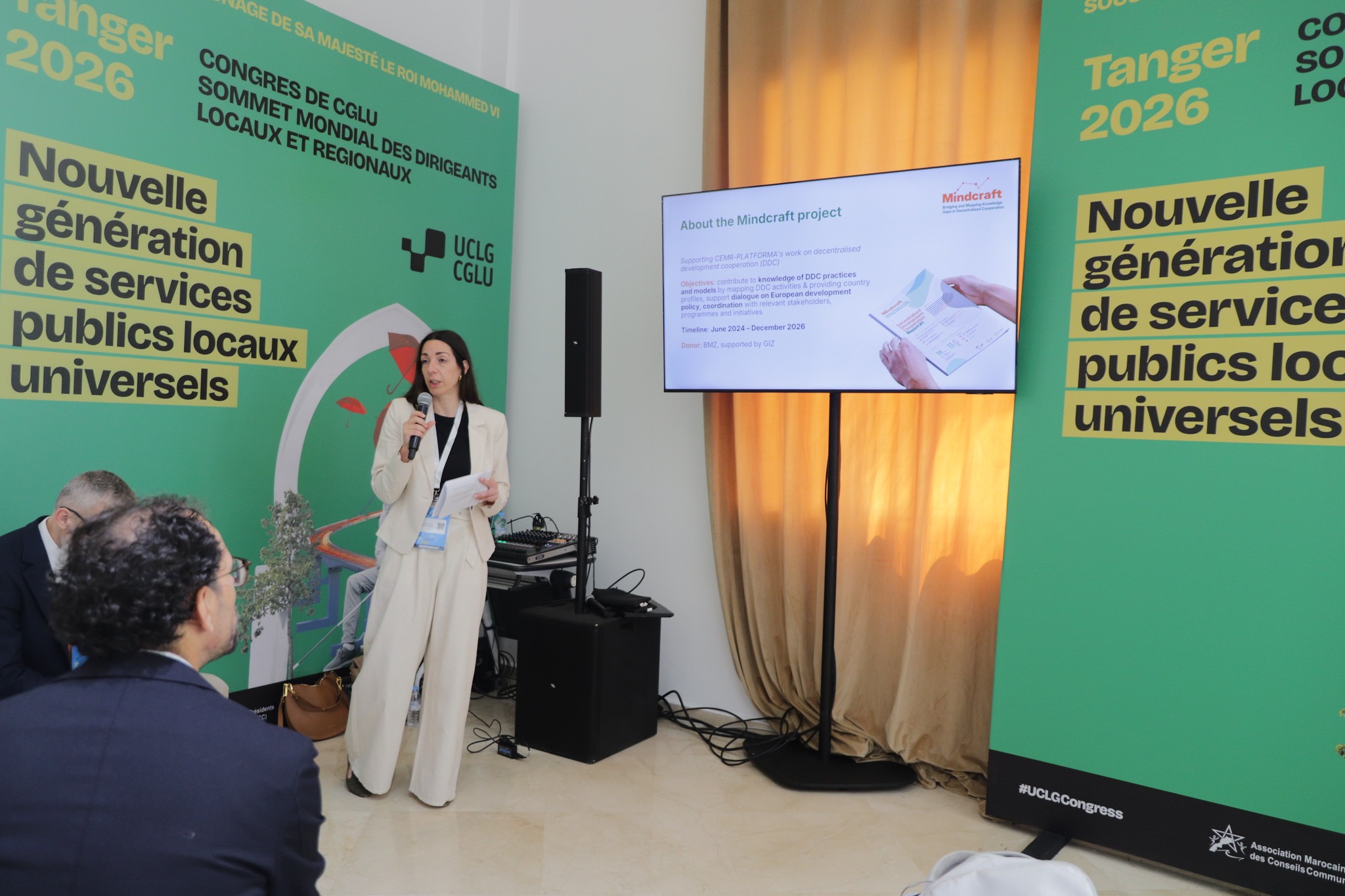
UCLG Congress 2026 Ivana
Mindcraft project presentation at the UCLG Congress 2026.

This study is produced in the framework of the Mindcraft project, funded by the German Federal Ministry for Economic Cooperation and Development (BMZ) and supported by Deutsche Gesellschaft für Internationale Zusammenarbeit (GIZ).

Advancing gender equality: the Feminist Municipal Movement

On the same day, the first-ever UCLG Women’s Assembly hosted women mayors, governors, and local leaders to advance gender equality and strengthen the Feminist Municipal Movement globally. CEMR’s Spokesperson on International Affairs, Councillor Carola Gunnarsson, reflected on eight years of progress within UCLG on gender equality — from the earliest proposals to embed gender activities in the UCLG workplan to the organisation’s broader commitment to becoming a Global Feminist Municipal Movement.

Gunnarsson was frank about the work that remains, in particular regarding female representation in upcoming leadership elections.

Gunnarsson stated: “Now it is time for us to strengthen our efforts to support and help all local governments to become Feminist Municipal Movements. Then we can see a real change and also give women and girls the rights to flourish and society the possibility to grow stronger and better for everyone.”

The UCLG Congress in Tangier reaffirmed the central role of European local and regional governments in the global municipal movement, and CEMR’s commitment to ensuring that local voices — in all their diversity — are at the heart of international decision-making.

Renewal of UCLG governance

During the UCLG Congress in Tangier, the governance bodies of the global organisation were renewed.
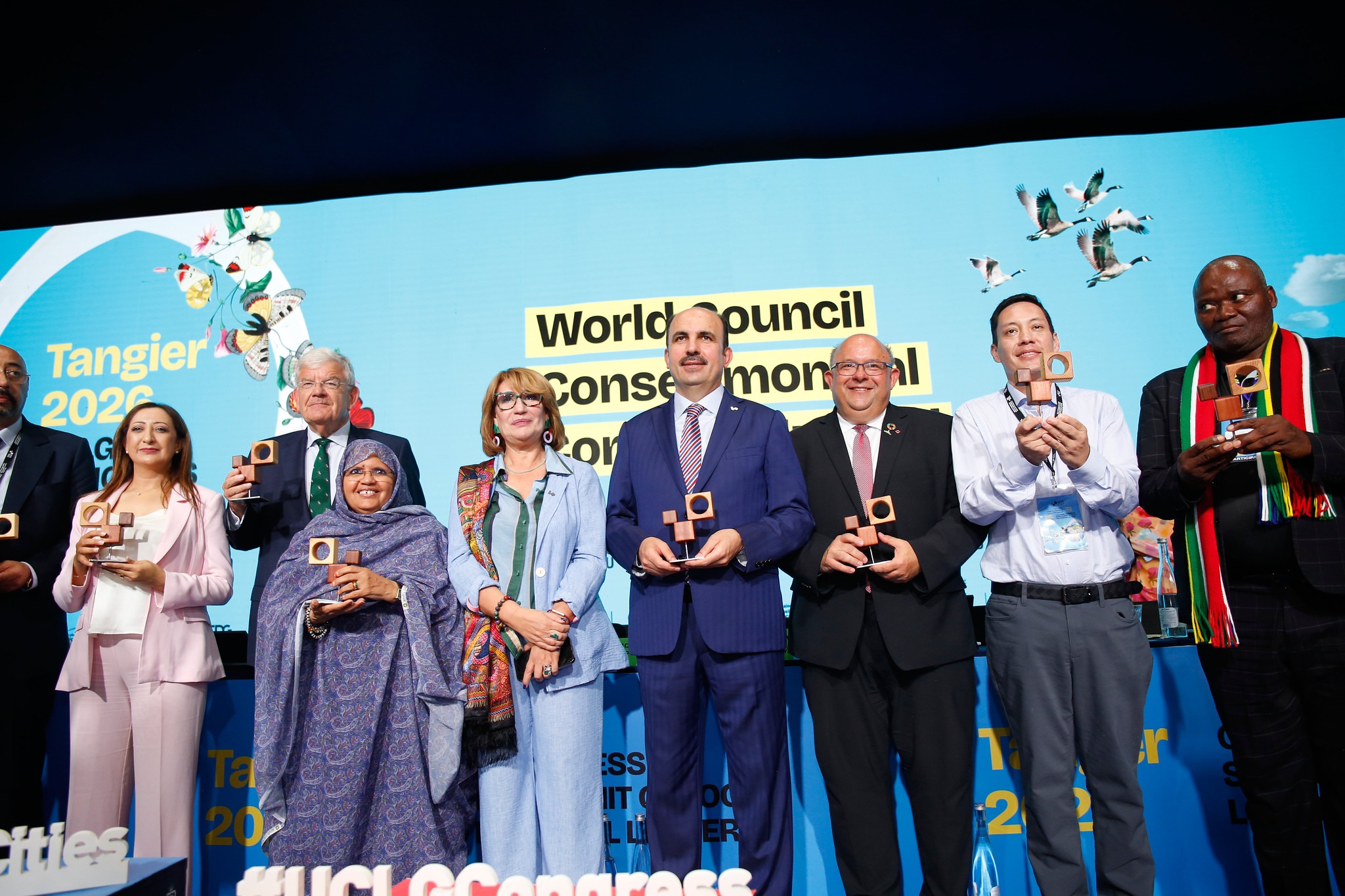
UCLG Congress 2026
Members of the new UCLG co-presidency elected during the World Congress in Tangier.

The World Congress was also the occasion to renew the UCLG’s statutory bodies, including the election of its Presidency. The Mayor of Konya, Uğur Ibrahim Altay, was elected President of UCLG, while Mr Jan van Zanen, Mayor of The Hague, was elected as one of the five Co-Presidents. CEMR warmly congratulates the new UCLG Presidency.
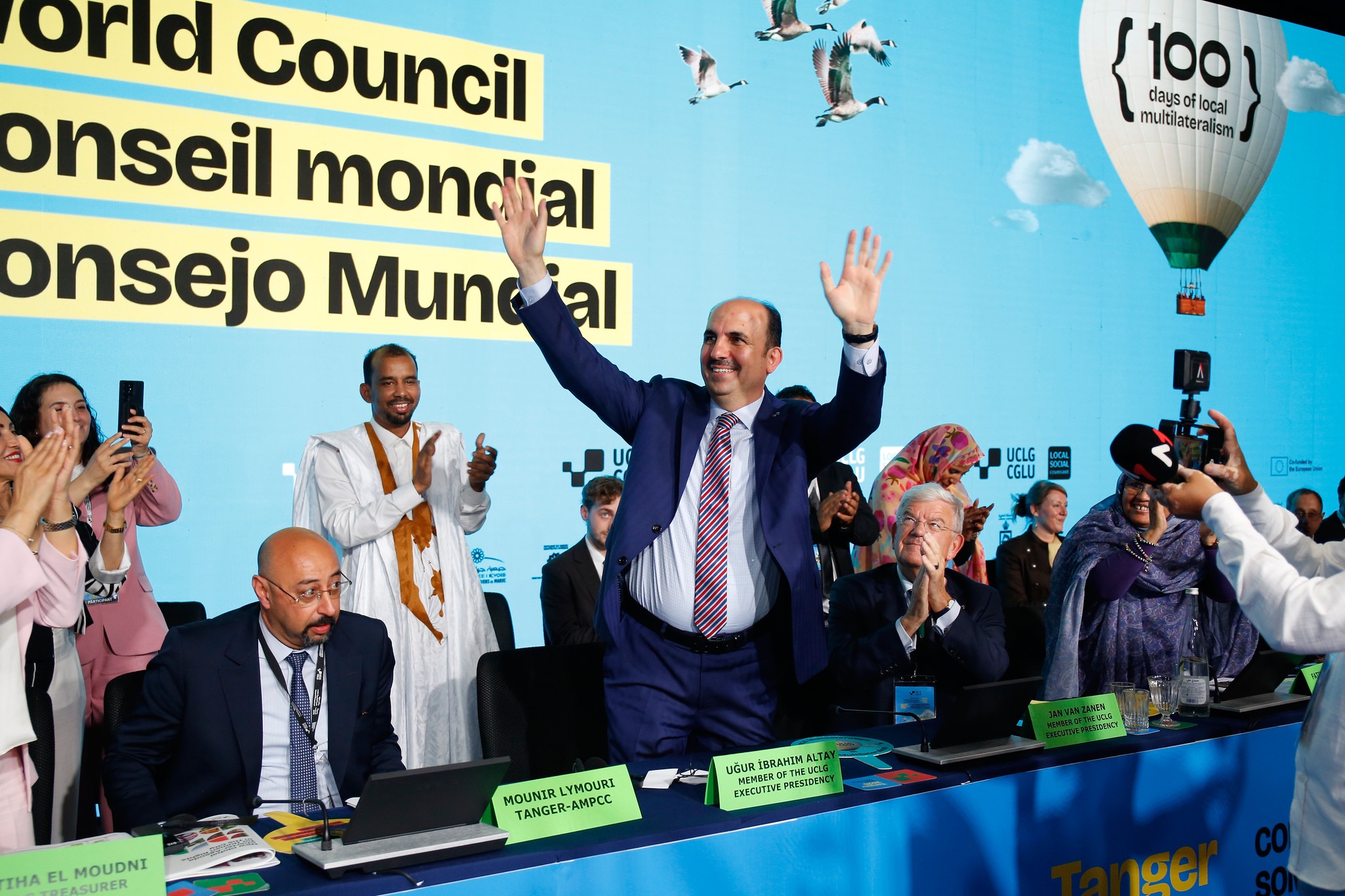
UCLG world Congress 2026
The Mayor of Konya elected as UCLG President during the World Congress in Tangier. 

The new UCLG co-presidency was also appointed during the Congress and is composed of Bheke Stofile, President of SALGA; Aysen Nikolaev, Head of the Sakha Republic; Jan van Zanen, Mayor of The Hague; Cristian Zamora, Mayor of Cuenca; and Berry Vrbanovic, Mayor of Kitchener. Fatimetou Abdel Malick, was appointed President of the Standing Committee on Gender Equality and will also serve as Co-President of UCLG.

The Tangier Outcome Document

The Tangier Outcome Document charts the path towards a renewed social contract grounded in care, solidarity and universal local public services.

UCLG has adopted the Tangier Outcome Document, a renewed political commitment pledging local and regional governments worldwide to universal, rights-based public services. It frames housing, food, health, culture and care not as commodities – but as public goods essential to equality, democracy and peace, and lays out priority areas including housing justice, local finance reform, climate justice, food systems and conflict prevention.

It also introduces the concept of “New Essentials”; services like care, digital rights and democratic AI governance — as part of the next generation of local public provision. To back the commitments, UCLG will also be setting up new bodies, among them a Housing Justice Academy, a Women’s Council for Equality, an Intergenerational Council, and a Global Facility for Innovation in Local Public Services.

For more information, contact:

Climate Academy for local leaders

Energy Behaviour Forum - image 1

Local leaders’ climate academy: co‑creating justice‑centred climate action 


On 25 and 26 March, CEMR, together with UCLG and PLATFORMA, hosted the Local Leaders’ Climate Academy, an online training and exchange space for local and regional leaders committed to advancing climate action rooted in justice, equality, and participation. 

Held under the title “Co‑Creating Climate Action: Justice‑Centred Leadership for Local and Regional Governments”, the Academy brought together elected officials, practitioners, youth representatives, and experts to explore how local governments can translate climate commitments into inclusive, locally grounded action. 

Putting justice at the centre of climate leadership 

Opening the Academy, Fabrizio Rossi, Secretary General of CEMR, underlined the need for local leaders to move beyond fragmented climate responses and instead co‑create solutions that address climate change alongside social and gender inequalities. 

On the second day, Pablo Fernández, Assistant Secretary‑General for Partnerships at UCLG, presented UCLG’s global learning strategy, emphasising city diplomacy and co‑creation as key tools for implementation. He stressed that inclusive capacity‑building — particularly involving youth and women — is central to accelerating progress on the Sustainable Development Goals, including the ongoing review of SDG 11. 

Learning from local practice 

Throughout the two days, the Academy showcased concrete examples of justice‑centred climate action led by cities and territories: 

  • In Catalonia, municipalities are collaborating on collective renewable energy purchasing to reduce emissions and costs. 
  • Dublin shared its work on systemic climate finance approaches to address organisational barriers to investment. 
  • Athens presented the co‑creation of its Climate Contract, including a Youth Climate Assembly and support for 30 youth‑led projects. 
  • International partnerships were highlighted, such as the long‑standing cooperation between Cologne (Germany) and Indigenous communities in Yarinacocha (Peru), and the Bio Plateau project promoting community‑based water management in the Guyana Shield. 

Youth voices and global perspectives 

The Academy was shaped by keynote interventions from Marcele Oliveira, Youth Climate Champion for COP30, and Mark M. Akrofi, Research Fellow at AISESA. Their contributions stressed the importance of engaging vulnerable communities, addressing environmental racism, and integrating intergenerational justice into local climate planning. 

Their reflections echo broader debates on climate justice, including those shared in the PLATFORMA interview “Climate justice starts where people live”, which explores why locally rooted approaches are essential to fair and effective climate action. 

Climate adaptation and multi-level cooperation: the Climate Chance session 

On 26 March 2026, a dedicated session organised by Climate Chance brought climate adaptation to the centre of the discussions, highlighting the growing impact of floods, droughts, heatwaves and wildfires across European territories, and the need to act now. 

Opening the session, Ronan Dantec, President of Climate Chance and CEMR spokesperson on climate, stressed that tackling climate risks requires collective effort: “Climate change affects Europe with floods, droughts, heatwaves, and wildfires impacting communities and economies. Building resilience requires collaboration between governments, businesses, insurers, investors, and civil society.” 

The exchange focused on the challenges ahead for climate adaptation and on how multi‑level governancecross‑sector cooperation, and improved financing and risk‑sharing mechanisms can strengthen resilience. The session also contributed reflections to the forthcoming EU Integrated Framework on Climate Adaptation, expected in late 2026, and featured expert input from Dr. Christiana Photiadou of the European Environment Agency. 

Want to know more? 

Do you want to know more about our Local Leaders’ Climate Academy? 

🎥 Watch the recordings: 

Read the cross-interview of Climate leader Marcele Oliveira and sustainability scientist Mark M. Akrofi.

For more information, please contact:

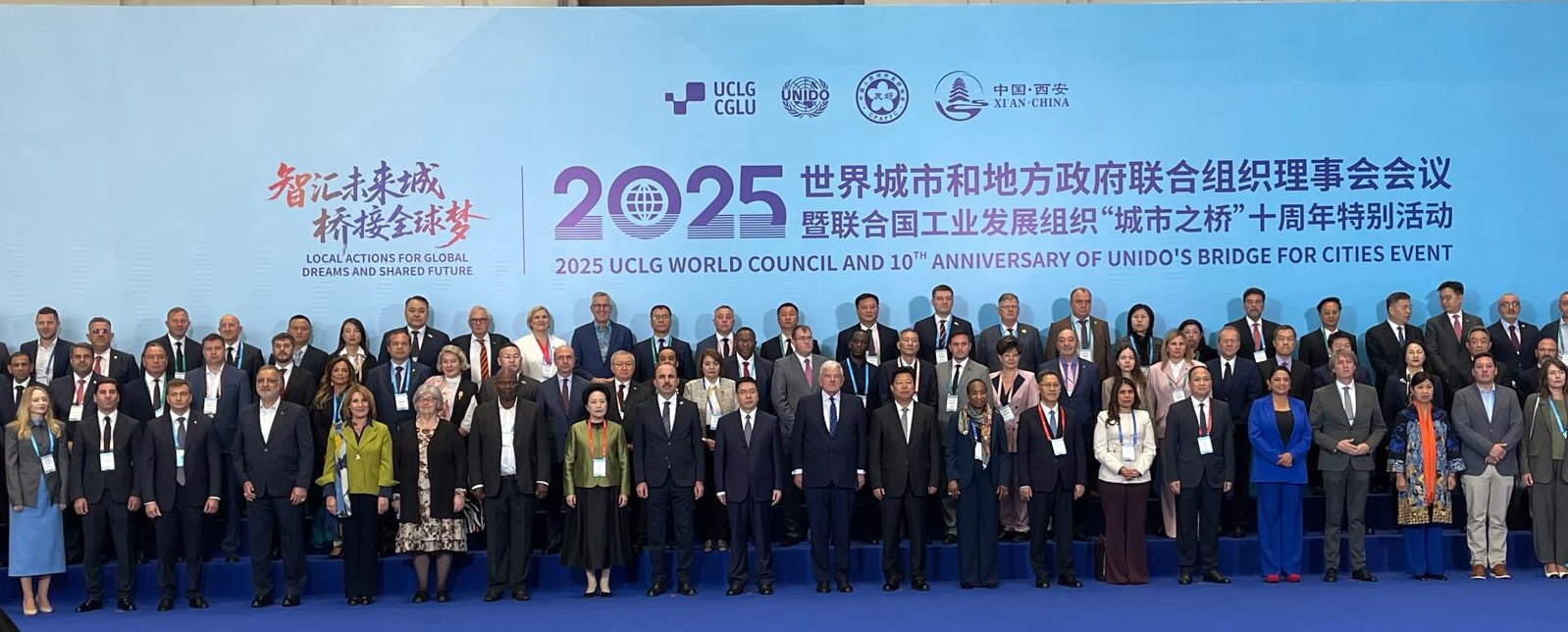
UCLG World Council in Xi’an

European cities and regions unite for peace and cooperation in Xi’an


As the European section of UCLG, CEMR took part in the UCLG World Council, hosted in Xi’an, and held in synergy with the 10th anniversary of the United Nations Industrial Development Organisation’s (UNIDO) “Bridge for Cities” initiative. Under the motto “Shaping Communities for Current and Future Generations,” the summit brought together more than 300 participants from over 80 cities and local government networks.

The UCLG World Council was also an occasion for European local and regional representatives to engage with counterparts from around the world. During the European caucus meeting, CEMR members exchanged with Bernadia Irawati Tjandradewi, UCLG Asia-Pacific Secretary General, the priorities and potential areas of cooperation, particularly on gender equality.

The opening session, co-organised with UNIDO, reaffirmed the importance of collaboration between cities and international institutions. A joint statement was signed between UCLG, UNIDO and the city of Xi’an to deepen technical cooperation and capacity-building programmes. Speakers underlined that local transformation can only succeed when communities are fully involved as partners, not just beneficiaries.

CEMR also participated in the Bridge for Cities High-Level Plenary, which focused on innovation, sustainable urban development and the contribution of local leadership to global agendas.

During the World Council,  a new call for action open to all local and regional governments was approved. Under the title “Call for action on peace and reconstruction”, it expresses the commitment of local and regional governments to peace, human rights and reconstruction, particularly in territories affected by armed conflict. It builds on the values of the Pact for the Future of Humanity — People, Planet and Government — and highlights the unique role of cities in rebuilding coexistence and social ties.

By representing the European perspective and emphasising the key role of cities, towns and regions in democratic resilience and inclusive development, CEMR helped to reinforce this global movement and reaffirm the role of local governance in shaping peaceful and sustainable societies.

For more information, contact:

UCLG meeting with EU Commissioner Síkela

“Local governments must be at the heart of the EU’s international partnerships”


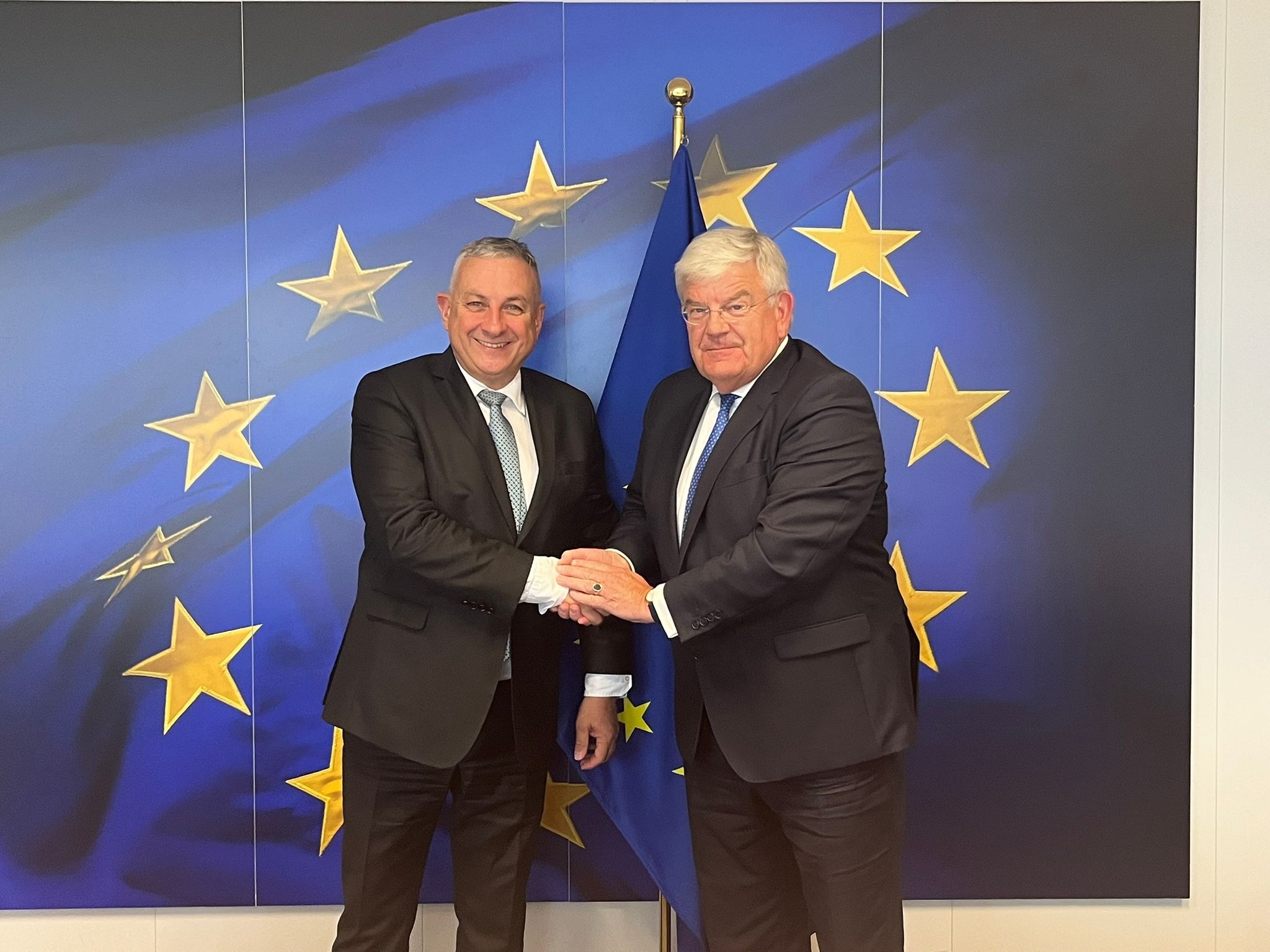
UCLG President, Jan van Zanen, met with EU Commissioner Jozef Síkela: “Local governments must be at the heart of the EU’s international partnerships”

In a bilateral meeting on 10 June UCLG President and Mayor of The Hague Jan van Zanen met with the European Commissioner for International Partnerships Jozef Síkela at the occasion of 10 years of strategic partnership agreements between key associations of local and regional governments with DG INTPA (2015–2025), to advocate for a stronger role of local and regional governments (LRGs) in EU development cooperation – and to secure long-term support for decentralised cooperation in the next EU budget.

The delegation of CEMR and PLATFORMA, led by Mayor van Zanen, and including CEMR Secretary General Fabrizio Rossi, found promising common ground with the Commissioner. Both sides agreed that the goals of the Global Gateway strategy and the objectives of the EU international action – from sustainable development to infrastructure investment – can only be met by empowering the actors who are closest to the people: local governments.

Mayors and local leaders are not just implementers. They are political actors, democratically elected and accountable to their communities“, Mayor Jan van Zanen said. “They have a unique role to play in achieving the EU’s goals – but they need the means and the recognition to do so“.

Commissioner Síkela acknowledged the critical contribution of cities and regions to the EU’s Global Gateway strategy and international partnerships. As a former Czech Minister of Industry and Trade and a representative of the liberal “Mayors and Independents” party, Síkela expressed strong political sensitivity to the added value of local and regional leadership in global cooperation.

The meeting was part of a coordinated advocacy effort based on the PLATFORMA Political Declaration on the Role of Local and Regional Governments in the next Multiannual Financial Framework and EU External Action, adopted by local leaders in April 2025. CEMR and PLATFORMA underlined the need for a dedicated financial mechanism in the next Multiannual Financial Framework (MFF 2028–2034) that would allow LRGs and their associations to scale up their international cooperation and support peer-to-peer partnerships with their counterparts in partner countries.

They also called for improved dialogue with EU Delegations on the ground, clearer distinction between LRGs and civil society organisations in EU instruments, and tailored, realistic and impactful calls for proposals.

Beyond financial tools, CEMR and PLATFORMA emphasised the importance of political recognition of the role of local and regional governments and their associations and networks in the implementation and governance of the Global Gateway strategy. As Europe’s largest network of municipalities and regions, CEMR highlighted the importance of structured policy dialogue and inclusive governance – especially in fragile contexts where local actors are often the last line of defence of democratic values, and provision of basic public services to the local populations.

The exchange with Commissioner Síkela comes ahead of the “2025 Cities and Regions for International Partnerships” conference, scheduled for December, where the Commissioner is invited to continue the dialogue with the presidents of five key associations, signatories of a strategic partnership agreement with DG INTPA.

As the EU begins to shape its upcoming budget cycle, the message from Europe’s mayors and local leaders is clear: for EU development cooperation to succeed, and for the Global Gateway strategy to deliver on its ambition as a value-based offer to partner countries, the local level must be included.

For more information, contact:

Reflections on the Pact for the Future

European Union - News


Local & Regional Governments are in, but still far from where they should be


The inclusion of Local and Regional Governments (LRGs) in the recently adopted Pact for the Future, particularly in Article 83, represents a significant milestone. This article acknowledges their crucial role and calls on the UN Secretary-General to offer recommendations on engaging with local and regional authorities to advance the 2030 Agenda, especially by localising the Sustainable Development Goals (SDGs).

However, this achievement is only the beginning. Realising the full potential of LRGs in global governance requires continued effort. Below are five key takeaways that reflect the pact’s impact on the local leadership community.

Cities and Local Governments on the Global Stage

The adoption of this text reflects widespread recognition of the vital role cities and local governments play in building a sustainable future. The conversation has shifted from questioning their relevance to focusing on collaboration to drive progress across all levels. This shift is crucial for advancing the 2030 Agenda and promoting sustainable development for all.

The Growing Movement for Local Governance

Engagement with the UN Secretary-General and other key stakeholders highlights the increasing momentum behind the movement advocating for LRGs’ unique role. Unlike civil society organisations, local governments have distinct mandates and constituencies, making their contributions essential for shaping a sustainable future.

The Global Task Force Model: A Proven Approach

Global challenges—whether securing peace, reducing inequalities, addressing water scarcity, or reforming food systems—require coordinated action across all levels of government. The Global Task Force of LRGs has proven effective in uniting agendas and coordinating advocacy on issues that transcend borders and jurisdictions.

Recognition is Progressing, But Still Limited

While LRGs’ inclusion in the text is a positive step, their role remains largely focused on implementing SDGs. It is essential that local and regional governments are recognised not only as implementers but also as full partners in shaping policies that affect the future of our communities.

Challenges to Local Democracy

There are growing concerns about the future of local democracy, as autocratic regimes and centralising reforms threaten the autonomy of local governments. Reduced powers and budget cuts jeopardise the sustainability of local democracy. Although the current UN Secretary-General supports local governance, the post-2025 landscape remains uncertain, posing risks to local self-government.

What to watch

While the Pact for the Future marks a crucial milestone, much work is still needed to achieve full recognition and empowerment of LRGs. Now is the time to press forward, ensuring our voices continue to shape global and national agendas for the future of our communities.

UN – Pact for the Future

United Nations Pact for the Future: A Seat for the LRGs


On 22-23 September 2024, the United Nations will organise the Summit for the Future where the UN Pact for the Future should be adopted. This document aims to better prepare our multilateral systems for the current and future challenges. It is also a great opportunity for our constituency of Local and Regional Governments (LRG) at the United Nations to advocate for strengthening LRGs engagement in intergovernmental processes. As of today, the document is still being negotiated between the different members of the UN.

In collaboration with UCLG and the Global Taskforce of Local and Regional Governments, CEMR is an advocation for supporting a reference in Chapter 5 of the UN Pact for the Future on “Transforming global governance” to “strengthen the engagement of local and regional authorities in United Nations intergovernmental bodies and processes”.

To support this initiative, the CEMR President, Ms Gunn Marit Helgesen has already sent four letters to:

  • The President of the European Commission;
  • The President of the European Council;
  • The High Representative of the Union for Foreign Affairs and Security Policy;
  • The EU Ambassador to the UN in New York (where the Summit of the Future will be held).

In addition, to strengthen our impact and maximise our chances of securing that the aforementioned reference is included in the final draft of the Pact for the Future, all CEMR members have been invited to send a letter on their behalf to their respective Ministry of Foreign Affairs and their permanent representation to the United Nations in New York before the end of June.

For more information about how to get involved in this advocacy action please get in touch with CEMR Attaché to Secretary General Martin Ravault martin.revault@ccre-cemr.org

City-Culture 21 Award 

City Award - News 2024

UCLG Culture Committee Launches 6th UCLG-Mexico City-Culture 21 Award


The Culture Committee of the United Cities and Local Governments (UCLG) announces the launch of the call for applications for the prestigious 6th UCLG-Mexico City-Culture 21 Award. This biennial award recognises outstanding projects and good practices led by cities, Local and Regional Governments and individuals that significantly promote cultural rights for sustainable local development.

  • About the Award:

The UCLG-Mexico City-Culture 21 Award highlights initiatives that champion cultural rights, fostering sustainable development at the local level. By celebrating innovative projects, the award aims to inspire and promote best practices in the realm of cultural sustainability.

  • Application Process:

The application process for Local and Regional Governments is divided into two phases:

Phase 1: Cities, Local and Regional Governments are invited to submit partially completed application forms, focusing on the highlighted fields, before 16 February 2024.

Phase 2: The finalists will be invited to submit their complete candidacy by sending the filled application form by 3 April 2024.

  • Jury Deliberation:

The distinguished Jury will convene for its final meeting in May 2024 to assess the submissions. The winner(s) of the 6th UCLG-Mexico City-Culture 21 Award will be announced in May 2024. The Award Ceremony is scheduled to take place in July or September 2024.

  • Learn More:

For detailed information on the award and the application process, please visit https://www.agenda21culture.net/award 

Pact for the Future

UCLG - News section

​​UCLG Congress adopts the ‘Pact for the Future’


Mayors, local and regional leaders from across Europe have adopted the ‘Pact for the Future‘, a key strategic document defining UCLG’s priorities from 2022 to 2028. 

The visions and aspirations reflected in the Pact will be shaped into actionable commitments throughout 2023 and serve as the strategic vision for the World Organisation in the coming years. Motions presented by all members will further deepen the policy visions and serve as a reference to the inputs of the whole local and regional government constituency represented by the Global Taskforce. 

Three political leaders have been appointed as Ambassadors for the Pact for the Future: Ada Colau, Mayor of Barcelona as Ambassador for the Future of People; Anne Hidalgo, Mayor of Paris as Ambassador for the Future of the Planet; Yücel Yilmaz, Mayor of Balikesir as Ambassador for the Future of Government. 

UCLG Leadership

UCLG - Banner

Discover Europe’s key appointments to UCLG’s new political leadership


Now that the curtains have just closed on the Congress of United Cities and Local Governments, discover Europe’s key appointments to our global network’s new political leadership.

Jan Van Zanen, UCLG President (Oct.2024/2025), Mayor of  The Hague
Carlos Martinez Minguez, UCLG Special Envoy for the New Urban Agenda, Mayor of Soria
Anne Hidalgo, UCLG Ambassador for the Future of the Planet, Mayor of Paris
Ada Colau, UCLG Ambassador for the Future of People, Mayor of Barcelona

Escalation of war against Ukraine

Escalation of war against Ukraine Declaration

European local leaders condemn renewed Russian attacks and pledge solidarity with Ukrainian cities and communities


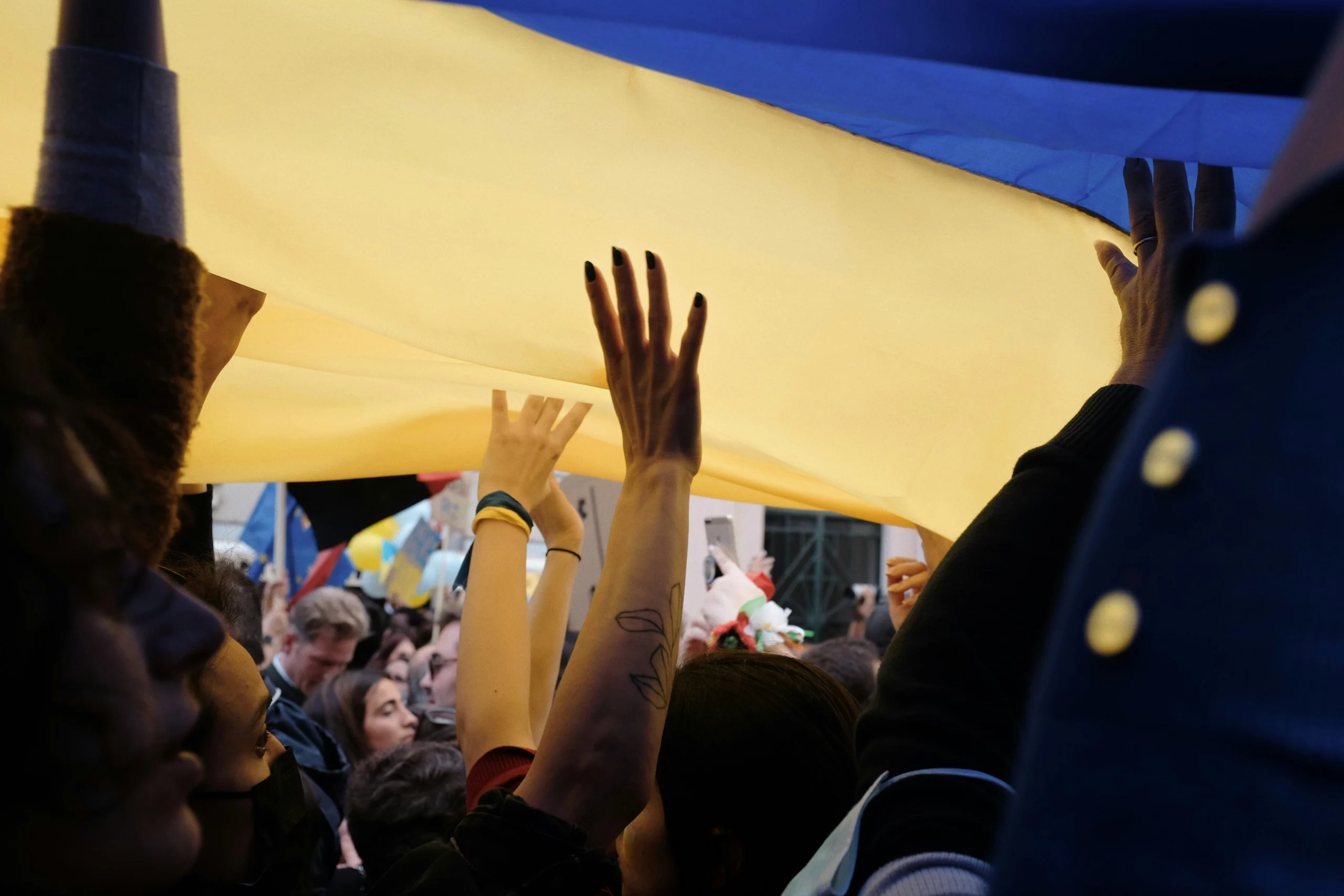
Meeting in Daejeon at the 7th UCLG World Congress and Summit of Local and Regional Leaders, European mayors and councillors expressed their deepest indignation at the recent escalation of Russia’s war against Ukraine. The renewed wave of violence continues to bring devastation to civilian populations and destruction to Ukrainian municipalities. 

Condemning Targeted Attacks 
The declaration strongly denounces deliberate strikes on civilians, including women and children, in violation of the Geneva Conventions. Equally condemned is the destruction of essential urban infrastructure, which deprives communities of the basic services needed to survive in wartime. 

Solidarity with Ukraine 
Local and regional leaders across Europe reaffirm their solidarity with Ukraine’s people, mayors, councillors, and associations of local governments who continue their work under extreme conditions. These partnerships are vital to ensuring communities can endure today’s challenges and prepare for tomorrow’s recovery. 

Shared Values 
The declaration recalls the core values upon which Europe is built—peace, democracy, justice, equality, inclusion, and dialogue. By standing with Ukraine, Europe also defends international law and human rights. 

A Call to Action 
European municipalities are invited to strengthen ties with Ukrainian peers through partnerships, twinning, and reconstruction efforts. The declaration also appeals directly to local leaders worldwide, and especially in Russia, to condemn the war and join the call for peace. 

Reconstruction will require joint efforts. The declaration highlights the need for European institutions to support rebuilding Ukrainian infrastructure through city-to-city cooperation, aligning with Ukraine’s Fast Recovery Plan. European local and regional leaders reaffirm their readiness to work hand-in-hand with Ukrainian communities, ensuring that from the ruins of war, democracy and peace prevail. 

Read the declaration here 

For more information, contact: