Localising the 2030 Agenda 

Agenda 2030 - News

How local and regional governments and their associations are driving sustainable development 


The 2030 Agenda for Sustainable Development, adopted by all UN Member States in 2015, laid out an ambitious global roadmap for peace, prosperity, people, and the planet. Its 17 Sustainable Development Goals (SDGs) are universal in nature but require deeply localised responses to be effectively achieved. 

Local and regional governments (LRGs), and the associations that represent them are at the frontline of this challenge. They have the democratic mandate, institutional legitimacy, and daily proximity to citizens to implement sustainable solutions tailored to local realities. This article explores the critical role these governments and their national associations play in bringing the 2030 Agenda to life across Europe and beyond. 

The Role of LRGs and Their Associations 
Local and regional governments are uniquely positioned to translate global goals into tangible public policies and services. Whether it’s improving access to education, ensuring clean water, fostering inclusive economies, or promoting environmental protection, the SDGs intersect directly with their mandates. 

However, the successful localisation of the SDGs requires not only local action but also strong national coordination and multilevel governance. That’s where national associations of LRGs come in. They serve as intermediaries between municipal and national levels, raising awareness, building capacity, and advocating for policy coherence and the resources necessary for implementation. 

A Framework for Transformation 
For LRGs, the 2030 Agenda is more than a checklist, it’s a strategic and transformative framework that enables long-term thinking, breaks down silos across departments, and connects various stakeholders. When well-integrated, the SDGs improve how public services are delivered and empower communities to engage meaningfully in decision-making processes. 

A New Decade of Action and Challenge 
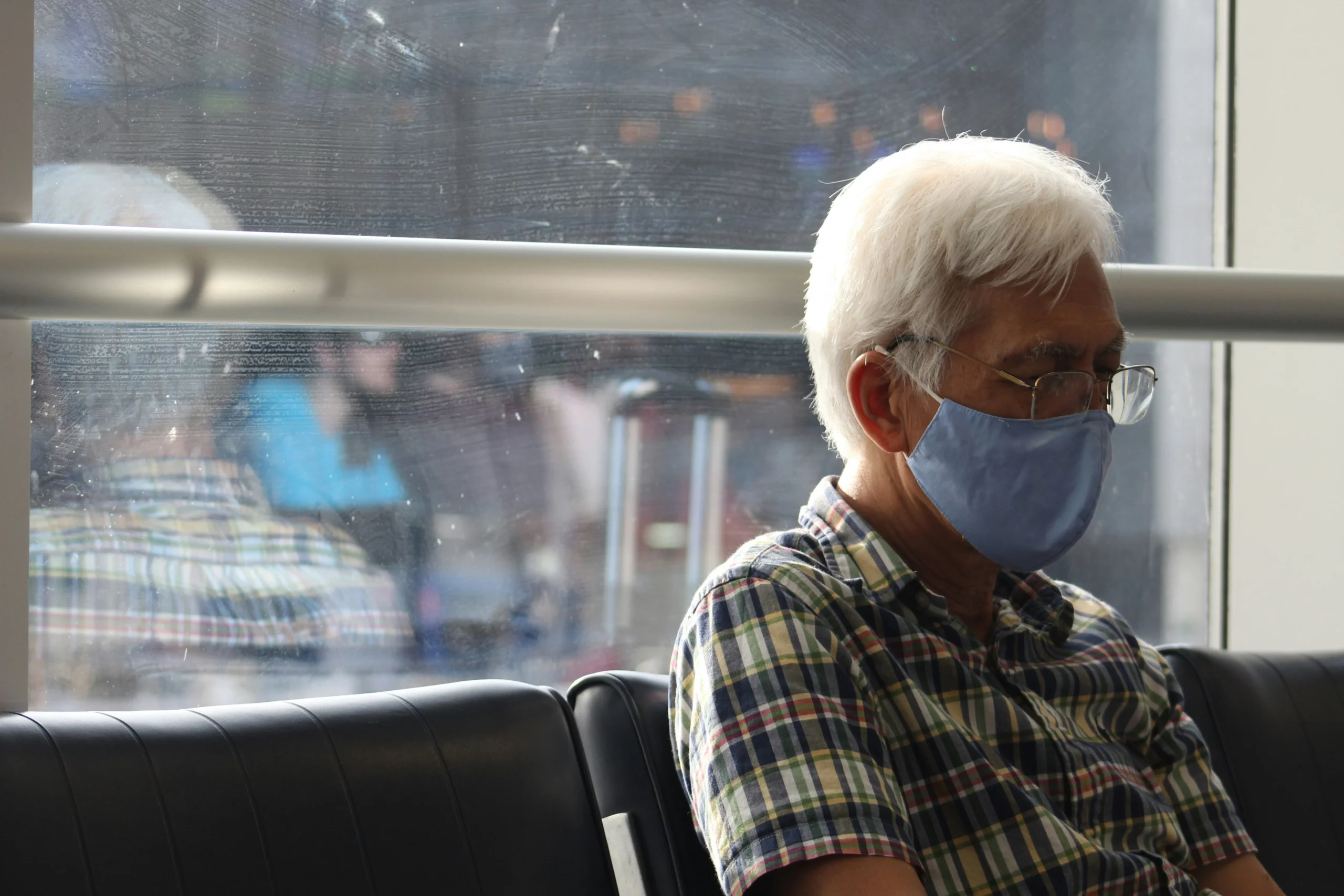
Despite early progress, the world is not yet on track to meet the SDGs by 2030. The COVID-19 pandemic has added new complexity, strained local budgets and exacerbated inequalities. Yet the pandemic also highlighted the vital role of LRGs in crisis response, ensuring healthcare access, food security, education continuity, and social protection. 

The recovery period offers a chance to “build back better” by placing the SDGs at the core of reconstruction efforts. The UN Secretary General has emphasised the 2030 Agenda as a guiding principle for a resilient, inclusive, and green recovery. In this context, national associations of LRGs become even more essential to facilitate dialogue, share knowledge, and advocate for the tools local governments need to succeed. 

The decade ahead will be decisive. The COVID-19 crisis may have disrupted momentum, but it has not undermined the fundamental relevance of the 2030 Agenda. On the contrary, it has reaffirmed the importance of public services, local resilience, and inclusive governance, values that are deeply embedded in the SDGs. 

Local and regional governments, supported by their associations, are essential actors in this journey. They are adapting, experimenting, and collaborating to deliver sustainable results, even amid uncertainty. Their work shows that global agendas only become real when rooted in local action. 

Going forward, stronger partnerships across sectors and governance levels are needed to ensure no place and no person is left behind. Multi-level and multi-sector cooperation will be vital to address the growing challenges ahead and to seize the opportunities that lie in sustainable, equitable recovery. 

In short, if the SDGs are to be met, they must be localised and that starts with empowering the actors who are closest to the people. 

Read the study here 

For more information, contact: 

Agenda 2030 study for local and regional governments

COVID 19 finances - News

Just out: New study reveals how municipalities, regions and their associations are embracing the SDGs


Caught in the COVID-19 storm, Europe’s local and regional governments and their associations are at risk of losing the progress made in the last few years to achieve the Sustainable Development Goals. Although they are increasingly familiar with the Global Goals, they need further support to bring international ambitions to territorial realities.

This is what emerges from a new study led by the Council of European Municipalities and Regions (CEMR) and PLATFORMA entitled “The 2030 Agenda through the eyes of local and regional governments’ associations”.

In times of COVID-19: the SDGs at a make-or-break moment

The outbreak of the COVID-19 pandemic in Europe and around the world has brought about unprecedented challenges for local and regional governments. In several countries, the pandemic has markedly deepened inequalities and has slowed down efforts to raise awareness and promote the work of the 2030 Agenda at local and regional level.

The current crisis and the uncertain future are a call for action. Every player around the globe has to act now,” said Tine Soens, Member of the City Council of Kortrijk (Belgium), CEMR and PLATFORMA Spokesperson on 2030 Agenda. “Local and regional leaders should not be afraid to take the leap! Our generation of politicians, civil servants and citizens is the generation that has to turn the tide.

The study at a glance

Based on a survey of 34 associations from 28 European countries, the study shows that one third use the SDGs as an important reference in their own development strategies, compared to only one fifth last year. What’s more, four out of five associations are aware of the SDGs.  The trend is clear: year after year, local and regional governments and their associations are increasingly making the efforts necessary to materialise the global agenda at local level.

But have the SDGs also gained traction among central governments? Our study shows that close to 80% of associations indicated that there is an official national strategy to implement the SDGs. For those who indicated that a national strategy has been set up, 59% specified that there is a clear mention of the need to support local and regional action in SDG implementation.

Nevertheless, there is still considerable room for improvement to bring about closer ties between all levels of government and to achieve global progress on sustainable development. To step up our efforts, the study offers a checklist for associations “Know where your members stand in the localisation of the SDGs”, a set of simple steps to contribute to Voluntary National Reporting and several key recommendations.

What’s more, this 40-page publication is packed full of illustrative examples from the ground. Finally, it identifies persisting challenges and new opportunities that municipalities, regions and their associations have been encountering when working with the SDGs. These come at a timely moment as the pandemic continues to spread around the world.

Background information

This new study is based on a joint survey conducted by CEMR and PLATFORMA, designed in collaboration with United Cities and Local Governments (UCLG). It is a follow up to the 2019 study “How local & regional government associations bring the SDGs to life” and the 2018 study “Sustainable Development Goals – How Europe’s towns and regions are taking the lead”.

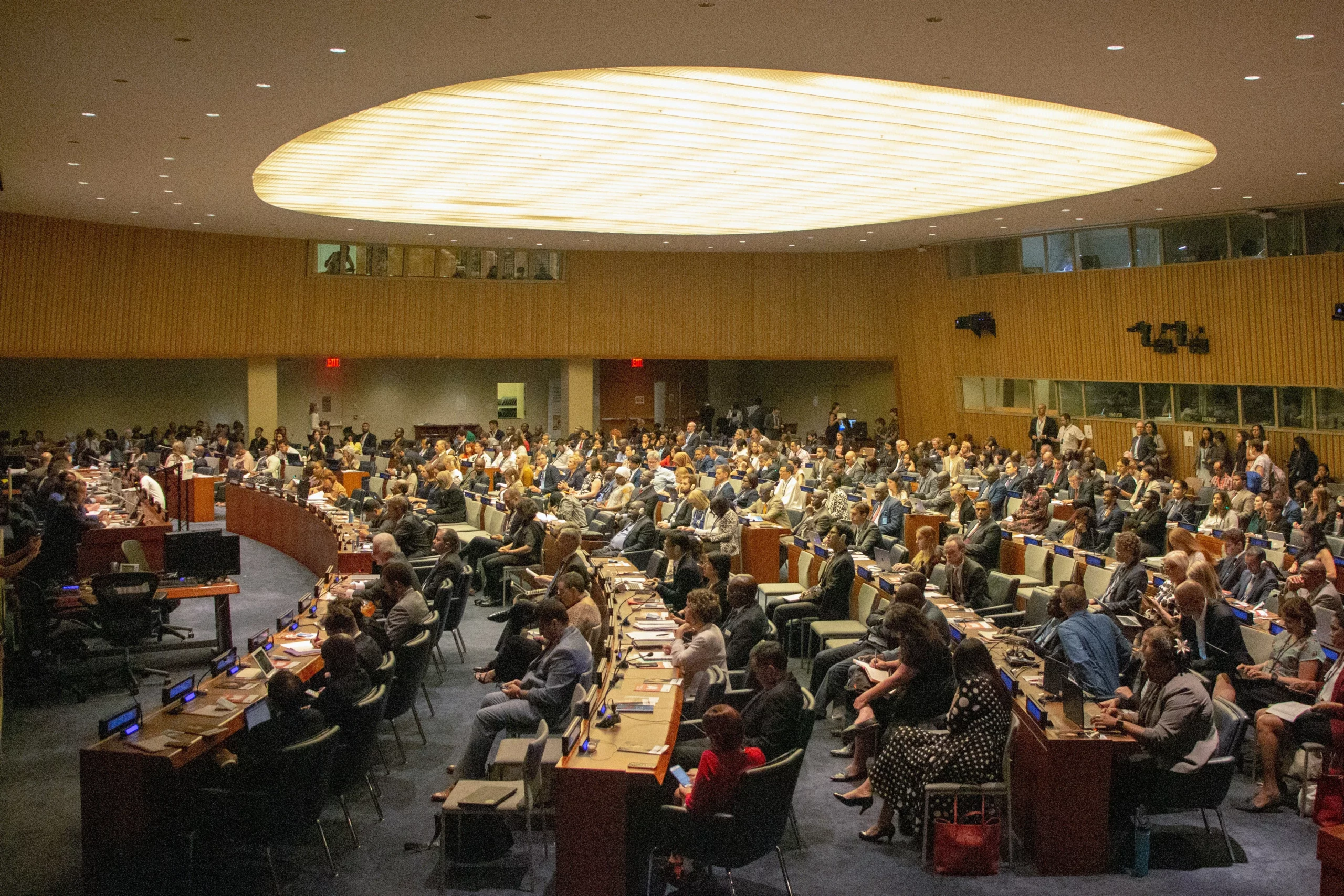
The study was launched on 15 July 2020 at the occasion of the workshop Localising the Sustainable Development Goals (watch the recording) organised by PLATFORMA during the United Nations’ 2020 High Level Political Forum  on Sustainable Development (HLPF).

PLATFORMA and CEMR are actively taking part in many of this virtual event’s sessions and webinars together with their partners and members.

Please click on this link if you want to get printed copies of our study (Europe only).

For more information, contact: