
Local Alliance calls to put cities at the heart of Europe’s climate plans

Local Alliance news

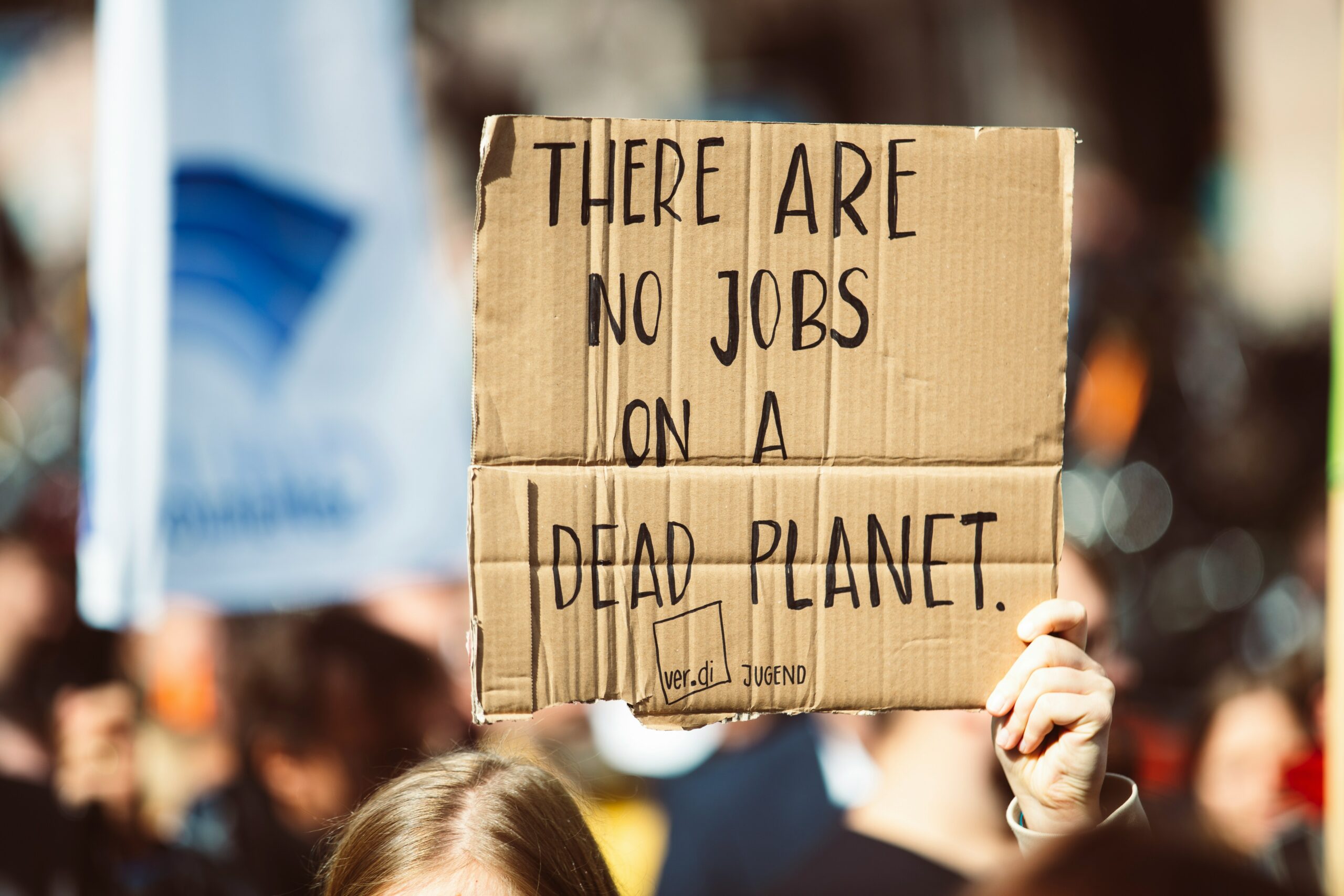
Local Alliance calls for a governance overhaul to put cities at the heart of Europe’s climate plans

408 words
2–3 minutes

In a new position paper, the Local Alliance – a coalition of CEMR, ACR+, Climate Alliance, Energy Cities, Eurocities, FEDARENE, ICLEI Europe, and POLIS – calls on the EU to seize the revision of the Governance Regulation to make National Energy and Climate Plans (NECP) truly implementable, investable, and grounded in local realities. 

Cities, towns and regions across Europe are already acting — renovating buildings, deploying renewables, transforming mobility systems. Yet the EU’s climate planning framework has not caught up. National Energy and Climate Plans (NECPs) continue to be drafted largely without the involvement of the local and regional governments that will ultimately deliver them. 

The revision of the Governance Regulation, expected from the European Commission in the last quarter of 2026, is therefore a critical opportunity — one the Local Alliance is determined not to miss. 

A structural disconnect 

A wealth of local data, investment pipelines and climate plans already exists across Europe — from Sustainable Energy and Climate Action Plans to Climate City Contracts and local heating strategies. Yet this territorial knowledge rarely feeds into NECPs, creating duplication, fragmentation and missed investment opportunities.  

Meanwhile, the multi-level dialogues already required under Article 11 of the current Regulation have largely remained disconnected from real implementation decisions or remained tick-the-box level only. 

The result is a dangerous two-speed dynamic: high ambition at European and national levels, too little attention to what happens on the ground. 

The Local Alliance’s answer: connect what already exists 

The position paper calls for the revised Regulation to be built around four mutually reinforcing elements:  

  1. a permanent multi-level dialogue platform in each Member State to align all levels of government around NECP preparation and monitoring, taking into account national governance structures and needs;  
  1. a territorial chapter in each NECP drawing on existing local plans to show where and how national objectives will be delivered;  
  1. territorially informed sectoral pathways linking national targets across buildings, transport, heating, renewable energy, and circular economy with the local realities that determine whether delivery is actually possible; 
  1. and investment strategies that take account of local investment and capacity needs. 

This is not a call for more bureaucracy. It is a call to make what already exists work together — reducing consultation fatigue, cutting administrative duplication, and turning NECPs from reporting exercises into genuine frameworks for implementation and investment. 

Read the full position paper here

For more information, contact:

Protecting Europe’s water future

Water Management - Best Practices

CEMR calls for the timely implementation of the Urban Wastewater Treatment Directive (UWWTD)


The Council of European Municipalities and Regions (CEMR) call on Members of the European Parliament to support the timely and effective implementation of the revised Urban Wastewater Treatment Directive (UWWTD).

The Directive introduces a new treatment step for the removal of micropollutants from urban wastewater, a major requirement to protect public health and the environment. Its Extended Producer Responsibility (EPR) scheme ensures that the contributors to these pollutants cover at least 80% of the related treatment costs.

For local and regional governments, this mechanism is crucial to uphold the polluter-pays principle and to avoid placing the financial burden of quaternary treatment on users. The Directive already includes safeguards to address concerns around medicine affordability, supply and accessibility, as well as mechanisms for monitoring and adjustment once implementation begins.

CEMR firmly opposes proposals to suspend or delay the EPR provisions. Such a suspension would undermine long-term investment planning in wastewater infrastructure, increase uncertainty, and put essential public services at risk.

Local and regional authorities are already preparing investments to meet the Directive’s requirements. A stable regulatory environment is essential to safeguard public health, environmental protection, and Europe’s long-term competitiveness.

CEMR calls on EU decision-makers to move forward with implementation as agreed and to use the Directive’s existing review mechanisms to make any necessary adjustments based on data collected during the implementation process.

Learn more about CEMR action on water protection:

CEMR and partners’ joint call to MEPs to swiftly implement the recast of UWWTD

Protecting Clean Water

CEMR Policy paper on Urban Wastewater Treatment Directive

For more information, contact:

Climate adaptation position paper

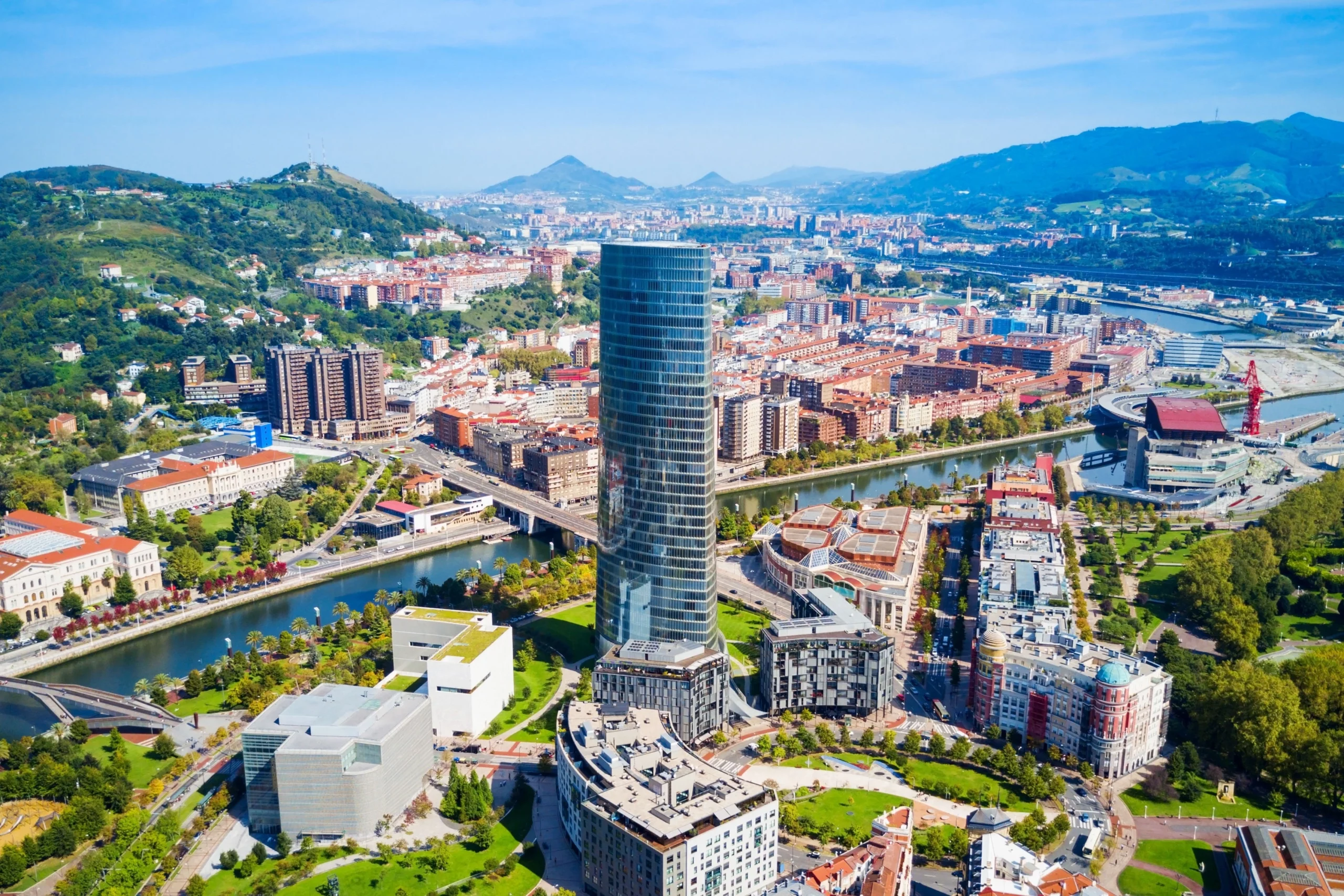
ODELL - City of Bilbao, main banner

CEMR calls for a territorial approach to Europe’s climate resilience


Europe is the fastest-warming continent in the world. Heatwaves, floods, droughts and extreme weather events are already affecting communities, infrastructure and ecosystems across the continent — with impacts that vary widely from one territory to another. In this context, climate adaptation has become an urgent priority for towns, cities and regions, which are on the frontline maintaining essential services and strengthening resilience on the ground. 

While the European Commission is currently developing a new integrated framework for European Climate Resilience and Risk Management, CEMR has published a new policy paper, Adapting Together – A territorial approach to resilience and risk management, setting out concrete recommendations to strengthen Europe’s approach to climate adaptation and preparedness. 

A new policy paper: Adapting Together 

The policy paper highlights a clear reality: local and regional governments already implement the vast majority of adaptation measures, yet their role remains insufficiently recognised and supported in EU and national frameworks. The paper calls for a territorial approach to climate resilience, grounded in multi-level governance and built around six key priorities: 

  • Empowering local and regional governmentswith clear mandates and flexibility to act; 
  • Strengthening local capacity through better access to data, tools and peer learning; 
  • Securing predictable and accessible funding for adaptation investments; 
  • Improving preparedness and disaster risk management; 
  • Restoring ecosystems and scaling up nature-based solutions; 
  • Ensuring water resilience through integrated, locally driven water management. 

By combining horizontal enablers (governance, capacity and finance) with sector-specific recommendations, the paper demonstrates how empowering towns, cities and regions is essential to Europe’s overall resilience. 

Towns, cities and regions at the frontline of adaptation policies  

Ronan Dantec, CEMR spokesperson for Climate, underlines: Today, it is urgent to recognise that adaptation to climate change is pivotal for municipalities and regions of all sizes. Investing in sustainable infrastructure and using our resources more efficiently is not just an option, but an imperative for securing a thriving future for all. 

Climate impacts are inherently local. Even within the same country, risks can differ significantly between urban and rural areas, coastal and inland regions, or northern and southern territories. Towns, cities and regions are therefore best placed to: 

  • Assess local climate risks and vulnerabilities; 
  • Protect vulnerable populations; 
  • Plan and manage resilient infrastructure; 
  • Ensure continuity of essential services such as water, transport and energy; 
  • Deliver nature-based solutions and ecosystem restoration. 

Their proximity to citizens also allows them to integrate social resilience into adaptation policies, ensuring that no one is left behind as climate impacts intensify

Preparing for the EU’s upcoming integrated framework on climate resilience 

CEMR’s policy paper comes at a key political moment, as the new integrated framework for European ClimateResilience and Risk Management is expected to be adopted by the European Commission in the second half of 2026. It will aim to establish a comprehensive and coherent EU approach to climate resilience and preparedness.  

 The ongoing public consultation of the European Commission on the future integrated framework, includes a set of questions covering resilience-by-design across EU policies; harmonised and comparable climate risk assessments; funding for adaptation; support for local and regional level, consideration of climate-related health impacts.  

CEMR is currently developing a response in cooperation with its expert group, requesting that towns, cities and regions are recognised not only as implementers, but as strategic partners in the design, financing and monitoring of this future framework. The consultation is open until 23 February 2026. CEMR encourages its members to participate and make their voices heard. 


For more information contact:

EU budget: Local Alliance action plan

Local Alliance - News Section

Making the next EU budget work for cities and regions: the Local Alliance’s 10-point action plan


The Local Alliance – a coalition of Europe’s leading local and regional governments: ACR+, CEMR, Climate Alliance, Energy Cities, Eurocities, FEDARENE, ICLEI Europe and POLIS, – aims at ensuring that our constituencies have the competencies and resources to implement and reinforce Europe’s resilience, competitiveness and decarbonisation.

We share a common vision for the 2028–2034 Multiannual Financial Framework (MFF) to become a strong, democratic, and future-proof tool that drives cohesion across territories, reinforces Europe’s competitiveness, and enables a just transition towards climate-neutral and resilient transition.

Local and regional governments are Europe’s frontline for delivering change. They are the democratic level closest to citizens, trusted by a majority of Europeans, and directly or through shared responsibility in charge of implementing most EU legislation. They mobilise the bulk of climate-relevant investment, drive innovation and competitiveness, and safeguard cohesion and just transition by ensuring that no community is left behind. Without their leadership, Europe cannot succeed in meeting its green, digital, social, and competitiveness ambitions.

Yet instead of empowering this strength, the Commission’s proposal for the next MFF risks sidelining local and regional governments, who are best placed to deliver. A centralised approach, which does not reflect the local realities and priorities, not only threatens delivery on the ground, but also Europe’s long-term societal, democratic and economic resilience and competitiveness. As the Committee of the Regions’ most recent report highlights, European cities and regions need a budget to help build the Union from the ground up – where local and regional authorities are not only implementers but co-creators of Europe’s future.

With the negotiations already underway, the Local Alliance calls on the European Parliament and the Council of the EU to seize this opportunity to put democracy, territorial cohesion, and competitiveness at the heart of the next MFF by ensuring local and regional governments are recognised as indispensable partners. Europe cannot achieve its strategic objectives without working hand in hand with its towns, cities and regions. For this reason, the Local Alliance presents an 10 point action plan to ensure the EU budget delivers tangible results for people in every territory across Europe and beyond.

For the next MFF, we call on:

1. Stronger multilevel governance mechanisms to deliver both reforms and investments.

2. Stronger partnership principle for the implementation of the MFF.

For the National and Regional Partnership Plans: 

3. Making regional and territorial chapters of the National and Regional Partnership Plans mandatory, with a clear section on cities.

4. Earmarking for a just transition & affordable living for all.

5. A real EU program for cities of all sizes under the proposed EU Facility.

6. Safeguarding mechanism for the local and regional level to guarantee their access to EU funds.

7. Linking performance indicators to EU law implementation and territorial delivery.

For the European Competitiveness Fund and Horizon Europe: 

8. Competitiveness Fund and Horizon Europe should recognise cities and regions explicitly as innovators and investors.

For Horizon Europe:

9. Continuing the Mission approach under Horizon Europe.

For the Global Europe Facility:

10. Stronger support for accession cities and regions for the future of European cohesion.

Read the full position paper here

For more information, contact:

Local voices at the UN for sustainable development

PLATFORMA - banner 2

Local and regional leaders at the United Nations: getting local SDG actions onto the fast track


More than 30 local and regional European leaders are heading to New York to advocate for their vital role in achieving the Sustainable Development Goals (SDGs) at the High-Level Political Forum on Sustainable Development (HLPF). Among them is Clifford Galea Vella Maslennikov, President of the Tramuntana Region (Malta) and a member of the CEMR-PLATFORMA Young Elected Officials Committee. He also signs the foreword of this year’s study on SDG localisation.

Galea Vella Maslennikov sends a strong and hopeful message:

“I firmly believe that localising the SDGs through inclusive processes that engage all levels of government, and all sectors of society […] is in fact the key to building a more inclusive, just, and sustainable future for all.”

This year’s report includes contributions from 31 associations of local and regional governments and puts forward nine key recommendations to the United Nations, the European Union, and EU Member States.

Local governments in dialogue with Member States

In recent years, the United Nations has increasingly acknowledged the essential role of local action in advancing global sustainability, including through various HLPF initiatives. However, the degree of involvement of local and regional governments – and their associations – in national SDG reporting processes still varies significantly from one country to another.

This year, Malta is one of 37 countries presenting a Voluntary National Review (VNR) at the HLPF. Three other countries with membership within CEMR – BulgariaFinland, and Germany – will also present their VNRs. Our latest study provides insights into how these four nations have involved local authorities in shaping their national SDG reports.

It also gives details about the progress made in achieving the five SDGs under review this year: SDG 3 (Good health and well-being), SDG 5 (Gender equality), SDG 8 (Decent work and economic growth), SDG 14 (Life below water), and DSG 17 (Partnerships for the Goals).  

Over 30 local and regional leaders representing Europe

Next week, PLATFORMA and CEMR, in collaboration with the Global Task Force of Local and Regional Governments (GTF), will represent European cities and regions at the HLPF, under the auspices of the UN.

Their participation aims to fast-track the localisation of the SDGs and ensure that local voices are not only heard, but also acted upon.

Here are some of the events they will attend:

  • 15 July, Local and Regional Governments’ Networking Hub, with the launch of the GTF Annual Report “Towards the Localization of the SDGs”, by the GTF and UCLG
  • 16 July, 8th Local and Regional Governments Forum on the 2030 Agenda, by UCLG, GTF, UN-DESA, the Executive Office of the UN Secretary-General, UN Habitat, UNDP, Local2030
  • 17 July, EU delegation – local leaders breakfast meeting, by CEMR and PLATFORMA
  • 17 July, HLPF Official Session on Localisation: “Transformation from the ground up: Acting at local level”, by UN
  • 18 July, VNR Lab on Local and Regional Governments engagement in VNR/VLR processes, by UN-DESA, UN-Habitat, and UCLG

For more information, contact:

On the EU Water Resilience Strategy

Head Banner - SUN4UKRAINE

CEMR priorities on the European Commission Water Resilience Strategy


The European Commission has just published its Water Resilience Strategy, a much-needed step toward safeguarding one of our most vital common goods.

At CEMR, we welcome the Strategy’s alignment with many of our long-standing priorities:
✅ Recognition of water as a public good
✅ Acknowledgement of the role of multi-level governance, cross-border cooperation and stakeholder engagement
✅ Emphasis on nature-based solutions, including the new Sponge Facility
✅ Improved tools for data access, drought management, and awareness-raising

We also welcome the reinforcement of the Polluter Pays Principle, especially for persistent pollutants like PFAS. However, we are particularly concerned by the provision for an updated study on the costs and potential impacts of the Extended Producer Responsibility (EPR) scheme under the Urban Wastewater Treatment Directive.

As addressed in our recent joint letter to President von der Leyen decision risks delaying the deployment of quaternary treatment technologies essential to remove micropollutants and could hinder the timely implementation of the recast Directive.

We strongly believe that local and regional governments are best placed to address water challenges — but to do so effectively, they must be empowered with the tools, flexibility, and funding they need.

The Strategy would benefit from:
🔹 Clear and firm commitment to dedicated funding for water management in the next MFF
🔹 Better access to emergency EU funds for municipalities and regions affected by extreme events
🔹 Stronger legal safeguards and technical support for public sector water services
🔹 Concrete support for urban-rural cooperation in integrated water management

Read our full position paper

These issues will be front and centre at the CEMR Leaders’ Summit in Oslo, 23–24 June, under the theme: “Local Solutions for Equitable and Sustainable Resource Management.”

Let’s ensure Europe’s water resilience starts where it matters most — in our cities and regions.

Renewables with communities first 

Energy - News Section

A European consensus sets guiding principles to accelerate renewable energy and grid deployment while ensuring fairness, transparency, biodiversity protection, and local benefits 


Europe is at a turning point. To reach climate neutrality by 2050, the EU must drastically expand renewable energy and electricity grids. This challenge is also an opportunity: renewables are cheaper than fossil fuels, can reduce biodiversity risks, and bring local economic benefits. Yet progress remains too slow, hampered by lengthy permits, weak community dialogue, and a lack of perceived value for citizens. 

To overcome these barriers, European stakeholders have united behind a set of baseline principles for fast and fair deployment of renewables and grids. These principles underline that projects must be shaped with communities, not imposed on them. Early engagement with mayors and citizens, transparent communication, and mechanisms for feedback are central to building trust. 

Equally important is ensuring that local communities share in the value of new projects. This means creating jobs, offering benefit-sharing schemes such as funds or co-ownership, and guaranteeing that revenues are used transparently for local improvements, from transport to housing. The principles also commit to nature-positive deployment, applying strategies to avoid or minimise harm and, where possible, enhance biodiversity. 

Finally, the consensus highlights the need to empower community-led initiatives, giving citizens and municipalities fair access to the energy market and the grid. By creating space for local ownership, Europe can ensure that the energy transition is not only fast but also fair. 

Together, these principles form a European consensus: a shared roadmap to accelerate the transition while protecting ecosystems and ensuring citizens see real, tangible benefits. 

Read the position paper here 

For more information, contact: 

EU water resilience strategy

Recommendations for the EU water resilience strategy


As Europe faces increasing water challenges—ranging from severe droughts to devastating floods—CEMR is calling for action. In its recommendations for the upcoming European Water Resilience Strategy, CEMR outlines how local governments can lead the way in protecting water as a public good, addressing regional needs, and strengthening collaboration across all levels of governance. 

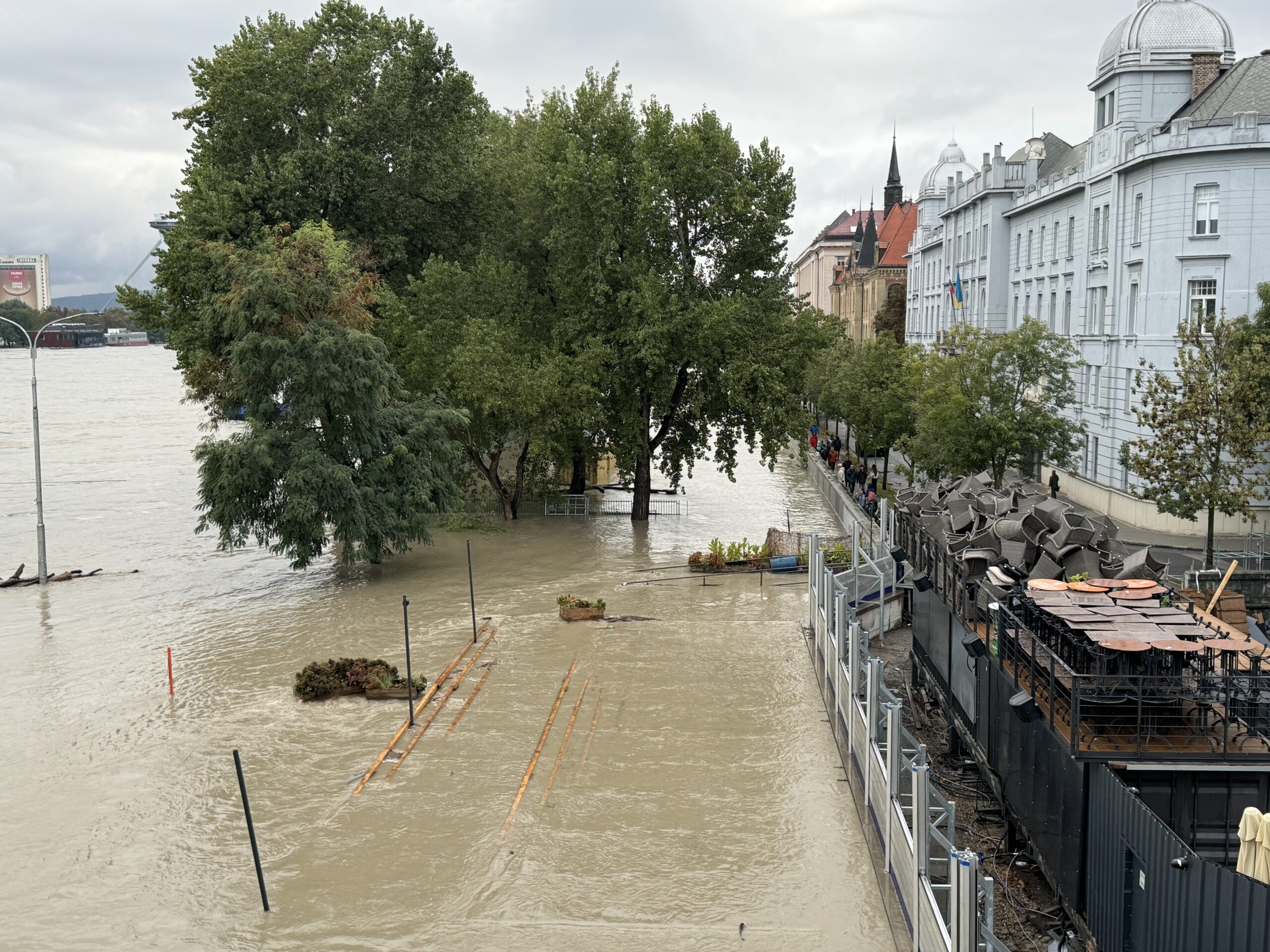
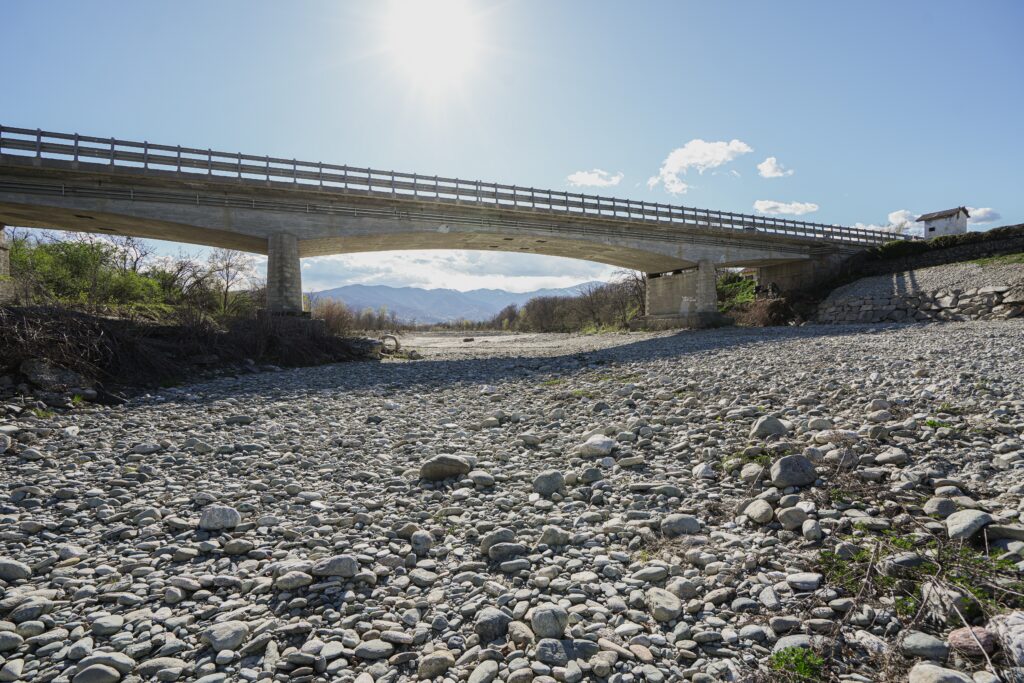
Access to water is a fundamental right, yet climate change and urbanisation pose increasing challenges to this vital resource. The drought that hit Europe in 2022, one of the worst in 500 years, left rivers like the Rhine and Po at record-low levels, disrupting ecosystems, agriculture, and transport. Meanwhile, frequent and severe flooding in Northern Europe has highlighted the urgent need for better water management systems. CEMR is taking a stand with its recommendations for the upcoming European Water Resilience Strategy.  

A bridge over the Po River completely dry due to the drought that has been affecting Piedmont for more than a year. Revello, Italy – April 2023 – MikeDotta/Shutterstock

In fact, the European Commission has announced its plan to develop a comprehensive Water Resilience Strategy as part of the 2024–2029 guidelines. This initiative aims to map risks, identify preparedness needs, and align with the ongoing revision of EU water directives. These discussions highlight the urgency of ensuring sustainable water management across urban and rural areas, addressing both immediate climate risks and long-term infrastructure needs. 

But water is not just a resource—it is a public good. This is why CEMR and its member associations emphasize the need for robust legal frameworks to ensure it is not treated as a commercial product and to guarantee universal access, calling for public sector-led water management to provide transparency and prioritize community welfare. 

But a one-size-fits-all approach will not work. Across Europe, water challenges range from droughts in the south to flooding in the north. That is why CEMR advocates for place-based solutions tailored to local realities, underpinned by nature-based strategies like wetland restoration and innovative urban planning. 

Achieving water resilience also requires financial investment. CEMR urges the EU to increase funding for ageing water infrastructure, climate adaptation measures, and innovative technologies, while streamlining access to emergency funds for regions affected by water-related crises. 

Finally, achieving water resilience requires stronger involvement from local and regional governments. As the level of governance closest to citizens, they are best positioned to design and implement water management strategies tailored to local realities. Whether it’s cities like Paris and Berlin successfully remunicipalising their water services to improve quality and affordability, or regions in the Netherlands pioneering flood prevention through integrated urban planning, local governments have proven their ability to manage water efficiently when given the right tools and resources. 

Ensuring that municipalities and regions have the necessary funding, decision-making power, and support to lead on water resilience is crucial for tackling interconnected challenges across urban and rural areas. CEMR calls for a governance framework that empowers local authorities to take proactive action, secure long-term investments, and foster cooperation with civil society and the private sector. Strengthening their role will be key to building a Europe where water systems are robust, adaptive, and sustainable. 

Ready to dive deeper? Explore the full CEMR policy paper for detailed insights and actionable recommendations. 

For more information, contact:

An incluve local green transition deal

Renewable Energy - News Section

CEMR launches groundbreaking report on the local green transition


CEMR is excited to announce the launch of its new report, “Local Green Transition: Prospects for an Inclusive and Competitive Deal”. This study examines how Local and Regional Governments adapt to and implement the European Green Deal, aiming for climate neutrality by 2050.  It provides a comprehensive assessment of the opportunities and challenges LRGs face in executing green policies, highlighting their critical role in achieving Europe’s climate goals. With over 300 LRGs participating in extensive surveys, the study presents sector-cross-cutting and specific recommendations to enhance local-level implementation of green strategies.

Key Insights:

  • High Awareness: An impressive 92% of LRGs are familiar with the decarbonisation legislation affecting their regions.
  • Impact of Climate Change and Preparedness: Many LRGs report feeling the effects of climate change acutely, with only a third feeling adequately prepared to implement necessary legislation.
  • Positive Outcomes: More than half of the surveyed LRGs have experienced benefits from green policies, including job creation and improved air quality, although challenges like funding access and regulatory complexity remain significant.
  • Social Equity: The report emphasises the need for equitable and responsive policies to the diverse needs of urban and rural areas.

Recommendations for EU Decision-Makers: CEMR identifies crucial priorities for European and national governments to support LRGs in their green transition efforts, including:

  1. Addressing local needs during EGD implementation.
  2. Fostering collaborative dialogue and partnerships with LRGs.
  3. Simplifying and increasing funding for local initiatives.
  4. Ensuring equitable implementation across regions.
  5. Making the green transition a priority for cross-border cooperation.

CEMR President Gunn Marit Helgesen emphasised the importance of local governments in facilitating real change, stating, “Municipalities and regions lay the groundwork for a more competitive Europe by implementing renewable energy projects and developing sustainable infrastructure.”

This report serves as a vital resource for local and regional governments, aiming to guide them in harnessing the green transition to foster economic growth while addressing the pressing challenges of climate change

Read study here

For more information, contact:

Europe engagement in localising SDGs

Localising SDGs study - News

European Mayors strengthening their engagement at UN High-Level Political Forum


A delegation of European Mayors and councillors is heading to New York to defend the key role of local and regional governments in United Nations intergovernmental bodies during the upcoming High-Level Political Forum (HLPF) (8-17 July).

This year, HLPF will focus on “Reinforcing the 2030 Agenda and eradicating poverty in times of multiple crises” and is held under the auspices of the Economic and Social Council.

Once again, European Mayors and councillors will make they voice heard and present how the local level can deliver sustainable, resilient and innovative solutions.

Among them are:

  • Véronique Bertholle, Vice Mayor on European and International Relations, City of Strasbourg (France), PLATFORMA spokesperson
  • Francine Farrugia, Local Councillor in the locality of Siggiewi (Malta), member of CEMR-PLATFORMA Young Elected Officials Committee
  • Clare Hart, Vice-President Montpellier Métropole, President of Crisis and Rehabilitation Group, Cités Unies France
  • Gail Macgregor, Leader of Dumfries and Galloway Council, Scotland, UK (COSLA), Spokesperson for Environment and Economy, CEMR Spokesperson on SDGs
  • Nicole Unterseh, Mayor City of Bonn (Germany), Deutscher Städtetag

Mayors and councillors will actively participate in several meetings, including the Local2030 Coalition Special Event “Unlocking transformative change through the localisation of the six SDG transitions” on 10 June, during which Francine Farrugia will officially present the CEMR-PLATFORMA 2024 annual study on SDGs.

This year, the study European Territories Localise the SDGs – The time for impact is running out gathers 46 responses from associations of local and regional governments, representing 31 European countries.

In the Foreword, Tengiz Mtvarelishvili, Chair of Telavi City Council in Georgia, and PLATFORMA Spokesperson, warns about delays in implementing the 17 Sustainable Development Goals (SDGs). “But there’s hope: local and regional governments are on the front lines, closest to citizens, and uniquely positioned to find tailored solutions”, he says.

Eva Baños de Guisasola, PLATFORMA Advisor on SDGs, Global Agendas and Climate, and Federica Bordelot, CEMR Director of Policy and Impact, will moderate several sessions.

To strengthen the voice of local and regional governments, PLATFORMA and CEMR are joining forces with the Global Task Force of Local and Regional Governments (GTF) led by UCLG.

This year, HLPF will be followed by the UN Summit of the Future, also in New York on 22-23 September, where local and regional governments will gather during an Action weekend ahead of the meeting.

Discover the study:

Check the agenda of the Global Task Force of Local and Regional Governments (GTF)

For more information, contact: