CEMR New Presidency

CEMR New Presidency - News 2022

A new Presidency for European cities and regions


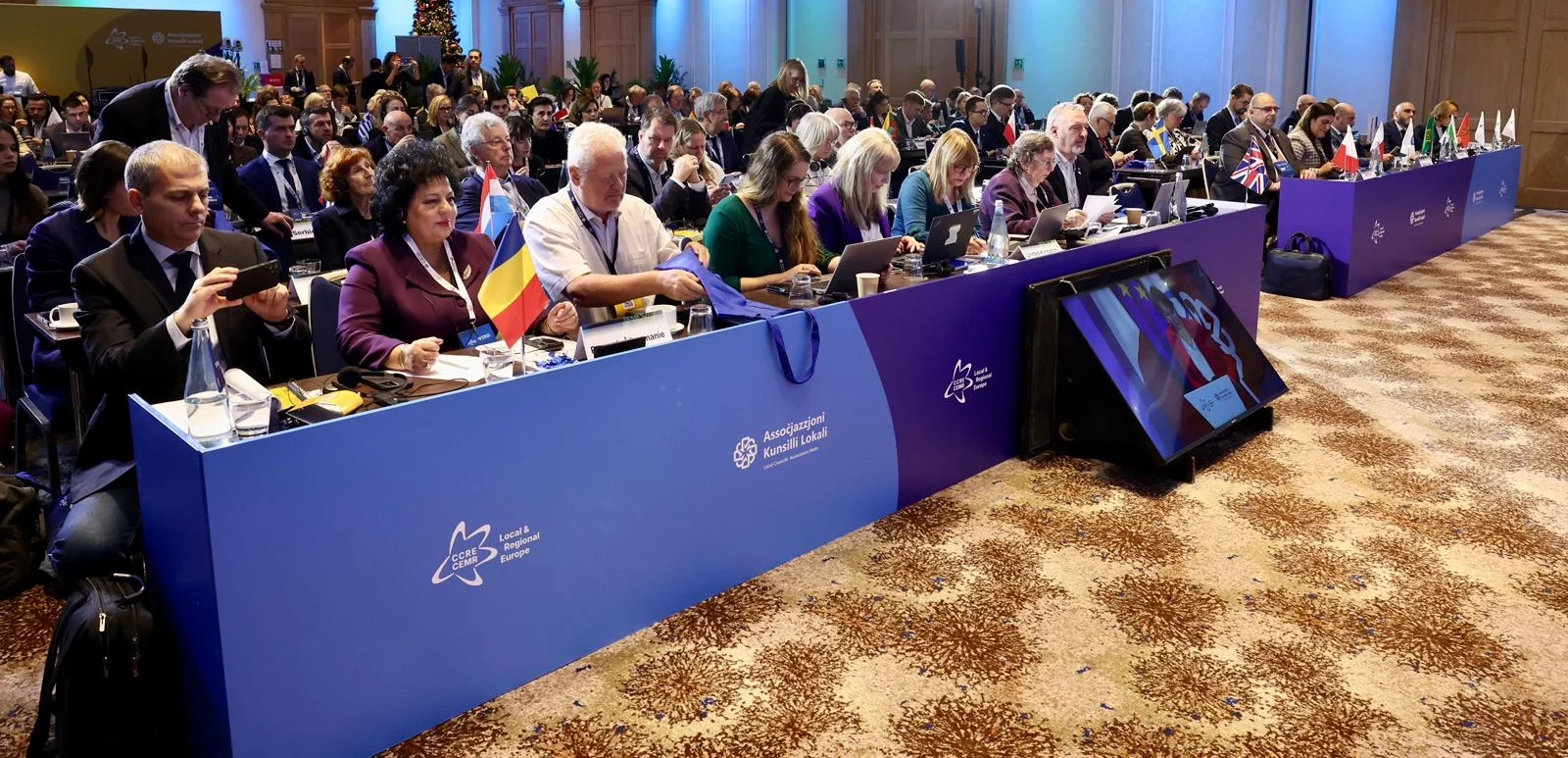
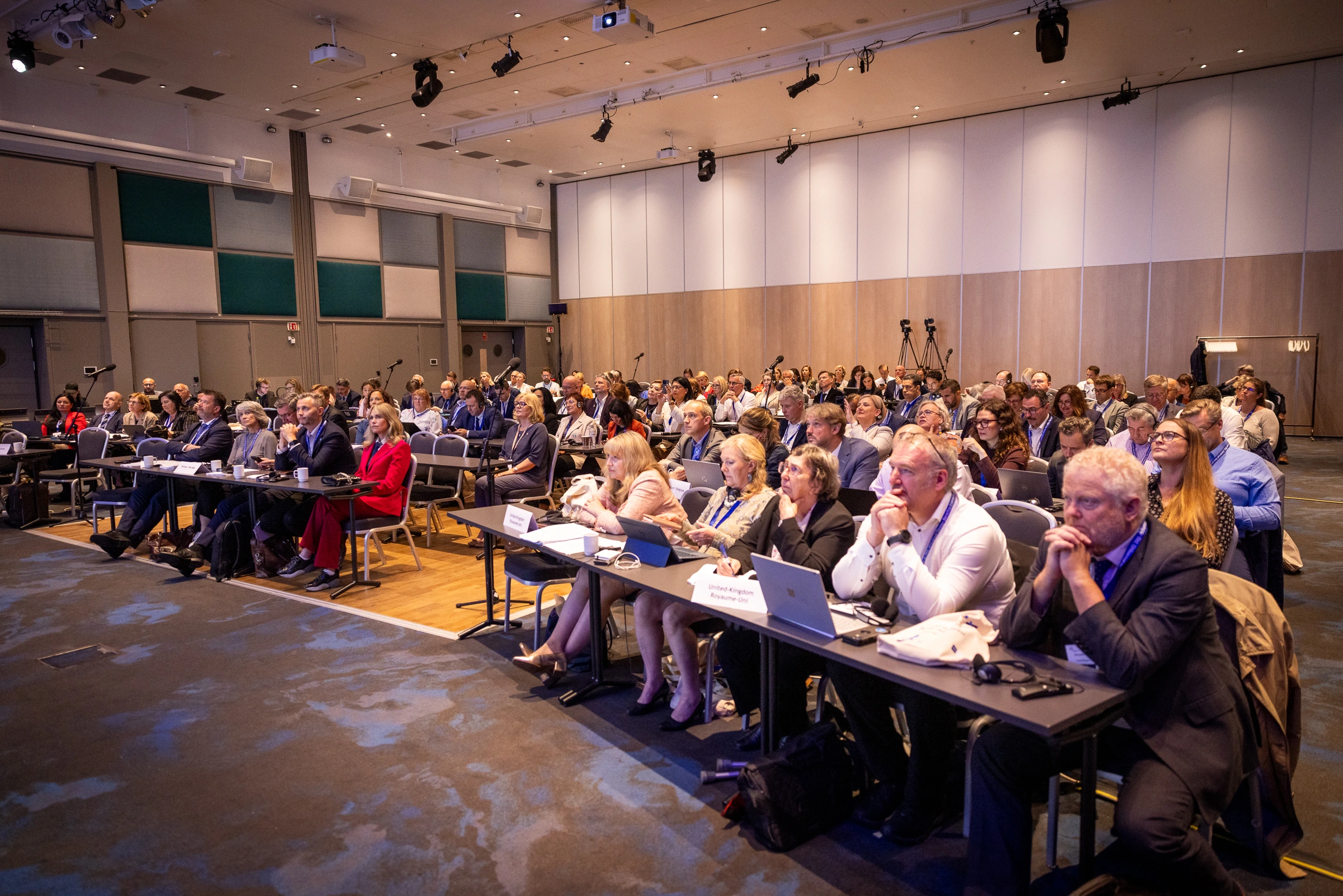
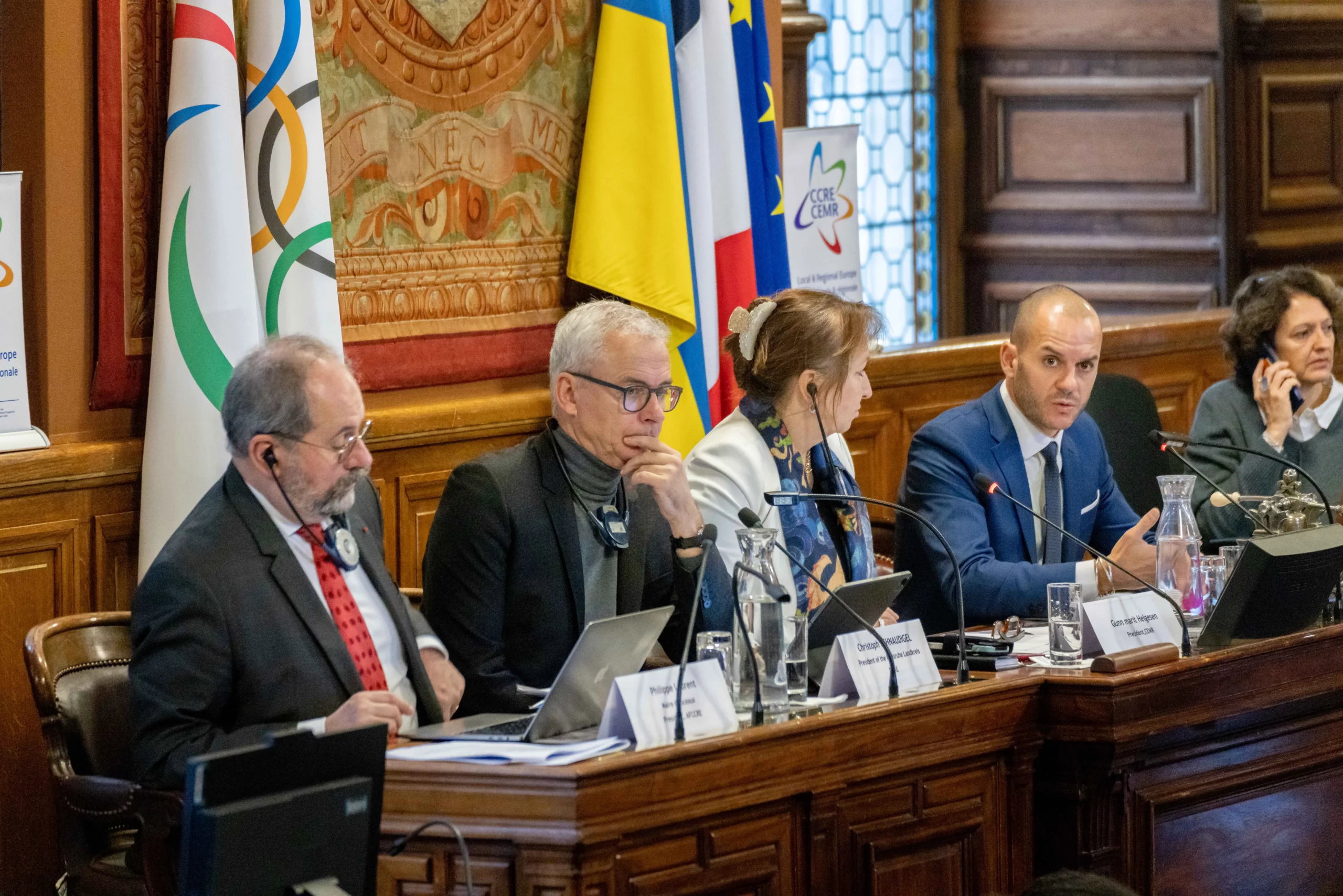
“I am driven by de facto local democracy!” These were the words of the new President of the Council of European Municipalities and Regions, Gunn Marit Helgesen, addressing CEMR’s Policy Committee members holding their constitutive meeting in Paris, on 5 and 6 December 2022.

Ms Helgesen is also Chair of the Norwegian Association of Local and Regional Authorities (KS) and member of Vestfold og Telemark County Council, located in the south-east of the country. She succeeds Stefano Bonaccini, President of our Italian association (AICCRE) and of the Emilia Romagna Region.

Commenting on her appointment, Gunn Marit Helgesen said: “Our network of local and regional authorities acts as a powerful driver to uphold the European values of freedom and democracy founded on local self-government, respect for the principle of subsidiarity and the participation of citizens.”

She continued: “Under my leadership, we will turn every stone to reverse the current trend of backsliding on earlier progress for women in society. We will also continue to influence EU legislation that affects not only its member countries but also EFTA countries, candidate countries and associate member countries”.

A new presidency for CEMR

CEMR’s new Presidency is highly representative of Europe’s geographical and political diversity: 12 men and 10 women hailing from across the continent, east, west, north and south, including mayors, county leaders and regional presidents. Gunn Marit Helgesen will be flanked by two co-Presidents, namely Christoph Schnaudigel, President of the Karlsruhe Landkreis, and Philippe Laurent, Mayor of Sceaux.

The new Presidency and members of the Policy Committee will take forward CEMR’s work for the next three years, notably on gender equality, the green transition and democratic resilience, in particular against the backdrop of the war in Ukraine.

On that score, Anne Hidalgo, Mayor of Paris and CEMR’s Executive President called for increased mobilisation in support of Ukrainian mayors and councillors, to rebuild basic infrastructure and public services.

The Policy Committee also elected CEMR’s spokespersons on various topics, the members of the Financial Management Committee and our internal auditors. It was organised with the support of our French association, the AFCCRE, and hosted by the City of Paris.

The next meeting will take place in Tbilisi, in June 2023.

Have a look at our photos of these two days: here.
Discover CEMR’s new Presidency and spokespersons.

CEMR Statutes

Local leaders - webpage banner

The legal framework guiding CEMR’s mission and governance


The Statutes of the Council of European Municipalities and Regions (CEMR) set out the legal foundation, mission, and governance structure of the organisation. They define how CEMR operates as an international non-profit association based in Brussels and outline its role in representing local and regional governments across Europe.

At the heart of the Statutes is CEMR’s core mission: to protect and strengthen the autonomy of local and regional governments, promote democratic governance, and support their participation in European and international decision-making. Through advocacy, cooperation, and knowledge exchange, CEMR works to ensure that the voice of cities and regions is heard at the European level.

The document also explains how the organisation is structured and governed. The Policy Committee acts as the main decision-making body, setting strategic priorities and approving budgets, while the Executive Bureau oversees the implementation of decisions and the day-to-day direction of the organisation. The President provides political leadership and representation, and the Secretary General manages the daily operations of the Secretariat.

Membership is open primarily to national associations of local and regional governments that share CEMR’s objectives and democratic values, with additional categories for observers and honorary members.

Overall, the Statutes provide the legal and organisational framework that enables CEMR to work collectively with its members to strengthen local democracy and cooperation across Europe.

For more information, contact:

CEMR code of conduct  

Building a safe, respectful, and inclusive environment at all CEMR events and activities 


The Council of European Municipalities and Regions (CEMR) is committed to ensuring that all of its activities, from high-level conferences to informal meetings, take place in an environment that is professional, respectful, and free from harassment, violence, or discrimination. 

The CEMR Code of Conduct establishes a clear, zero-tolerance approach to inappropriate behaviour. It applies to CEMR staff, members of national associations, elected representatives, and third parties who participate in CEMR events, whether in person or online. 

Harassment and discrimination can take many forms, verbal, psychological, physical, or sexual. They may be isolated incidents or systematic behaviours. Regardless of form or setting, such conduct undermines personal dignity and professional integrity and will not be tolerated. 

To ensure effective protection, the Code of Conduct outlines: 

  • Reporting procedures: Incidents can be reported verbally or in writing at any time, without fear of reprisal. Immediate steps will be taken to stop misconduct. 
  • Investigation mechanisms: An independent investigative committee, balanced in gender and composition, will review allegations within 30 days and recommend remedies or sanctions. 
  • Confidentiality guarantees: All parties’ rights and privacy will be respected, with strict confidentiality during proceedings. 
  • Remedies and sanctions: Depending on severity, actions may range from mediation and warnings to exclusion from events or referral to public authorities when criminal offences are suspected. 

CEMR has also introduced trustworthy persons, specially trained staff who act as first points of contact for colleagues facing stress, conflict, or abusive behaviour. They provide guidance, mediate issues, and ensure that concerns are raised constructively and confidentially. 

This Code is a public document, intended not only as an internal standard for CEMR but also as a model that can be adapted by other organisations. By adopting it, CEMR reaffirms its commitment to safeguarding dignity, equality, and inclusivity in every sphere of its work. 

Read the code of conduct here 

For more information, contact: 

Policy Committee Meeting

Policy committee in Turkey - News 2022

Young local leaders: time “to go beyond the simple notion of ‘youth'”


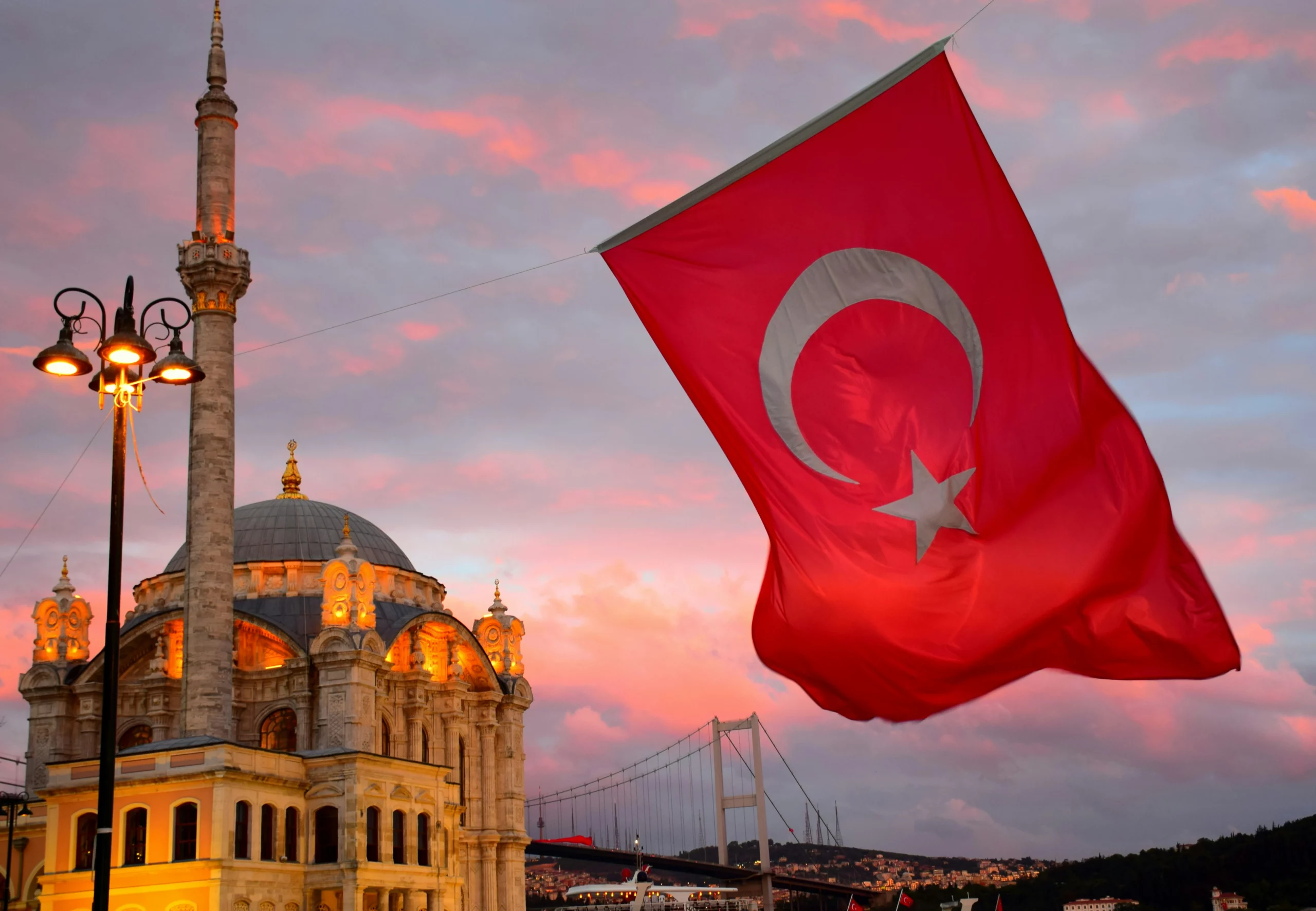
Empowerment and representation: these are the keywords defining the work of the Committee of Young European Elected Officials run by CEMR and PLATFORMA. Cemal Baş, Councillor of the Municipality of Keçiören (Turkey), spoke on behalf of this network, which is currently being rebuilt, at CEMR’s Policy Committee in Bologna (4-5 July 2022).

The network’s aspirations go “beyond the simple notion of ‘youth’, since it is above all about supporting young leaders in their becoming familiar with the major European issues and opportunities for the local and sustainable development of territories while enabling them to bring the voice of CEMR, PLATFORMA and their own local authority to international discussion forums.

Gathered in Italy for two days, CEMR’s members were able to take stock of the association’s main orientations and thematic projects. It was an opportunity to highlight for the first time the development of the Young Elected Officials Committee. Cemal Baş stressed that this “network is growing and is today giving the possibility to strengthen the voice of European local and regional governments.

After a break of several months, this group of young European leaders has been reviving since the spring 2022, in a context marked by the European Year of Youth. So much so that today, it brings together more than fifteen elected representatives under the age of 40, from the four corners of Europe: Austria, Georgia, Germany, Greece, Italy, Latvia, Malta, the Netherlands, Portugal, Romania and Turkey.

Beyond their nationality, the diversity of the members of this network is embodied in their different areas of expertise. As was pointed out to the members of the CEMR Policy Committee, “each young leader has his or her own field experience and expertise in relation to the public policies implemented in his or her area.” This is a real strength for pursuing the objectives of the Committee of Young Elected Representatives and promoting the interests of Europe’s local and regional governments at the European and global levels.

In concrete terms, recent weeks have seen João Fortes, Mayor of the Portuguese municipality of Mourão, bring the voice of European local and regional governments on youth and sustainable development to the Africities Summit organised by UCLG Africa in Kenya. Hannah-Lea Braun, elected member of Maichingen Local Council in Germany, will also participate in the UN High Level Political Forum on the Sustainable Development Goals (HLPF) in New York.

All the perspectives raised during this presentation will be at the heart of the first meeting of the Committee of Young European Elected Representatives in autumn 2022, while a spokesperson will be appointed to CEMR’s Policy Committee by the end of the year. In the meantime, the next few weeks will allow us to enlarge this network of young European local leaders, as CEMR members are invited to nominate two local elected representatives.

Secretaries General

CEMR’s Secretaries General and Directors met to discuss Ukraine and their priorities for the next months


Secretaries General and Directors of CEMR’s member associations took part in an executive meeting to develop a common position on priority issues on the local and international agenda. They exchanged on the war in Ukraine, discussed a base document proposing joint measures on climate neutrality and decarbonisation of towns and cities and presented the actions of the Young Elected Committee. They also discussed statutory, general and internal affairs. This first face-to-face meeting after the pandemic took place from 5 to 6 April in Vitoria-Gasteiz, Spain at the invitation of the Association of Basque Municipalities (EUDEL) and the city’s mayor Gorka Urtaran Agirre. It has been attended by twenty delegates (from Czech Republic, Turkey, Greece, United Kingdom, France, Norway, Spain, Cyprus, the Netherlands…) and the rest of the attendees have participated online.
 
Renewing solidarity and support with Ukraine
Participants, in particular, renewed their full solidarity and support with Ukraine. In this complex international context, they called for unity of local and multilevel action. Marlène Siméon, Operations Director of CEMR explained that “Since its creation in 1951, the CEMR and its members have worked to promote the construction of a united, peaceful and democratic Europe, based on local autonomy, respect for the principle of subsidiarity and the participation of citizens, but also on twinning and solidarity between municipalities on the continent and beyond. This is why the war in Ukraine immediately provoked a reaction from CEMR, with an appeal signed by more than 750 mayors and local or regional leaders from all over Europe, condemning the Russian invasion and pledging to support the municipalities and cities of Ukraine.” She emphasised that “in these times of pain and suffering, the European family of local and regional governments is united. Ukraine is part of Europe and we will continue to support it”.
 
40th Anniversary of EUDEL
The CEMR also participated in the ceremony celebrating the 40th anniversary of EUDEL. Chaired by Iñigo Urkullu, President of the Basque government, the celebration recalled the important milestones in the strengthening and transformation of the municipalities of the Basque country over the last 40 years. The association also paid tribute to the people who have presided EUDEL since its creation in 1982. For 40 years, EUDEL has energetically participated in many of CEMR fields of action. They are strongly involved in policy and advocacy work. For example, EUDEL has contributed greatly to CEMR’s work on local gender equality and, in particular, the revitalisation of the European Charter for Local Equality currently underway. Building on the Basque Country’s long tradition of promoting effective gender equality, EUDEL has been an active player in ensuring the Charter remains a useful and effective tool to mainstream gender equality in Europe’s territories. The whole CEMR is looking forward to many more years of collaboration with its Basque friends!

Policy Committee

European Parliament - News

SecGen election, debates, papers: a busy agenda for local Europe


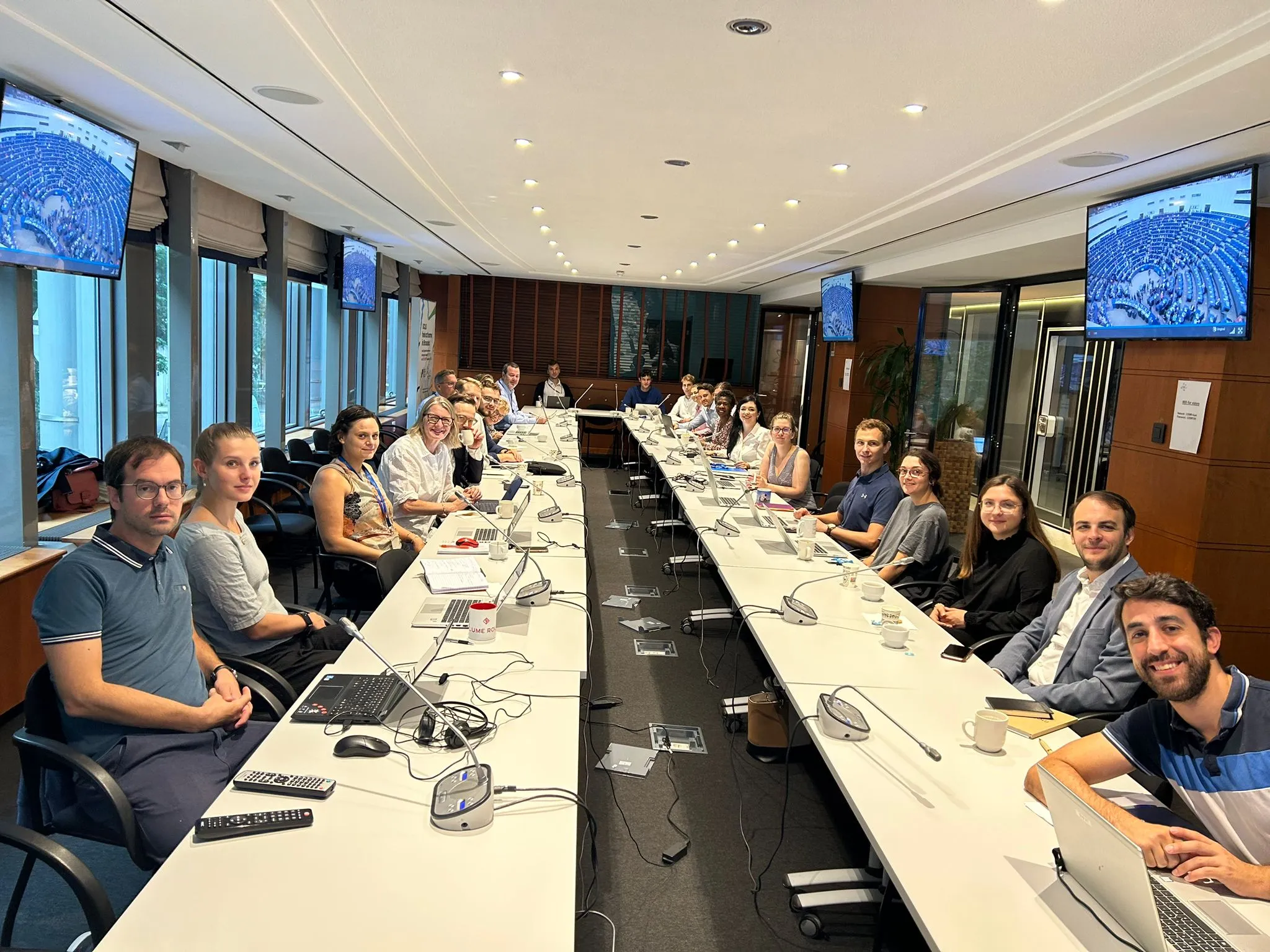
And that’s a wrap for the latest gathering of CEMR’s Policy Committee! Over 100 people came to Brussels or joined online to take part in the discussions of our highest decision-making body and set the agenda for local and regional Europe. You can see some memorable highlights from the debates under the hashtag #CEMRmeets.

A new secretary general for CEMR

Say hello to our new secretary general! Fabrizio Rossi has been elected for a six-year term of office at the head of the CEMR. He has extensive experience working with and on behalf of of local and regional governments, including for regional authorities in Sardinia, Barcelona and Scotland.

More recently, Fabrizio Rossi served as secretary general of Partenalia, an association representing counties at EU level, and worked at Climate-KIC, a leading EU climate innovation initiative. In the latter capacity, he managed a portfolio of multifunder programmes and projects contributing to achieving climate-neutral and resilient territories across Europe.

Position papers: setting the advocacy agenda for local and regional Europe

The Policy Committee debated and adopted several position papers which will serve as a basis for our advocacy on a wide range of issues important to local and regional governments. The papers, which will be uploaded to our website, cover the EU’s Fit for 55 decarbonisation plandigitalisationmigrationEU economic governancewater regulationmobility and the Conference on the Future of Europe.

What’s more CEMR’s 2022 Work Programme was amended and adopted (see here), outlining our planned activities and policy and legislative priorities for the year. We also presented CEMR’s strategy for externally-funded activities (EFAs), drafted by the secretariat together with several member associations. The strategy will help CEMR secure funding from the European Commission, donors and philanthropists, ultimately contributing to our advocacy, collaboration and knowledge-sharing.

The TERRI Report

Local leaders discussed CEMR’s brand-new report on ‘Territorial Governance, Powers and Reforms in Europe’, or TERRI Report for short. This unique online tool exposes the current state of local government systems in 40 countries and their evolution over the past decade, while also making recommendations for successful territorial reforms. This edition has a special focus on local health systems in light of the pandemic.

Presenting the report’s recommendations, Jan Van Zanen, the mayor of The Hague and the President of the Association of Dutch Municipalities (VNG), argued that territorial reforms devolving responsibilities must be accompanied by economic support. “In the Netherlands, we have faced massive decentralisation since 2015 in the social field, but the central government did not deliver adequate financial transfers”, he said.

Central Bedfordshire Councillor and Chairman of England’s Local Government Association, James Jamieson, said the TERRI Report showed the diversity of Europe’s systems of government and that decentralised countries tend to be more equal and more prosperous. “The pandemic demonstrated that local councils can deliver in a crisis”, he said. “But as we move towards recovery we need a strategic view on role local government can play in tackling challenges such as climate change, automation and an aging population.”

Debate on the Future of Europe

The Policy Committee proper was preceded by a debate on the Conference on the Future of Europe featuring mayors and senior regional, EU and national officals. Municipal leaders highlighted actions they are taking to involve ordinay citizens in this crucial event for the reform of the EU.

See you in Daejeon!

Last but not least, Emilia Saiz Carrancedo, the secretary general of UCLG, presented our global organisation’s upcoming World Congress in Daejeon, South Korea. This global summit of local and regional governments will take place between 10 and 14 October 2022.

CEMR Retreat

Youth Matters - News 2022

4th CEMR retreat: a wrap-up of our debates and activities


Dedicated to a “Fresh start for a resilient Europe,” EU officials and local leaders from across the continent gathered virtually during the event to discuss the way forward beyond the COVID crisis, as well as the place of cities and regions in the Conference on the Future of Europe. This was an opportunity to spell out our vision of an inclusive, sustainable and resilient Europe over the course of political debates and to better organise our own work through several practical workshops.

Reaching decarbonised and resilient societies

Local elected officials discussed how to reach decarbonised and resilient societies, notably to identify challenges and messages for the upcoming COP26 climate conference in Glasgow. The wide-ranging discussion covered the appropriateness of EU legislation for achieving local climate transitions, the best financial measures for this goal, decarbonisation beyond Europe’s borders and the role of future generations.

Ronan Dantec, CEMR spokesperson on climate, French senator and municipal councillor for Nantes, highlighted how European cities signatories to the Covenant of Mayors had reduced their carbon emissions by 30% between 1990 and 2020, significantly more than the European average. “Europe and local governments are still global leaders in terms of decarbonisation, even if we can always do better”, he said.

The speakers notably discussed measures at both European and local level which can be taken now to both fight against and adapt to climate change. EU legislation should favour local public procurement and investment energy efficient housing. Local governments can also take many direct actions, such as the expansion of bike lanes, the banning of gravel gardens or the development of green façades covering buildings with plants. Whatever the area, there is no shortage of actions that be taken!

First meeting of CEMR national associations’ presidents

Our network held the first meeting of the presidents of our national associations together with CEMR President Stefano Bonaccini. The presidents exchanged on our associations’ crucial role during the COVID pandemic, the actions they took and their priorities and perspectives going forward for a sustainable recovery and resilience. Check out our social media thread of the presidents’ exchanges.

Advocacy, knowledge sharing, communication: three practical workshops

Last but not least, we held three interactive workshops to orient and better organise our activities as a network. These covered our associations’ tools for national and European advocacy, our associations’ knowledge-sharing activities and cooperation on communication. Taken together, these sessions explored how to create more synergies within our network and strengthen our collective voice.

Job opening

Call for Proposals - News 2023

Call for applications for the recruitment of CEMR’s Secretary General (2022 onwards)


CEMR has opened a call for the position of Secretary General whose current mandate will end in January 2022. For more information on the position and how to apply, please consult the recruitment pack. Applications must be sent to recruitment.sg[a]ccre-cemr.org by 3 October 18:00.

Policy Committee

Meeting - News section

Local leaders gather for a busy political agenda


Europe’s local leaders met on Friday (18 June) to take stock of CEMR’s activities and orient its political work. There was a busy agenda as the Policy Committee dealt with a wide range of issues.

CEMR’s highest decision-making body discussed action on migration and integration, and adopted positions on rural development and the European Commission’s 8th Environmental Action Plan. The elected officials also discussed the evolution of human rights, gender equality and local democracy in Europe, culminating in the adoption of a declaration in support of municipalities signing the Charter for Equality, regardless of the national situation.

The leaders also discussed CEMR’s participation to the Conference on the Future of Europe – a great event debating how to reform the European Union – in collaboration with the European Movement International (EMI). This would notably involve the organisation of local citizen dialogues, with several CEMR members having expressed an interest in organising such events.

The next Policy Committee meeting is planned for January 2022.

COVID-19’s impact on local cultural activities

The meeting kicked off with two simultaneous debates during breakout sessions, one on COVID-19’s impact on local cultural activities and the other on our long-term vision on rural development.

Local leaders and experts on cultural policy discussed the state of the cultural sector, which has been devastated by the COVID-19 pandemic. Catherine Magnant, deputy director in the European Commission’s Directorate-General for Education, Youth, Sport and Culture, provided an overview of the sector and of EU support measures.

The cultural sector makes up 4% of EU GDP and employs 8 million people but many institutions have seen a collapse in revenue as visitorship plumetted. Cinemas, museums and music venues all saw revenue losses of 70-80%.

This is a personal tragedy for the artists and a problem for the economy, at a time during the pandemic where culture is essential to our mental health and well-being“, said Magnant. “So it is very important that we try to help this sector recover.

The EU took a number of measures to support the industry. Employment contracts could now be made flexible. Funding is being provided with the Creative Europe programme being boosted by 60% (now worth €2.44 billion for the 2021-2027 period) and cultural funding also being provided within other EU programmes.

The session’s moderator, Flo Clucas (councillor for Cheltenham, United Kingdom), and the participants all agreed that the cultural sector represents more than just an economic industry, but is also a way of making the most of each territory’s heritage and of bringing people together at a time when the pandemic has sharply isolated people.

Long-term vision on rural development

Ahead of the publication of European Commission’s long-term vision for rural areas, local and regional leaders discussed the impact of COVID-19 on rural and remote areas. While rural areas were initially spared during the pandemic, they were often less prepared to deal with the disease due to comparative lack of infrastructure and healthcare services. At the same time, rapid digitalisation of daily life may offer new opportunities the countryside.

Lord Mayor of Sala Carola Gunnarsson described how the COVID crisis and teleworking had changed the situation for rural areas in Sweden. Many people had moved out of the capital Stockholm, a novel development, thanks to teleworking. People move to the countryside for the lower cost of living, contact with nature and higher quality of life. This gives new opportunities to revitalise rural areas by taking advantage of their assets.

Mayor of Soria and CEMR Vice-President Carlos Martínez Mínguez emphasised the importance of providing equal opportunities and equal access to public services, notably through public investment. Europe’s recovery and resilience plan represent an opportunity not to be missed, as lack of action in this area has led to public alienation in the form of rising euroscepticism. He proposed that we move to a new governance model in which local and regional governments take more responsibility for these policies and have more influence among national and international players.

Many members of the Policy Committee joined the debate to share similar challenges as well as shed light on the specificities of rural areas and urban-rural linkages in each country. Most of the interventions mentioned access to quality broadband and mobility opportunities as key issues, also pointing to the major role of national and European high-speed road and train networks in shaping territories. These issues will be at the heart of the session CEMR organises during the European Week of Cities and Regions.

For further information in this topic, check out CEMR’s long-term vision for rural areas: “Making ‘no one left behind’ a reality”.

CEMR rules of procedure

Leaders Summit - Oslo News

Ensuring transparent, balanced, and effective governance within CEMR


The Council of European Municipalities and Regions (CEMR) operates through a structured and transparent governance framework designed to ensure fair representation, accountability, and effective decision-making across its network. The Rules of Procedure set out how the organisation functions, from membership and institutional structures to decision-making processes and financial management.

CEMR membership is open to national associations of local and regional governments that meet defined criteria. Clear procedures guide applications, cooperation between members within the same country, and the handling of fees, ensuring both inclusiveness and organisational coherence.

The organisation is governed by key statutory bodies, including the Policy Committee, Executive Bureau, and Financial Management Committee. These bodies are responsible for political direction, operational oversight, and financial supervision. Particular attention is given to balanced representation, especially gender equality, reflecting CEMR’s commitment to inclusivity and the principles of the European Charter for Equality of Women and Men in Local Life.

Decision-making processes are designed to be democratic and transparent. Meetings are convened with advance notice, voting procedures are clearly defined, and mechanisms are in place to ensure accountability, including rules on quorum, proxy voting, and financial compliance.

CEMR’s functioning is further supported by committees, expert groups, and spokespersons who contribute to policy development and represent the organisation externally. The Secretary General plays a central role in managing the Secretariat, implementing strategic priorities, and ensuring the smooth running of daily operations.

Financial governance is ensured through structured fee systems, oversight by the Financial Management Committee, and regular auditing. At the same time, cooperation with European and international organisations strengthens CEMR’s role in promoting local and regional self-government globally.

Overall, the Rules of Procedure provide a solid foundation for CEMR’s work, ensuring that the organisation remains democratic, representative, and effective in supporting local and regional governments across Europe.

For more information, contact: