While DDC Report #1 presented a general overview of reported decentralised development cooperation (DDC), this second report digs deeper into the opportunities and challenges shaping decentralised cooperation and looks at the results that DDC partnerships aim to achieve. It also showcases a selection of DDC projects, offering illustrative examples of what effective partnerships and activities look like in practice.
Where does Europe stand when it comes to DDC?
The second DDC Report highlights:
Funding drives engagement, but limited capacities hold it back. Available funding and linguistic, cultural or historical ties (both 56.75%) are the top drivers of involvement in DDC. Yet, limited capacities (78.37%) and limited or inconsistent funding opportunities (54. 05%) appear as the biggest challenge for scaling up.
Similar goals in focus. Respondents most frequently selected the following three results that their DDC partnerships aim to achieve in both partner and home territories: empowering local leaders and stakeholders, improving local public services, and strengthening local governance. Which one takes priority, though, differs depending on the territory in focus.
A lasting commitment. The majority of respondents (78.38%) plan to continue cooperating with their DDC partners, pointing out that decentralised cooperation is seen as a long-term investment rather than a one-off exercise.
This report is part of a wider series of Mindcraft publications on decentralised development cooperation, including Country Profiles on DDC frameworks. You can find the rest of Mindcraft’s publications here.
CEMR encourages European and national authorities to strengthen the role of LRGs in development policy, not only as implementers, but also as strategic partners helping shape a more resilient, inclusive, and effective development agenda. This report is produced within the Bridging and Mapping Knowledge Gaps in Decentralised Cooperation (Mindcraft), funded by the German Federal Ministry for Economic Cooperation and Development (BMZ) and supported by the Deutsche Gesellschaft für Internationale Zusammenarbeit (GIZ).
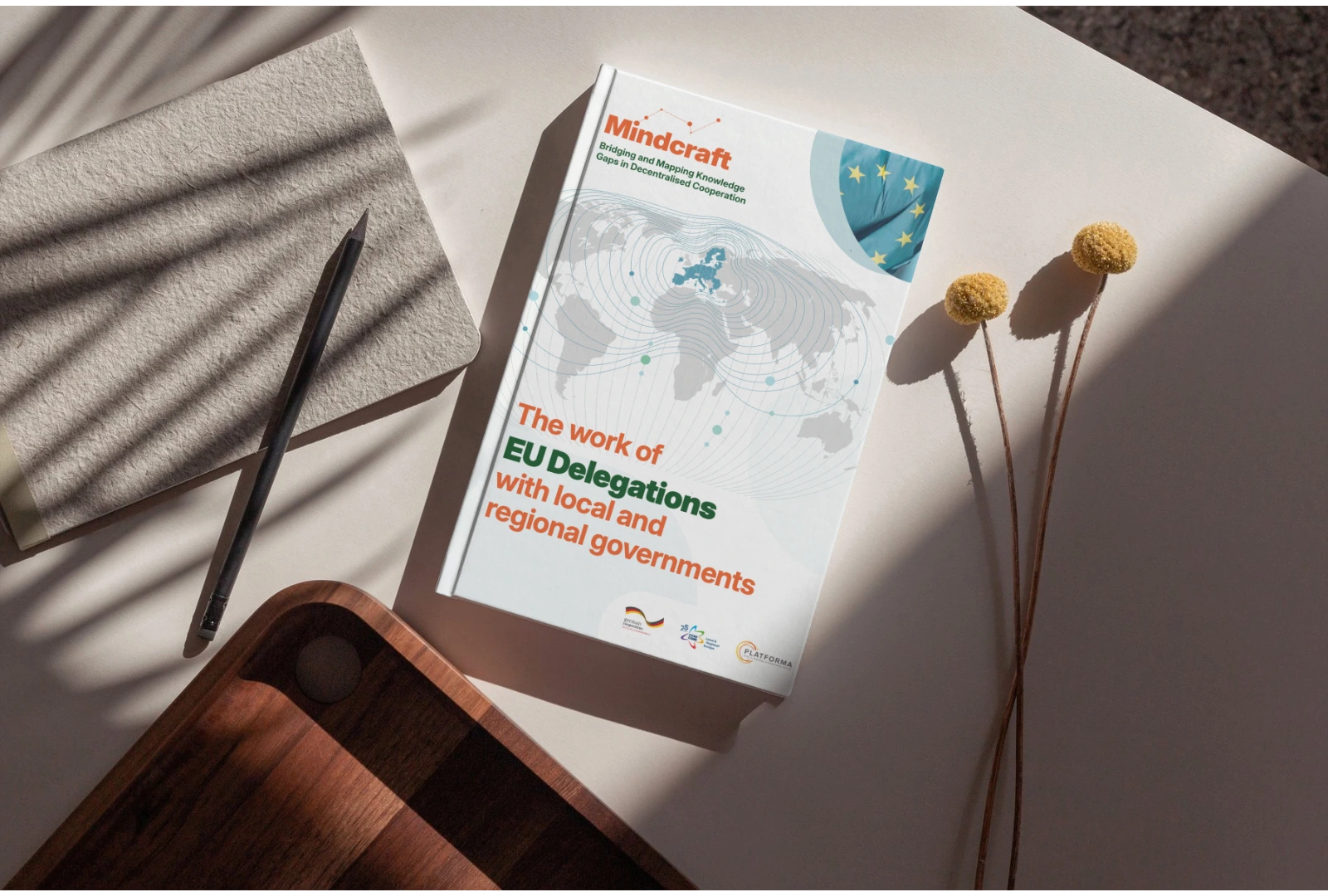
“The Work of EU Delegations with Local and Regional Governments” is a new Mindcraft publication, following on from the report published by PLATFORMA in 2021. Since 2021, the EU’s external action framework has undergone significant change. Under the Neighbourhood, Development and International Cooperation Instrument (NDICI) Global Europe and the Global Gateway strategy, EU international cooperation has moved towards a more geographic, investment-driven approach, with growing emphasis on the localisation of development cooperation.
This new study examines to what extent and how EU Delegations (EUDs) engage with Local and Regional Governments (LRGs) and their associations (LRGAs) in the partner countries. It is based on a 2025 survey of 40 EUDs worldwide and, interviews with five of them in Chad, Guatemala, Madagascar, Nepal and Zambia, as well as additional exchanges with EU Member States development cooperation agencies.
Key findings:
Enabling environment is key for LRG engagement. 62.5% of surveyed EUDs assessed the decentralisation in the partner country as favourable, and 57.5% support decentralisation efforts. Examples across partner countries show that support to local governance and public finance management helps LRGs engage in territorial development and EU-funded initiatives, though access to finance and the preparation of bankable projects remain persistent challenges.
LRG engagement in EU international cooperation remains uneven and rather limited. 57.5% of surveyed EUDs stated they engage with LRGs and LRGAs under the NDICI-Global Europe, while 20% stated they engage with them under the Global Gateway strategy. EUDs point to the lack of a right framework for structured cooperation as an obstacle. 69.2% consider that a specific budget line for LRGs would help.
LRG engagement can be valuable in fragile contexts. Among EUDs working in fragile settings, 76.4% consider that engaging with LRG would facilitate their work.
Decentralised cooperation remains generally underused. Illustrative examples of partnerships between European and partner-country LRGs, along with cooperation through LRGAs and their international cooperation structures, show real potential to strengthen local governance and support the localisation of EU initiatives but require greater visibility and emphasis.
There is an ongoing need to strengthen EUDs capacities to work with LRGs. Only 30% of surveyed EUDs reported having received specialised training or support for engaging with LRGs, which were assessed useful for understanding territorial approaches to local development.
These findings come at a timely moment, as negotiations on the 2028–2034 Multiannual Financial Framework, including its proposed Global Europe Instrument, are underway. CEMR-PLATFORMA calls for a clear engagement framework, dedicated funding mechanisms for LRGs, and stronger support for decentralised cooperation as a route to shared development goals.
The future of the 2030 Agenda should be local, or it won’t be
1,701 words
7–11 minutes
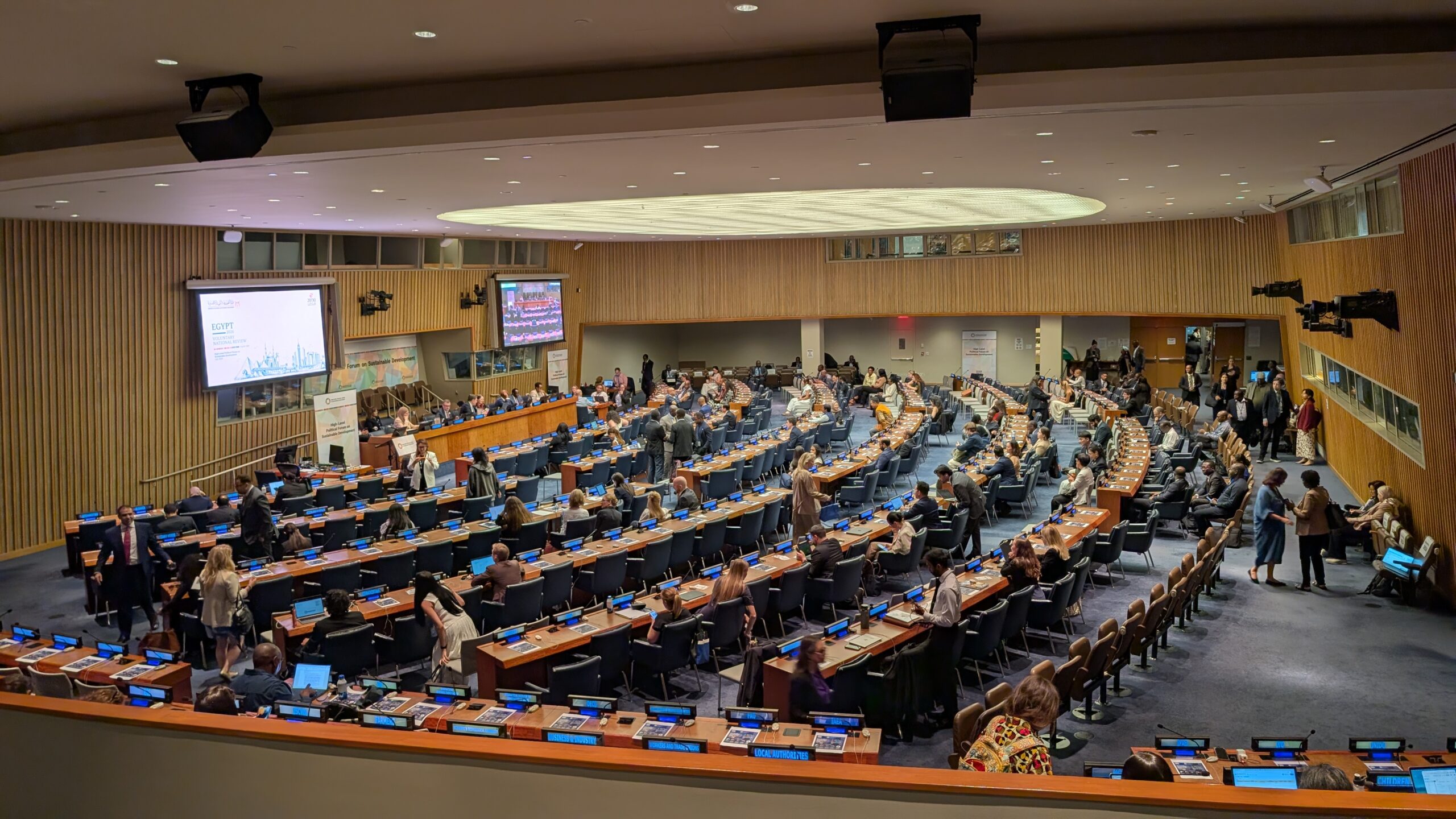
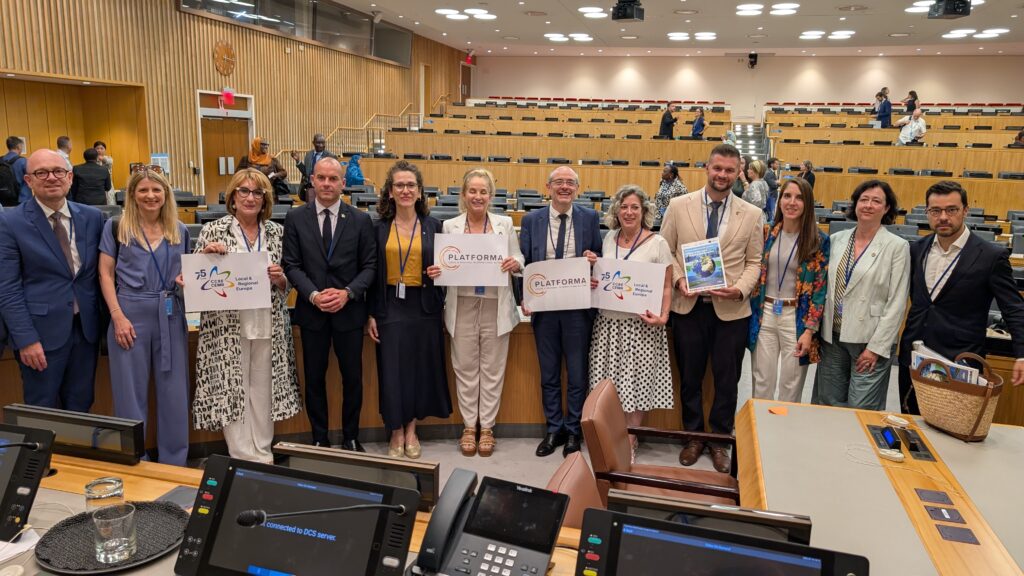
More than 15 European mayors and local leaders dominated the stage this week in New York. They run from one session to another at the UN High-Level Political Forum (HLPF) on Sustainable Development to defend the role of towns, cities and regions in delivering the 2030 Agenda and helping define what comes next. Through various events, mostly co-organised by the Global Task Force of Local and Regional Governments led by UCLG, European local leaders took the floor more than 50 times.
With only four years to go until 2030, the clock is ticking to implement as much as possible the Sustainable Development Goals (SDGs), but also to shape their future. During the UN-proofed Local and Regional Governments Forum, but also the Global Task Force Local and Regional Governments Day, and the CEMR-PLATFORMA meeting with the EU Delegation in New York, mayors and local leaders gave examples and ideas on how to implement the 2030 Agenda from the ground. They all asked the United Nations (UN) to deepen local and regional governments’ engagement, stressing that SDG 11 (Sustainable Cities and Communities), among many others, cannot be delivered without empowering towns, cities and regions.
Even if the Local and Regional Governments Forum is officially recognised as being part of HLPF, towns, cities and regions are absent from the final conclusions of the ECOSOC (UN’s Economic and Social Council, a platform to advance the economic, social and environmental dimension of sustainable development), responsible for the organisation of HLPF. However, the numerous UN officials who attended the various sessions all recognised the key role of local and regional governments in achieving the SDGs and defining their future shape.
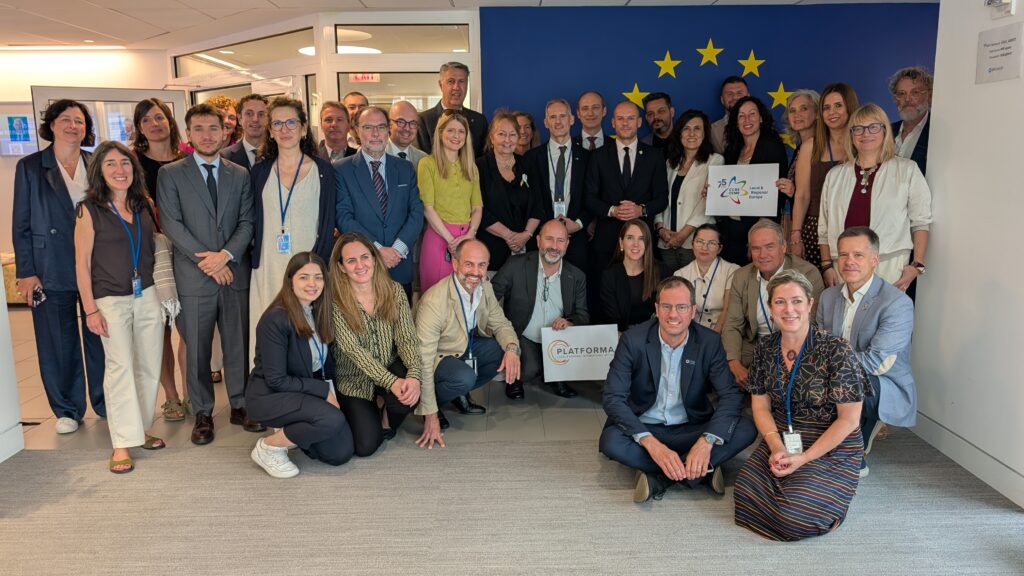
High-Level Policy Forum – CEMR and PLATFORMA, New York 2026
The voice of European local leaders at the United Nations
The future is local
Wim Dries, Mayor of Genk (Belgium), Association of Flemish Cities and Municipalities (VVSG): “Local and regional governments are often invited only after decisions have already been made. We need a stronger role in decision-making, adequate financing, and better coordination. We connect SDGs to budgets. The SDGs will be local or they won’t be.”
Antoine Le Solleuz, Deputy Mayor of Nancy (France), AFCCRE and Cités Unies France: “For me, SDG17 (Partnerships for the goals) is not the last SDG, it’s in fact the first one. We need real commitments to meet the SDGs by 2030. We call on the UN to recognise networks of cities and regions as partners, especially in areas such as the climate crises, to strengthen multilateralism.”
Xavier García Albiol, Mayor of Badalona (Spain), Spanish Federation of Municipalities and Provinces (FEMP): “As we look beyond the 2030 Agenda, we must build on what works. SDG localisation delivers results, but we need stronger financing, partnerships, and empowered governments at the heart of implementation.”
“Housing must be at the centre of the future post 2030 Agenda. The challenge beyond 2030 will depend on how well we deliver on the commitments we have already made. Rather than setting new goals, we need to focus on the areas where implementation is still falling short and where the response has not been sufficient. The years after 2030 will be decisive in turning these commitments into tangible benefits that citizens can clearly see and experience.”
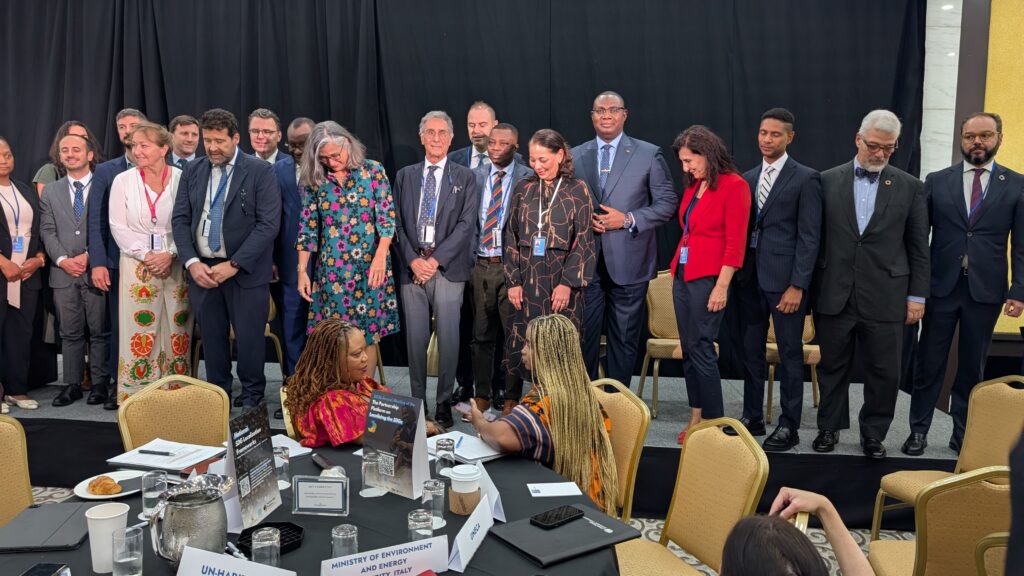
Local leaders in New York for the High-Level Policy Forum 2026
María del Mar Vázquez, Mayor of Almería (Spain), Andalusian Fund of Municipalities for International Solidarity (FAMSI): “We have developed a local plan to localise the 2030 Agenda, with over 70% achieved so far. To face our challenges, we need: real multilevel governance, financing, and stronger cooperation between different spheres of governance.”
Barbara Meyer, Mayor of the City of Saarbrücken, German Association of Cities (DST): “Cities are responsible for more than a third of the Sustainable Development Goals (SDGs). That is why cities should be the focus of the era beyond 2030.”
Eckart Würzner, Mayor of Heidelberg (Germany), Association of German Cities (DST): “We need a step forward: empowering local governments through local development banks and stronger funding mechanisms. We see more and more discussions and support from finance ministers and development banks towards local and regional governments. It is time to ensure this happens. SDG 11 should be at the centre of the future SDGs. If you focus on city diplomacy, you can be the game changer.”
Gunn Marit Helgesen, President of the Congress of Local and Regional Authorities and President of the Norwegian Association of Local & Regional Authorities (KS): “The SDGs won’t be achieved in conference rooms. They will happen within local communities.”
Quality public services and adequate funding
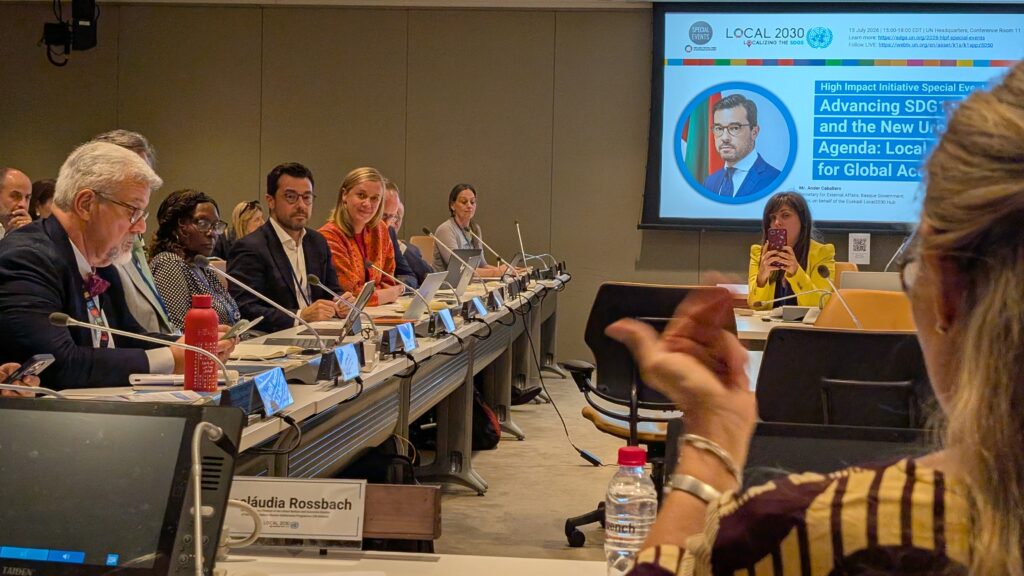
Local 2030 meeting – High-Level Policy Forum in New York 2026
Jordi Castellana, Vice President of the Barcelona Metropolitan Area, Spain: “Quality public services are how people experience the SDGs. Metropolitan governments need stronger multilevel cooperation and direct access to finance to deliver local change.”
Clare Hart, Vice-President of Montpellier metropole (France), Cités Unies France: “Infrastructure alone is never enough. Sustainable public services require strong local governance, skilled public institutions and trust —and maybe even caring— between our partners. This is why investing in territorial cooperation is also investing in the achievement of the Sustainable Development Goals.”
Marek Hudak, Member of the City of Bardejov and Member of Presov Regional Council (Slovakia), Member of CEMR Young Elected Officials Committee (YEOC), Association of Towns and Communities of Slovakia (ZMOS): “Looking beyond 2030, our cities and regions face major challenges. From a Slovak perspective, strengthening decentralisation – with adequate funding, competences and responsibilities – it is essential, especially in the context of the future Cohesion Policy and the next EU budget. At the same time, innovation will be key to keeping our regions competitive and ensuring that young people can build their futures in the places they call home.”
Stronger partnerships
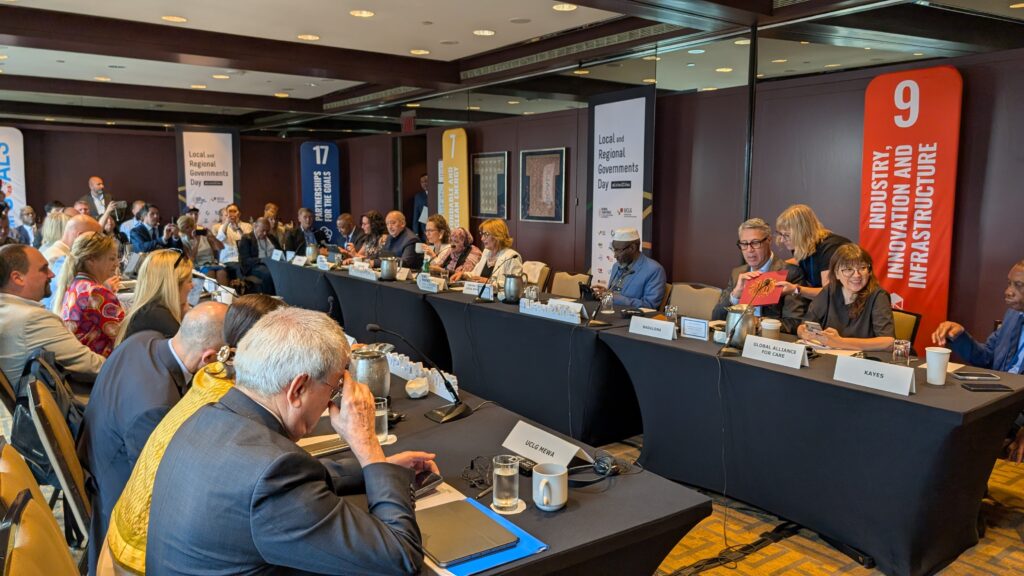
High-Level Policy Forum debate in New York 2026
Ander Caballero, Secretary General for External Action, Basque Government, Spain: “Major global challenges also require responses at the regional and local levels. Systemic challenges cannot be solved in silos. Strong partnerships across all levels of government, academia and communities are essential, because how we work together is just as important as what we achieve.”
Rosanna Laconi, Regional Minister of the Autonomous Region of Sardinia (Italy): “Strong partnerships, robust evaluation and inclusive governance are key to scaling local action and delivering lasting impact.”
Clare Hart, Vice-President of Montpellier Métropole (France), Cités Unies France: “It is equally important that local governments have a voice and a seat at the table here at the United Nations, a highly symbolic place where local voices are finally being heard and where we can contribute directly to shaping our future. Let’s be optimistic about the future, with cities fully engaged as partners in delivering sustainable development for all.”
“We have the imminent end of the 2030 Agenda for the SDGs, and we are not strictly on track. Local governments are responsible for delivering 70–80% of the SDGs, which makes supporting them essential to advancing the SDGs agenda. Sharing ideas is key to accelerating progress and strengthening collaboration.”
Eider Inuntziaga, Councillor for Citizen Attention and Participation, the 2030 Agenda and International Relations and Euskera, Bilbao City Council (Spain): “Localisation is a method. Our strategy embeds the SDGs in our daily work, with a methodology focused on a transformative agenda, action plans to involve communities and developing capacities. The post 2030 Agenda has to go one step ahead.”
Bärbel Kofler, Parliamentary State Secretary to the Federal Minister for Economic Cooperation and Development, Germany: “Localising the SDGs means equipping municipalities with the resources they need to deliver. Through peer learning & partnerships like the Local 2030 Coalition, cities are driving innovation.”
The UN still needs to walk the talk
CEMR and PLATFORMA in New York for the High-Level Policy Forum 2026
Anacláudia Rossbach, Under-Secretary-General and Executive Director of the United Nations Human Settlements Programme (UNHABITAT): “Localising the SDGs is the only way to close the implementation gap. Through the Local2030 Coalition, we are working together to support cities and local governments with the tools, partnerships, and platforms they need.”
Koldo Casla, UN Special Rapporteur on the Right to Adequate Housing: “The right to housing is realised locally. From social and public housing to rent control and land policies, local and regional governments play a central role in protecting human rights & ensuring no one is left behind.”
Sarah Lister, Global Director for Governance, Rule of Law and Peacebuilding, UNDP: “The last five years of the 2030 Agenda demand stronger collaboration across all levels of government. Empowering local governments while reinforcing national-local partnerships will be essential to accelerate progress on the SDGs.”
Dario Liguti, Director, Energy, Housing & Land Management Division, United Nations Economic Commission for Europe (UNECE): “Local and regional governments need to be involved from the outsets in implementing solutions. The Global Taskforce of Local and Regional Governments makes this possible by bringing the organised voices of LRGs to the steering committee of Local 2030″
Amina Mohammed, UN Deputy Secretary-General: “SDGs must be built with local actors. The UN Secretary General’s Report sets out how the UN needs to work. The role of local and regional governments needs to be embedded in how we plan, finance and deliver. Let this Forum be a catalyst for shared solutions”
Lok Bahadur Thapa, President of the UN Economic and Social Council (UNECOSOC): “We need to strengthen local actions through Voluntary Local Reviews, to reinforce the value of local acceleration of the 2030 Agenda. The next phase needs to be defined by delivery, measurable actions, strong partnerships and local action.”
“The next phase of SDG implementation must be defined by delivery – moving from commitments to measurable action, strengthening partnerships across all levels of government, and ensuring solutions reach the communities where they are needed most. The success of the 2030 Agenda will ultimately be measured not by the ambitions we express, but by the realities people experience in their daily lives. That is why local leadership is indispensable.”
To strengthen the role of local and regional governments in the 2030 Agenda and the post‑2030 framework, CEMR and PLATFORMA, together with UCLG, will continue working closely with local leaders and with actors across the multilateral system. They will also keep producing knowledge, including reports like the one presented this year at the HLPF (European Territories Localise the SDGs), which shows how essential towns, cities and regions are to delivering the SDGs.
From Istanbul to Kyiv, Belgrade, and Brussels, CEMR advanced cooperation with Ukrainian peers and the country’s path toward EU accession
October was a month of steady advocacy and engagement for the Council of European Municipalities and Regions (CEMR), underscoring the central contribution of cities and regions in supporting Ukraine.
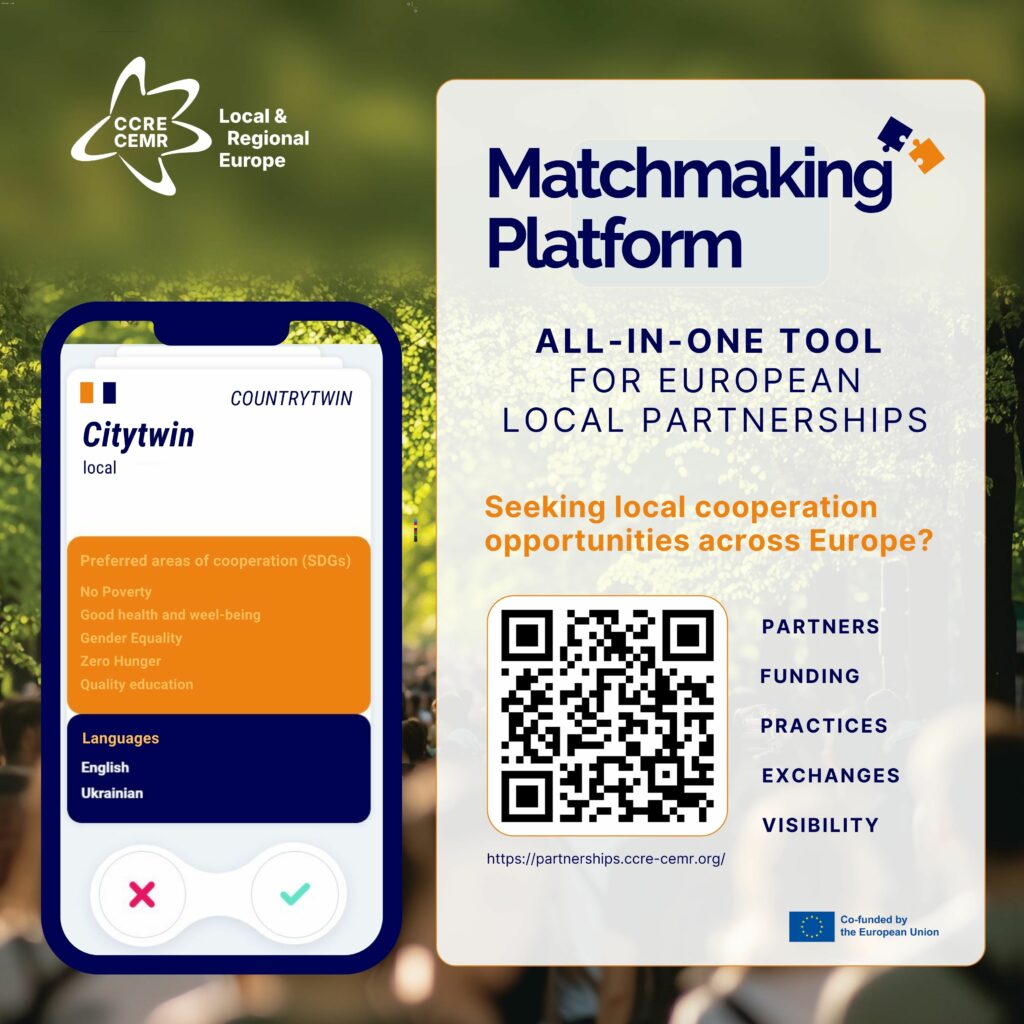
Since the early 2000s, CEMR has worked closely with its national associations in Ukraine and has also been deepening ties through initiatives such as Bridges of Trust and SUN4Ukraine, and most recently by launching a digital Matchmaking Platform focused on connecting EU and Ukrainian municipalities.
Throughout October, CEMR intensified its outreach with local and regional governments, as well as European institutions. Working alongside partners, the organisation sought to consolidate efforts, amplify the impact of its support, and promote practical tools that directly benefit communities (see latest Call for Proposals). Discussions focused on topics such as Chapter 22 “Regional Policy and Coordination of Structural Instruments” in the EU enlargement process, successful municipal partnerships in wartime, Cohesion Policy to address disparities, and aligning Ukraine’s recovery with climate and energy goals through local action.
Together with its members and partners, CEMR co-organised a series of major events, each reaffirming the importance of local cooperation and resilience in times of war:
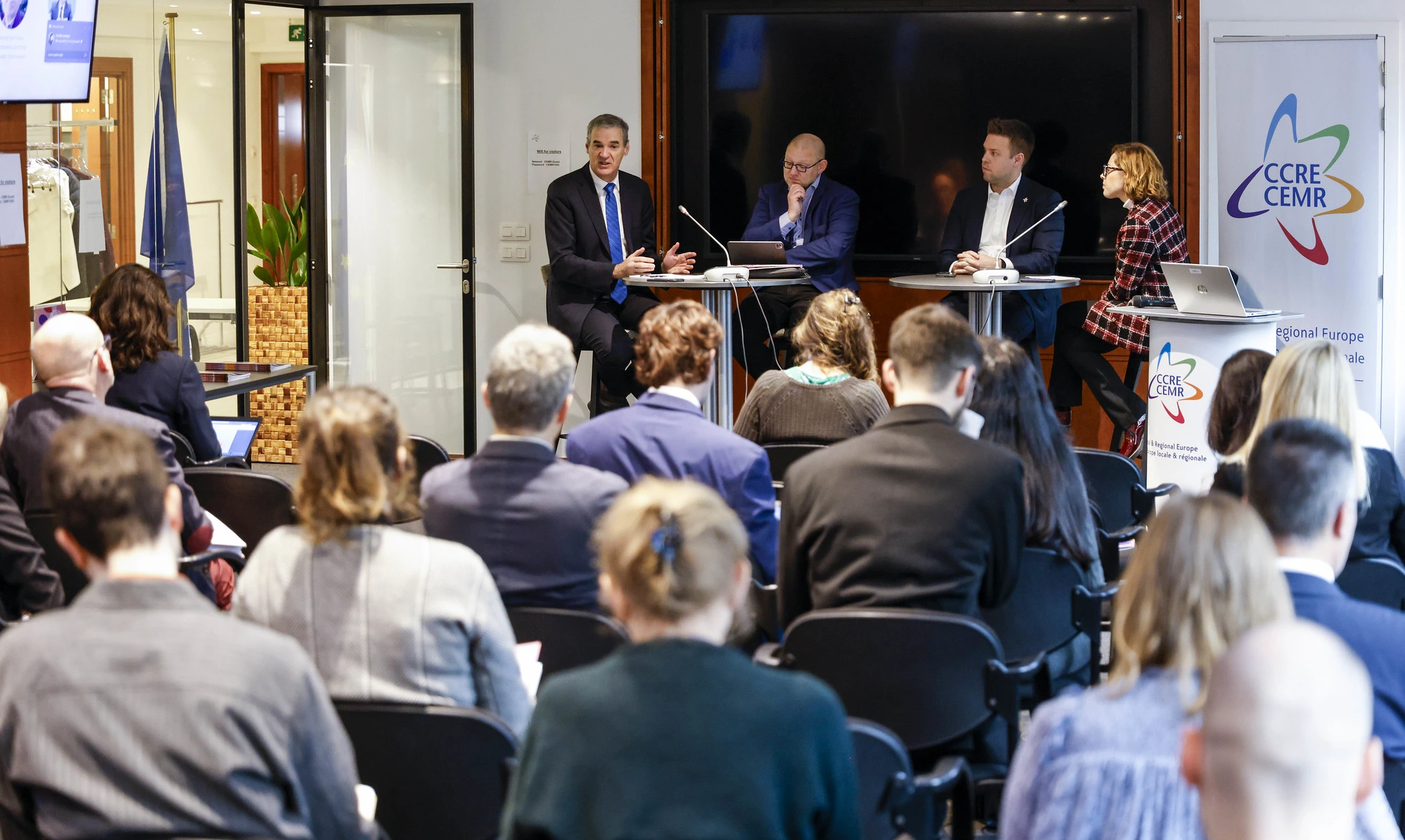
Session: “Resilient Local Governance in Wartime – Reform, Decentralisation, and Reconstruction in Ukraine.” Speakers highlighted how decentralisation, stronger local competencies, and international cooperation enable real progress even in wartime. Drawing on lessons from South-East Europe and city partnerships with Ukrainian municipalities, they showed how access to knowledge, tools, and advocacy channels empowers local leaders to influence national decisions and drive recovery as equal partners in rebuilding the country.
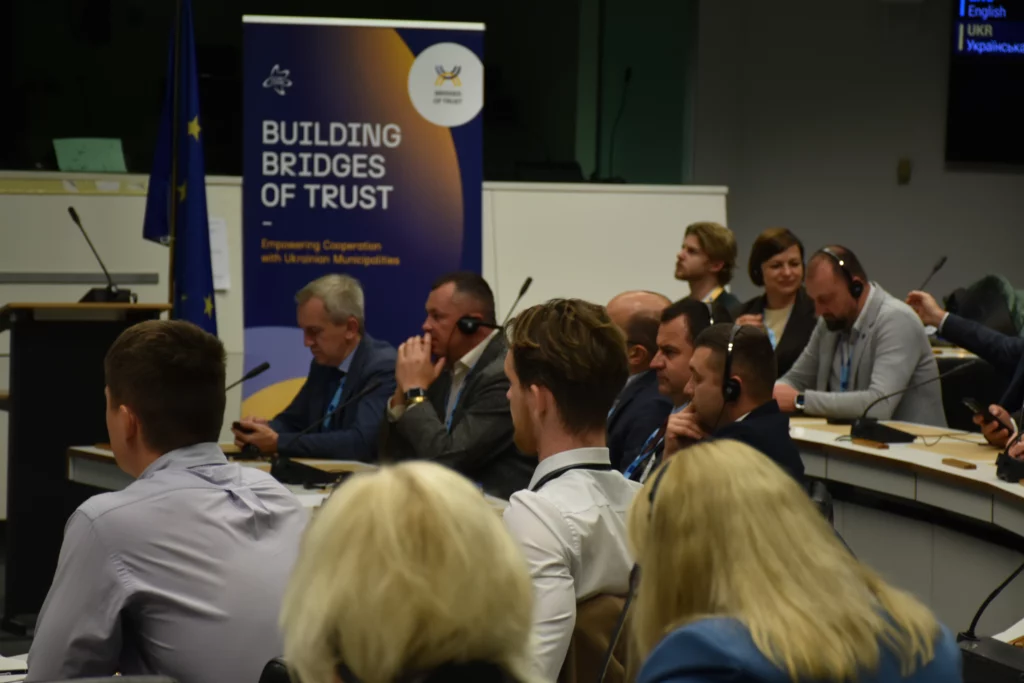
13 October: Meeting with Ukrainian Mayors Delegation. A delegation of 23 Ukrainian mayors visited CEMR in Brussels for the opening session. The roundtable gave each mayor the opportunity to share experiences from their municipalities and explore initiatives in international partnerships, climate, and smart cities, including PLATFORMA, SUN4Ukraine, the Bridges of Trust Community, and the Matchmaking Platform. The visit aimed to deepen their understanding of EU actors and processes, as well as to learn more about effective advocacy and lobbying.
15 October: Political session — “Ukraine’s Path to the EU: Municipalities and Partnerships for Cohesion and Growth.” The room was full at the Committee of the Regions, where four representatives from organisations with diverse missions illustrated how Ukrainian municipalities are actively advancing EU integration, aligning with Chapter 22 requirements while deepening cooperation with their European counterparts. As emphasised during the discussion, local governments are driving reforms and influencing national and European policy, showing that localising accession is crucial for Ukraine’s municipalities to be fully engaged in the EU integration process.
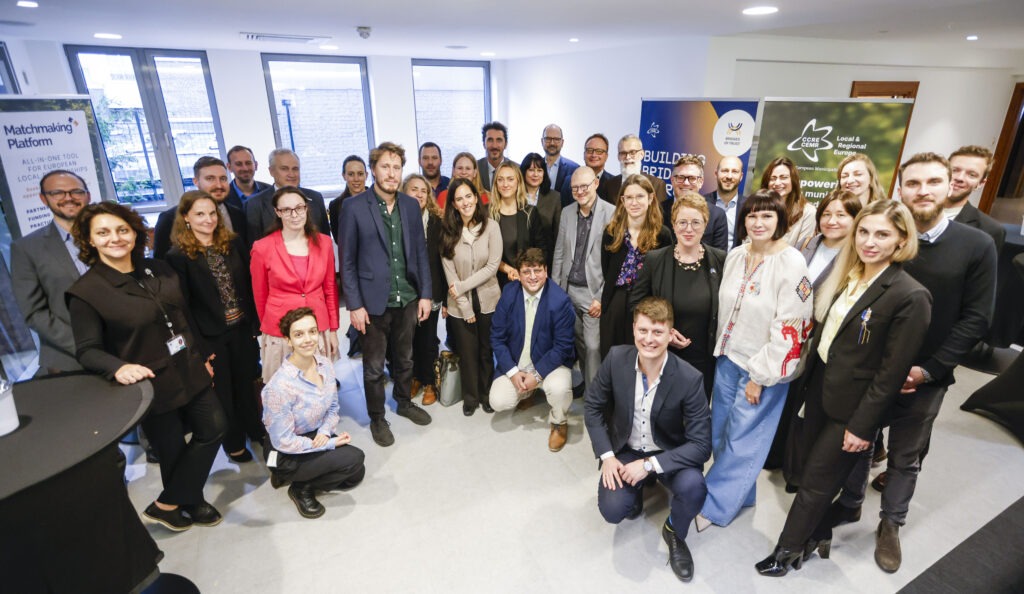
16 October: Bridges of Trust Community Annual Gathering. The European Partnership Hub convened for constructive exchanges aimed at uniting efforts and preventing fragmentation. Over thirty organisations from across Europe participated, all actively engaged in strengthening municipal cooperation between the EU and Ukraine. Notably, all four national associations of Ukrainian cities were represented.
15–16 October – Kyiv (Ukraine):SUN4Ukraine events
The Multilevel Policy Dialogue brought together Ukrainian and European partners to strengthen multilevel governance processes and align Ukraine’s recovery and EU accession with climate and energy goals. Cities including Rivne, Chernivtsi, Vinnytsia, Konotop, Kalush, Kyiv, and Sumy Region shared how they translate national ambitions into local action. Key national and international institutions actively participated in the discussions.
The Capacity Building sessions equipped 12 Flagship Municipalities to develop their Climate Neutrality Plans, reinforcing local governments’ role in driving a sustainable recovery.
A key highlight was the launch of the SUN4Ukraine Partnership Programme, connecting 12 Ukrainian cities with European Mission Cities under the EU’s “100 Climate-Neutral and Smart Cities” initiative, with Munich and Oslo serving as advisory partners.
23–24 October – Belgrade (Serbia):CEMR Secretaries General and Directors Meeting
Discussions and exchanges with members focused on opportunities for EU–Ukraine municipal partnerships under the Bridges of Trust call for proposals. Looking ahead, national associations and other partners selected under the Bridges of Trust Community will continue to advance EU–Ukraine municipal partnerships.
In November, CEMR will continue its advocacy and promotional efforts at the Smart City Expo (4-6 November) and the Salon des Maires Français (18–20 November), where sessions will spotlight international municipal partnerships in Europe and the Matchmaking Platform developed to support them. This all-in-one digital tool connects cities and regions across Europe and already counts over 500 registered Ukrainian municipalities. Under SUN4Ukraine, the 12 partnerships between Ukraine and EU cities will meet in Munich on 17-20 November to start their collaborative journey. The moment will also include the second step of the Capacity Building programme to further support the development of Climate Neutrality Plans.
All project partners, including CEMR, will continue facilitating constructive exchanges and supporting partnerships in deepening their cooperation, ensuring that local collaboration remains at the core of Ukraine’s recovery and EU accession efforts.
Transforming emergency aid into equal cooperation between EU and Ukrainian towns, cities and regions
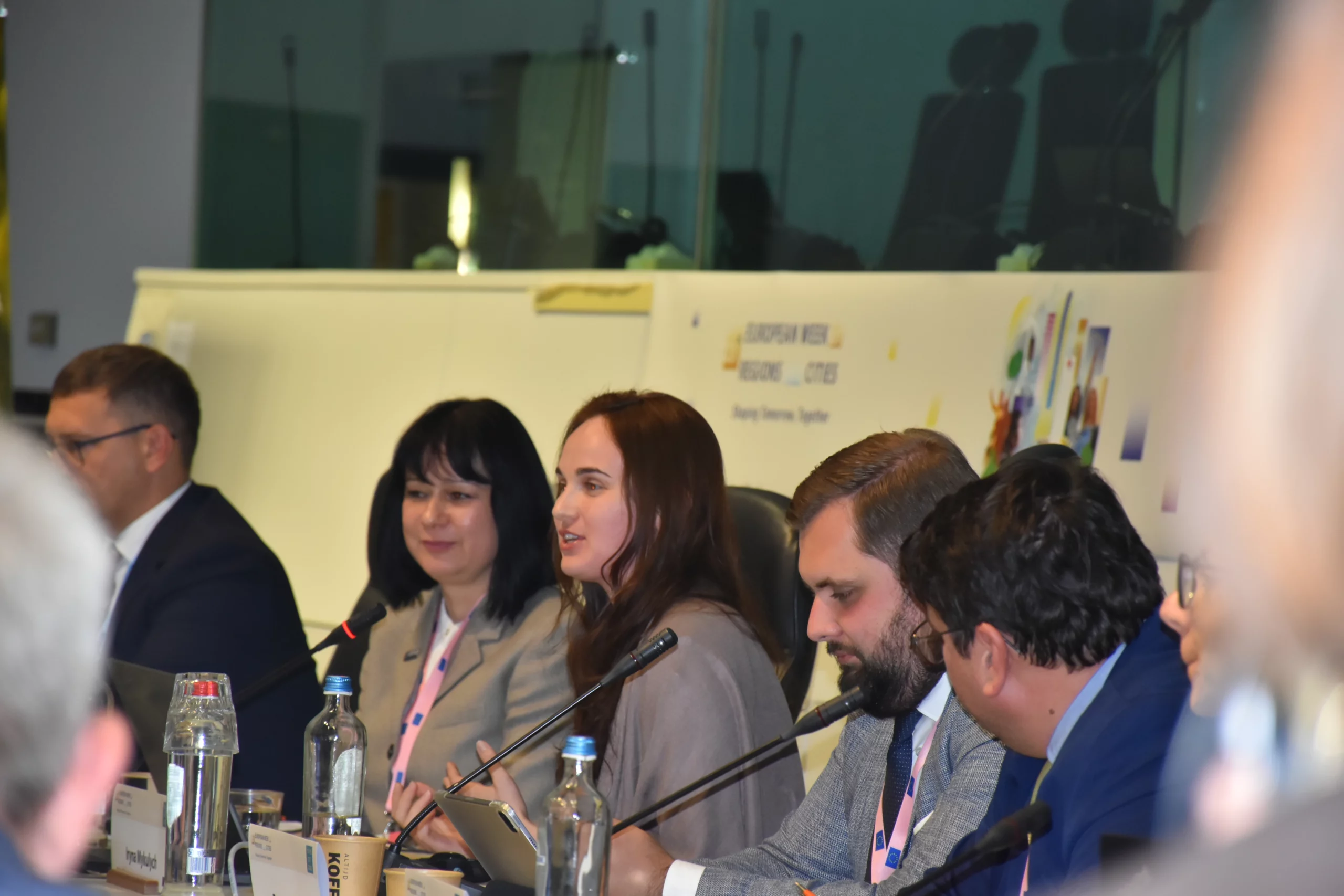
Amid war-time disruption, Ukraine’s local governments have stepped as frontline problemsolvers and drivers of EU integration. During the European Week of Regions and Cities in Brussels, on October 15th a CEMR-led conversation under the Bridges of Trust (BoT) brought together local leaders, policy experts, and civil society to examine how municipal partnerships can anchor accession and cohesion.
The takeaway was clear: lasting progress depends on shifting from emergency solidarity to structured cooperation that empowers municipalities to deliver reforms, attract investment, and close regional gaps.
Why local governments matter
Ukraine’s municipalities have kept essential services running, coordinated aid, and advanced reforms under extreme pressure. Through BoT and the European Partnership Hub, they are building ties with European peers on projects in education, culture, economic development, and reconstruction. As CEMR’s Director for Projects and Programmes, Durmish Guri explained, success now hinges on moving “from emergency solidarity to mutually beneficial collaboration”.
Matchmaking for impact
To turn policy into practice, BoT has launched a Matchmaking Platform that connects every Ukrainian municipality with a European counterpart, enabling concrete joint projects and capacity-building. The platform is designed to reduce fragmentation, align needs with resources, and accelerate cooperation across borders.
From reform to implementation
Dmytro Lyvch of Easy Business underscored a dual challenge: advancing structural reforms while financing recovery. Real progress happens locally through municipalities, civil society, and development agencies. Ukraine has adapted to EU Chapter 22 requirements, but gaps persist in horizontal and vertical cohesion, and in institutional and financial frameworks. With regional disparities higher than in many Central and Eastern European countries, targeted interventions are needed to build resilience and competitiveness.
Lessons from peers
Ambre Maucorps of the Vienna Institute for International Economic Studies highlighted takeaways from Lithuania and North Macedonia. Lithuania used cohesion policy to tackle disparities with a clear governance model and strong stakeholder input. North Macedonia, after municipal mergers similar to Ukraine’s, benefited from pre-accession funds but still struggles with absorption. The throughline: coordination and flexibility are essential for effective cohesion policy.
Building capacity, scaling partnerships
Iryna Mykulych of the NGO Agency for Recovery and Development stressed that durable cooperation often starts with “soft” cultural and educational exchanges that build trust, then evolves into “hard” reconstruction projects. Scaling from municipal partnerships to business and academia can unlock investment, know-how, and long-term outcomes.
The bottom line
The event’s conclusion was unambiguous: international municipal cooperation is one of the most effective and sustainable ways to localise EU accession.
As Durmish Guri noted, “international municipal cooperation is the most effective, sustainable, and the efficient form of collaboration”. Local governments, he added, play a critical role not only in implementing reforms but also in shaping national and European-level policy, underlining the importance of “localizing accession” to ensure Ukraine’s municipalities are fully engaged in the EU integration process.
Empowering local governments to deliver reforms and shape policy—together with European partners—moves Ukraine from a recipient of solidarity to a co-creator of Europe’s cohesion and growth. That is the promise of BoT’s community-driven approach.
Call for Applications: Research and Data Analysis Consultancy
The Council of European Municipalities and Regions (CEMR) is seeking a consultant to support the migration of data from the current Twinning website to the new Matchmaking Platform.
The consultant will verify, clean, and standardise data from around 2,500 cities, ensuring accuracy and alignment with the Sustainable Development Goals (SDGs). The assignment will take place over a two-month period in late 2025, with a maximum budget of EUR 13.000.
Applications must be submitted by 27 October 2025 at 12:00 (noon) to application@ccre-cemr.org, with “Data Analyst Expert” as the subject line. Questions may be sent to twinning@ccre-cemr.org by 24 October 2025.
Leaders of the Council of European Municipalities and Regions (CEMR) and the Network of Associations of Local Authorities of South-East Europe (NALAS) meet to reinforce cooperation
Today, the Secretary General of the Council of European Municipalities and Regions (CEMR) met with the President and Secretary General of the Network of Associations of Local Authorities of South-East Europe (NALAS) to reaffirm the strong spirit of collaboration between the two organisations.
During the meeting, the CEMR Secretary General highlighted the longstanding partnership and the valuable role that NALAS plays in representing and supporting local governments across South-East Europe. Both leadership teams underlined the importance of strengthening the capacities of local and regional governments (LRGs) and their associations (LRGAs), building on shared membership and joint initiatives.
Looking ahead, CEMR and NALAS exchanged views on how to institutionalise their cooperation so that it is not only continued but also fully embedded within CEMR’s political structures. This step would allow for a more systematic exchange, greater representation of shared priorities at the European level, and stronger support for municipalities, regions, and their associations—particularly in addressing today’s challenges and in the enlargement process of the six Western Balkan countries and the Eastern Partnership Trio.
The meeting was followed by a strategic discussion with representatives of the European Commission’s Directorate-General for Neighbourhood and Enlargement Negotiations (DG ENEST) on how to ensure that LRGs and their associations are actively involved in the Growth Plan for the Western Balkans. This major initiative, launched by the European Union, aims to accelerate the region’s economic development and facilitate its integration into the EU’s Single Market. Both organisations stressed the importance of reinforcing cooperation and dialogue with national governments, while also demonstrating the key responsibilities that LRGs should fulfil in the enlargement and negotiation processes.
Call for Proposals: The European Partnership Hub – Towards the Bridges of Trust Community
Since March 2021, CEMR, in cooperation with the Association of Ukrainian Cities (AUC) and with the support of the U-LEAD with Europe Programme with its donors, has been implementing the Bridges of Trust initiative to strengthen municipal cooperation between Ukraine and the EU. What began as a project to build partnerships has now grown into a dynamic community of collaboration and exchange.
The current phase, Bridges of Trust 3.0 – “Towards the Bridges of Trust Community”, seeks to consolidate and expand these partnerships, enhance capacities, and foster sustainable, long-term cooperation.
To support this ambition, CEMR is launching a call for proposals to engage National Associations of Local and Regional Governments (LRGAs) or similar organisations from EU Member States as Implementers. Selected service providers will provide expertise and deliver activities in their territories to further develop EU–Ukraine municipal cooperation.
Objectives of this phase The goal is to accelerate the recovery of Ukrainian municipalities and support their integration into the European Union by:
Increasing the involvement of local and regional government associations and their members in international municipal cooperation.
Supporting capacity-building efforts.
Promoting and expanding the Bridges of Trust Community.
Tasks and activities for participating associations
Organise Online Solidarity Forums.
Identify and engage new partner municipalities.
Support the Internship Programme TIPS4UA.
Actively participate in Bridges of Trust events.
Contribute to the development of the Bridges of Trust Community.
All tasks and deliverables are to be completed by 31 May 2026 (with possible extension). The total fee for delivery of these services shall be up to 14 000 EUR.
Eligibility criteria
Be a Local and Regional Associations, similar organisation, or expert(s);
Be established in a Member State of the EU (Norway included);
How to participate Interested associations/organisations/experts are invited to submit their application by providing the following information:
Organisation overview: Provide a brief description of your organisation. Describe your current relationships and engagement with local and regional authorities.
The selection of interested associations will be carried out by CEMR, in cooperation with the Association of Ukrainian Cities and the U-LEAD with Europe Programme, based on the eligibility and selection criteria outlined in the Terms of Reference. A total of 15 associations or similar organisations will be selected. Priority will be given to associations from the nine EU countries already involved in Phase 2*, while applications from other eligible countries will also be considered.
The evaluation will take into account:
Geographical balance across participating countries
Prior experiences in working with local governments and municipal cooperation in Ukraine
The potential to develop sustainable international municipal cooperation with Ukraine (based on concept note)
We expect the selected associations/organisations/experts to begin their activities in early November 2025. Applicants will be informed of the selection results by 31 October 2025.
*Czechia, France, Hungary, Italy, Latvia, Poland, Slovenia, Spain, Sweden.
Town twinning in Europe: unlocking opportunities with AgoraEU
Since 1951, CEMR has championed town twinning as a driver of peace, democracy, and European identity. With the European Commission’s new AgoraEU programme proposed in the long-term budget, CEMR reflects on its legacy and introduces tools to further strengthen twinning, ensuring it continues to connect citizens across Europe.
Over seven decades later, town twinning remains one of Europe’s most powerful instruments for European integration and local governments diplomacy. In its long-term EU budget proposal presented last July, the European Commission (EC) included the AgoraEU programme, a promising opportunity to support and revitalise town twinning efforts. Yet, if twinning is to remain a vital bridge between Europe and its citizens, further steps must be taken to reinforce its role in today’s evolving political and social landscape.
Where does town twinning come from? Why does it still matter today? And how can the AgoraEU programme help strengthen its role in the Europe of today and tomorrow?
A legacy of connection and peace
In the mid-1990s, in cooperation with the EC, CEMR played a central role in coordinating the town twinning programme. Working closely with national associations of local and regional governments, CEMR promoted twinning, inspired thousands of initiatives and co-managed the “Star of Europe awards” with the EC to recognise outstanding partnerships. These efforts empowered thousands of small and medium-sized municipalities—particularly in rural and border regions—to build lasting bonds across borders, turning twinning into a grassroots driver of European integration. The 2002 Antwerp Congress further reinforced twinning as a vital tool for peace, democracy, and sustainable development.
A means to foster a shared European identity
Twinning has been evolving to better respond to the needs of cities, towns and municipalities facing multiple challenges in their territories. While cultural exchange and mutual understanding remain at its heart, today’s partnerships also address issues such as climate action, migration, social inclusion, digitalisation, and youth engagement. According to CEMR’s 2023 Twinning Report, municipalities of all sizes continue to value twinning highly, but smaller towns in particular face barriers in accessing funding and navigating sometimes complex EU procedures.
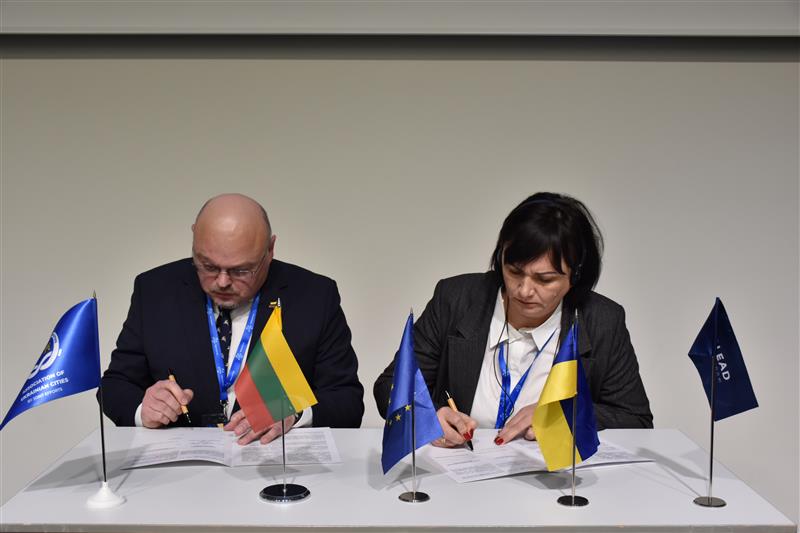
Pakruojis and Inhulka Municipalities signing Memorandum of Understanding during the Bridges of Trust Annual Gathering 2024
Far from being outdated, twinning continues to play a vital role alongside other Europe’s mobility programmes, fostering connections that celebrate both cultural diversity and the continent’s shared heritage. For many citizens, especially teenagers, senior citizens, and residents of deprived or rural areas, town twinning remains one of the few ways to directly experience Europe. It offers a deep entry point into European construction and debates, helping to reduce the growing distance between citizens and the European Union (EU), while fostering a shared European identity and a spirit of living together.
The Matchmaking Platform: an innovative tool to tackle today’s challenges
Many towns, cities, and regions face challenges in twinning, including finding suitable partners, limited opportunities for joint projects, difficulties accessing funding, and gaps in knowledge or capacity. Visibility and recognition of local initiatives can also be limited. To bridge these gaps, CEMR has launched a digital Matchmaking Platform, enabling subnational governments to:
Find peers and partners across Europe
Start joint projects with international visibility
Access funding and support opportunities more easily
This tool represents a modern continuation of CEMR’s long-standing role as a facilitator of exchange and cooperation between subnational governments in Europe and beyond.
A roadmap for 2028–2035
Looking ahead, CEMR calls for the revitalisation of twinning, especially for small and medium-sized municipalities by:
Simplifying access to EU twinning by cutting barriers and targeting support to underserved areas.
Strengthening national associations as local champions—reviving CEMR’s model of national correspondents to inspire and guide projects.
Creating a small-grants facility for new or renewed twinning between small towns, rural areas, and cross-border or enlargement partners.
Relaunching the “Star of Europe Awards” to celebrate excellence and raise the profile of high-impact twinning.
Promoting twinning as a strategic tool to deliver EU priorities locally: democratic trust, youth participation, gender equality, climate, energy, and migrant inclusion.
AgoraEU: a timely opportunity
The European Commission’s €3.6 billion AgoraEU programme (2028–2034) shows a renewed commitment to citizen engagement. CEMR urges at least a doubling of EU support for town twinning and calls for simplified access to funding and streamlined administrative procedures, including application processes and reporting.
This support is urgently needed. Town twinning projects face growing financial pressures at the local level. Municipalities continue to invest heavily in keeping partnerships alive, yet many risk being unable to sustain them without stronger European backing. Twinning is not just a tradition, it is a living, evolving practice that connects citizens, strengthens democracy, and builds resilience across Europe.
The European Parliament and the Council will now examine the proposal. CEMR calls on both institutions to ensure that town twinning receives the recognition and resources it deserves, as one of the EU’s most effective tools to bring Europe closer to its citizens.
CEMR launched the European Partnership Hub to strengthen inter-municipal cooperation between Ukraine and the EU
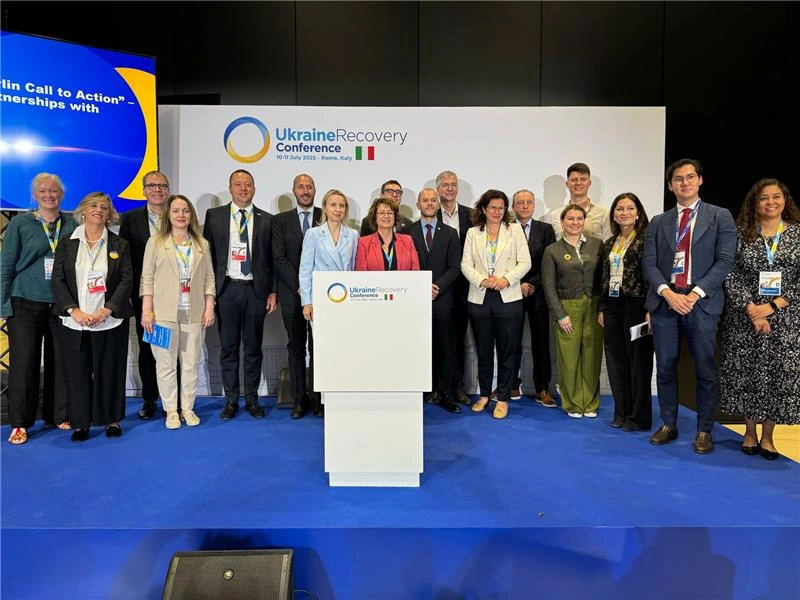
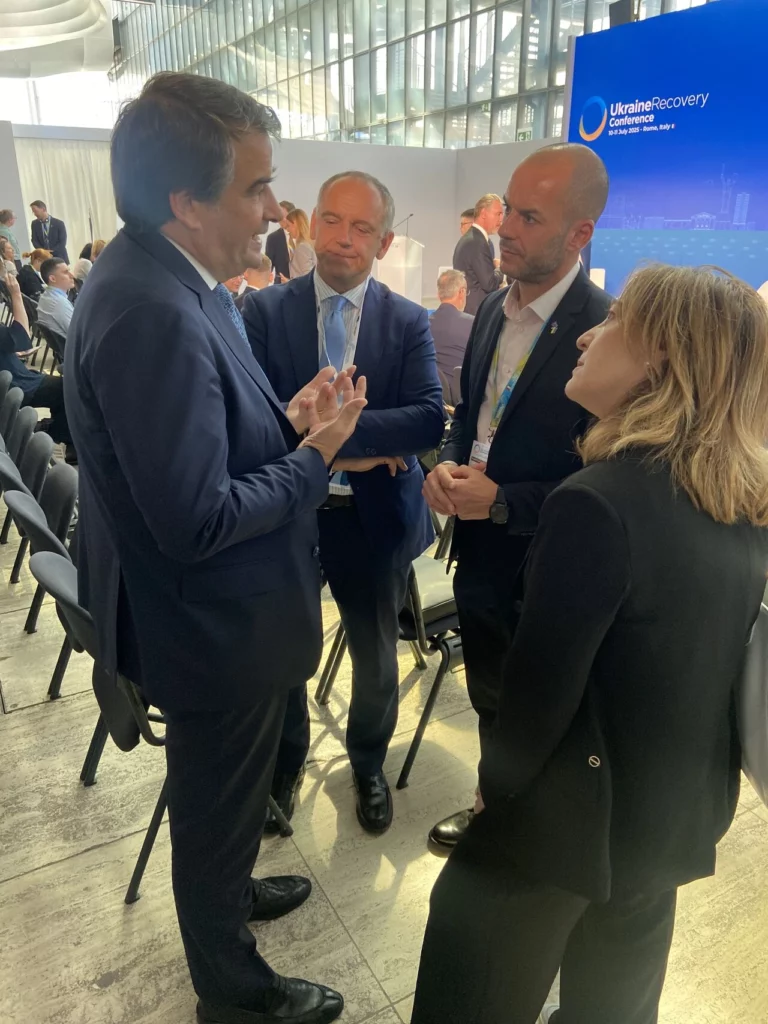
At the Ukraine Recovery Conference (URC) in Rome 2025, and in the context of the Coalition for Sustainable Municipalities, CEMR Secretary General Fabrizio Rossi announced the launch of the European Partnership Hub – a practical response to the Berlin Call to Action and a next step in connecting Ukrainian and European municipalities.
This Hub will serve as the operational secretariat of the Bridges of Trust (BoT) Community — a pan-European network that brings together local and regional governments and key stakeholders to strengthen inter-municipal cooperation between Ukraine and the EU, promote decentralisation, build local resilience, and support Ukraine’s path towards EU integration.
This announcement marks a new milestone following last year’s launch of the Matchmaking Platform — an innovative tool that connects Ukrainian cities with other municipalities across Europe to support cooperation and unlock targeted funding.
Connecting, consolidating, and coordinating to maximise efforts
“We know that partnerships don’t work on their own, they need coordination, shared purpose, and long-term support”, reminded CEMR Secretary GeneralFabrizio Rossi to ministers, mayors and partners who attended the Ukraine Recovery Conference in Rome.
Objectives of the European Partnership Hub: – Expand and connect: link local and regional governments through the Matchmaking Platform and other digital tools, while activating sectoral networks and national associations. – Build capacity: provide tailored services to support partnerships through targeted funding, joint projects, project guidance, and mentoring, addressing Ukraine’s recovery needs. – Boost synergies: ensure coordinated support among actors, programmes and existing initiatives, and maximising collective impact.
With the Hub and the Matchmaking Platform, every city or region can find the right partner, develop joint projects, access funding, join a vibrant network and actively contribute to Ukraine’s sustainable recovery and European future.
The European Partnership Hub is possible thanks to the support of the European Union and its member states Germany, with the leadership of the Federal Ministry for Economic Cooperation and Development, Denmark, France, Poland and Slovenia through U-LEAD with Europe and other supporters on European level as Alliance of Cities and Regions for the Reconstruction of Ukraine and many CEMR national association.
CEMR and SGI Europe meet Commissioner Raffaele Fitto
On the margins of the conference, CEMR Secretary General Fabrizio Rossi, together with SGI Europe, met with European Commission Vice-President and Commissioner for Cohesion and Reforms, Raffaele Fitto. The meeting was an opportunity to reaffirm the strong support of both organisations for a Cohesion Policy that continues to deliver on its Treaty-based mission: reducing regional disparities and supporting Europe’s most disadvantaged areas.
CEMR and SGI Europe acknowledged the importance of adapting the EU budget to current challenges while underlining that the future of Cohesion Policy must remain anchored in solidarity, flexibility, accessibility, and effectiveness. As the EU enters a new institutional cycle, both organisations reiterated that reform must reinforce—not replace—the core mission of Cohesion Policy.