Municipal energy solutions

Municipalities demonstrate the value of locally powered homegrown energy


In a time of geopolitical uncertainty, municipalities are key to Europe’s energy independence by advancing local renewables with communities. The EU Covenant of Mayors is mobilising local leaders to scale community energy and keep benefits local. 

Over the past five years, geopolitical conflicts have twice driven up energy prices for Europeans, exposing Europe’s fossil fuel dependence and vulnerability. European Commission President Ursula von der Leyen has warned that the recent war in Iran is costing the EU 500 million euros per day. As oil and gas prices climb, households and businesses across Europe feel the consequences.

The answer is becoming increasingly clear for Europe: producing more renewable energy at home.

This vision is clearly outlined in the European Commission’s recently released AccelerateEU communication, responding to the EU’s rising energy costs on volatile fossil fuel markets and aims to accelerate the clean energy transition and strengthen our energy resilience, one of its pillars being ‘more homegrown energy’.

But this transformation will not happen only at national level. It will also be built locally – in cities, towns, and villages across Europe – where local authorities can work with local communities to build Europe’s homegrown energy future from the ground up.

The local dimension of homegrown energy

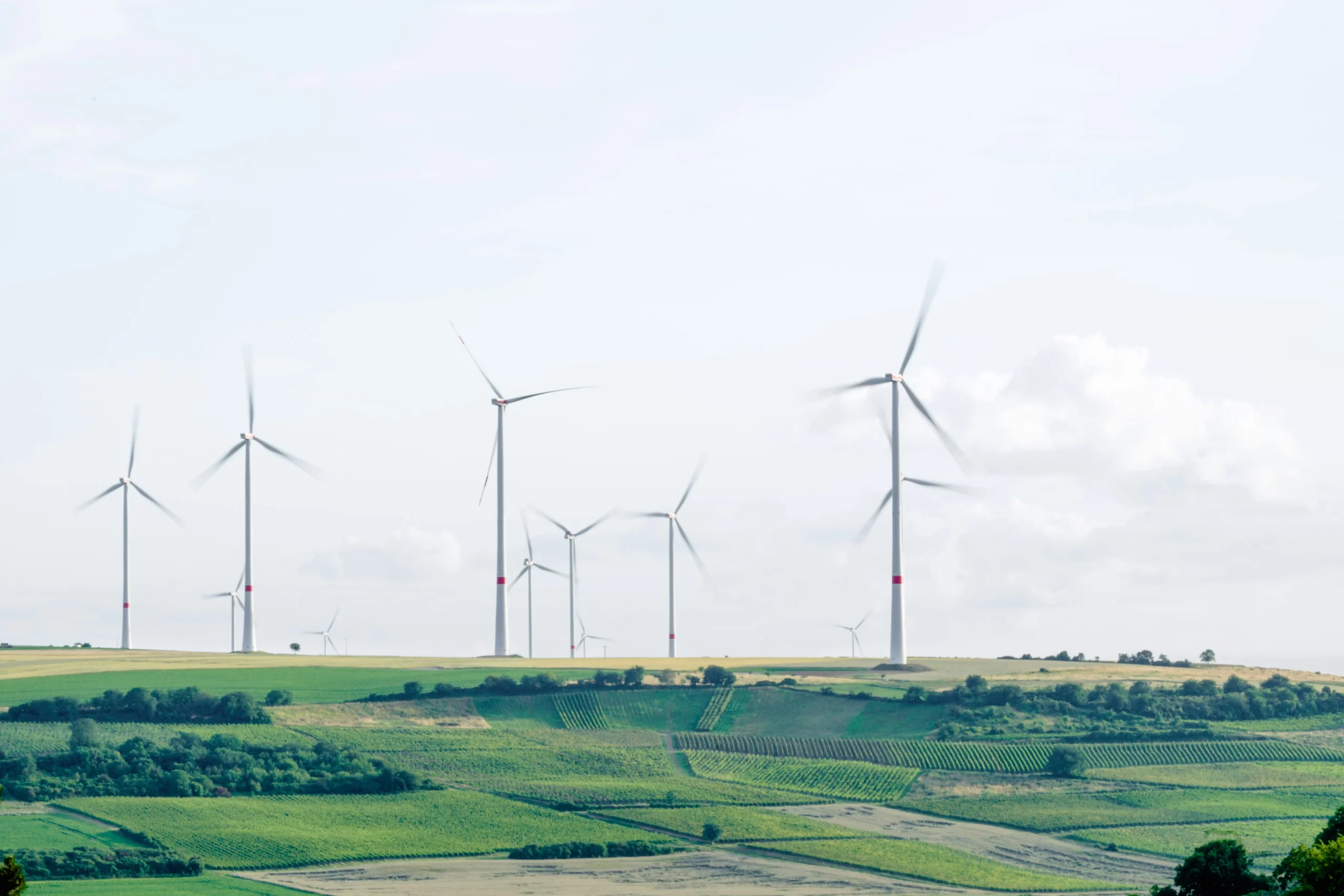
Local governments are uniquely placed to turn nearby resources like sun, wind, and water into affordable, reliable power for their communities.

Homegrown energy protects residents from global price shocks by reducing dependence on imported fossil fuels. It strengthens energy security, giving communities more control over supply. It also helps municipalities meet climate goals faster, bringing everyone along in the journey, while keeping the economic value of the energy transition within the local economy.

That means lower and more stable bills, new jobs, and stronger public trust in the transition.

Across Europe, municipalities are dedicated to advancing homegrown energy, using a wide array of tools, as demonstrated by EU Covenant of Mayors signatories.

Community energy: homegrown and powered by us

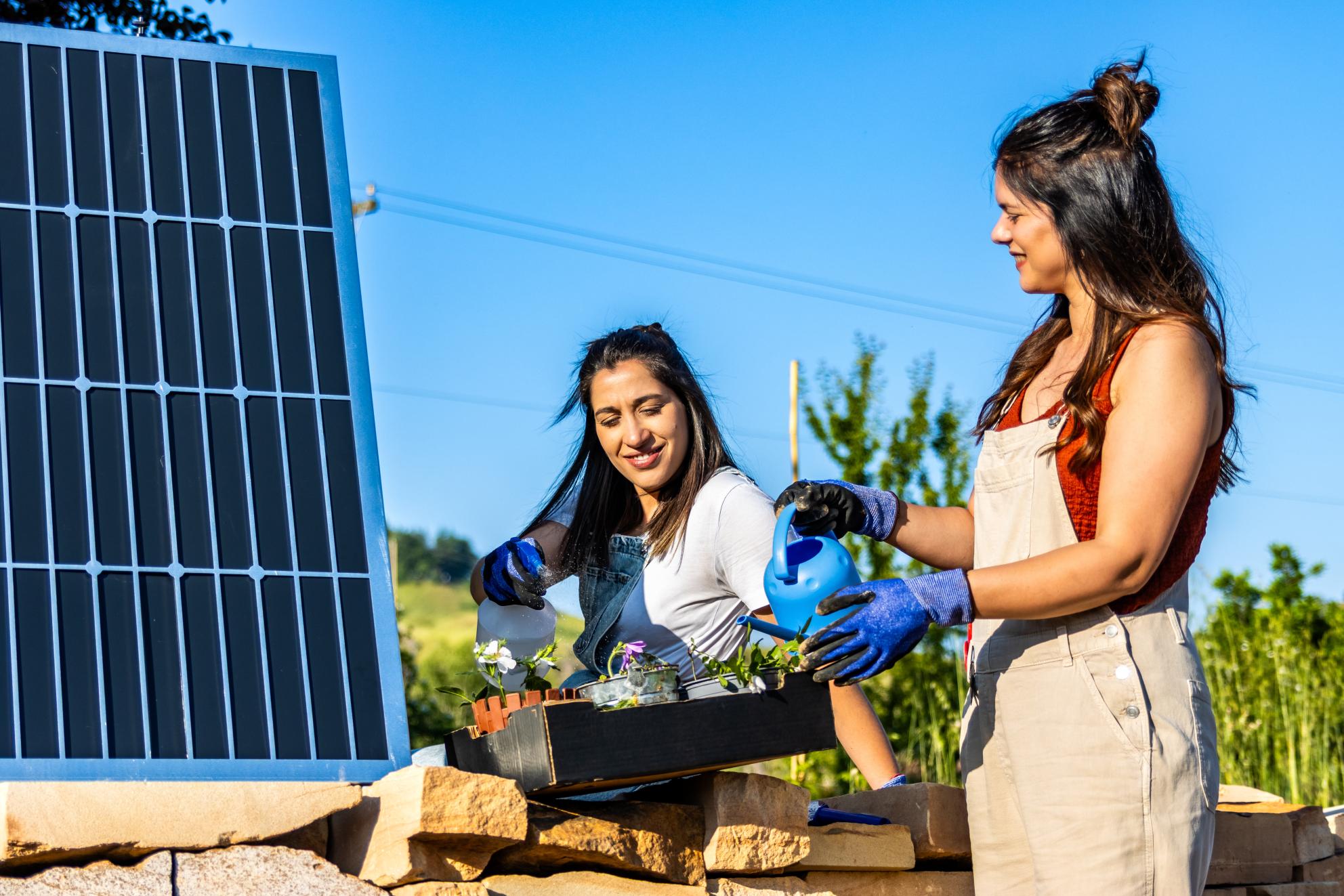
One of the most effective tools local governments have for this is community energy – where citizens, municipalities, and local businesses produce, co-own, and manage renewable energy together. Community energy is homegrown energy in its purest form. It gives people ownership over their energy future, stable pricing, and a direct share in the benefits.

Recognised in the European Commission’s Citizen Energy Package, more than 8,000 energy communities already exist across Europe. Their potential is enormous: by 2030, they could scale tenfold and help supply 25 to 30 million households.

Community energy projects are often carried by citizens, but municipalities can also get involved, help drive the project and at times even lead it. When they do, the impacts tend to be broader and more far-reaching, helping these communities reach their full potential.

Across Europe, local governments of all shapes and sizes – from urban cities and towns to rural villages – are showing how municipal leadership makes community energy stronger.

How municipalities can lead

The first and simplest way for a municipality to lead, is just by making it easier for those driving the project. Setting up an energy community comes with many legal and technical challenges. 

Municipalities can help by simplifying procedures, connect stakeholders, raise awareness, and provide technical guidance.

In Valencia, Spain, a network of local energy offices has helped create ten citizen-led energy communities since 2020 through sustained outreach, expert advice, and direct support for residents.

In Siena, Italy, local authorities supported the development of a local energy community by mapping suitable public spaces and helping to streamline administrative procedures. They also established a technical working group with academic and institutional partners to put in place a stable, non-profit governance structure, playing a key role in setting up the initiative and guiding its early development.

Second and a bit more advanced, municipalities can directly lend a hand and support those establishing the community.

They can unlock public assets, provide financing support, and offer practical resources that communities may lack.

In Heilbronn, Germany, the municipality rented public rooftops to cooperative EnerGeno in exchange for cheaper electricity. What began as a simple arrangement evolved into a long-term climate and energy partnership.

In the rural catalonian village of Bellpuig, Spain, the municipality made rooftops and public space available for solar installations and EV charging, while supporting the cooperative that now produces more than 490 MWh of renewable electricity each year.

To go even further, municipalities can directly get involved and directly lead community energy projects

For those wishing to go the extra mile, they can directly join energy communities and co-invest. When there is limited awareness and proactivity around community energy, municipalities can also themselves initiate and lead the project, setting the example.

In the rural Basque town of Ispaster, Spain, the municipality became a member of its local energy community, reinforcing trust and long-term commitment.  

In Križevci, Croatia, the municipality partnered with a local energy cooperative to launch a crowdfunding campaign for the development of solar power plants in the city centre and library. These campaigns for a solar roof project raised the required funds within days and showed a strong citizen interest in renewable energy.  

When local authorities participate directly, they send a strong signal that community energy is a shared priority.

Beyond community energy

Community energy is one of the strongest tools available, but it is not the only one. Municipalities can also promote homegrown power through strategic procurement, public-private partnerships, flexibility schemes with grid operators, digital energy management, building renovation, demand reduction, and neighbourhood micro-grids.

Valencia, for example, integrates social and green criteria into energy procurement, while Ispaster operates a hybrid microgrid supplying buildings and households with renewable heat and electricity backed by storage.

Meaningful leadership does not need to start large. It can begin with one school roof, one housing block, or one street.

Unlock your power with homegrown energy

Europe’s energy future does not need to be imported. It can be produced locally, owned collectively, and designed to serve communities first – homegrown and powered by us.

Municipalities are uniquely placed to lead this transition. The EU Covenant of Mayors is spotlighting all the ways in which local leadership is powering Europe’s clean, affordable and independent energy future. Follow to find out more.

Is your municipality doing something to promote homegrown energy? 

Join the movement – share your story.

For more information, contact:

Ten years of cities taking climate action

Circular Cities and Regions Initiative - image

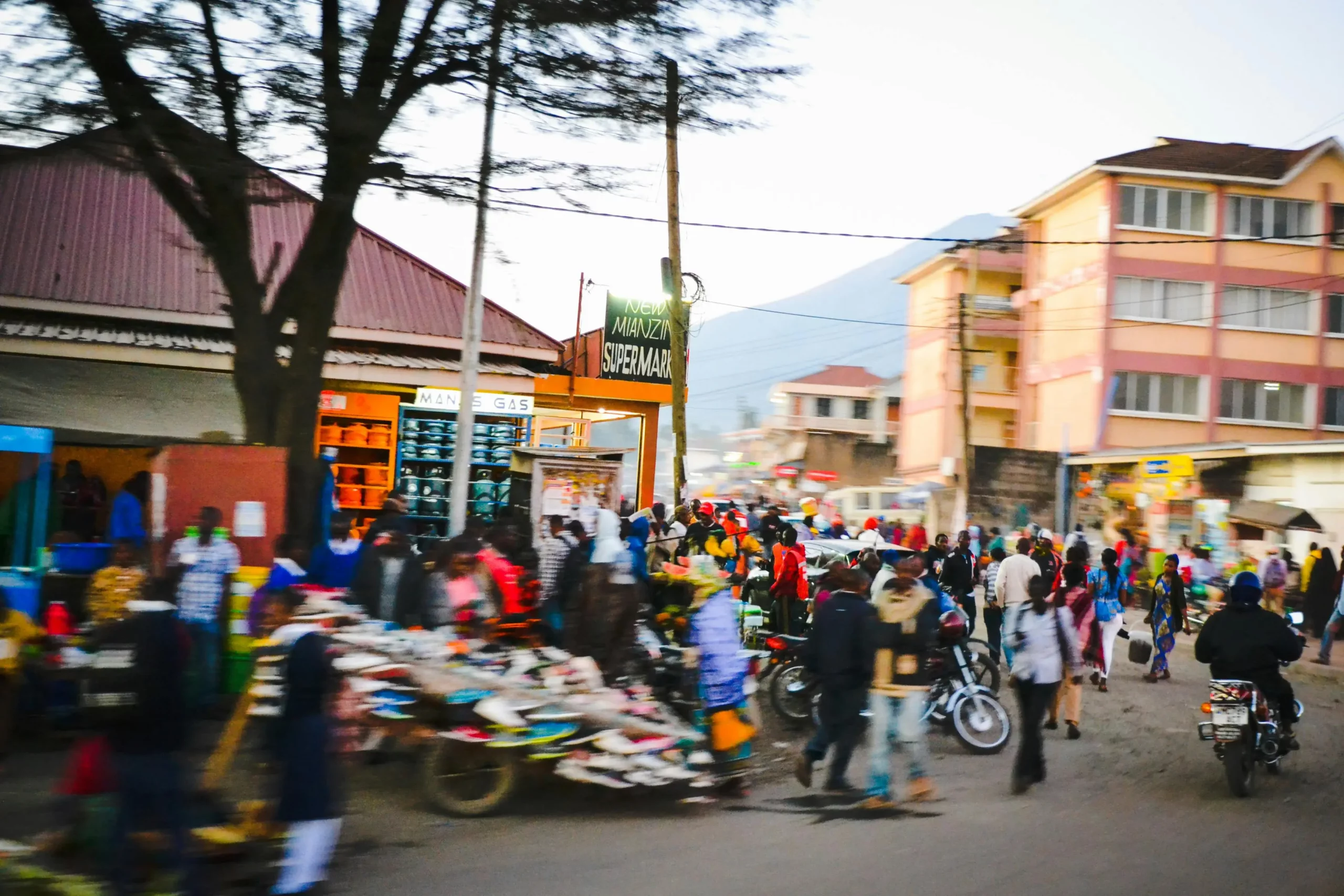
Celebrating a decade of driving local climate action in sub-Saharan Africa

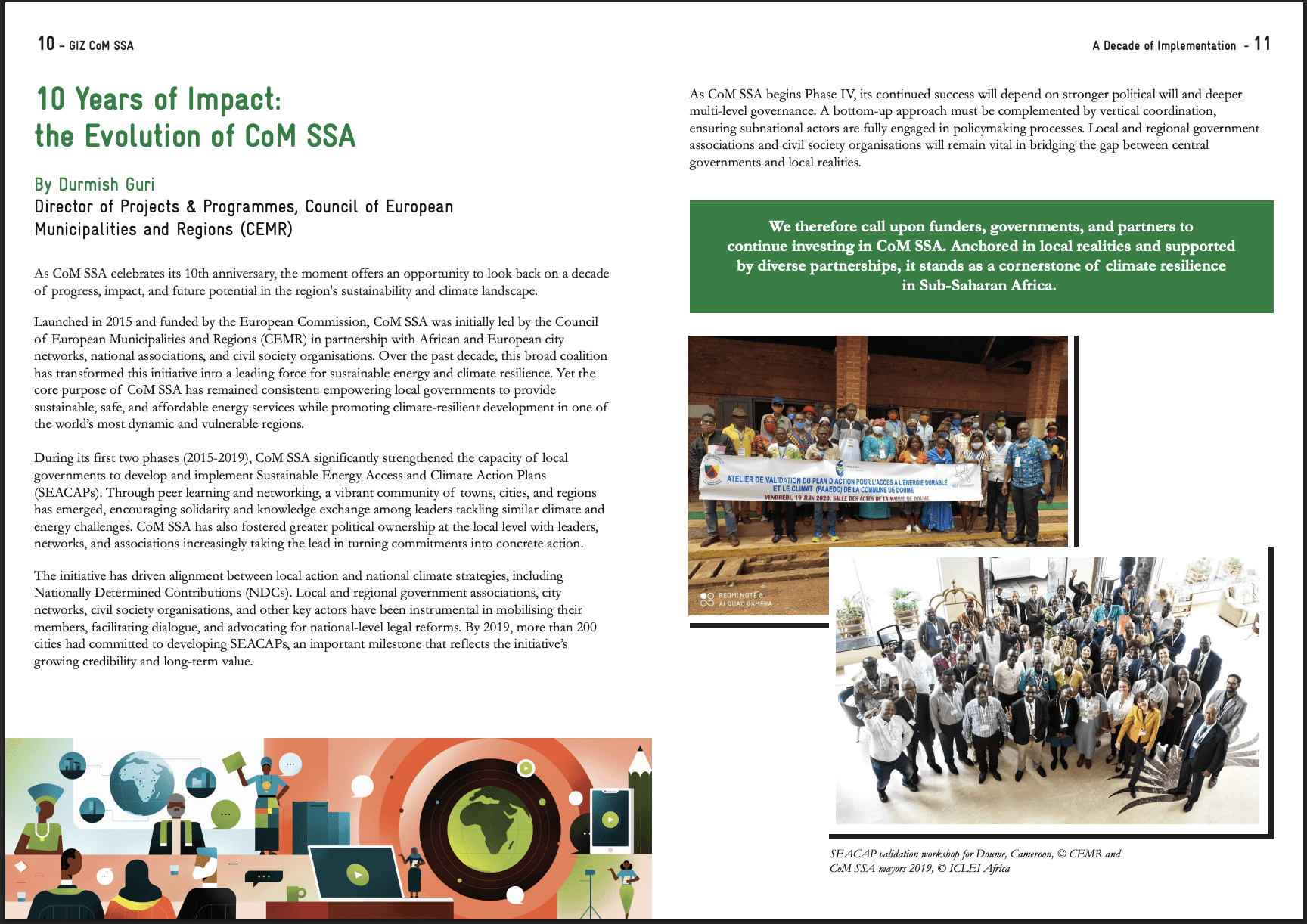
The Covenant of Mayors in Sub-Saharan Africa (CoM SSA) is the “regional covenant” of the Global Covenant of Mayors for Climate & Energy (GCoM). It is a bottom-up and voluntary initiative that invites cities to define and meet ambitious and realistic energy and climate targets.

Launched in 2015 and funded by the European Commission, CoM SSA was initially led by the Council of European Municipalities and Regions, in partnership with African and European city networks, national associations of local governments, and civil society organisations.

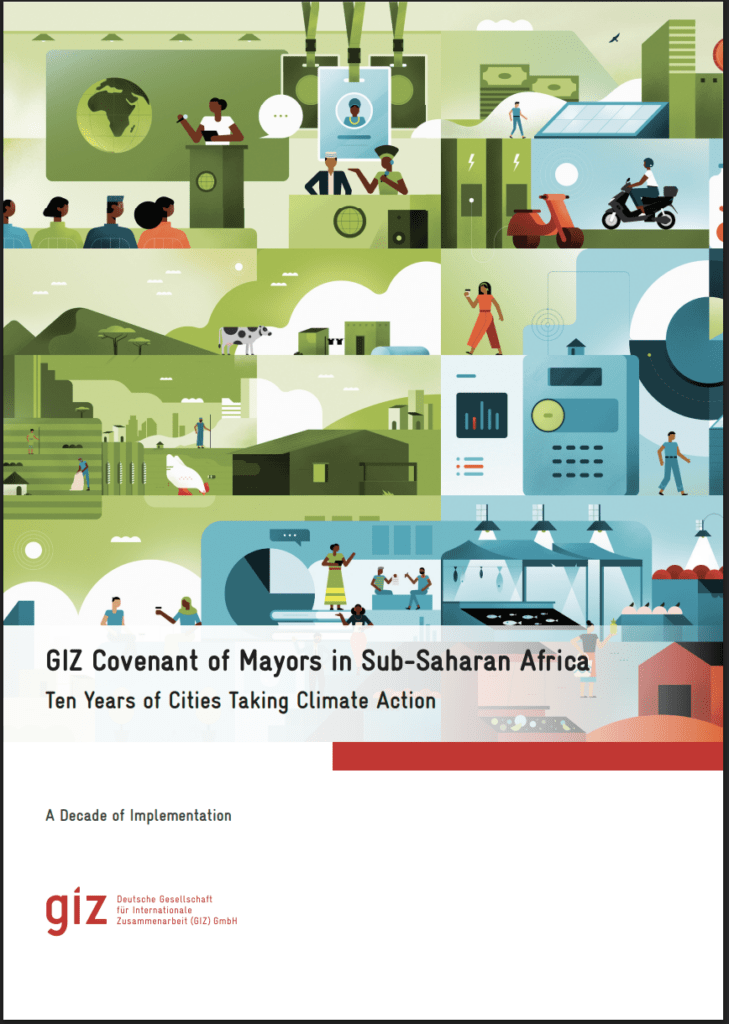
To mark this decade, the new publication A Decade of Implementation, produced by GIZ in the framework of CoM SSA, brings together reflections from cities, institutional partners, donors and long-standing experts. Combining strategic perspectives with concrete city examples, it documents how more than 400 local governments, representing over 166 million people, have moved from climate planning to implementation and investment. The publication highlights key milestones and results achieved over the past ten years, including the development of the Sustainable Energy Access and Climate Action Plans (SEACAP), support for project preparation for cities, and an increasing focus on implementation, investment and impact.

Over the past decade, CoM SSA has shown that local climate and energy actions can only be effective and sustainable when it is anchored in political ownership and supported by strong associations of local governments and city networks. By empowering mayors and local leaders, and by facilitating peer exchange and collective representation, the initiative has enabled cities to move from commitments to concrete action.

The publication includes a contribution from CEMR, authored by the Director of Projects and Programmes, Durmish Guri, reflecting on the role of national associations of local and regional goverments and networks in anchoring the Covenant politically and ensuring its sustainability, a message that remains highly relevant as reflections on the future of the Covenant of Mayors continue, including in Europe.

“We therefore call upon funders, governments and partners to continue investing in CoM SSA. Anchored in local realities and supported by diverse partnerships, it stands as a cornerstone of climate resilience in Sub-Saharan Africa.”
Durmish Guri, Director of Projects & Programmes, Council of European Municipalities and Regions (CEMR)
Deutsche Gesellschaft für Internationale Zusammenarbeit (GIZ) GmbH, GIZ CoM SSA – 10 Years of Cities Taking Climate Action, p.10-11.

We would like to thank our partners — Climate Alliance, Energy Cities, Environment Development Action in the Third World (ENDA), French Agency for Environment and Energy Management (ADEME), ICLEI – Local Governments for Sustainability (World Secretariat and Africa), International Association of French Mayors (AIMF), Portuguese Energy Agency (ADENE), Sustainable Energy for Africa, and United Cities and Local Governments Africa (UCLG Africa) — for their invaluable collaboration and commitment.

For more information, contact:

Covenant of Mayors Ceremony on climate and energy

Covenant of mayors - Ceremony 2025

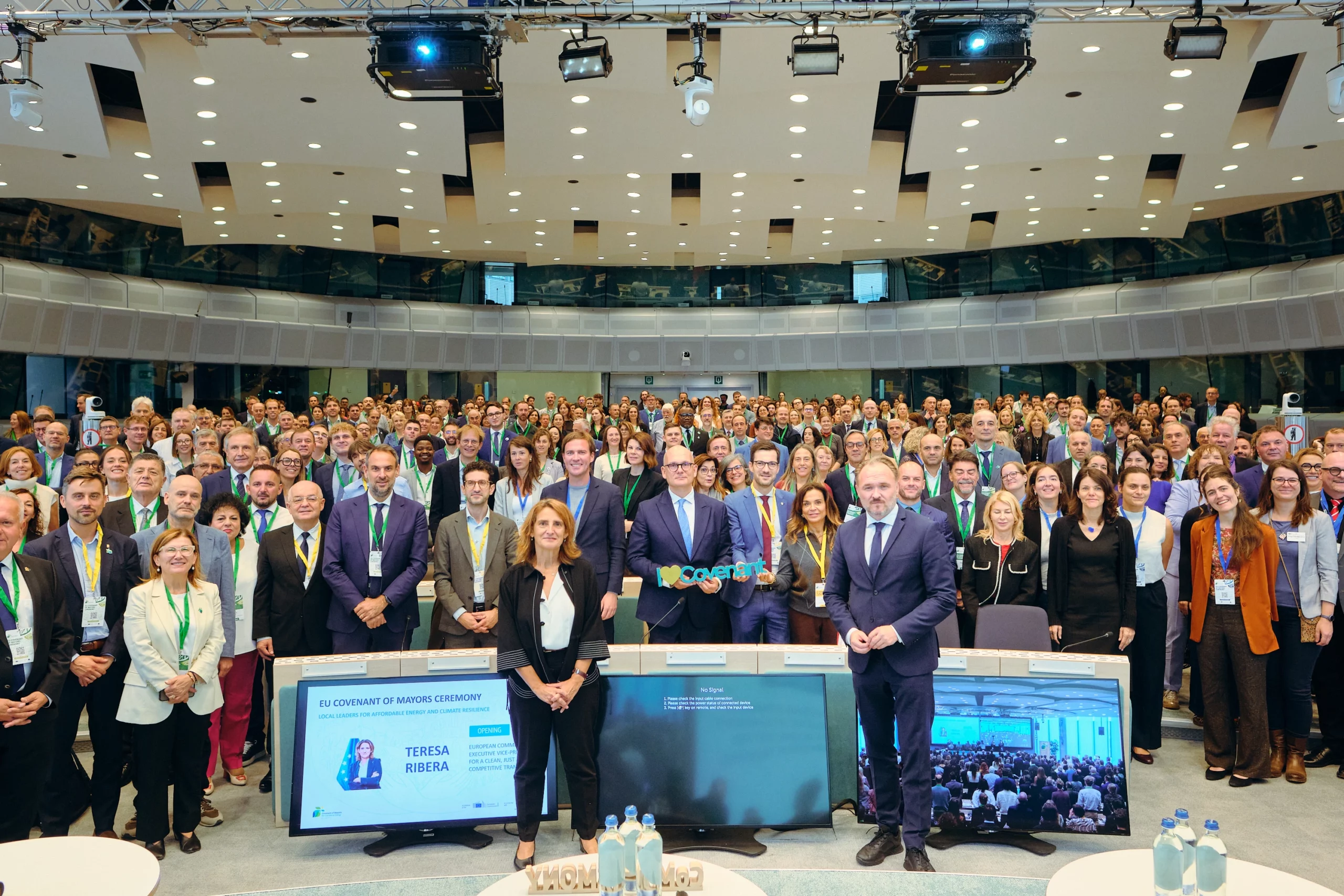
500 European mayors gathered to talk about local climate and energy transition


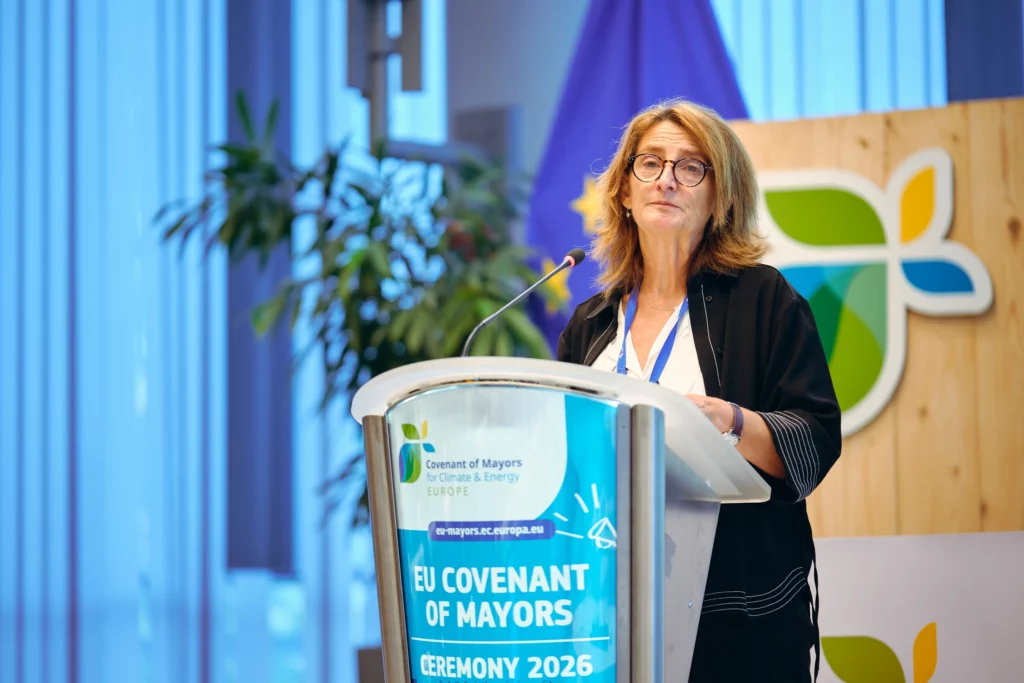
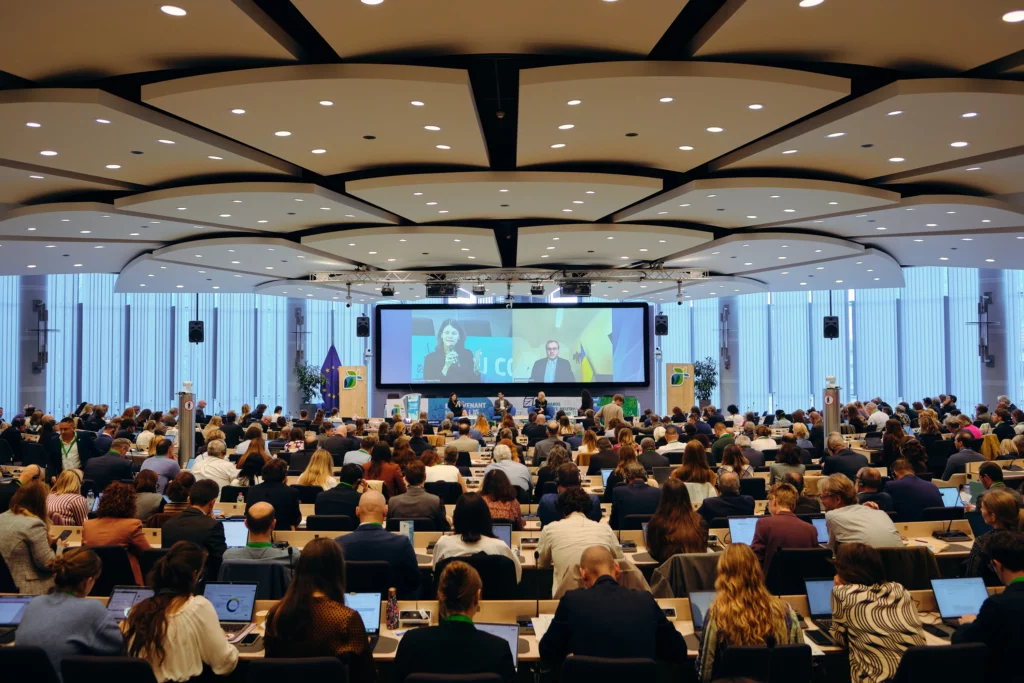
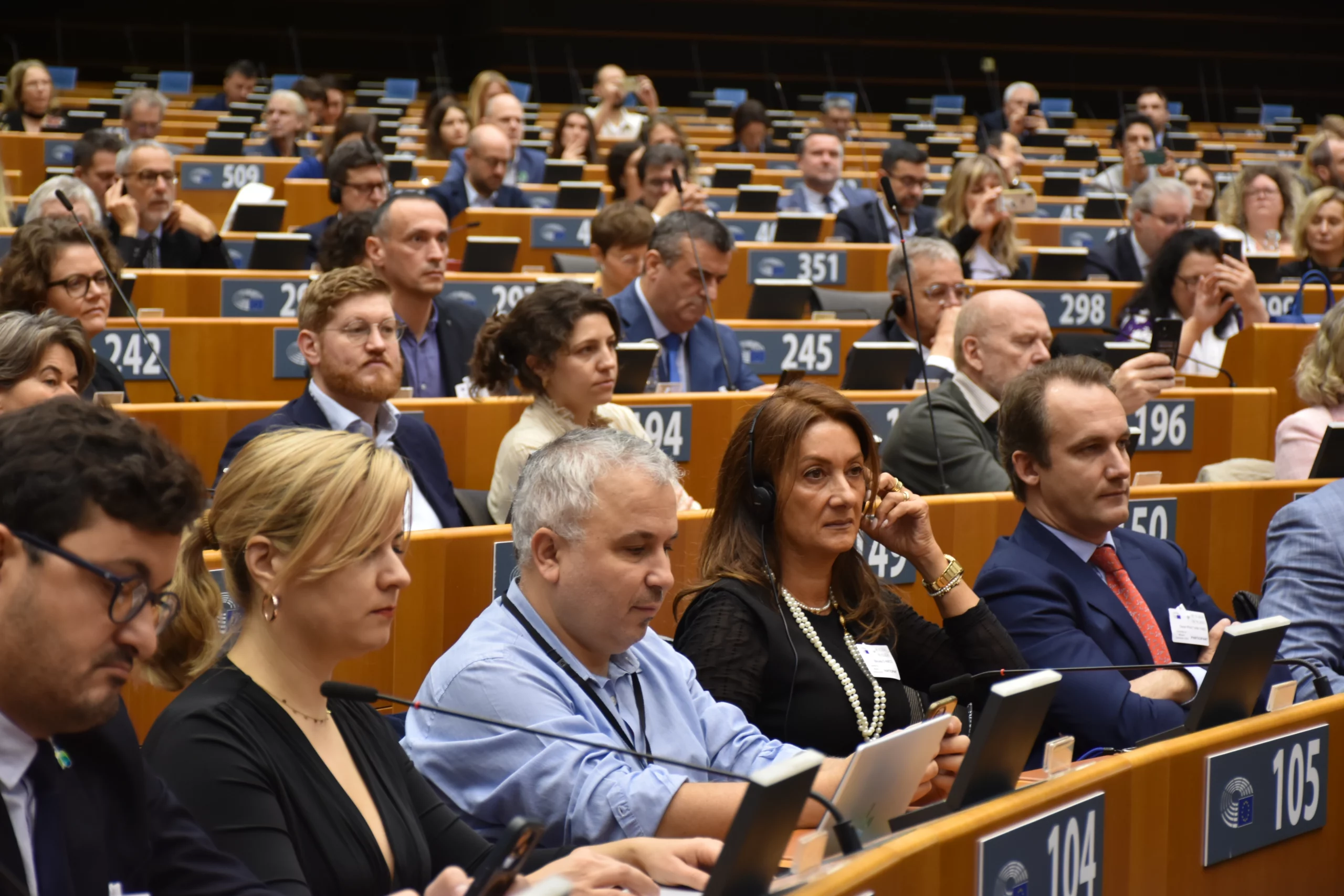
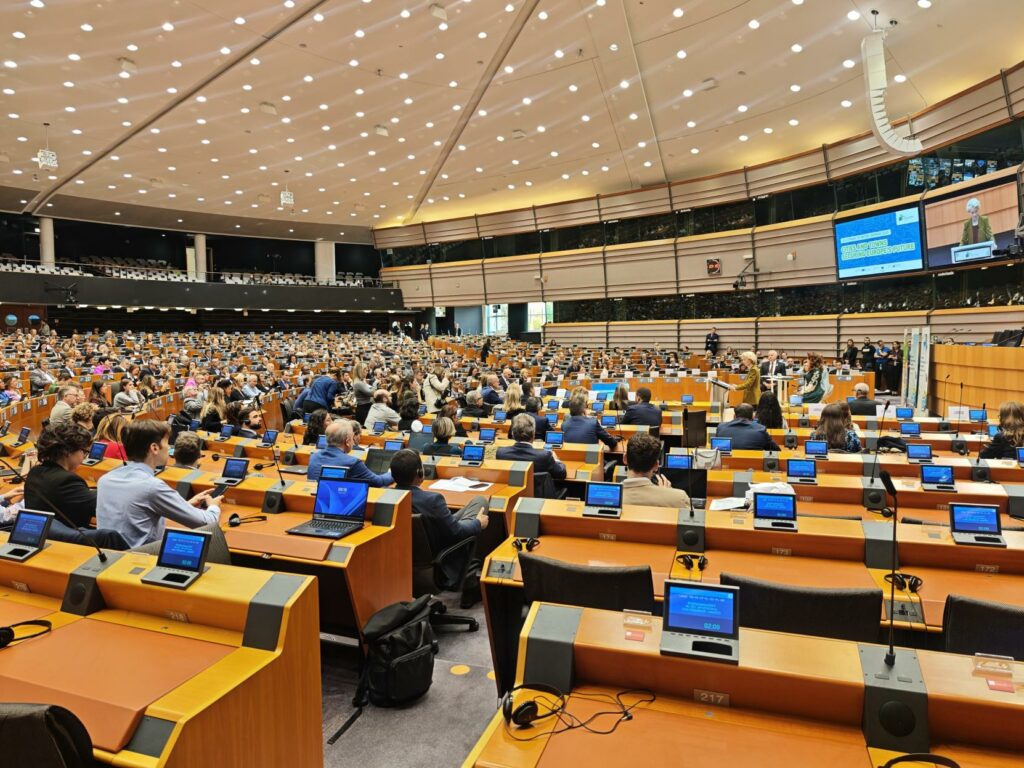
On 16 October, the EU Covenant of Mayors gathered with more than 500 mayors, local and regional representatives, and EU institutions, in the hemicycle of the European Parliament. 

Organised since the launch of the initiative in 2008, the High-level event is the annual gathering of the Covenant signatories invested in securing a safe and sustainable future for their citizens. As an initiative running for more than 15 years, the EU Covenant is mobilising local leaders all over Europe to plan, act and work with their communities to build a more resilient, prosperous and climate-neutral future. 

Both the EU Covenant and the Ceremony are reaffirming the key role of towns, cities and regions in shaping Europe’s vision and future.

Opening session with high-level European leaders

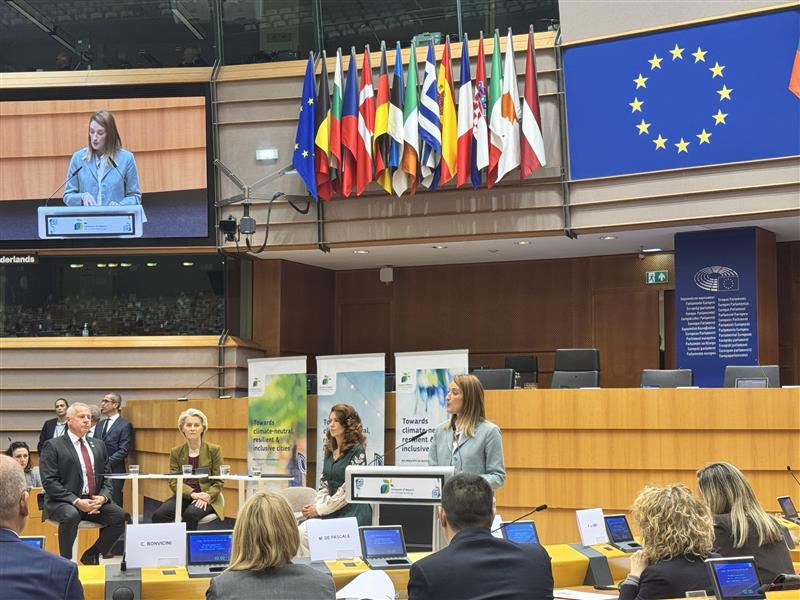
The Ceremony started with an intervention of the President of the European Parliament, Roberta Metsola, who emphasised that Europe is in all cities and regions, that citizens are building Europe every day.

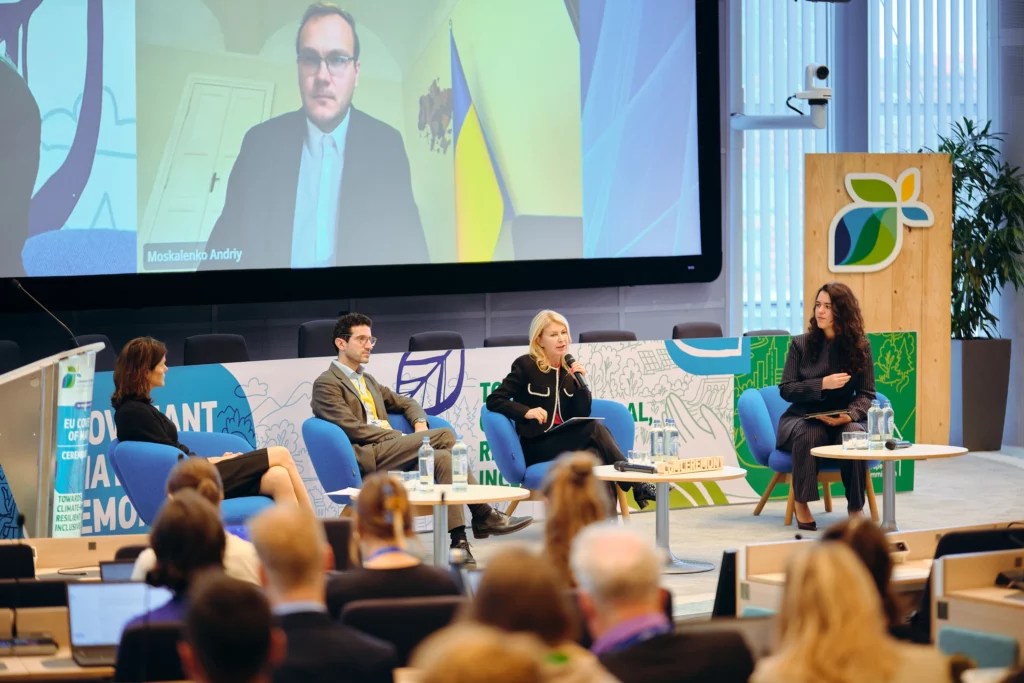
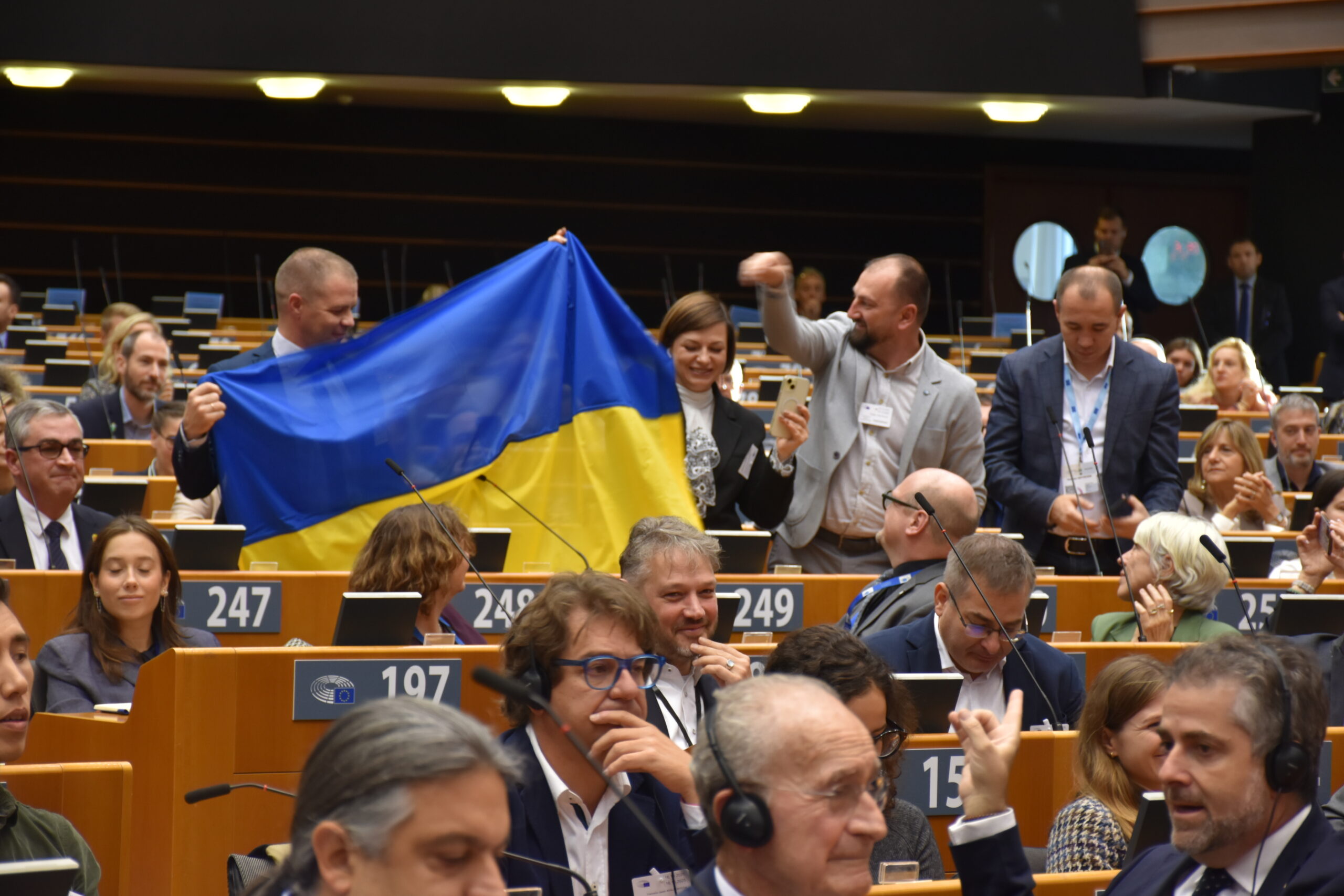
ollowing her welcome, Ursula Von der Leyen, president of the European Commission, shared that “we are on track to achieve our 2030 targets”. For towns, cities and regions to achieve their climate and energy transition, housing and climate resilience are key policies, which are currently tackled by the European Commission. Von der Leyen also welcomed the delegations of Ukraine and Moldova to the Ceremony, reaffirming their belonging to Europe. 

Finally, the President of the European Committee of the Regions, Kata Tüttő, welcomed the local leaders to the Ceek of Regions and cities, key moment of the year. She highlighted how the Covenant of Mayors is a story of and for mayors, regional leaders and their representatives, by highlighting her personal experience.

Covenant of mayors - Ceremony 2025
Covenant of mayors – Ceremony 2025

Celebrating cities leading the way

The Covenant Ceremony is also the occasion to award the successes of many European Cities, and showcase the inspiring and replicable good practices. From Mechelen in Belgium, to Lappeenranta in Finland and Domokos in Greece, European cities are already leading the path towards climate neutrality. 

Local leaders and institutions in dialogue

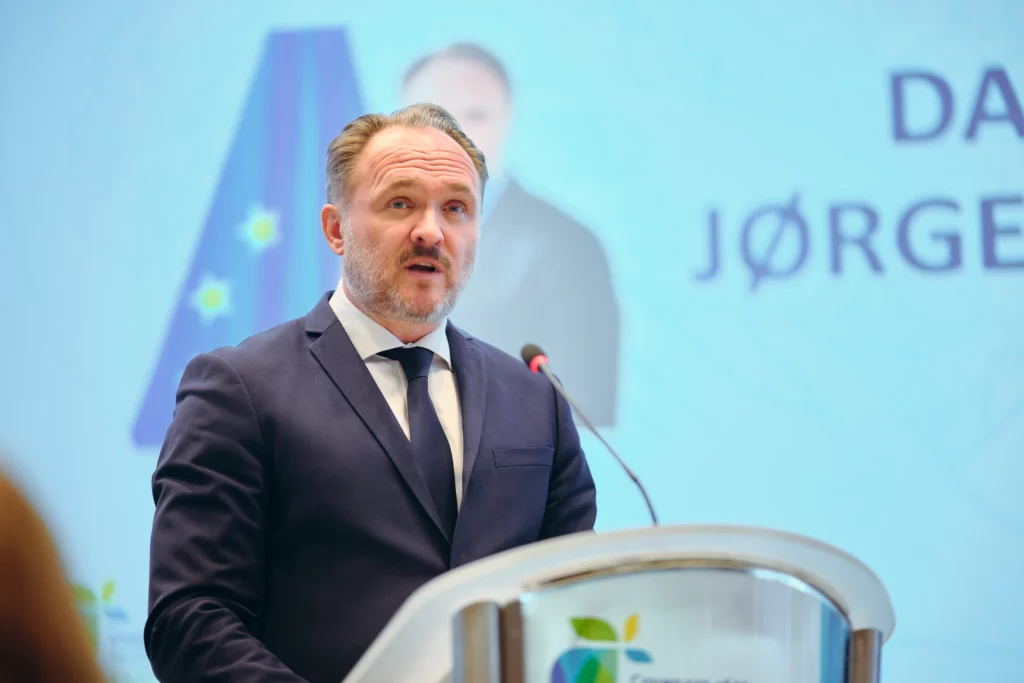
Several panels gathered European local leaders, interacting with representatives of the European institutions. Focusing on “Powering Europe with local, clean and affordable energy” or “Protecting Europe from climate risk through local resilience”, European Commissioners Dan Jørgensen and Wopke Hoekstra shared video messages to reinforce the importance of the EU Covenant of Mayors for their portfolios linked with climate or energy.

Closing session: working together for cohesion and resilience

The closing session focusing on “Cities and the EU working together for a prosperous Europe” was attended by European Commission Raffaele Fitto Executive Vice-President for Cohesion and Reforms, who reaffirmed the importance of Cohesion Policy as a key tool for climate-neutral cities. Read here more about the Cohesion Policy in the next EU budget for 2028-2032.

Covenant of mayors - Ceremony 2025
Covenant of mayors – Ceremony 2025

Looking ahead: stronger cooperation needed

Closing the European Week of Regions and Cities, the EU Covenant of Mayors ceremony is the right occasion to meet local leaders, inspiring and inspired, from all over Europe. The Ceremony came at a critical moment for Europe, when the next EU budget is being negotiated. 

Reaffirming the essential role of local and regional governments in delivering the climate and energy transition, the Ceremony highlighted Europe’s security, resilience, and prosperity can only be achieved through close cooperation with its towns, cities, and regions.  

For more information, contact:

European Week of Regions & Cities 2025

EWRC 2023 - News 2023

CEMR agenda for the European Week of Regions and Cities 


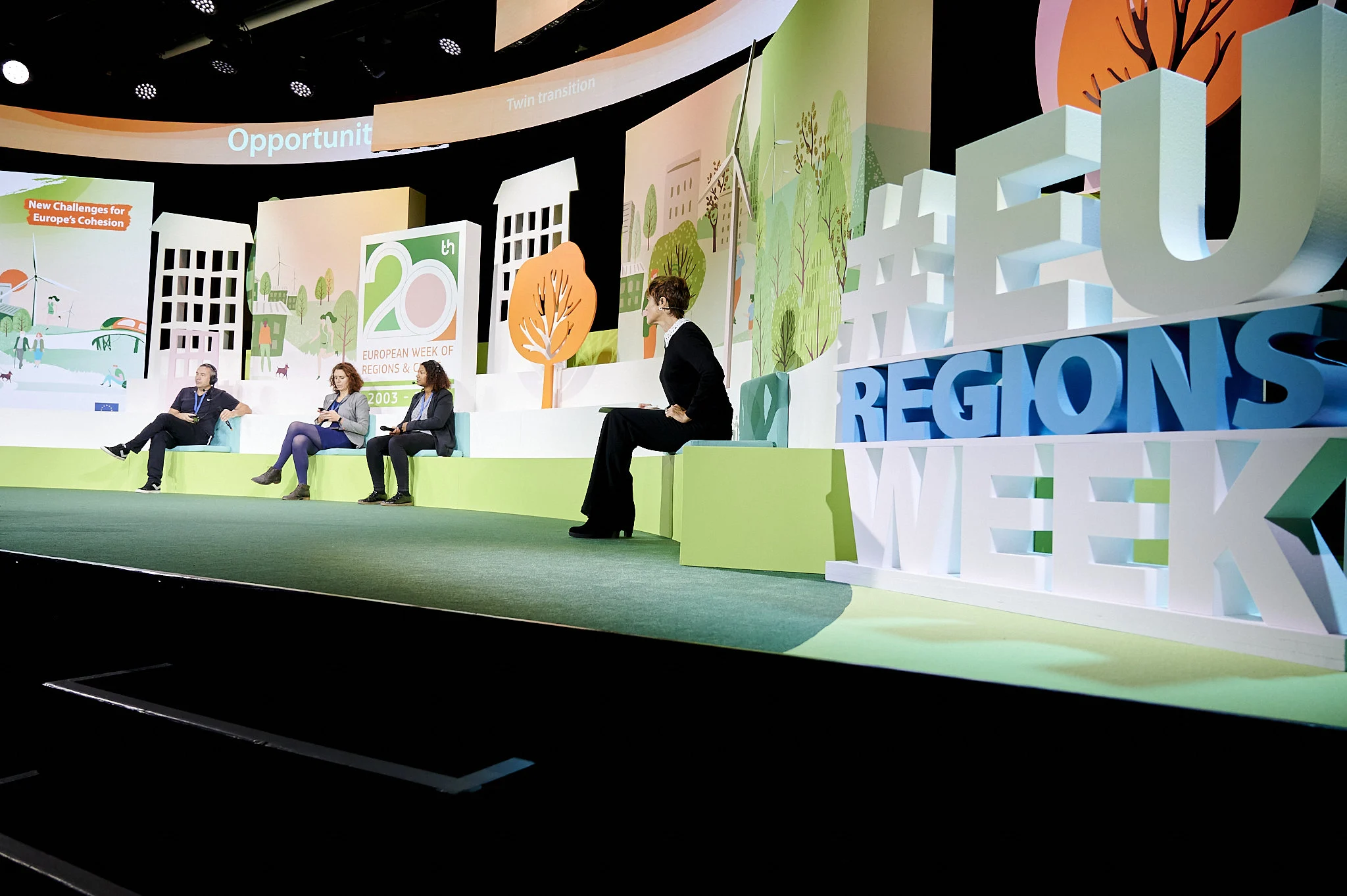
The European Week of Regions and Cities will take place from 13 to 15 October 2025.  

Organised by the European Commission’s Directorate-General for Regional and Urban Policy and the European Committee of the Regions, the European Week of Regions and Cities is the biggest annual Brussels-based event during which cities and regions showcase their capacity to create growth and jobs, implement European Union Cohesion policy, and prove the importance of the local and regional level for good European governance.  

If you are a CEMR member and plan to be in Brussels during this week, please let us know by completing this form so we can contact you regarding visibility opportunities.  

CEMR event organised on the official programme of the European Week of Regions and Cities 

No future of cohesion without representation!

The event will gather high-level representatives of the #CohesionAlliance partners, associations, and the European Committee of the Regions. Together, they will exchange their views on the future of Cohesion Policy and reflect on how far the European Commission’s proposal fosters economic, social and territorial cohesion.

  • Date and time: 15 October 2025, 16:30 – 18:00 CET 
  • Venue: Jacques Delors building, JDE 52

‘Ukraine’s path to the EU: municipalities and partnerships for cohesion and growth’ 

Organised by EasyBusiness, CEMR and the Agency for Recovery and Development, with U-LEAD’s support, this session will focus on Ukraine’s EU accession progress under Chapter 22, municipalities’ pivotal role as ultimate beneficiaries and the power of international municipal partnerships. Acknowledging municipalities’ limited direct experience, the session will highlight how knowledge exchange and collaborative initiatives facilitate vital learning, accelerate EU alignment and crucially contribute to Ukraine’s broader integration and cohesion with the EU, fostering sustainable reconstruction and future growth. 

  • Date and time: 15 October 2025, 16:30 – 18:00 CET 
  • Venue: VMA building – Rue Van Maerlant / Van Meerlantstraat 2, Brussels, VMA23 
  • Register here (until 30 September) 

Other events taking place during the European Week of Regions and Cities (outside the official programme) 

CEMR will also organise or co-organise several events alongside the European Week of Regions and Cities, taking advantage of the presence of numerous local leaders in Brussels. 

Joint event with the Congress – The Charter turns 40: renewing democracy in the digital age 

  • Date and time: 13 October 2025, 14 – 16:30 CET 
  • Venue: ACE events, Avenue d’Auderghem 22, Brussels 
  • Register here 
  • Organisers: CEMR and the Congress of Local and Regional Authorities of the Council of Europe 

2025 marks 40 years since the European Charter on Local Self-Government was opened for signature (the Charter), a milestone document that anchors local democratic governance. In today’s digital age, local democracy is facing unprecedented challenges from disinformation, misinformation, and deliberate efforts to erode trust in public institutions. That’s why CEMR and the Congress of Local and Regional Authorities of the Council of Europe are bringing together policymakers, local leaders, academics, and civil society for a vital discussion on how to build democratic resilience.  
 
This event will spotlight innovative local actions, feature the launch of CEMR’s new report on how local and regional governments are confronting the threats of mis/disinformation, and introduce the New Democratic Pact for Europe, a bold initiative to strengthen democracy for the future.   

Local Alliance: Shaping the next EU budget with cities

  • Date and time: 15 October 2025, 18:30 – 20:30 CET
  • Venue: European Parliament

This high-level evening discussion will bring together mayors, city networks, Members of the European Parliament, and EU officials to debate how cities can shape the next EU budget. The event will spotlight local priorities for the post-2027 Multiannual Financial Framework (MFF), the need for direct access to EU funds, and the importance of ensuring cities and regions are at the heart of Europe’s investment decisions.

Bridges of Trust – Annual gathering 

  • Date and time: 16 October 2025, 13:30 – 19:00 CET 
  • Venue: CEMR, 1 square Meeûs, 1st floor, Brussels 
  • Organisers CEMR, U-LEAD with Europe  

Bridges of Trust’s annual gathering brings together European and Ukrainian municipalities to strengthen cooperation and support Ukraine’s recovery. With local leaders, EU institutions, and partner organisations, the event fosters trust-based partnerships, knowledge exchange, and concrete actions for rebuilding communities and advancing EU integration.   

EU Covenant of Mayors ceremony 2025 

  • Date and time: 16 October 2025, 8:00 – 13:30 CET 
  • Venue: European Parliament 
  • Register here 
  • Organiser: EU Covenant of Mayors 

At a time of mounting geopolitical challenges and accelerating climate risks, the role of Europe’s towns, cities, and regions has never been more vital. This year’s Ceremony will bring together mayors, regional leaders, and top EU decision-makers to discuss how cities and towns are helping secure Europe’s future by providing citizens with clean and affordable energy while strengthening local resilience.   

For over 15 years, the EU Covenant of Mayors has mobilised local leadership across Europe to plan, act and work with communities towards a more resilient, prosperous, and climate-neutral future, making them indispensable allies in shaping Europe’s vision.   

This year’s Ceremony comes at a critical moment for Europe, as new priorities and strategies take shape and gather momentum under the freshly launched EU mandate. The event will shine a spotlight on the essential role of local governments in delivering on these priorities – highlighting how Europe’s security, resilience, and prosperity can only be achieved through close cooperation with its towns, cities, and regions.   

The event will feature high-level speakers, including Ursula von der Leyen, President of the European Commission; Roberta Metsola, President of the European Parliament; Kata Tüttő, President of the European Committee of the Regions; Raffaele Fitto, Executive Vice-President for Cohesion and Reforms, European Commission, along with mayors and regional leaders from across Europe.   

The Ceremony will also honour the winners of the 2025 EU Covenant of Mayors Award, celebrated for their outstanding leadership and achievements in decarbonising heating and cooling at the local level. 

For more information, please contact:

Meeting with the EU Commission on energy and climate

Covenant of Mayors - News 2023

Mayors shed light on cities’ essential role in the discussion with the EU Commission on the energy crisis and climate targets


Article from the Covenant of Mayors

The Covenant of Mayors Board met with both directors of the European Commission’s Directorate-General for Energy and Directorate-General for Climate Action on 29-30 March. Mayors took the opportunity of the pressing issue of the energy crisis to make their message clear: cities play a key role in simultaneously reducing Europe’s dependency on Russian gas and reaching the EU’s climate neutrality objectives. Thus, the EU institution’s continuous and ongoing support to cities is crucial.

The strength of the Covenant of Mayors is its political dimension, with a rotating political Board of 10 Mayors from frontrunner cities. They regularly convene and meet with high-level representatives of the European Commission to express cities’ most pressing needs. This gives cities an important outlet to constantly touch base with EU institutions on how they can further support local action in terms of climate and energy.

This year, the energy crisis was undeniably the pressing issue framing the conversation in Brussels on 29-30March 2023. Not only was it the topic of the Covenant of Mayors 2023 Conference, but it also set the tone for the Board’s meeting with Commission directors. The energy crisis has given Mayors the spotlight to show the European Commission how cities are essential for reaching EU objectives – and Mayors did not shy away from using that spotlight and making their messages clear.

Giving cities the means to tackle the energy and climate crises

“Our response to the energy crises is the response to the climate crisis. That is what the RePowerEU is for: to reduce our dependence on Russian energy and aligned with the European Green Deal.” – Ditte Juul Jørgensen, Director-General for Energy.

In her meeting with the mayors, Ditte Juul Jørgensen stressed the importance of cities in implementing REPowerEU and Green Deal objectives on the ground. She highlighted the importance of initiatives such as the Cities Energy Saving Sprint, as an excellent example of what can be done at the local level.

But going beyond last winter’s successes, she insisted on the need for structural changes to face the winters to come, mentioning the recent reform of the electricity market design, meant to empower consumers and local communities. For these structural changes, Ditte Juul Jørgensen recognises cities as fundamental allies.

Applauding the near-miracle that the Directorate-General for Energy accomplished last year to secure Europe’s energy supply, Mayors took this opportunity to underline that they were fundamental allies in this endeavour. And as fundamental allies, the EU should ensure that cities play a key role in a more long-term, integrated energy policy.

After the 2023 Conference on March 30, the Board then met with European Commission’s Director General for Climate Action, Kurt Vandenberghe. Here, the discussion around the energy crisis gave way to the broader concern and long-term goal of climate-neutrality in 2050 and the implementation of the EU Green Deal. Kurt Vandenberghe also recognized cities as key allies and was keen to hear their feedback on new programmes that involve direct involvement of cities, such as the EU Mission 100 climate-neutral and smart cities by 2030, the Social Climate Fund, the Policy Support Facility, and all the other myriad of initiatives that exist.

“Cities are the place of innovation. We can get so much feedback from you on the implementation of EU policy such as Fitfor55”. – Kurt Vandenberghe.

In both meetings, mayors expressed how the energy crisis has created an opportunity to accelerate the local energy transition, as energy policy has become the biggest question for Europe. But this also needs to translate into concrete support for local and regional implementation.

Mayors’ messages to both Director-Generals were concrete and clear.

 1.    Cities as the key to implementationThe main message was clear: without cities to implement policies on the ground, the EU will never reach its targets.
What really set the tone of the meeting was the sense of urgency: everyone agreed that “the time is now”. Implementation cannot wait. And cities are key to accelerating the transition on the ground. They are the place where change happens. In this phase, it will be crucial that the EU capitalises on this potential and increases its support to cities.

2.    Giving cities the means to implement the energy transition

This increased support should take several forms.

They suggested that the EU finance regional energy agencies to support the local energy transition. This sort of agency would greatly help border cities especially, by facilitating cross-border energy projects and production, currently extremely difficult. This would give more power to local and regional producers, and by extension, to citizens.

They called on the EU to consider more direct funding streams from the EU to local governments for concrete projects and action. They also highlighted that this funding should be more long-term and not only 2 or 3-year projects.

Beyond funding, another big concern from mayors is lack of capacity, expertise and skills that are available to them at local level to implement the transition. They called on the EU to support them find more #localstaff4climate: two big obstacles for implementation of renewables on territories.

3.    Pressuring National Governments to cooperate

National governments should be helping channel this funding and expertise. Unfortunately, instead of facilitating, they themselves usually become an obstacle – if not the greatest obstacle – for cities’ implementation. Not only do they not always engage and align with local level, but sometimes even, they withhold funding and block action for political reasons, as Mayor of Warsaw Rafal Trzasokowski underlined was happening more and more with the rise of populism in national governments across Europe.

Director-General for Energy Ditte Juul Jørgensen recognised the importance of the current updating of National Energy and Climate Plans, and Article 11 of the Governance Regulation of the Energy Union and Climate Action, which mandates Member States to involve the local level in this process by setting up Energy and Climate Dialogues.

Director-General for Climate Kurt Vandenberghe also referred to the Governance Regulation, pointing at its upcoming revision in the coming years as an opportunity to strengthen the role of cities in the EU policy making. He reminded that the European Commission also requested Member States to consult local governments for the implementation of the Social Climate Fund.

Mayors called upon the EU to make sure they enforce Article 11 and hold National Governments accountable for its implementation. They also asked the EU to show louder support for cities’ efforts in implementing EU targets and milestones, to help cities push ambitions and weaken opposition that may come from the national level.

Source of the article: Covenant of Mayors

Conference on local solutions for a global crisis

Covenant of Mayors Event - News 2023

“Cities on the frontline of the energy crisis”: A conference to bring local solutions to light


With the rising prices of energy, the majority of the world felt the consequences of the Russian aggression in Ukraine. The local authorities especially have been the first in line to deal with the crisis. To reflect on that matter, the Covenant of Mayors will organise a conference.

Cities on the frontline of the energy crisis” will be held in the heart of the European district in Brussels on the 30th of March. The goal of the event is to gather the cities and their representatives to discuss how their efforts in changing the energy infrastructure can help in the future. Investing more in green and local energy might be crucial, especially in the light of the climate change.

Local solutions to a global crisis
So far, it has been the households and small and medium businesses that have suffered the most from the energy crisis. The rising prices and inflation have significantly impacted their way of living. However, moving from overconsumption towards a more sustainable future not only battles the ecological problems but is also a way to show support to Ukraine. Getting rid of dependence on Russian gas has been the main target of many leaders in coordination with the REPowerEU Plan.

Because the mayors and their local governments are the closest to the citizens, the Conference of the Covenant of Mayors 2023 will give these authorities the opportunity to proudly display their responses to current events. At the same time, it will offer a chance to reflect on what the European institutions and national governments can do to help the people more. 

The future of European energy
Those participating in the event can expect to meet and chat with high-level representatives from European cities and their institutions. Among those who have confirmed their attendance is the Executive Vice-President of the European Commission Frans Timmermans and the EU Commissioner for Energy Kadri Simson. They will talk about how European institutions and state governments can assist local and regional attempts to reduce Russian gas dependency and energy consumption in the future.

Mayors and representatives of several European cities will join the moderated panel discussions on the agenda. The focus will be on the challenges the local authorities had to encounter, energy savings in the context of REPowerEU, and reflections on the first winter since the beginning of the energy crisis. The government representatives will also discuss their (immediate) reactions towards the crisis, the measures they have implemented, their impact on citizens and, most importantly: What can be done next.

Register for the conference before March 23rd here.

CEMR projects overview  

CEMR’s externally funded projects foster cooperation, innovation, and sustainability across Europe 


Through its externally funded activities, the Council of European Municipalities and Regions (CEMR) brings local and regional leaders together to exchange ideas, test solutions, and build stronger communities. These projects are more than initiatives: they are platforms where municipalities and regions collaborate on Europe’s most pressing challenges, from climate action to equality, from digitalisation to democratic participation. 

Overview of Projects 
CEMR’s portfolio of externally funded projects reflects its commitment to innovation, sustainability, and inclusion: 

  • Reference Framework for Sustainable Cities (RFSC) – Supporting sustainable cities with a practical tool to plan and assess policies. 
  • IncluCities – Advancing migrant integration through peer learning among municipalities. 
  • Circular Cities and Regions Initiative (CCRI) – Driving circular economy solutions for cities and regions. 
  • Green City Accord – Helping European cities commit to ambitious environmental goals. 
  • Covenant of Mayors – Uniting local leaders in climate and energy action. 
  • PLATFORMA – Strengthening international partnerships and decentralised cooperation. 
  • Bridges of Trust – Building ties between Ukrainian and European municipalities. 
  • EPSU (Local Digital) – Supporting local administrations in navigating digital transitions. 
  • EPSU (Third-Party Violence) – Tackling violence against public service workers. 
  • Go.Li.EU – Promoting youth engagement and European citizenship. 

Together, these projects illustrate how CEMR channels external resources into meaningful action. By bridging local realities with European priorities, they not only empower municipalities and regions but also shape a more sustainable, inclusive, and resilient future for all. 

Read the study here 

For more information, contact: 

Africities Summit 2022

Africa - News Section

CoM SSA advocates for the financing of waste projects of African local authorities at the Africities Summit 9


The Covenant of Mayors for Sub-Saharan Africa (CoM SSA) and its implementing partner Expertise France highlighted the cross-cutting issues of climate, energy and waste management in African cities during two technical sessions at the Africities Summit. For more information, visit the project’s website here.

Cities Energy Savings Sprint initiative

Energy - News Section

Join the new EU initiative to reduce our cities’ dependence on Russian energy


The Cities Energy Saving Sprint is a joint initiative of the European Commission, the Covenant of Mayors – Europe, and the European Committee of the Regions to encourage cities to take measures that will immediately reduce their energy consumption. The “Sprint” will last for 4 months.

It is crucial to increase energy savings now to prepare for next winter. Every kilowatt/hour saved now will allow us to refill the storage tanks and be better prepared for next winter. Every gram of greenhouse gas we don’t emit in the coming months will be an important step, not only for the climate, but also as an act of solidarity with Ukraine.

In parallel with all the measures for profound changes, reduction of consumption and energy transition, there is an urgent need to take emergency energy saving measures today and to plan for energy consumption reductions during the coming winter. Municipalities have a crucial role to play here.

How can my city take part in the Cities Energy Savings Sprint?

Peer learning programme on climate and energy

Covenant of Mayors - News

Apply for the Covenant of Mayors peer learning programme: The deadline extended to 15 April!


Cities and towns have until 15 April 2022 to apply for the Covenant of Mayors for Climate and Energy’s peer learning programme. The programme offers Covenant of Mayors signatories across Europe the opportunity to increase their capacity and knowledge on climate and energy challenges through peer discussions tailored to their needs.
 
In 2021, the Covenant Office supported 45 cities, 6 coordinators, and 4 energy agencies. This year, the Covenant of Mayors offers four programmes to respond to local needs: twinning, expert missions, peer review and technical assistance.
 
Find out more
Peer Learning Programme 2022/2023
Recording of the info session
Selection criteria