European Capital of Democracy

People Europe - News

​13 cities are in the race to become the first “European Capital of Democracy”


13 cities from 8 countries have been preselected to become the first ever “European Capital of Democracy”.

Antwerp (Belgium), Barcelona (Spain), Bologna (Italy), Braga (Portugal), Brussels (Belgium), Burgos (Spain), Cascais (Portugal), Linz (Austria), Metz (France), Opole (Poland), Rzeszow (Poland), Sarajevo (Bosnia and Herzegovina) and Valongo (Portugal) have joined the ECoD City Network to compete for the title European Capital of Democracy.

Based on transparent criteria, an Experts’ Jury of five pre-eminent professionals in the field of democracy will now review all of the cities’ applications and draw up a shortlist of outstanding contenders.

The Experts’ Jury Members are: Jaimie Just – Council of European Municipalities and Regions (CEMR), Bruno Kaufmann – Democracy International, Robert Krimmer – Skytte Institute at University of Tartu, Amina Krvavac – Child Warhood Museum, Antonella Valmorbida – ALDA Europe / European Partnership for Democracy.

Up to five nominee cities will be forwarded to a jury of 10,000 European citizens, which will get the final word on the selection of the City to carry the title. Applications are still currently open for citizens to have their say and join the Citizens’ Jury. 

The first city to carry the title of European Capital of Democracy will be designated in January 2023. It will enjoy a wide range of benefits, such as an enhanced international reputation as a centre of education and innovation, and the chance to host international events and meetings of leading European politicians.

Municipal partnerships

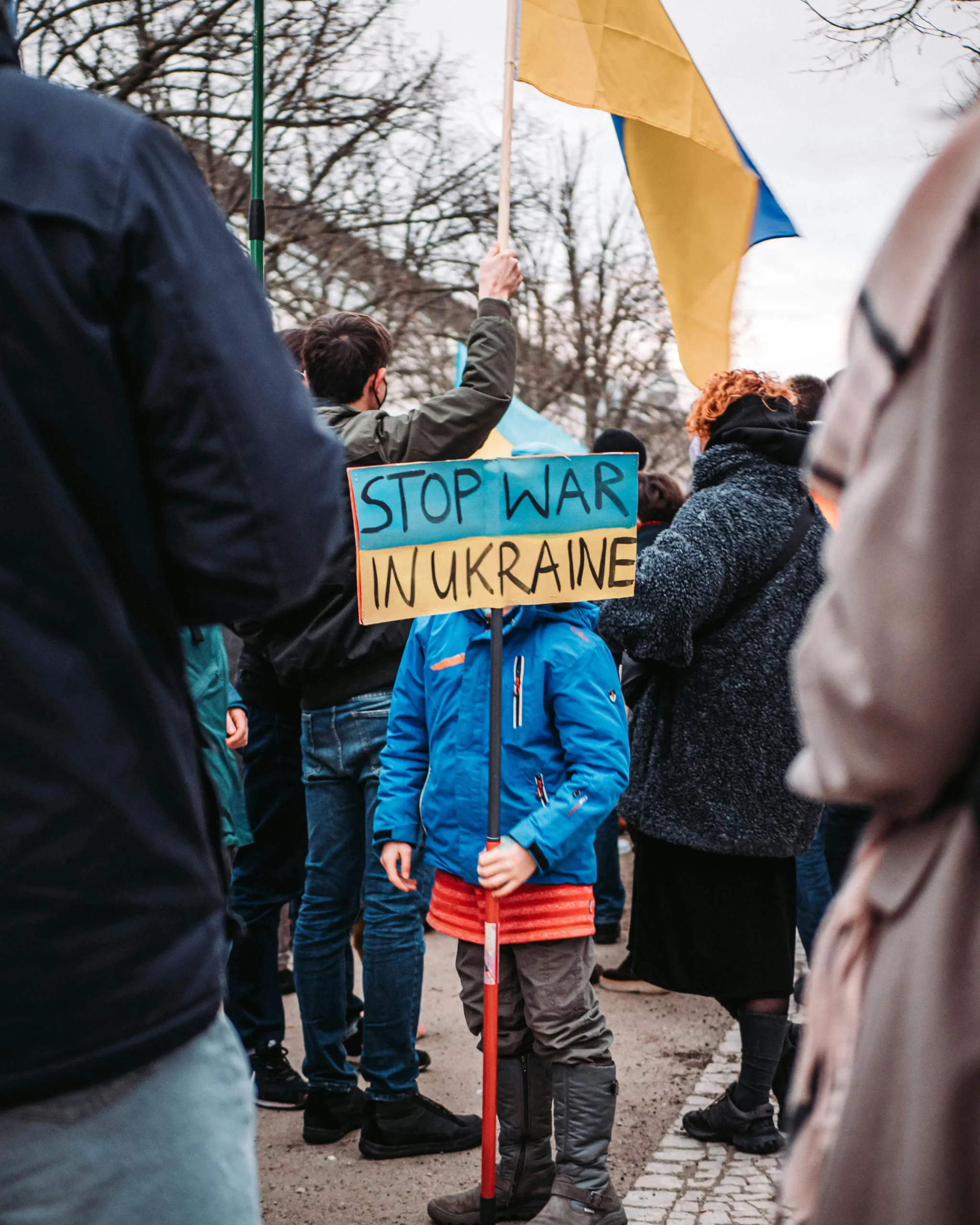
Polish municipality gives aid to Ukrainian partner and paves the way for cooperation


As part of the Bridges of Trust, project bringing together EU and Ukrainian municipalities, Polanica-Zdrój in Poland and Polyanytsya in Ukraine are deepening their partnership through a formal Cooperation Agreement. Local officials in the southeastern Polish town welcomed a delegation of their Ukrainian colleagues from 13 to 16 September. This was an occasion to sign the agreement and provide financial assistance to Polyanytsya.
 
All good cooperation takes time to develop. Municipal officials first met online back in November 2021 and were able to explore each side’s development challenges and the potential areas of cooperation. The Russian invasion of Ukraine imposed a brutal change of perspective: emergency support became paramount. Polanica-Zdrój offered to provide shelter to anyone fleeing the war from their partner municipality.
 
Almost a year later, officials from Polyanytsya were able to visit their Polish partner. Local officials showcased Polanica-Zdrój’s achievements, especially regarding waste management and economic infrastructure, and held an official ceremony for the signature of the two municipalities’ Cooperation Agreement.
 
Mayor of Polanica-Zdrój Mateusz Jellin handed the Ukrainian delegation a symbolic cheque of 8,000 EUR collected with the help of their German twin city, Telgte. The money will be spent to address the Ukrainian people’s urgent emergency or humanitarian needs.
 
“The knowledge we gained during the visit will be a good experience for us for the further development of our municipality” said Antonina Mirus, head of Polyanytsya’s Legal Department. “And most importantly, we found new friends.”
 
The Ukrainian officials thanked Polanica-Zdrój for its openness and support in the face of war. In turn, Mayor Jellin will visit Polyanystya in the coming months.
 
The partnership between the two municipalities is part of the “Bridges of Trust” project, implemented by the Council of European Municipalities and Regions (CEMR), PLATFORMA and supported by U-LEAD with Europe. The Association of Polish Cities (ZMP) also played an important role in matching the municipalities.

Municipal partnerships

Solidarity with Ukraine - News 2022

Slovakia’s Sol’ and Ukraine’s Solotvyno show how municipal partnerships can drive reconstruction


Josef Berta, mayor of Sol’ in Slovakia, knew right away that he wanted to partner up with Solotvyno in the neighbouring Zakarpattia region of Ukraine. Both municipalities share a history connected to the salt deposits present in both territories. The partners first met online in the fall of 2021 and decided to cooperate and set up joint activities to exchange best practices and develop local officials’ capacities.

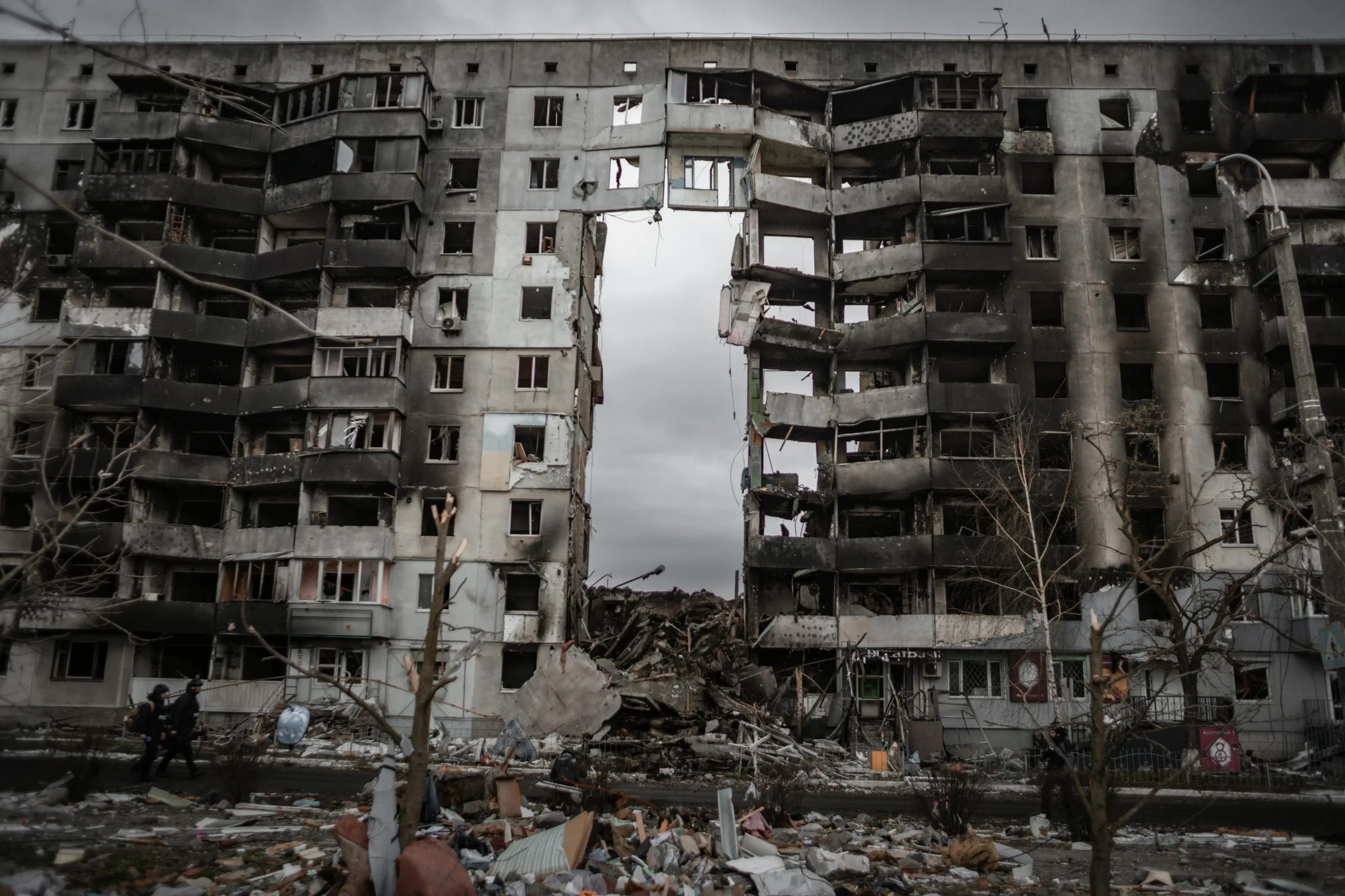
After the Russian attack on Ukraine on 24 February 2022, the spring visit to Sol’ was postponed and the focus was shifted to emergency needs. Firefighters from this Slovak village, together with some local officials, were among the first to arrive on the border to meet and provide help to the thousands of Ukrainians who were fleeing the war. At this time, Solotvyno was also welcoming internally displaced people who were arriving from other regions of Ukraine that were under attack.

The opportunity to meet in person came in September. Sol’ has a very impressive record of winning EU funding and is number two in the region in terms of the number of EU grants received per capita. Mayor Berta and his team presented the details behind the projects to the Ukrainian delegation and showcased results with visits to the school, a renovated historical building, the volunteer firefighters brigade and more.

The delegation also visited a local business that received funding from the EU for a project that aimed to boost entrepreneurship and create job opportunities in the area. The partners also discussed the possibility of applying for funding to implement joint projects under cross-border cooperation or other EU programmes.

“We are extremely impressed with the visit to Sol’”, said Bohdan Makusii, Head of Affairs of the Solotvyno Village Council. “We hope for the establishment of close and long-term cooperation between our communities and the implementation of joint projects that will improve the lives of the population of the two communities and quickly integrate Ukraine into the European Union.”

Solotvyno representatives learned about the surrounding Prešov region and the current drivers of economic development in the area. The delegation was also invited by the mayor of Vranov nad Topľou to take part in a ceremony recognising locals’ professional and personal contributions. On this occasion, the Director of the Cultural House also presented cultural projects that were funded from the EU grants.

Taken together, the cooperation between Sol’ and Solotvyno shows how municipal partnerships can be a driver of reconstruction in Ukraine: by sharing local expertise, capitalising on EU opportunities and bringing people closer together across borders.

Bridges of Trust is implemented by the Council of European Municipalities and Regions and PLATFORMA, and is supported by the U-LEAD with Europe programme, a multi-donor action of the European Union and its member states Germany, Poland, Sweden, Denmark, Estonia and Slovenia.

Video of visit highlights.

Territorial leaders in action at the COP 27

Climate - News Section

10 key points to prevent the inexorable march toward utter climate disaster


It’s now or never. We must gear up for climate action and advance the Sustainable Development Goals on the ground. This is the core message that PLAFTORMA and CEMR will bring to the COP27 taking place in Sharm El-Sheikh, Egypt.

In a joint position, PLATFORMA and CEMR put forward 10 key points for delegates and representatives from the UN, the EU and national governments who will sit around the COP27 negotiation table. Among the important points raised in the position are the need for a supportive regulatory and governance framework to implement subnational climate action, and the need for sustainable subnational financing.

Read the position paper

For more information, contact:

Normandy – free jackets

Normandie - News 2022

A small town in Normandy offers fleece jackets to school children as the heating temperature lowers to 19 ºC


While French local governments step up efforts to combat the energy crisis amid skyrocketing prices, some municipalities have adopted energy restraint measures.
 
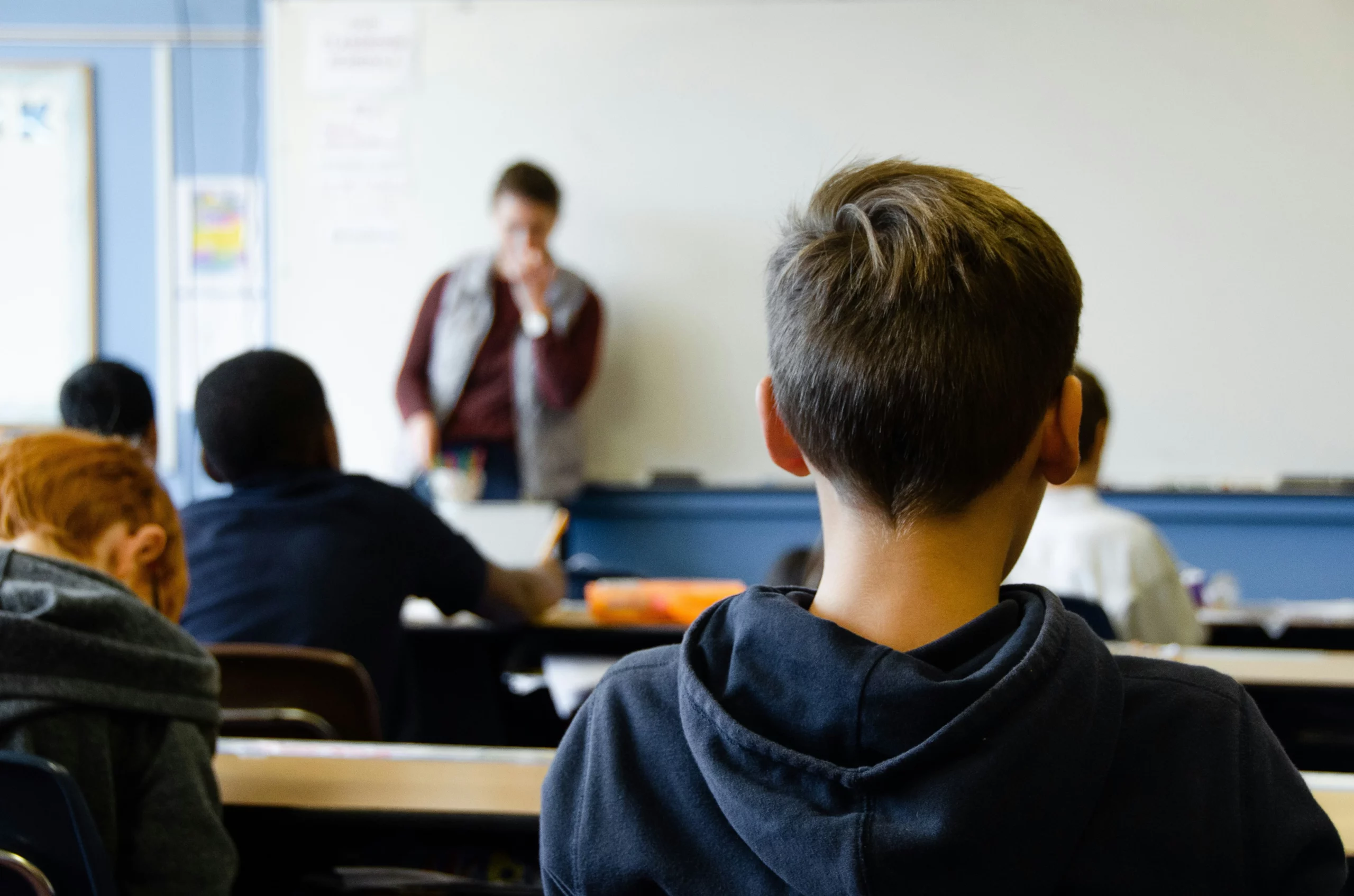
In Périers, a small town in the Manche department with a population of over 2,000 inhabitants, its mayor Gabriel Daube has decided to cut costs by turning down the heating to 19 degrees in all municipal buildings, including its school. To compensate, each of the 350 school children will be offered a fleece jacket.
 
With a total budget of €6000, this initiative should be seen as an investment, explains Gabriel Daube. Périers is indeed expected to reduce its energy bill by €20,000 this winter. Additionally, those jackets will be produced in France to contribute to the local economy and production industry while reducing the town’s energy consumption costs.
 
This initiative complements a series of other long-term measures to decrease the town’s environmental footprint and energy bill, including in the field of public lighting and thermal insulation.