Meet the Local Hero: Emil Boc. From national leadership to local transformation — and a call to put cities at the heart of Europe’s future
For Emil Boc, leadership has never been confined to a single level of governance. A former Prime Minister of Romania until 2012 turned long-serving mayor of Cluj-Napoca since then, his career reflects a rare continuity between national vision and local delivery.
Today, as Europe debates its next budget, Boc’s message is direct: without cities and regions at the table, the European project risks losing both effectiveness and legitimacy.
From Prime Minister to Mayor: why vision comes first
Boc’s years as Prime Minister fundamentally reshaped how he approaches local governance.
“The first lesson,” he explains, “is that no country — and no city — can develop without a clear vision, followed by a strategy and a concrete plan.”
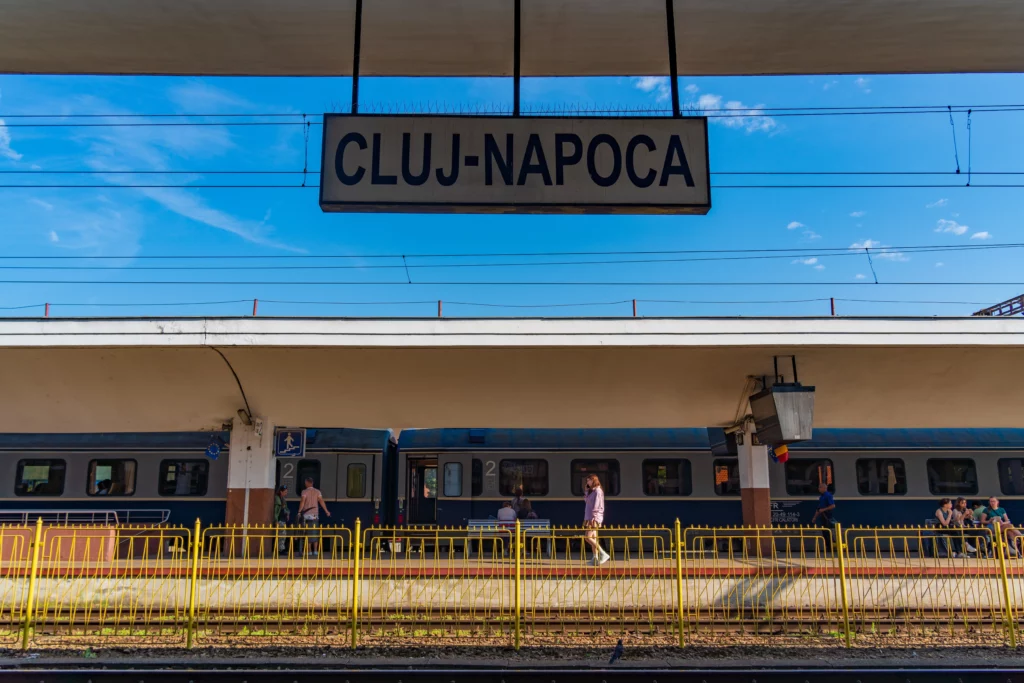
Returning to Cluj-Napoca after his time in national office, he applied this logic with precision. The city identified its competitive advantage — universities, education, and innovation — and built a development model around a knowledge-based economy.
But beyond economic strategy, Boc insists leadership is about more than administration:
“A leader is not just there to keep the lights on or clean the streets. You need a long-term vision, and the discipline to follow it.”
Turning Cluj-Napoca into a pro-European city
Over the past two decades, Boc has overseen a profound transformation.
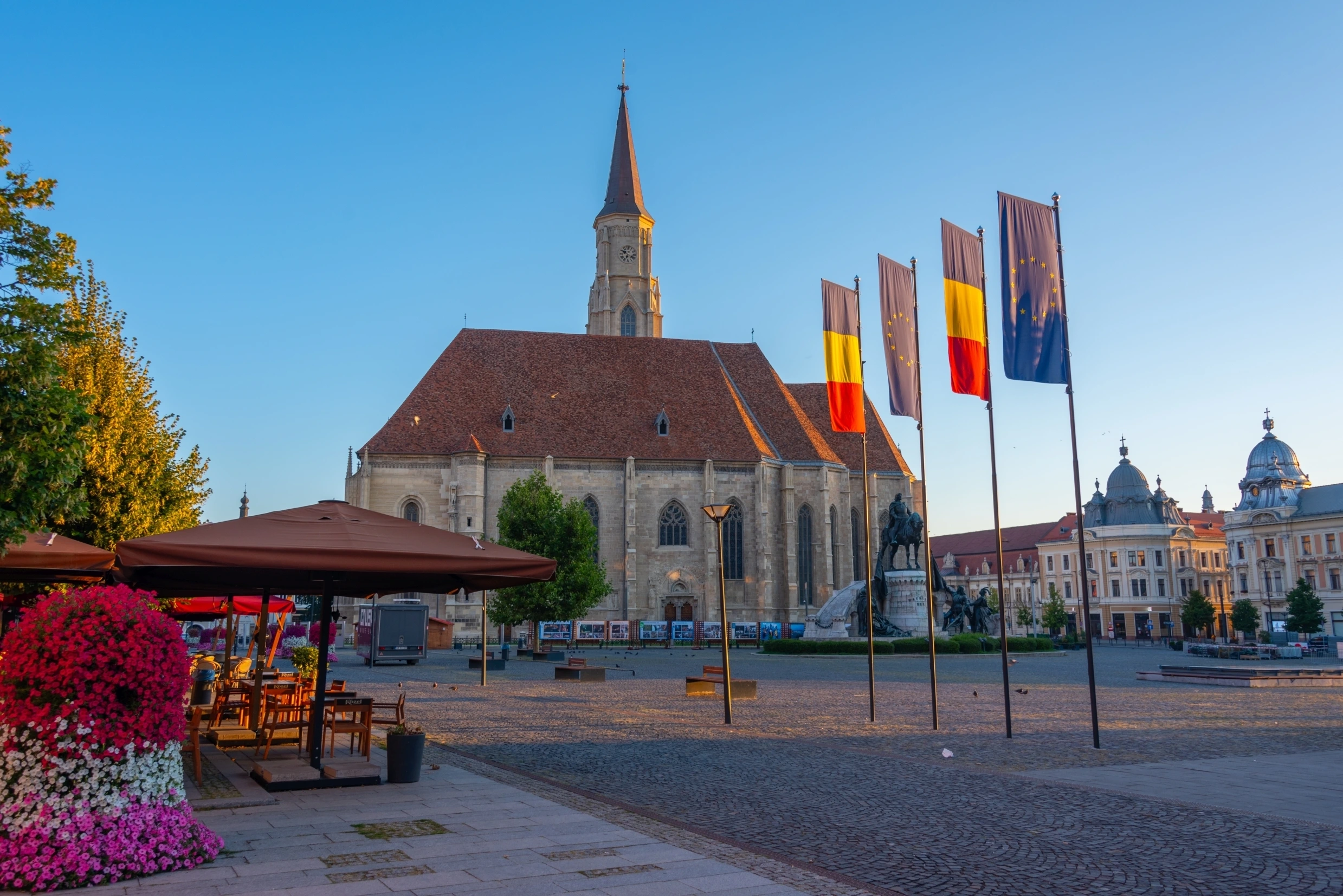
Once considered one of the most Eurosceptic cities in Romania, Cluj-Napoca — a city of around 300,000 inhabitants in the northwest of the country, with a dynamic, university-driven and innovation-based economy — is now, in his words, “the most pro-European city in the country.”
This shift did not happen overnight. It was built “day by day,” by embedding what Boc calls a European way of life: openness, tolerance, and cooperation — combined with strategic use of EU funds.
The results are visible everywhere: infrastructure, schools, public transport, and urban regeneration. For Boc, these are not abstract policies but tangible proof of what Europe delivers.
“If someone asks me why Europe matters,” he says, “I just go outside. The schools, the roads, the parks — they are there because of European funding.”
At the core of this transformation is a simple idea: freedom to stay.
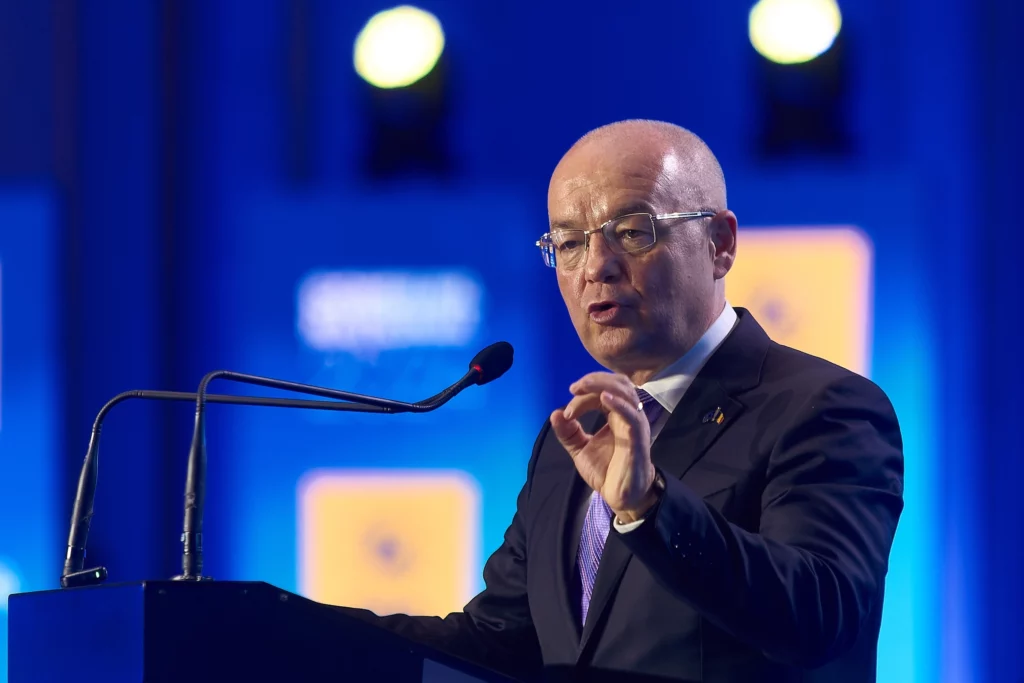
“People should not be forced to leave their city or country for economic reasons.
Europe must guarantee not only freedom of movement, but also the freedom to build a life at home.”
This message resonates particularly strongly in Romania, a country that has experienced one of the largest waves of emigration within the European Union. Since the early 2000s, millions of Romanians — many of them young, educated, and highly mobile — have left to study and work abroad, seeking better economic opportunities and living conditions. While this mobility reflects one of the EU’s core freedoms, it has also created deep territorial imbalances, with cities and regions losing talent at a critical stage of their development.
What’s at stake in the next EU budget
As negotiations intensify over the next Multiannual Financial Framework, Boc warns that the role of cities and regions is far from secure.
His concern is not rhetorical — it is structural.
First, he argues that local governments must move from consultation to real decision-making power: “We want to be at the table, not on the menu.”
A key issue is how the European Commission plans to introduce so-called “regional checks.” Without legal weight, Boc fears these could become a box-ticking exercise rather than a genuine partnership.
His proposal is clear: a binding subsidiarity clause, ensuring that municipalities and regions are involved at every stage — from design to implementation and evaluation — and can reject national plans that ignore them.
Second, he pushes back against proposals to merge cohesion policy funding with other priorities, particularly agriculture.
“These are two pillars of the European Union. If they are put in the same pot, cities and regions risk losing out.”
Third, Boc insists that cohesion policy must remain universal. Limiting access only to less-developed regions would weaken Europe’s ability to address inequalities across all territories.
“Cohesion is the glue that keeps Europe together — and that glue is needed everywhere.”
Finally, he calls for dedicated regional chapters in national plans to ensure that local perspectives are not sidelined.
From climate to defence: investing in cities is investing in Europe
For Boc, the debate about the EU budget ultimately comes down to credibility.
“Europe has the vision. Now it needs the resources to deliver.”
He points to climate policy as a concrete example. Cities are expected to lead the transition — including initiatives like climate-neutral urban development — but without sufficient funding, ambitions risk remaining theoretical.
At the same time, he highlights the growing interconnection between policy areas. Investments in urban infrastructure, such as metro systems, serve multiple purposes: sustainability, mobility, and even resilience in times of crisis.
“Look at how metro systems are used in emergencies,” he notes. “This is not just climate policy — it is also about security and preparedness.”
A Europe built with its cities
Boc’s argument is ultimately political as much as financial.
The European Union, he says, cannot be reduced to negotiations between capitals.
“It is not just a union of states. It is a union of municipalities, regions, and cities.”
Excluding them from decision-making would not only weaken policy outcomes but also erode the diversity and cohesion that define Europe itself.
As the EU looks ahead to 2034 and beyond, Boc’s message is a warning — and a roadmap:
Without strong local governments, there is no strong Europe.
Cluj-Napoca is member of CEMR national association Romanian Municipalities Association.
Check out our EU budget campaign and what we have produced so far:
- Podcast episode on “Who Decides Europe’s Future?“
- Our latest news on the EU budget in the Netherlands
- Videos produced: Case of Matosinhos (Portugal) | Case of Moravian Silesian region (Czech Republic) | Case of Flevoland (the Netherlands)
For more information, contact:

Head of Communications