Digital local and regional governments

Digital transition - News 2022

How Europe’s municipalities and regions can drive an inclusive, secure and people-centred digital transformation


Local and regional governments are at the heart of Europe’s digital transformation. As the public authorities closest to citizens, they deliver services such as healthcare, education, transport, social support and broadband deployment, all increasingly shaped by EU digital legislation. Their role is essential to ensure that digitalisation remains inclusive, sustainable and accessible to everyone. Yet many local and regional governments still face major obstacles: unequal access to digital infrastructure, insufficient financial and human resources, cybersecurity risks, and widening gaps in digital skills.

Across Europe, disparities in connectivity and digital access disproportionately affect rural and remote areas, low-income households and vulnerable groups. These inequalities threaten territorial cohesion and limit citizens’ ability to participate fully in digital society. To make digital public services truly accessible, digital solutions must follow inclusive design principles and remain complemented by in-person service options for those who cannot or prefer not to use digital channels.

Cybersecurity has become an increasing concern as local authorities manage sensitive public data and critical infrastructure, often without sufficient expertise or funding to meet growing EU requirements such as those under the NIS2 Directive. Smaller municipalities, in particular, lack the resources to implement robust cybersecurity measures, respond to incidents or comply with complex regulatory frameworks. Reinforced cooperation, simplification of rules and sustainable financial support are essential to strengthen local resilience.

Skills development remains another pressing challenge. To implement new EU digital policies, including those related to artificial intelligence, interoperability and data governance, local administrations need staff trained to oversee digital systems, maintain human oversight, and ensure ethical, transparent and fair use of technologies. At the same time, strengthening digital literacy among citizens through lifelong learning and community-based initiatives helps build trust, inclusion and participation. Cooperation between municipalities and across regions also accelerates innovation and avoids fragmentation by enabling the exchange of best practices and common solutions.

A Call for Stronger EU Support

To ensure a fair, secure and inclusive digital transition, CEMR calls on European institutions to reinforce investment in digital infrastructure, especially in underserved regions; provide technical and financial support for accessible digital public services; maintain non-digital access to essential services during the transition; facilitate public-private partnerships to expand connectivity; and offer tailored guidance, capacity-building and long-term funding to help local and regional governments strengthen their cybersecurity and digital skills. Europe’s digital future depends on empowering the actors closest to citizens: its municipalities, cities and regions!

Read the position paper here

For more information, contact:

Workshop on social dialogue

Lab event - News

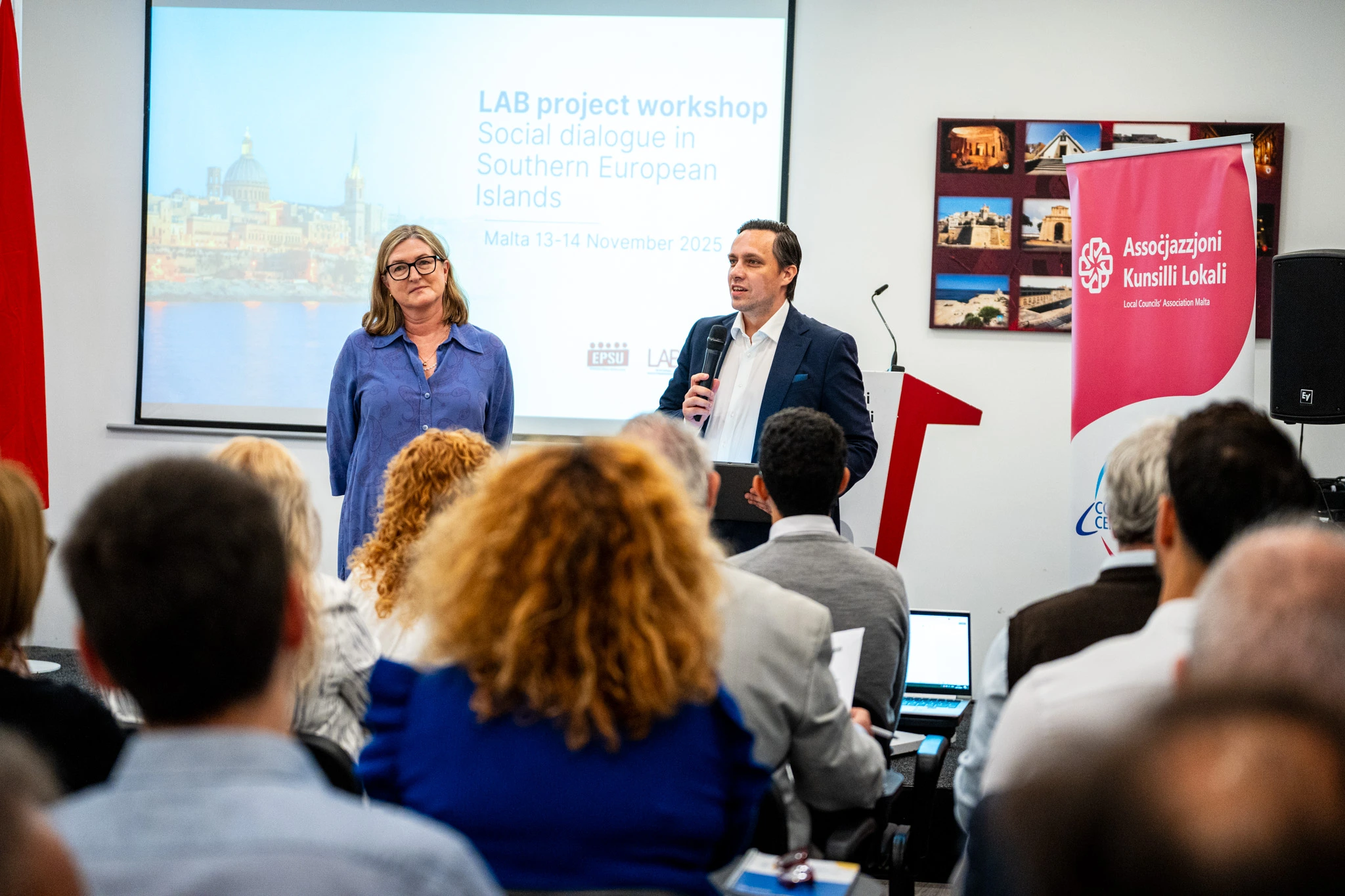
CEMR-EPSU Workshop on social dialogue in Southern European Islands


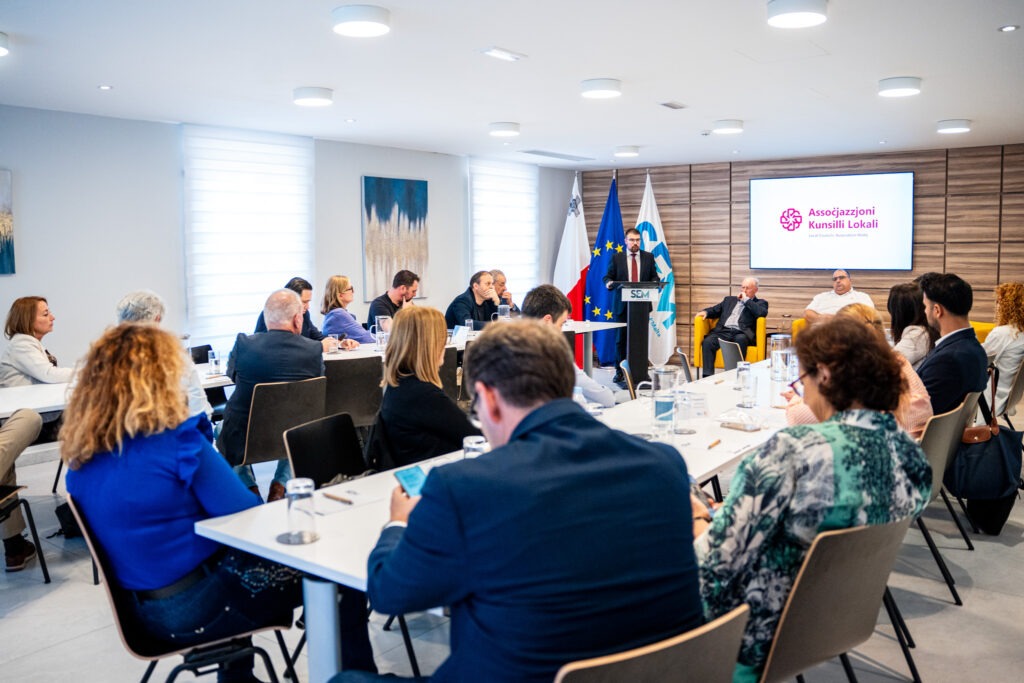
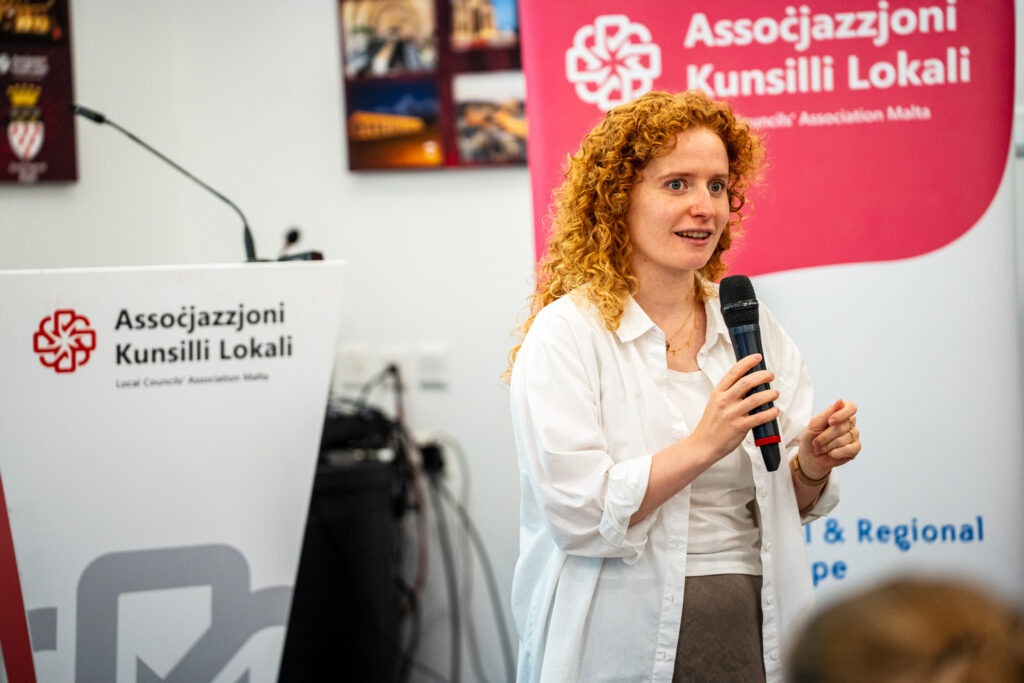
CEMR and EPSU hosted a workshop in Malta focusing on social dialogue in Southern European islands. The event brought together participants from Malta, Cyprus and Greece to discuss current challenges and opportunities for national and EU level social dialogue.

Social dialogue means all types of negotiation, consultation or exchange of information between, or among, representatives of governments, employers and workers, on issues of common interest relating to economic, employment and social policy.

The workshop included interventions by the Head of the European Commission’s Representation in Malta, Maria-Elena Despot and the Director General of the Department for Industrial and Employment Relations in Malta, Diane Vella Muscat. It also featured a meeting with the Maltese government’s representative to the Malta Council for Economic and Social Development, Rodrick Zerafa.

The workshop featured examples of best practices for social dialogue by speakers from Germany, Estonia and Sweden. These included German practices to ensure staff retention and upskilling in collective bargaining agreements to address the need for new skills arising from the green and digital transition.

A representative from the Swedish trade union TCO presented the Swedish labour market model as an example of effective social dialogue leading to industrial peace and a high level of collective agreement coverage.

In their presentation on the digital transition in Estonian local governments, the Association of Estonian Cities and Rural Municipalities highlighted that “the digital transition can become a driver for dialogue, because it affects everyone’s work”.

This workshop marks the first of three regional events organised under the LAB project, an EU-funded initiative led by CEMR and EPSU. The project aims to strengthen social dialogue across Eastern and Southeastern Europe, candidate countries and Southern European islands by equipping local and regional social partners with the tools and knowledge to engage constructively at both national and EU levels.

These regions often experience challenges to active participation in national and EU level social dialogue due to limited capacities of the social partners and underdeveloped social dialogue frameworks. Social dialogue is becoming an increasingly important tool to address not only employment and social policy, but also to find inclusive and effective solutions to other challenges, such as the green and digital transitions. 

For more information, contact:

Local, social, digital – digitalisation impact

Digital transition - News 2022

A joint CEMR–EPSU project explores how digitalisation is transforming local and regional governments across Europe and its impact on workers, services and governance 


Digital transformation is reshaping local public services across Europe, from how services are delivered to how public employees work and engage with citizens. To understand these changes and support effective responses, the Council of European Municipalities and Regions (CEMR) and the European Public Service Union (EPSU) launched a joint project: “Local, Social, Digital”, co-funded by the European Commission and implemented between 2023 and 2024. 

This initiative explored the challenges, opportunities and impact of digitalisation in local and regional governments (LRGs), with a particular focus on working conditions, skills development, social dialogue, and inclusive governance. 

At the heart of the project is a comprehensive research report prepared by an independent expert, based on desk research, interviews with national CEMR and EPSU affiliates, and key insights from international conferences and webinars held in Cagliari, Tallinn and online. 

The research revealed a wide range of digital practices and challenges across European LRGs. Digital tools are enhancing flexibility, accessibility and efficiency, but also raising important questions around workers’ rights, surveillance, data privacy, and fair access to training and upskilling. The study also found growing awareness around the gendered impact of digitalisation, particularly following the COVID-19 pandemic. 

Key themes included: 

  • Telework and hybrid work: The shift to remote working has been widely adopted, but requires clearer frameworks on rights, disconnection, and workplace safety. 
  • Digital skills and employment: There is a pressing need to train and support public employees in using digital tools, with strong involvement from both trade unions and employers. 
  • Ethics and AI: The use of Artificial Intelligence in local governance raises new ethical challenges and calls for stronger social partner dialogue. 
  • Smart cities and services: Digitalisation of public services must remain people-centred, focusing on inclusiveness, accessibility, and transparency. 

Many national and local social partners have already launched strategies, tools and agreements to manage this transformation, including practical guidelines, awareness-raising events and training programmes. 

As Europe enters its Digital Decade, local and regional governments stand at the forefront of this transformation. The “Local, Social, Digital” project reinforces the crucial role of social dialogue in managing digital change, ensuring fair working conditions, and promoting inclusive public services. 

CEMR and EPSU call for continued EU support and structured collaboration among employers, trade unions and institutions to empower local administrations in navigating digital change, sustainably, socially, and with dignity. 

Read the study here

For more information, contact: 

Social rights, local action 

Social Rights Labour - News

What are the priorities for implementing the European Pillar of Social Rights with a strong local and regional involvement? 


The Council of European Municipalities and Regions (CEMR) welcomes the European Pillar of Social Rights as a step toward strengthening fairness and equality in Europe. While supporting its ambition, CEMR stresses that the measures linked to the Pillar’s 20 principles should remain non-binding, respecting the diversity of national, regional and local competences. For local and regional governments, the Pillar should serve as a reference framework to inspire reforms, rather than impose uniform rules. 

CEMR identifies key challenges where Europe must act: rising inequality, persistent poverty, gender gaps, and labour market transitions accelerated by digitalisation and COVID-19. Municipalities and regions, as major providers of education, housing, health, social inclusion and employment services, are at the heart of delivering social rights. 

CEMR’s policy priorities include: 

  • Skills and education: investment in training, apprenticeships and digital access to avoid a “lost generation” of young people. 
  • Demographic change: integrating women, older workers, migrants, and disadvantaged groups into the labour market. 
  • Gender equality: boosting women’s participation and addressing work-life balance challenges, especially in the pandemic’s aftermath. 

At the same time, CEMR warns against excessive bureaucracy or additional reporting obligations for local authorities, calling instead for best practice exchange, benchmarks, and adequate funding. 

For the European Pillar of Social Rights to succeed, it must respect subsidiarity, strengthen social dialogue, and involve local and regional governments as essential actors. Municipalities, cities, and regions are indispensable in turning principles into concrete progress, provided they are given the flexibility, resources and recognition needed to deliver. 

Read the position paper here 

For more information, contact: