Inclusive Migration

Inclusive Migration - News 2023

How user-friendly platforms make municipalities more inclusive


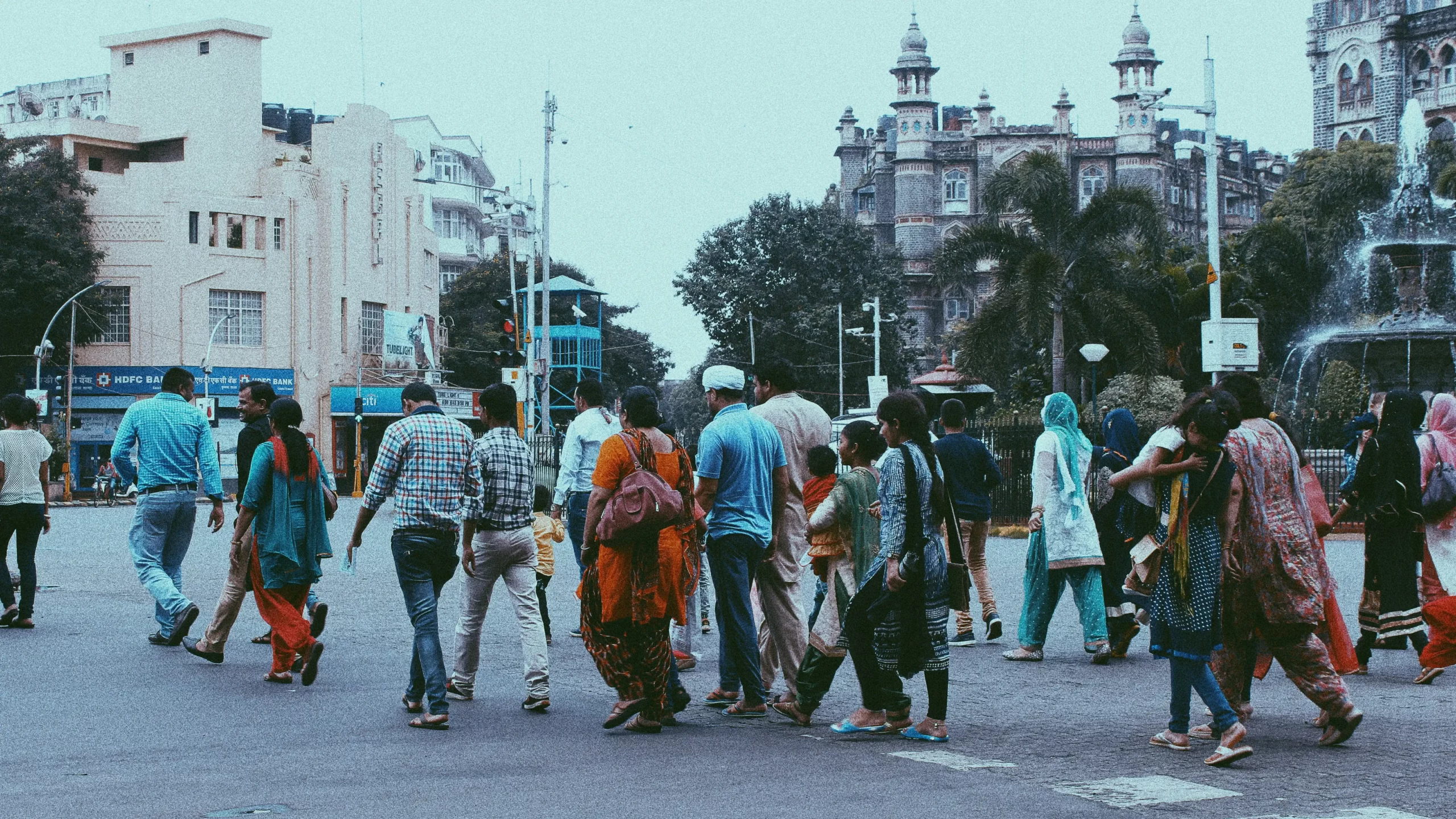
Settling down in a new country can be frightening. Especially if you don’t speak the language(s) and don’t have a supportive community to guide you. Administrative issues, different rights and duties, the local job market… Where and how do you even start?

In Schaerbeek, a municipality of the city of Brussels, newcomers found the answer to this question in the form of VIA asbl. VIA is a reception path that welcomes and supports newly arrived immigrants. This programme helps them understand how Belgian society works so that they can live independently and better participate in the social, economic and cultural life of their new home.

VIA has an online platform that offers all the information on the reception programme. In collaboration with BRULOCALIS and with the support of the IncluCities project, they have updated some features and made improvements to make it more inclusive.

First, they translated the website into eleven further languages: Farsi, Dari, Pashto, English, Arabic, Turkish, Spanish, Russian, Romanian, Portuguese and Dutch. Second, they also made it more easily readable and didactic. For example, as data shows that many migrants coming to the city cannot read, they added an audio option. They also used pictograms to illustrate the content. Finally, they created a new page with concrete, useful information and addresses. With this additional page, any newcomer has access to useful information, whether or not they decide to participate in the reception path programme. Thanks to the newly improved VIA website – the IncluCities one-stop-shop – the Schaerbeek municipality is becoming even more make inclusive and welcoming for every newcomer.

If you want to know more about this inclusive project, check out the new online platform (in French).

First Capital of Democracy

European Capital of Democracy - News 2023

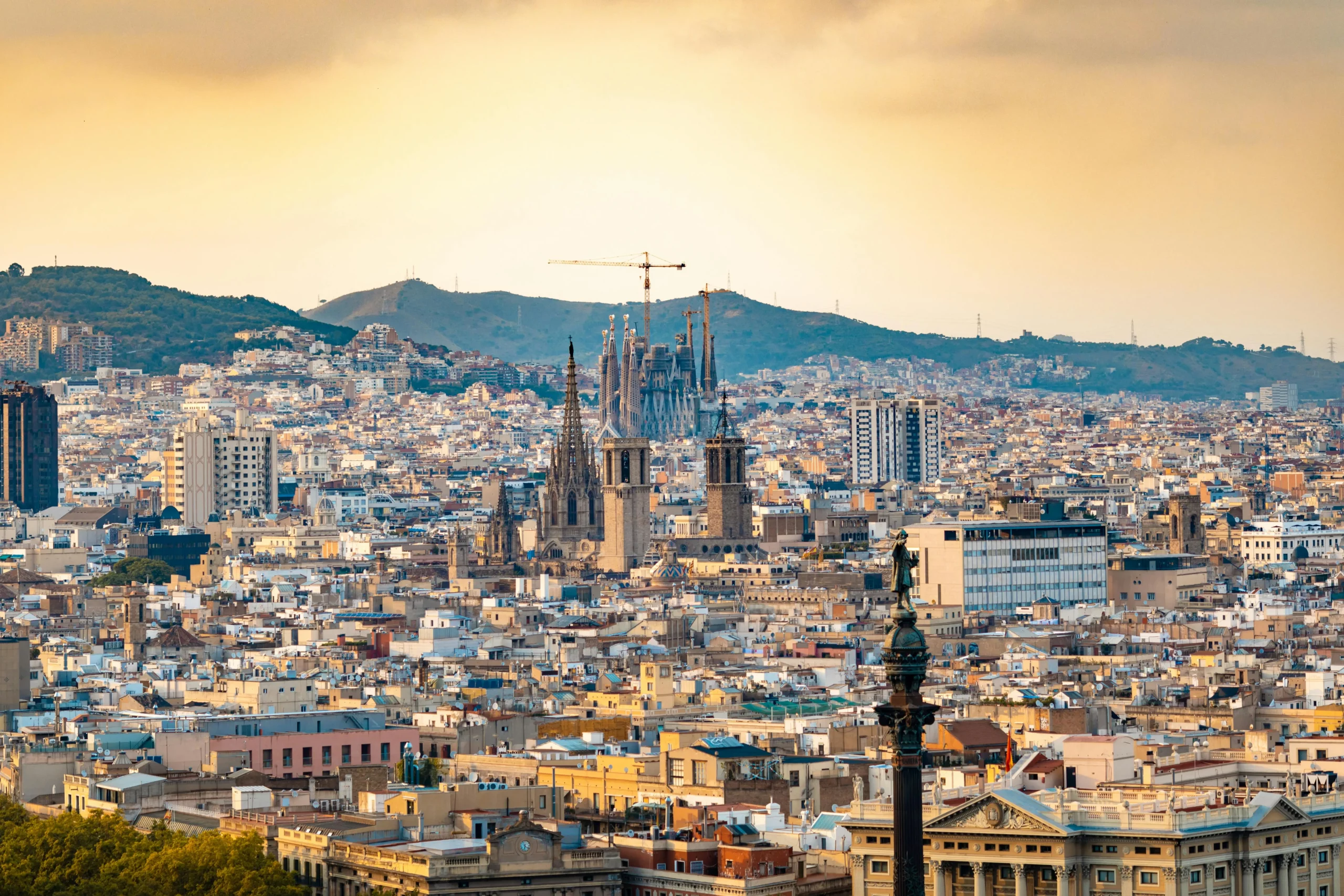
Barcelona becomes the first European Capital of Democracy


There are many awards celebrating outstanding cities. One certainly missing is the European Capital for Democracy. At the heart of the EU construction, this core value definitely deserves some stage light. That’s why in January 2023, a pan-European citizen jury designated the first ever “European Capital of Democracy”: Barcelona.

At the beginning of the year, several thousand citizen jurors from the 46 Council of Europe member states assessed a range of projects by three finalist cities, Barcelona, Braga, and Brussels. Barcelona convinced the jury with innovative projects such as Decidim, a digital citizen participation platform used by hundreds of cities around the world; and Superblock, an initiative to reclaim the city’s streets from cars.

‘Local government has always been the level of public authority closest to the people it serves,’ explains Marija Pejčinović Burić, Secretary General of the Council of Europe. ‘It is here that new ideas and democratic participation are best placed to flourish. The European Capital of Democracy not only recognises excellence but holds it up as an inspiration to others.’

From September 2023 until August 2024, Barcelona will host a Programme Year of events and activities to strengthen European democracy. Activities will be organised in cooperation with partner organisations and citizens. Visitors from all over Europe are invited to participate.

‘The City of Barcelona is proud to be the first European Capital of Democracy. In a global context where hate speech and authoritarian projects are on the rise, cities are the place where we can work together with citizens to strengthen democracy.’ says Ada Colau, Mayor of Barcelona.

Do you want to participate in the next European Capital of Democracy elections?

In February 2023, the call will open for cities to apply for the next title of European Capital of Democracy. Find out how your city can apply.

If you want to participate in the European Capital of Democracy as a citizen, register here.

Source

Paweł Adamowicz Award

City - News

Discover the 2022 Laureate of Paweł Adamowicz Award


On Friday 13th January, the municipality of Michałowo in Poland was announced as the laureate of the second edition of the Mayor Paweł Adamowicz Award. The small municipality was chosen to highlight the incredible work it did, alongside its inhabitants, to provide help to refugees on the border with Belarus and their support of freedom, solidarity, and equality.

“To win the Paweł Adamowicz Award is a great privilege and source of pride for me as the head of the municipality. […] Above all, I am proud of our local people because we were able put into practice the values that the European Union brings, indeed, that humanity brings, and really bring them to life.” stated the Mayor of Michałowo Marek Nazarko.

The award was created to promote the legacy built up by Paweł Adamowicz. He was the long-serving Mayor of the City of Gdańsk when he was murdered in January 2019 whilst carrying out his public duties and standing up for the values of freedom, solidarity and equality.

The jury also decided to give a special mention to Oleksandr Babych, Mayor of Hola Prystan in the south of Ukraine who was supported by CEMR this year, as a representative of all Ukrainian mayors who have been kidnapped or tortured since the beginning of the Russian invasion for trying to protect his local community. Mayor Babych himself has been held captive since March 2022. This special recognition is, as described by the President of the Committee of the Regions Vasco Alves Cordeiro, “a tribute to his courage and a signal of hope and solidarity for all Ukrainian mayors and citizens fighting for our European values”.

The award will be officially presented to the Mayor of Michałowo Marek Nazarko on 8th February 2023 during the plenary session of the European Committee of the Regions in Brussels.

​Renewable energy

Renewable Energy - News

Faster permitting of renewables: ‘Local governments must be fully involved at all stages!’


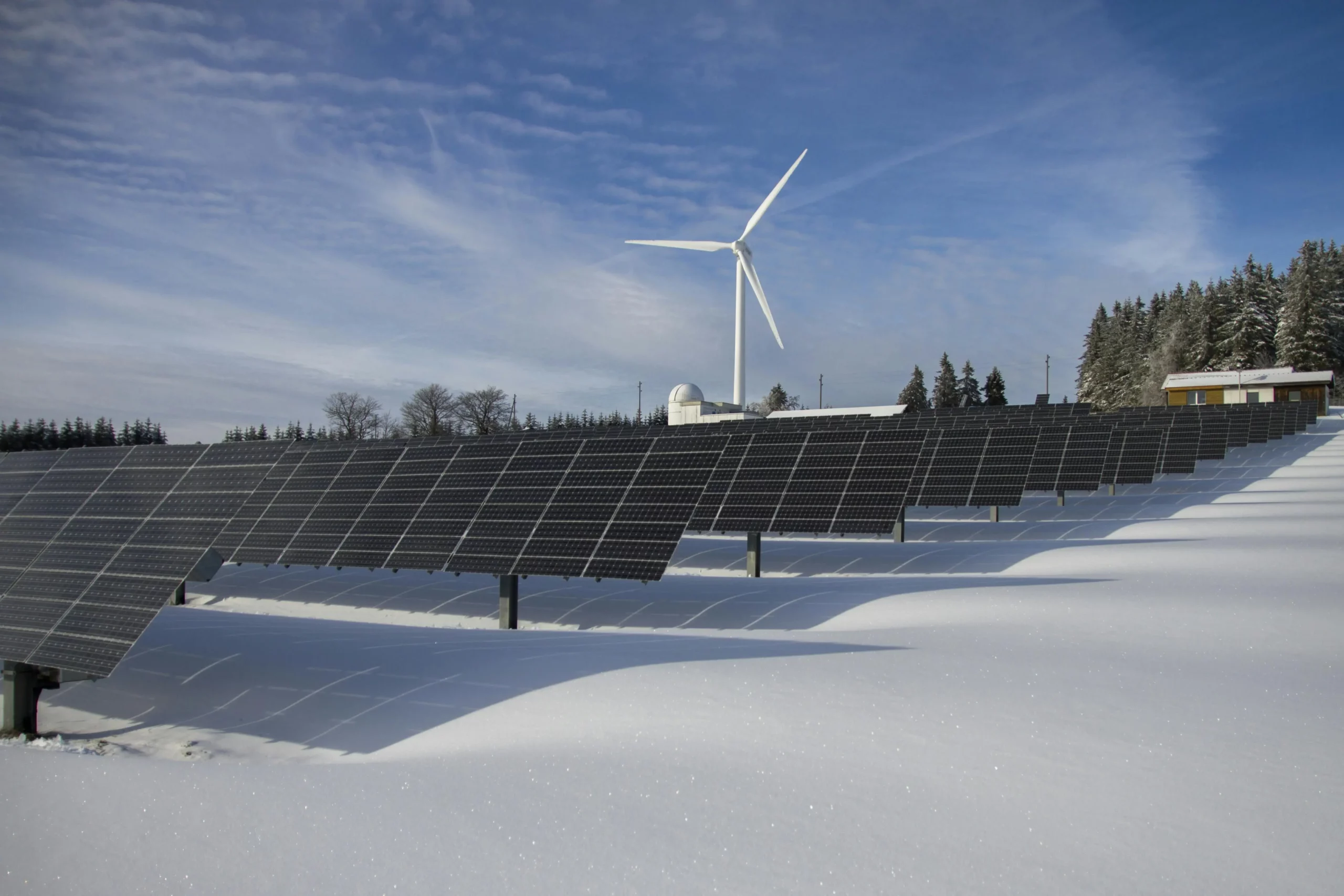
While the Council of the EU adopted a new regulation aiming at boosting the deployment of renewable energies through faster and easier permitting procedures, CEMR calls for the full involvement of municipalities and regions in this process.

CEMR values the adoption of emergency measures to speed up renewables permitting and considers local and regional governments as the driving force for achieving the objectives of the European Green Deal. It however expresses substantive reservations on a number of points.

Reacting to the EU Energy Ministers’ agreement, CEMR’s spokesperson on Climate and Energy, Belinda Gottardi highlighted the necessity to give sufficient time for the processes to find solutions that adequately balance legitimate local and national interests. 

“There is a need to fully take on board municipalities and regions in all steps of the permitting of renewable energies. In most EU Member States, local governments are the competent authorities for granting permits for many of the renewable energies and grid connections”, she pointed out. “They need to manage spatial conflicts to ensure balanced solutions with sufficient local acceptance.”

“Municipalities and regions have a wealth of valuable experience and expertise that act as a key asset in the energy transition. Bypassing them or giving inadequate time in this process could have counterproductive effects and lower citizens’ acceptance.”, she concluded. 

The regulation will now have to be interpreted within the various national contexts, with necessary alterations of the processes to respect the time limits. Clarifications will be needed, notably on how spatial planning and environmental assessments will be affected, and which power plants will be included. 

Background information

On 19 December, EU Member States agreed on the substance of a Council’s Regulation laying down a framework to accelerate the deployment of renewable energy. This regulation is part of a series of Council regulations under Art. 122 of the Treaty of the Functioning of the EU (TFEU). It addresses the “emergency nature to accelerate the permit-granting process”  for the generation of renewable energies in the ongoing energy crisis, provoked by Russia’s war against Ukraine.

The Regulation is of particular interest for CEMR given that in a lot of European countries, local and regional governments are the competent authorities for spatial planning and granting permits for the installation of solar-PV, heat pumps, wind power, other renewable power plants, and grid connections. 

Key contents of the legislation are the concept of the overriding public interest for the production of renewable energy, their grid connection, and shorter permit-granting within specified time periods. The overriding public interest enables new projects to benefit from a simplified environmental assessment under specific EU directives.

Generally, this also applies to the respective grid connections. Solar energy equipment should receive a permit no later than three months or be accepted after 1 month of “positive administrative silence” for capacity below 50 kW or 10,8 kW. Moreover, the regulation introduces a maximum of six months for the permit-granting process regarding the repowering of renewable energy power plants and their grid connection, and three months if the increase is less than 15%. Heat pumps below 50 MW benefit from a one-month deadline and from a maximum of three months for ground source heat pumps. 

Links to CEMR’s positions

Inclusive society

Inclusive society guidebook - News 2023

New handbook to guide the development of age-friendly cities


We are all getting older… Take Norway for example. By 2040, it is estimated that every third inhabitant in the county councils will be above 70 years old. As of today, 17 % of the Norwegian population is above 65 years old. This development poses several challenges for cities, counties and communities.  

That is why the Norwegian Association of Local and Regional Authorities (KS) has published a new handbook on best practices in terms of Universal design and age-friendly communities. From a flower garden to help access memories to outdoor lighting that creates a sense of security, all the initiatives participate in building a sense of safety and belonging for everyone.

Universal design is about creating good, inclusive communities where everyone can participate. By learning from each other, local and regional authorities can create better communities that are inclusive for everyone.

Over the past few years, KS has developed networks in both the area of age-friendly local communities and Universal Design. They have gained considerable insight from learning about best practices and pertinent tools. They gathered all of this information in a number of publications and videos that they made available for their network of municipalities and partners.

In the newly translated booklet on Universal design and age-friendly communities, KS presents some of the many inspiring and innovative initiatives carried out by Norwegian municipalities and county councils. The purpose is to give everyone better access to outdoor spaces, meeting places and buildings. Furthermore, the project aims to create opportunities for everybody to learn from one another so that local and regional authorities can make inclusivity a reality.

Training Academy

Enegy Transition - News

Discover the main findings


On 21 October 2022, the Council of European Municipalities and Regions (CEMR) organised a training event for elected political representatives working in climate adaptation and mitigation, with an emphasis on sustainable finance. The sessions included a keynote speech from a scientist, presentations of case studies, interactive exercises and discussions. The objective was to familiarise local and regional elected officials with the concept of sustainable finance from a scientific, regulatory and technical perspective.
 
A summary of the training work, including key concepts, speaker and panel content, and key findings, can be found here.
 
This edition of the training academy represents the seventh in the series organised by CEMR/PLATFORMA, which was initially inspired by the Urban Agenda for the EU

Generators for Ukraine

generators for Ukraine - News 2023

Call for cities and regions to provide generators for Ukraine


The European Commission and the Committee of the Regions have launched a humanitarian appeal to European cities and regions. Responding to an urgent request from the Ukrainian Government, they call on a joint effort to send energy supplies to Ukraine.

The escalation of Russian attacks on civilian infrastructures and residential buildings has deeply impacted the Ukrainian energy network. In consequence, only 70% of peak demand power can be covered, leaving millions of people without electricity and water in the middle of winter. To strengthen the humanitarian action of Member States and private donors, the Commission is now calling on European regions and cities to provide further assistance. 

Cities and regions can make donations of energy items both new and old, in particular power generators and heaters. The transport costs to the new “rescEU energy” hub in Poland are co-financed by the Union budget. For more information, donors are invited to contact the European Commission.

The European Commission has already been facilitating donations of energy equipment and fuel through the EU Civil Protection Mechanism (UCPM). So far, they have delivered over 55,000 energy items, including 775 power generators, provided by the Member States and private donors. As cities and regions join this common effort, more energy infrastructure will be preserved and restored, helping millions of people regain access to water and electricity.

Local Finances

Local Finance - News 2023

How to unleash local public investments for the green transition


As the EU struggles to find ways to pay for industry transition towards a carbon-free economy, the finances of local governments play an often-neglected role in delivering the needed investments, argues a report by the Council of European Municipalities and Regions (CEMR).

The report retraces the development of local finances over the past decade and how they can influence the ability of municipalities to finance the green transition.

For example, the report found that countries with a more decentralised structure further decentralised their public finances in the past decade, while those with more centralised public spending became even more centralised.

“Federal countries, for example, Germany, went towards more decentralisation,” CEMR’s Vincent Furlan told EURACTIV.

According to the report, this polarisation is relevant because countries with decentralised public finances tend to invest more in the green transition.

“More centralised countries have lost some margin of manoeuvre in terms of investments as a part of their total expenditure,” Furlan said. However, he stressed that this was not necessarily a causal relation between the two as the lower investment appetite of countries with more centralised public finances may be caused by other factors.

Unrelated to centralisation, Furlan stressed that “local and regional governments have a significant weight in investment expenditure”.

“Local and regional governments invest in areas determinant for the green transition.”

For example, local transport infrastructure or waste management facilities are often governed locally and can have a significant environmental impact.

However, municipalities and regions are often constrained in their ability to invest in the green transition as fiscal rules, and the lack of access to financial markets can make it hard for regional governments to undertake the necessary investments.

The issue that too-strict fiscal rules can affect investments has long been a topic of debate at the EU level. However, this debate usually focused on national rather than regional or local, finances. Then, in November this year, the European Commission announced its intention to reform the national fiscal rules and allow member states to invest more in the green transition.

Yet, the local level is often forgotten in these discussions. In a position paper, CEMR argued that the EU’s current fiscal rules constrain local finances since local government debt is included in the calculation of total national debt.

“More flexibility should be granted for local and regional governments, particularly when investing for long-term and sustainable development,” the paper reads.

However, excluding local debt from the national debt calculations could incentivise governments to reallocate their expenditure and their debts to local governments, which might give local governments more leeway to invest, but which also might undermine the effectiveness of the fiscal rules.

Another obstacle to the green investments of local and regional governments is the lack of access to financial markets. In contrast to national governments, local and regional administration cannot count on the same investor appetite for their debt issue and have more difficulty accessing funding.

And as their debt is usually considered riskier, they will also have to pay higher interest rates.

But better access to financial tools might expand the options for local governments to fund themselves. “Because local governments can make a large contribution to the green transition, granting them more access to financial instruments would be beneficial,” Furlan argued.

This article was first published on EURACTIV‘s website.

Free Meal App

Free Meal App - News 2022

A mobile app for free meals


“Young people in Türkiye try to receive education under very challenging conditions. Supporting young people is one of the most important responsibilities we bear, because we do not want our youth to be destitute of education due to the high cost of living and limited opportunities. With the ‘MealsForStudents’ application, we have implemented a project that has not been available in Turkey so far. Together, we will protect young people’s right to be young.”, stated Rıza Akpolat, Mayor of Beşiktaş.
 
To fight student poverty, the Turkish municipality Beşiktaş in cooperation with TURYID (Turkish Restaurant and Entertainment Association), developed the application Öğrenci’Ye, which translates to “Meals For Students”.
 
This one-of-a-kind mobile application is a solidarity ecosystem project launched in 2020. Students living in Beşiktaş and/or studying at the universities in Beşiktaş can all benefit from this program. They can reserve a meal, in any of the partner restaurants, through the application and get it for free.  Students are also able to be informed about the available menus of restaurants, how long the meals are reserved, and how many guests the restaurant accepts. Thousands of students have received free food since the beginning of the project.