Workshop

Workship in Israel - News 2023

A workshop for better community resilience in Israel


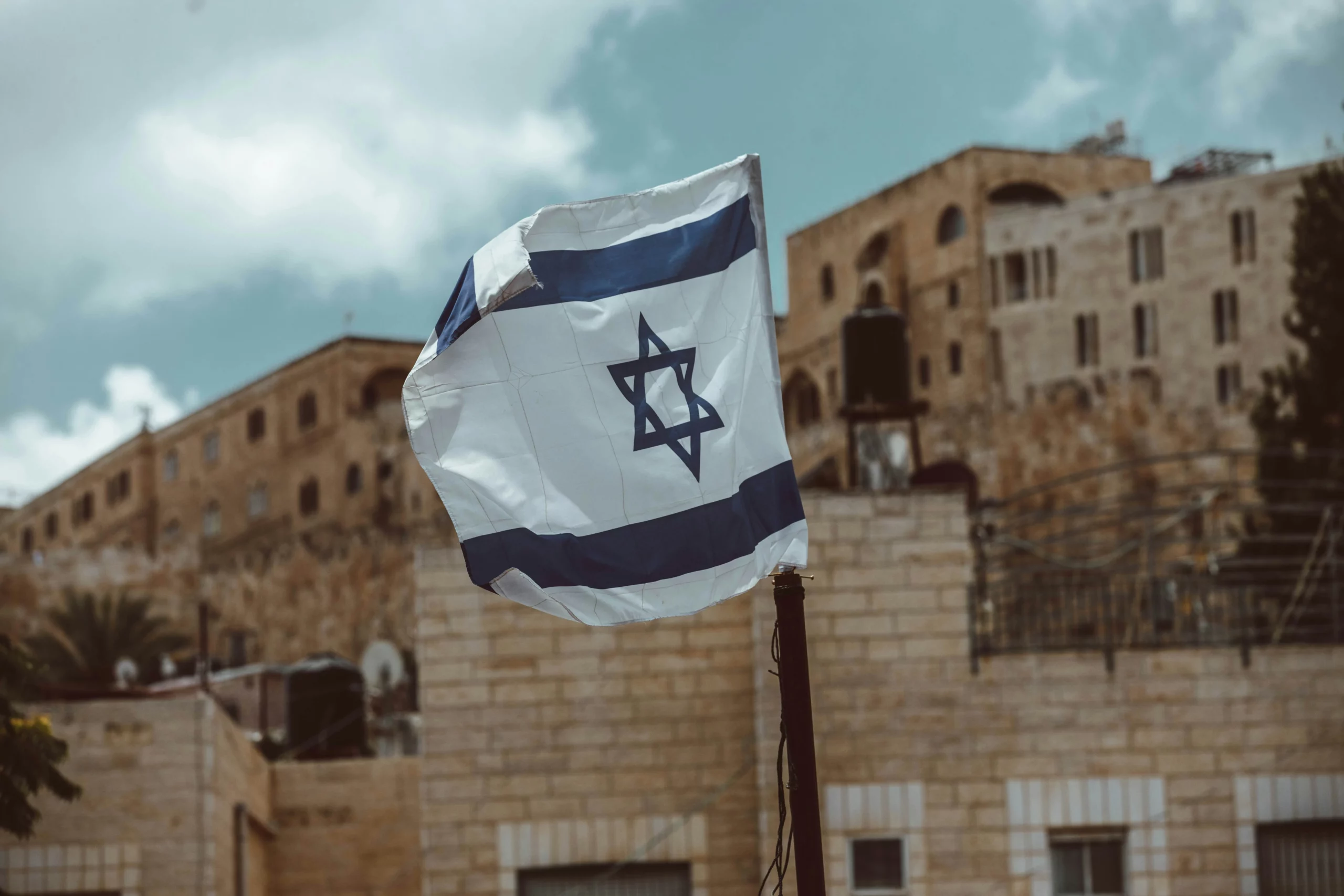
The Federation of Local Authorities in Israel will be hosting an international resilience workshop in May 2023. During three days, participants will learn about Israeli concepts and models of emergency preparedness and community resilience.
 
Individuals, families, businesses, and institutions that are prepared for tackling disasters are more likely to cope efficiently – and to recover faster. Such training reduces the risks of damage to critical infrastructure, lessens economic losses and softens the emotional impact of the catastrophe on the population.
 
Once the steps of immediate emergency response are implemented, it is up to local leadership and the municipality’s services to provide and facilitate all the necessary recovery measures. By supporting citizens and the community’s institutions, local authorities can help restore and strengthen the community’s cohesion.
 
To help communities face emergency situations better, the Federation of Local Authorities in Israel will organize an international community resilience workshop in the coastal city of Nahariya (Israel) from 17 to 19 May 2023. During the event, participants will learn about concepts and methods from experts in the fields of welfare, social work, psychology and urban security. The initiative aims to provide participants with helpful Israeli models of preparedness and resilience that have been field-tested in real emergency situations.
 
For more information on this initiative, visit the website of the Federation of Local Authorities in Israel.

European cohesion 

European cohesion - News 2023

Promoting European cohesion at the local level: The Emperor Maximilian Prize Application is calling Young Europeans


The Emperor Maximilian Prize celebrates outstanding achievements from all sectors in the field of European cohesion. This year’s edition focuses on youth, beacon projects that inspire young people to shape their own future. Candidates for the 2023 edition are invited to submit their application by 20 April.

The Emperor Maximilian Prize is open to citizens from the 27 member countries of the EU and/or the 46 member countries of the Council of Europe. Their initiatives should contribute to strengthening European cohesion and implement local best practices that are transferable to other communities. Candidates are invited to submit their project by 20 April 2023 on the online platform.

The jury is composed of representatives from five institutions, among which the Council of European Municipalities and Regions (CEMR). Fabrizio Rossi, the Secretary General of the Council of European Municipalities and Regions commented: “We are honoured to have been a part of this event since 1999 as it is both a celebration and a reinforcement of endeavours towards a deeper European integration”.

During the month of May, the jury will convene to assess the submitted projects and initiatives, on the basis of various criteria, including sustainability, creativity and visibility.

The winning project will receive the Emperor Maximilian Prize during a prestigious ceremony taking place in the city of Innsbruck in November. Winners will be awarded a cash prize worth €10,000 as a financial contribution to their exceptional initiative, a certificate, and a medallion of Emperor Maximilian I from 1509.
For more information on eligibility and selection criteria, consult the official “Guide for Applicants”.

About the Prize

The Emperor Maximilian Prize is a biannual European award. It was created in 1997 by the City of Innsbruck and the Region of the Tyrol in honour of the long-time mayor of Innsbruck, Alois Lugger. The prize aims to reward regional and local initiatives that embody the European unification process as outstanding examples of solidarity and sustainable efforts.

In 2021, the “#EuropagegenCovid19 / #EUmythbusters” project, which fought against disinformation about Covid with humorous and educational online content, was awarded for its contribution to European integration.

The 2023 edition’s expert jury will consist of representatives from the City of Innsbruck, the Region of the Tyrol, the University of Innsbruck, the European Committee of the Regions, the Congress of Local and Regional Authorities, the Assembly of European Regions, and the Council of European Municipalities and Regions.

Contact info

+43 512 5360 2357
kaisermaximilianpreis@innsbruck.gv.at

Cohesion Alliance

Cohesion Alliance - News 2023

Only a strong Cohesion Policy can ensure a united and fairer future to the EU


​The new #CohesionAlliance gets into gear to shape the future of the main investment policy of the EU.

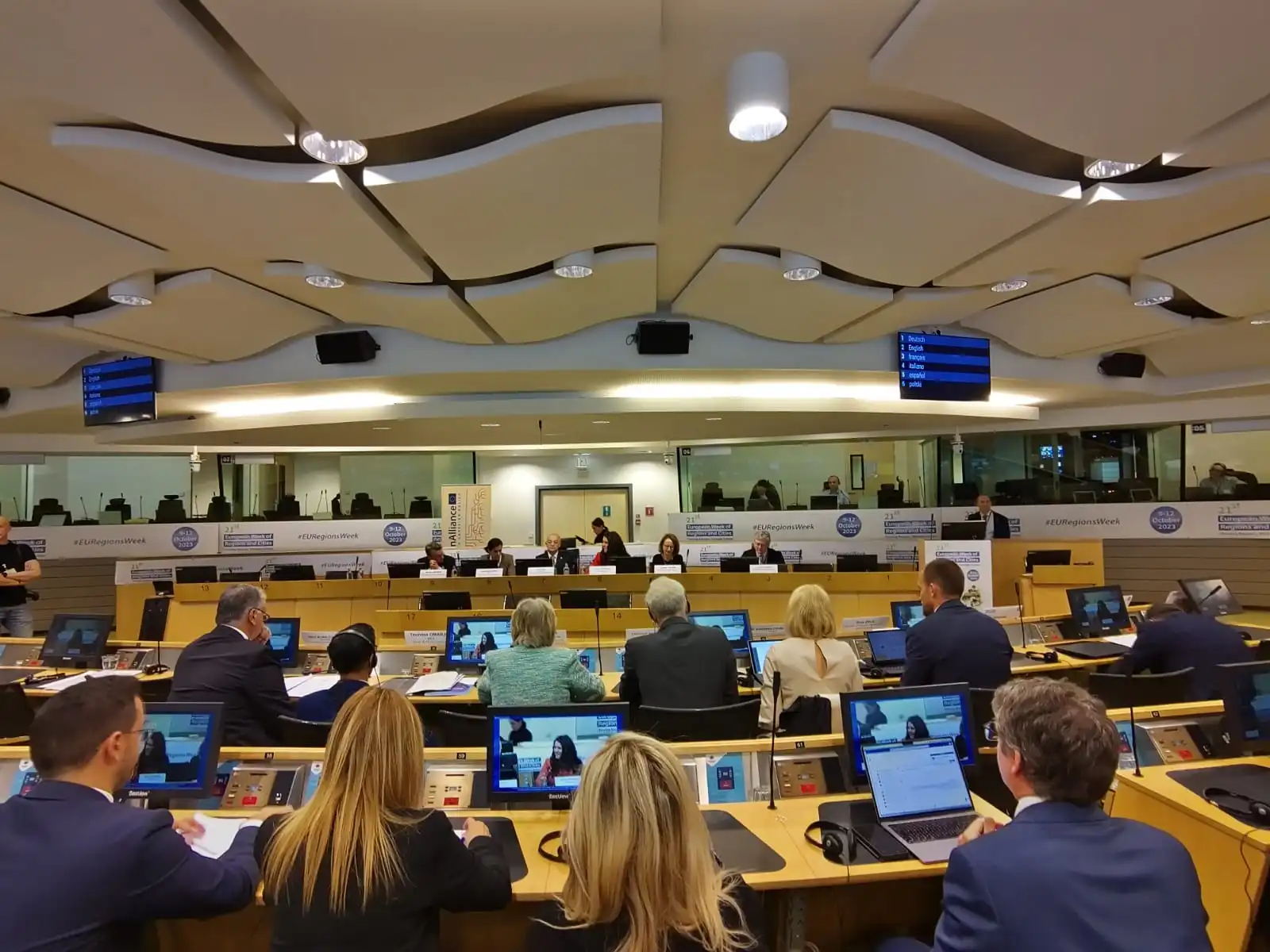
The key challenges and future objectives of Cohesion Policy were the main focus of the high-level event organised by the #CohesionAlliance on 16 March. The EU-wide coalition of 12,000 signatories advocating for a stronger Cohesion Policy launched two calls addressed to European local and regional authorities to collect their feedback on the future role and design of cohesion policy, and to showcase the unique role of this policy in supporting cities’ and regions’ development in every corner of Europe. 

The #CohesionAlliance is a joint movement of like-minded representatives cities and regions and their associations, and of social partners and civic society representatives that advocate cohesion as a fundamental value of the EU and plead for a strong Cohesion Policy beyond 2027. After the successful campaign to secure a central role for Cohesion Policy in the 2021-27 EU long-term budget – which brought together more than 12,000 signatories, 140 regions, 137 cities and counties, 50 associations of regional and local governments, many Members of the European Parliament and 35 EU sectoral associations – the #CohesionAlliance is now ready for a new challenge.

Today’s event kicks off the reflection process of the new Cohesion Alliance on the future of Cohesion Policy, which will bring together key stakeholders, regional and local representatives, EU and national institutions, in order to make the policy stronger, simpler, more effective and result-oriented now and in the future.

Vasco Alves Cordeiro, President of the European Committee of the Regions (CoR), stated: ” If we break Cohesion Policy, we may still have a European Union, but it will not move forward the same way. The objectives of Cohesion Policy are always territorial, economic and social cohesion, but the context has changed. When we talk about migration and integration of refugees, or about energy transition, just to name two challenges, it is always cohesion that is at stake. We need to adapt Cohesion Policy and update it, but it is very important to not become hostage of the discussion about money only. The question should always be what kind of solution we want to face the challenges in front of us. Cohesion Policy is the answer. I invite you all to join the Cohesion Alliance, because this is about what kind of Europe we want in the future .”

Younous Omarjee, Chair of the European Parliament’s Committee for regional development, said: ” Cohesion Policy is a cornerstone policy of the European Union, it brings Europe together. The new generation of funds is meant to help regions to achieve the green and digital transition, and to reduce development gaps in the EU. For the future, we want to strengthen this policy to face the major challenges: energy and industrial sovereignty, adaptation to climate change, demographic crisis .”

Elisa Ferreira, EU Commissioner for Cohesion and Reforms, addressed the #CohesionAlliance partners via a video message: ” We have now started the reflection on the future of Cohesion Policy and we are carrying out a deepened discussion on the achievements and the way forward. I count on the Cohesion Alliance to make a substantial contribution to this important discourse, as well as on activating the communities that they represent to speak up! We have to spread the word on the successes of the Policy, the empowerment that it brought to EU regions and municipalities and to the transformations possible thanks to Cohesion Policy investments. Let’s discuss what and how could be improved, as we are entering this new period 2021-2027, and looking beyond, so that the Policy remains the powerful pull holding Europe together and reminding us of a joint destiny! ” she said.

Emil Boc, Chair of the CoR’s Commission for Territorial Cohesion Policy and Budget ( COTER ) and Mayor of Cluj-Napoca (RO) said: ” With today’s meeting we have launched a reflection process of the Cohesion Alliance that will continue throughout the year and that will enable us to position the Alliance on the question of how Cohesion Policy should be shaped in the future. However, it is also crucial that this reflection process is as inclusive as possible and that all of those who are interested in a future with a strong and effective Cohesion Policy for all regions have a possibility to provide us with their input .”

Karl-Heinz Lambertz, President of the Association of European Border Regions ( AEBR ) and member of the Parliament of the German-speaking Community in Belgium, said: ” Cohesion Policy improves the development of all territories, including particularly those handicapped due to their location and other circumstances. It facilitates their cooperation adding an enormous value in terms of functionality. Without Cohesion and cooperation, the disadvantages of these territories would only grow and consolidate .”

Adrián Ariel Zittelli Ferrari, Conference of Peripheral Maritime Regions ( CPMR) political representative, Director-General for European Union Affairs for the Region of Murcia, said: ” Many of Europe’s current and upcoming challenges are linked to territorial circumstances on the ground, and vary from region to region. Cohesion policy should offer opportunities and support to all citizens regardless of their location, and help them fully participate in European development and the single market. Therefore, Cohesion Policy should be maintained as the main investment policy for all regions in the EU . “

The European Committee of the Regions has started its political debate on the matter and appointed President Cordeiro and the Chair of the COTER Commission Boc as co-rapporteurs of an opinion on the future of cohesion policy after 2027.


More info:

The #CohesionAlliance launched two calls for contribution targeting local and regional authorities in Europe:

  • a broad consultation to receive feedback on the future role and design of cohesion policy. Respondents can access the consultation and send their contribution here.
  • a call for Cohesion Local Stories to showcasing how cohesion policy has a unique role to support cities’ and regions’ development. Respondents can send their contributions via this link. The stories will be then used for the campaign and published on the Cohesion Alliance’s website.


If you want to stay up to date with all the activities of the #CohesionAlliance and the latest development on cohesion policy, you can sign up to receive the new #CohesionAlliance newsletter here.

Contact:

CohesionAlliance@cor.europa.eu

Pink boxes in Poland

Pink boxes - News 2023

Poland initative to help women access menstrual products


Access to menstrual products is still a marker of inequality in the sense that it still remains limited for certain women. This is why the Polish city of Rzeszow, a member of the Association of Polish Cities (ZMP), joined a national project: the “Pink Box” initiative.

These boxes have been used for several years in other Polish municipalities, such as Sopot and Łódź. They are usually found in libraries, parks, public transportation centers or schools; Currently, 43 schools in Rzeszow have implemented them. The pink boxes contain several types and sizes of sanitary products, from wipes to tampons to sanitary napkins. They also contain information on menstrual health and hygiene.

These boxes can be restocked by institutions or private sponsors, in accordance with the project principle: take some if you need it, leave some if you have too much.

Period poverty is a significant problem in Poland. According to a report by the Kulczyk Foundation, almost half a million people in Poland cannot afford sanitary products. In addition, 21% of students are forced to leave school due to lack of products, while 10% of them do not leave their homes during their period.

“That’s why I decided to introduce pink boxes in Rzeszów,” explained Konrad Fijołek, the mayor of Rzeszów. The pink boxes are a positive step in supporting the health and well-being of women in Rzeszów. They show that small community initiatives can have a big impact on people’s lives for minimal cost: the budget for the pink boxes is less than 600 euros.

Inclusive society 

Inclusive society - News 2023

A One-Stop-Shop for newcomers in Mechelen fosters inclusion


Twenty years ago, Mechelen suffered from one of the highest criminality rates in Belgium. Polarisation and deprivation were skyrocketing. Many middle-class families had no choice but to leave. However, little by little, as local authorities implemented inclusion policies, the situation started to evolve. Nowadays, the city is a vibrant symbol of inclusivity, with over 130 nationalities living in harmony. Innovative integration programmes are still being created, implemented and constantly improved. The “Welcome application” is one of them.

When the local authorities of Mechelen reviewed their tools supporting integration processes, they realised that people tend to use their smartphones more often, especially as they are on the move. It was then necessary to display information on a mobile-friendly platform. The Mechelen’s “Welcome App” was born.

With this smartphone app, newcomers can quickly find information about leisure, healthcare, housing, learning and social life in Mechelen. The information is provided in 9 different languages: Arabic, Dutch, English, French, Turkish, Ukrainian, Romanian, Russian, and Spanish. The app also displays a calendar with activities and a dictionary in which complicated words are explained. The app can easily be downloaded on the official website of the city of Mechelen.

With the support of the IncluCities project, the city identified an important issue that can affect the effectiveness of an app: outdated data. Indeed, as mobile apps can be tricky to manage, they sometimes tend to not be updated at all. Unfortunately, outdated information renders an app useless. Furthermore, adding new information manually is very time-consuming. These issues were resolved by developing an algorithm that simplifies the app updating process. As the city’s employees upload new information on a spreadsheet, it is automatically added to the app. Thus, the information on the mobile App will always be up-to-date, coherent and available in all languages.

To download the app, go to Mechelen’s official website.

EU Energy Performance

EU Energy Performance - News 2023

Buildings directive: a huge deal for local governments


When the European Commission published its proposal for a recast of the EU Energy Performance of Buildings Directive more than a year ago, few anticipated the scope and breadth of its revamp on citizens and local governments.

Now that the directive has been endorsed by the European Parliament, what can we expect from it? And what impact will it have on local governments? We’ve looked into these questions of major importance to municipalities, cities and regions.

The European Green Deal moving forward

The revision of the directive – also known as the EPBD – takes place in the context of the ‘European Green Deal’, which aims to put the EU firmly on the path towards climate neutrality by 2050.

To this end, in 2021, the von der Leyen Commission put on the table its so-called ‘Fit for 55’ package, a mammoth law package of energy and climate laws aimed at reducing net greenhouse gas emissions by at least 55% by 2030.

It is against this backdrop that the European Commission decided to revise upwards the Union’s energy performance of buildings targets. As stated by the Commission, buildings in the EU are responsible for 40% of our energy consumption and 36% of greenhouse gas emissions. And almost 75% of the building stock is energy inefficient… The renovation awaiting it is immense given the millions of old buildings across Europe.

The transition to zero-emissions buildings

The introduction of the ‘zero-emission building’ (ZEB) definition in the revised EPBD is of key importance, as it refers to the new ‘A’ energy performance class. From 2028 onwards, all new buildings will have to be zero emission. According to the adopted text, new buildings must achieve the highest level of energy performance, thanks to moderate consumption and heating powered by decarbonised energy.

CEMR believes that, while it is important to focus on the energy performance of buildings, reconfiguring the whole energy system is also needed for a net zero future.

Minimum energy performance standards

According to the text, public buildings will have to achieve at least energy performance class E by 2027, and D by 2030 (Commission proposed F and E). In addition, all new buildings occupied, operated or owned by public authorities should be zero-emission from 2026.

This is a big blow for local and regional governments who will now have to renovate in droves. CEMR considers these targets too ambitious and unrealistic, even for the most advanced municipalities and regions.

While increasing the rate of renovations of energy-inefficient buildings is essential, CEMR believes it is unlikely that all class “E”, “F” and “G” buildings will be renovated by 2030.

All measures needed to achieve these targets will be established by each Member State in national renovation plans. To take into account EU countries’ diverse building stocks, the letter G will correspond to the 15% worst-performing buildings in the national stock.

For CEMR, this proposal is questionable since the EU’s energy efficiency classification system is made regardless of the initial situation concerning the quality of the buildings. In the Nordic countries, for example, a large proportion of the building stock scores high on the EU’s energy efficiency scale due to the climatic conditions.

However, in light of the heated exchanges taking place in EU capitals, it is not clear whether the minimum energy performance standards will survive mounting opposition from the Member States.

The ‘neighbourhood’ approach

The ‘neighbourhood’ approach, as opposed to individual buildings, is only mentioned twice in the proposal and therefore falls far short of its potential. This novel approach to buildings sees them as part of a broader neighbourhood rather than isolated units. By doing so, substantial economies of scale can be generated.

In CEMR’s view, the ‘neighbourhood’ approach should be reinforced in the legislation. CEMR however welcomes the possibility for Member States to grant regional and local authorities the possibility to identify “neighbourhoods” for the implementation of integrated renovation programmes.

Next steps

While the Parliament adopted its position by 343 votes to 216, with 78 abstentions, MEPs will now enter into negotiations with the Council to agree on the final shape of the bill.

CEMR will keep on monitoring developments, exchanging with its members and engaging with the EU institutions to ensure a smooth implementation of the directive on the ground. While in the short term, considerable resources will be required, in the medium and long term, the energy performance of buildings will greatly reduce energy bills.

International Women’s Day

International Women's Day - News 2023

International Women’s Day: Let’s talk about human rights!


Dr. Claudia Schöning-Kalender, Member of the SPD-parliamentary group in Mannheim City Council (Germany) and chair of the CEMR Standing Committee for Equality calls on EU institutions to “effectively translate words into action” on gender equality.

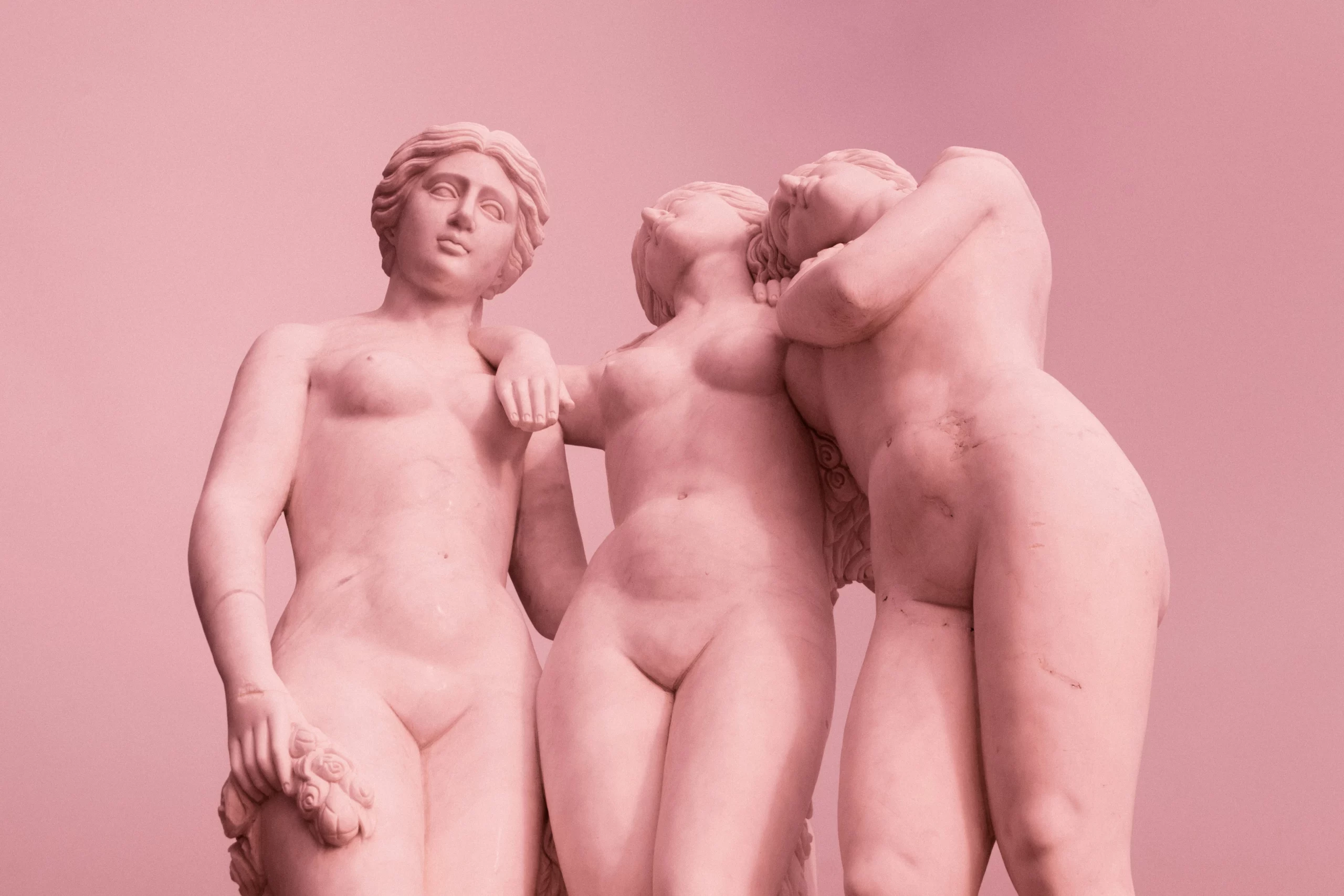
Women feature prominently in Greek mythology as heroines, goddesses, and warriors. The reality for them in ancient Greece was that they had few rights and were largely deprived of political voice and agency. This incongruity doesn’t prevent ancient Athens from being frequently cited as the cradle of democratic societies despite the lack of equal rights and representation for half of its people. Throughout history, women have been considered as second-class citizens and even denied their humanity.

Times have changed since Ancient Greece, but it would be mistaken to think that development for the better is straightforward or linear. Europe has been through terrible wars and progress is frequently punctuated by setbacks in social and political life. This is sadly true for women’s rights as well.

In the course of history, we also witness that there is no unique development in all nation-states. Have a look at Switzerland: towards the end of the 19th century, it was the country where ambitious women went to study and obtain university degrees. Despite being a safe haven for women searching to gain knowledge, women’s full suffrage was granted in Switzerland only in 1971. That is almost 80 years after New Zealand, 65 years after Finland and 50 years after many current EU Member States.

Looking at history helps to understand that the development of women’s rights in our European countries doesn’t follow a simple logic of always getting better in terms of more acceptance and more equal rights. It happens in some fields and it doesn’t in others. And this is not only true when looking at Switzerland’s history, it goes for all European countries.

We have come a long and successful way in many countries in terms of equal rights for men and women in Europe, including political rights. But it is only quite recently that the disparity between women and men in decision-making has come to be viewed as a challenge to democracy. At the close of the UN’s first world conference on women in Mexico in 1975, a then-adopted action plan stated that the increased and equal participation of women at all levels of decision-making would speed up development and foster peace.

It took the international community another 20 years to assert the fact that women’s rights were an integral part of human rights and to promote specific actions accordingly to ensure respect for these rights. That was done in 1995 at the 4th World Conference on women held in Beijing.

Two decades later, UN Member States committed to Sustainable Development Goal 5 “Achieve gender equality and empower all women and girls”, a dedicated objective among the 17 SDGs to be achieved by 2030, as well as a cross-cutting thread underpinning all these Global Goals.

Equality at risk

Unfortunately, challenges and catastrophes put equality and human rights at risk. In situations of disaster and war, such as the current war in Ukraine or the recent devastating earthquakes in Syria and Turkey, the burden of keeping life going on overwhelmingly falls on women. It is mainly them who protect and feed their families, serving their communities. How is it then that they are so easily overlooked, abandoned and abused, in such circumstances?

Added to the exploitation and sexual violence perpetrated against women in crisis and conflict situations, there is an astounding lack of awareness of their hygienic, reproductive and childcare needs. To address these challenges effectively and sustainably, it is imperative that women’s voices are heard and that women have an equal seat at the table. It is they who know what the stakes are and who can chart the proper course towards safety, peace and prosperity. That is not to say that the burden of righting the world’s wrongs is upon the shoulders of women, but that we cannot continue as we have for so long, neglecting the experience, expertise and potential of 50% of the population.

My question is: how can it be that in the European Union where nine in ten people think that promoting gender equality is important to ensure a fair and democratic society (Special Eurobarometer 465, 2017), it is not more effectively translated into action?

As local elected officials, we call for the swift adoption of the current proposal for a Directive combatting gender-based violence, decisive for European women, but also for the ones fleeing wars and disasters and finding refuge in our municipalities. We also count on MEPs to embrace these issues in their upcoming innovative humanitarian aid strategy, following the new Chapter 39 of the CEMR European Charter for Equality of women and men in local life.

As countless news articles show and we, as citizens, witness, it doesn’t matter if a woman is rich or poor, lesbian or straight, non-disabled or disabled, young or old, cisgender or trans, just being seen as or perceived as a woman exposes one to discrimination or be treated as less than human. Putting this to an end is a foremost duty of European governments and civil society organisations that refer to any democratic traditions in Europe. Athena or Aphrodite may maybe part of a fabled past, but all over the globe, their battles are not a myth.

This article was first published on Euractiv.