Soil Health

Negotiations are underway on the adoption of a Soil health directive


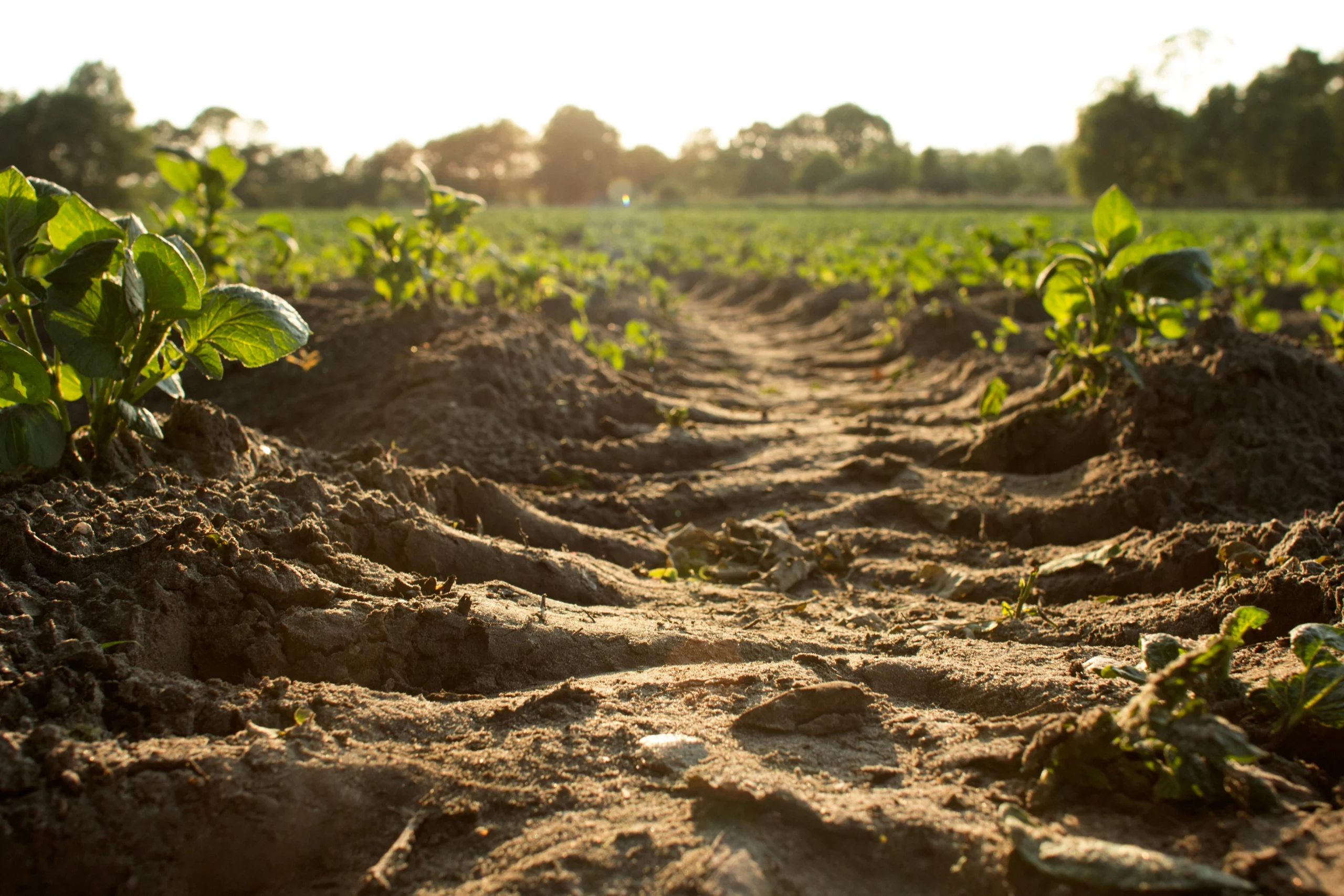
In a continent where over 60% of soils are estimated unhealthy, it is today imperative to address soil degradation. Scientific evidence underscores the alarming trend of soil deterioration, driven by unsustainable land management practices, contamination, and the intensifying impacts of climate change. This degradation not only jeopardizes essential ecosystem services but also carries a significant economic burden, with the European Commission estimating an annual cost of at least 50 billion euros to the EU. 

Soil monitoring, already practised in several EU Member States, often involves the engagement of regions and municipalities. Public authorities frequently hold ownership of land, and they are directly impacted by soil health issues. Consequently, they play a crucial role in monitoring and managing land health within their jurisdictions. 

In July 2022, the European Commission unveiled its proposal for a Directive on Soil Monitoring and Resilience, aiming to achieve healthy soils across Europe by 2050. The directive includes three main elements: 

  • A Comprehensive Monitoring Framework covering all soils within the EU, helping Member States to undertake measures for regenerating degraded soils. 
  • Promotion of Sustainable Soil Management: Member States will define sustainable soil management practices while limiting activities that contribute to soil degradation.
  • Identification and Remediation of Contaminated Site: Member States are asked to identify potentially contaminated sites, conduct investigations, and mitigate risks to human health and the environment.  

CEMR welcomes the legislative proposal of the Commission which rightly balances ambition and feasibility for Member States. We put forward six key messages for the European Parliament and Council negotiations:  

  1. Emphasis on Monitoring: CEMR welcomes the directive’s primary focus on soil monitoring and advocates for establishing a practical monitoring framework to improve soil health.
  2. Involvement of Local and Regional Governments: CEMR underscores the importance of involving subnational authorities in the implementation of the Soil Monitoring Law, ensuring collaboration within existing national frameworks without imposing undue administrative burdens. 
  3. Flexible Implementation Framework: Prioritising flexibility at the national level is paramount to accommodate local variations and ensure effective adaptation across different Member States.
  4. Support for Risk-Based Approach: CEMR endorses the adoption of a risk-based approach, emphasising considerations such as land use in monitoring frameworks and remediation efforts. 
  5. A realistic approach to land take mitigation: CEMR advocates for establishing a compensation mechanism at an aggregated level to address the impacts of land take, tailored to local and regional specificities. 
  6. Strengthening the Polluter Pays Principle: To prevent soil pollution and achieve healthy soils by 2050, CEMR emphasizes the importance of setting pollution prevention standards alongside monitoring and remediation efforts. 

What are the next steps?
Following the publication of the legislative proposal by the Commission last year, significant strides have been made in advancing the Soil Monitoring Law. The proposal is broadly supported, notably with its adoption by the Committee on Environment, Public Health and Food Safety (ENVI) on 11 March 23. The rapporteur, MEP Martin Hojsík’s strongly contributed to include the views of local and regional authorities in the draft report. As discussions continue, we call MEPs to support the upcoming adoption of the draft report in plenary on April 10.  

Trilogue negotiations will resume post-EU elections, contingent upon the Council’s adoption of a general approach. 

RRF Event 

CEMR Hosts High-Level Panel Debate on “Pathways to Resilience: Local and Regional Perspectives on the Recovery and Resilience Facility”


A new CoR-CEMR consultation shows that the territorial allocation of funds from the Recovery and Resilience Facility is widely perceived as unbalanced on the ground.

The Council of European Municipalities and Regions (CEMR) is pleased to announce an upcoming in-person panel debate titled “Pathways to Resilience: Local and Regional Perspectives on the Recovery and Resilience Facility (RRF)”, scheduled for 16th April, from 9:30 AM to 12:15 PM. The event will be held at CEMR’s Secretariat in Square de Meeûs, Brussels.

In light of the upcoming Committee of the Regions Plenary on 17th and 18th April in Brussels, CEMR extends a warm welcome to elected members to register for the event.

The debate will allow to go beyond the narrative of the RRF’s milestones and targets and assess the impact of the programme at the local and regional levels. Lessons learned will be shared during the panel, as we discuss its potential to shape future EU investment programmes, particularly future Cohesion Policy initiatives.

Distinguished speakers confirmed for the event include:

  • Kamila Bláhová, Vice-President for European Affairs, SMOCR (CZ)
  • Maria Teresa Fernandez, Director at DG RECOVER of the European Commission
  • Monika Hohlmeier, Chair of the Budgetary Control Committee (CONT), European Parliament
  • Ivana Maletic, Croatian Member of the European Court of Auditors
  • Christophe Rouillon, CoR Member, rapporteur on the CoR’s draft opinion on the mid-term report on the RRF’s implementation

CEMR anticipates robust participation in this high-level event and encourages stakeholders to contribute actively.

Secretaries General and Directors Meeting

SGD Meeting - News 2024 2

CEMR Members’ Associations Meet in Nicosia, Cyprus for Secretaries General and Directors Meeting


CEMR Secretaries General and Directors (SGDs) will convene in Nicosia, Cyprus, on 23-24 April 2024. The Union of Cyprus Municipalities will host the gathering.

The agenda of the meeting will be followed by two days of intensive roundtable discussions covering CEMR’s statutory events and international relations, along with the presentation of new CEMR activities and projects for 2024.

The biannual SGDs meetings bring together Secretaries General and Directors of CEMR members, fostering a sense of unity and collaboration across European local and regional governance.

Discussion on CEMR’s activities in 2023, the EU Green Deal and the key messages as well as the findings of the project Women in Politics and many other topics will be addressed during this meeting.

Cohesion Alliance – Joint Call

The Cohesion Alliance Join Forces in Launching Joint Call: “A Renewed Cohesion Policy Post-2027 That Leaves No One Behind”


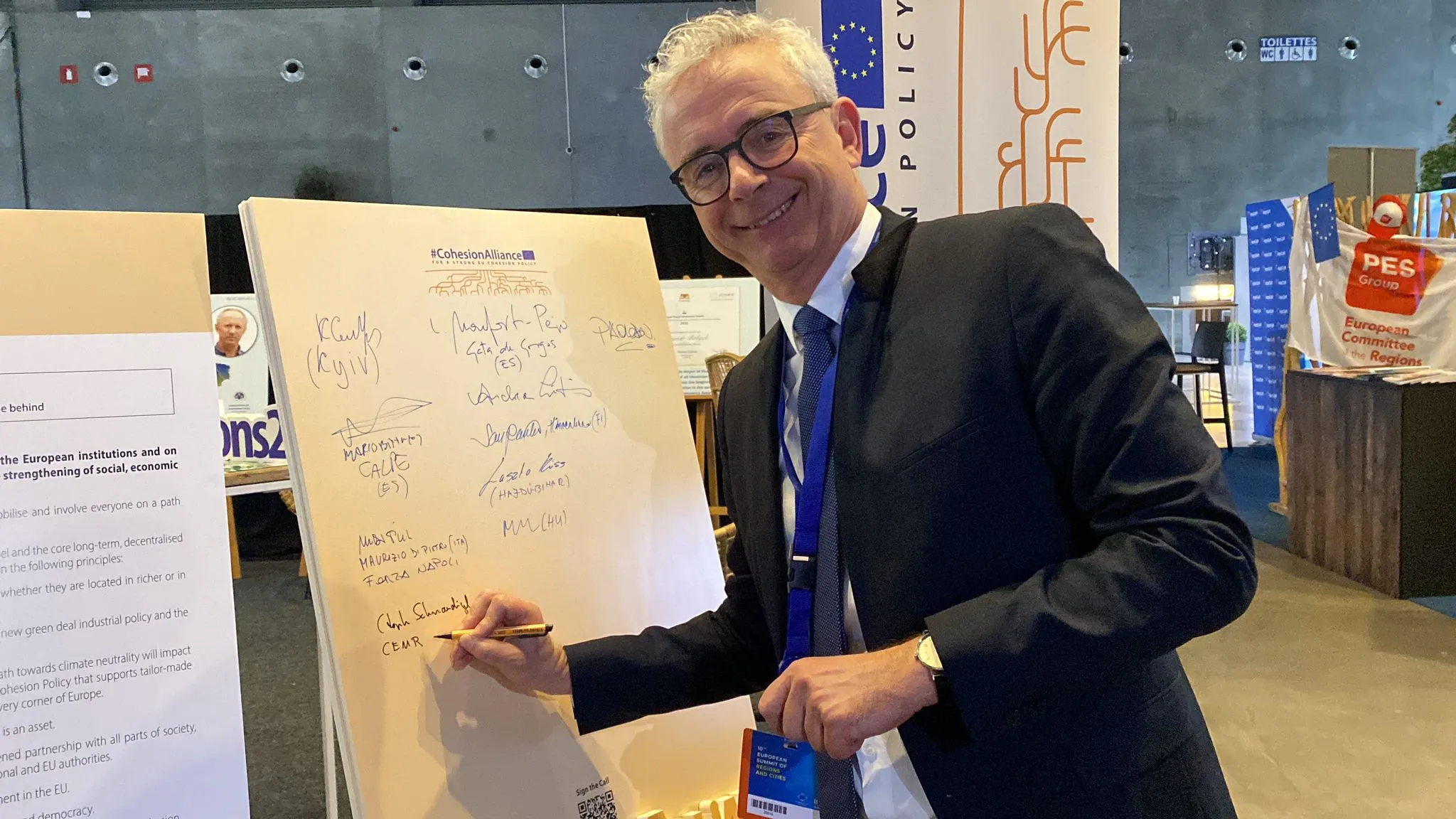
The Council of European Municipalities and Regions (CEMR) is proud to announce the launch of the Joint Call of the Cohesion Alliance, “A Renewed Cohesion Policy Post-2027 That Leaves No One Behind.” This Declaration brings together elected representatives of regions and cities across Europe to advocate for a comprehensive EU agenda that prioritises social, economic, and territorial cohesion.

In a united effort, CEMR, the Committee of Regions and the organisations of the Cohesion Alliance call upon European institutions and national governments to devise an inclusive EU agenda that places the strengthening of social, economic, and territorial cohesion at its core, as stated in the CEMR position on the Future of Cohesion Policy.

Christoph Schnaudigel, Co-President of CEMR, remarked, “We need a Cohesion Policy that puts the Local and Regional public services and investments at the centre to make our territories resilient to face the next crises. This will allow citizens to see that the EU is placing them at the centre.”

Recognising that Cohesion Policy serves as the glue of European action, Fabrizio Rossi, CEMR Secretary-General, adds: “CEMR advocates for a dedicated Commissioner for Territorial Development in the upcoming EU Commission, recognising the vital interconnection between various EU policies and their tangible effects at local and regional levels. Such an appointment would support cohesive, sustainable growth that resonates across every corner of Europe.”

The joint call outlines several key principles for a renewed Cohesion Policy post-2027:

  1. Inclusivity: Ensuring that all regions, cities, and municipalities have access to Cohesion Policy, regardless of their economic status or geographical location.
  2. Alignment with Green Deal and Digital Agenda: Anchoring social, economic, and territorial cohesion within the EU’s Green Deal industrial policy and strategic autonomy.
  3. Just Transition: Prioritising tailor-made solutions based on the principles of just transition to address the challenges of climate neutrality.
  4. Place-Based Solutions: Recognising the diversity of territories and enabling local-level strategies within a stable and predictable framework.
  5. Shared Management Principle: Strengthening shared management, partnership, and multi-level governance to overcome fragmentation and enhance effectiveness.
  6. Culture of Trust: Fostering a new culture of trust between different layers of government in the EU to ensure Cohesion Policy’s actual impact on Europeans’ lives.
  7. Territorial Cooperation: Supporting cross-border and interregional cooperation to deliver concrete improvements in people’s daily lives.
  8. Do No Harm to Cohesion: Ensuring consistency across all EU policies to strengthen economic, social, and territorial cohesion.

The full Call to Action can be signed through this link: Cohesion Alliance Joint Call (europa.eu)

The Cohesion Alliance invite the general public, trade unions, businesses, and non-governmental and civil society organisations to join in their efforts to secure a just Europe that leaves no one behind. 

Twinning

Project Proposals Twinning - News 2024

Call for Project Proposals


CEMR is excited to announce the launch of a call for project proposals to enhance Twinning activities among its member associations.

This initiative, part of the REALISE project funded by the European Commission, seeks to promote collaboration, share best practices, and address challenges faced by local and regional governments across Europe.

Read more and fill out the forms below: