
Towns leading global change  

Sustainable Development Goals - News

How Europe’s towns and regions are turning global sustainability goals into everyday reality 


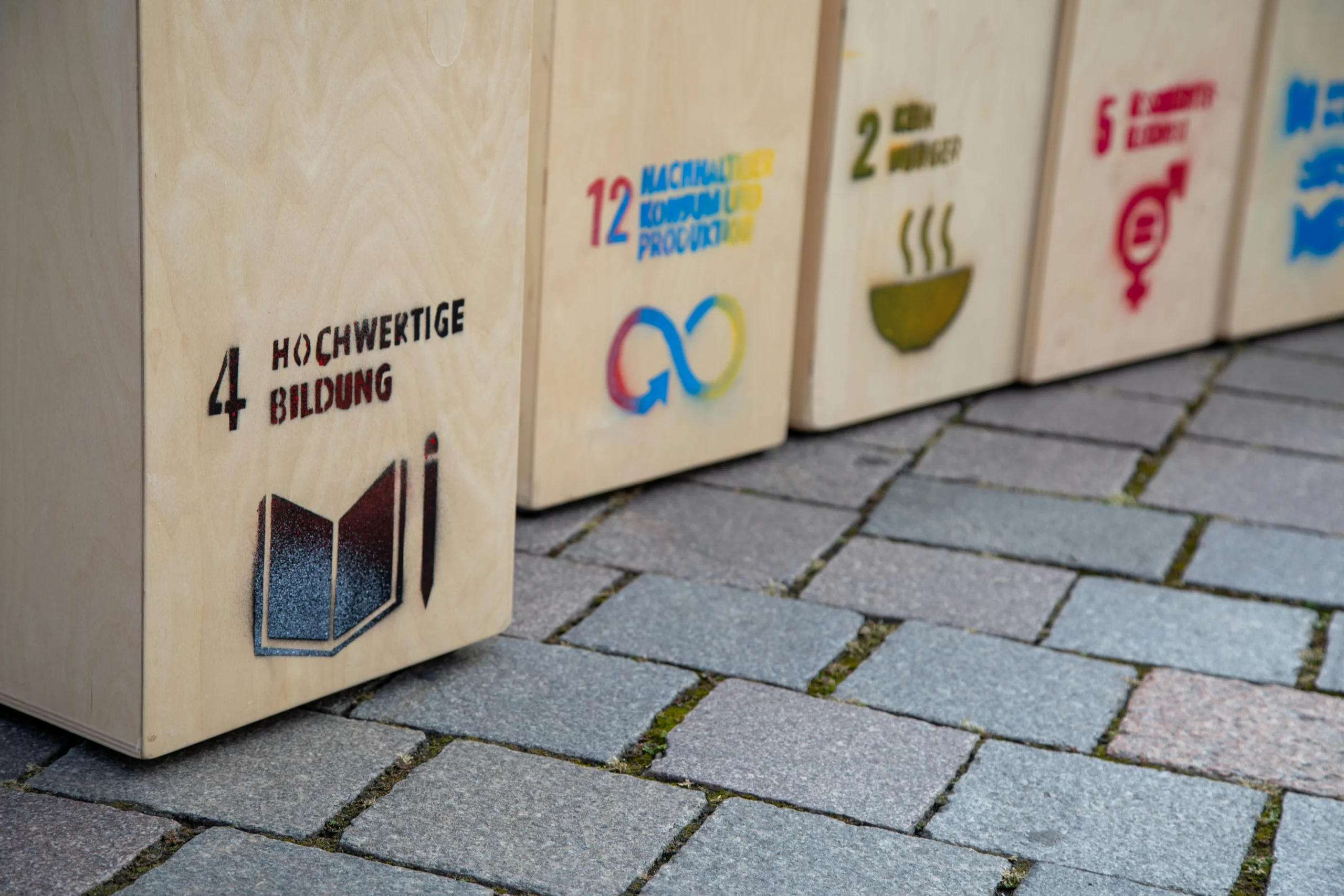
Since the adoption of the 2030 Agenda for Sustainable Development, it has become increasingly clear that towns and regions are at the forefront of making the global goals a reality. Local and regional governments are responsible for many of the services that directly affect citizens’ lives, education, housing, transport, waste management, and health. Their actions, often taken without reference to international frameworks, already contribute to creating more sustainable communities. 

The Council of European Municipalities and Regions (CEMR) and PLATFORMA highlight the central role of local governments not just as service providers but also as policy shapers, awareness raisers, and partnership builders. By engaging citizens and other stakeholders, municipalities are uniquely placed to embed sustainability principles in everyday governance. 

To support and strengthen this work, four clear recommendations emerge: 

  1. Increase participation – raise awareness among citizens and encourage greater involvement in sustainability initiatives. 
  1. Ensure coherence – integrate local governments into national strategies to avoid fragmented approaches. 
  1. Build capacity – provide technical tools and knowledge so municipalities can implement goals effectively. 
  1. Support partnerships – back international cooperation and exchange between towns and regions to reinforce solidarity. 

Progress is visible, but challenges remain: insufficient resources, difficulties in collecting local data, and the need for stronger national frameworks. Despite these obstacles, municipalities are proving to be powerful drivers of sustainable change. From inclusive policies to decentralised cooperation, they are demonstrating that building a sustainable future must begin at the local level. 

The global goals are not about imposing new tasks on towns and regions, but about offering a common framework and shared language. Europe’s municipalities are showing that sustainability is not abstract: it is local, practical, and essential for the well-being of communities today and tomorrow. 

Read the study here 

For more information, contact: 

Local and regional leaders at COP23

Green City - COP News

Driving decarbonisation through cooperation, finance and multilevel governance


At COP23, European towns and regions reaffirm their commitment to building decarbonised and sustainable societies. Local and regional governments are already on the frontlines of the climate transition, implementing concrete measures that bring global climate goals to life at the community level. As Mayor Juan Espadas of Seville and Mayor Furio Honsell of Udine underline: 

Towns, regions and countries should all stand side by side to reach a sustainable planet. At COP23, let’s work together to achieve a decarbonised and sustainable future for everyone.

Key Messages from Local and Regional Governments 

  1. Global climate agendas are only achieved with local action 
    Cities and regions are essential for turning international commitments into reality. Localising the Agenda 2030 and strengthening multilevel alliances ensures that national and international targets translate into measurable change on the ground. 
  1. Appropriate financial and political frameworks are crucial 
    Ambitious local climate action depends on strong frameworks that provide resources and recognition. National governments must formally acknowledge local authorities as legitimate partners and equip them with the means to lead mitigation and adaptation efforts. 
  1. Governing together for a stronger impact 
    Tackling climate change requires collaboration at all levels. Early involvement of towns, cities and regions in national and international policymaking strengthens implementation and creates unity of purpose. Global initiatives such as the Covenant of Mayors demonstrate the power of collective local action. 
  1. Europe’s global responsibility 
    Europe must reinforce its role as a leader in protecting the planet by working hand in hand with local and regional governments. Their active participation in shaping climate policy will ensure effective, democratic and sustainable results at both the EU and global levels. 
  1. Decentralised cooperation accelerates decarbonisation 
    Cities have already developed extensive expertise in sustainable planning and international partnerships. Through decentralised cooperation, European towns and regions support their peers worldwide to implement climate projects, strengthening the global movement towards decarbonised societies. 

The withdrawal of the US from the Paris Agreement highlights the need for all other actors to step up. Local and regional governments across Europe are ready to intensify their cooperation, within Europe and globally, to keep the world on track towards a sustainable, decarbonised future. 

Read the position paper here 

For more information, contact: 

Regions driving climate action

Environment - News

Municipalities and regions as catalysts for COP22 progress 


COP22 in Marrakesh marked a crucial moment in translating the Paris Agreement into concrete action. For Europe’s municipalities and regions, this summit was an opportunity to showcase their role as catalysts in building sustainable and decarbonised societies. Represented by CEMR and PLATFORMA, local and regional governments brought forward five key messages to ensure that climate policies are inclusive, effective, and grounded in local realities: 

  1. Embedding the subnational level in global climate governance 
    Since COP15, the EU has acknowledged the role of municipalities and regions in combating climate change. At COP22, local leaders urged the EU to formalise a permanent, structured dialogue, allowing subnational governments to join EU delegations in climate negotiations. This would not only strengthen governance but also ensure that national commitments reflect local realities. 
  1. Linking COP outcomes with global agendas 
    COP22 should not stand alone but connect to broader frameworks such as the Sustainable Development Goals, particularly SDG 11, and the Habitat III Urban Agenda. Local financial capacities and legal competences must be assessed early to avoid unrealistic policies or burdensome costs for municipalities. 
  1. Mobilising financial and political resources 
    Successful climate action requires adequate resources. CEMR and PLATFORMA highlighted the importance of EU Structural and Investment Funds, access to global climate financing, and innovative tools like sustainable public procurement. Local politicians’ direct engagement and citizen ownership are vital to building resilient and low-carbon communities. 
  1. Mainstreaming local action into EU and national policies 
    Climate legislation must fully integrate the local dimension. Early recognition of local authorities as legitimate actors is essential. Initiatives such as the EU Urban Agenda, Territorial Agenda 2020, and the Covenant of Mayors show how climate policies can work when municipalities are treated as true partners. 
  1. Encouraging cooperation and knowledge exchange 
    Sharing practices, tools, and joint initiatives among cities and regions is key to accelerating progress. Decentralised cooperation, particularly through the Covenant of Mayors in Sub-Saharan Africa and the Global Covenant of Mayors, demonstrates how European municipalities can support global peers in their transition to sustainable development. 
     

CEMR and PLATFORMA reaffirmed their commitment to climate action by promoting multi-level governance, showcasing local best practices, and strengthening decentralised cooperation worldwide. Their message at COP22 was clear: local and regional governments are not bystanders but central actors in achieving a sustainable, low-carbon future. Climate action is an opportunity for green jobs, growth, and resilience, and municipalities and regions are ready to lead. 

Read the position paper here 

For more information, contact: 

Local voices for climate at COP21 

Environment - News section

Municipalities and regions shaping COP21 success 


In December 2015, the Paris Summit (COP21) became a milestone in global climate governance. For Europe’s municipalities and regions, represented by CEMR and PLATFORMA, it was the moment to demonstrate that climate action succeeds only when local and regional governments are part of the solution. By presenting clear demands, affirming shared values, and committing to concrete actions, local leaders positioned themselves as indispensable actors in the transition to low-carbon societies. 

Developing the Demands and Values 

Local and regional governments brought forward a set of concrete demands to ensure their recognition in climate governance. They called for: 

  • A structured EU dialogue to integrate the subnational dimension into the UNFCCC process. 
  • A formal seat at the COP negotiation table for municipalities, regions, and their associations. 
  • Stronger support for networks, enabling them to deliver unified positions and assist EU institutions. 
  • Mainstreaming climate across all EU and national policies, ensuring local perspectives are embedded from the outset. 
  • Recognition of green public procurement as a driver for innovation and CO₂ reduction. 
  • Links between COP outcomes, the SDGs, and Habitat III, ensuring consistency across global agendas. 
  • Adequate financing and research tools, including access to EU Structural and Investment Funds and international climate funds. 
  • Better EU regulation, with early recognition of local authorities in decision-making. 
  • Support for knowledge exchange at the subnational level in Europe and globally. 

Underlying these demands are shared values: confidence in local governments’ ability to deliver, support for the EU’s climate objectives, and the conviction that climate action is also an opportunity for green jobs and sustainable growth. 

Actions on the Ground 

Municipalities and regions also highlighted how they are already leading by example: 

  • Multi-actor governance: championing bottom-up approaches, engaging with all levels of government and stakeholders to tackle climate change collectively. 
  • Local leadership: through initiatives like the Covenant of Mayors and Mayors Adapt, thousands of cities have set ambitious emission-reduction goals. 
  • Networking for impact: collaborating across European and global networks to amplify messages and coordinate strategies. 
  • Tools for sustainable planning: promoting the Reference Framework for Sustainable Cities (RFSC) to benchmark and guide local sustainable development. 
  • Decentralised cooperation: supporting international partnerships where European municipalities work hand in hand with peers worldwide to advance sustainable urban development. 

At COP21, local and regional governments made clear that the Paris Agreement could only succeed with their full participation. Their message was simple but powerful: municipalities and regions are closest to citizens, already delivering results, and ready to scale up climate ambition. Recognising and empowering them is not optional, it is essential to building a sustainable, low-carbon future. 

Read the position paper here 

For more information, contact: 

Key messages of regions for COP21

Climate - News

From Lyon to Paris: Regions and Municipalities as Catalysts for COP21 Success


As the world prepared for the Paris Climate Summit (COP21), Europe’s municipalities and regions highlighted their crucial role in delivering climate action. Close to citizens and equipped with the political legitimacy to act, they are key to building sustainable and low-carbon societies. 

Local governments are already leading by example. Initiatives such as the Covenant of Mayors, with thousands of signatories, show that ambitious commitments like reducing greenhouse gas emissions by 40% by 2030 are achievable. These successes underline that global climate agendas can only succeed with strong local engagement. 

CEMR and its partners call for genuine recognition of subnational governments in international negotiations. This means giving them a seat at the COP discussion table, integrating their role in EU and national strategies, and ensuring appropriate political and financial frameworks. 

Decentralised cooperation is also vital. Through networks such as PLATFORMA, municipalities and regions share expertise with partners worldwide, ensuring that climate action is effective on the ground and adapted to local realities. 

From Lyon to Paris, towns and regions proved they are catalysts for global climate success. Recognising and empowering them is essential for the achievement of the Paris Agreement and a sustainable future. 

Read the position paper here 

For more information, contact: