As Europe continues to navigate complex migration dynamics, the Council of European Municipalities and Regions (CEMR) stresses that migration is lived and managed locally. Cities, towns and regions are the first to welcome newcomers, support vulnerable groups, and build long‑term inclusion. Yet, most of the time, they remain under‑recognised and under‑resourced in EU migration governance.
With its new position paper, CEMR urges EU institutions and national governments to place local and regional governments (LRGs) at the heart of migration policy. This means shifting from an emergency mindset to a sustainable, human‑centred, and territorially grounded approach.
CEMR’s key asks
1. Empower LRGs
Reinforce their formal role in migration governance, supported by structured multilevel cooperation, predictable funding, and targeted capacity‑building.
2. Adopt a human‑centred EU migration policy
Ensure that all asylum and migration measures respect fundamental rights, legal clarity, and the real capacities of municipalities.
3. Include LRGs in the implementation of the EU Migration and Asylum Pact
Systematically involve cities and regions in reception, integration, and emergency responses, backed by clear procedures and real-time information.
4. Sustain coordinated support for Ukrainians under Temporary Protection
Move from emergency assistance toward long‑term integration, with a focus on housing, employment, and access to essential services.
5. Strengthen labour‑market inclusion
Improve skills recognition, reduce administrative burdens, and promote local partnerships with businesses to ease migrants’ path to employment.
6. Secure long‑term EU funding for inclusion
Protect and expand AMIF and ESF+ resources in the next Multiannual Financial Framework to enable municipalities to continue innovative integration work.
By recognising the essential role of local actors, Europe can build a migration agenda that is both effective and true to its values—supportive, inclusive, and grounded in the realities of people and places. CEMR stands ready to work with EU and national leaders to make this shift a reality.
Every Drop Counts: Water Resilience Begins Locally
“Every Drop Counts” was created to put the spotlight on the essential role of local governments in building water resilience in Europe. In the face of increasing droughts, floods, and water scarcity, municipalities and regions are already developing concrete, innovative solutions on the ground. Yet, these efforts often remain invisible at the European level.
These graphics respond to this gap by making local actions visible, connecting good practices across borders, and strengthening the voice of local governments in water-related policymaking.
Austria
Implementing multifunctional urban plant beds in Graz
▶
Category: Stormwater management and flood prevention
Explanation of the initiative:
By creating several polders north of the village, part of the built-up area was protected from floods.
These landscape features were made possible thanks to the State Land Office, which offers a unique service to municipalities, farmers and landowners – land consolidation.
Category: Environmentally responsible water management
Explanation of the initiative:
Copenhagen has developed water-sensitive urban design solutions, including rain gardens and green roofs, that capture and reuse rainwater while increasing urban resilience.
Category: Securing Water Supply and climate Resilience
Explanation of the initiative:
Etude de l’état quantitatif des ressources en eau et prospective 2030, 2050 et 2070: The study titled “État quantitatif des ressources en eau du Grand Est : prospective à milieu et fin de siècle et propositions d’actions” is a comprehensive initiative aimed at assessing and anticipating the future availability and demand for water resources in the Grand Est region of France. Structured in multiple phases, the study begins with a regional analysis that includes a synthesis of existing data and the definition of homogeneous sectors. Subsequent phases evaluate the balance between water resources and needs for the mid-century (2030-2050) and end-of-century (2080-2100) timeframes. The study identifies areas at risk of water deficits and proposes adaptive measures to address potential imbalances. By providing detailed reports and annexes for each phase, the study serves as a vital tool for policymakers and stakeholders to develop strategies for sustainable water management in the face of climate change and evolving regional demands.
Les gardiennes de l’eau ▶
Organisation: Métropole Européenne de Lille (Lille Métropole)
Category: Protection of water resources and biodiversity
Explanation of the initiative:
It supports agricultural practices and increases the economic value of engaged farms. Based on water analysis, the project orders producers’ specifications. It stimulates product demand issued from municipalities. The label is built collaboratively to bring together citizens and actors in food production around water protection.
Category: Stormwater management and flood prevention
Explanation of the initiative:
Development of routines and tools to enable governments, crisis management organisations, and citizens in the North Sea Region to better prepare for, respond to, and recover from climate-induced floods by 2027.
Category: Smart infrastructure and technological innovation
Explanation of the initiative:
Gjøvik is participating in the EU-funded project TransformAr, testing innovative technologies to climate-proof its wastewater infrastructure and protect Mjøsa, a key drinking water source.
Workshops brought together participants from various municipal departments, the Innlandet County Council, and other local stakeholders to better understand local context, impacts, and risks.
Main climate risks include heavy rainfall and torrential rains, drought and forest fires, erosion, flooding, and subsequent quickclay slides.
These municipalities work with public utility companies to recover resources from wastewater, including nutrients and biogas, supporting a circular and sustainable system.
Modernisation of The Koras Square through planting tree and plants. Reuse of rain water to water all the plant thanks to two underground tanks build to collect rain water.
Sustainable water management in the Lamus stream valley
▶
The project aims to restorate the urban water ecosystem by shielding the Lamus River bed. It implements innovative methods of collecting rainwater and meltwater to strengthen the river bed. It has a positive impact on mitigating climate change. It will create a new biodiverse space in the city center.
2% is H20 is a water efficiency project developed in the municipal swimming pools, whose equipment daily, by legal requirement, renews 2% of its total volume of water. Every 50 days is reused the water of a complete pool, which represents 7 pools per year. The 2% is H2O provides a new form of water reuse in urban environment, completely integrated into the dynamics of the city.
Açude de Mosteiros
▶
Organisation: Município de Arronches
Country: Portugal
Title of the initiative:
Açude de Mosteiros
Category: Stormwater management and flood prevention
Explanation of the initiative:
The project aims to rehabilitate a wooden dam with a new inflatable structure to prevent sudden floods in winter and maintain a water area in summer. Creating green areas with biodiversity, recreational and leisure spaces, valuing nature and enhancing the mobility of users, is a proposal that aims to give new dynamics to the Region through the Rehabilitation of the dam system and urban facilities, in harmony between man and biodiversity.
Category: Citizen awareness and engagement raising
Explanation of the initiative:
Water is a precious commodity. In the municipality of Sertã, we live surrounded by this natural treasure: more than 80% of the municipality’s territory is bathed by rivers and streams. Water fuels our economy, gives us more life, and makes this region more beautiful and unique. But excessive and unnecessary consumption of this limited resource can lead to its scarcity. That’s why it’s so important that we know how to save today, so we can have and live tomorrow.
Água para a Vida
▶
Organisation: Mourão
Country: Portugal
Title of the initiative:
Água para a Vida
Category: Citizen awareness and engagement raising
Explanation of the initiative:
Awareness-raising actions in the school context.
Águeda Drainage System – Flood Control
▶
Organisation: Municipality of Águeda
Country: Portugal
Title of the initiative:
Águeda Drainage System – Flood Control
Category: Stormwater management and flood prevention
Explanation of the initiative:
Every year there are floods in Águeda that cause damage and disruption. The General Drainage Plan for the City of Águeda presents a series of structural and complementary interventions aimed at improving the hydraulic performance of the drainage system, including pumping stations, helping to mitigate the risk of flooding, particularly in the lower part of the city, as well as protecting the city’s riverside areas from flooding when the river reaches higher levels.
Aproveitamento da água das piscinas
▶
Organisation: Câmara Municipal de Coruche
Country: Portugal
Title of the initiative:
Aproveitamento da água das piscinas – Sistema de recolha e valorização
Category: Water reuse and circularity
Explanation of the initiative:
Use water, from the water supply resulting from washing the filters of municipal swimming pools, rain from cobertura and transbordos. It is possible to remove all of the battery systems from reusing water.
Category: Protection of water resources and biodiversity
Explanation of the initiative:
It promotes plastic reduction and waste recovery through the installation of an EcoBarrier and custom filters in Guimarães. The project includes environmental education activities, awareness campaigns, and the promotion of circular economy strategies, focusing on single-use plastics and the recovery of waste collected through green infrastructures.
Category: Citizen awareness and engagement raising
Explanation of the initiative:
The project revitalized the Ave River, once one of the most polluted in Europe, promoting sustainable water management and engaging 45,000 residents across 14 parishes in Guimarães. It involved schools, volunteers, and local leaders in ecological restoration and environmental education. With visible improvements in river health and community engagement, it became a model for sustainable development and civic participation.
It tackles marine plastic waste with sustainable, circular solutions. It builds a multi-stakeholder ecosystem to boost innovation, entrepreneurship, and internationalization, unlocking the value of marine plastics. By promoting a replicable circular economy model in the Atlantic region, the project reduces environmental impact, creates new business opportunities, and drives the maritime sector toward a Blue Circular Economy.
Caparide Stream Restoration with Nature-Based Solutions in Cascais
▶
Organisation: Cascais City Council
Country: Portugal
Title of the initiative:
Caparide Stream Restoration with Nature-Based Solutions in Cascais
Category: Nature-Based Solutions (NbS)
Explanation of the initiative:
The Renaturalisation of the Caparide Stream relies on nature-based solutions that enable the restoration of the riparian ecosystem and the recolonisation by naturally associated communities, fostering the recreation and development of new natural habitats and increasing biodiversity. It also includes the regulation of water flow, preventing floods and protecting people and property in response to climate change.
CApt2
▶
Organisation: Municipality of Águeda and Laboratório da Paisagem
CApt2 is a network project with eight partners in the thematic area of the Urban Water Cycle. The project aimed to improve water efficiency and increase the circularity of water use by applying an effective methodology to develop a plan that meets the main challenges of the different partners. In this context, the Municipality of Águeda has created a Local Action Group, involving citizens, and developed the Local Integrated Action Plan, which comprises nine actions spread over three main themes.
Title of the initiative:
Citizen Awareness sessions – natural engineering
Category: Citizen awareness and engagement raising
Explanation of the initiative:
The Municipality of Leiria promoted public Awareness Sessions in order to promote a set of basic skills that enable the population to act in areas related to the cleaning of watercourses. The sessions mainly focused on: River, riverbed and banks, Water domain, General implications, Water Law, Responsibility of owners, Measures for the conservation and rehabilitation of the hydrographic network, Importance of riparian vegetation.
Category: Citizen awareness and engagement raising
Explanation of the initiative:
It tackles river plastic pollution through innovation, active citizenship, and sustainability. In partnership with the Landscape Laboratory and the University of Minho, Guimarães leads an ecological and circular initiative to protect biodiversity, turn waste into value, and inspire the country toward a cleaner, more conscious future.
Comemoração do Dia Mundial da Água 2025
▶
Organisation: Câmara Municipal de Santa Cruz das Flores
Category: Citizen awareness and engagement raising
Explanation of the initiative:
Every year the Municipality of Santa Cruz das Flores marks the water world day. This year,it was organised guided tour to a water reservoir in the municipality. These visits were carried out in collaboration with the Escola Básica e Secundária das Flores and their respective teachers and included 11 classes and more than 100 students, being the largest turnout recorded so far for this type of activity in the Municipality.
Control and monitoring of leaks
▶
Organisation: Municipio do Funchal
Country: Portugal
Title of the initiative:
Control and monitoring of leaks in the water supply networks associated with the existing remote management system
Category: Smart infrastructure and technological innovation
Explanation of the initiative:
Need to address the high water losses, unsustainable from both an economic and environmental point of view. Improvement of the hydraulic system, namely by correctly managing pressure, replacing obsolete pipes, sectoring the network and centralising all the information via a command center.
Control of water loss reduction
▶
Organisation: Câmara Municipal de Tavira
Country: Portugal
Title of the initiative:
Control of water loss reduction
Category: Environmentally responsible water management
Explanation of the initiative:
The efficient management of water supply systems is currently one of the main objectives of the Municipality of Tavira. In this regard, a series of interventions is being carried out, mainly consisting of the installation of control devices, the reduction of water losses, and the replacement of pipelines with significant leaks.
Category: Environmentally responsible water management
Explanation of the initiative:
According to the Cascais Water Matrix, municipal schools are responsible for 13% of the municipality’s water consumption. Therefore, the Smart Water Use Project in Cascais Schools is essential to reduce water waste and raise awareness within the school community about water conservation. Water audits are being carried out in 64 schools, and measures are being implemented, such as installing flow reducers on taps and showers, dual-flush toilet systems, and rainwater harvesting for toilet flushing.
Eficiência Hídrica no Combate à Poluição das linhas de àgua no Norte Interior
▶
AdIN – Águas do Interior Norte, has as its corporate purpose the operation and management of water supply and distribution systems for public consumption, as well as the sewage systems of the Municipalities that make up its share capital.
Exhibition: Until the Last Drop at Cascais Museum of the Sea
▶
Category: Citizen awareness and engagement raising
Explanation of the initiative:
With an interactive component,the exhibition “Until the Last Drop” aims to serve as a call to action. It is a futuristic essay, where this life-giving resource becomes inaccessible in its original form, with technological mediation as the only means of access. The proposed setting is one of worship: a space for contemplation. An altar that floats and reacts to interaction, undulating endlessly. This artistic installation opens a space for reflection on the heavy water footprint of the Anthropocene.
Category: Stormwater management and flood prevention
Explanation of the initiative:
The Requalification of the Sassoeiros Stream promotes the improvement of river flow conditions through the construction of flood attenuation basins. This intervention, implemented using natural engineering methods, aims to ensure flood control, promoting the safety of people and property. The project also includes the creation of an 11-hectare green infrastructure equipped with rest areas, leisure and fitness facilities, featuring 5km of renaturalised watercourse and 5km of soft mobility pathways.
Heróis da água
▶
Organisation: Empresa Municipal de Água e Saneamento de Beja
Category: Environmentally responsible water management
Explanation of the initiative:
It aims to address the efficient use of water as water scarcity is a reality today. It focuses on environmental awareness, ensured through the initiative “EMAS in schools”. It focuses on community engagement, playing an active role in social integration and participation. It promotes innovation, research and development.
In Faro Council public water supply network
▶
Organisation: Faro City Council
Country: Portugal
Title of the initiative:
In Faro Council public water supply network
Category: Environmentally responsible water management
Explanation of the initiative:
Installation of District Metered Areas and telemetry of the biggest clients.
Integrated Management of Supply Systems
▶
Organisation: Águas de Santarém – Empresa Municipal, S.A.
Country: Portugal
Title of the initiative:
Integrated Management of Supply Systems
Category: Smart infrastructure and technological innovation
Explanation of the initiative:
Over the past two years, Águas de Santarém has been rolling out an advanced system that unifies all field data into a single, intelligent platform for end-to-end water cycle management. By enabling real-time monitoring of network performance, it pinpoints high-pressure zones before they cause ruptures or outages, driving efficiency, sustainability, and a significant reduction in water losses.
Category: Environmentally responsible water management
Explanation of the initiative:
It aims to implement innovative climate adaptation measures for sustainable water management in the Ribeira de Fradelos Basin, such as the implementation of wastewater reuse and community engagement. It addresses increasing droughts, flash floods and soil erosion, balancing economic activities with Portuguese and EU environmental goals.
First licensed project in Portugal to reuse water for irrigation in municipal gardens, where reclaimed water started being used in an area of 30 hectares with an annual volume of 300,000 m³ and later extended to a new 38 hectares park rehabilitated to receive the World Youth Day in 2023. Addressing topics of concern such as droughts, greening the city, heatwaves or water efficiency, this was developed under the scope of the Lisbon’s Strategic Water Reuse Plan, enabling to save 3 mm3 of drinking water soon.
Marvão +Sustentável
▶
Organisation: Municipality of Marvão
Country: Portugal
Title of the initiative:
Marvão +Sustentável
Category: Governance and partnerships (public-private and public-public
Explanation of the initiative:
25 awareness raising activities among the population of the municipality, economic agents, institutions and youth to promote the consumption of tap water and the protection of water resources.
Mosaic Decorative Panel Project in the Calhau Bathing Area
▶
Category: Protection of water resources and biodiversity
Explanation of the initiative:
Work is underway at the Calhau swimming pool, which includes the application of a decorative mosaic panel, with aesthetic value and also an essential ecological purpose. The aim of this project is to prevent the paints used in washing and repainting from being directed into the ocean, thus polluting the environment. The municipality of Lajes do Pico, at the suggestion of Monika Ehrensperger, began work on a decorative mosaic panel in the Calhau bathing area. The design is by Mrs. Mara.
Municipal Water Management Plan of Leiria (PMGA)
▶
Organisation: Municipality of Leiria
Country: Portugal
Title of the initiative:
Municipal Water Management Plan of Leiria (PMGA)
Category: Environmentally responsible water management
Explanation of the initiative:
The Municipal Water Management Plan (PMGA) is a planning tool that aims to ensure the sustainable management of water resources at the municipal level. This plan establishes 32 priority measures and actions to guarantee the availability, quality and efficient use of water, taking into account local specificities of Leiria´s territory and the guidelines of national plans.
Category: Protection of water resources and biodiversity
Explanation of the initiative:
It requalifies the main watercourses in the municipality in order to conserve biodiversity, protect water resources and adapt to climate change. It is characterised by enormous cultural and environmental potential and is approximately 16 km long, from its source to its mouth on the Douro River.
Palmela: investimento na redução de perdas de água
▶
Category: Securing water supply and climate resilience
Explanation of the initiative:
Monitoring abnormal consumption in private networks. Replacement and upgrading of pipelines. Installation of water meters and monitoring of irrigation consumption. Controlling water losses in both public water supply networks and building-level (domestic) networks.
Category: Protection of water resources and biodiversity
Explanation of the initiative:
Clearing the invasive weeds (water hyacinth) from the lagoon, through mechanical removal, using a water harvester; to normalize the natural bed of the Pateira by dredging the excess sediment; rebuilding the small weir located at the confluence of Pateira and Águeda river are some of the measures implemented to promote nature conservation and protection and, consequently, the environmental and landscape restoration of the largest natural lagoon on the Iberian Peninsula – Pateira de Fermentelos.
PERLA – strategic plan for the rehabilitation of watercourses
▶
Aims to rehabilitate and enhance several watercourses in the municipality of Mafra. Focuses on ecological restoration and the environmental and landscape valorisation of rivers and streams. Promotes the reduction of flood risks, improvement of water quality, and recovery of riparian habitats. Encourages community involvement and environmental awareness. Supports the sustainable management of water resources within a long-term strategic framework.
“Preciosos 1%”; “Água da Torneira com todo o Gosto”; “O Roubo de água é Crime”
▶
Organisation: Municipality of Leiria/ Municipal Water and Sanitation Services of Leiria (SMAS)
Category: Citizen awareness and engagement raising
Explanation of the initiative:
SMAS de Leiria has promoted awareness campaigns aimed for the efficient and rational use of water, and also against the fraudulent use of water, such as: “Água da Torneira com Todo o Gosto”: The aim is to encourage the consumption of tap water in the Leiria region, avoiding bottled water consumption; “Preciosos 1%”: The aim was to alert the population to the scarcity of fresh drinking water on the planet ; “O Roubo de água é Crime” : is part of the plan to detect unauthorised water use.
Rehabilitation of the hydrographic network
▶
Organisation: Câmara Municipal de Albergaria-a-Velha
Category: Protection of water resources and biodiversity
Explanation of the initiative:
The project aimed to rehabilitate and enhance several streams that are tributaries of the Antuã and Jardim rivers, as well as the Fontão stream and the Canela estuary. It covered a total length of approximately 7 km, mainly crossing agricultural and forest areas. The project included the planting of 26,000 trees. The investment exceeded €250,000.
Category: Protection of water resources and biodiversity
Explanation of the initiative:
The project aimed to rehabilitate and enhance several streams that are tributaries of the Antuã and Jardim rivers, as well as the Fontão stream and the Canela estuary. It covered a total length of approximately 7 km, mainly crossing agricultural and forest areas. The project included the planting of 26,000 trees. The investment exceeded €250,000.
Category: Protection of water resources and biodiversity
Explanation of the initiative:
The Municipal Environmental Surveillance Service (SMVA) has the mission of protecting and monitoring the environment in our municipality, including water resources. The major goal is to prevent and reduce environmental incidents and violations, thereby contributing to the sustainability of the environment and natural resources in Leiria.
Smart irrigation system of Colinas do Cruzeiro Urbanization
▶
Organisation: Municipality of Odivelas
Country: Portugal
Title of the initiative:
Smart irrigation system of Colinas do Cruzeiro Urbanization
Category: Environmentally responsible water management
Explanation of the initiative:
Solem Wi-Fi enables smart irrigation with remote control, real-time monitoring, and integration with urban systems. The management is base on the meterological factors such as temperature, moisture, solar radiation and wind. Solar panels ensure an energy-autonomous, eco-friendly solution aligned with public environmental goals and green space management best practices. With this it is possible to save around 40 to 50% of water consumption. This system is implemented and operating.
Smart Water Reuse System in Cascais Swimming Pools
▶
About 2% of the total volume of water in public pools must be renewed daily for sanitary reasons.To improve water use efficiency, Cascais City Council has implemented measures in the municipality’s swimming pools: All sanitary facilities were subject to water audits and equipped with more water / Efficient taps,toilet flushes and showers -Pool renewal water is reused for toilet flushing through the implementation of an intelligent water reuse system.
These measures have enabled savings of 20%.
Smart Water Reuse System in Cascais Swimming Pools
▶
About 2% of the total volume of water in public pools must be renewed daily for sanitary reasons.To improve water use efficiency, Cascais City Council has implemented measures in the municipality’s swimming pools: All sanitary facilities were subject to water audits and equipped with more water / Efficient taps,toilet flushes and showers -Pool renewal water is reused for toilet flushing through the implementation of an intelligent water reuse system.
These measures have enabled savings of 20%.
Strategic plan for the rehabilitation of watercourses in Leiria (PERLA)
▶
Provides a diagnosis of the Leiria municipality’s 1,600 kilometres of water lines, where interventions are planned for recovery and maintenance over the coming years. Establish a strategy for management, protection and restoration of municipal waterways at the 44 critical points and sections identified, namely by establishing measures to reduce sources of pollution, to improve the quality of riparian vegetation and coordinate nature conservation with agricultural and forestry activities.
Translighthouses aims to understand the strenghts and limitations of NBS design. It integrates 19 European partners, of wich 8 are pilot cases. The pilot case “Janela do Inferno” objective is to set a NBS at a local pedestrian trail, used with the sole purpose of leisure. The trail is over the waterpipe that supplies the Lagoa Municipality. This implies that the NBS must take in to account co-managment of infrastrutures, water security and quality and the preservation of the natural ecosystem.
It occupies a vacant primary school in a low-density area and promotes a circular economy. One of the spaces created is the ‘biological ponds’, which reuse water from irrigation channels, rain, and surrounding drains. This water is stored and reused for irrigation, cleaning, and sanitation. Treatment is carried out using filtering plants, in a sustainable, nature-based solution.
Innovative water reuse system: 500 m³ of high-quality water per month is pumped from access wells to the rock salt mine — water that was previously discharged into the stormwater drainage system. This water is pressurised using photovoltaic energy, stored in a 15 m³ reservoir, and used daily for irrigation and urban cleaning. The initiative reduces the use of potable water and delivers both environmental and economic benefits.
Category: Stormwater management and flood prevention
Explanation of the initiative:
The Várzea Urban Park project, in its final stages of implementation, aims to establish itself as a green and blue infrastructure, combining climate regulation and water flows (controlling urban floods and combating “urban heat islands” through the creation of a climate refuge), the creation of an ecological corridor associated with the Livramento river, promoting ecosystem services, and the development of a recreational and leisure space for the population to enjoy.
Water reuse for production of biofuel
▶
Organisation: Mangualde Municipality
Country: Portugal
Title of the initiative:
Water reuse for production of biofuel – Public/Private partnership
Category: Water reuse and circularity
Explanation of the initiative:
Reuse of the water from our two biggest Sewer water treatment plant in the production of Green Methanol for descarbonization of the shipbuilding Industry. Private investment on a Private-Public cooperation providing the tools and the engagment necessary for a wide range of positive impacts not only for the region but also for the country given the project commitment to renewable energy, ecological conservation, sustainable and circular economic prosperity.
Category: Citizen awareness and engagement raising
Explanation of the initiative:
The highest water consumption in Cascais occurs in households, mainly using taps and showers, accounting for 70% of the city’s total water consumption. The Municipality of Cascais has promoted various campaigns to encourage water savings among families and residents. The Water-Saving Kit, which includes 7 flow reducers for taps and showers, was distributed free of charge to 4,000 residents, also raising awareness about adopting good practices to save water in daily life.
Water Wise: Saving Resources in Cascais Municipal Offices
▶
Organisation: Cascais City Council
Country: Portugal
Title of the initiative:
Water Wise: Saving Resources in Cascais Municipal Offices
Category: Environmentally responsible water management
Explanation of the initiative:
As part of the Environmental Management System of the Cascais City Council, municipal offices are undergoing studies and water audits to improve water efficiency in the buildings and reduce waste. This is being achieved through the installation of more efficient water devices (taps, showers, and toilet flush systems) and the use of rainwater for toilet flushing and garden irrigation. These water efficiency measures will help reduce water consumption for a total of 1,084 municipal employees.
RESTORIVER increases climate adaptation capacities of riversides and riparian areas – potentially reducing risk of droughts, floods and heatwaves – by harmonising, adapting and connecting higher level water management, climate adaptation and flood protection policies with local interventions, effectively serving complex, transnational water and climate adaptation systems and stakeholder networks.
It increases climate adaptation capacities of riversides and riparian areas. It reduces the risk of droughts, floods and heatwaves by harmonising, adapting and connecting higher-level water management, climate and flood protection policies with local interventions.
Spain
AKUAL
▶
Organisation: eLankidetza – Basque Agency for Development and Solidarity
It improves water and sanitation infrastructure in municipalities in El Salvador, strengthening the capacity of national water utilities in El Salvador and Costa Rica. It incorporates a gender perspective into both components. The third edition of the project will conclude in 2027.
Category: Protection of water resources and biodiversity
Explanation of the initiative:
The goal of the project is to restore this natural gem so that it continues to be a place for biodiversity and also to recover the original path of its waters so that it once again flows into the town’s wash house. Through the Green Water Route, improvements were created, and they range from creating an environmental information point midway along the route, to an amphibian pond and a butterfly oasis, installing insect hotels, cleaning up trash, improving the riverbed or installing nesting boxes for birds.
Municipal programme for the naturalisation of streams
▶
Organisation: City Council of Donostia/San Sebastian
Category: Protection of water resources and biodiversity
Explanation of the initiative:
The aim is to restore the natural morphology of the watercourses and associated ecosystems of streams and waterways that have been artificialised. Bioengineering techniques and nature-based solutions are employed, and native species are planted. Since 2017, work has been carried out on the Atxutxar, Landarbaso, Errekatxulo and Santa Teresa streams, and further work is planned for the coming years. Some of the actions are financed by European LIFE and NextGenerationEU funds.
Naturalisation of the Artikutza reservoir
▶
Organisation: City Council of Donostia/San Sebastian
Category: Protection of water resources and biodiversity
Explanation of the initiative:
The project includes three phases: draining of the Artikutza reservoir (2017-2019); recovery of the stream, the potential habitats of the emerged area and the associated fauna (in progress); and the partial demolition of the dam to ensure the continuity of the stream (work planned for 2026).
The entire Artikutza estate is part of the Natura 2000 network as a Special Area of Conservation (SAC) due to its natural values.
The second and third phases are financed by European LIFE funds.
The Strategic Project for Economic Recovery and Transformation
▶
Organisation: Lasarte-Oria town hall
Country: Spain
Title of the initiative:
The Strategic Project for Economic Recovery and Transformation (PERTE) of Digitalization of the Water Cycle / El Proyecto Estratégico para la Recuperación y Transformación Económica (PERTE) de Digitalización del Ciclo del Agua
Category: Water reuse and circularity
Explanation of the initiative:
The Strategic Project for the Recovery and Economic Transformation (PERTE) of Digitalization of the Water Cycle aims to modernize the water cycle in order to improve the efficiency of the urban water cycle, reducing water losses in distribution systems and improving waste water treatment infrastructures. In order to carry out all this, the DIGURBE project, led by the company Añarbe, S.A (AGASA), with the participation of the municipalities of Errenteria, Hernani, Lasarte-Oria, Pasaia, Oiartzun.
Category: Securing water supply and climate resilience
Explanation of the initiative:
Collection of information about stormwater and how to prevent and protect properties during torrential rain and flooding.
Dagvattenparken (stormwater park – Malmö stad)
▶
Organisation: City of Malmö – Department of roads and parks
Country: Sweden
Title of the initiative:
Dagvattenparken (stormwater park – Malmö stad)
Category: Smart infrastructure and technological innovation
Explanation of the initiative:
The stormwater park in Hyllie consists of a 23,000 square metre lawn that invites play and socialising and a stormwater reservoir that will be able to receive a large amount of water in the event of a downpour.
Grönare Möllan
▶
Organisation: City of Malmö – Department of roads and parks
Country: Sweden
Title of the initiative:
Grönare Möllan
Category: Nature-Based Solutions (NbS)
Explanation of the initiative:
Möllevången is one of the areas in Malmö with the fewest number of trees, which means that the total of 150 new trees has become a long-awaited addition to the cityscape and our common ecosystem.
Trees provide protection against torrential rain35 of the street trees planted on Möllevången are in a plant bed that allows them to receive and store water.
Mammas Park (Rosengård – Radararkitektur)
▶
Organisation: City of Malmö – Department of roads and parks
Country: Sweden
Title of the initiative:
Mammas Park (Rosengård – Radararkitektur)
Category: Stormwater management and flood prevention
Explanation of the initiative:
An important part of the design of the site is the premise that it should function as a torrential reservoir during heavy rainfall, also known as a hydrodrome.
Rain playground
▶
Organisation: Swedish Meteorological and Hydrological Institute
Category: Equitable access to water and social inclusion
Explanation of the initiative:
It combines play with water management by involving citizens in its design.
The result of the playground is not only fun and safe but also a role model for more inclusive climate adaptation.
The playground is equipped with large, leaf-shaped canopies and gutters that collect and direct the rainwater in an educational manner.
Category: Stormwater management and flood prevention
Explanation of the initiative:
Implementation of an innovative climate adaptation project by redesigning Coosje Buskenstraat to function as a controlled waterway during extreme weather events.
This approach aims to manage the risks associated with rising sea levels and increased storm intensity without resorting to traditional methods like raising dikes, which could necessitate the demolition of existing structures.
Coosje Buskenstraat, which connects the elevated boulevard to the lower-lying city center, has been restructured to channel excess seawater safely inland during severe storms.
The street’s surface has been contoured to direct water towards its sides, where specially designed parking spaces with raised edges and a zigzag layout slow down the flow, mimicking a meandering river.
Category: Stormwater management and flood prevention
Explanation of the initiative:
Development of routines and tools to enable governments, crisis management organisations, and citizens in the North Sea Region to better prepare to respond and recover from climate-induced floods by 2027.
One of the newest neighbourhoods in Vlissingen is Claverveld. Located on the northern side of the city, this district is characterized by its very green and spacious design. What makes Claverveld unique is that rainwater is not drained through the sewer system, but instead naturally flows across the paving into watercourses and swales.
Türkiye
Agricultural practices compatible with climate change
▶
It encourages the use of gray water to avoid water shortages during the summer months. It uses treated water in some areas for landscape irrigation in the city.
Atakoy project
▶
Organisation: Istanbul Metropolitan Municipalitu and ISKI
Improving various treatment plants to treat wastewater for use in industrial zones and park irrigation. For example, the Ataköy Advanced Biological Wastewater Treatment Plant plans to use the treated water for park and garden irrigation.
Use of rain gardens, swale (a shallow grassy drainage channel for water to run through), tree planting, and over 1,300 plants to reduce surface water flooding. It includes a footbridge to the green space, ‘X-grid parking’, and an information board that explains its features.
It reduces the risk of flooding and the impact of increasing summer temperatures. Over 30 new trees have been planted across two urban residential streets, 11 of which are planted within specialist sustainable drainage (SuDS) tree pit systems. It contributes towards reducing heat stress and surface water flood risk while also providing attractive spaces for residents, visitors and wildlife.
Category: Stormwater management and flood prevention
Explanation of the initiative:
It details business cases and designs for schemes in 19 flood cells across the city have been delivered. It is an adaptive approach to flood resilience has been created, work programmes to develop increased flood storage and the incentivised delivery of natural flood risk management measures have commenced.
It examines the state of cooperation between local governments and public utility companies in six Western Balkans economies. The research involved piloting methods, desk research, conducting surveys and interviews, and compiling recommendations, from strengthening the institutional frameworks, improving operational coordination, to encourage regionalization through inter-municipal cooperation.
Regional capacity development network for water
▶
Organisation: Network of Associations of Local Authorities of South-East Europe
Category: Citizen awareness and engagement raising
Explanation of the initiative:
It connects local governments, water utilities and their associations from Western Balkans to work together on developing capacities of the water and sanitation service sector, helping to increase the effectiveness and efficiency of water and sanitation services. It has developed more than 30 programs in operation and maintenance, integrated asset management, capital infrastructure projects, non-revenue water management, wastewater management and more. It is supported by SECO and BMZ/GIZ.
Safeguarding Democracy in the Digital Age: CEMR Hosts Event on Cyberviolence Against Women in Politics
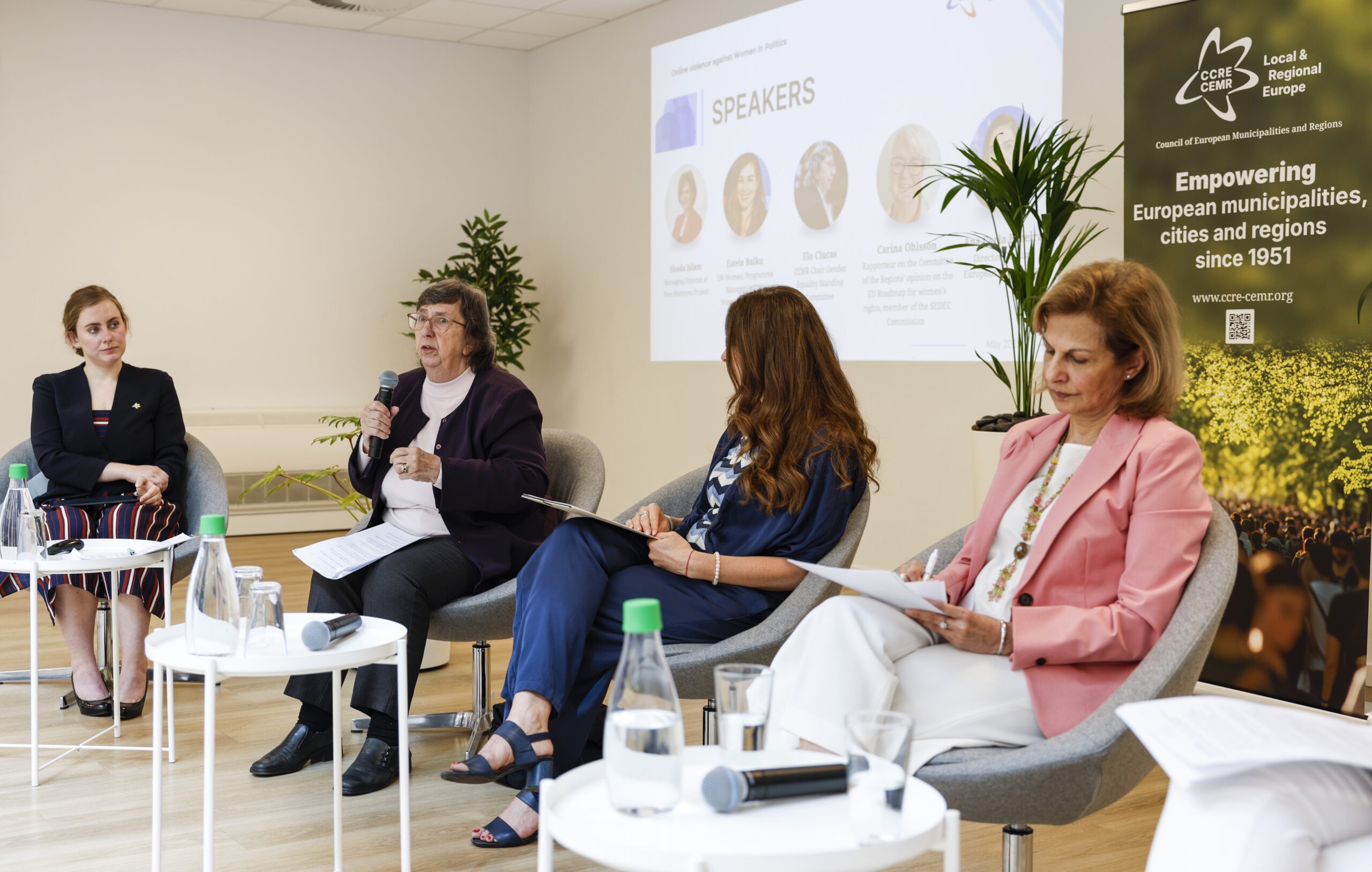
On 21 May 2025, the Council of European Municipalities and Regions (CEMR) gathered policymakers, experts, and local leaders at ACE Events in Brussels to spotlight a growing threat to democracy: cyberviolence directed at women in politics.
The event, “Online Violence Against Women in Politics: Safeguarding Democracy in the Digital Age”, convened the participants to examine the digital harassment, intimidation, and abuse that disproportionately target women politicians. This phenomenon, recognised as a form of gender-based violence, not only silences women’s voices but threatens the very fabric of democratic institutions.
Framing the Issue
Building on the CEMR’s Women in Politics study, Annelies Coessens, CEMR’s Policy Officer for gender equality, diversity and migration, highlighted a harsh reality: 32% of women in politics report experiencing violence, with nearly one in three facing cyberviolence. These statistics reflect the challenges that women politicians can face in public life.
Estela Bulku from UN Women provided a global perspective, noting, “Violence against women transcends political ecosystems and societies. New technologies are creating new channels for intimidation and harassment.” Bulku referenced initiatives, including Bolivia’s groundbreaking law against political harassment and ongoing efforts in countries such as Brazil and Zimbabwe to raise awareness and provide capacity-building support.
Carina Ohlsson, rapporteur for the Committee of the Regions, presented the local dimension, pointing out that “cyberviolence is a new form of gender-based violence, and it affects democracy. We need good legislation and action on all levels. Men must be part of the conversation.” She emphasised the role of local authorities in creating safe political spaces.
Insights from Media and Local Governance
Shada Islam, a prominent commentator on EU affairs, shared her personal experiences of online abuse, underscoring the power imbalance in public discourse. “In this world, there is no impartiality. We all must become advocates,” she remarked. Islam called for stronger enforcement of existing directives, a focus on intersectionality, and media literacy efforts to empower younger generations.
Flo Clucas, Chair of CEMR’s Gender Equality Committee and local councillor from the United Kingdom (UK), emphasised the need for enforcement: “There is no enforcement. We must challenge the European Union, the United Nations, all levels of government, and the media: this has got to stop. We need action” Drawing on local initiatives in the UK, Clucas highlighted grassroots collaborations with schools, families, and institutions to combat gender stereotypes and foster mutual respect.
Looking Ahead: EU and Local Actions
Ana Carla Pereira from the European Commission (DG JUST) provided insights into the new EU Directive to combat violence against women, with a significant focus on cyberviolence. She acknowledged the challenges of ensuring member state compliance and highlighted the role of voluntary cooperation with online platforms to tackle content moderation issues. “The decrease of women in politics in the last European Parliament elections is also a symptom of the backlash on democracy,” she warned.
She concluded with a call to action, urging participants to contribute to ongoing consultations at the European level and to draw inspiration from local and regional initiatives. The final remarks reminded all that safeguarding women’s participation in politics is not merely a gender issue but a democratic imperative.
Collective Responsibility and Next Steps
CEMR’s initiative to set up an Observatory on Gender Equality was widely applauded as a necessary step to tracking trends and sharing good practices. The event left a lasting impression: the fight against online violence is a shared responsibility, demanding legislative action, grassroots engagement, media reform, and societal reflection.
As Flo Clucas aptly stated, “We need action. If not us, who?”.
CEMR participation in the Congress of Local and Regional Authorities in the Council of Europe
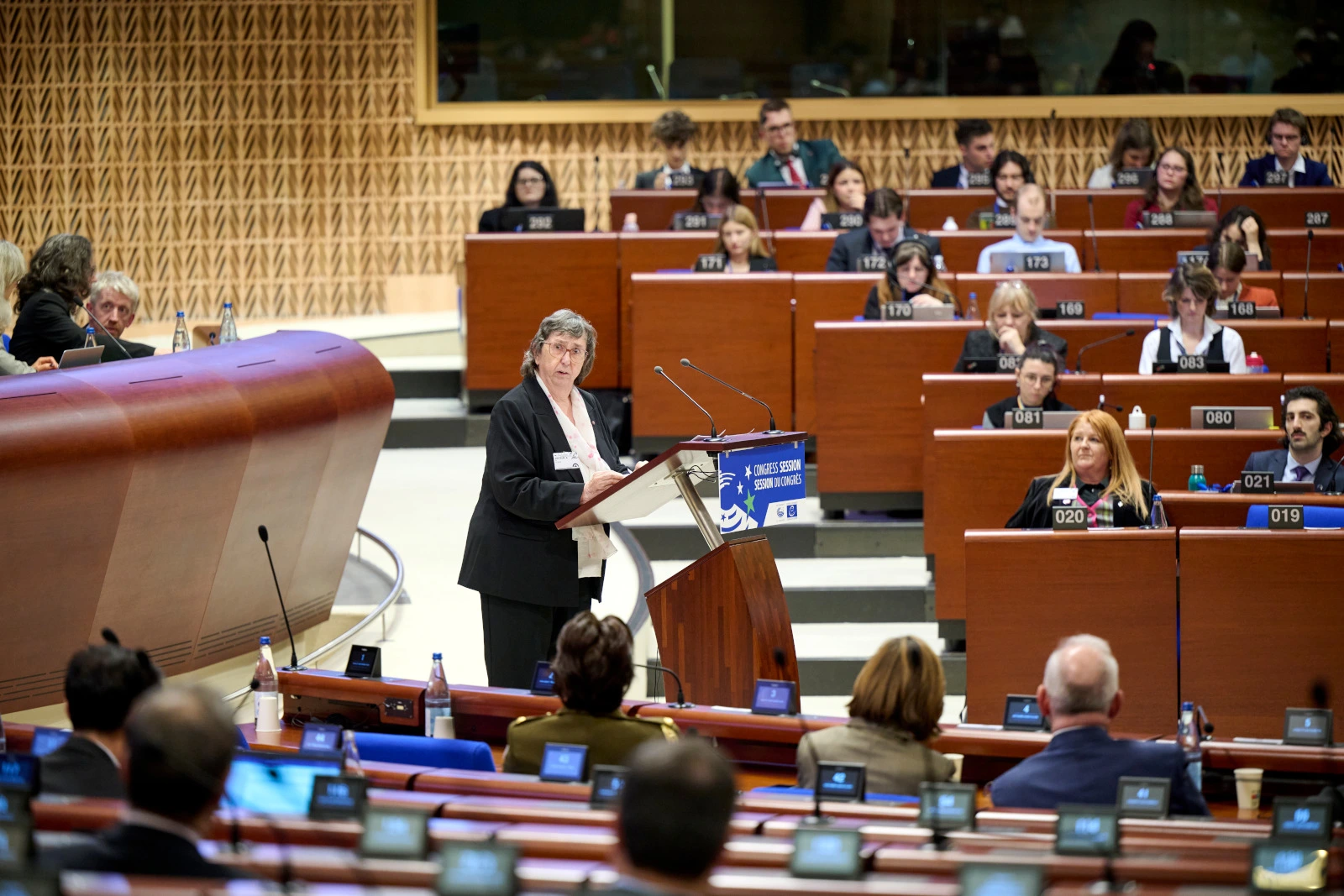
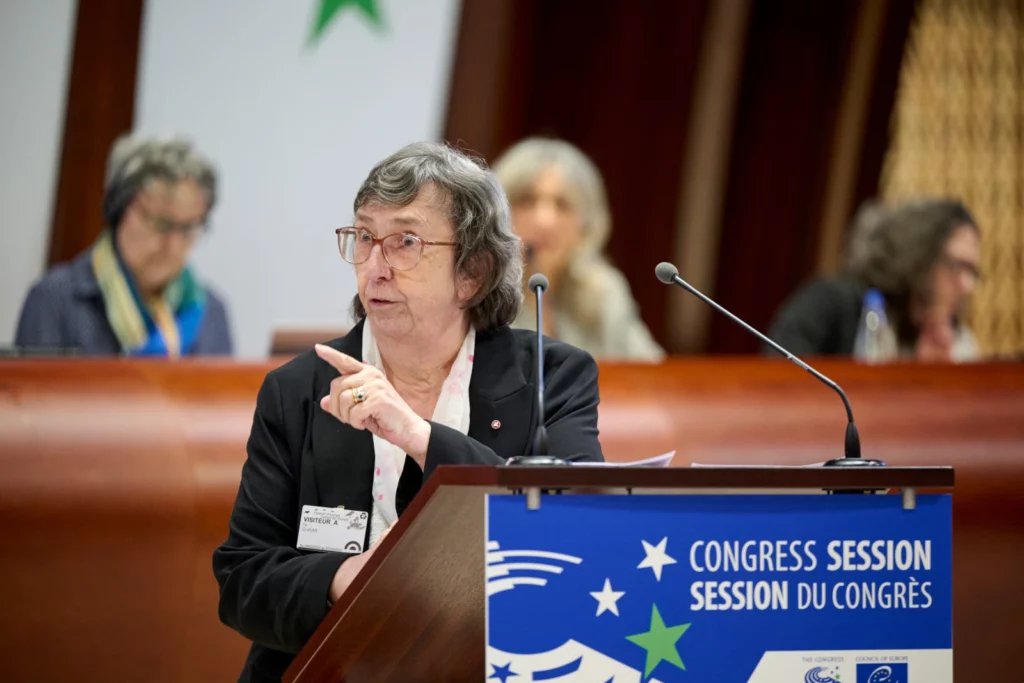
At the 48th Session of the Congress of Local and Regional Authorities in Strasbourg, CEMR reaffirmed its commitment to tackling violence against women in politics (VAWIP) and ensuring equal representation at all levels of governance.
Among the powerful voices at the session was Councillor Flo Clucas, Chair of the Standing Committee on Gender Equality at CEMR, who highlighted the growing threats faced by women in politics, from online harassment to direct physical violence. As she noted, 32% of women in politics have experienced violence, with cyberviolence becoming a major concern. These realities are discouraging women from standing for office, ultimately undermining democracy itself.
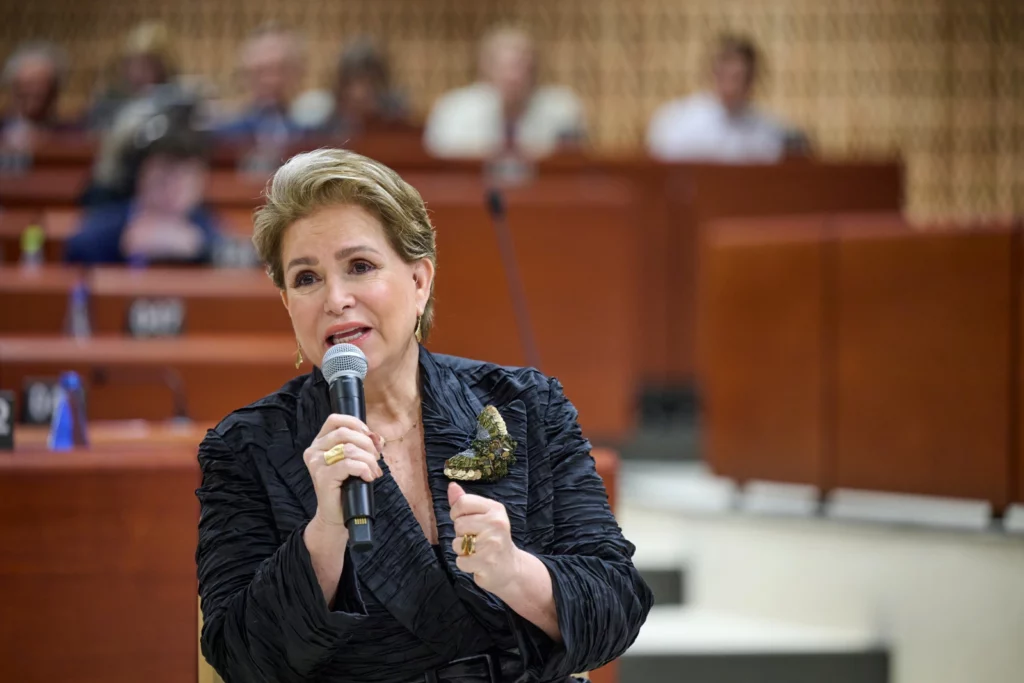
The Testimony of the Lord Provost of Glasgow
A particularly striking intervention came from the Lord Provost of Glasgow, who shared her personal experience of violence and intimidation as a local councillor and civic leader.
Through her participation in the Eurocities Women City Leaders Mentorship Programme, she has been working to empower the next generation of female leaders in city governance across Europe. Yet, despite this progress, she has personally faced harassment, misogyny, and threats, including attacks on her appearance, doxxing, and even direct calls for physical violence.
“Would this have happened if I were a man?” she asked, urging leaders to take decisive action.
Instead of stepping back, she chose to act, using her platform to push for a safer and more inclusive environment where women can thrive without fear.
The Power of Local Action: Sophie’s Stop
One of the most inspiring initiatives presented was Sophie’s Stop, a multi-media campaign and signposting app designed to help young women identify and respond to different forms of violence. Led by Glasgow Girls Club, it provides practical tools and support to those facing harassment or abuse. The campaign’s impact has been profound, with young women reporting that it has transformed their confidence and safety awareness.
A Whole-Society Approach for Change
The discussions in Strasbourg made one thing clear: change must happen at the local level. Governments, local authorities, civil society, and institutions like the Council of Europe and CEMR all have a role to play in ensuring that:
Women have equal access to political spaces
Threats and harassment are tackled with zero tolerance
Education and mentorship support young women in leadership
CEMR’s report, Women in Politics: Local and European Trends, underscores the urgency of these actions. Without them, women’s voices will remain unheard, and democracy itself will be weakened.
The fight for gender equality in politics is not just about representation, it’s about creating a political culture where women can lead without fear.
Beijing+30: Empowering Local Governments to Fulfil the Promise of Gender Equality
Walking into the halls of the United Nations for CSW69, it is impossible not to feel the weight of history. Thirty years ago, the Beijing Declaration and Platform for Action (PfA) was hailed as a breakthrough—a promise that gender equality would no longer be an aspiration but an urgent global priority. Yet, three decades later, the struggle for women remains critical.
The 69th session of the Commission on the Status of Women (CSW69) coincides with both the 30th anniversary of the Beijing Declaration and the start of Trump’s second mandate, which is actively undermining progress made in these 30 years. The U.S. refusal to support the CSW Political Declaration signals a broader rollback of gender rights. By opposing references to the 2030 Agenda and Sustainable Development Goals (SDGs), the U.S. seeks to decouple gender equality from international commitments on social and economic progress. Its insistence on defining women strictly as “biologically female” further marginalises disadvantaged groups, while framing gender-based violence as a migration issue shifts focus away from structural inequalities.
According to the Global Gender Gap Report 2024, full gender parity is still 134 years away, and political empowerment will take even longer—169 years. Women remain underrepresented in decision-making, particularly locally, where policies directly impact daily lives. Gender-based violence persists, with 1 in 3 women experiencing violence in their lifetime. These realities highlight the urgent need for stronger institutional responses and more significant local government action.
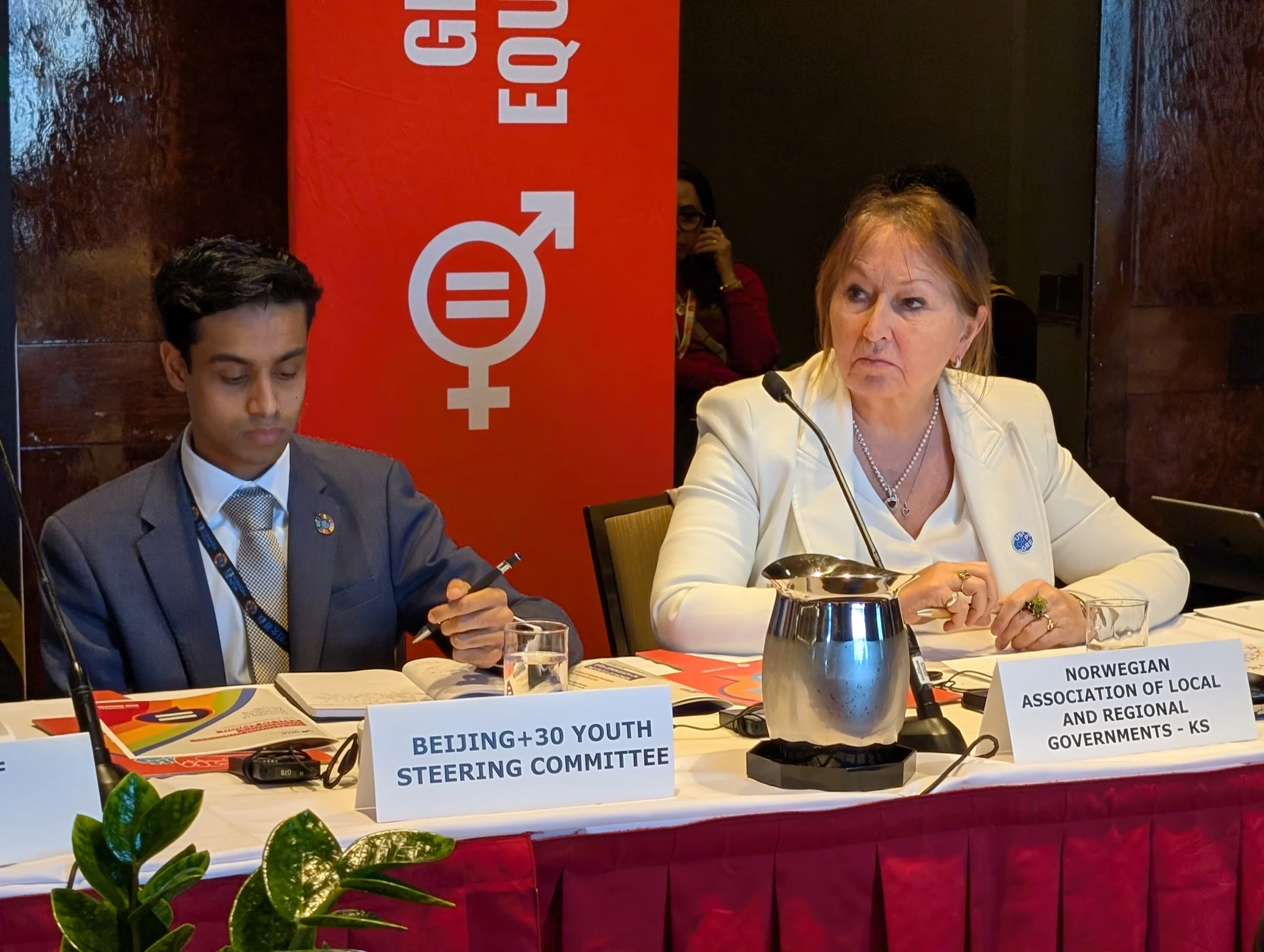
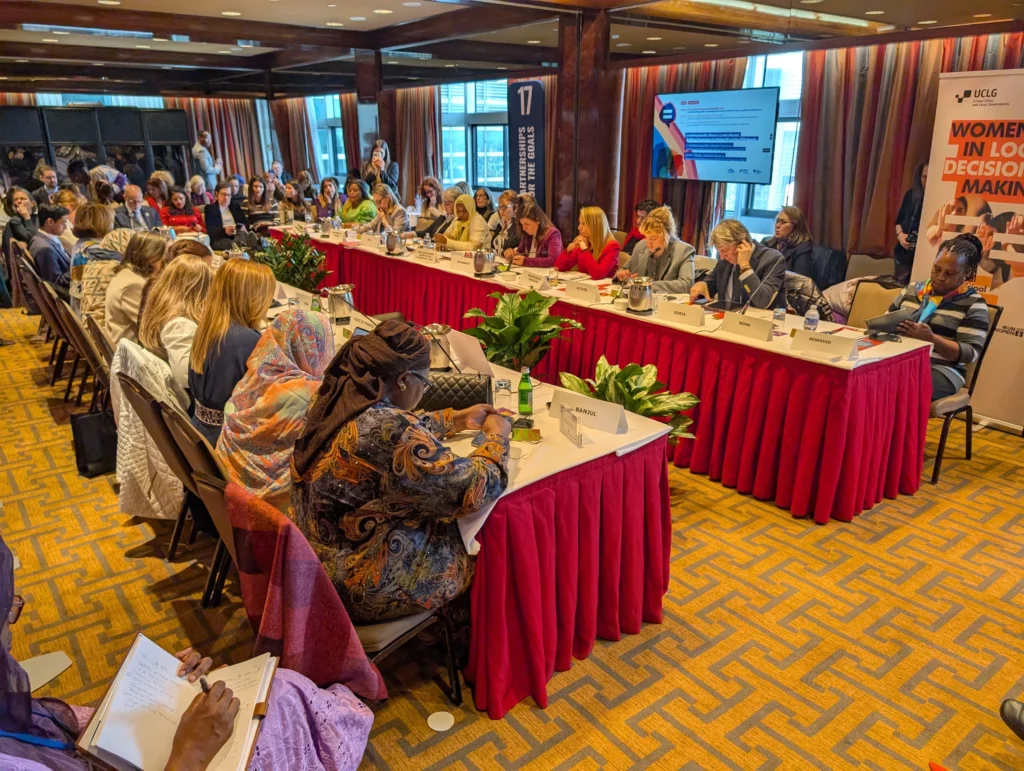
At CSW69, locally elected politicians gathered by UCLG, CEMR and PLATFORMA met to discuss how to push back against this regression. Gender equality is inseparable from local development and climate action, and dismantling these connections threatens hard-won gains.
Why Gender Equality Policies Need Local and Regional Governments
While international frameworks and national policies set the tone for gender equality, local governments are responsible for implementing changes that directly impact citizens. Without their involvement, gender policies will be ineffective and disconnected from local realities. Several key areas highlight this need:
Street Safety: Ensuring safe public spaces for women in all their diversity is a fundamental responsibility of local governments. From well-lit streets to community policing and secure public transport, municipal policies play a crucial role in reducing gender-based violence and harassment in public spaces.
Access to Childcare and Early Education: Affordable and accessible childcare remains a barrier for many women seeking employment as they remain the main caregivers in the household. Expanding early childhood education and care services at the municipal level allows women to participate in the workforce while ensuring children’s well-being.
Job Market Inclusion: Women continue to face wage gaps, discrimination, and limited career opportunities. Local governments can introduce gender-sensitive employment policies, support female entrepreneurship, and enforce equal pay regulations.
Political Representation: Women remain underrepresented in local decision-making bodies. Municipalities can adopt gender quotas, leadership training programs, and policies that encourage women’s active participation in politics.
Gender-Responsive Urban Planning: City planning must consider gender perspectives to ensure inclusive public spaces, transportation, and housing policies that support the needs of women and marginalised groups.
Access to Healthcare and Social Services: Local governments are crucial in ensuring gender-responsive healthcare, including reproductive health services, mental health support, and services for survivors of gender-based violence.
By integrating gender equality into local governance, municipalities can create inclusive environments that empower women and contribute to broader societal progress.
CEMR’s Key Messages at CSW69
CEMR brought a strong and urgent message to CSW69: gender equality cannot remain a distant goal—it must be implemented at the local level, where policies can have a direct impact on communities.
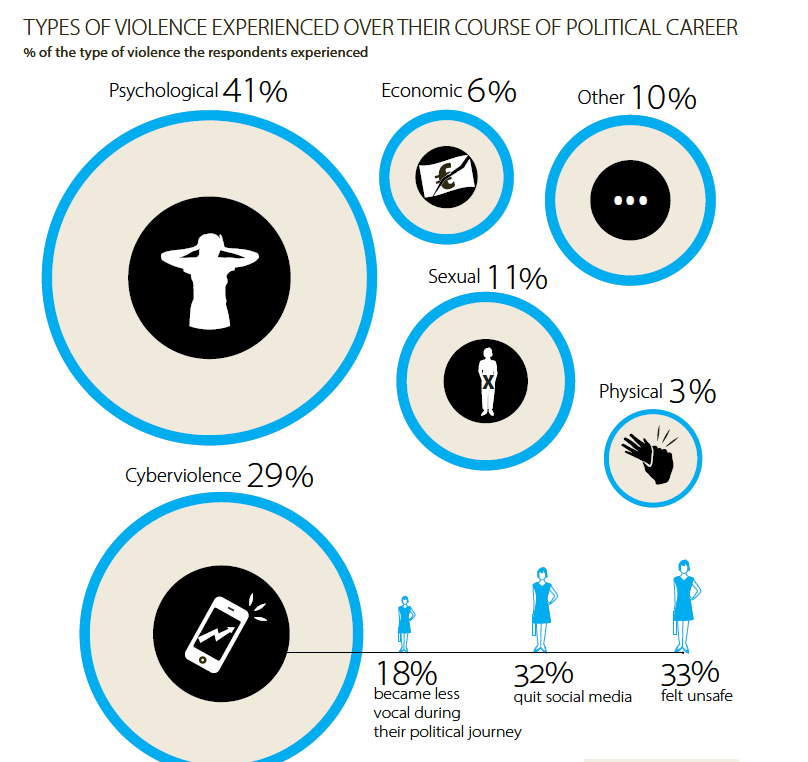
One of the most pressing concerns highlighted at CSW69 was violence against women, particularly in politics. Data from CEMR’s Women in Politics study revealed that 41% of women in politics experience psychological attacks on their personal lives, appearance, or status, leading to isolation and reduced political engagement. Cyberviolence, including doxxing, cyberstalking, and deepfake content, disproportionately affects younger women, with 67% of those under 24 reporting online abuse.
“The reality is that women in politics face a level of hostility that their male counterparts simply do not. This is a direct threat to democracy and inclusivity,” said Gunn Marit Helgesen, President of CEMR, during the Local and Regional Governments Day, organised within the conference. “We must act decisively to protect women who step up as leaders”. Despite the alarming statistics, only 29% of victims report violence, and even fewer—22%—see any consequences for the perpetrators.
Women’s political participation is a key priority for CEMR, which reiterated its call for equal representation at all levels of governance, pointing to data that shows women make up just 32% of local elected officials across Europe, with only 17.4% of mayors being women. Political participation at the local level is crucial because local governments are closest to citizens and best positioned to facilitate engagement.
To support structural change, institutional mechanisms for gender equality must be strengthened. CEMR has long advocated for integrating intersectionality into local and regional governance, ensuring that policies address multiple forms of discrimination. The European Charter for Equality of Women and Men in Local Life remains a key tool for municipalities committed to gender mainstreaming.
Beyond Europe, decentralised cooperation offers opportunities to advance gender equality through international partnerships. One example is the Les Elegides programme, a project led by the Mallorcan Fund of Solidarity and Cooperation (Spain) and the Association of Women Councillors in Bolivia -ACOBOL, among other organisations, aimed at increasing women’s participation in decision-making structures and fostering a democratic debate on gender issues at the local level.
Finally, achieving the Sustainable Development Goal (SDG) 5 (Gender Equality) requires localised action. Local and regional governments are key players in raising awareness and building capacity to advance gender equality. Without their leadership, global goals risk remaining unfulfilled promises rather than tangible realities.
UCLG’s Programme and the CEMR Delegation’s Participation
United Cities and Local Governments (UCLG), in partnership with CEMR and PLATFORMA, has organised a robust program at CSW69. Under the theme “Localising Beijing+30: The Municipal Movement Leads the Way to Equality and Democracy,” UCLG convened discussions on feminist municipal leadership, multilevel governance, and intergenerational commitments to gender equality. CEMR and UCLG elected politicians also participated in key events organised by the United Nations Development Programme (UNDP), Cities Alliance, and other UN agencies.These events provided a platform to advocate for stronger local government involvement in gender-responsive policymaking and to exchange concrete examples of gender local actions from municipalities worldwide.
As part of the broader engagements surrounding CSW69, Boris Tonhauser, Director of PLATFORMA, participated in a meeting organised by the EU delegation at the UN. This gathering brought together key civil society actors present in New York for the conference. During the meeting, Boris presented CEMR’s study on women in politics to the EU Commissioner for Equality, Hadja Lahbib and the other organisations present at the meeting, emphasising the need for stronger local-level policies that support female leadership and participation in decision-making.
CSW Political Declaration: Protecting Gender Equality at the Local Level
The political declaration of CSW69 outlined the current challenges for the implementation of the Beijing Declaration and the Platform for Action (PfA), and included Member States’ commitments to advancing gender equality. However, as Member States approved the declaration in the first days, CEMR, PLATFORMA and UCLG expressed their concern regarding language regressionsthat could undermine progress. While the commitments made in Beijing 30 years ago should be non-negotiable, recent years have shown that hard-won gains towards gender equality are being questioned and, in some cases, even reversed.
The past five years have been marked by global adversity—health and financial crises, renewed conflicts, and environmental degradation—all of which have disproportionately affected women and girls, widening gender gaps. This is why local and regional governments are calling for a reinforced commitment, ensuring that gender equality remains a global priority.
One of the main challenges of this year’s declaration is ensuring that local governments are explicitly recognised as essential actors in implementing gender policies. Without their involvement, international commitments risk remaining empty promises. Amidst the gender equality backlash, local and regional governments will continue to advocate for stronger recognition, financial commitments, and concrete actions that protect and advance women’s rights at the community level. It is only with local action, women’s leadership and global solidarity that gender equality can be achieved.
Conclusion: The Future of Multilateralism and the Role of Local Funding
The year 2025 is crucial for the future of multilateralism and gender equality. CSW69 is just one of many global forums where local governments must assert their role. Upcoming events such as the Fourth International Conference on Financing for Development (FfD4) and the High-Level Political Forum (HLPF) will be critical in ensuring that local authorities are recognised as development cooperation actors and receive the funding and resources needed to implement local and international gender equality policies effectively.
Local governments are on the frontlines of progress. If the world is to build on the achievements of the Beijing Platform for Action, funding for local initiatives must be a priority. By recognising the indispensable role of municipalities and regional authorities, the international community can ensure that gender equality is not just a distant goal but a lived reality in communities around the world.
The future of the EU budget is at a crossroads. As the European Commission launches consultations on the post-2027 Multiannual Financial Framework (MFF), local and regional governments across Europe, represented by CEMR, are calling for a fundamental change: an EU budget that is inclusive, decentralised, and truly aligned with the needs of cities, municipalities, and regions.
This requires that future national plans and investment priorities in each Member State are not imposed from the top-down, but shaped through meaningful consultations with local and regional governments, just as the Partnership Principle ensures in Cohesion Policy. Only in this way can EU investments be fit for purpose and truly serve the people it is intended to benefit.
CEMR’s newly releasedposition paper on the post-2027 MFF sets out a clear vision for a reformed EU budget that strengthens multi-level governance and empowers local and regional governments as essential partners for effective spending of the EU budget on the ground. With growing social and economic inequalities, the need to accelerate climate adaptation, and increasing geopolitical instability, Europe cannot afford to sideline local and regional governments—the very actors that implement over 70% of EU policies on the ground.
National plans must include mandatory consultations to local and regional governments
The roadmap on the next MFF confirmed the European Commission’s ambition to establish single national plans for reforms and investments based on priorities defined at European level. The European Commission mentions the Recovery and Resilience Facility (RRF) as a good example of an instrument linking investments and reforms and points out that two thirds of the EU budget (Cohesion Policy funds and the Common Agricultural Policy) could in the future be implemented according to the RRF approach. In this context, CEMR issues a final warning to the European Commission: the RRF model failed to ensure effective multi-level governance. CEMR found that, since consultation with local and regional governments was not mandatory, it simply did not occur in most of the Member States.
The European Commission must ensure that national plans and the definition of investment priorities in each Member State are developed through meaningful consultations withlocal and regional governments, similar to the Partnership Principle in Cohesion Policy. This is the only way to guarantee that EU investments are fit for purpose and meet the real needs of the population.
“The EU is more than its institutions and the 27 states—it belongs to its people, municipalities, cities, and regions. Decisions based solely on macroeconomic trends risk disconnecting it from citizens” — Gunn Marit Helgesen, CEMR President.
CEMR key priorities for the post-2027 EU budget
CEMR’s position paper, backed by national associations of local and regional governments across Europe, contains concrete proposals to reform the post-2027 EU budget and enhance its effectiveness:
Empowering municipalities, cities and regions not only as implementers but also as planners The Partnership Principle should be made mandatory across all EU-funded programmes to ensure that the funds effectively reflect the actual needs of local and regional governments.
Decentralising the Cohesion Policy Strengthening the capacity of local and regional governments to manage EU funds will ensure that investments address real local needs and promote balanced territorial development.
Diversifying EU instruments as part of the ambitious policy agenda for cities From shared management funds to increased direct funding, it would allow EU investment to reach local and regional authorities of all sizes, from all types of territories, both urban and rural.
Simplifying and easing EU funding mechanisms to reduce administrative burdens for both Managing Authorities and beneficiaries. CEMR proposals for simplification include: a single set of rules for beneficiaries across the different funds; flexibility in thematic concentration to allow place-based definition of priorities, hence accelerating funds disbursement; and a labelling of auditing processes as compliant with EU rules to avoid multiplication of auditing.
Enhancing synergies among EU funds. The next MFF must improve coordination between different EU funding instruments to maximise impact at the territorial level.
Take part in the public consultation
Local and regional governments must not be sidelined in shaping the post-2027 EU budget. The European Commission’s consultation must not be reduced to a bureaucratic exercise or a mere checkbox. Consultations alone are not enough. The next EU budget regulations must include a mandatory requirement to involve local and regional governments in defining the investments that will meet the real needs of the population.
Use this public consultation —open until May 7 2025— to demand a real seat at the table and a budget that truly serves our communities. A stronger, more inclusive Europe starts from the ground up. Speak up before it’s too late.
The Local Alliance presents its new Position Paper on the next EU Multiannual Financial Framework 2028-2035
The Council of European Municipalities and Regions (CEMR) as a member of the Local Alliance, a coalition of Europe’s eight leading local and regional networks, launches a position paper on the next EU Multiannual Financial Framework (MFF 2028–2034).
The document outlines the urgent need for a strong, future-proof EU budget to create a just, climate-neutral, and competitive Europe. It places a spotlight on the indispensable role of local and regional governments in delivering key EU priorities such as the European Green Deal, digital transformation, and territorial cohesion.
Why the next MFF matters:
Unmatched Local Impact: Local governments are already implementing 70% of European Green Deal legislation and account for 69% of climate-related public spending.
Better Quality of Life for Citizens: The MFF enables Local and Regional Governments to build greener cities, stronger economies, and more inclusive communities.
Resilience in Challenging Times: Amid an evolving and less secure political landscape, the next EU budget must prioritise support for local resilience and ensure no region is left behind.
A vision for a resilient and united Europe
Local and regional governments are not just implementers but vital partners in shaping a sustainable, competitive, and cohesive future for Europe. Investments at the local level drive real change, ensuring that the EU’s goals translate into tangible benefits for communities and citizens.
The Council of European Municipalities and Regions (CEMR) is proud to have launched its second groundbreaking study Women in Politics: Local and European Trends, which provides important data and insights into women’s representation in politics across Europe from 2019 to 2024.
The study shines a light on both the progress and the persistent, systemic challenges, from underrepresentation in leadership to the rising issue of violence against women in politics – especially online abuse and cyberviolence.
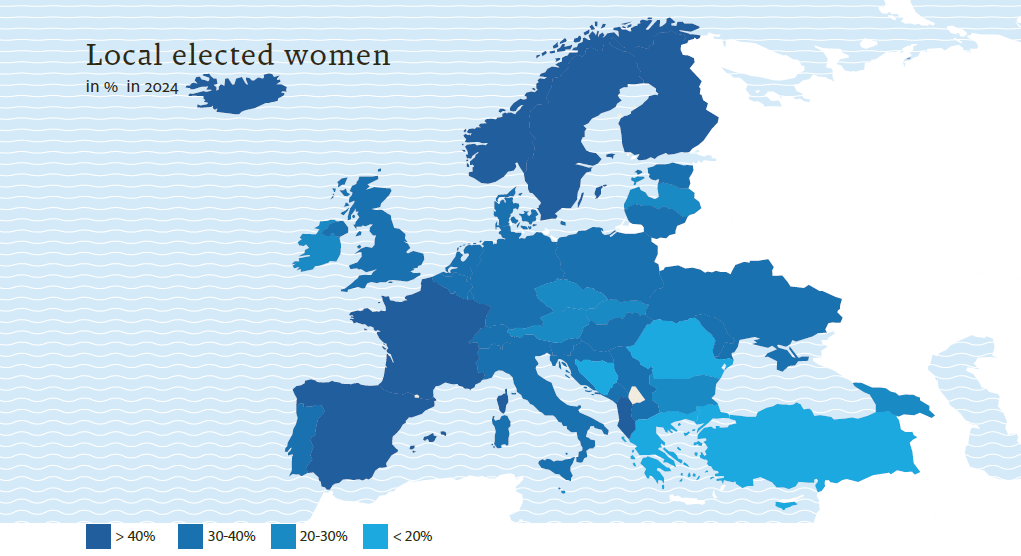
This study comes at a critical time. While representation in local councils has risen to above 40% in some European countries, leadership roles at all levels still show a troubling gender gap. At the national level, women’s representation in parliaments averages around 33%, with notable disparities among countries. In the European Parliament, women currently occupy 38.5% of the seats, which is the first decrease in the proportion of women Members of the European Parliament since 1979.
Source: Women in Politics – Local and European Trends, page 14
Violence against women in politics, both physical and digital, remains a major deterrent to women’s political participation. The data collected shows that 32% of respondents have experienced violence during their political career, and of those that suffered some type of violence 29% experienced cyberviolence. As highlighted by one of the speakers, Dr Marta Mazurek, Councillor from Poznan, on “recognising the serious consequences of cyberviolence” signalling that the responsibility to combat online harassment lies not only with national bodies but also with local authorities dedicated to fostering inclusive governance.
Only 29% of those affected by violence had reported experiencing different types of violences, which may not only undermine their personal well-being but also their potential participation in politics. Angela Lowe, Senior Advisor at Women Political Leaders (WPL) emphasized that “the path towards a safe environment for women requires a collaborative effort,” underscoring the importance of working together across sectors to protect women in politics.
Source: Women in Politics – Local and European Trends, page 87
The Women in Politics study collected data from across Europe, presenting the importance and need for reliable data on women’s political representation and experience to ensure informed policies and targeted actions. Robin Devroe, a researcher at the Vrije Universiteit Brussel (VUB), pointed to the broader impact of these challenges, noting that “these issues of gender-based violence contribute to a more global cycle of underrepresentation,” which weakens democratic structures and the inclusiveness of policymaking. Additionally, women from disadvantaged backgrounds—such as women of colour and LGBTQI+ women—are particularly vulnerable, facing unique and compounded challenges that further hinder their political participation.
The study also underscored that lasting change will require widespread engagement from everyone within society and the need to shift our mindset of the current social and cultural norms and attitudes towards more inclusive equality, with Sari Rautio from Hämeenlinna City Council in Finland stressing that “all genders, all girls and boys should be interested in working on gender balance”.
For a deeper understanding of these findings and practical recommendations, the Women in Politics: Local and European Trends report is now available on the CEMR website. This study serves as a call to action for governments, communities, and advocates to work together in building a political landscape that champions gender equality and safeguards women’s participation across all levels of governance.
Are women truly breaking through in politics, or are they still facing invisible barriers? Is violence just a private matter, or is it also hindering women’s participation in public life?
Join us for the exclusive launch of a groundbreaking study that uncovers the latest trends shaping women’s participation in politics—both locally and across Europe. Dive into the challenges, successes, and the evolving impact of violence on women’s political leadership.
Don’t miss your chance to be part of this critical conversation shaping the future of leadership in Europe!
Celebrating Han Kang’s Nobel Prize: Advancing Equality and Inclusion
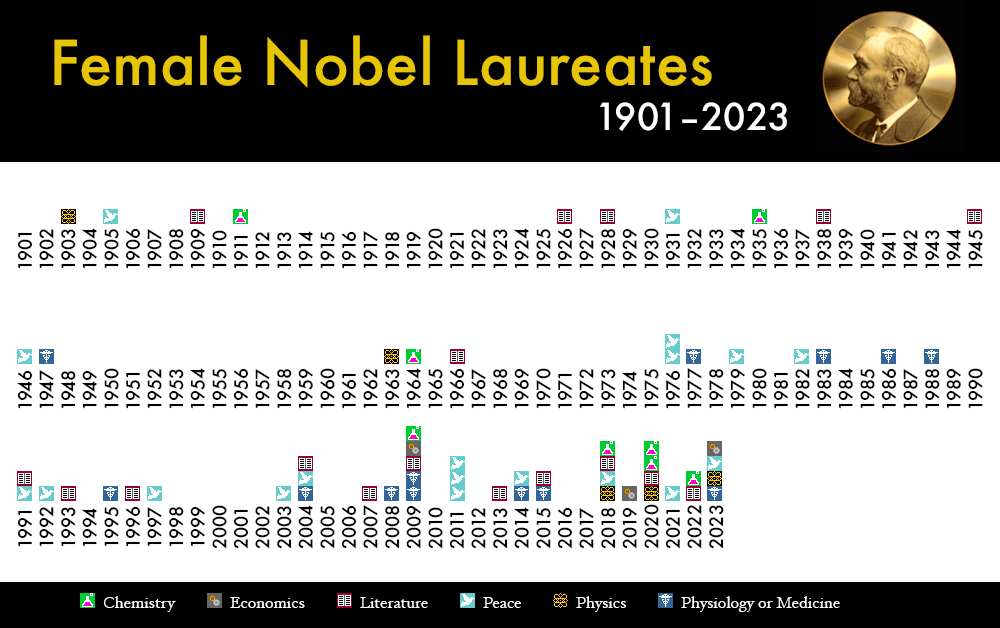
South Korean author Han Kang, known for “The Vegetarian” and “The White Book”, has become the 18th woman to win the Nobel Prize for Literature. You can see how many Female Nobel Laureates have been nominated since 1901 below.
Her powerful prose, recognised for confronting historical traumas and exploring human fragility, resonates deeply in today’s world. The Nobel Committee praised her innovative style and unique awareness of the connection between body, soul, life, and death.
Han Kang’s recognition highlights the ongoing struggle for gender equality in fields like literature, where women remain underrepresented. This achievement aligns with the values of the Council of European Municipalities and Regions (CEMR), which has long championed equality and inclusion. Through initiatives like the European Charter for Equality of Women and Men in Local Life, CEMR supports local governments in advancing gender equality and ensuring equal representation in decision-making.
Just as Han Kang’s work challenges societal norms, CEMR continues to advocate for a more inclusive, equal future for all.