
Funding local services first

Funding and investment in Local Regional Governments must be protected


Europe’s sectoral social dialogue partners for local and regional government unions are concerned about the review of the EU’s economic governance rules.

The Council of European Municipalities and Regions (CEMR) and the European Federation of Public Service Trade Unions (EPSU) are concerned that the proposed reduction in public spending will negatively impact the essential services provided by local and regional governments.

The EU institutions are currently reforming the EU economic governance frameworkBruegel Institute calculations indicate that several member states will have to reduce public spending in 2025 and in the coming years, often in the billions of euros, under this mandate.  

This would not be the first time the EU sets indications to member states to reduce public spending. The effects of such measures have strongly impacted funding for local and regional governments and, therefore, their ability to provide quality services to citizens. Local governments are first responders to the immediate needs of citizens – they deliver services that allow all our communities to thrive. From public administration to housing and social services, from firefighters to waste collection: underfunding means jeopardising the delivery and quality of services to citizens.

Insufficient funding for local and regional governments exacerbates inequalities and disparities across regions and municipalities, as well as between rural and urban areas. Without adequate resources, local and regional authorities struggle to address pressing issues such as unemployment, labour and skills shortages, working conditions, social inclusion, and the digital and green transition.

Moreover, reductions in public spending hit women harder. Underfunding contributes to the persistence of the gender pay gap in the EU, given that the majority of workers in the sector are women often low pay. In addition, women are more reliant on local public services.

Furthermore, local and regional governments ensure democracy and equal access for all citizens. With just two months until European elections, it is important to recall that underfunding local governments means underfunding our democracies.

We urge European policymakers to carefully assess the implications the economic governance framework reform will have on local and regional governments in the EU. The impact of these rules cannot hinder the ability of local and regional governments to fulfil their mandates and provide essential services to citizens. As sectoral social partners in local and regional governments, we are committed to continue supporting the implementation of the European Pillar of Social Rights towards a social Europe for all. This economic reform must not constrain this European ambition.

We expect economic governance rules that protect the funding and investment that Local and Regional Governments require to serve their communities with the services which Europe’s citizens deserve.

Read the statement here

For more information, contact:

Local, Social, Digital

Local Social Digital - News 2023

Tallinn Conference on the “Local, Social, Digital” Project


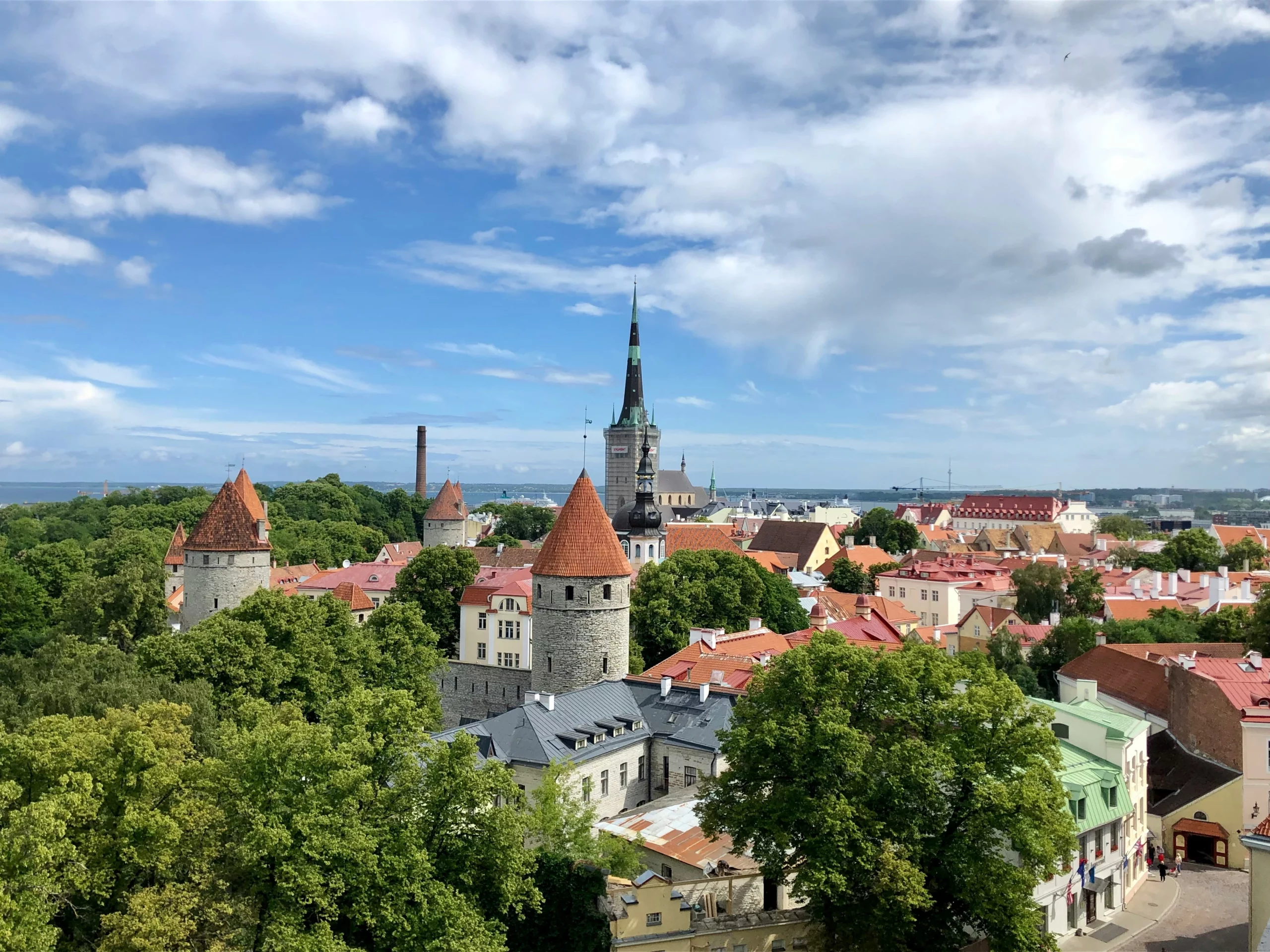
On February 16, 2024, Tallinn, Estonia, will host the second conference of the “Local, Social, Digital” project, a collaborative effort by CEMR and EPSU. The project addresses the challenges from the digital transition and evolving work patterns highlighted by the COVID-19 crisis. This transformation significantly influences employer-worker relations and working conditions within the local and regional government sector.
 
Initiated to foster European coordination and secure appropriate funding, the CEMR-EPSU project seeks to enhance the understanding and capacity of employers, trade unions, and workers’ representatives on various issues related to digitalisation and automation. The conference will serve as a crucial platform for stakeholders to share insights and navigate the challenges posed by the evolving landscape.

Digitalisation

Digitalisation - News 2023

Bridging the Digital Divide: Social Partners Convene for Local and Regional Government Transformation


Social partners from the local and regional government sector gathered in Cagliari, Italy on 16th June 2023 for the inaugural conference of the EU-funded project “Local, Social, Digital.” The initiative is jointly led by the Council of European Municipalities and Regions (CEMR) and the European Federation of Public Service Unions (EPSU). It aims to enhance the capacity of national social partners by facilitating the exchange of information and knowledge, including good practice examples, technical expertise, and policy planning, in the context of the digital transformation of the EU’s public sector.

The digitalisation of local public services and administration will significantly impact working conditions and how public services are delivered in local and regional governments. The social partners representing these sectors have a vital role to play in expediting digitalisation efforts and ensuring a smooth transition that improves working conditions.

The conference was attended by representatives from the Directorate-General for Employment, Social Affairs and Inclusion of the European Commission, Eurofound, SGI Europe, the European Trade Union Confederation, and social partners from the Education Sector.

Fabrizio Rossi, Secretary General of CEMR, inaugurated the conference and outlined the organization’s vision for the digital transformation of the EU’s public sector. He emphasized the urgent need for local and regional governments to spearhead digital transformation initiatives that serve all communities, leaving no territory behind.
During the conference, social partners from Italy, Denmark, Norway, and Estonia had the opportunity to showcase their best collective bargaining practices related to digitalisation. A significant portion of the conference was dedicated to Italy, where a recent collective bargaining agreement on digitalisation was presented.

Representatives Ms. Tatiana Cazzaniga (FP-CGIL) and Mr. Jacopo Massaro (National Association of Italian Cities) highlighted the key features of the agreement on behalf of the Italian social partners from the local and regional government sector. They also emphasized the importance of increased involvement from both parties within the European Sectoral Social Dialogue Committee on Local and Regional Governments.

As part of the project, CEMR and EPSU affiliates will continue their collaborative efforts over the next two years to develop sectoral guidelines that support the digital transition within local and regional public administration.

MUNIWORD 2022

MUNIWORD - News 2022

Take part in MUNIWORD 2022, a global brainstorming on urban innovation


Join hundreds of local representatives and engage in a global brainstorming on urban innovation. Taking place from 6 to 8 December, in Tel-Aviv and Jerusalem, MUNIWORD 2022 is the go-to event for anyone involved in local innovation and smart cities.

This one-of-a-kind conference will serve as a platform for sharing visions, methodologies, and best practices for promoting municipal and global sustainability, resilience, and innovation that will serve Municipalities worldwide. The event is organised by the Federation of Local Authorities in Israel (FLAI), Masham, in partnership with the city of Jerusalem.

Speakers at the conference will include government Ministers mayors, senior stakeholders, and key figures from the business sector, government, and academia.

MUNIEXPO 2022,the Local Government Exhibition for Innovation

MUNIWORLD 2022 is part of MUNIEXPO 2022, the annual event on Municipal Innovation held by the FLAI.

Attended by 9,000 Director Generals and Managers of 258 local authorities in Israel, the Expo provides a platform for collaborations to impact millions of citizens’ daily lives directly.
International MUNIWORLD participants are granted full access to all the events of MUNIEXPO 2022 and will enjoy exclusive tours of the exposition and special networking events.

Practical info

The FLAI kindly offers to provide two nights of accommodation in the prestigious Orient Hotel in Jerusalem for all Mayors, as well as an exemption from registration fees. This exemption from registration fees will also be provided to an additional member of each Mayor’s delegation.

Participation in the event includes an opening gala evening in the presence of the Prime Minister and President of the State of Israel, tailored-made urban innovation tours in Jerusalem, an international plenary session and panels in Tel Aviv on topics of the global municipal agenda, a guided visit of the exhibition, an exclusive meeting at the President’s House for Mayors, and a festive dinner hosted by Mr. Moshe Lion, Mayor of Jerusalem.

Discover last year’s MuniWorld with a short vidéo.

For more information please visit the MuniWorld 2022 website or contact the Federation of Local Authorities in Israel via email.

Podgorica

Podgorica - News 2022

Podgorica delivers 100 websites for local businesses


The COVID-19 pandemic has significantly slowed down the growth of many local companies across the world.

By being tech-savvy and present online, companies can cushion the impact on brick-and-mortar businesses and be more resilient in the face of future crises.

That’s whyPodgorica, the capital of Montenegro, created the “100 websites project” (100sajtova.me), which, as the name suggests is providing 100 free websites for 100 local business.

After checking the applicants’ submitted documentation, visuals and data for the website, all websites that met the specified requirements were created by city employees. You can check them out here.

Through this digital platform, Podgorica has provided local businesses free website development, as well as a free domain and hosting for a period of one year.

The city also provided workshops to help businesses learn the basic knowledge needed to maintain their newly made websites. Many websites have since then been updated and supplemented.

The development environment used allows the parameters to be easily modified to find solutions adapted to other needs. The successes of “100sajtova.me” highlights how our communities’ local businesses can be digitalised to be fit for the future.

Political Debate on AI

AI - News Section

AI and local adaptation: an essential antidote to climate chaos


From automatic translation and the detection of cancer cells to the promise of self-driving cars, artificial intelligence (AI) is already transforming work and processes in many areas of life. But this revolution, which will only intensify in the coming years, also concerns public services and, in particular, local and regional governments.

This is particularly true in the area of climate change adaptation, given that meteorological risks are as diverse as the patchwork of the world’s territories. That’s why CEMR held a political debate on AI and climate adaptation in Bologna on Monday (4 July), featuring national, regional and local political leaders, as well as academic and international experts.

Stefano Bonaccini, the president of CEMR and of the Emilia-Romagna Region, highlighted Bologna’s hosting of the supercomputers of the European Centre for Medium-Range Weather Forecasts (ECMWF). “This is a data centre for the entire European Union, containing some of the most powerful supercomputers in the continent”, he said. “By forecasting meteorological risks, the Centre contributes to shaping the most appropriate local and regional actions to adapt to an increasingly unstable climate.”

Such data will be sorely needed. European territories are increasingly being devastated by wildfires, floods and other extreme weather events. Andreas Wolter, the Mayor of Cologne, underlined that last year floods in Germany and Belgium killed almost 250 people and inflicted €20-40 billion in damages. The summer of 2021 was also the hottest on record in Europe, reaching 48.8 degrees Celsius in Sicily in August.

Patrizio Bianchi, the Italian Minister of Education, stressed the importance of AI and data to developing local, national and European responses to climate change and potential disasters. “We need data, data, data, and more data! And the capacity to elaborate on this data”, he said. “We are using this data to improve our capacity to live well and healthily, as well as to avoid war and disasters.”

Minister Bianchi stressed that Bologna’s data centre is one node in a pan-European system of climate simulations and that cooperation at all levels is key. He also emphasised that AI cannot substitute for human collective intelligence and civic responsibility: “The only real danger is human stupidity. We can avoid this by returning to the basic values of our democracies.”

Combined European and local action

Reports from the Intergovernmental Panel on Climate Change (IPCC) increasingly suggest that we will not achieve the Paris Agreement’s goal of limiting the global rise in temperatures to 2 degrees Celsius. As such, local climate adaptation will be necessary in addition to mitigation through reduced global emissions.

The European Union is taking numerous actions to anticipate and adapt to climate risks. These include the Copernicus Earth satellite observation programme, the Destination Earth digital model of our planet’s environmental system and a barrage of legislation and funding as part of the European Green Deal.

One European project particularly concerning local and regional governments is the Covenant of Mayors. The towns and regions making up the Covenant’s 11,000 signatories, covering 341 million inhabitants, all commit to taking measures to decarbonise their economies and proactively adapt to climate change.

The European Commission’s scientific body, the Joint Research Centre (JRC), regularly produces data-based studies on local climate risks and adaptation. These notably help identify the most coherent and effective actions to be undertaken in different localities, as well as flagging sometimes neglected issues such as social inequalities.

Public data and models are key to designing effective local adaptations

Enrico Biffis, Associate Professor of Actuarial Finance at Imperial College London, stressed the importance of data and accurate climate models to take the most relevant local adaptation actions. “If we don’t get it right the costs are going to be huge. Some of these projects are multi-year, 10, 20, 30 years”, he said. “You cannot just backtrack 10 years down the line. It’s imperative to get it right.”

Mayors and other local and regional elected leaders shared their experiences and challenges regarding climate adaptation. Michaël Quernez, Mayor of Quimperlé, Vice-President of Brittany and Secretary General of CEMR’s French association (AFCCRE), cited the problems of climate data becoming privatised. “In France, for a mayor like me to access to data from Météo-France (a public weather forecaster), he must buy it”, he said. “What can we do to ensure this is public data and it is not marketized?”

This is just one of the issues that local and regional representatives can raise among national and European policymakers. One thing is for certain: we need accurate information and cooperation at all levels if Europeans are to fight and adapt to climate change.

Employment Report

Labour - News Section

Report: EU Dialogue, Local Solutions


Do you want to know more about the work of municipalities and local trade unions? Here is the final report of the EPSU-CEMR joint project “EU Dialogue, Local Solutions” that concluded with a final online event on 25 March. The project focused on the share of good practice examples among members regarding the implementation of three sets on EU guidelines agreed over the years by CEMR and EPSU: on gender equalitythird-party violence and harassmentmigration and anti-discrimination.


This project showed there exists a variety of initiatives implemented by local and national affiliates, and the joint action of local and regional governments together with trade unions is crucial to implement far-reaching actions on many different policy areas, while ensuring better working conditions for the LRGs workforce. Find the project’s final report here.

EU dialogue, local solutions

Labour - News

EPSU – CEMR Project “EU dialogue, local solutions” 3rd national workshop


Social partners, members of CEMR and the European Federation of Public Service Unions (EPSU) gathered on 25 February during the workshop “Migration and inclusion guidelines: Spanish and Italian actions”. This third webinar focused on strategies from both countries, underlining the importance of providing key public services to migrants but also promoting inclusion. In the moments we are experiencing, it is important to hold up to the values we stand for.

Malin Looberger concluded by highlighting that it was a privilege to share experiences and knowledge to be able to work on long term solutions that take into consideration the needs of both migrants and LRGs workers.

Principles for a digital transition for all

Digital transition - News 2022

Is the EU’s new approach in tune with local and residents’ needs?


Digital services, online platforms and electronic devices have become part of our everyday life, bringing us countless new opportunities for professional and personal development. However, innovation can come at a cost. Continuous access to information and data can put our privacy at risk and expose us to misinformation, fraud and discrimination.

For this reason, the European Commission recently issued a “Declaration on Digital Rights and Principles for the Digital Decade” with guidelines to ensure a fair and inclusive digital transition. The document will shape future EU digital rules, such as the upcoming Data Act on sharing of information between businesses and governments.

CEMR provided its input during the Commission’s consultation preparing the digital decade declaration. In fact, we recently adopted our own position paper “Digital Services for All: Principles for a digital transition in European local and regional governments”. The paper outlines CEMR members’ views on the digital transition, a trend which is transforming the role and activities of local and regional governments.

Several of the principles put forward by CEMR members were also reflected in the Commission’s Declaration, notably on the importance of user-centred digital services, consultation between levels of government for setting standards and the upgrading of digital skills among citizens. Read our take on the declaration and what’s in store for local governement.

Interoperable and transparent data management

Digital Services for All outlines the conditions needed for local and regional governments to provide effective and inclusive digital services for all citizens.

These include the development of open international standards through dialogue between all levels of governments – European, national, regional and local – and between the public and private sectors. Only through dialogue with all stakeholders can solutions suitable to all be found.

Public and private actors must bear in mind that the interoperability of services and systems is crucial to ensuring smooth data exchange. Data management must be transparent. To this end, local and regional governments comply with GDPR and other regulations on accessing public-sector data. 

Inclusive digital services

Digitalisation of public services is useless if the people concerned, our citizens and users, cannot access them. That is why CEMR strongly advocates a non-discriminatory approach for the deployment of digital public services, taking into account economic and social barriers.

Awareness of intersectionality – the interaction of these economic and social barriers – means always ensuring public services are accessible and usable by everyone, regardless of the conditions they face. Proactive actions are needed to make sure that elderly people, persons with disabilities, marginalised and vulnerable individuals are not excluded.

Finally, we can only reap the full fruits of digitalisation if people have the skills needed to participate. We need coordinated action to further develop digital skills and literacy among public officials, citizens and indeed all users. Only an informed society and a digitally literate public will be able to make the most out of digital services.

Read the position paper here

For more information, contact:

Modernising working time rules

Labour - News Section

Balancing worker protection with flexibility and legal clarity in local public service delivery under the Working Time Directive


The Council of European Municipalities and Regions (CEMR) has responded to the European Commission’s public consultation on the review of the Working Time Directive (WTD), urging the EU to prioritise legal certainty and respect for local autonomy in any future reform. 

Unchanged since 2003, the current Directive no longer fully reflects today’s labour realities, especially for local and regional governments as major public employers. While modernisation is welcome, CEMR warns against overreach: the Directive should focus strictly on health and safety, without encroaching on broader employment issues that fall outside the EU’s remit, such as wages, work-life balance, or new working patterns. 

In its response, CEMR reaffirms key positions first set out in its 2011 position paper, which remain relevant today. It calls for: 

  • Flexibility for social dialogue: Local social partners are best placed to find tailored solutions through bargaining and agreements that balance worker protection with service continuity. 
  • Clear limits to scope: The Directive must not expand into areas that are either outside EU competence or not directly related to health and safety. 
  • Legal certainty: Any revision should result in simpler, clearer rules that avoid legal ambiguity and reduce the administrative burden on local authorities. 

CEMR further stresses that the review must take full account of the impact on local and regional governments’ ability to provide uninterrupted public services, especially in sectors like emergency care and civil protection, where flexible working patterns are essential. 

CEMR concludes that no legislative initiative should proceed before the publication of detailed impact assessments and a full analysis of the public consultation. In the meantime, it stands ready to engage in open and constructive dialogue with EU institutions to ensure a balanced approach that works for all levels of governance. 

Read the position paper here 

For more information, contact: