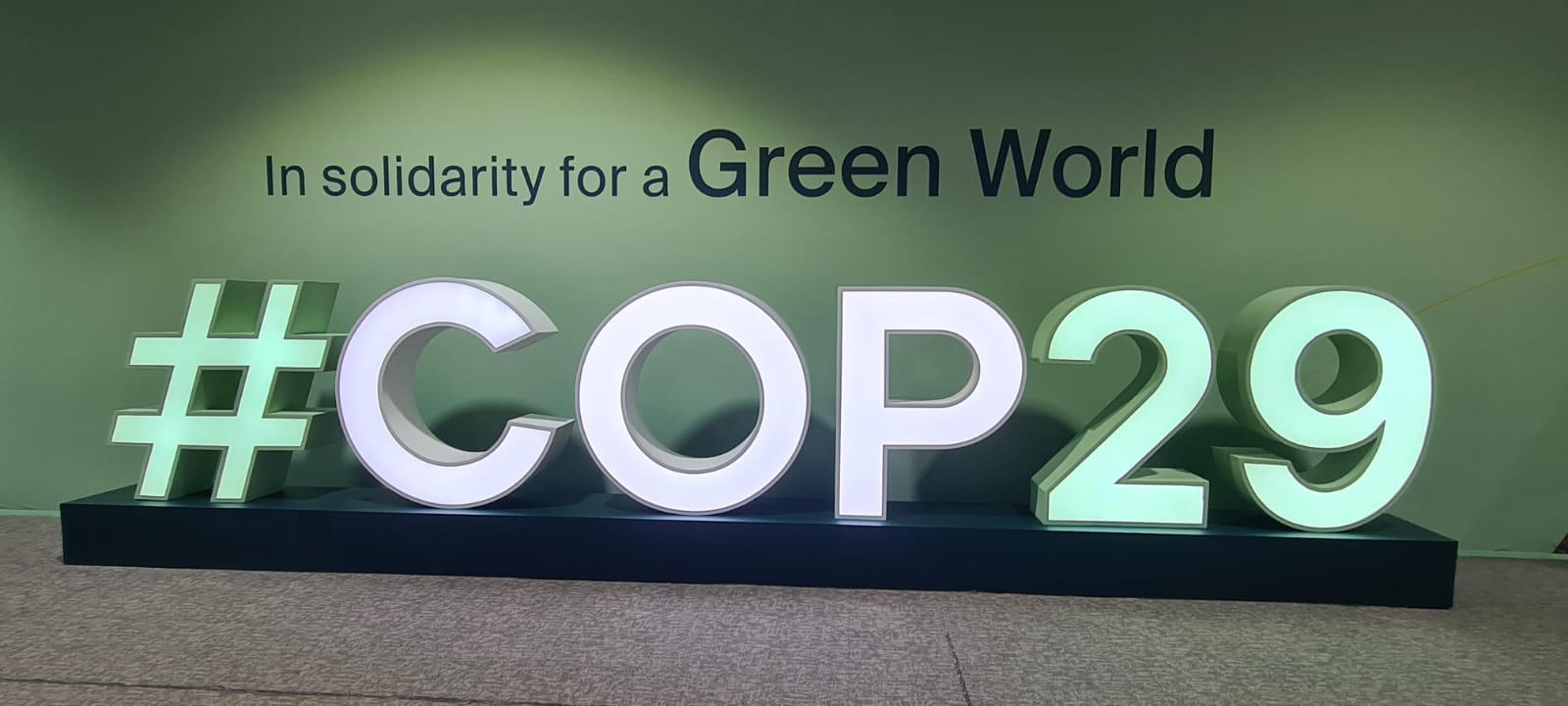
CEMR at COP29

Local Governments Driving Climate Solutions on the Global Stage


At the 29th UN Climate Change Conference (COP29) in Baku CEMR showcased the indispensable role of Local and Regional Governments (LRGs) in global climate action. Through advocacy, strategic dialogue, and direct engagement with Ministers, Governors, Parliamentarians, Multilateral Development Banks, and UN agencies, CEMR cemented its position as a key player in advancing sustainable urban development and combating climate change.
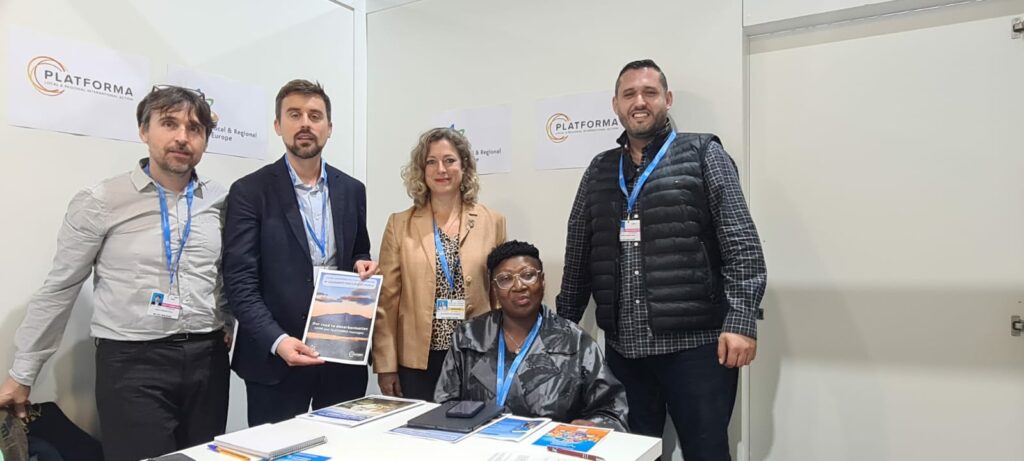
Local and Regional Governments: A Cornerstone of Climate Action

Local and regional governments are uniquely positioned to address climate challenges. Managing 68% of public climate investments, they are on the frontlines of adaptation and mitigation efforts. Yet, these governments often remain excluded from key international decision-making processes. At COP29, CEMR sought to change this by advocating for LRGs to be fully integrated as strategic partners in shaping climate policies.

CEMR also underscored the importance of multilevel governance. This approach, combining local, regional, and national collaboration, ensures that climate strategies are both inclusive and effective. By engaging in over 170 events, CEMR and the LGMA Constituency showcased how cities and regions lead innovative climate solutions, including sustainable infrastructure, green financing, and community resilience initiatives.

CEMR Delegation in Action
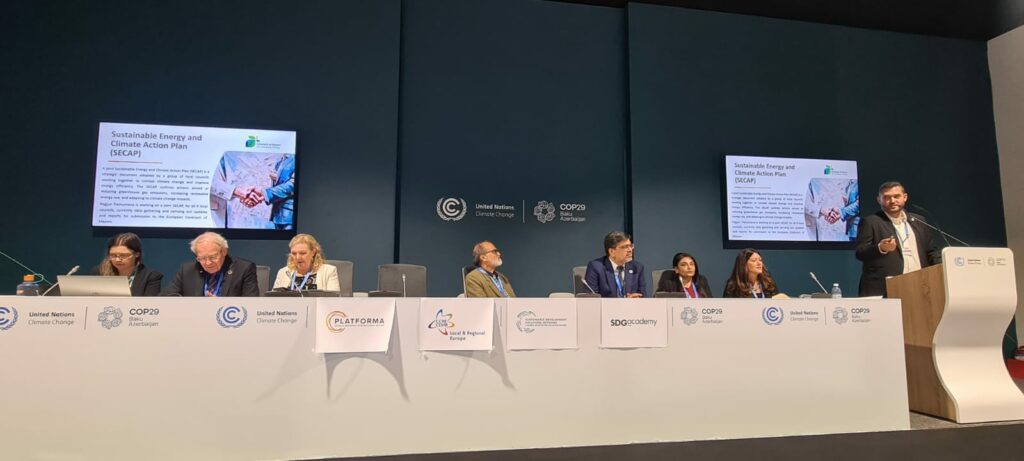
CEMR’s political leadership took centre stage during COP29. Marianne Overton, Vice President of CEMR, and Clifford Galea, a member of our Young Elected Officials Committee member, participated in high-profile sessions, emphasising local governments’ role in climate justice and finance. Key moments included:

  • Panel on Multilevel and Multistakeholder Climate Solutions: Clifford Galea highlighted the urgency of channelling direct funds to local governments, stating, “Efficient climate action starts with empowering those closest to the communities impacted.”
  • Roundtable on Financing Urban Climate Action: Marianne Overton called for innovative financial mechanisms to ensure accessible funding for sustainable urban projects and ecosystem restoration

Efficient climate action starts with empowering those closest to the communities impacted.”

 Advocating for Loss and Damage Response

One of the summit’s most critical topics was the establishment of an effective framework for addressing Loss and Damage. CEMR, together with the LGMA Constituency, endorsed the Call to Action on Loss and Damage, initiated by United Cities and Local Governments (UCLG). This initiative demands equitable resource distribution, North-South collaboration, and the inclusion of subnational governments in funding mechanisms. Notably, the call prioritizes the needs of marginalized communities and the integration of local knowledge into global climate strategies.

CEMR’s endorsement reflects its commitment to securing direct access to the Loss and Damage Fund for local governments, particularly in vulnerable regions. This advocacy reinforces the message that addressing climate crises requires collaboration at all levels of governance.

 Why Local and Regional Governments Matter
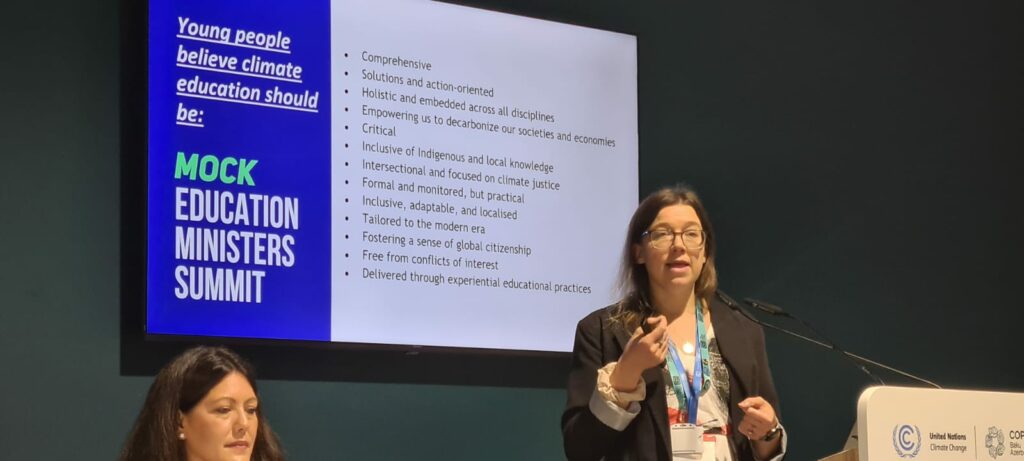
The urgency of including LRGs in climate governance cannot be overstated. As the level of government closest to communities, they have the knowledge and capacity to implement tailored solutions that address local realities. This perspective aligns with the broader recognition at COP29 that achieving the Paris Agreement’s goals requires the active involvement of all governance levels.

 Looking Ahead: COP of Cities

The outcomes of COP29 mark a significant step forward with greater recognition for the work of cities in the COP process, but the journey toward equitable climate governance is far from over. While COP29 is about to end, hope is there for cities to play a central role next year in Belem (Brazil). All traffic lights are green: “COP30 has to be the COP of the cities, because climate is central in connecting people”, said Ambassador Antonio Da Costa e Silva, chief international adviser at the Brazilian Ministry of Cities.

Let’s hope national leaders received the message.

Urban mobility

Mobility - News Section

CEMR to take part in the European Commission Expert Group on Urban Mobility


Great news! the Council of European Municipalities and Regions is officially part of the European Commission Expert Group on Urban Mobility! CEMR will be represented by the Chair of its expert group on mobility, Caspar Sluiter from the Association of Netherlands Municipalities (VNG).

This new group will be responsible for several tasks, including assisting the Commission in executing the new EU urban mobility framework, facilitating exchanges of good practices in the field of sustainable urban mobility, and encouraging information exchanges on initiatives, projects, and partnerships on sustainable urban mobility.

Mobility Week

Mobility Week - News 2022

​How cities are turning their streets over to cyclists


Did you know? Each year, buses, trams and metros carry 50 billion passengers in cities, saving 100 million car trips every day.

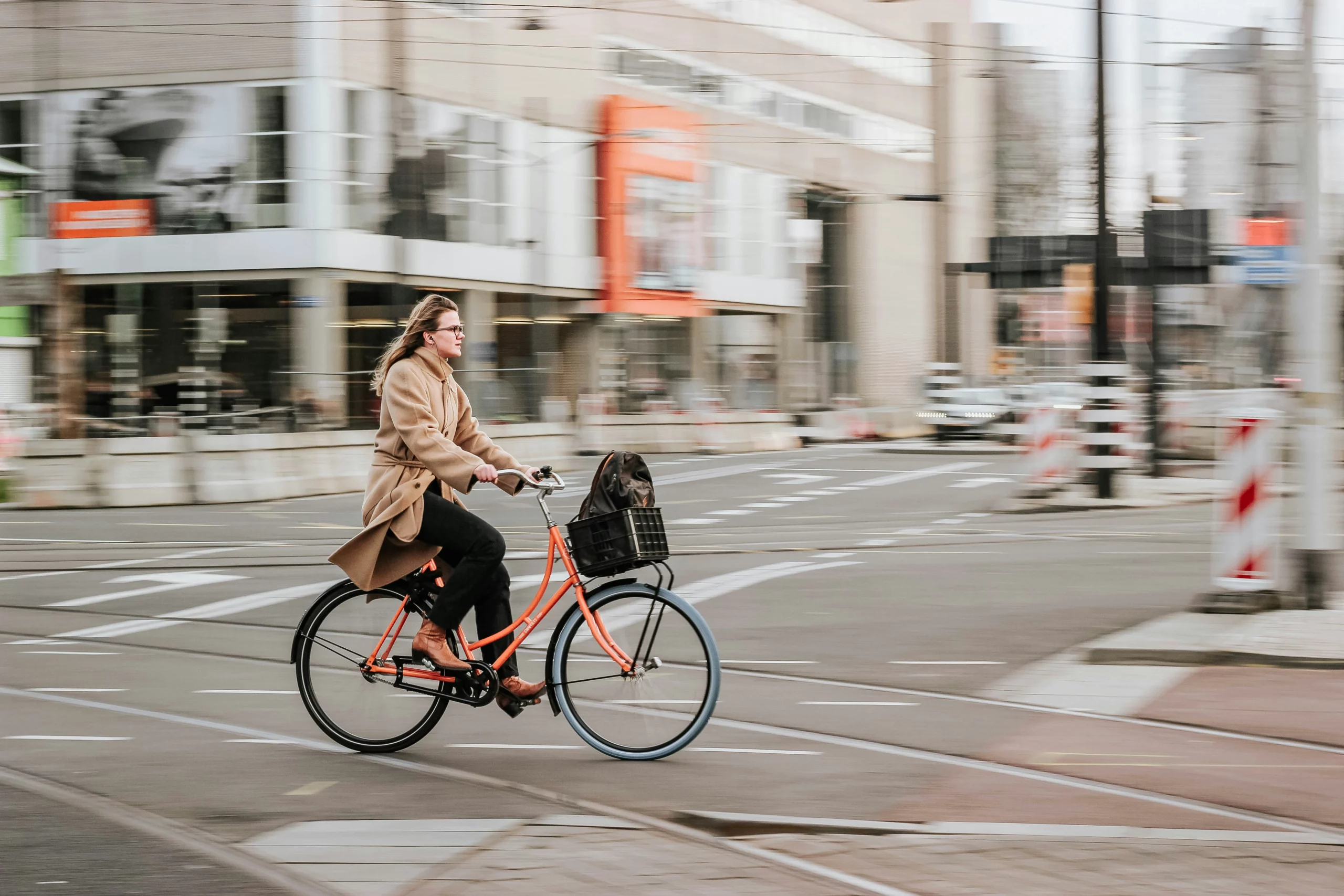
But bicycles are also a convenient and environmentally friendly way to travel. Copenhagen, for example, is known for being a city of cyclists. Its residents ride because it’s safe, fast and easy to get around by bike. They also do it because Copenhagen is designed and built for cycling. By 2025, 50 per cent of all trips to work and education in the city are expected to be made by bike. 

So what is the recipe for turning cities around bicycles? Some say it all starts with the creation of segregated bike lanes and ‘slow streets’. Others claim making public transport compatible with cyclists is key. 

All around the world, cities are taking steps to drive sustainable mobility, including by widening pavements, closing streets to cars and setting up traffic light signalling that prioritises people travelling by foot or bike. 

But as the European Commission states, the worst enemies of the bicycle in urban areas are not cars, but longheld prejudices connected with the use of the bicycle as a regular mode of transport. For example, few car owners are really aware of what their car costs them and of the considerable savings to be made by cycling. Awareness-raising campaigns are therefore key to informing the population on the objective qualities and advantages of cycling.

On their own, all those local initiatives led by cities can make a difference, but together they can transform our urban future and make mobility less environmentally and socially harmful, more efficient and cleaner.

To find out more about how cities are tackling the challenge of mobility, visit the European Mobility Week website. Also, take a look at the infographic produced by the CEMR on this occasion.

Review of clean vehicles directive

Mobility - News section

Rethinking EU Clean Vehicles Rules: Why CEMR Calls for Flexibility, Funding, and Local Autonomy 


With road transport accounting for nearly a quarter of Europe’s greenhouse gas emissions, the EU is pushing for cleaner mobility solutions across all sectors. But in its current form, the proposed revision of the Clean Vehicles Directive could undermine the very public transport systems it aims to green. The Council of European Municipalities and Regions (CEMR) raises serious concerns about the directive’s scope, rigid procurement quotas, and potential to impose disproportionate costs on local and regional governments. 

Rather than empowering local authorities, the directive risks creating new financial burdens, administrative complexity, and counterproductive outcomes, such as reduced services or higher fares that could drive citizens away from public transport. 

Key messages include: 

  • Public authorities are not the problem. Local public transport is already among the cleanest transport modes. Efforts must focus more on vehicle manufacturers and private transport operators, not just municipalities. 
  • Procurement must remain flexible. While green public procurement should be encouraged, mandatory environmental or social criteria for public contracts would conflict with the subsidiarity principle and public procurement law. Local governments must retain the freedom to balance cost, service needs, and environmental goals. 
  • Technology neutrality is essential. The directive should avoid favouring specific technologies. Instead, a life-cycle emissions approach should guide definitions of “clean vehicles,” including real-driving emissions and biofuels. Special-purpose vehicles such as snow ploughs and waste trucks should be excluded. 
  • Quotas may backfire. Mandatory targets for clean vehicle procurement risk creating a vicious cycle: higher costs for local authorities may lead to service cuts, higher fares, and reduced public transport use, ultimately undermining climate goals. 
  • Funding must follow ambition. The transition to cleaner fleets requires substantial investment. CEMR calls for EU support, including a “golden rule” exempting public transport investment from Maastricht deficit rules, and more targeted funding. 
  • Reporting must be simplified. New national-level monitoring and reporting rules must not overload the over 100,000 local authorities across the EU. CEMR urges a streamlined, risk-based approach to limit bureaucracy. 

Ultimately, CEMR opposes the directive in its current form and urges amendments that respect local autonomy, enable cost-effective transition, and support sustainable transport without penalising the public sector already leading the way. 

Read position paper here

For more information, contact:

Smart and sustainable transport 

Mobility - News Section

Empowering municipalities to shape Europe’s mobility future 


As the EU reviews its 2011 White Paper on Transport, the Council of European Municipalities and Regions (CEMR) highlights one key message: local and regional governments are essential partners in delivering a competitive and sustainable European transport system. 

Key messages: 

  • Mobility is local – and diverse 
    Transport challenges and solutions often begin at the local level. But EU transport policy focuses too narrowly on urban centres. Rural, remote, mountainous, and island regions also need tailored support to ensure territorial cohesion. 
  • One-size-fits-all won’t work 
    Europe’s regions vary widely. EU goals must allow flexibility, especially for smaller municipalities, to adapt to their specific geographic, economic, and social conditions. 
  • EU action should add value, not burden 
    New initiatives must be based on solid evidence and real local benefit. More legislation is not the answer. Instead, local governments need support through guidance, training, financial tools, and sharing of good practices
  • “Soft targets” allow for smart solutions 
    Instead of rigid rules, the EU should promote voluntary targets, like increasing clean mobility or public transport use and leave room for local innovation. 
  • Invest in public transport and clean mobility 
    Cities need better access to EU investment for expanding sustainable public transport, encouraging cleaner vehicles, and supporting new technologies. 
  • Think beyond city borders 
    Integrated transport doesn’t stop at city limits. Cooperation between local and regional authorities is vital, especially for cross-border mobility and shared services. 
  • Policy coherence is a must 
    EU transport goals must align with other areas like energy, environment, digitalisation, and regional development. More coordination across EU institutions is needed to ensure a consistent and effective approach. 

What local governments need from the EU: 

  • No more red tape, just clear, flexible frameworks 
  • Better access to funding and R&D support 
  • Inclusion in decision-making and expert groups 
  • Support for cleaner vehicles and alternative fuels 
  • Help with digital tools and open data for smart mobility 

Conclusion: 
Local governments are not just users of transport policy; they are builders of mobility solutions. If the EU wants to meet its transport and climate goals, it must work with local and regional authorities, not around them. 

Read the position paper here 

For more information, contact: