On the EU Water Resilience Strategy

Head Banner - SUN4UKRAINE

CEMR priorities on the European Commission Water Resilience Strategy


The European Commission has just published its Water Resilience Strategy, a much-needed step toward safeguarding one of our most vital common goods.

At CEMR, we welcome the Strategy’s alignment with many of our long-standing priorities:
✅ Recognition of water as a public good
✅ Acknowledgement of the role of multi-level governance, cross-border cooperation and stakeholder engagement
✅ Emphasis on nature-based solutions, including the new Sponge Facility
✅ Improved tools for data access, drought management, and awareness-raising

We also welcome the reinforcement of the Polluter Pays Principle, especially for persistent pollutants like PFAS. However, we are particularly concerned by the provision for an updated study on the costs and potential impacts of the Extended Producer Responsibility (EPR) scheme under the Urban Wastewater Treatment Directive.

As addressed in our recent joint letter to President von der Leyen decision risks delaying the deployment of quaternary treatment technologies essential to remove micropollutants and could hinder the timely implementation of the recast Directive.

We strongly believe that local and regional governments are best placed to address water challenges — but to do so effectively, they must be empowered with the tools, flexibility, and funding they need.

The Strategy would benefit from:
🔹 Clear and firm commitment to dedicated funding for water management in the next MFF
🔹 Better access to emergency EU funds for municipalities and regions affected by extreme events
🔹 Stronger legal safeguards and technical support for public sector water services
🔹 Concrete support for urban-rural cooperation in integrated water management

Read our full position paper

These issues will be front and centre at the CEMR Leaders’ Summit in Oslo, 23–24 June, under the theme: “Local Solutions for Equitable and Sustainable Resource Management.”

Let’s ensure Europe’s water resilience starts where it matters most — in our cities and regions.

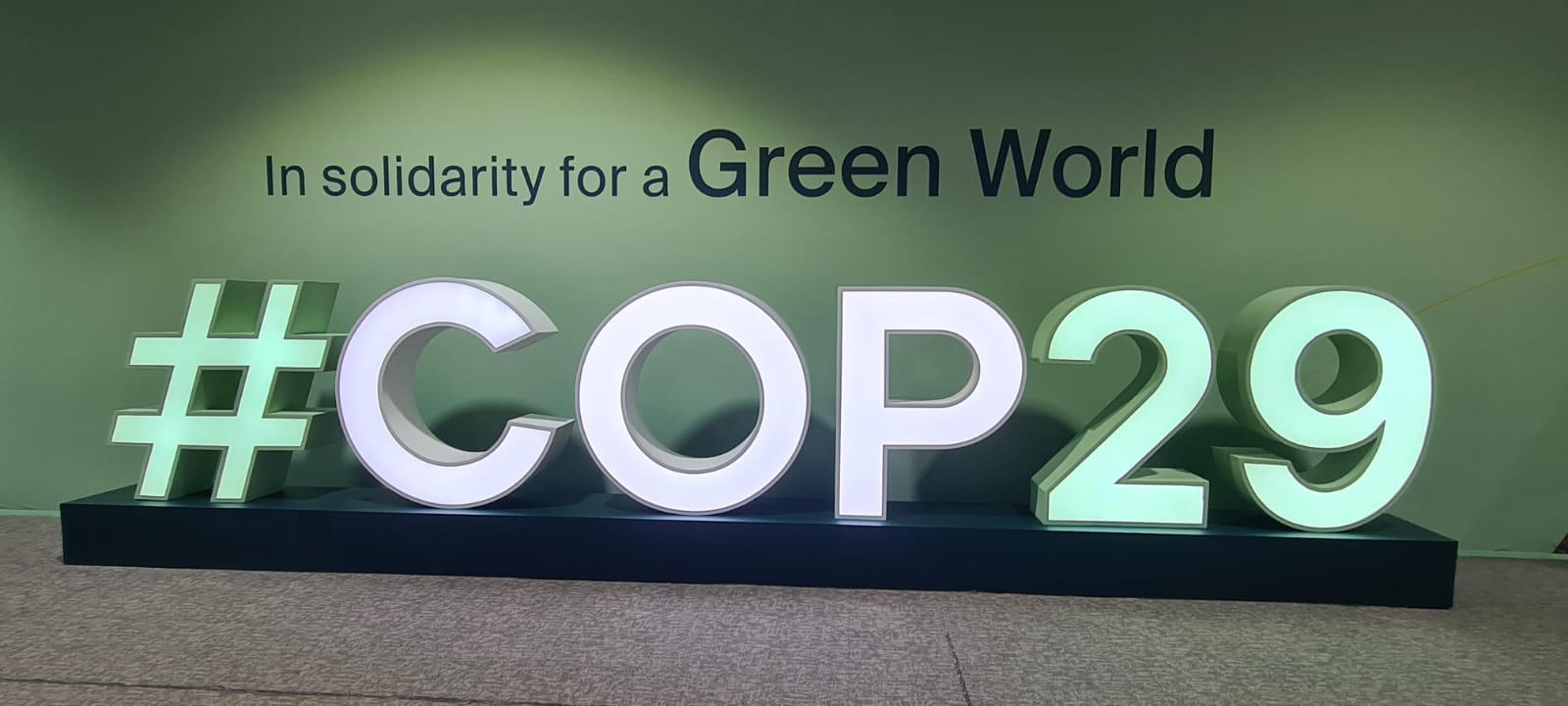
CEMR at COP29

Local Governments Driving Climate Solutions on the Global Stage


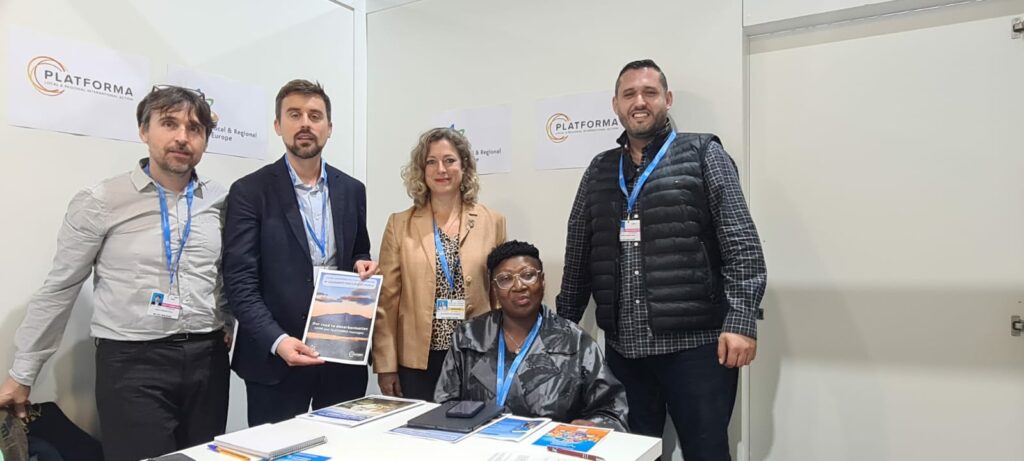
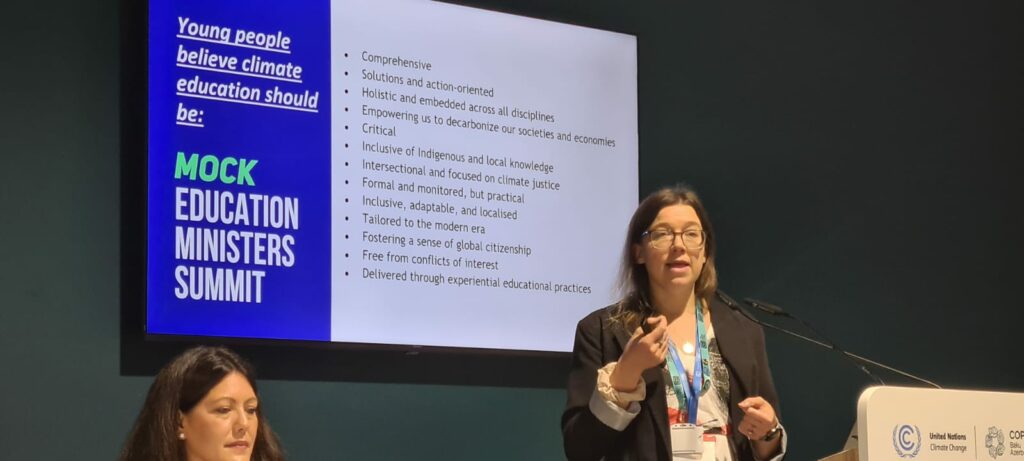
At the 29th UN Climate Change Conference (COP29) in Baku CEMR showcased the indispensable role of Local and Regional Governments (LRGs) in global climate action. Through advocacy, strategic dialogue, and direct engagement with Ministers, Governors, Parliamentarians, Multilateral Development Banks, and UN agencies, CEMR cemented its position as a key player in advancing sustainable urban development and combating climate change.

Local and Regional Governments: A Cornerstone of Climate Action

Local and regional governments are uniquely positioned to address climate challenges. Managing 68% of public climate investments, they are on the frontlines of adaptation and mitigation efforts. Yet, these governments often remain excluded from key international decision-making processes. At COP29, CEMR sought to change this by advocating for LRGs to be fully integrated as strategic partners in shaping climate policies.

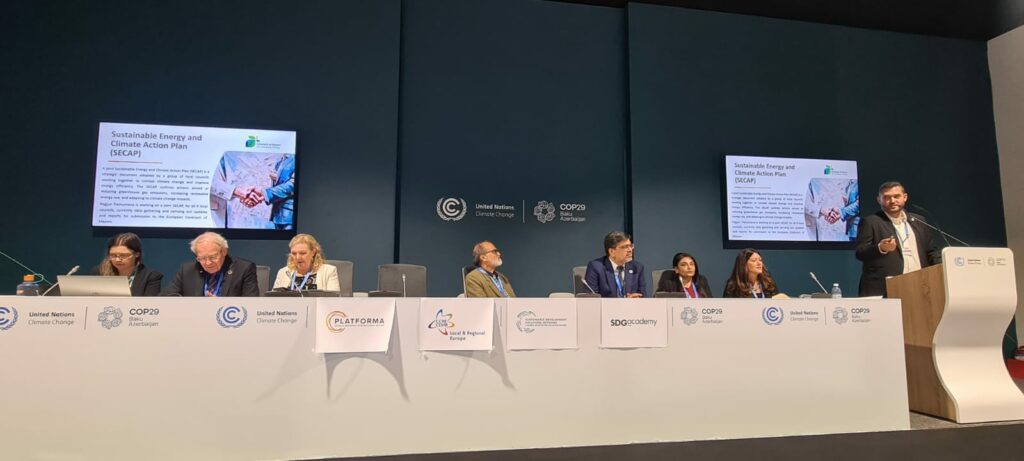
CEMR also underscored the importance of multilevel governance. This approach, combining local, regional, and national collaboration, ensures that climate strategies are both inclusive and effective. By engaging in over 170 events, CEMR and the LGMA Constituency showcased how cities and regions lead innovative climate solutions, including sustainable infrastructure, green financing, and community resilience initiatives.

CEMR Delegation in Action

CEMR’s political leadership took centre stage during COP29. Marianne Overton, Vice President of CEMR, and Clifford Galea, a member of our Young Elected Officials Committee member, participated in high-profile sessions, emphasising local governments’ role in climate justice and finance. Key moments included:

  • Panel on Multilevel and Multistakeholder Climate Solutions: Clifford Galea highlighted the urgency of channelling direct funds to local governments, stating, “Efficient climate action starts with empowering those closest to the communities impacted.”
  • Roundtable on Financing Urban Climate Action: Marianne Overton called for innovative financial mechanisms to ensure accessible funding for sustainable urban projects and ecosystem restoration

Efficient climate action starts with empowering those closest to the communities impacted.”

 Advocating for Loss and Damage Response

One of the summit’s most critical topics was the establishment of an effective framework for addressing Loss and Damage. CEMR, together with the LGMA Constituency, endorsed the Call to Action on Loss and Damage, initiated by United Cities and Local Governments (UCLG). This initiative demands equitable resource distribution, North-South collaboration, and the inclusion of subnational governments in funding mechanisms. Notably, the call prioritizes the needs of marginalized communities and the integration of local knowledge into global climate strategies.

CEMR’s endorsement reflects its commitment to securing direct access to the Loss and Damage Fund for local governments, particularly in vulnerable regions. This advocacy reinforces the message that addressing climate crises requires collaboration at all levels of governance.

 Why Local and Regional Governments Matter

The urgency of including LRGs in climate governance cannot be overstated. As the level of government closest to communities, they have the knowledge and capacity to implement tailored solutions that address local realities. This perspective aligns with the broader recognition at COP29 that achieving the Paris Agreement’s goals requires the active involvement of all governance levels.

 Looking Ahead: COP of Cities

The outcomes of COP29 mark a significant step forward with greater recognition for the work of cities in the COP process, but the journey toward equitable climate governance is far from over. While COP29 is about to end, hope is there for cities to play a central role next year in Belem (Brazil). All traffic lights are green: “COP30 has to be the COP of the cities, because climate is central in connecting people”, said Ambassador Antonio Da Costa e Silva, chief international adviser at the Brazilian Ministry of Cities.

Let’s hope national leaders received the message.

Sustainable textile waste management 

Textile Waste - News

Strengthening EU Waste Legislation Through Local Collaboration and Producer Responsibility 


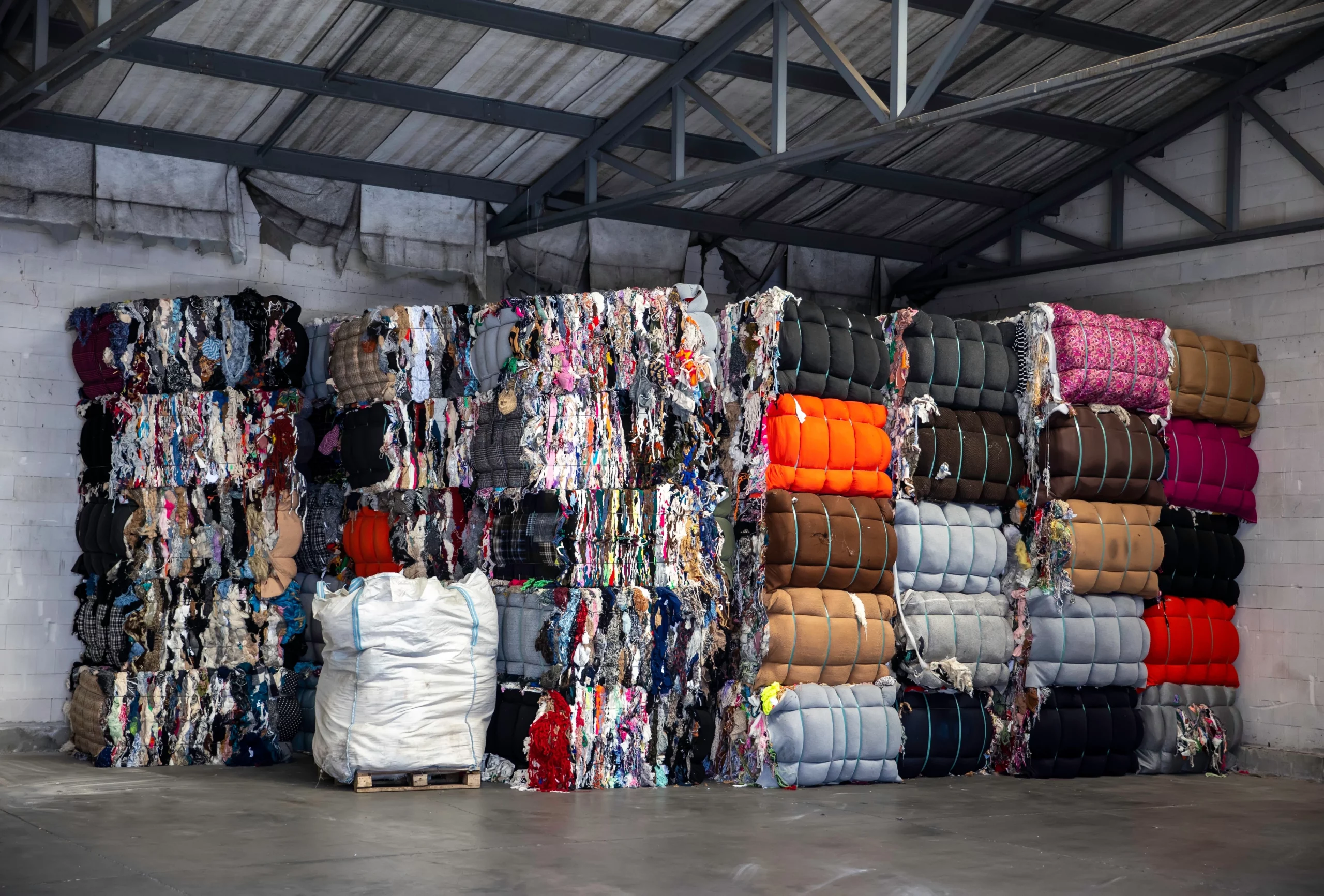
As the EU prepares to implement key provisions of the revised Waste Framework Directive, including mandatory separate collection of textiles by January 2025, the Council of European Municipalities and Regions (CEMR) calls for urgent improvements to ensure fairness, clarity, and efficiency in textile waste management. Drawing from on-the-ground experience and policy best practices, particularly France’s Extended Producer Responsibility (EPR) scheme, CEMR offers targeted recommendations to close critical legislative gaps and empower local governments in achieving sustainable waste solutions. 

1. Expand the Definition of Textile Waste 

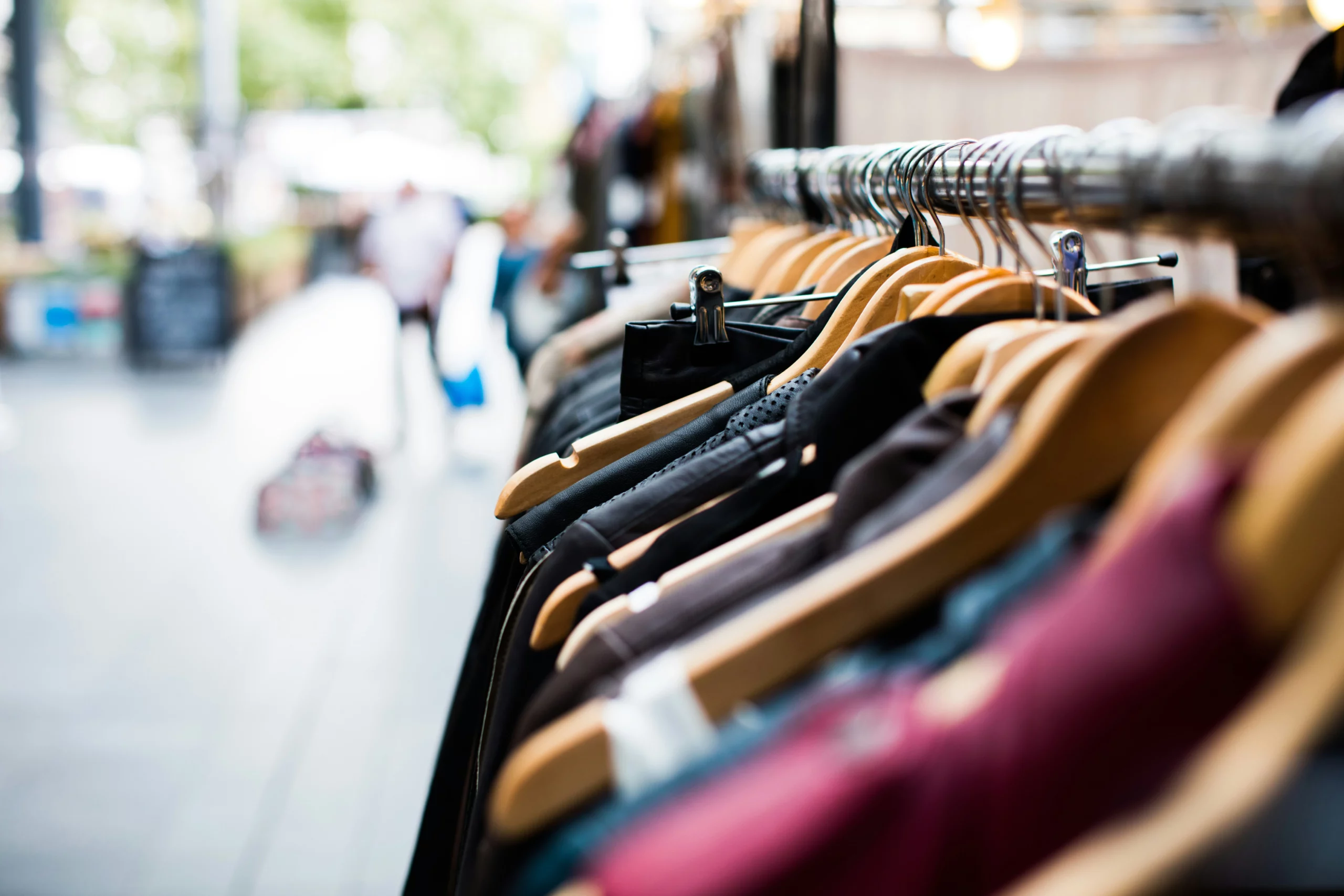
The current directive focuses narrowly on ‘household textiles,’ excluding significant sources of textile waste from commercial and institutional settings such as hotels, hospitals, restaurants, offices, and schools. CEMR recommends a broader, more inclusive definition of ‘textile waste’ that reflects its diverse origins and aligns with the Polluter-Pays Principle. 

2. Clarify the Role of Social Enterprises 

Social enterprises play a vital role in collection, sorting, reuse, and resale of textiles. These actors must be fully recognised within the waste legislation and EPR frameworks, with fair access to funding and partnership opportunities. Their unique contributions can enhance the circular economy while delivering strong social outcomes. 

3. Strengthen Extended Producer Responsibility (EPR) for Textiles 

a) Align Implementation Deadlines 

There is currently a mismatch between the 2025 obligation for separate textile collection and the proposed EPR deadline, which may not come into effect until 2027 or 2028. CEMR calls for the EPR scheme to be implemented simultaneously with the collection obligation, and for producers to retroactively reimburse municipalities for collection-related costs from January 2025. 

b) Recognise Local Authorities as Key Partners 

Municipalities are central to waste collection and citizen engagement, yet their role is not clearly defined in the proposed EPR framework. CEMR urges mandatory collaboration between Producer Responsibility Organisations (PROs) and municipalities to ensure streamlined collection systems and cohesive public communication. 

c) Ensure Full Cost Coverage 

EPR funding must comprehensively cover not only infrastructure and operational costs, but also continuous public communication campaigns, which are critical to successful sorting and reuse. Additionally, producers should bear partial responsibility for textiles that remain in mixed waste streams, incentivising better product design and citizen behaviour. 

d) Include Unsold Textiles in EPR Obligations 

To align with the Ecodesign Regulation for Sustainable Products, which bans the destruction of unsold goods, CEMR advocates for including unsold textiles in the scope of EPR. A clear definition should be added to the directive to ensure these products are managed responsibly and transparently. 

4. Introduce Clear Measures to Prevent Textile Waste 

Overproduction and fast fashion are key drivers of Europe’s textile waste crisis. The revised directive must go beyond waste management and address prevention at the source. This includes incentives for sustainable design, extended use, reuse systems, and anti-overproduction regulations. 

Case Study: France’s “Refashion” EPR Scheme 

France’s pioneering EPR program, “Refashion,” offers a proven model. Since 2007, it has tripled the collection and recycling rates of post-consumer textiles. In 2020 alone, it engaged over 4,000 producers and allocated €36 million toward sorting, community projects, and innovation. Nearly 40% of textiles placed on the market were collected, up from 27% in 2013, with a 90% material recovery rate and 50% direct reuse. 

This success story demonstrates how producer accountability, coupled with strong public-private cooperation, can drive significant progress. However, challenges such as labour-intensive sorting and the difficulty of recycling blended fibres remain and must be addressed at the EU level. 

Conclusion 

With the right revisions, the updated Waste Framework Directive can become a powerful tool in reshaping Europe’s approach to textile waste. CEMR urges EU institutions to act decisively by aligning deadlines, empowering municipalities, and ensuring that both social and environmental responsibilities are shared equitably across the textile value chain. Only then can the EU truly advance toward a circular, fair, and sustainable future. 

Read the position paper here 

For more information, contact: 

Fixing Textile Waste

Textile Waste Management - News

CEMR calls for a stronger local role and producer responsibility in EU textile waste reforms


In response to the European Commission’s proposal to revise the Waste Framework Directive, the Council of European Municipalities and Regions (CEMR) has published key messages to ensure that local and regional authorities are central to a fair and effective textile waste management system.

The revision, which includes mandatory Extended Producer Responsibility (EPR) schemes for textiles, is welcomed by CEMR. However, urgent improvements are needed to ensure timely implementation, comprehensive cost coverage, and clearer roles for public authorities and social enterprises.

CEMR’s recommendations highlight several critical areas:

  • Broaden the definition of textile waste to include non-household sources such as hotels, hospitals, and offices.
  • Clarify the role of social enterprises and ensure they are fully integrated into EPR schemes.
  • Align deadlines for separate collection (due by 2025) with the establishment of EPR schemes to avoid unfunded obligations for municipalities.
  • Guarantee full cost coverage for collection, sorting, treatment, and public awareness campaigns.
  • Include unsold textiles under EPR rules, in line with the upcoming Ecodesign Regulation.
  • Promote prevention, especially by tackling overproduction and fast fashion.

Drawing on best practices from France’s “Refashion” scheme, CEMR shows how EPR can drive higher collection and reuse rates, stimulate innovation, and improve cooperation across the value chain, but only when properly implemented.

CEMR urges EU institutions to embed these recommendations into the revised directive to ensure that local governments can continue to lead on circular economy goals without being burdened by unfunded mandates.

For more information, contact:

The Denim Deal

Denim Deal - News 2022

How Amsterdam is reducing emissions by boosting the recycling of textiles


As the birthplace of denim labels and a European hub for global brands, the city of Amsterdam is renowned as an international denim capital. This sense of style is now going hand in hand with a growing environmental consciousness. As part of this, Amsterdam has launched the Denim Deal, an initiative to increase the share of recycled textiles in the city’s denim products.

The goal is that by the end of 2023, three million denim jeans containing 20% post-consumer recycled textiles will have been produced. In 2030, this will lead to reduction of carbon emissions by 2,400 kilotonnes, equivalent to a small coal plant.

The Denim Deal will work towards becoming the new industry standard in the denim industry and it is hoped its approach can be scaled up and replicated in other European municipalities. Indeed, the struggle for a waste-free circular economy cannot be achieved in isolation: work needs to be done with different actors along the whole supply chain.

A milestone contributing to the deal was the development of the automated sorting machine, Fibersort, which divides large volumes of mixed post-consumer textiles by fibre composition and colour. Such fine-grained sorting allows these materials to become uniform inputs for high-value textile-to-textile recyclers.

Multi-level cooperation brings results

The project, launched in 2020 by the City of Amsterdam, the Amsterdam Economic Board, the Dutch Ministry of Infrastructure and Water Management and the Municipalities of Haarlem and the Zaanstad, is a case study in cooperation across different levels of government.

The Denim Deal brings together over 40 partners including denim brands, policymakers, recycling companies and others. The initiative enables precise monitoring of the value chain of denim products and processes in the industry.

The project has been undertaken in the context of REFLOW, an EU-funded innovation project supporting the development of circular cities through the re-localisation of production and the reconfiguration of material flows.

Amsterdam is since 2009 a signatory of the Covenant of Mayors for Climate and Energy – Europe.

Local waste water policy 

Water Management - News

CEMR urges a proportionate, flexible and locally tailored approach to EU waste water reforms 


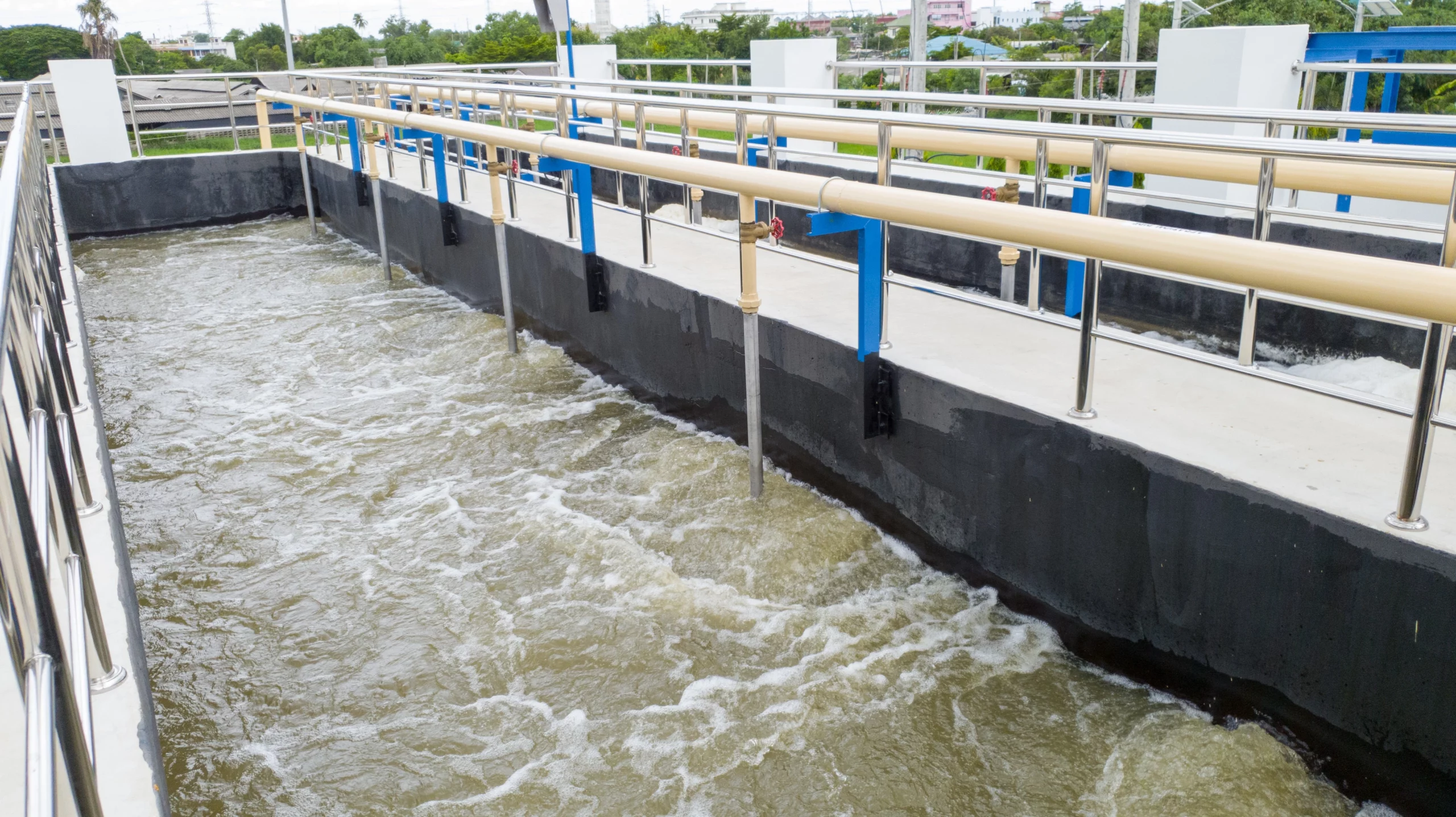
As the European Commission advances its revision of the Urban Waste Water Treatment Directive (UWWTD), the Council of European Municipalities and Regions (CEMR) welcomes the opportunity to modernise the framework in line with the Green Deal and today’s environmental challenges. 

However, CEMR stresses that a one-size-fits-all approach will not work. Instead, the revised directive must reflect the diversity of local conditions, be rooted in risk-based assessments, and align with the subsidiarity principle, allowing national and local authorities to tailor implementation to their context. 

Key concerns raised by CEMR include: 

  • Proportionality and impact: Efforts should focus where they matter most, on larger treatment plants and high-risk areas, rather than extending rigid requirements to small agglomerations or individual systems, which often pose far lower environmental risk. 
  • Stormwater overflows and urban runoff: These should be managed through a coordinated, risk-based approach under existing national plans and the Water Framework Directive, avoiding duplication and overregulation. 
  • Nutrient removal: CEMR supports stricter phosphorus thresholds in sensitive areas and encourages phosphorus recovery but calls for flexibility on nitrogen removal in colder climates where existing targets are technically or economically unfeasible. 
  • Circular economy: The revision should promote pollution prevention at source, enforce the polluter pays principle, and support raw material recovery and energy efficiency across the waste water chain. 

CEMR also calls for coherence across EU legislation, including alignment with the Water Framework Directive, and clear, proportionate reporting obligations for local and regional governments. 

Local best practice: inspiration from the Netherlands 

CEMR highlights Dutch municipalities as a model of innovation in tackling stormwater overflows and integrating water management into urban design. The “water square” in Rotterdam, for example, combines stormwater buffering with vibrant public space, showing how smart spatial planning can enhance both environmental outcomes and quality of life. 

In short, the revision of the UWWTD is a vital opportunity, but success will depend on flexibility, local knowledge, and a commitment to cost-effective, risk-based solutions

Read the full position paper 

For more information, contact: 

Circular economy starts locally

Waste - News Section

CEMR’s Priorities for Revising EU Waste Rules and Advancing the Circular Economy 


With the EU revising its Waste Framework Directive as part of the broader Circular Economy Package, the Council of European Municipalities and Regions (CEMR) is calling for an approach that respects local realities and builds true governance partnerships

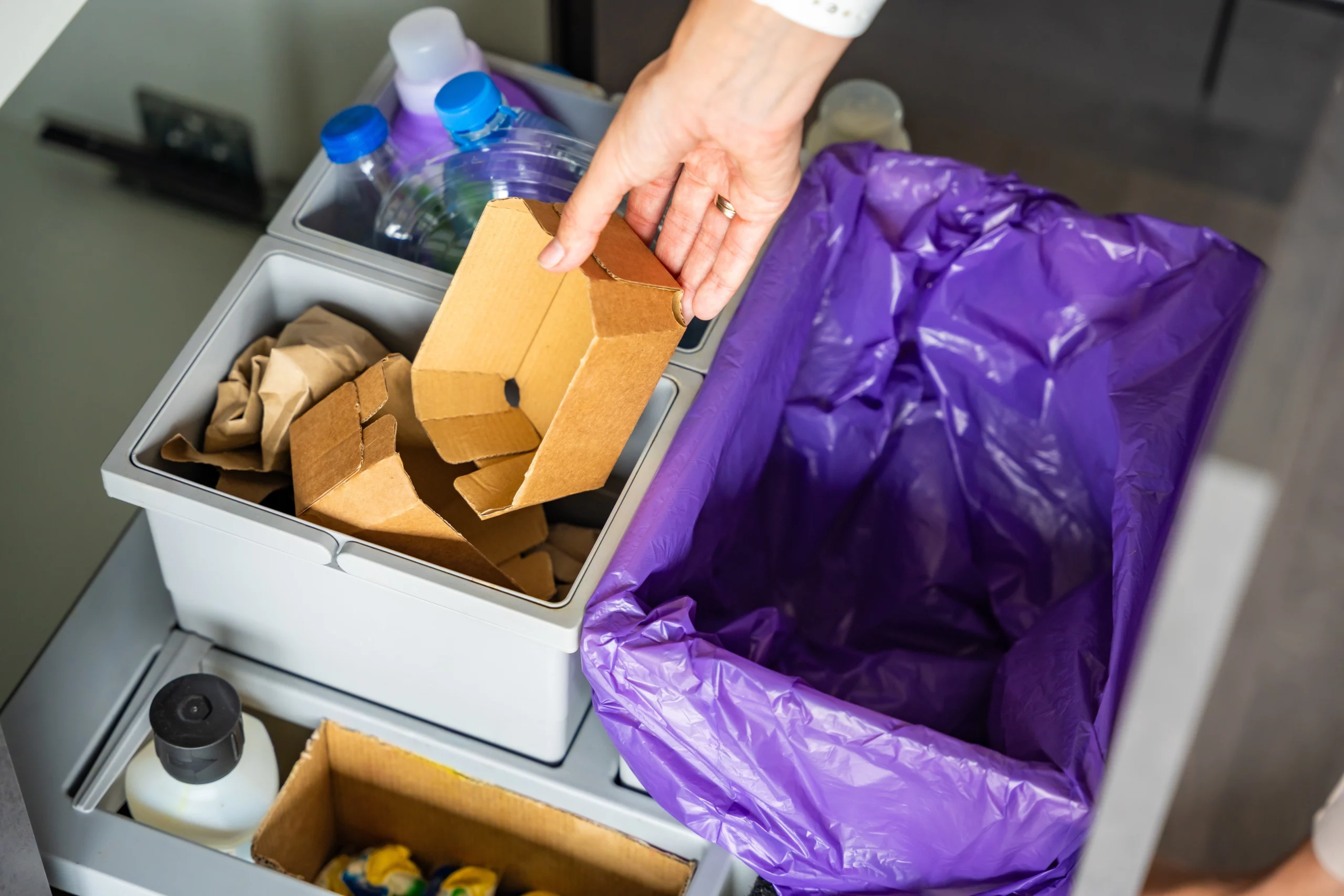
Local and regional governments are central to delivering Europe’s circular economy goals. From waste collection and recycling to raising citizen awareness, they are closest to the daily operations that make sustainability a reality. 

In its 2016 position, CEMR welcomes the Commission’s shift toward a more balanced approach. It supports clearer definitions for municipal waste, realistic recycling targets, and the inclusion of Extended Producer Responsibility (EPR) rules. However, CEMR also warns against overregulation through delegated acts and stresses the importance of flexibility in areas like separate collection and biowaste. 

Key recommendations include: 

  • Respecting subsidiarity: Leave room for national and local adaptation. 
  • Ensuring fair cost-sharing: Producers should fully cover the costs of waste linked to their products. 
  • Supporting public investment: EU funds must clearly back local waste infrastructure. 
  • Promoting green public procurement: Encourage but avoid overlap with procurement rules. 
  • Looking beyond municipal waste: Industrial and commercial sectors must also be addressed. 

Ultimately, CEMR sees municipalities as essential partners, not just implementers, in shaping a sustainable and job-creating circular economy. Without their full involvement and adequate resources, Europe risks missing the mark on both ambition and delivery. 

Read the position paper here 

For more information, contact: