UCLG meeting with EU Commissioner Síkela

“Local governments must be at the heart of the EU’s international partnerships”


UCLG President, Jan van Zanen, met with EU Commissioner Jozef Síkela: “Local governments must be at the heart of the EU’s international partnerships”

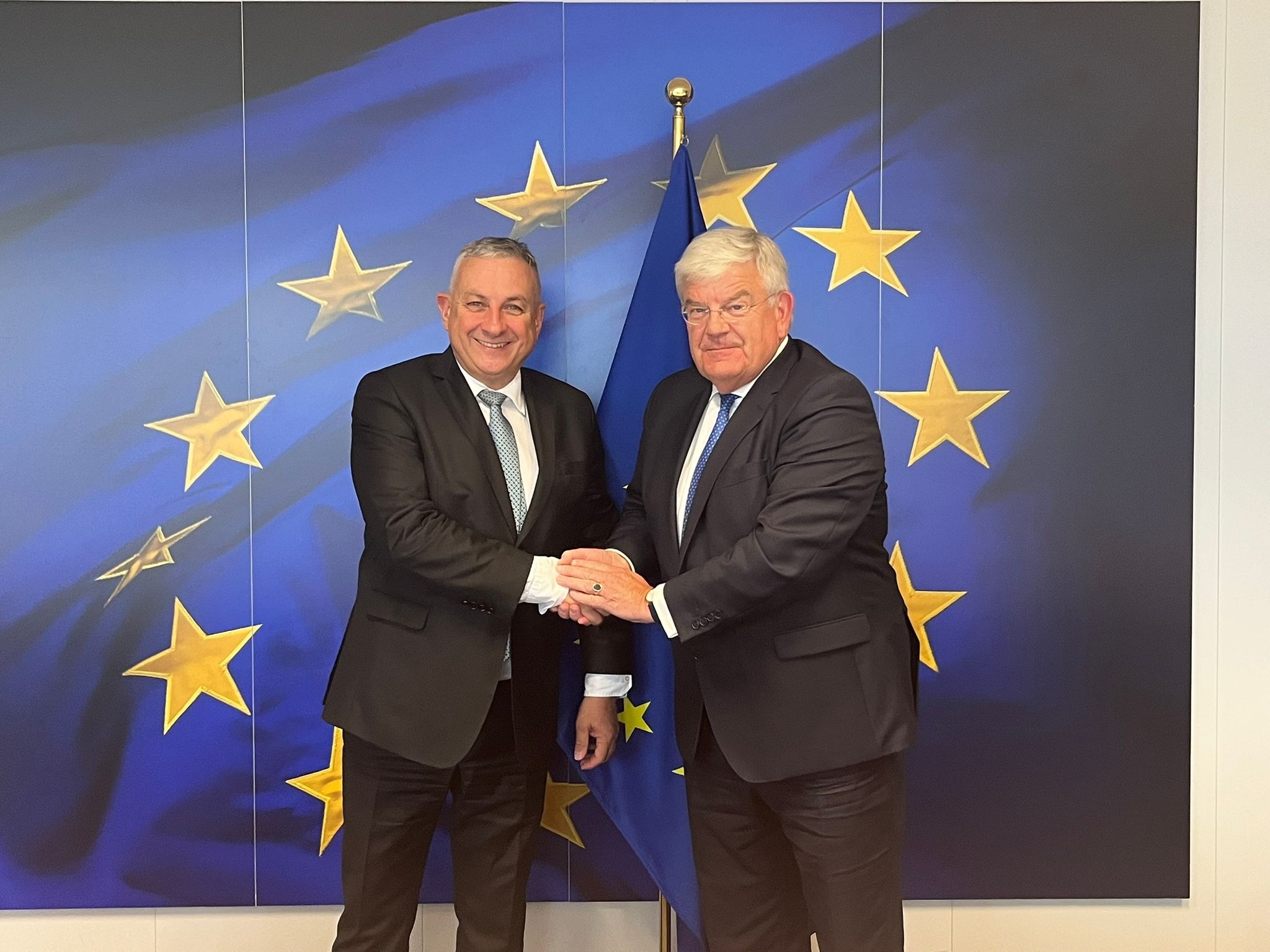
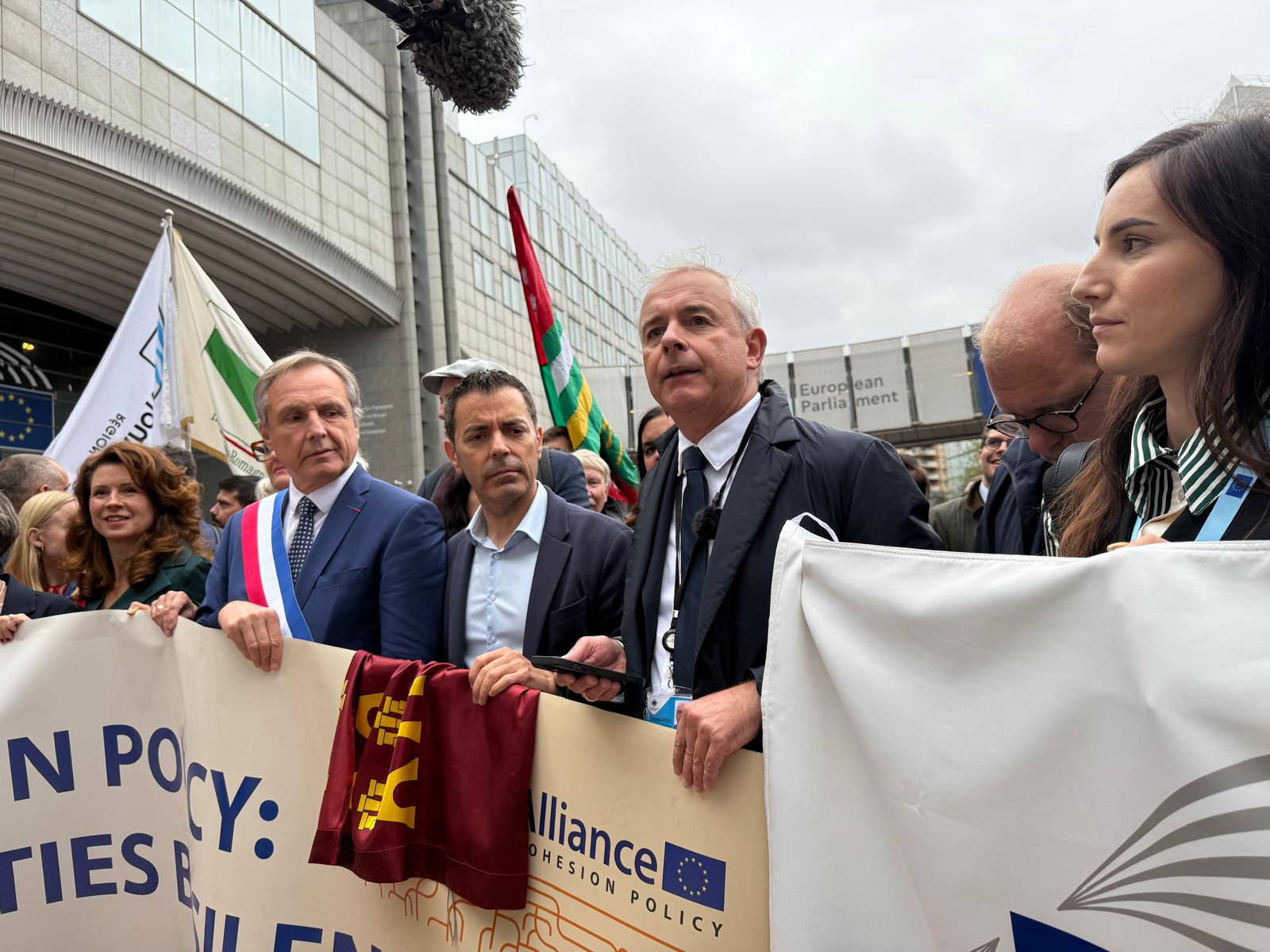
In a bilateral meeting on 10 June UCLG President and Mayor of The Hague Jan van Zanen met with the European Commissioner for International Partnerships Jozef Síkela at the occasion of 10 years of strategic partnership agreements between key associations of local and regional governments with DG INTPA (2015–2025), to advocate for a stronger role of local and regional governments (LRGs) in EU development cooperation – and to secure long-term support for decentralised cooperation in the next EU budget.

The delegation of CEMR and PLATFORMA, led by Mayor van Zanen, and including CEMR Secretary General Fabrizio Rossi, found promising common ground with the Commissioner. Both sides agreed that the goals of the Global Gateway strategy and the objectives of the EU international action – from sustainable development to infrastructure investment – can only be met by empowering the actors who are closest to the people: local governments.

Mayors and local leaders are not just implementers. They are political actors, democratically elected and accountable to their communities“, Mayor Jan van Zanen said. “They have a unique role to play in achieving the EU’s goals – but they need the means and the recognition to do so“.

Commissioner Síkela acknowledged the critical contribution of cities and regions to the EU’s Global Gateway strategy and international partnerships. As a former Czech Minister of Industry and Trade and a representative of the liberal “Mayors and Independents” party, Síkela expressed strong political sensitivity to the added value of local and regional leadership in global cooperation.

The meeting was part of a coordinated advocacy effort based on the PLATFORMA Political Declaration on the Role of Local and Regional Governments in the next Multiannual Financial Framework and EU External Action, adopted by local leaders in April 2025. CEMR and PLATFORMA underlined the need for a dedicated financial mechanism in the next Multiannual Financial Framework (MFF 2028–2034) that would allow LRGs and their associations to scale up their international cooperation and support peer-to-peer partnerships with their counterparts in partner countries.

They also called for improved dialogue with EU Delegations on the ground, clearer distinction between LRGs and civil society organisations in EU instruments, and tailored, realistic and impactful calls for proposals.

Beyond financial tools, CEMR and PLATFORMA emphasised the importance of political recognition of the role of local and regional governments and their associations and networks in the implementation and governance of the Global Gateway strategy. As Europe’s largest network of municipalities and regions, CEMR highlighted the importance of structured policy dialogue and inclusive governance – especially in fragile contexts where local actors are often the last line of defence of democratic values, and provision of basic public services to the local populations.

The exchange with Commissioner Síkela comes ahead of the “2025 Cities and Regions for International Partnerships” conference, scheduled for December, where the Commissioner is invited to continue the dialogue with the presidents of five key associations, signatories of a strategic partnership agreement with DG INTPA.

As the EU begins to shape its upcoming budget cycle, the message from Europe’s mayors and local leaders is clear: for EU development cooperation to succeed, and for the Global Gateway strategy to deliver on its ambition as a value-based offer to partner countries, the local level must be included.

For more information, contact:

Consultation on the EU Budget

MFF - Position paper News 2025

CEMR contributions to the European Commission consultation on the EU budget  


From 12 February to 6 May, the European Commission opened a public consultation to collect feedback on its roadmap towards the next Multiannual Financial Framework. The Council of European Municipalities and Regions (CEMR) shared the following key messages for a reformed EU budget in partnership with Local and Regional Governments (LRG).  

1 – From the ground up: multi-level governance at the core 

A rebalanced governance model—one that embeds LRGs in the planning, not just the implementation, of EU investment priorities. The next MFF must strengthen multi-level governance processes at both the EU and national levels to ensure that EU funding addresses the real and diverse needs of European municipalities and regions. 

2 – Smarter funding: simpler, more flexible, more accessible 

 CEMR calls for a simplified and harmonised approach when it comes to access to fundings with reduced bureaucratic burdens, a unified rulebook across funds, and streamlined audit systems. Strict thematic concentration and fragmented administrative processes have made EU funds difficult to access and adapt at local level. Flexibility from the programming stage will allow further predictability, essential for beneficiaries’ uptake of the funds.  

3 – Cohesion and competitiveness, hand in hand 

CEMR underlines that cohesion and competitiveness are not contradictory goals. A fair and inclusive EU budget must tackle regional disparities while strengthening the single market. High-quality local public services are essential for a competitive Europe and must be properly supported by the MFF. 

Therefore, the next budget must: 

  • Strengthen LRGs’ capacities, boost small and medium enterprises (SMEs) competitiveness, and expand access to essential digital and green services. 
  • Recognise LRGs as strategic actors in shaping local economic development and regional attractiveness for start-ups and businesses. 
  • Strengthen the public workforce: labour shortages are holding back LRGs’ ability to deliver innovation and services—this must be urgently addressed. 

4 – Local action, global impact 

Empowering LRGs through a decentralised management of EU funds will not only align investments with local priorities but also unlock greater impact, from social cohesion to digital transformation. Supporting local supply chains, the circular economy, and skills development across all regions will be critical in achieving Europe’s digital and green transitions. The next MFF must contribute to the achievements of  SDGs, both in Europe and through international cooperation. The EU’s budget has a key role in closing the gender gap, enhancing democracy and transparency and inclusive societies. At the international level, LRGs and their associations are untapped assets for the EU’s external action agenda. Their role must be elevated in initiatives like the Global Gateway and Team Europe, including as key actors in fragile contexts, decentralisation reforms, and infrastructure sustainability. 

Find here CEMR contributions to the open public consultations:  

EU Budget Event – key messages

EU Budget Event - News

Main conclusions of the EU Budget event at the European Parliament 


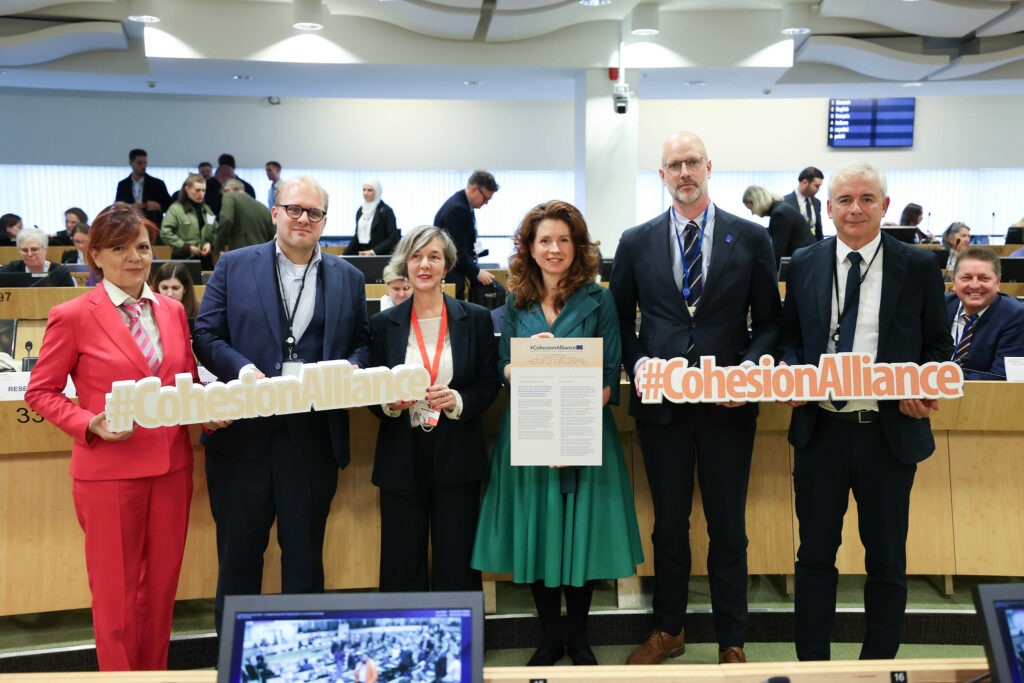
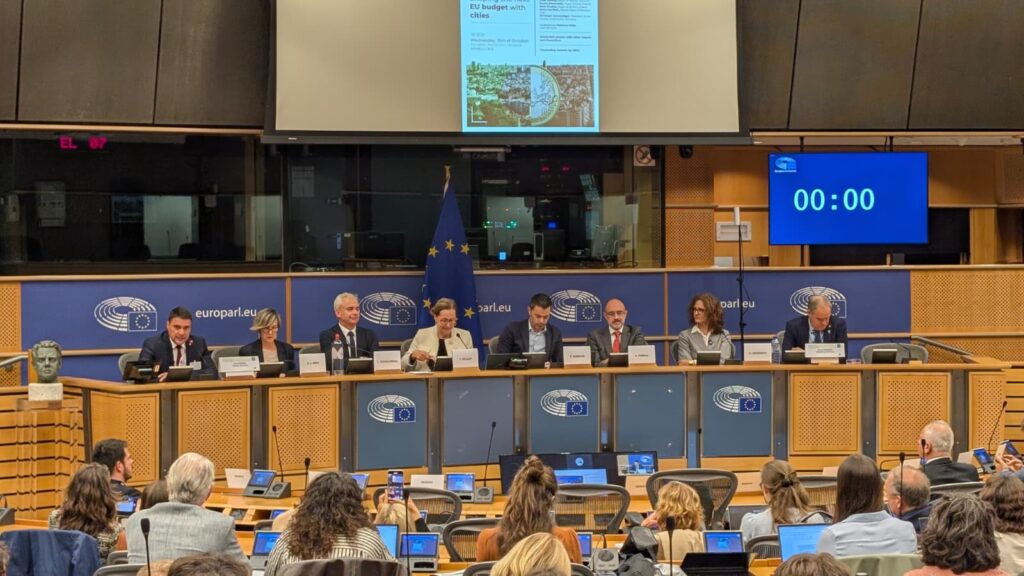
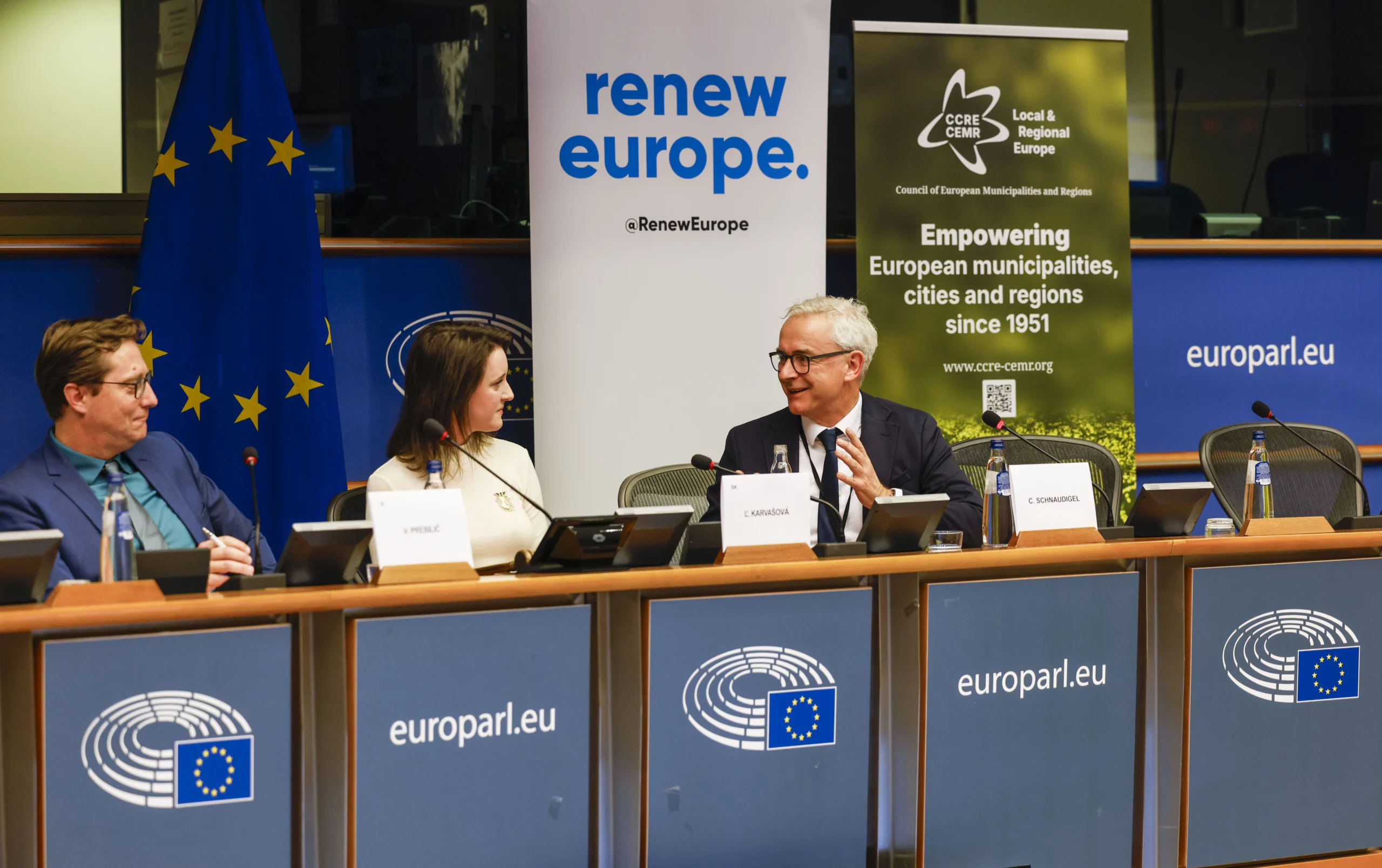
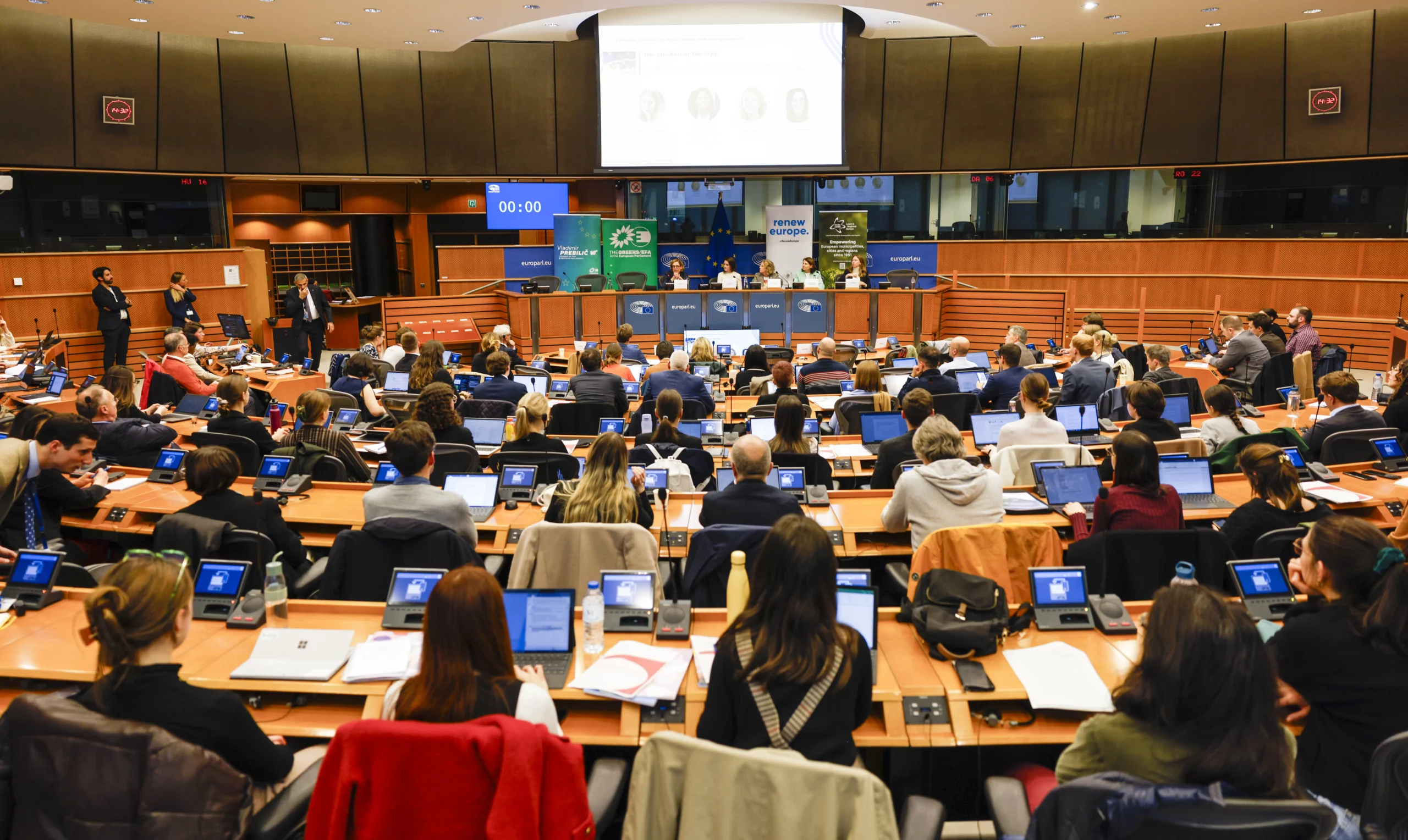
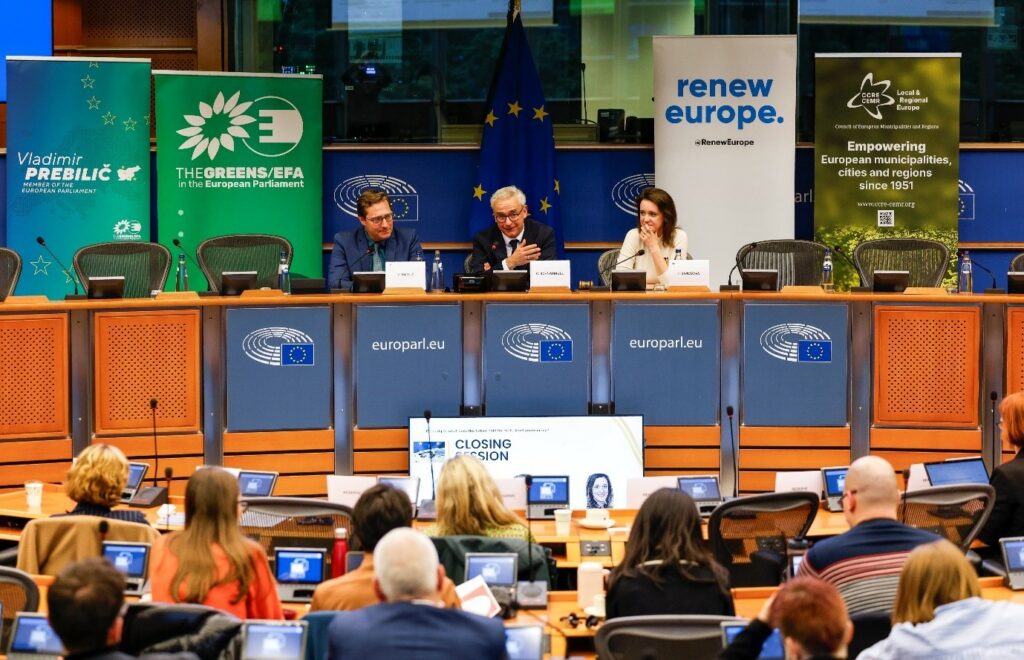
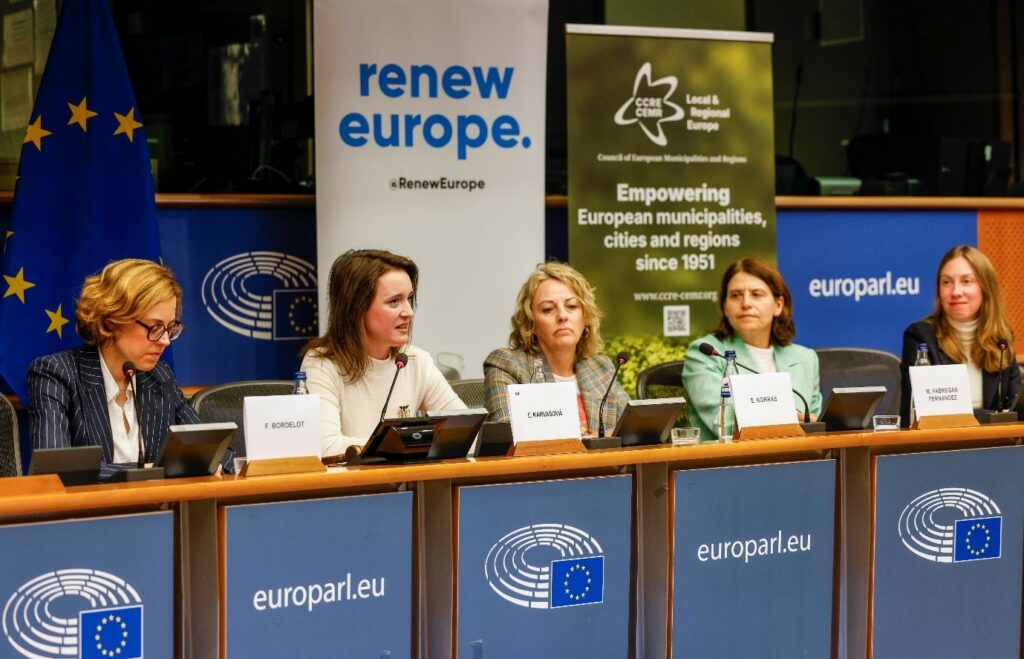
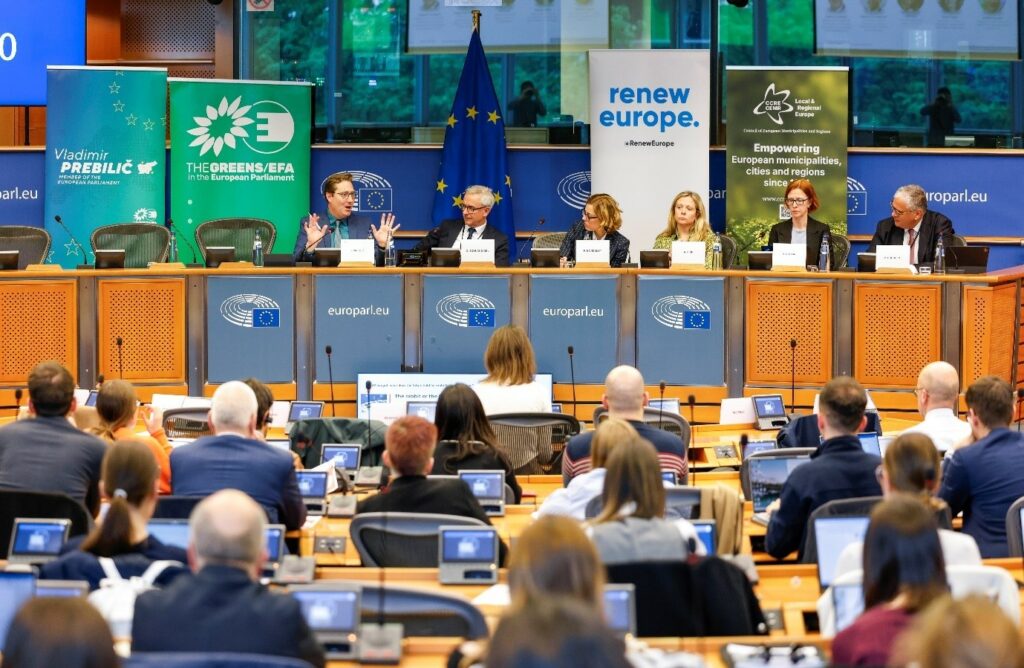
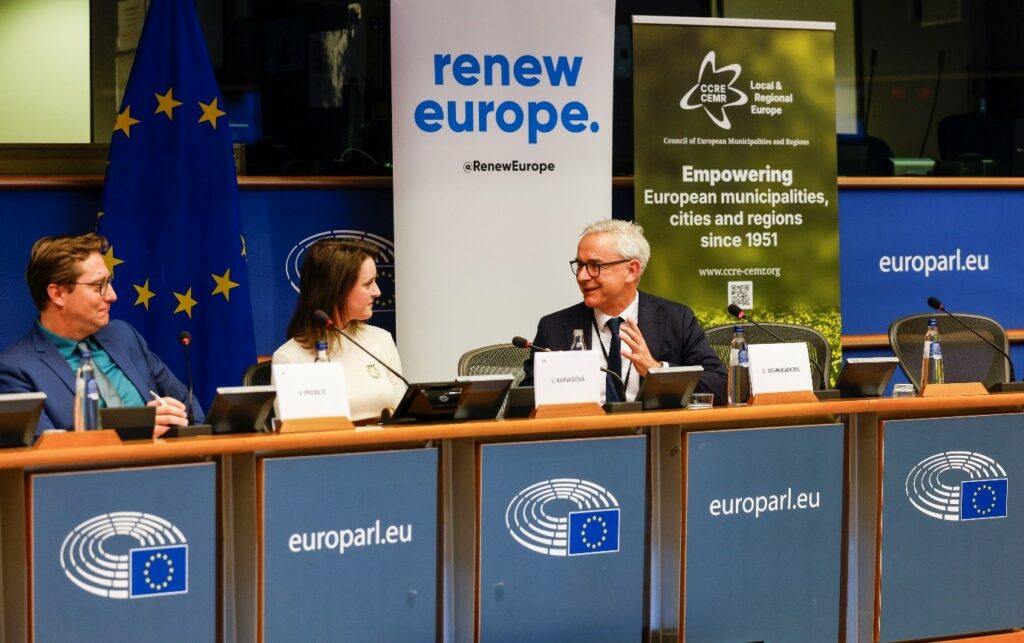
As the European Commission lays the groundwork for the next Multiannual Financial Framework (MFF) beyond 2027, the role of Local and Regional Governments has taken centre stage in Brussels. On 24 April, CEMR joined forces with Members of the European Parliament Vladimir Prebilič and Ľubica Karvašová to organise the high-level event EU Budget: What Does the Future Hold for Multi-Level Governance? 

The discussion comes in the wake of the Commission’s strategic communication, “The Road to the Next Multiannual Financial Framework”, which signals a potential shift in the architecture and the approach to the EU budget. What will the future EU budget look like, and how will EU funds be managed and by whom? These and other questions were discussed in this event, taking place at the European Parliament. 

Strong calls for local and regional involvement 

During the opening session, Vladimir Prebilič synthesised the next steps for the MFF proposal, focusing on the centralisation trends and the need to keep the regions at the centre of the design and implementation of Cohesion Policy, which must retain its long-term rationale and not be used for short-term crises. 

His view was echoed by L’ubica Karvašová‘s discourse, who underlined the need for the EU to work on both a global pillar, with defence and trade policies, and a socio-economic pillar, where Cohesion Policy is at the forefront. 

CEMR Co-President Christoph Schnaudigel recalled the central role of the Local and Regional Governments in the implementation of Cohesion Policy, and thus the need to be co-designers. 

Aligning EU priorities with local and regional needs 

The first panel discussed the interactions between EU-level priorities and local and regional governments’ investment priorities in view of the next long-term budget. 

Florentine Hopmeier, Deputy Head of Cabinet of Commissioner Serafin, confirmed that Commissioner Serafin is touring Europe to meet beneficiaries of EU funds and collect as much feedback and proposals as possible, but also insisted that the immediate challenge lies in the successful delivery of the current programming period. She recalled the difficult financial context lying ahead, with new priorities to be funded, together with the need to repay NextGeneration EU. The Commission must therefore work on the assumption of more constrained financial resources available. Hopmeier insisted on the need for more flexibility and the lessons learned from the Recovery and Resilience Facility (RRF), including the new approach linking investments and reforms. Finally, she concluded by reaffirming the Commission’s willingness for Local and Regional Governments to be involved and for the continuation of the Partnership Principle even in the presence of a single national plan

Maria Teresa Fabregas Fernandez, Director of the Task Force on Reform and Investment at the European Commission, came back on the lessons learned from the RFF, highlighting the added value of the holistic approach linking investments on EU priorities to reforms improving the impact of investments. She confirmed that the Commission has been warning Member States to involve Local and Regional Governments when reforms affect subnational authorities. 

Ester Borràs, from the Catalan government Delegate to the EU, warned about the risks of centralising decision-making with a single plan. She called for simplification, while recalling that centralisation is not simplification, and for harmonisation in the now fragmented EU funds. 

L’ubica Karvašová concluded the panel by suggesting a focus on impact rather than performance, and a two-tiered single plan: a national tier and a second tier for individual regional plans, using the Integrated Territorial Investment (ITI) model. She also pleaded for the institutions to reach a bigger budget in view of the increased investment needs of the Union, and emphasised that investments in social and educational infrastructure also contribute to competitiveness. 

Ensuring efficient implementation of the EU’s investment policy 

The second panel on ensuring both rapid and efficient implementation of the EU’s investment policy opened with Vasco Alves Cordeiro, Chair of the European Committee of the Regions’ (CoR) COTER Commission, presenting the CoR’s priorities for the next MFF, which can be summarised as “flexibility with predictability“. These include ceilings and rules to allow for the reallocation of funds, simplifying the work of managing and auditing authorities, and the need for qualitative criteria to assess the results of cohesion policy. Finally, he stressed the need to maintain the long-term investment perspective of cohesion policy. 

Kadri Uustal, Head of Unit for Cities, Communities and People at DG REGIO in the European Commission, provided additional information on the upcoming “ambitious policy agenda for cities”, as it will aim at supporting cities, not only in the framework of the Cohesion Policy, but even beyond. One of the first challenges for this will be to bring clarity to beneficiaries on the different programmes and initiatives targeting cities.  Uustal explained that the Commission is also exploring a better involvement of cities in EU legislation, given the important role of subnational governments in the effective implementation.  

CEMR co-president Christopher Schnaudigel recalled that Cohesion Policy is part of the EU treaties and must therefore remain a priority. He also warned that “we cannot achieve competitiveness without investing in the regions”. He recommended that Local and Regional Governments are closely associated in the drafting of the single national plans, pointing to the existing Partnership Agreements in the current Cohesion Policy framework as the model to follow in order to develop an investment plan that is both consistent at the national level, and fit for purpose at local and regional levels.  

Vladimir Prebilič started by recalling the benefits Cohesion Policy has brought to the many territories where it has been invested. He then shared insights from his ongoing work as rapporteur on the Committee on Regional Development in the European Parliament for the report on simplification of the Cohesion Policy funds. As solutions to be explored, he proposed improved and more systematic territorial impact assessments, a single set of rules for funding, and a stronger distinction between errors and fraud in auditing. 

Alva Finn, Executive Director of the European Liberal Forum, former member of the Commission’s expert group on the future of Cohesion Policy, suggested a full rebranding of the Cohesion Policy to increase its effectiveness and by in from citizens. Cohesion Policy is still the largest and most successful investment policy in the world, but it does need to be updated, using, for instance, smart conditionality. She advocated for cross-border and inter-European infrastructures to connect Europe and suggested integrating the place-based approach with a people-based one. 

In closing remarks, Karvašová called for co-responsibility, building on Cohesion Policy to fight Euroscepticism and gaining people’s support for the European project. This message was supported by Prebilič‘s appeal to the democratic decision-making model and by Schnaudigel, who concluded by recalling CEMR’s position paper on the subject and the launch of CEMR’s new campaign on the topic. 

Cohesion Policy Mid-Term Review

MFF - Position paper News 2025

Cohesion Policy mid-term review: is the glass half empty or half full? 


The rationale for the Commission’s latest communication “A modernised Cohesion Policy: the mid-term review” is clear and compelling: the operational programmes of the Cohesion Policy  funds were negotiated four years ago: before a global pandemic, before the paradigm shift of massive EU joint borrowing, and before Russia’s war of aggression on Ukraine and its dramatic impact on inflation and cost of living. 

As Executive Vice President Raffaele Fitto reminded Members of the European Parliament’ Regional Development Committee on 9 April: the world has changed, and so too must the Union’s priorities and policies. 

This new proposal – yet another amendment to Cohesion Policy regulations in the last five years – intends to offer new spending possibilities for Managing Authorities. It does so by creating new specific objectives, expending the scope of eligible expenditures and beneficiaries in line with  five new key priorities identified by the Commission: 

  1. Competitiveness and decarbonisation of industry 
  1. Defence and security 
  1. Affordable housing 
  1. Water resilience 
  1. Energy transition 

These are undeniably pressing issues: Mayors have long raised awareness on the housing crisis, and recent dramatic floods across Europe highlighted the urgency of climate-resilient water management systems.  

At the same time, it also reflects the new Commission’s political priorities: competitiveness and defence. One could be satisfied that including them within Cohesion Policy underlines the role of local and regional governments in fostering Europe’s competitiveness, driving strategies for local economic development and creating attractive environment for business to settle in European municipalities and regions. 

And yet… 

Despite its forward-looking intention, the mid-term review feels like a glass half empy or half full: the proposal does open new funding possibilities, to be used on voluntary basis by Member States or regions – depending on who the managing authority is. But the potential uptake of the amendments, at this advanced stage of the programming period, is likely to be limited – raising questions on the real added value of the entire proposal. It is also a risk to undermine previously agreed priorities with the addition of new eligible activities and eligible beneficiaries – with very attractive conditions (pre-financing, 100% co-financing from the EU), but without any additional budget. 

The Commission seems haunted by its initial decision to reduce the timeline for completion of programmes to two years (N+2) after the end of the period, down from the current programming period N+3 rule. This despite the assurance of Managing Authorities that they are still on track to spend all their budget – based on decades of experience managing Cohesion policy funds. For the Commission, it is still not fast enough. With this new proposal, the Commission not only opens new eligible investment areas, but also further opens the door to large enterprises, notably  defence companies to apply to Cohesion Policy funding, without requiring justifications on how these beneficiaries will contribute to the economic, social and territorial cohesion where they are located, thanks to EU funded investments. 

And this last point could be the most dramatical change to Cohesion Policy as we know it. While the uptake of this new reform is likely to remain low given that most of the funds are already committed, it should be seen as a preview of the Commission’s proposal for the next budget period: It is the return of “EU structural investment policy” except that the focus will be much less on the treaty objectives of economic, social and territorial cohesion, but more on the political priorities of the moment. Less on the partnership principle and multi-level governance, more on the private sector that has the capacity to spend large sums fast.  

This communication is not reassuring in terms of respect for the multi-level governance and partnership principle. As we saw with the Recovery and Resilience Facility, it’s not enough to mention “in partnership with national, regional and local authorities”. The Commission must put in place methodologies and binding requirements for the multi-level governance to actually take place. Yet in this mid-term review, the Commission does not even encourage Member States and managing authorities to discuss the reprogramming opportunities together with the stakeholders.  

Lessons learned 

A serious structural investment policy cannot afford to be subject to constant regulatory changes within a programming period. Real flexibility should not come from the Commission’s possibility to periodically change its own political priorities; but from the very design of the programmes where investments priorities would be defined from a bottom-up perspective, driven by local and regional governments who best understand their territories’ long-term and specific needs.  

While the EU certainly define broad strategic goals such as decarbonisation of the society, increasing competitiveness of all European territories or strengthening the resilience of public administration at all levels; it must avoid overly narrow thematic concentrations that limit the investment opportunities in municipalities and regions, and are not always fit for purpose on the ground.  

Only then can the next EU budget deliver both on common European objectives and the unique needs of each territory. 

Final call for the EU budget

MFF - Position paper News 2025

Local and regional governments’ final call to EU institutions for a real involvement in the design of the EU budget 


The future of the EU budget is at a crossroads. As the European Commission launches consultations on the post-2027 Multiannual Financial Framework (MFF), local and regional governments across Europe, represented by CEMR, are calling for a fundamental change: an EU budget that is inclusive, decentralised, and truly aligned with the needs of cities, municipalities, and regions.  

This requires that future national plans and investment priorities in each Member State are not imposed from the top-down, but shaped through meaningful consultations with local and regional governments, just as the Partnership Principle ensures in Cohesion Policy. Only in this way can EU investments be fit for purpose and truly serve the people it is intended to benefit. 

CEMR’s newly released position paper on the post-2027 MFF sets out a clear vision for a reformed EU budget that strengthens multi-level governance and empowers local and regional governments as essential partners for effective spending of the EU budget on the ground. With growing social and economic inequalities, the need to accelerate climate adaptation, and increasing geopolitical instability, Europe cannot afford to sideline local and regional governments—the very actors that implement over 70% of EU policies on the ground. 

National plans must include mandatory consultations to local and regional governments 

The roadmap on the next MFF confirmed the European Commission’s ambition to establish single national plans for reforms and investments based on priorities defined at European level. The European Commission mentions the Recovery and Resilience Facility (RRF) as a good example of an instrument linking investments and reforms and points out that two thirds of the EU budget (Cohesion Policy funds and the Common Agricultural Policy) could in the future be implemented according to the RRF approach. In this context, CEMR issues a final warning to the European Commission: the RRF model failed to ensure effective multi-level governance. CEMR found that, since consultation with local and regional governments was not mandatory, it simply did not occur in most of the Member States.  

The European Commission must ensure that national plans and the definition of investment priorities in each Member State are developed through meaningful consultations with local and regional governments, similar to the Partnership Principle in Cohesion Policy. This is the only way to guarantee that EU investments are fit for purpose and meet the real needs of the population.  

The EU is more than its institutions and the 27 states—it belongs to its people, municipalities, cities, and regions. Decisions based solely on macroeconomic trends risk disconnecting it from citizens” — Gunn Marit Helgesen, CEMR President. 

CEMR key priorities for the post-2027 EU budget 

CEMR’s position paper, backed by national associations of local and regional governments across Europe, contains concrete proposals to reform the post-2027 EU budget and enhance its effectiveness: 

  • Empowering municipalities, cities and regions not only as implementers but also as planners 
    The Partnership Principle should be made mandatory across all EU-funded programmes to ensure that the funds effectively reflect the actual needs of local and regional governments. 
  • Decentralising the Cohesion Policy 
    Strengthening the capacity of local and regional governments to manage EU funds will ensure that investments address real local needs and promote balanced territorial development. 
  • Diversifying EU instruments as part of the ambitious policy agenda for cities 
    From shared management funds to increased direct funding, it would allow EU investment to reach local and regional authorities of all sizes, from all types of territories, both urban and rural.   
  • Simplifying and easing EU funding mechanisms  
    to reduce administrative burdens for both Managing Authorities and beneficiaries. CEMR proposals for simplification include: a single set of rules for beneficiaries across the different funds; flexibility in thematic concentration to allow place-based definition of priorities, hence accelerating funds disbursement; and a labelling of auditing processes as compliant with EU rules to avoid multiplication of auditing.
  • Enhancing synergies among EU funds. 
    The next MFF must improve coordination between different EU funding instruments to maximise impact at the territorial level. 

Take part in the public consultation 

Local and regional governments must not be sidelined in shaping the post-2027 EU budget. The European Commission’s consultation must not be reduced to a bureaucratic exercise or a mere checkbox. Consultations alone are not enough. The next EU budget regulations must include a mandatory requirement to involve local and regional governments in defining the investments that will meet the real needs of the population. 

Use this public consultation —open until May 7 2025— to demand a real seat at the table and a budget that truly serves our communities. A stronger, more inclusive Europe starts from the ground up. Speak up before it’s too late. 

Read the full CEMR position paper here

Contribute to the public consultation on the future EU budget here: https://ec.europa.eu/commission/presscorner/detail/en/ip_25_486 

For more information, contact: 

Competitiveness Compass

Europe of the regions is dead,
long live Europe of the industries


If you were still a “Europe of the regions” believer in spite of all the signs in the direction of re-nationalisation of European policies; the latest communication from the European Commission “A Competitiveness Compass for the EU” could leave the impression that it is the final blow to the idea that the European project also takes place at the local level, closer to the citizens.

There had been many warning signals: in the last years, the EU has changed the “delivery model” of its funds towards a de facto recentralisation. After the National CAP Strategic Plans, the National Social Climate Plans and the National Recovery and Resilience Plans, there was not much doubt anymore that the European Commission is looking to simplify the life of its own administration, with a single contact point in Member States, preferably budget Ministries. Then, however the Member States decide to organise and draft the national plans, in consultation or not with the subnational government levels and the most relevant stakeholders, this is outside of the Commission’s remit.

Mayors, counties or regions’ local leaders know the best their local ecosystem and the development opportunities in their territories. The Competitiveness framework should rely on them and suggest not another centralised national plan, but territorial competitiveness plans, ensuring a broad territorial coherence of investments for growth and competitiveness.  Yet, the few mentions of local and regional governments in the communication are to say that they should play their part in the simplification efforts and acceleration of administrative procedures at the service of the private sector.

With the new Competitiveness Compass, the Union at least reaffirms a common European objective that governments, at all levels, should follow. And there is a broad consensus that industrial renewal, research and innovation, transitioning to low carbon economies are all very important priorities that could contribute to improving life of Europeans – because that is the end goal, right? But there is one element critically missing for this vision to become true: a territorial vision.

Start-ups, universities, research labs, factories, all still need to be physically located somewhere: in a municipality, city, region. Somewhere with access to a fast broadband, somewhere with efficient mobility and transport solutions for employees commuting, receiving or shipping products, somewhere with good public services, ensuring a quality of life that would attract or retain the skilled workforce needed, and somewhere the taxes on these economic activities may contribute to a municipality’s revenues and therefore effectively benefit the entire local community[1].

And while the communication clearly identifies the need for public investments to de-risk and unlock private investments, it is completely overlooking the major role of local and regional governments to drive public investments. Subnational governments are responsible for 53% of the total public investment in the EU[2], and yet they are increasingly required to contribute to the fiscal consolidation efforts of Member States, steadily reducing their investment capacities.

One of the major risks with a complete lack of territorial vision, is the major downside of the Single Market: the concentration of capital, wealth and work forces in a few already attractive places, leaving entire regions behind the competitiveness run. The Cohesion Policy was created especially to prevent this type of concentration and channel EU public investments in places that would otherwise fail to attract businesses, investments or researchers.

And the Competitiveness Compass is probably just a foretaste of what the Commission is preparing for the entire architecture of EU funds in its next multi-annual financial framework. Writing in the communication “The Multiannual Financial Framework (MFF) proposal will be the opportunity to further streamline access to and simplify EU funding instruments – currently fragmented over too many programmes – across the board”, the Commission is confirming the leak and rumours in the direction of having a single national plan (yes, another one) for all currently shared management fund (i.e. all Cohesion Policy funds, and the Common Agricultural Policy). This could be a worst-case scenario: investments and reforms priorities decided at top European level that make no sense for the people and the places where the funds are spent. This is already happening with the European Semester[3].

The only solution to reconcile the overarching European goal of competitiveness, and the actual needs and priorities of Europeans wherever they want to live, is to enshrine multi-level governance in the competitiveness agenda and the upcoming long-term budget of the EU.


[1] European Joint Research Centre, Local taxes on economic activity in municipalities in EU Member States, European Joint Research Centre, https://publications.jrc.ec.europa.eu/repository/handle/JRC129095

[2] OECD (2024) Subnational governments structure and finance, OECD, Paris, https://www.oecd.org/content/dam/oecd/en/topics/policy-issues/subnational-finance-and-investment/subnational-governments-infrastructure-finance-2024.pdf/_jcr_content/renditions/original./subnational-governments-infrastructure-finance-2024.pdf

[3] CEMR, Top level decision – local consequences: The European Semester explained, 2024 https://ccre-cemr.org/wp-content/uploads/2024/11/EU-Semester-Study-2024.pdf

For more information, contact:

The Local Alliance on the next MFF

The Local Alliance presents its new Position Paper on the next EU Multiannual Financial Framework 2028-2035


The Council of European Municipalities and Regions (CEMR) as a member of the Local Alliance, a coalition of Europe’s eight leading local and regional networks, launches a position paper on the next EU Multiannual Financial Framework (MFF 2028–2034).

The document outlines the urgent need for a strong, future-proof EU budget to create a just, climate-neutral, and competitive Europe. It places a spotlight on the indispensable role of local and regional governments in delivering key EU priorities such as the European Green Deal, digital transformation, and territorial cohesion.

Why the next MFF matters:

  • Unmatched Local Impact: Local governments are already implementing 70% of European Green Deal legislation and account for 69% of climate-related public spending.
  • Better Quality of Life for Citizens: The MFF enables Local and Regional Governments to build greener cities, stronger economies, and more inclusive communities.
  • Resilience in Challenging Times: Amid an evolving and less secure political landscape, the next EU budget must prioritise support for local resilience and ensure no region is left behind.

A vision for a resilient and united Europe

Local and regional governments are not just implementers but vital partners in shaping a sustainable, competitive, and cohesive future for Europe. Investments at the local level drive real change, ensuring that the EU’s goals translate into tangible benefits for communities and citizens.

For more information, contact:

X Budgeting – power of subnational finance

Participatory Budget - Youth

Municipalities and regions explore new approaches to budgeting, from participatory and priority-based models to green and SDG-oriented practices


Municipalities, cities and regions across Europe are at the forefront of delivering essential services, from housing and health to climate action and mobility. Yet, they face increasing financial pressures, recovering from the pandemic’s “scissor effect” of higher costs and lower revenues, and coping with inflation. In this context, how budgets are designed and allocated has become a powerful political tool.

To explore this potential, the Council of European Municipalities and Regions (CEMR) organised a training event on 23 May titled “X-budgeting – the power of subnational finance.” The session brought together experts and practitioners to share knowledge on innovative approaches to local and regional finance.

“X-budgeting” refers to a range of methods that go beyond simple accounting, transforming budgets into instruments for shaping policy and engaging citizens. These include:

  • Priority-based budgeting, aligning spending with political or community priorities rather than repeating last year’s allocations.
  • Process-based budgeting, such as participatory models that involve residents directly in decisions.
  • Green and SDG budgeting, aligning local finances with climate goals and the Sustainable Development Agenda.

Each approach offers opportunities, from fostering transparency and boosting trust to mobilising investment for sustainability, but also poses challenges, such as methodological complexity, resource needs and the demand for strong political support.

By experimenting with new forms of budgeting, municipalities and regions can make financial choices that not only keep services running but also reflect citizens’ voices and accelerate progress towards long-term goals.

Read the study here

For more information, contact:

Future of EU cohesion policy

MFF - Position paper News 2025

Rethinking EU budget design to empower local and regional governments post-2027 


The Council of European Municipalities and Regions (CEMR) highlights the critical role of local and regional governments in shaping Europe’s future Cohesion Policy and the next Multiannual Financial Framework (MFF). Municipalities, cities and regions are at the frontline of delivering essential services, from transport to education and climate adaptation, while also being major drivers of public investment. Yet, the upcoming EU budget debates risk sidelining their role, particularly with the disappearance of the Treaty objective for Territorial Cohesion. 

CEMR calls for a strong, ambitious Cohesion Policy that maintains at least one-third of the EU budget and embeds key principles such as partnership, multi-level governance, and place-based development. Simplification is a top priority: fewer funds, a single set of rules for beneficiaries, and reduced administrative burdens would make EU resources more accessible and effective. Importantly, local and regional governments must be clearly recognised as beneficiaries and implementing partners to ensure funds reach citizens directly. 

A place-based and integrated territorial approach should be at the core of future instruments, designed bottom-up with local authorities defining priorities. CEMR stresses that Cohesion funds must not be redirected towards large corporations without strategic planning, but rather reinforce local and regional capacity for innovation, sustainability, and economic growth. 

For the post-2027 EU budget, the message is clear: no successful European project without local and regional governments at its heart. Territorial cohesion, simplified rules, and genuine partnership are essential to delivering a fair, sustainable, and effective Cohesion Policy. 

Read the position paper here 

For more information, contact: 

Safeguarding local investments 

Investing in Europe - News

Why EU economic governance reform must protect municipalities’ ability to invest 


The Council of European Municipalities and Regions (CEMR) has warned that the upcoming reform of the EU’s economic governance framework, including the Stability and Growth Pact (SGP), could risk undermining the investment capacity of municipalities and regions across Europe. 

Local and regional governments are responsible for almost half of all public investments in the EU. These investments are essential to deliver on European priorities such as the green transition, digitalisation, and resilient infrastructure. However, the proposed introduction of net expenditure ceilings risks unintentionally penalising local governments, who generally borrow only for long-term investments in capital assets. 

Reform and its implications 

The European Commission has announced plans to simplify the SGP by replacing certain rules, including the medium-term objective (MTO), with a new system of net expenditure ceilings. While CEMR welcomes the move away from the MTO, which had previously constrained local investment through deficit limits and reduced transfers from central governments, it raises serious concerns about the impact of the new ceilings. 

Applying net expenditure limits to municipalities would create three major risks

  • Higher administrative burdens arise because local governments do not use the net expenditure concept in their accounting. 
  • Political mismatches, since local electoral cycles rarely align with national fiscal programming. 
  • Cuts in public investment, as postponing infrastructure projects, are often the only quick adjustment available under tight expenditure ceilings. 

This is even though local government debt levels are prudent in every EU Member State, and are already strictly monitored under national rules. 

The solution: exclude local expenditure 

CEMR is therefore calling for the exclusion of local government expenditure from the definition of net expenditure ceilings in the reformed SGP. Much like cyclical unemployment spending is excluded, removing local investment from these calculations would ensure municipalities can continue to provide essential services, maintain infrastructure, and invest in the future without being penalised by centralised fiscal targets. 

At a time when Europe urgently needs stronger local action to address climate, digital, and social challenges, weakening municipalities’ ability to invest would be counterproductive. Protecting local public investment within the EU’s economic governance reform is not just about budgets, it is about safeguarding Europe’s capacity to deliver on its ambitions. 

Read the position paper here 

For more information, contact: