Rural Development

Rural Development Event - News 2023

CEMR’s “Harnessing Skills in Rural Areas” Event: Shaping the Future of Rural Development


The Council of European Municipalities and Regions (CEMR) hosted the “Harnessing Skills in Rural Areas” event to address the pressing need for digitalisation and sustainable development in rural regions. This event aimed to shift the paradigm, considering rural areas not as isolated territories but as integral components of a broader continuum linked to urban centres. It underscored the pivotal role of Local and Regional Governments in elevating the needs of rural areas in the political agenda. During the event, CEMR also announced the launch of the Impact Community for Territorial Cohesion.

The “Harnessing Skills in Rural Areas” event brought together diverse stakeholders interested in rural development. It occurred within the context of the Rural Pact, an initiative launched in 2021 by the European Commission as part of its Long-Term Vision for the EU’s rural areas. The Rural Pact is a collaborative framework, that fosters cooperation among public authorities, civil society, businesses, academia, and citizens at the European, national, regional, and local levels.

SDG Implementation 

SDG Implementation - News 2023

Enhancing SDG Implementation: Joint Event with URBAN Intergroup


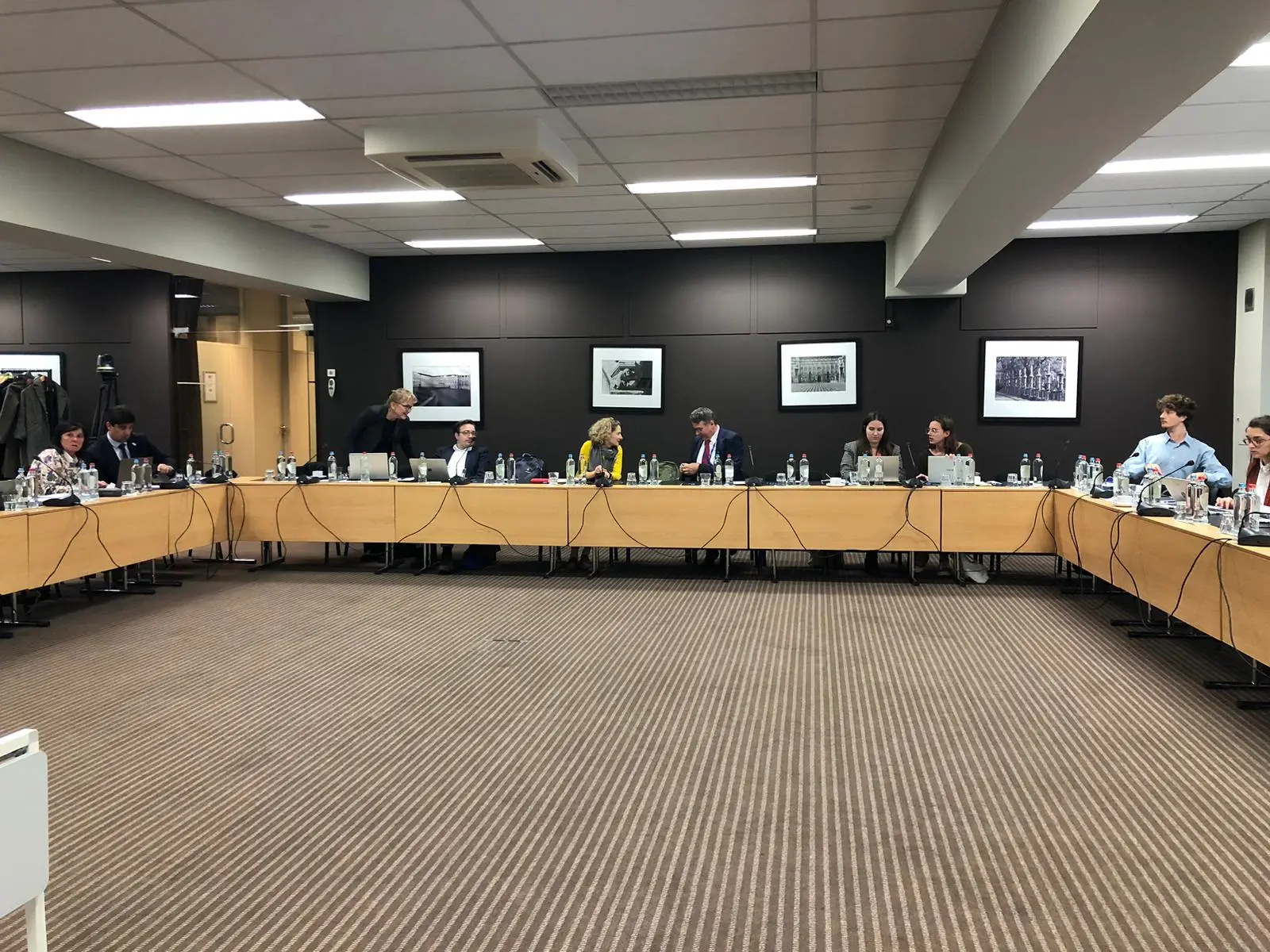
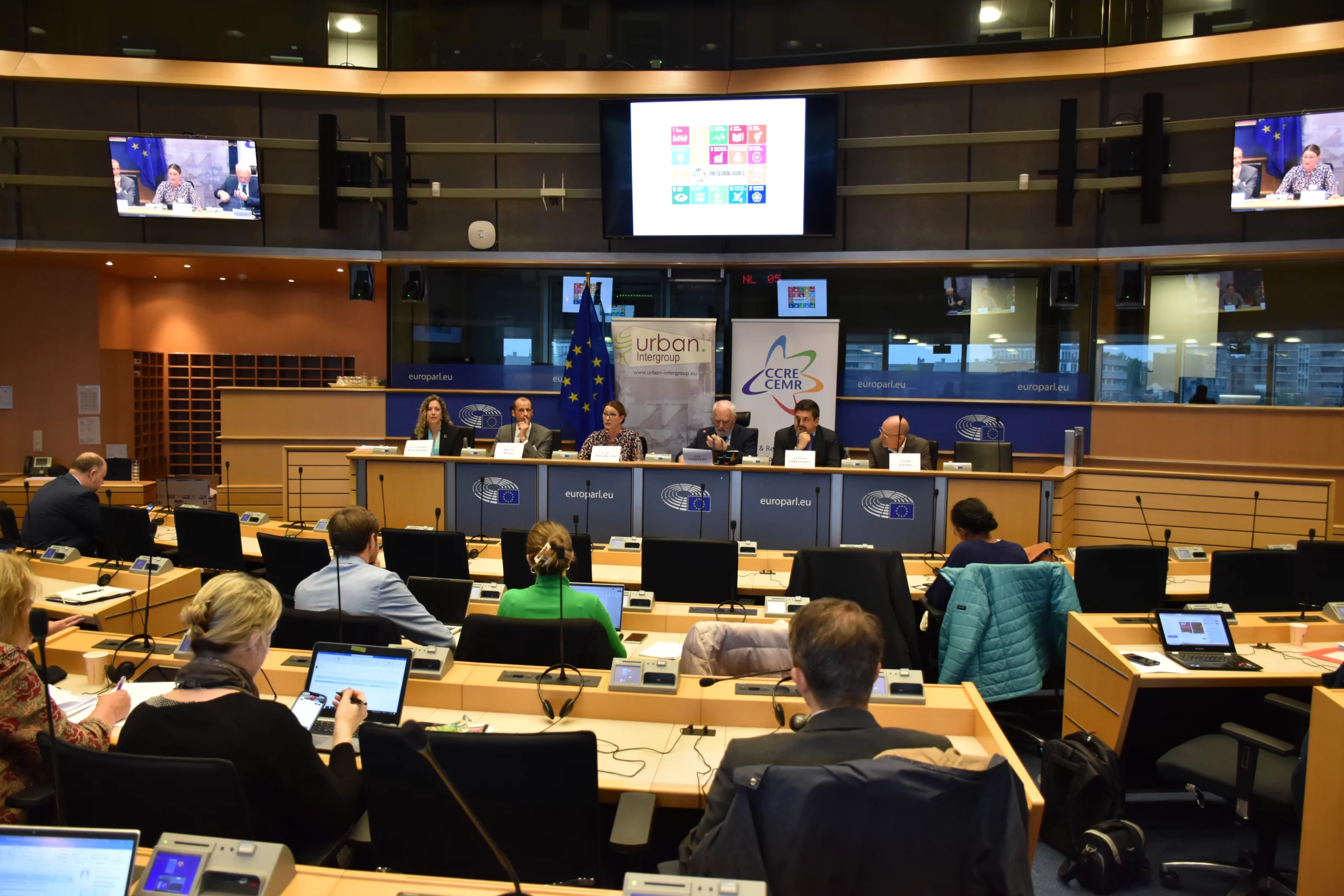
The European Parliament URBAN intergroup and the Council of European Municipalities and Regions (CEMR) met to discuss how to “Foster multilevel Dialogue for SDG Implementation.”

The event gathered various stakeholders to discuss the challenges and opportunities local and regional governments face in their journey towards successfully achieving the Sustainable Development Goals (SDGs) by 2030. The agenda also included a closer look at different European Union (EU) initiatives and tools that support cities in their path to realizing the SDGs.

The timing of this event is particularly significant, as 2023 marks the midway point in the timeline set by the United Nations General Assembly for achieving the 17 Sustainable Development Goals outlined in the 2030 Agenda. To mark this milestone, the European Parliament has produced two important reports on the Implementation of SDGs in Europe, while the European Commission, for the first time, is presenting a Voluntary Review that assesses how the European Union as a whole is integrating SDGs into its policies and projects.

The event’s program featured a line-up of distinguished speakers, each bringing valuable insights and experiences to the discussions. CEMR had the opportunity to showcase their work on SDGs, with Eva Banos presenting our report on the implementation of SDGs at the local and regional levels.

EWRC 2023

EWRC 2023 - News 2023

CEMR Advocates for Enhanced Local Government Role in European Week of Regions and Cities


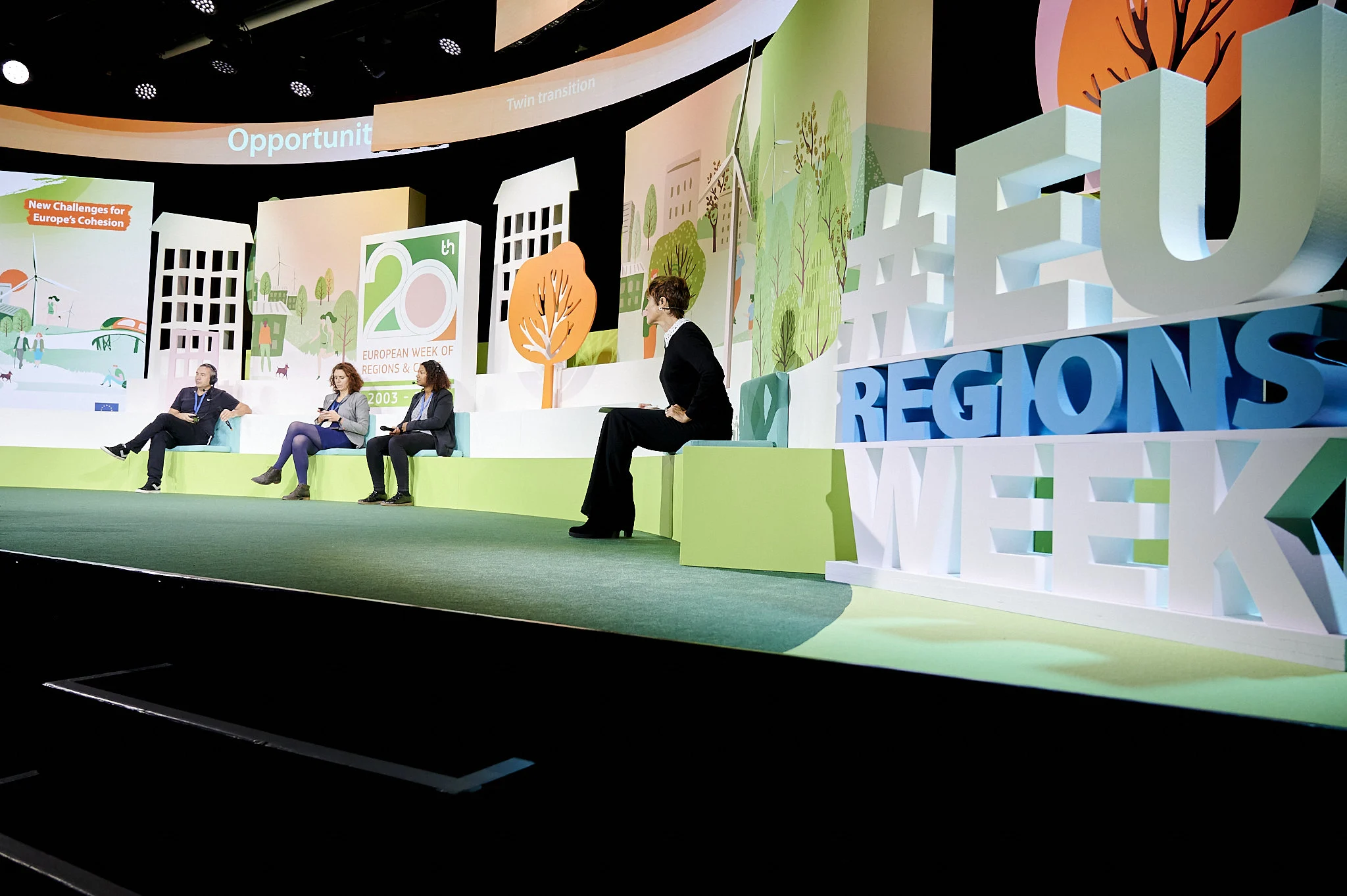
The Council of European Municipalities and Regions (CEMR) actively participated in the 2023 European Week of Regions and Cities, engaging in five informative sessions that addressed pivotal regional and local challenges. The event took place from October 9th to 12th, 2023.

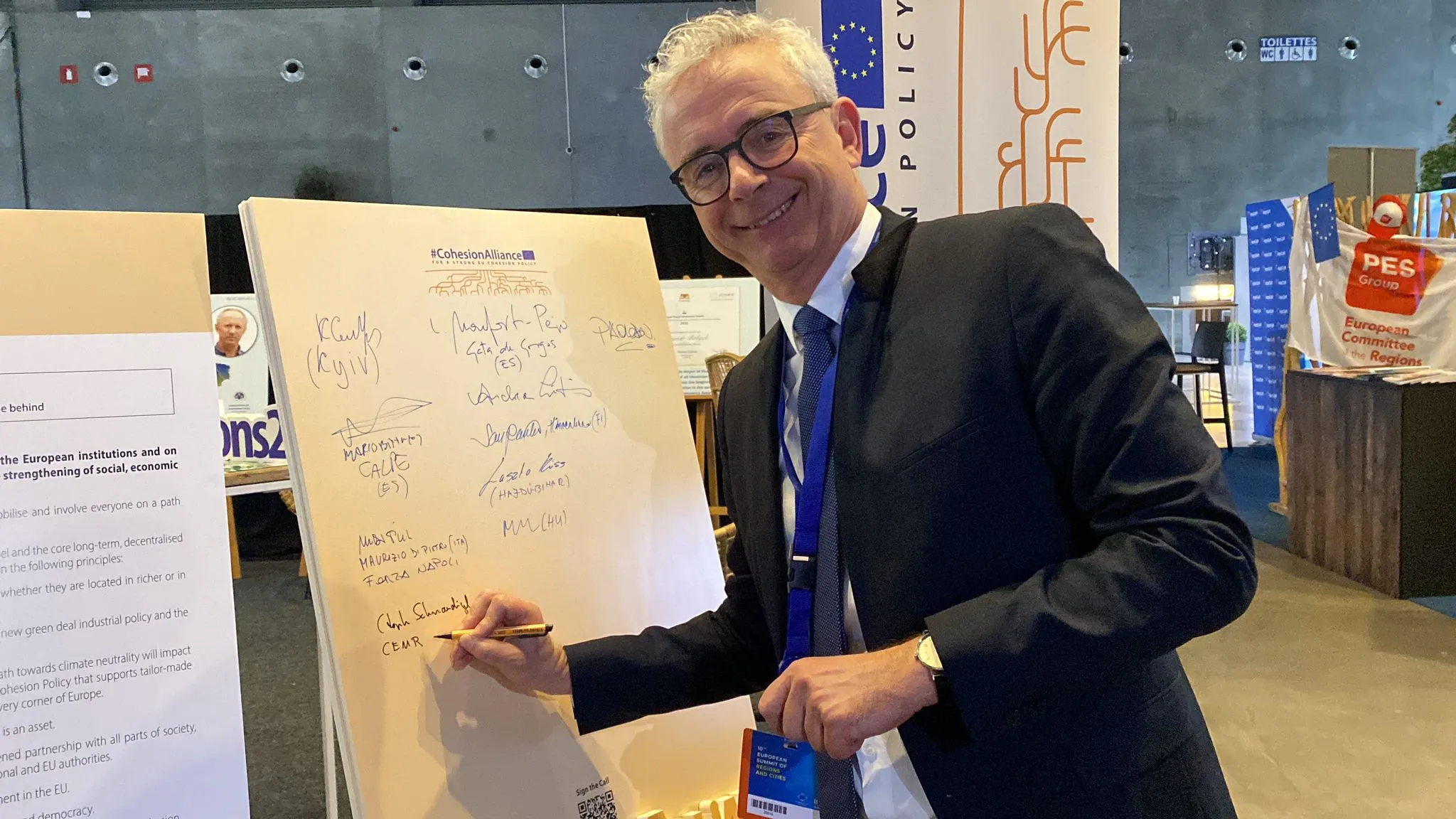
Our Secretary General, Fabrizio Rossi, moderated a discussion on “The commitment of regions and cities to the Sustainable Development Goals”, where local administrators demonstrated the integration of SDGs into their action plans for their respective territories. Christoph Schnaudigel, Vice President of CEMR, made substantial contributions to discussions about “Public Banks and their role in ensuring Energy Security, Green Sustainability”, and also participated in the “Cohesion Alliance Event – Lessons Learnt from the RRF: Safeguarding a Place-Based Approach”. Finally, CEMR supported the “Together for Ambitious Climate and Energy Actions” session of the Covenant of Mayors, which showcased how bottom-up governance is mobilising thousands of cities committing to ambitious targets and taking local climate and energy action.

These stimulating sessions mark the beginning of critical dialogues, knowledge exchange, and collaborative efforts aimed at forging a more sustainable and cohesive Europe. CEMR stands resolute in its commitment to fostering conversation and collaboration among regional and local governments, addressing urgent issues, and collectively working towards a greener, more just future where the stances of local and regional governments are represented at the highest levels of discussion.

A new gateway to learning 

Portico - News 2023

Portico, the new gateway to urban learning in the EU


Portico, the new knowledge-sharing and community platform for sustainable urban development in the EU, is set for official launch on 10 October at mid-day during the 2023 European Week of Regions and Cities in Brussels.

The new platform is being launched by the European Urban Initiative (EUI) in partnership with CEMR and a range of initiatives, programmes and organisations supporting urban development under the EU Cohesion Policy. It combines knowledge and resources from EUI and partners on productive, green and just cities, as well as key tools for putting policy into
Urban knowledge, tools, people, community

Discover Portico’s three main pillars, available from 10 October 2023 mid-day:

  • Knowledge Hub: This knowledge repository integrates resources and tools from the European Urban Initiative, EU Urban Agenda, URBACT and other Cohesion Policy actors to support urban practitioners in building their knowledge and skills.
  • Urban Panorama: Drawn from existing EU knowledge and initiatives, this is an overview of the main bodies contributing to the design and implementation of sustainable urban development policies and strategies in Europe.
  • Portico Community: Brings together practitioners, policymakers, urban experts, mayors… anyone interested in improving sustainable urban development from across the EU. This is where peers can exchange ideas, get information on upcoming events, and participate in discussions on sustainable urban development themes.

As Portico develops in line with users’ needs, new modules will become available. Sign up and join the journey!

Follow Portico on social media: #portico #EUI4learning
Register for the guided tour of Portico at EURegionsWeek
For more information, contact: communication@urban-initiative.eu

Resilient Cities and Regions

Resilient Cities and Regions Seminar - News 2023

CEMR Advocates for Robust Public Investments at ‘Resilient Cities and Regions’ Seminar


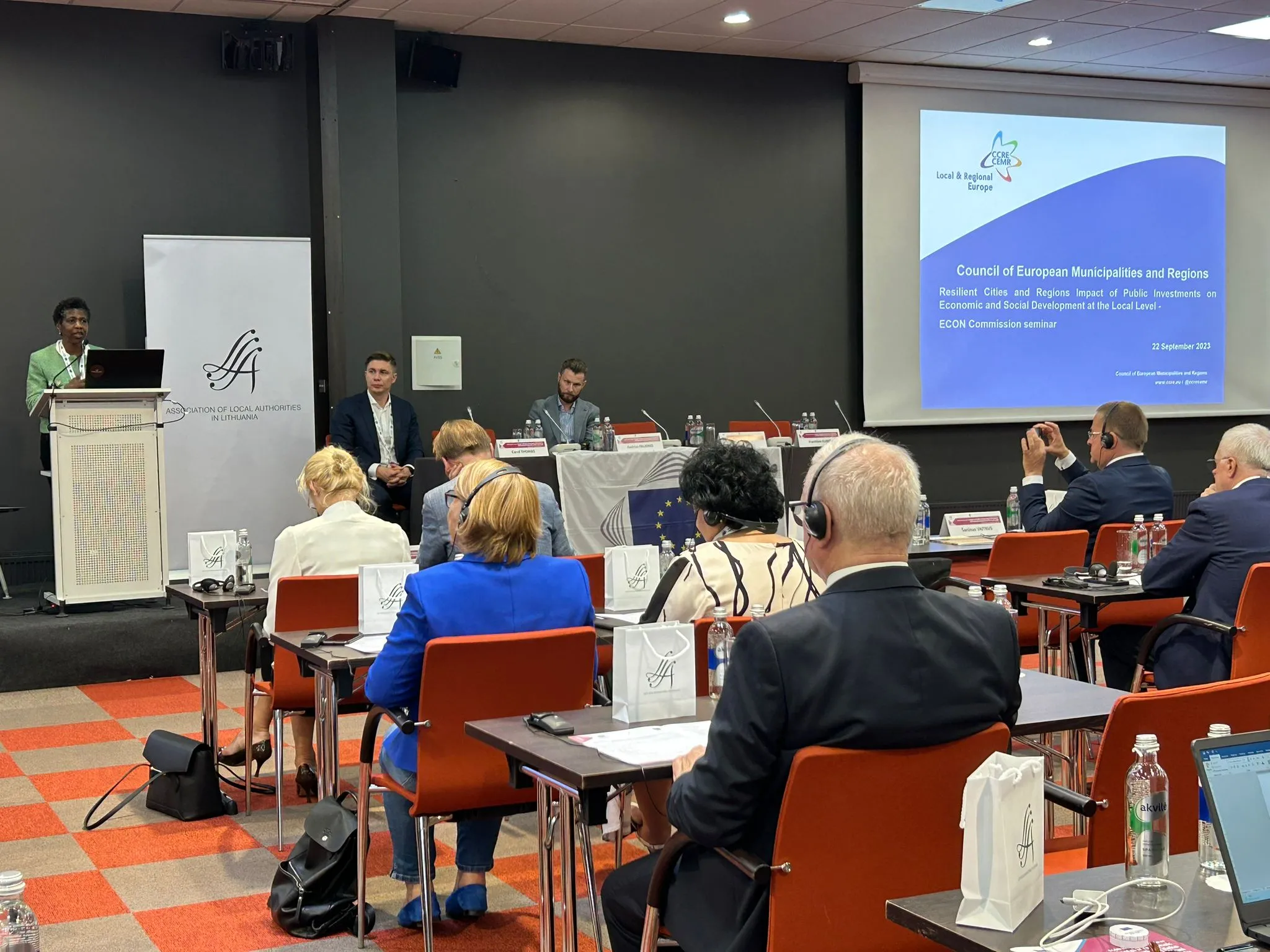
The Council of European Municipalities and Regions (CEMR) actively participated in the event “Resilient Cities and Regions: Impact of Public Investments on Economic and Social Development at the local level,” organised by the Committee of the Regions. The seminar’s primary focus was to assess the influence of public investments on the economic and social growth of cities and regions and to exchange insights and experiences on local public investment, green infrastructure development, and digitalisation scaling within the European Union.
 
The event gathered esteemed experts, policymakers, and representatives from various regions and municipalities across the EU engage in discussions and share their perspectives on the critical role of public investments in shaping sustainable development.
 
Carol Thomas, Interim Director of Policy at CEMR and speaker at the event, emphasised the significance of effective governance in partnership for achieving favourable policy outcomes. Drawing on CEMR’s research, Thomas highlighted that local and regional governments play a substantial role, accounting for 64% of investments linked to climate and environmental actions.
 
Carol stated: “CEMR’s studies have shown the importance of robust governance-in-partnership for effective policy outcomes. Local and regional governments account for 64% of investment linked to climate and environment actions, and their contribution is essential if we want to achieve the objectives of the green and digital transition.”
 
Furthermore, she insisted on the vital role of local finances, asserting that investments in local infrastructure and public finances are pivotal in bolstering Europe’s recovery: “Shoring up our local finances is not just a nice to have. Investment in local infrastructure and public finances is key to boosting Europe’s recovery and reducing the innovation gap”.

CEMR – Development Aid

Development Aid - News 2023

CEMR and DevelopmentAid partner for a more sustainable and innovative local communities


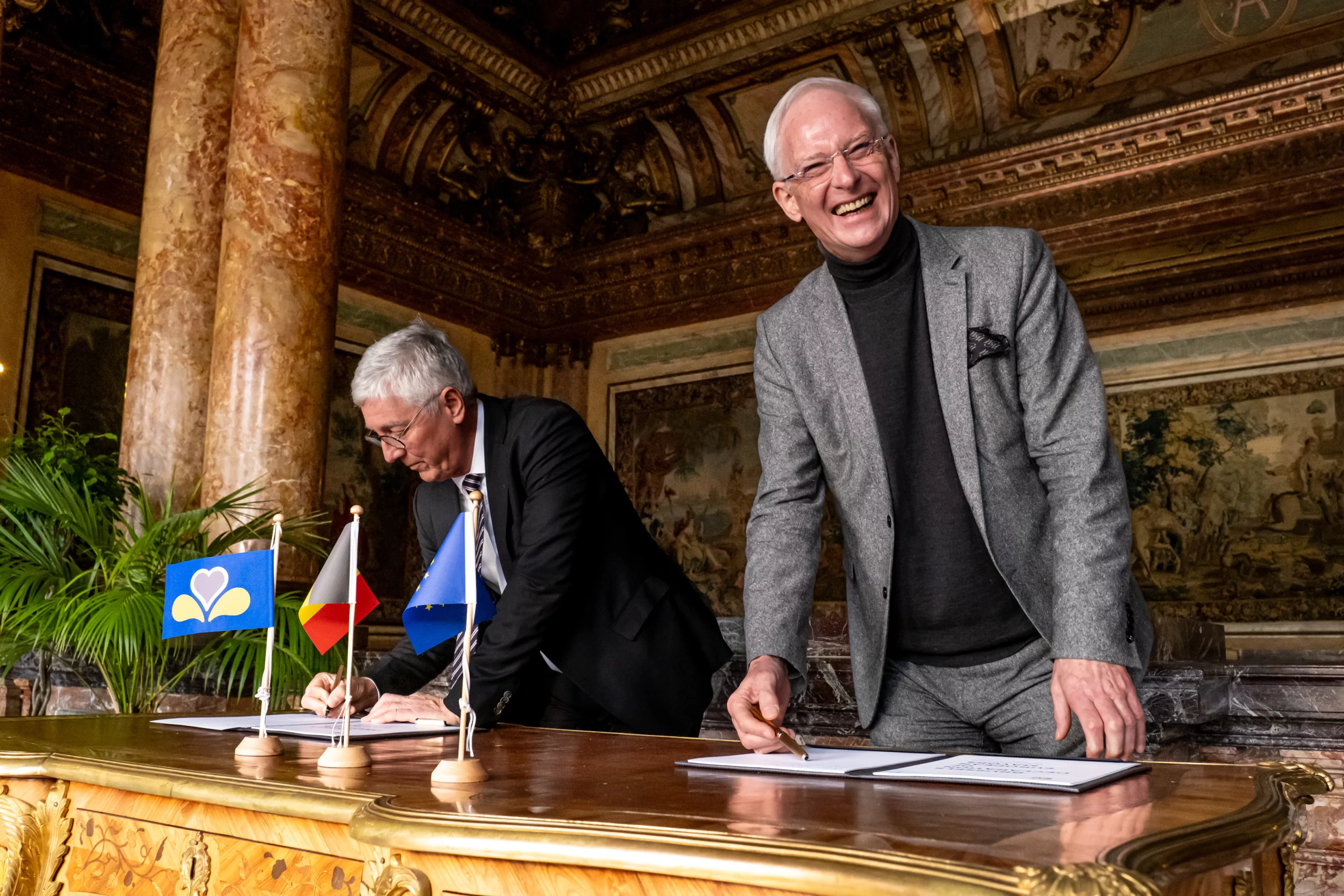
The Council of European Municipalities and Regions (CEMR) has signed a partnership agreement with DevelopmentAid, at a time when CEMR is working to make sustainable innovation accessible to local and regional governments.
 
DevelopmentAid is an innovative membership organisation founded in 2007. It provides essential information to donors, agencies, consultancies, non-governmental organisations, and individuals working in the international development sector. With a network of 500,000 aid stakeholders, the organisation aims to bring together the international development community.
 
Under the terms of the agreement, CEMR members will benefit from a number of services, including free access to the Calls4Partners Service and the DevelopmentAid Job Board.
 
CEMR will soon provide its members with information on how to access the DevelopmentAid platform and take advantage of the partnership benefits.

Insights on cohesion policy funds

Cohesion Policy - News 2023

CEMR released in-depth study unveiling insights into European cohesion policy funds


The Council of European Municipalities and Regions (CEMR) is pleased to announce the release of its comprehensive study on European Cohesion Policy funds. This illuminating study offers valuable insights into the management and implementation of European Structural and Investment Funds, a cornerstone of the European Union’s investment strategy.

Offers practitioners and policymakers a comprehensive overview of how Cohesion Policy Funds are implemented in different countries.

European Cohesion Policy funds, also known as European Structural and Investment Funds, are pivotal to the EU’s vision of a more prosperous and sustainable continent. These funds reach every corner of Europe, supporting critical initiatives such as job creation, economic growth, sustainable development, green and digital transitions, and the building of inclusive societies. In the funding period from 2021 to 2027, eight distinct funds play a key role:

  1. European Regional Development Fund (ERDF)
  2. European Social Fund Plus (ESF+)
  3. Cohesion Fund (CF)
  4. Just Transition Fund (JTF)
  5. Asylum and Migration Fund (AMIF)
  6. European Maritime, Fisheries and Aquaculture Fund (EMFAF)
  7. Internal Security Fund (ISF)
  8. Border Management and Visa Instrument (BMVI)

However, to truly understand the impact of these funds and their operational dynamics, one must delve deeper. Questions emerge, such as who manages these funds, how Member States approach their administration, and how coordination is ensured to prevent overlap. Additionally, understanding their alignment with non-Cohesion Policy funds, like the Recovery and Resilience Facility, is crucial.

The Cohesion Policy Funds study delves into these fundamental questions. It offers a comprehensive exploration of Cohesion Policy funds for 2021-2027, shedding light on their management, coordination, and impact.
This pioneering study reveals critical insights into:

  • Centralised vs. Decentralised Management: Discover how Member States manage Cohesion Policy funds, whether through centralized, decentralized, or mixed models.
  • Sustainable Urban Development: Explore the rising emphasis on sustainable urban development, a core component of Cohesion Policy, with Member States committing an average of approximately 12%, surpassing the required 8% allocation for this purpose.

CEMR’s study is a valuable resource for policymakers, regional and local authorities, and all stakeholders invested in Europe’s advancement.
Unlock the potential of Cohesion Policy funds and their transformative role in shaping Europe’s future.

Cohesion Policy Fund graph

Read the position paper

For more information, contact:

Cohesion Policy Study

Cohesion Policy Study - News 2023

Implementing Cohesion Policy funds: Insights and Training


On 30 June, CEMR will introduce its new report on the implementation and management of European Structural and Investment Funds in the European countries. On this occasion, local and regional governments and their associations are invited to a hybrid training event on the European Cohesion Policy.

With the new funding period 2021-2027 being now underway, Cohesion Policy funds have been programmed in all Member States through Partnership Agreements, and most are already starting to be implementated.

But how does it work in practice? Who is in charge of implementing the funds? Are Member States privileging centralised or decentralised approach for funds targeting territories?  How are the different funds coordinated at central level to avoid overlap, and how do they coordinate with non-Cohesion Policy funds such as the Recovery and Resilience Facility?

All these questions, and more, will be covered during the event.

Information

Schedule: 30 June – 9.30-16.30

Format: Hybrid event (House of Cities and Regions, 1 Square de Meeus, 1000 Brussels and via Webex)
Inperson attendants will also receive a copy of the Overview of Implementation of Cohesion Policy fund, a new study to be released on the occasion of this event.

Discover the public agenda here.

Register for this event here.

European cohesion 

European cohesion - News 2023

Promoting European cohesion at the local level: The Emperor Maximilian Prize Application is calling Young Europeans


The Emperor Maximilian Prize celebrates outstanding achievements from all sectors in the field of European cohesion. This year’s edition focuses on youth, beacon projects that inspire young people to shape their own future. Candidates for the 2023 edition are invited to submit their application by 20 April.

The Emperor Maximilian Prize is open to citizens from the 27 member countries of the EU and/or the 46 member countries of the Council of Europe. Their initiatives should contribute to strengthening European cohesion and implement local best practices that are transferable to other communities. Candidates are invited to submit their project by 20 April 2023 on the online platform.

The jury is composed of representatives from five institutions, among which the Council of European Municipalities and Regions (CEMR). Fabrizio Rossi, the Secretary General of the Council of European Municipalities and Regions commented: “We are honoured to have been a part of this event since 1999 as it is both a celebration and a reinforcement of endeavours towards a deeper European integration”.

During the month of May, the jury will convene to assess the submitted projects and initiatives, on the basis of various criteria, including sustainability, creativity and visibility.

The winning project will receive the Emperor Maximilian Prize during a prestigious ceremony taking place in the city of Innsbruck in November. Winners will be awarded a cash prize worth €10,000 as a financial contribution to their exceptional initiative, a certificate, and a medallion of Emperor Maximilian I from 1509.
For more information on eligibility and selection criteria, consult the official “Guide for Applicants”.

About the Prize

The Emperor Maximilian Prize is a biannual European award. It was created in 1997 by the City of Innsbruck and the Region of the Tyrol in honour of the long-time mayor of Innsbruck, Alois Lugger. The prize aims to reward regional and local initiatives that embody the European unification process as outstanding examples of solidarity and sustainable efforts.

In 2021, the “#EuropagegenCovid19 / #EUmythbusters” project, which fought against disinformation about Covid with humorous and educational online content, was awarded for its contribution to European integration.

The 2023 edition’s expert jury will consist of representatives from the City of Innsbruck, the Region of the Tyrol, the University of Innsbruck, the European Committee of the Regions, the Congress of Local and Regional Authorities, the Assembly of European Regions, and the Council of European Municipalities and Regions.

Contact info

+43 512 5360 2357
kaisermaximilianpreis@innsbruck.gv.at

Cohesion Alliance

Cohesion Alliance - News 2023

Only a strong Cohesion Policy can ensure a united and fairer future to the EU


​The new #CohesionAlliance gets into gear to shape the future of the main investment policy of the EU.

The key challenges and future objectives of Cohesion Policy were the main focus of the high-level event organised by the #CohesionAlliance on 16 March. The EU-wide coalition of 12,000 signatories advocating for a stronger Cohesion Policy launched two calls addressed to European local and regional authorities to collect their feedback on the future role and design of cohesion policy, and to showcase the unique role of this policy in supporting cities’ and regions’ development in every corner of Europe. 
​
The #CohesionAlliance is a joint movement of like-minded representatives cities and regions and their associations, and of social partners and civic society representatives that advocate cohesion as a fundamental value of the EU and plead for a strong Cohesion Policy beyond 2027. After the successful campaign to secure a central role for Cohesion Policy in the 2021-27 EU long-term budget – which brought together more than 12,000 signatories, 140 regions, 137 cities and counties, 50 associations of regional and local governments, many Members of the European Parliament and 35 EU sectoral associations – the #CohesionAlliance is now ready for a new challenge.

Today’s event kicks off the reflection process of the new Cohesion Alliance on the future of Cohesion Policy, which will bring together key stakeholders, regional and local representatives, EU and national institutions, in order to make the policy stronger, simpler, more effective and result-oriented now and in the future.

Vasco Alves Cordeiro, President of the European Committee of the Regions (CoR), stated: ” If we break Cohesion Policy, we may still have a European Union, but it will not move forward the same way. The objectives of Cohesion Policy are always territorial, economic and social cohesion, but the context has changed. When we talk about migration and integration of refugees, or about energy transition, just to name two challenges, it is always cohesion that is at stake. We need to adapt Cohesion Policy and update it, but it is very important to not become hostage of the discussion about money only. The question should always be what kind of solution we want to face the challenges in front of us. Cohesion Policy is the answer. I invite you all to join the Cohesion Alliance, because this is about what kind of Europe we want in the future .”

Younous Omarjee, Chair of the European Parliament’s Committee for regional development, said: ” Cohesion Policy is a cornerstone policy of the European Union, it brings Europe together. The new generation of funds is meant to help regions to achieve the green and digital transition, and to reduce development gaps in the EU. For the future, we want to strengthen this policy to face the major challenges: energy and industrial sovereignty, adaptation to climate change, demographic crisis .”

Elisa Ferreira, EU Commissioner for Cohesion and Reforms, addressed the #CohesionAlliance partners via a video message: ” We have now started the reflection on the future of Cohesion Policy and we are carrying out a deepened discussion on the achievements and the way forward. I count on the Cohesion Alliance to make a substantial contribution to this important discourse, as well as on activating the communities that they represent to speak up! We have to spread the word on the successes of the Policy, the empowerment that it brought to EU regions and municipalities and to the transformations possible thanks to Cohesion Policy investments. Let’s discuss what and how could be improved, as we are entering this new period 2021-2027, and looking beyond, so that the Policy remains the powerful pull holding Europe together and reminding us of a joint destiny! ” she said.

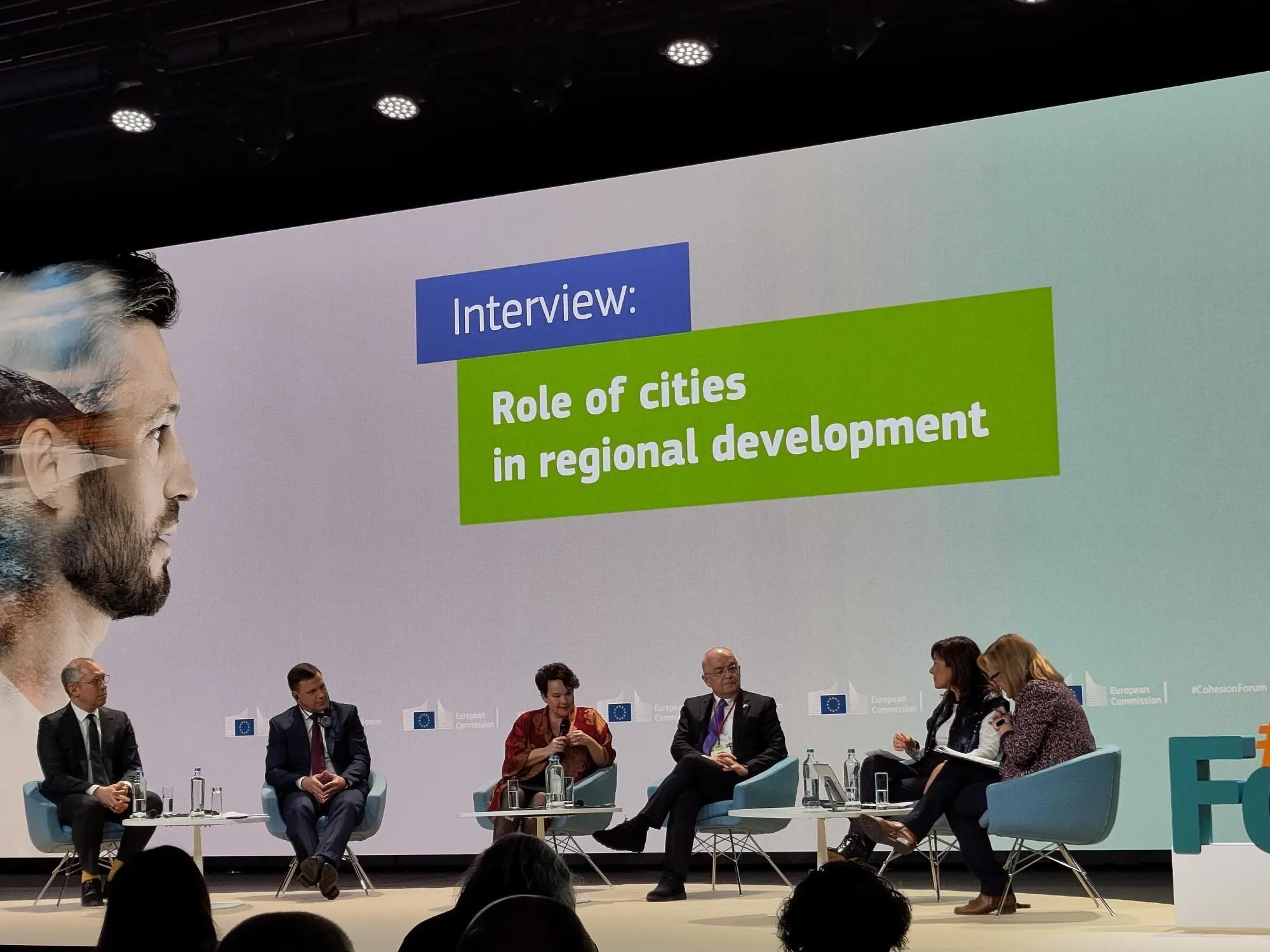
Emil Boc, Chair of the CoR’s Commission for Territorial Cohesion Policy and Budget ( COTER ) and Mayor of Cluj-Napoca (RO) said: ” With today’s meeting we have launched a reflection process of the Cohesion Alliance that will continue throughout the year and that will enable us to position the Alliance on the question of how Cohesion Policy should be shaped in the future. However, it is also crucial that this reflection process is as inclusive as possible and that all of those who are interested in a future with a strong and effective Cohesion Policy for all regions have a possibility to provide us with their input .”

Karl-Heinz Lambertz, President of the Association of European Border Regions ( AEBR ) and member of the Parliament of the German-speaking Community in Belgium, said: ” Cohesion Policy improves the development of all territories, including particularly those handicapped due to their location and other circumstances. It facilitates their cooperation adding an enormous value in terms of functionality. Without Cohesion and cooperation, the disadvantages of these territories would only grow and consolidate .”

Adrián Ariel Zittelli Ferrari, Conference of Peripheral Maritime Regions ( CPMR) political representative, Director-General for European Union Affairs for the Region of Murcia, said: ” Many of Europe’s current and upcoming challenges are linked to territorial circumstances on the ground, and vary from region to region. Cohesion policy should offer opportunities and support to all citizens regardless of their location, and help them fully participate in European development and the single market. Therefore, Cohesion Policy should be maintained as the main investment policy for all regions in the EU . “

The European Committee of the Regions has started its political debate on the matter and appointed President Cordeiro and the Chair of the COTER Commission Boc as co-rapporteurs of an opinion on the future of cohesion policy after 2027.


More info:

The #CohesionAlliance launched two calls for contribution targeting local and regional authorities in Europe:

  • a broad consultation to receive feedback on the future role and design of cohesion policy. Respondents can access the consultation and send their contribution here.
  • a call for Cohesion Local Stories to showcasing how cohesion policy has a unique role to support cities’ and regions’ development. Respondents can send their contributions via this link. The stories will be then used for the campaign and published on the Cohesion Alliance’s website.


If you want to stay up to date with all the activities of the #CohesionAlliance and the latest development on cohesion policy, you can sign up to receive the new #CohesionAlliance newsletter here.

Contact:

CohesionAlliance@cor.europa.eu