PLATFORMAwards

UCLG - News section

Applications are open until 15 July!


Get ready for the third edition of the PLATFORMAwards! This exceptional event rewards excellence in the field of decentralised cooperation.

Local or regional governments have until 15 July to submit their projects and partnerships online. This year our international panel of experts and elected representatives will judge the projects based on their contribution to achieving the Sustainable Development Goals (SDGs). 

If you win, we’ll make a short film promoting your cooperation partnership!

For more info on how to take part, please visit PLATFORMA‘s website. 

100 Days of War

Ukraine War - News

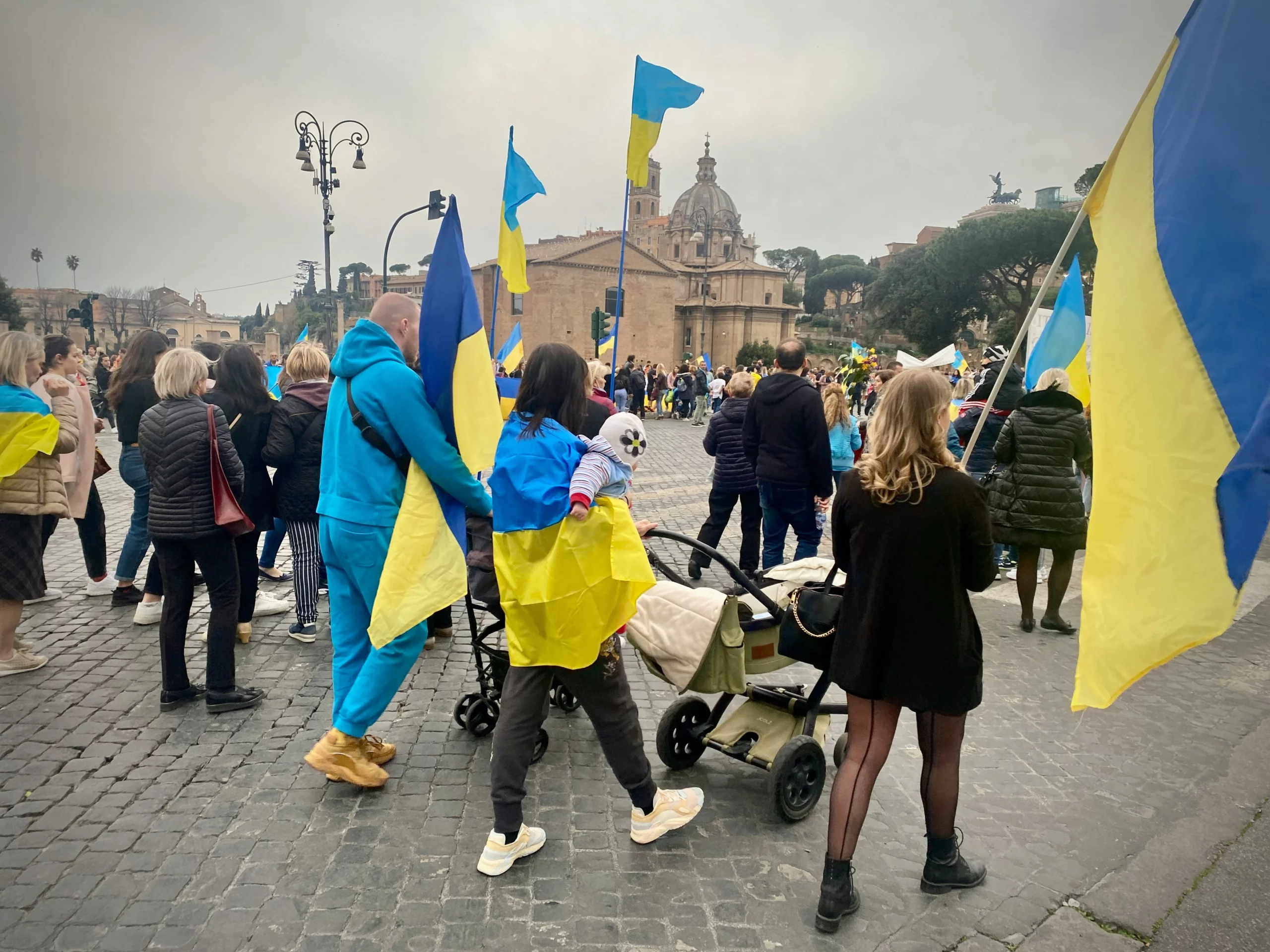
100 European cities put the spotlights on the “100 days of the Russian WAR”


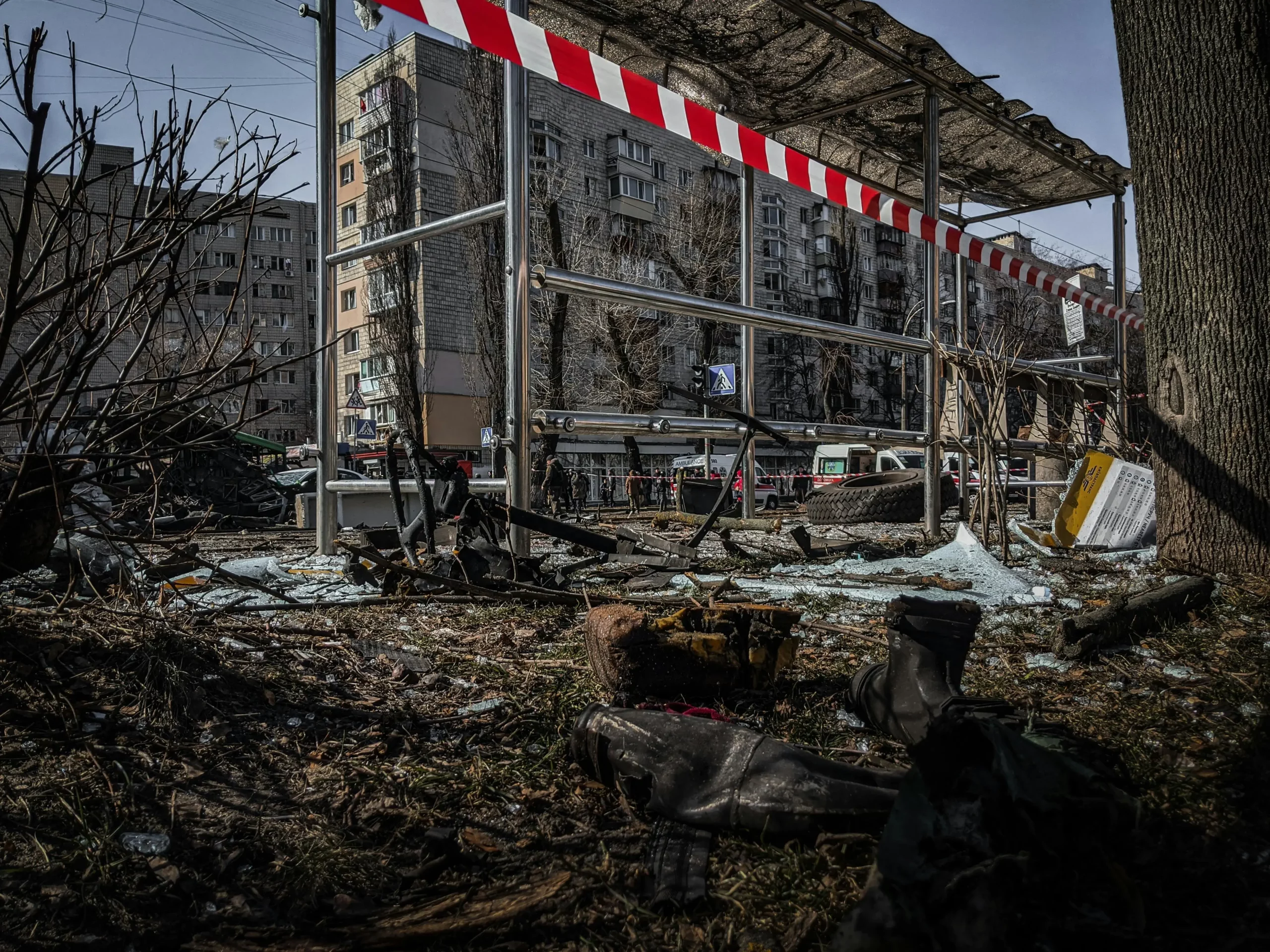
Brussels, Eindhoven, Liverpool, Palermo, Wroclaw… 100 European cities are expected to organise photo exhibitions in open main squares on 4-5 June. Launched by the Charitable Fund “Act for Ukraine!”, the initiative aims to shed light on the terrible consequences of the Russian invasion.

These photo exhibitions dedicated to 100 days of struggle of Ukraine against the Russian large-scale military aggression will “provide evidence of the genocide committed by Russia against the Ukrainian people”.

Yanina Basysta, CEO of the Charitable Fund “Act for Ukraine!”, said: “For the third month in a row, millions of people in the heart of Europe are forced to hide in basements, living amid sirens and shelling. We have not chosen such a reality and we will never accept it”.

If your city is among the list of pre-selected 100 cities, contact “Act for Ukraine” and support the organisation of the photo exhibitions.

Post-COVID 19 recovery plans

Regions and cities still have little say in post-COVID 19 recovery plans, a new consultation warns


Weaker plans, misallocated funds and increasted territorial disparities are among the main risks identified by local and regional authorities. 

As EU leaders gather in Brussels for an extraordinary summit and the European Parliament prepares to present its assessment on the implementation of post-COVID 19 recovery plans, a new CoR-CEMR joint consultation sounds the alarm about the worrying lack of involvement of EU territories in the governance, execution and monitoring of National Recovery and Resilience Plans.   

The European Committee of the Regions (CoR) and the Council of European Municipalities and Regions (CEMR) have teamed up again to explore the involvement of local and regional governments in the implementation of the European Union’s 724 billion euro Recover and Resilience Facility (RRF), the cornerstone of the post-COVID recovery plan for Europe.

One year after an earlier CoR-CEMR study, the results of the new targeted consultation remain largely discouraging: despite some improvements, too often National Recovery and Resilience Plans (NRRPs) have been implemented as top-down processes, on which municipalities and regions seemingly have little to no impact.

While respondents were broadly positive about the recovery plans’ ability to support the green and digital transitions, they were more ambivalent regarding other policy objectives, such as territorial cohesion.

Regarding the implementation of the NRRPs, only a very small share of local and regional authorities declared having an appropriate role in monitoring, or being sufficiently taken into consideration based on their competencies. Ownership of the plans is therefore worryingly low, the results of the consultation suggest.

In this context, respondents identified a strong risk of failing to reach targets and milestones in the recovery plans. A risk of funds being misallocated was also highlighted by a significant share of participants, while the interplay between the NRRPs and other European funds is still unclear for many of them.

The lack of involvement of cities and regions in the plans is worrying, but I believe that there is still time to correct course, by ensuring that local and regional governments are recognised – in practice, and not just on paper – as full partners in the recovery plans’ implementation. This will allow us to make sure that the RRF is not just an historic agreement, but also a success story on the ground,” declared Rob Jonkman (NL/ECR), Alderman of the municipality of Opsterland and CoR’s rapporteur on the implementation of the RRF.

CEMR Secretary-General Fabrizio Rossi stated: “Local and regional governments know and understand best the challenges faced by their communities and businesses in the post-pandemic era. Central governments would make a huge error of judgement by failing to work in genuine partnership with Europe’s municipalities and regions. Only by all working together can we ensure these 

Solidarity with Ukraine

Ukraine flag - News section

Slovenian municipalities deliver humanitarian aid to Ukraine


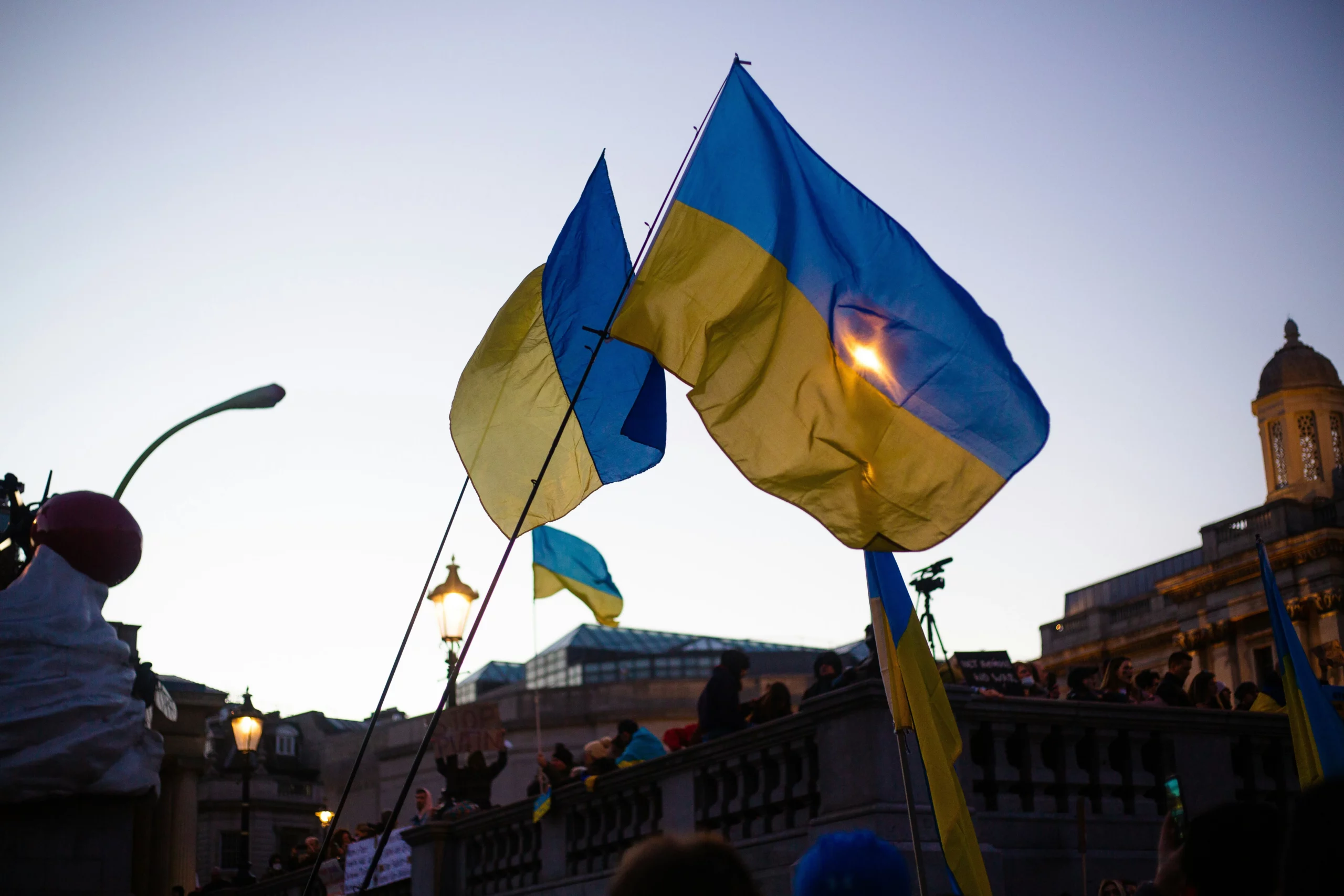
As part of our coverage of the local and regional dimensions of Russia’s war in Ukraine, CEMR is highlighting the help given by European municipalities and regions to their Ukrainian peers. We hope these stories inspire other local and regional governments to heighten their efforts to support Ukraine.

Slovenian municipalities are boosting deliveries of humanitarian aid to their Ukrainian partners. Under the Bridges of Trust initiative, the municipalities of Kočevje (partner of Bucha), Juršinci (partner of Avanhard) and Hrastnik (partner of Drohobych) have donated emergency goods. What’s more, the NGO Slovenska Filantropija, the secondary vocational school from Murska Sobota and private donors also contributed to this batch of humanitarian support.

The emergency goods have been primarily delivered to surgery rooms of hospitals in the East of Ukraine, to Bucha and to internally displaced people in Drohobych and Khust.

The head of the municipality of Hrastnik, Marko Funkl, personally delivered humanitarian aid to Drohobych and signed a memorandum of understanding with the municipal authorities. This document is the first step towards a large-scale inter-municipal partnership, including an internship programme for Drohobych municipal managers in Slovenia.

The municipalities met in the framework of the “Bridges of Trust” Initiative, implemented by the Council of European Municipalities and Regions and PLATFORMA with the support of the U-LEAD with Europe programme.

Cities Energy Savings Sprint initiative

Energy - News Section

Join the new EU initiative to reduce our cities’ dependence on Russian energy


The Cities Energy Saving Sprint is a joint initiative of the European Commission, the Covenant of Mayors – Europe, and the European Committee of the Regions to encourage cities to take measures that will immediately reduce their energy consumption. The “Sprint” will last for 4 months.

It is crucial to increase energy savings now to prepare for next winter. Every kilowatt/hour saved now will allow us to refill the storage tanks and be better prepared for next winter. Every gram of greenhouse gas we don’t emit in the coming months will be an important step, not only for the climate, but also as an act of solidarity with Ukraine.

In parallel with all the measures for profound changes, reduction of consumption and energy transition, there is an urgent need to take emergency energy saving measures today and to plan for energy consumption reductions during the coming winter. Municipalities have a crucial role to play here.

How can my city take part in the Cities Energy Savings Sprint?

Solidarity with Ukraine

Bridges of Trust Branding - News 2024

Lithuania’s Ukmergė district municipality signed a partnership agreement with its Ukrainian partner Korosten municipality


As part of our coverage of the local and regional dimensions of Russia’s war in Ukraine, CEMR is highlighting the help given by European municipalities and regions to their Ukrainian peers. We hope these stories inspire other local and regional governments to heighten their efforts to support Ukraine.
 
Despite the war, a project implemented by CEMR, PLATFORMA and supported by the U-LEAD with Europe programme, helps build bridges of trust between European and Ukrainian municipalities.
 
As a part of the “Bridges of Trust” Initiative, the Ukmergė District Municipality of Lithuania and Korostenska Municipality in Zhytomyr region signed a partnership agreement.  This agreement was signed by Ukmergė Mayor Rolandas Janickas and Korosten municipality head Volodymyr Moskalenko.
 
“Korosten has suffered from Russian aggression – its schools, kindergartens, and houses were bombed, there are dead and wounded locals. Therefore, it is so kind of Lithuanian friends to support Ukraine in such a difficult time. We are grateful to our friends from Ukmergė who sent humanitarian aid, which is distributed among our people, internally displaced persons and low-income people, we appreciate it very much,” said Volodymyr Moskalenko. Ukmergė district municipality sent humanitarian aid to its Ukrainian partner in the first weeks of the Russian war against Ukraine.
 
In turn, Rolandas Janickas said that Ukraine is at the forefront of defending European values, and one can learn real unity from Ukrainians who help fight the enemy.
 
Heads of municipalities expressed hope for successful cooperation in various fields and mutual visits after the war.
 
The two municipalities first met in November 2021, in the framework of the “Bridges of Trust” Initiative, implemented by the Council of European Municipalities and Regions, PLATFORMA and supported by the U-LEAD with Europe programme.

Twinning in Ukraine

Mayors in Ukraine - News 2023

Twinning has to be a part of Ukraine’s reconstruction


In a letter to the president of the European Parliament, the Council and the Commission, CEMR calls on the European institutions to set up an initiative to strengthen twinning for the reconstruction of Ukraine.

The letter is signed by the Mayor of Kyiv and President of the Association of Ukrainian Cities (AUC), Vitaliy Klitschko, its Executive Director, Oleksandr Slobozhan, but also by CEMR’s President, Stefano Bonaccini, and its Secretary General, Fabrizio Rossi.

It stresses the willingness of local and regional governments across Europe to contribute to the reconstruction of Ukrainian municipalities and cities. It also invites the institutions to define, in collaboration with CEMR and its Ukrainian association, “strategic and operational aspects of a twinning initiative to launch and implement the reconstruction of Ukrainian cities and towns »

Letter to the President of the European Parliament, Roberta Metsola.
Letter to the President of the European Commission, Ursula von der Leyen. 
Letter to the President of the European, Charles Michel.

Recovery plan

Pandemic - News Section

What happened to subsidiarity? Local governments have little say in post-COVID recovery plans


The Committee of the Regions and CEMR have teamed up again to explore the involvement of local and regional governments in the implementation of the European Union’s 724-billion-euro post-COVID recovery plan, the Recover and Resilience Facility (RRF).

The results of the survey, based predominantly on the responses of CEMR members, give important insights to the extent of local and regional governments’ ability to influence and contribute to the national recovery plans.

One year after the earlier CoR-CEMR study, the results remain largely discouraging: too often national recovery plans have been implemented as top-down processes with little input from municipalities and regions.

While respondents were broadly positive about the recovery plans’ ability to support the green and digital transitions, they were more ambivalent regarding other policy objectives, such as territorial cohesion.

The study will be a valuable tool as CEMR continues its advocacy work on the RRF, especially in view of the European Parliament’s upcoming vote on its position on the plan’s implementation.

Temporary Protection

Ukraine people - News

What is the local and regional governments’ role in welcoming Ukrainian refugees?


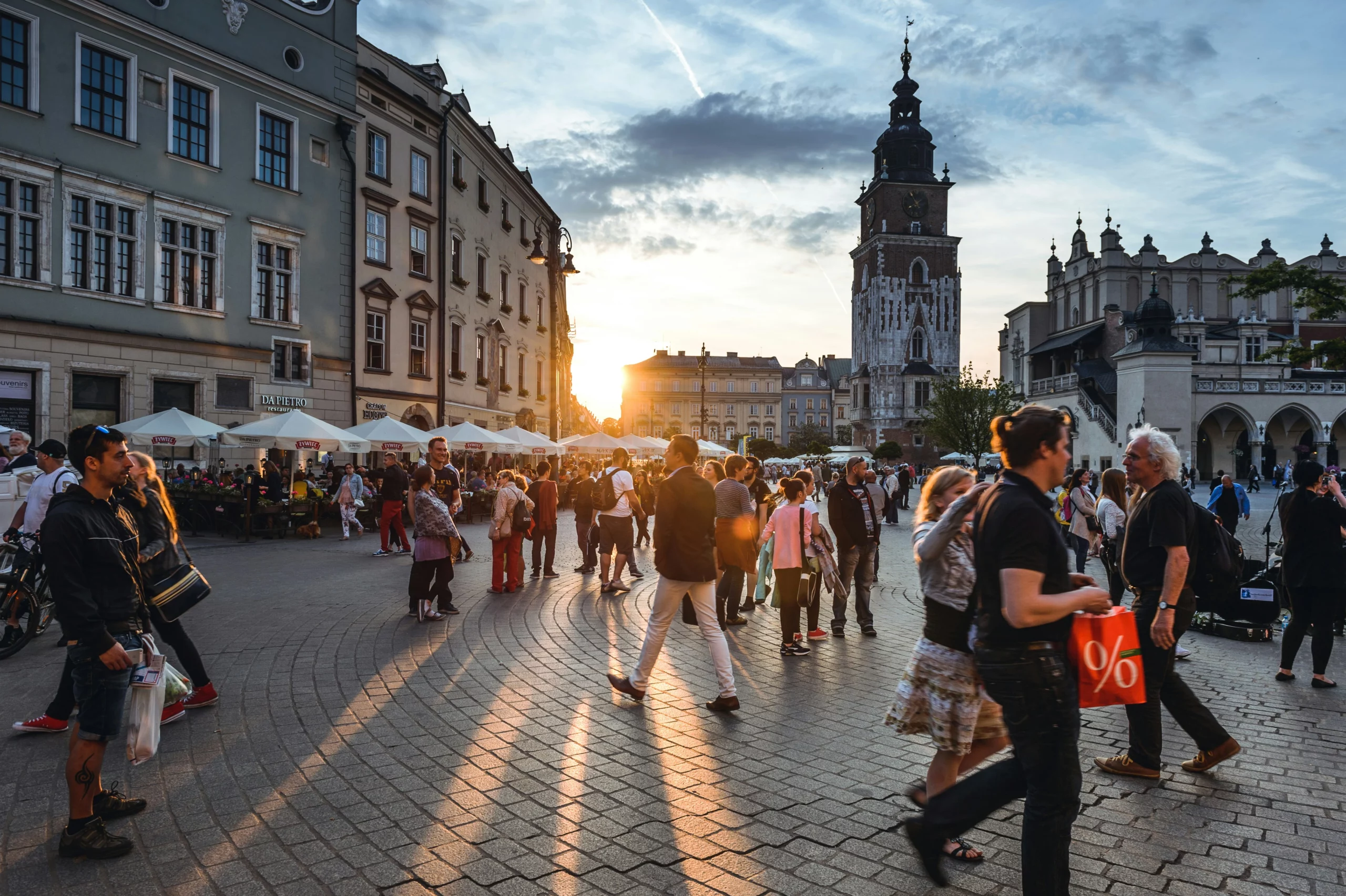
Many women, minors and elderly men are settling within the borders of the European Union. To date, over 5.5 million Ukrainians have been forced to leave their country. They seek refuge, especially in the EU’s border countries, such as Poland and Romania.

The EU’s activation of its Temporary Protection Directive (TPD) in early March 2022 demonstrated national governments’ unanimous willingness to welcome Ukrainian refugees. It guarantees immediate and temporary protection for people fleeing war in Ukraine for one year, automatically extendable by periods of six months for up to a maximum of three years.

But what are the responsibilities of local and regional governments, notably in areas such as health, housing and employment? Find out by reading the analysis of local governments’ role in the Temporary Protection Directive by IncluCities.

Europe Day 2022

European Parliament - News

Conference on the future of Europe: What direction should Europe take?


Every 9 May, Europeans celebrate Europe Day. But this year, the celebrations take on a new meaning. Today, one year after it officially began, the Conference on the Future of Europe (CoFoE) comes to a close with 49 proposals being delivered to the presidents of the European Parliament, the Council and the Commission.

This a good time for the Council of European Municipalities and Regions (CEMR) to provide an update on this exercise in participatory democracy and to highlight certain proposals which should define the European Union’s agenda in the coming years.

“People need to take ownership of Europe”, said Manuela Bora, regional councillor for Marche (Italy) and a member of the CoFoE plenary, on 5 May at a meeting organised by our French Association (AFCCRE) and the Strasbourg Eurométropole.

“The most sensible choice, in my opinion, is to make the Conference on the Future of Europe a permanent body within which it is possible to continue to share ideas, especially the most controversial ones”, Ms Bora said. “A participatory debate between local authorities, citizens and the European institutions is the best guarantee for concrete and far-sighted results. And this is why CEMR has developed its six proposals to bring Europe closer to citizens.”

Among these, CEMR called for holding every year on 9 May “a debate on the European project, its benefits and challenges, such as how to build a decarbonised society, in every school and in every municipality and region in Europe.”

Twinning is also a powerful way to bring Europe closer to its citizens. In line with the CoFoE’s proposal of “reinforcing existing EU exchange programme”, CEMR argues for setting up a genuine Erasmus programme for local civil servants through exchanges between municipalities and regions, twinned if possible.

Another proposal promoted by CEMR: the development of European universities beyond the two Colleges of Europe and the teaching of languages such that by 2050 every European speaks at least English and two other European languages, in addition to his own mother tongue.

While ideas are not lacking, these still need to be formalised and consultation with civil society organisations and local governments needs to be made systematic. As Manuela Bora stressed: “If so much has been done in just a year, imagine what could be done in a permanent structured system! And that’s exactly the direction we need to go in.”

On the event

This event, entitled “The Future of Europe: The Vision of Local Governments”,  gathered representatives of local governments and civil society, among which were Antoine Chabal, President of the French section of the European Federalists, Philippe Laurent, the Mayor of Sceaux and the President of AFCCRE, and Jeanne Barseghian, the Mayor of Strasbourg.