Muni World 2022

Muni World - News 2021

Save the date: Muni World 2022, an event focusing on smart cities


The Federation of Local Authorities in Israel, Masham, is organising its annual event MUNIWORLD 2022, in partnership with the municipality of Jerusalem. It is taking place from 6 to 8 December, in Tel-Aviv and Jerusalem.

Unique stages for global brainstorming on urban challenges and city innovation, the MUNIEXPO 2022 Exhibition, and the 6th international MUNIWORLD Conference being held as an integral part of it will host exhibitors, decision-makers from Israel and abroad, and thousands of visitors.

Discover last year’s MuniWorld with a short video.

For more information: click here!

International Metropolis Conference

Inclusive Migration - News 2023

Join CEMR at the International Metropolis Conference in Berlin


​From 4 to 9 September 2022, the 25th International Metropolis Conference 2022 is taking place in Berlin, organised by the German Federal Ministry of Labour and Social Affairs in close collaboration with Metropolis International.

Experts, policymakers, researchers and business leaders will bring together multiple perspectives, insights and evidence on migration, integration, inclusion, and diversity. Among the distinguished speakers will be the Director General of the International Organization for Migration (IOM), António Vitorino.

The key themes of this edition of IMC include the impact of various crises on migration and mobility, technological developments and the future of work, climate change and the implications for migration, and the conditions for fair migration. The conference is taking place in person in Berlin and online across the world.

CEMR will participate in a panel on “Global crisis – local responsibilities” on Tuesday 6 September 11:30–13:00. Together with representatives from the cities of Berlin, Warsaw, Beirut and Gaziantep we will discuss how cities respond to multiple crises. You can learn more about the conference and sign up here.

Parks and green spaces 

Green Spaces - News 2022

Podgorica: one of Europe’s greenest cities


Green spaces are a great way to have cleaner, healthier cities and encourage people to get out and about. That’s why Podgorica has been renovating old parks, building new ones and creating children’s playgrounds.
 
So far, 16 new parks and 51 children’s playgrounds have been created by the city administration. That’s 230,000 square meters of public green space created and 10,000 tree seedlings planted.
 
The city is proud that in February 2022, the European Environment Agency ranked Podgorica among the five greenest cities in Europe in the category of “urban green areas.”
 
Podgorica’s parks are varied. One features pine trees as a backdrop, with fields for football and other sports, as well as the 2.5-kilometer-long fitness track, the longest in Montenegro. Another, the forest park of Tolosi, hosts a recreational trail for all ages.
 
The development of parks and increased funds for green areas continue to be high on the city’s list of priorities.

Charter – Translation

IncluCities - News 2023

CEMR is looking for a contractor to carry out translation activities


CEMR is looking for a provider for the translations of two documents related to the update of the European Charter for Equality of Women and Men in Local Life and particularly on the theme of gender equality, diversity and intersectionality. The contractor will translate the two documents into 28 languages. The deadline for the submission of the tender is Tuesday, 13 September 2022

For more information, please refer to the terms of reference.

Noise pollution 

Noise pollution - News 2022

​French cities deploy ‘Medusa’ sound sensors to tackle noise pollution


Nantes, Nice, Toulouse, Paris: many French cities and towns are setting to trial noise cameras called ‘Medusa’.

Their role? To crack down on vehicles breaking noise limits. The Medusa sound sensors are equipped with a camera and several microphones detecting vehicles such as cars, motorbikes and lorries making noises over a certain decibel level.

The sound radars are expected to be officially approved by the French Ministry of the Interior by the end of 2022 and are currently in the test phase.

The significant noise pollution’s health effects on Europeans

According to the European Environment Agency, at least one in five Europeans are currently exposed to harmful levels of noise pollution. And more than half of Europeans living in urban areas are exposed to road noise levels of 55 decibels or more.

Just as alarming, the EEA estimates that long-term exposure to environmental noise causes 12.000 premature deaths every year.

Further measures to reduce noise pollution in cities

Against this backdrop, mayors and local leaders have been deploying a wide range of other measures to reduce noise pollution in cities. These include replacing old cobbled roads with smoother asphalt, better managing traffic flows, introducing 30 km/h speed limits, or encouraging as much walking, cycling and public transport use as possible.

While reducing noise pollution to “zero” is a lost cause, many towns and cities across Europe have made noise pollution a top priority. As the EEA puts it, many EU Member States will need to do more in the future to reduce noise pollution, including by implementing the EU Environmental Noise Directive.

Elderly Support Line

Elderly Support Line - News 2022

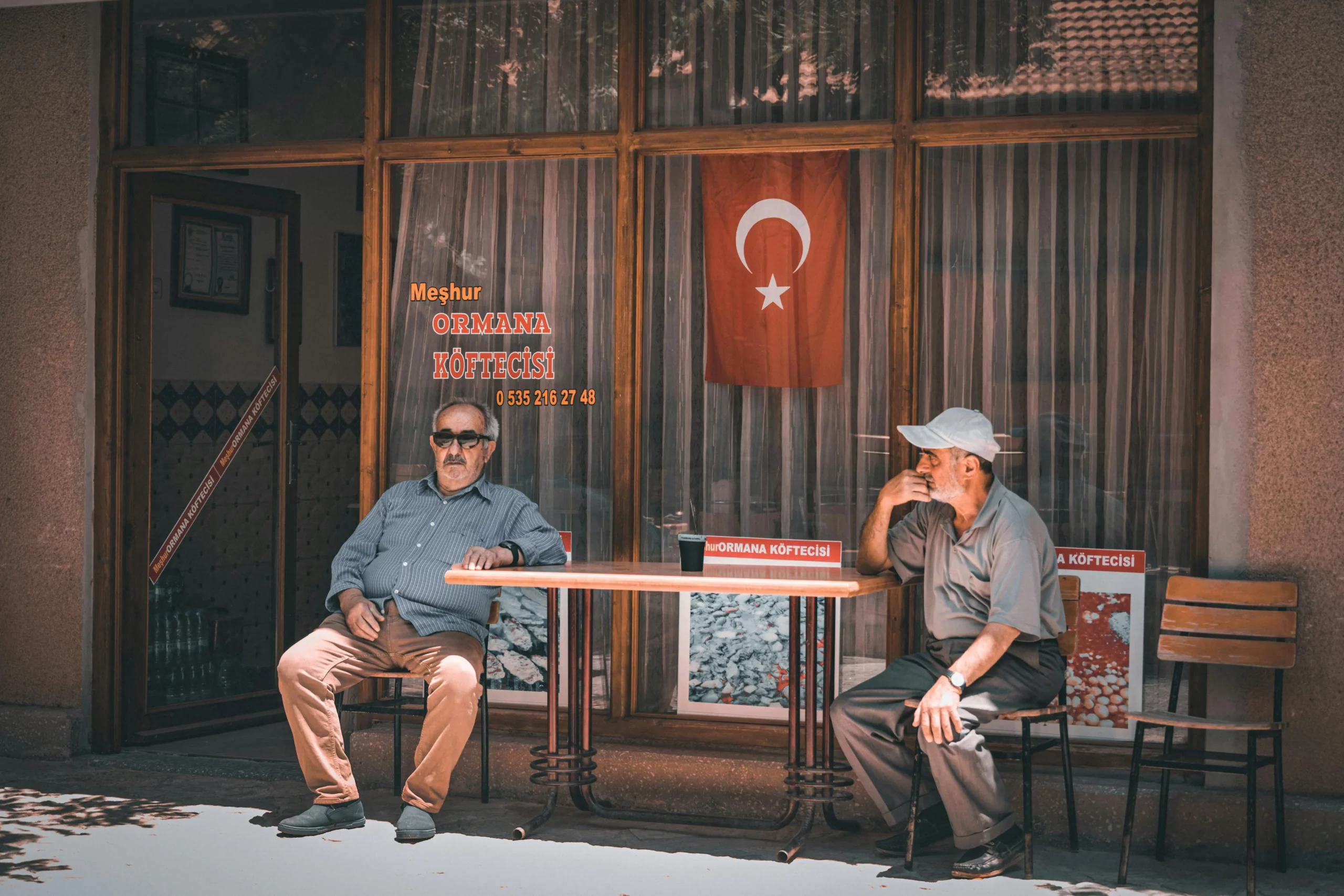
Turkey’s Serdivan municipality develops comprehensive system for seniors’ emergency and daily care


Like many territories across Europe, the city of Serdivan in northwest Turkey is facing the challenges of caring for an aging population.
 
That is why the municipality has developed the Elderly Support Line. Seniors can apply to have the device and emergency support system installed in their home.
 
Once set up, the senior can call municipal assistance 24/7 by pressing an emergency button worn on a necklace. Thus, elderly people can call for help whether because of falling, heart attack, blood pressure, diabetese or any other problem.
 
The button can also be used on the move as the wireless device enjoys a certain range. The municipality’s call centre can be reached without even the hassle of dialing a phone.
 
With the aid alarm, the municipality’s response team takes action quickly and reaches the needy, if necessary transporting the patient to the hospital by patient transport or ambulance.
 
If the person cannot reach the municipal call centre for any reason, the call is automatically transferred to the 112 Emergency Call Centre.
 
Caring for seniors
 
Serdivan municipality also provides other services to the elderly, such as house cleaning once a month, food according to demand, personal care, bathing once a week and changing the clothes of bedridden people.
 
The municipal support team also makes doctor’s appointments for seniors and takes them to the hospital for examination or routine controls.
 
The project especially supports seniors who may lack nearby relatives. It aims not only to meet seniors’ urgent health and household tasks, but also to accompany them and show them they are not alone.
 
Thanks to the Elderly Support Line, Serdivan’s seniors can live longer, happier lives as valued members of the community.

Urban Planning

Urban Planning Sweden - News 2022

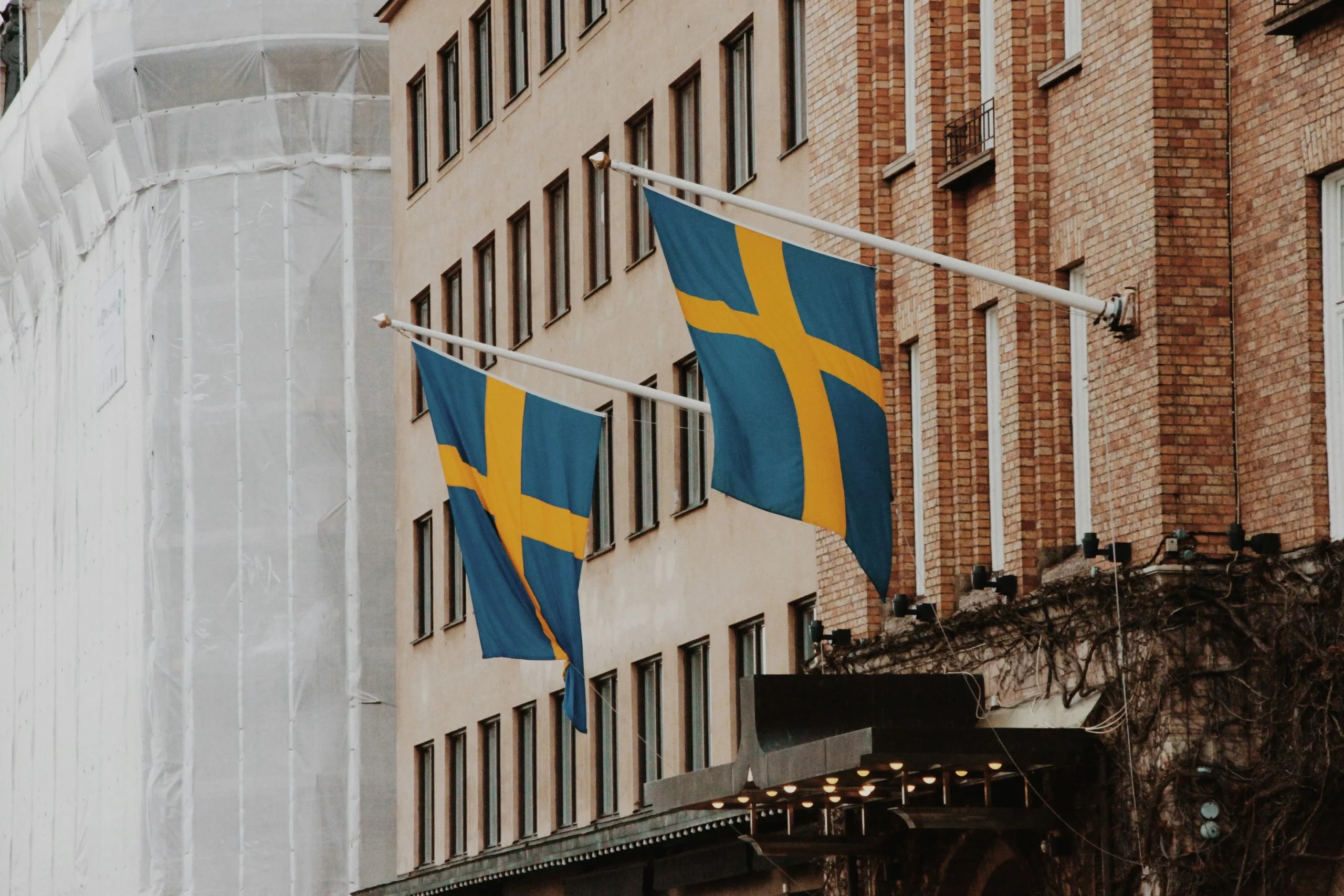
Gender-sensitive urban planning enables safer, more inclusive streets in Umeå, Sweden


As women are still underrepresented in the world of urban planning, we are often confronted with cities that are planned by men and so informed by their experience of the public space. Spotlighting gender equality when developing and planning our municipalities can enable to create safer and more inclusive urban spaces for all.

One success story comes from the Swedish city of Umeå (population 130,224) which has been working to integrate gender equality in urban planning since the late 70s. Signatory of the CEMR European Charter for Equality since 2008, the city was selected as the lead partner in the EU-funded 2019 programme Gendered Landscape network organised by URBACT.

In 2009, Umeå launched an innovative and ongoing initiative: “The Gendered Landscape” bus tour throughout 25 stops representing municipal initiatives that integrate gender considerations and urban planning. It raises awareness of the importance of a gendered and long-term perspective on urban planning, showcases successful work on gender equality and draws attention to issues that still need to be addressed. In constant adaptation, in this article, you can find some of the highlights of Umeå’s innovative action.

The municipal parking company Upab has worked to transform the Nanna parking garage into a safe and accessible-to-everyone environment: it was repainted, new and better lighting and more easily opened doors were introduced, and the brick walls in the stairwells were replaced with glass walls for better visibility.

Umeå Municipality has built the Free Zone in Årstidernas Park in close collaboration with a group of young girls who have shared their experiences of the public space and their sense of safety or unsafety. This led the municipality to work on visibility, lighting and proximity to the road with other people, in an attempt to make the Free Zone a safe and convivial meeting place for socialising, with seating areas, electrical outlets, Wi-Fi and the possibility to listen to music on speakers.

A dark and narrow station tunnel was transformed into a safe and accessible place, with a large light intake and rounded corners for better visibility. Moreover, the tunnel is animated by a work of art that offers a cosy and sheltered feeling: the artistic creation is a tribute to local author Sara Lidman, whose quotes, reads and talks – along with a loop of environmental sounds – can be activated by pressing buttons.

These are only some of the many examples that Umeå can showcase. As the city has experienced, the benefits of having a gendered landscape are multiple: and designing for women contributes to the creation of a sense of belonging, welcome and safety for people of different generations and different backgrounds.

Having inspired her work from other cities’ realities, Umeå gender equality officer Linda Gustafsson argues that is crucial for cities to compare and exchange on each other’s work. In this way, each city can find solutions, suited to the local context, on how to approach gender equality and integrate it into urban planning.

Spatial development

Spatial Development - Turkey News

Multi-level cooperation in practice: How Marmara Region, Türkiye, pioneered a participatory approach


The Marmara Region in Türkiye is home to astonishing cultural treasures and diverse landscapes. But it is also a territory of great risks in terms of earthquakes, droughts, flooding and other natural disasters. As a result, disaster planning and resilience are essential to people’s safety. Cities in the region must find more interactive, comprehensive, responsive and innovative solutions to these challenges.

To meet these challenges and broader development goals, the Marmara Municipalities Union (MMU) partnered with Istanbul Technical University and initiated the Marmara Region Spatial Development Strategic Framework Research Project in June 2020. The project, funded by the MMU, aimed to identify problems with the participation of all stakeholders at the provincial and regional levels and to find solutions in harmony with the projects and activities of the various organisations in the region.

Specific objectives included:

  • Strengthening the integration of sub-regional plans, which have been prepared by sub-regional development agencies and which have not been adequately integrated so far
  • Creating a dialogue platform and a road map for local governments and other relevant stakeholders
  • Minimising the side effects and externalities of big infrastructure projects such as airports, bridges, etc
  • Creating a regional approach to maximise the common interests of all cities
  • Raising awareness of inter-city and interregional planning
  • Contributing to regional development in line with the New Urban Agenda and SDGs

Staff collected data from governorships, provincial special institutions, local governments, trade associations and NGOs located in the 14 cities covered by the project. This enabled the identification of the cities’ and region’s problems. A series of workshops with the participation of relevant stakeholders were also held to get their recommendations and ideas on the earliest results of the analysis.

The project identified themes requiring cooperation between cities in the region and prepared sectoral programmes, short-term action plans and spatial development schemes.

The conclusions were outlighted in a three-volume Marmara Region Spatial Development Strategic Framework presented in October 2021. This action-oriented, flexible and participatory strategic document seeks to reduce territorial disparities, increase global competitiveness and local cooperation, and respect climate and ecological sensitivities in line with the UN Sustainable Development Goals (SDGs).

With this future-oriented strategic framework and the creation of an effective platform for exchange, all the players in the Marmara Region are now working together for a prosperous, sustainable and safe territory.

Communication for Bridges of Trust

Call for Proposals - News 2023

‘Bridges of Trust’ is looking for a contractor to carry out communication activities


CEMR is looking for a provider for a short-term assignment (until 30 October 2022) for communication support and services, to prepare communication materials highlighting the Bridges of Trust project’s results. For more information, please refer to the terms of reference.

High-Level Political Forum (HLPF)

Promoting the Global Goals - News 2023

Hannah-Lea Braun: New generations of local and regional leaders are at the heart of the Sustainable Development Goals


CEMR and PLATFORMA were present at last month’s High-Level Political Forum (HLPF), a key event dedicated to sustainable development held every year at the United Nations headquarters in New York. The delegation was made up of some twenty representatives of national associations of local and regional government and partners, including Hannah-Lea Braun, local councillor for Maichingen (Sindelfingen, Germany) and member of the Committee of Young European Local Authorities.

Together, delegate members expressed the voice of European territories to the local and regional government sessions. These focused on the issues posed by the implementation of the Sustainable Development Goals (SDGs) in the wake of the global pandemic, including those related to access to quality education (SDG4), gender equality (SDG5) and partnerships for the global goals (SDG17).

On the occasion of the Local and Regional Government Day and Forum (11-12 July), Hannah-Lea Braun highlighted the crucial role of local and regional governments in building a more sustainable, inclusive and egalitarian society, starting with gender equality, a topic at the heart of CEMR’s work.

The spotlight was also put on youth during a meeting with Olof Skoog, the European Union’s Ambassador to the United Nations in New York. This year 2022 having been declared “European Year of Youth” by EU Commission President Ursula von der Leyen, Hannah-Lea Braun reminded the audience of the crucial importance of taking into consideration the expectations of European youth. This entails giving the means necessary for the new generations of citizens and local elected representatives to take part in the decision-making process and in the deployment of public policies implementing the SDGs.

The presence of PLATFORMA and CEMR’s members and partners was also an opportunity to highlight the work done to localise the SDGs, documented notably in their recent annual report on the topic.