
Africities Summit

Calendar - Conference banner

Youngest Mayor of Portugal: “Young people should be seen as change leaders”


It is essential to better involve young people in politics and decision-making, according to João Fortes, the mayor of the Portuguese city of Mourão and the youngest mayor of Portugalduring the Africities Summit organised by UCLG Africa in Kisumu (Kenya).

The Summit, which took place from 16 to 20 May, gathered local governments and communities, civil society organisations, and development actors from across Africa, as well as many international players. The participants discussed the high stakes involved in the implementation of the UN’s 2030 Agenda. A day dedicated to youth issues highlighted the crucial role that the next generations play in the development of their territories.

Speaking on behalf of PLATFORMA and CEMR’s Committee of Young European Elected Representatives, João Fortes took part in different sessions dealing with sustainable development and challenges faced by young people.

The young elected mayor presented some of the policies being implemented at the European and local levels to move towards a more inclusive and sustainable social model. According to him, young people must be considered “change leaders” in this process.

João Fortes participated in three Africities sessions:

  • A meeting of the partners of the Covenant of Mayors in Sub-Saharan Africa (CoM SSA) on the issues related to sustainable development and climate change
  • The General Assembly of the Network of Young Elected Local Officials of Africa (YELO)
  • A “youth day”, notably dealing with urban policies aiming to better integrate young people

What role for young people in Africa and Europe’s mid-sized cities?

Whereas 2022 is the European Year of Youth, a Eurobarometer survey has found that a large segment of young Europeans consider that they are not sufficiently listened to by public authorities.

Young people face an increased risk of poverty, notably in the post-pandemic context, and there are reasons to fear the disengagement of young citizens from political life. To answer this, João Fortes stressed the need “to provide the conditions for young people to be genuinely involved in decision-making.”

The mayor of Mourão also highlighted several projects being undertaken in his municipality and in Portugal. Indeed, Portuguese youth are also being affected by the consequences of the health crisis and a difficult economic situation.

Mourão is taking numerous initiatives in these areas with the creation of a Local Assembly of Young People, a participatory budget, technical support for youth organisations, strengthened children’s access to medical and dental care, and the development of youth exchanges and volunteering opportunities.

The Summit was also an opportunity to bring together PLATFORMA and CEMR’s Committee of Young European Elected Representatives and YELO members. These two networks of African and European local leaders could soon undertake actions in cooperation to put into perspective the issues encountered in the development of their territories.

Check on Twitter with #Africities9

UCLG World Congress 

South Korea - News Section

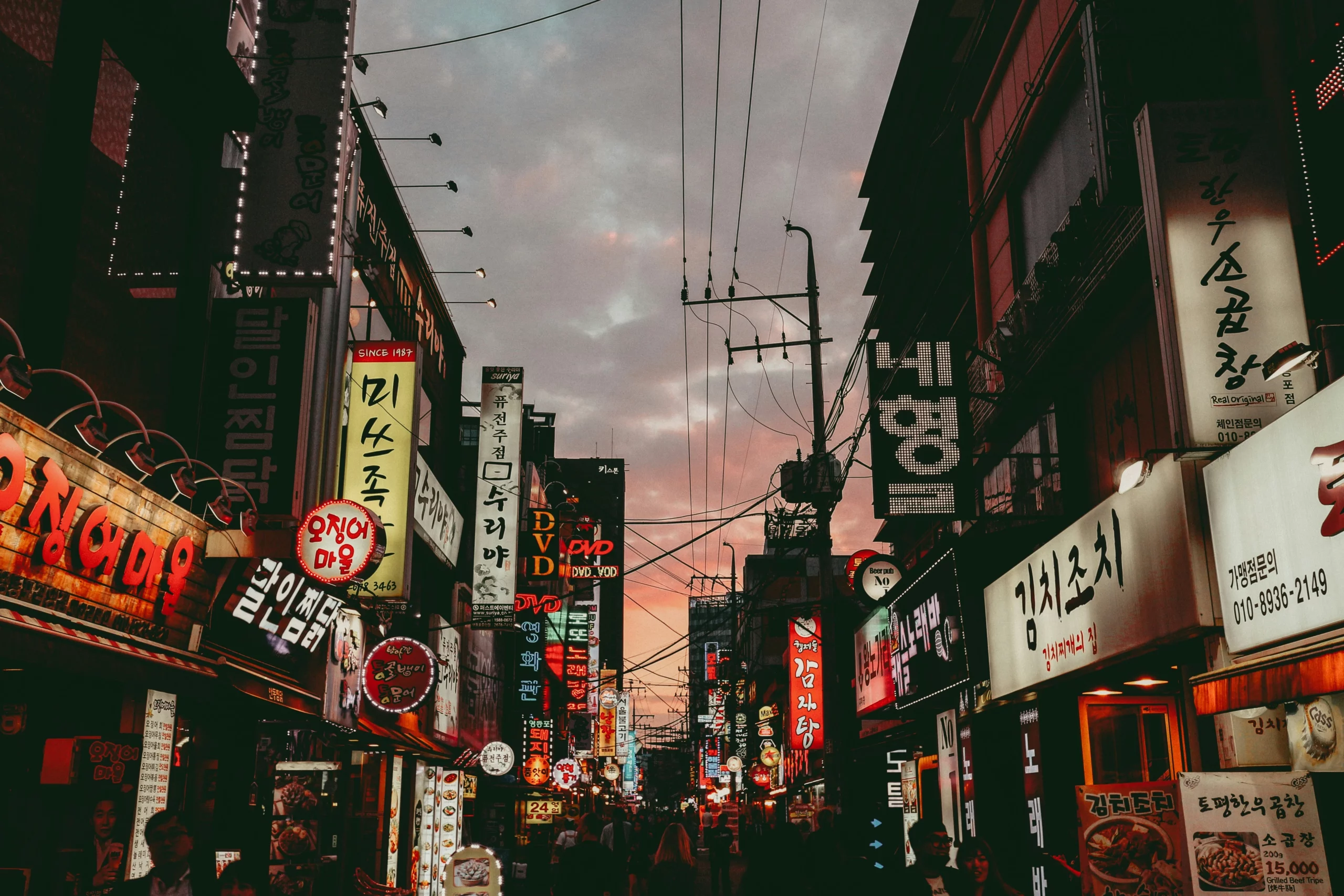
Come to Daejeon and take part in the largest gathering of local leaders!


Take part in the largest gathering of mayors, presidents of associations, local elected officers, and practitioners from around the world, from 10 to 14 October 2022 in Daejeon (South Korea).

Convened by United Cities and Local Governments (UCLG) and for the first time hybrid, the World Summit of Local and Regional Leaders and World Congress will be the heart of the municipal movement with thousands of elected officials, members of the civil society, partners and other stakeholders.  

In 2022, the Congress’ programme will be based around different tracks, namely the “Local Action” track, the “Town Hall” track, the “Statutory” track, the “Assembly” track and the “Daejeon” track. Those will echo the components of the “Power of We”, the power of the municipal movement to break through as one.

Daejeon will also allow you to experience the culture, community, and public service associated with digital technology.

For more information on the Congress and how to register, click here. Please note that early bird registration ends on 31 August. Also make sure to sign up here for the latest news leading up to Daejeon 2022.

Summer camp for Ukraine

Bridges of Trust Branding - News 2024

The summer camp organised by Siauliai District municipality impressed the children of Dolyna municipality


On 8 August, the 10-day summer camp for Dolyna Municipality (Ukraine), organised by the Šiauliai District Municipality, came to an end. 36 children from Dolyna municipality, accompanied by 4 adult educators, camped in a children’s summer camp near Lake Elongatis in Švenčionys district and by the sea in Melnragė.

Children from Dolyna municipality camped from 29 July to 5 August in the “Sunny Krantas” camp near Lake Pailgio in Švenčionys district. Here, the Ukrainians, together with other campers, participated in various activities, sports competitions and educational activities. As many of the children were visiting Lithuania for the first time, their camp manager Greta organised study trips to Trakai, Kernave and Vilnius for the Dolyna delegation. For three more days, the Ukrainians camped by the sea in Melnragė, enjoyed the beautiful beaches of the Baltic Sea and visited Klaipeda. On the way from the camp in Švenčionys district to the camp on the seaside in Melnragė, the Ukrainians went to Šiauliai district – they really wanted to see the most beautiful and famous places in Šiauliai district as well as meet its leaders.

First of all, the Ukrainian bus went to visit the world-famous Hill of Crosses, located in the Šiauliai district. Impressed and surprised by one of the most famous and visited sacred places in Lithuania, the Ukrainians erected a cross on the Hill of Crosses for Ukraine to win the war. In this delegation were children whose parents were fighting or had died in the brutal war that was ravaging their country.

The Ukrainians came to Kuršėnai, to Laurynas Ivinskis Square, wearing traditional national clothes – “vyšyvankas”. The children from the town of Dolyna and their educators Victor Yatskiv, Olha Listkova, Iryna Krekhovetska, Mariana Boberska were welcomed by the mayor of the Šiauliai district municipality Antanas Bezaras, his deputy Česlovas Spartas and his deputy Rita Žadeikytė.
Mayor Antanas Bezaras spoke briefly about the Šiauliai district, the guests presented the mayor with their drawings on the theme of friendship between Ukraine and Lithuania, which they created during their stay in the “Saules Bank” camp.

The guests were escorted to the Kuršėnai manor by taking one of the longest pedestrian bridges in Lithuania, where the history of the town of Kuršėnai was told, traditional “Kuršėnian” sweets and herbal tea were enjoyed.

Dolyna’s children loved the Kuršėnai manor, and especially the welcoming owners of the manor, Alina Milašienė and Lina Šukienė, who not only welcomed the guests, fed them, but also told the history of the town and the Kuršėnai manor. To the hostesses, the Ukrainians sang Ukrainian songs and the anthem of the town of Dolyna as a token of their thanks.

After their stay in Kuršėnai, the guests travelled to Klaipeda, Melnragė. In Klaipeda, activities and sightseeing tours were organised for them. On 8 August, the guests returned to Dolyna. This trip for the children of Dolyna municipality is a gift from the Šiauliai District Municipality. The Municipal Council of Šiauliai District approved the cooperation between the municipalities of Šiauliai District and the town of Dolyna. On 12 July, the mayor of the Šiauliai district municipality, Antanas Bezaras, mandated by his municipal council, signed a cooperation agreement with Ivan Dyriv, mayor representing the Dolyna municipal council. The mayors of the two municipalities, at the signing of the contract, expressed their satisfaction with the fact that, even before the contract was signed, the municipalities of Šiauliai and Dolyna district were already connected by fraternal ties, which were established in autumn 2021 when they started to participate in the “Bridges of Trust” project.

The leaders of Dolyna Municipality stated that the significant humanitarian support of Šiauliai District Municipality and farmer Česlovas Karbauskis, contributing 1000 euros to the Gruzdžiai dispensary, for a total of more than 100,000 euros is an important sign of sincere friendship and an example to follow.

The Šiauliai District Municipality pays great attention to children’s summer recreation – this year financial support was allocated to fund no less than 16 children’s summer camp and summer recreation projects.

The summer school has been supported by the U-LEAD with Europe Programme, a multi-donor action of the European Union and its member states (Germany, Sweden, Poland, Denmark, Estonia and Slovenia).

Šiauliai district municipality information

​Support for Ukraine

Ukraine flag - News section

The Luxembourg association SYVICOL launches a platform to shed light on local initiatives


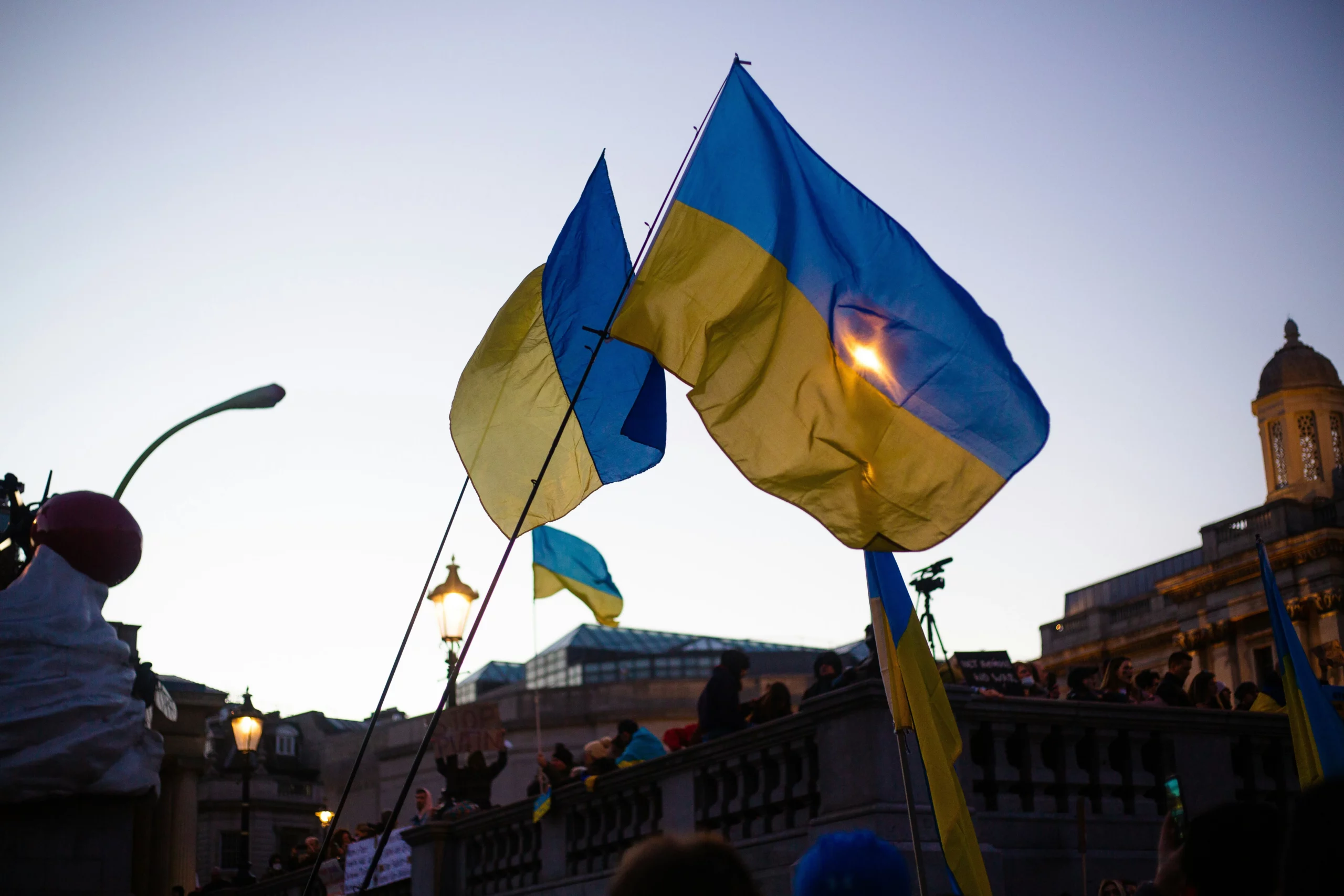
What actions are Luxembourg municipalities taking to support Ukraine and its population? How can they gear up their efforts and operate within their means? The association of Luxembourg cities and municipalities, SYVICOL, provides a first set of answers to these questions, while also casting light on initiatives developed locally and on the global stage. 

Entitled “Support for Ukraine“, SYVICOL’s new platform reveals, for example, why elected officials from the city of Esch-sur-Alzette agreed to set up a twinning partnership with Stryi, a Ukrainian city located near the Polish and Slovak borders. Scrolling through the website, you will come across Ukrainescht Haus Stroossen, an initiative led by the municipality of Strassen to give Ukrainians who fled their country, a place to exchange, to spend some time and, if they want, to participate in activities.

The platform also provides municipalities with information it has access to through its relations with various international players and networks, including the CEMR. SYVICOL also collaborates with the Association of Ukrainian Cities and can establish contact between the latter and the Luxembourg municipalities that wish to do so.

Finally, the platform relays official information released by the national government and brings together in one place the contact details of several supporting NGOs.

Available in English and French, the new platform will be regularly updated.

Did you know?

Many of CEMR’s member associations have set up sections of their websites dedicated to Ukraine where you can follow their latest activities. You will find a non-comprehensive list of these sections at the bottom of this page.

Rural concierge service

France - News Section

A French rural and solidarity-based concierge service to encourage local development and integration


Already popular in large cities, concierges provide residents with a range of everyday services, from childcare to shopping deliveries to clothes alterations. The concierge service concept is also taking root in rural areas, as shown by the example of the Ô Taquet concierge service in Saint-Sauvant, France.

The Ô Taquet rural concierge service offers a multitude of services to all individuals, whether they are working or retired, alone or with their family. The aim is simple: to make life easier for the inhabitants of the commune. Elderly people who can no longer perform certain tasks or working people who lack the time to do some of their tasks particularly appreciate the establishment of such an initiative.

The Ô Taquet conciergerie was created by the association Solidarité Environnement Insertion (SEI). This association was founded in 2011 by a small group of inhabitants who wanted to contribute to the local development of Saint-Sauvant while facilitating the integration of people.

The establishment of the concierge service has had multiple beneficial effects on the territory. First of all, it creates a social link between people with social difficulties and those who have the means to hire them. In addition to creating jobs, the concierge service has increased the activity of local businesses. In this sense, Ô Taquet represents a real public service for the village.

Local Best Practices

Twinning - News 2

LGA’s case studies database: a wealth of local best practices from climate to COVID


Local and regional governments are genuine laboratories for democratic politics and policymaking. Decentralisation enables each locality to experiment with different approaches, enabling the discovery of what works best.

The Local Government Association, our English and Welsh member, has a dedicated database of case studies which showcases the many innovative actions its local councils are taking. The database includes over 2000 entries searchable by date and topic, including youth, health, safety, culture, data and much more. LGA also maintains a dedicated page on COVID-19 best practices and case studies.

English and Welsh councils’ actions are striking because of their sheer diversity and the range of topics covered. For example, Devon County Council’s Apricot Centre is training local farmers to transition to regenerative farming. In contrast to the overuse of pesticides and monocultures, methods such as growing hedgerows and diversifying produce can restore local biodiversity and increase resilience to climate change.

Meanwhile, the Manchester Council has developed a programme to reduce overweight among South Asian women, a group at particular risk of obesity. The city has created Bollyfit Active, a simple scheme for South Asian women to come together to exercise and bond. The scheme responds to the isolation experienced by many during the COVID crisis and to the fact South Asian women may be less likely to use mixed-gender gyms.

These are just a taster of the wide variety of case studies undertaken by local councils in England and Wales. Have a look to discover for yourself and find inspiration for local action!

Residents service points to improve access to public services

Poland services - News 2022

In Rzeszow (Poland), resident service points as a tool for improving residents’ access to public services


In Poland, the city of Rzeszow set up four Residents Services Points (RSPs) in 2011. Easily attainable in shopping malls that have widespread parking capacities and are accessible to people with disabilities, RSPs intend to boost the approachability and provision of public services. In these RSPs, citizens can, for example, receive their ID cards and driving licenses, register their cars or inform themselves about local events.

The creation of RSPs was based on a participatory approach. In a survey, residents indicated their needs and expectations for such service. Once the first RSP was launched, satisfaction surveys were conducted to improve its functioning.

RSPs largely gained in popularity over the years. As such, in 2013, 20,000 cases were handled in the RSPs. In 2016, the number of administrated cases totalled 50,000. This can be explained by the high level of satisfaction of users due, among others, to the extended working time of the office, the greater availability of civil servants, the ability to handle many official topics in one dedicated place and the possibility to visit the RSPs on one’s way to everyday activities.

To learn more about this and other local best practices, check out the website of URBACT, the European territorial cooperation programme which aims to promote sustainable integrated urban development in cities all over Europe.

Since 2021, the RFSC tool is used by cities and partners of the “Global Goals for Cities” URBACT network, supporting the localisation of the SDGs across 19 European cities.

Smart city strategy in Heraklion to tackle urban challenges

Smart Cities - News Section

Heraklion in Greece is implementing smart city practices through interdisciplinary cooperation


The municipality of Heraklion in Greece elaborated a strategic plan among which one pillar is “Heraklion: Smart City”. This smart city strategy aims at fully achieving the potential of the city’s resources while consolidating domains in which the city has been lacking.

Heraklion’s Smart City Strategy was built using a durable and integrated approach in order to sustainably tackle urban challenges. As such, the city participates in the Covenant of Mayors for Climate and Energy. Heraklion also released its Sustainable Urban Development Plan. Approved by the city council and ratified by the Regional Government of Crete, this Plan is a project worth 14 million euros of European funding to provide for long-term sustainable urban design and development.

According to a study by the European Parliament “Mapping Smart Cities in the EU,” Heraklion performs well in three smart city axes: governance, economy and citizen participation. This contributed to a holistic approach with solutions positively affecting all stakeholders: individual citizens, businesses, communities and the whole city.

“Heraklion: Smart City” made a significant difference in the day-to-day organisation of Heraklion:

  • Broadband infrastructure has reached 100% coverage.
  • Citizens enjoy access to more than 160 e-services via the municipality’s portal.
  • Volunteer groups coordinate community outreach events to help the city.
  • The Dimoskopio, a multidisciplinary organisation whose goal is to promote entrepreneurship and innovation with the intention of improving the economic stability of Heraklion, was created.

To learn more about this and other local best practices, check out the website of URBACT, the European territorial cooperation programme which aims to promote sustainable integrated urban development in cities all over Europe.

Since 2021, the RFSC tool has been used by cities and partners of the “Global Goals for Cities” URBACT network, supporting the localisation of the SDGs across 19 European cities.

8th UCLG World Congress 

UCLG - News section

Call for the 8th UCLG World Congress in 2025


The triennial UCLG World Congress is a critical moment for the international movement of local and regional governments, gathering local elected representatives and their partners at an event so powerful it demands the spotlight on the global stage. What once began as a meeting point, the Congress has evolved into a complete experience that now encompasses various themes, and formats and encapsulates the diversity of our century-old movement. This Congress should count on more innovation, interaction, inclusion and input than ever before, culminating not only in our renewed vision, but also in policy documents to guide a unified and collaborative approach to implementing local solutions.

The 2025 Congress should remain a place for mayors, councillors and presidents of regional authorities and their associations to come together, while providing space for the full constituency, and an increasing number of partners, such as the Global Taskforce and other stakeholders.

The new reality has inevitably generated new technological needs. In this sense, the 2025 Congress will need to include a strong hybrid component to allow both in-person and online participation, which will make the Congress more accessible for all of our constituency.

The UCLG Presidency and members of the UCLG World Council are looking for innovative proposals that will be able to accommodate the ideas stated above and host this world‑class event.

Please find here the call for candidatures for the 8th UCLG World Congress with the requirements for presenting a candidature.

If you think your city or local government association can meet this exciting challenge, our World Secretariat very much looks forward to receiving your proposal.

Candidatures should include the following items in one of the three working languages of UCLG (English, French or Spanish): 

  • A letter of motivation explaining why the local/regional authority would like to host the event;
  • An expression of agreement with the Terms of Reference for the 8th UCLG Congress in 2025;
  • Explicit acceptance of the minimum financial and administrative conditions, which will be further defined in cooperation with the Financial Management Committee;
  • A draft budget that will provide an idea of the dimension of the envisaged event;
  • A logistical dossier with information about the venues and facilities;
  • A brief concept note with ideas about possible themes.

For further information or to present a candidature, please write to the attention of the UCLG Secretary General at UCLGExBu@uclg.org before 5 September 2022.  

People Make the City

Cities - News Section

Storytelling as a powerful way of strengthening social cohesion by promoting mutual understanding


Mechelen. A middle-aged woman dressed in light colours sits in a public library. It seems like someone interrupted her while she was reading a book, but she does not mind. She looks straight ahead, and you immediately feel there is a story to tell behind those warm brown eyes.
This is Farida, a woman, a mother of three children, a grandmother of five, and an accountant. She speaks five languages, likes to cook and loves to read. She lives in Mechelen, but fled from Syria years ago: she is a refugee. Her picture, placed on a window near the public library in Mechelen was part of the ‘People Make the City’ exhibition and Farida’s story is just one of many in the series.

‘People Make the City’ is a storytelling project that translates residents’ experiences into public content such as street art, podcasts, exhibitions, images and texts, building a more nuanced narrative of migrants and refugees’ impact on their local neighbourhoods. These features show the diversity and the rich multi-layered identities of people living in the local community.

The people concerned can co-create the way they want to be presented because it’s up to them how they want their story to be told and where. Storytelling is a powerful way of strengthening social cohesion by promoting mutual understanding.

You can find out more about the People Make the City project and other good practices and tools on migrant integration from the OECD website.