
Reflections on the Pact for the Future

European Union - News


Local & Regional Governments are in, but still far from where they should be


The inclusion of Local and Regional Governments (LRGs) in the recently adopted Pact for the Future, particularly in Article 83, represents a significant milestone. This article acknowledges their crucial role and calls on the UN Secretary-General to offer recommendations on engaging with local and regional authorities to advance the 2030 Agenda, especially by localising the Sustainable Development Goals (SDGs).

However, this achievement is only the beginning. Realising the full potential of LRGs in global governance requires continued effort. Below are five key takeaways that reflect the pact’s impact on the local leadership community.

Cities and Local Governments on the Global Stage

The adoption of this text reflects widespread recognition of the vital role cities and local governments play in building a sustainable future. The conversation has shifted from questioning their relevance to focusing on collaboration to drive progress across all levels. This shift is crucial for advancing the 2030 Agenda and promoting sustainable development for all.

The Growing Movement for Local Governance

Engagement with the UN Secretary-General and other key stakeholders highlights the increasing momentum behind the movement advocating for LRGs’ unique role. Unlike civil society organisations, local governments have distinct mandates and constituencies, making their contributions essential for shaping a sustainable future.

The Global Task Force Model: A Proven Approach

Global challenges—whether securing peace, reducing inequalities, addressing water scarcity, or reforming food systems—require coordinated action across all levels of government. The Global Task Force of LRGs has proven effective in uniting agendas and coordinating advocacy on issues that transcend borders and jurisdictions.

Recognition is Progressing, But Still Limited

While LRGs’ inclusion in the text is a positive step, their role remains largely focused on implementing SDGs. It is essential that local and regional governments are recognised not only as implementers but also as full partners in shaping policies that affect the future of our communities.

Challenges to Local Democracy

There are growing concerns about the future of local democracy, as autocratic regimes and centralising reforms threaten the autonomy of local governments. Reduced powers and budget cuts jeopardise the sustainability of local democracy. Although the current UN Secretary-General supports local governance, the post-2025 landscape remains uncertain, posing risks to local self-government.

What to watch

While the Pact for the Future marks a crucial milestone, much work is still needed to achieve full recognition and empowerment of LRGs. Now is the time to press forward, ensuring our voices continue to shape global and national agendas for the future of our communities.

Participatory Budgeting

Participatory Budget - Youth

Participatory Budgeting for Young People in Vienna


In 2020, Vienna embarked on a groundbreaking initiative with the introduction of its ‘Participatory Children and Youth’ strategy. This forward-thinking approach aims to empower children and young people to shape their futures by becoming key decision-makers in their communities. Central to this strategy is the allocation of municipal budget funds specifically for ideas proposed by young residents. Known as the ‘Participatory Children and Youth Million’, this initiative sets aside €1 million every two years to bring these ideas to life.

Youth Participatory Budgeting

Youth participatory budgeting is designed to actively engage young people in public decision-making processes. By providing platforms for discussion, deliberation, and proposal of projects, it fosters a collaborative environment where young voices are heard and valued. This approach not only encourages dialogue but also builds a strong sense of ownership and partnership between the youth and local government.

The process begins with young people, aged 5 to 20, submitting their ideas either individually or in groups. These submissions are then reviewed in co-creation workshops where participants work with representatives from over 30 municipal departments and district offices. These collaborations ensure that ideas are both innovative and practical. For example, in 2024, a total of 226 ideas were submitted, with 215 being retained for further development.

Public outreach plays a crucial role in this process, aiming to engage not just politically active youth but a broader demographic. In Phase 2, Vienna’s city departments and district administrators review these ideas, requiring clear communication and effective integration with municipal operations. Events and clear timelines are essential to keep the process transparent and inclusive. Proposals must have a minimum budget of €50,000 and be implemented within two years.

As of the May 2024 CEMR webinar, the process had advanced to the voting stage. At this point, 49 projects were presented online for voting, allowing both individual and group preferences to shape the outcomes.

Vienna’s participatory budgeting for children and young people exemplifies a successful model of inclusive governance, demonstrating how cities can harness the creativity and insights of their youngest residents to enhance community life.

Learn more about Participatory Budgeting here

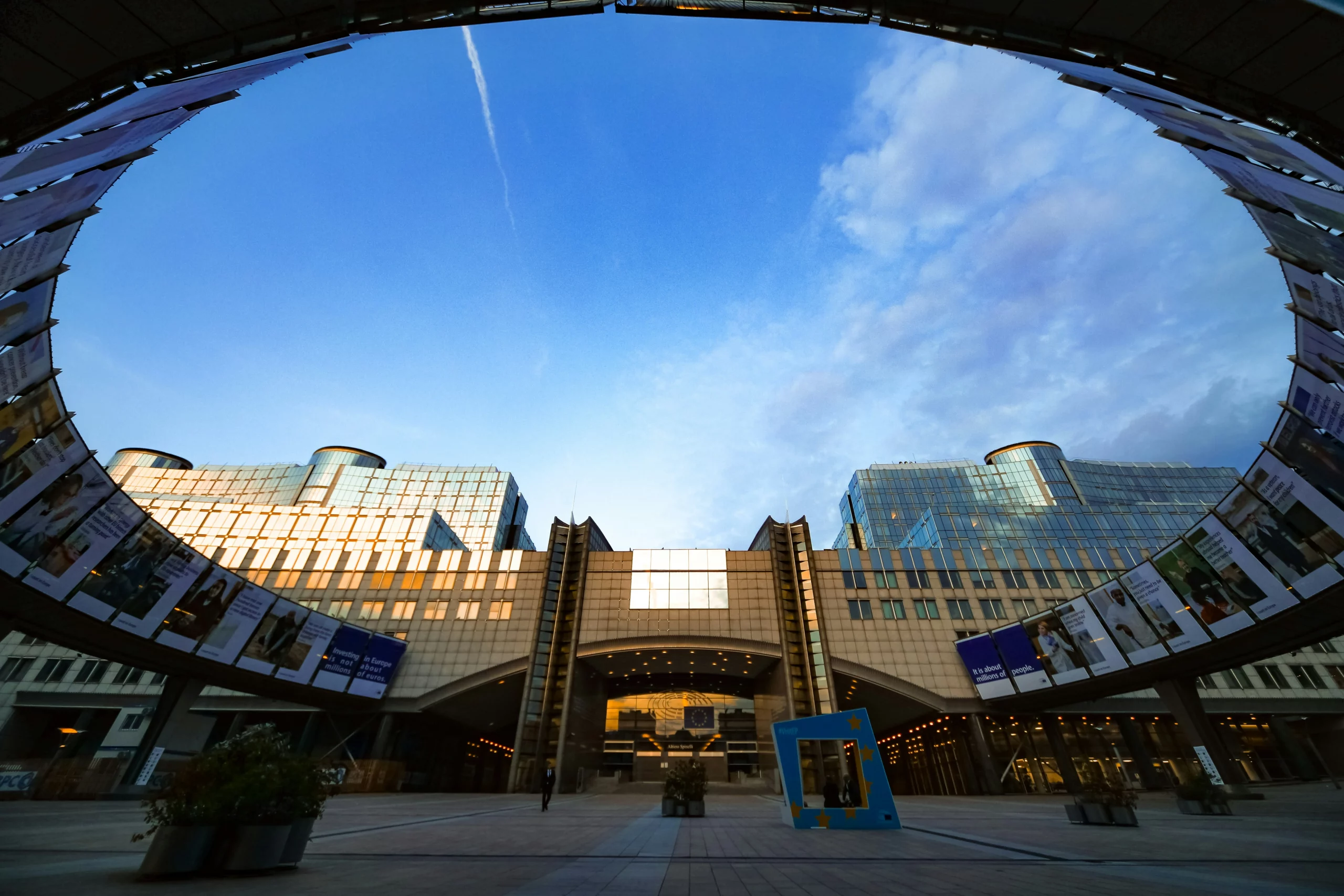
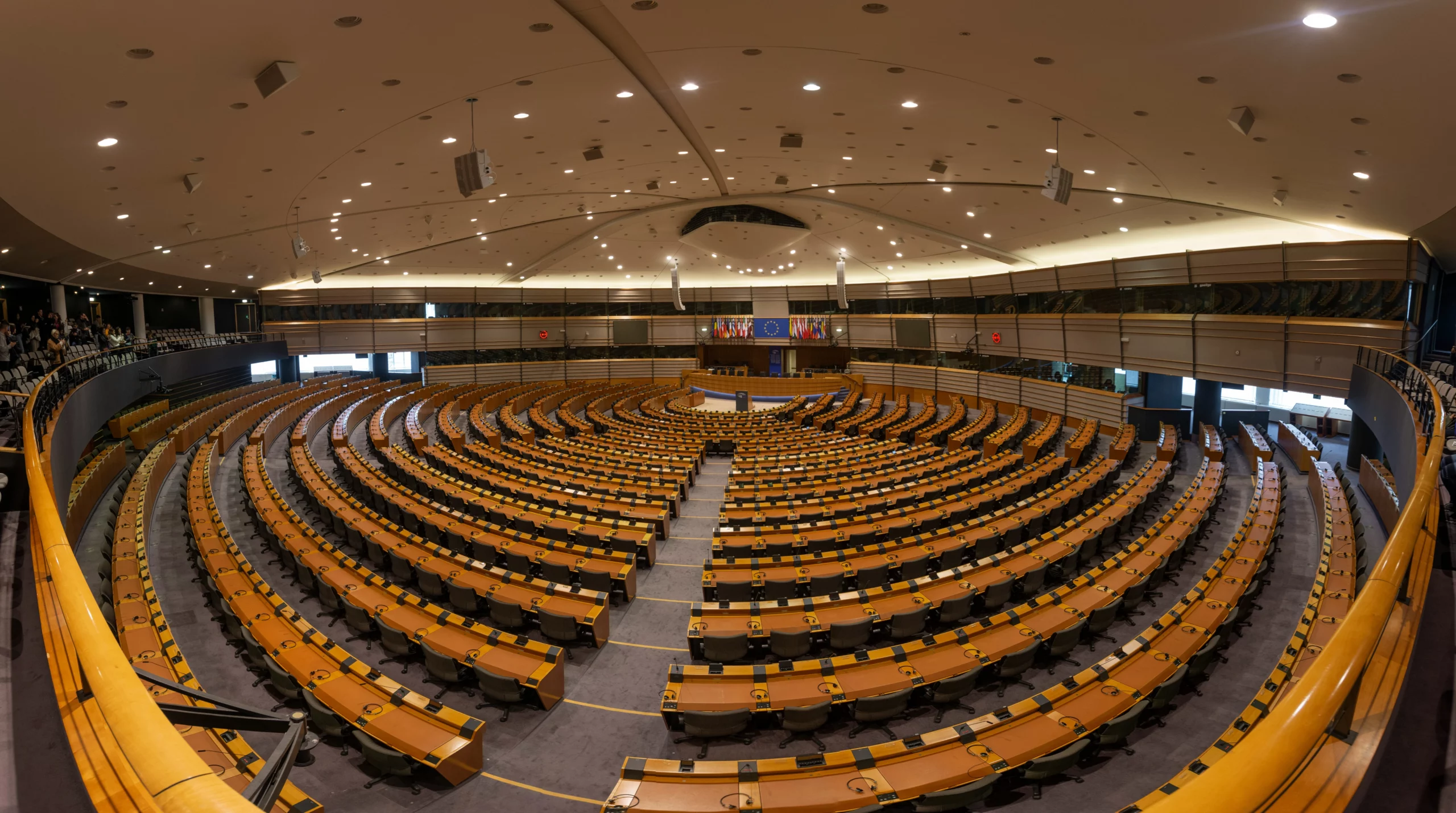
MEPs at the European Parliament

European Parliament - News

The Essential Role of Local and Regional Experience in the European Parliament


In the latest composition of the European Parliament, a significant 31.5% (227 out of 720) of the Members of the European Parliament (MEPs) have had a local or regional mandate. This highlights the vital connection between local governance and the broader European legislative process.

The European Parliament, composed of 720 MEPs elected from 27 EU Member States, serves as one of the key institutions in the European Union. Since 1979, MEPs have been elected through direct universal suffrage for a five-year term. Their decisions influence laws and policies that have a direct impact on the lives of over 447 million EU citizens.

Local and Regional governance experience equips MEPs with unique insights into the everyday challenges and opportunities faced by citizens. This background allows them to better understand the implications of EU legislation on local communities and ensures that the voices of municipalities and regions are heard at the European level.

Key Functions of the European Parliament:

  • Co-Legislation: The European Parliament shares legislative powers with the Council of the EU. Together, they adopt and amend legislative proposals, ensuring that laws reflect the diverse needs of EU citizens.
  • Budgeting: The Parliament plays a crucial role in deciding on the EU budget, and determining how resources are allocated across various sectors and initiatives.
  • Oversight: The Parliament supervises the work of the European Commission and other EU bodies, ensuring transparency and accountability.

Promoting Democracy Globally: Beyond its legislative functions, the European Parliament is a strong advocate for democratic values within Europe and globally. The Parliament actively supports the fight for democracy, freedom of speech, and fair elections worldwide.

The significant presence of MEPs with local and regional mandates in the European Parliament underscores the importance of local governance in shaping European policy. As the newly elected MEPs take on their roles, their decisions will continue to influence the European Union’s and its citizens’ future.

Learn More: To gain a deeper understanding of the European Parliament and its functions, visit the official website.

X Budgeting – power of subnational finance

Participatory Budget - Youth

Municipalities and regions explore new approaches to budgeting, from participatory and priority-based models to green and SDG-oriented practices


Municipalities, cities and regions across Europe are at the forefront of delivering essential services, from housing and health to climate action and mobility. Yet, they face increasing financial pressures, recovering from the pandemic’s “scissor effect” of higher costs and lower revenues, and coping with inflation. In this context, how budgets are designed and allocated has become a powerful political tool.

To explore this potential, the Council of European Municipalities and Regions (CEMR) organised a training event on 23 May titled “X-budgeting – the power of subnational finance.” The session brought together experts and practitioners to share knowledge on innovative approaches to local and regional finance.

“X-budgeting” refers to a range of methods that go beyond simple accounting, transforming budgets into instruments for shaping policy and engaging citizens. These include:

  • Priority-based budgeting, aligning spending with political or community priorities rather than repeating last year’s allocations.
  • Process-based budgeting, such as participatory models that involve residents directly in decisions.
  • Green and SDG budgeting, aligning local finances with climate goals and the Sustainable Development Agenda.

Each approach offers opportunities, from fostering transparency and boosting trust to mobilising investment for sustainability, but also poses challenges, such as methodological complexity, resource needs and the demand for strong political support.

By experimenting with new forms of budgeting, municipalities and regions can make financial choices that not only keep services running but also reflect citizens’ voices and accelerate progress towards long-term goals.

Read the study here

For more information, contact: