CEMR reinforces its role as Europe’s Hub for Municipal Cooperation with Ukraine
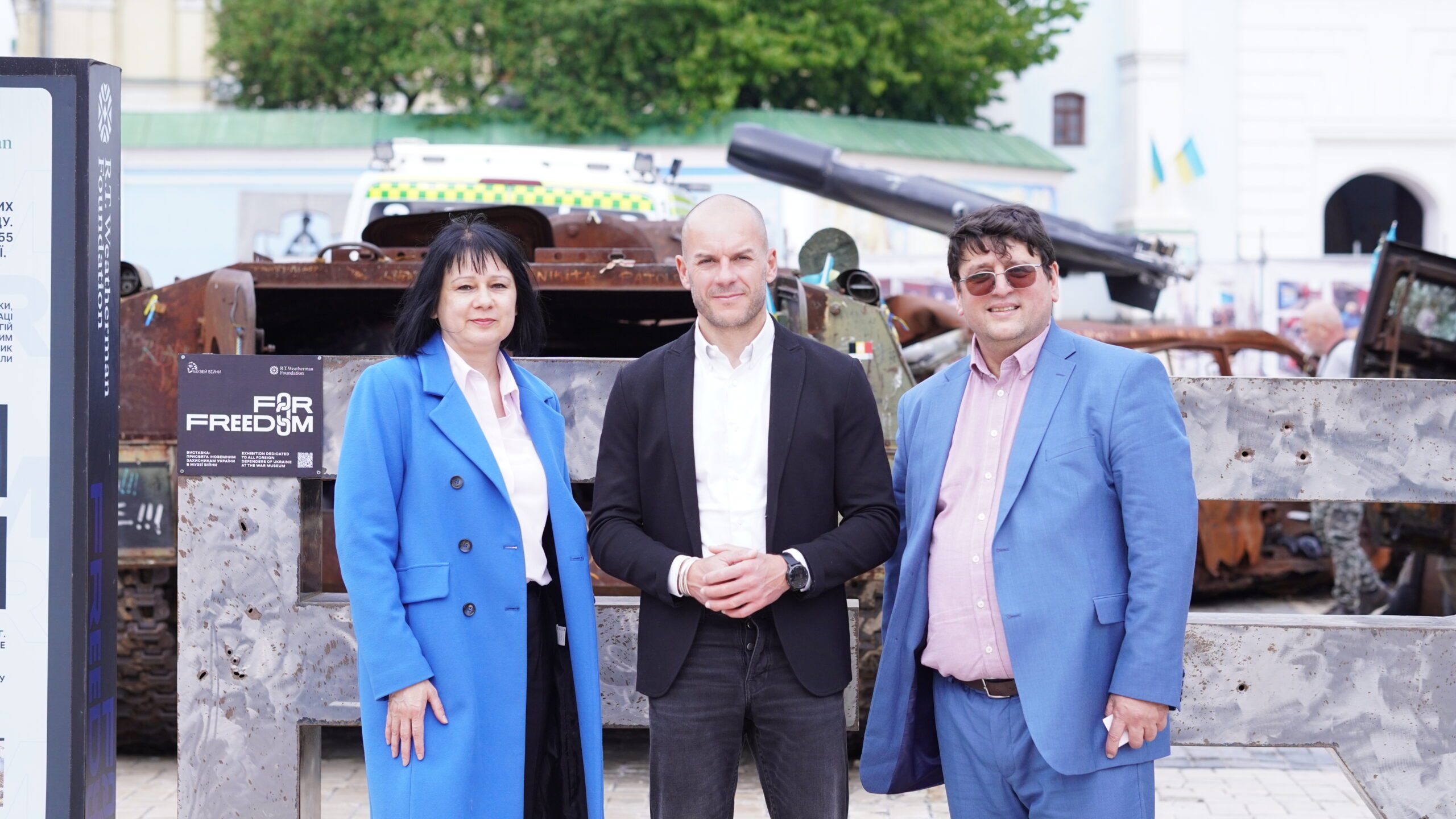
A week-long mission to Kyiv, carried out by CEMR Secretary General Fabrizio Rossi and Director of Projects and Programmes Durmish Guri, has reaffirmed CEMR as a facilitating structure of the European Partnership Hub (EPH), for international municipal cooperation in support of Ukraine’s recovery, resilience, and European integration.
Although CEMR’s engagement with Ukraine stands since 2002, this visit took place within a strategically significant framework, which is the European Partnership Hub (EPH), supported by the EU and its member states through U-LEAD with Europe programme. The EPH, developed jointly with the Bridges of Trust Community actors, is designed to scale up, structure, and coordinate international municipal partnerships between European and Ukrainian municipalities.
With hundreds of bilateral and multilateral cooperation initiatives already underway and demand for further support growing, the EPH Secretariat (EPHS) provides the coherent, European-level coordination needed to align actors and eliminate duplication. This approach better serves needs on the ground and directly answers the call to action from the Ukraine Recovery Conference in Berlin, which urged the creation of a dedicated one-stop shop.
Main takeaways from the visit to Ukraine
Federating the national associations of local and regional governments.
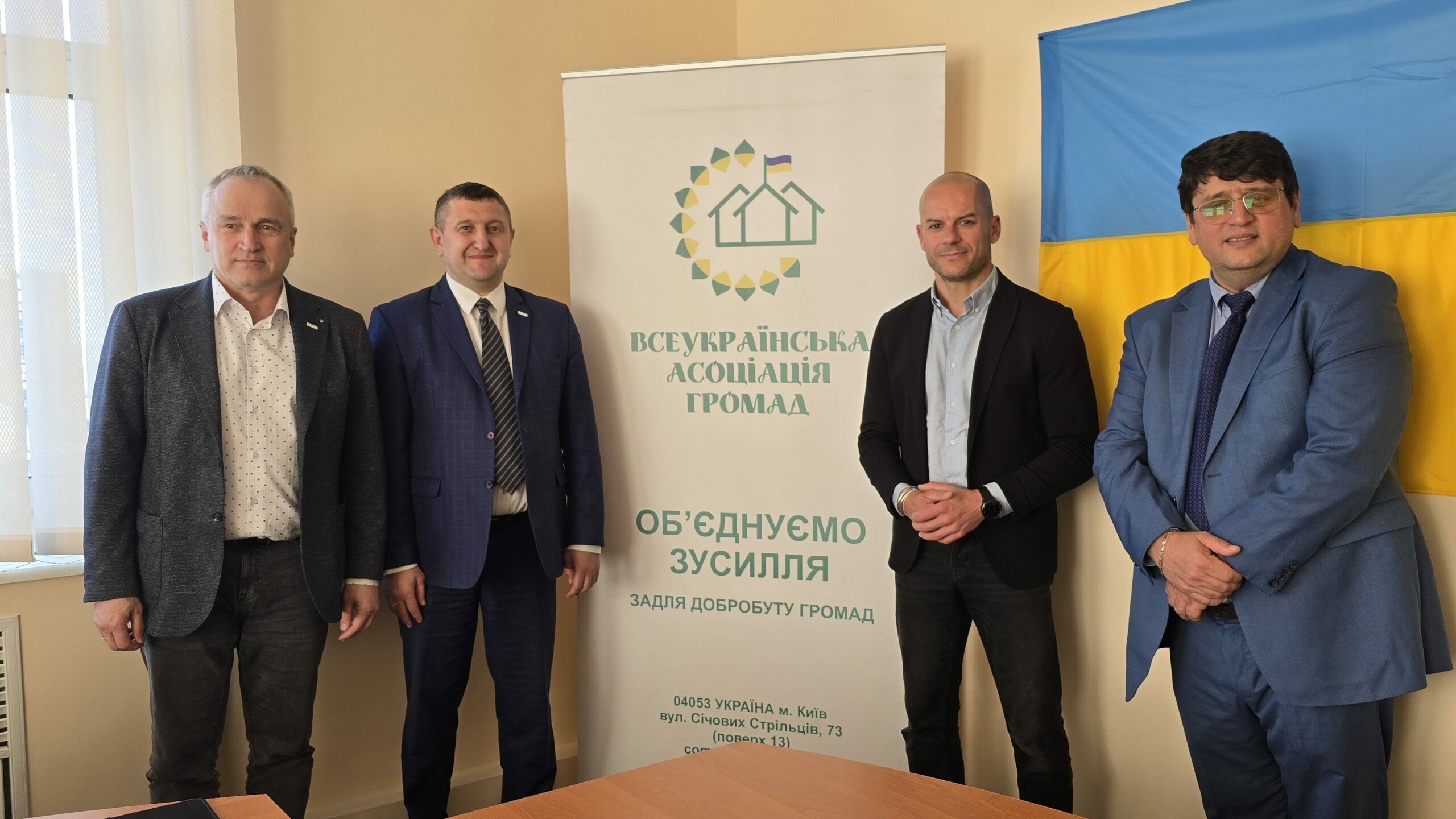
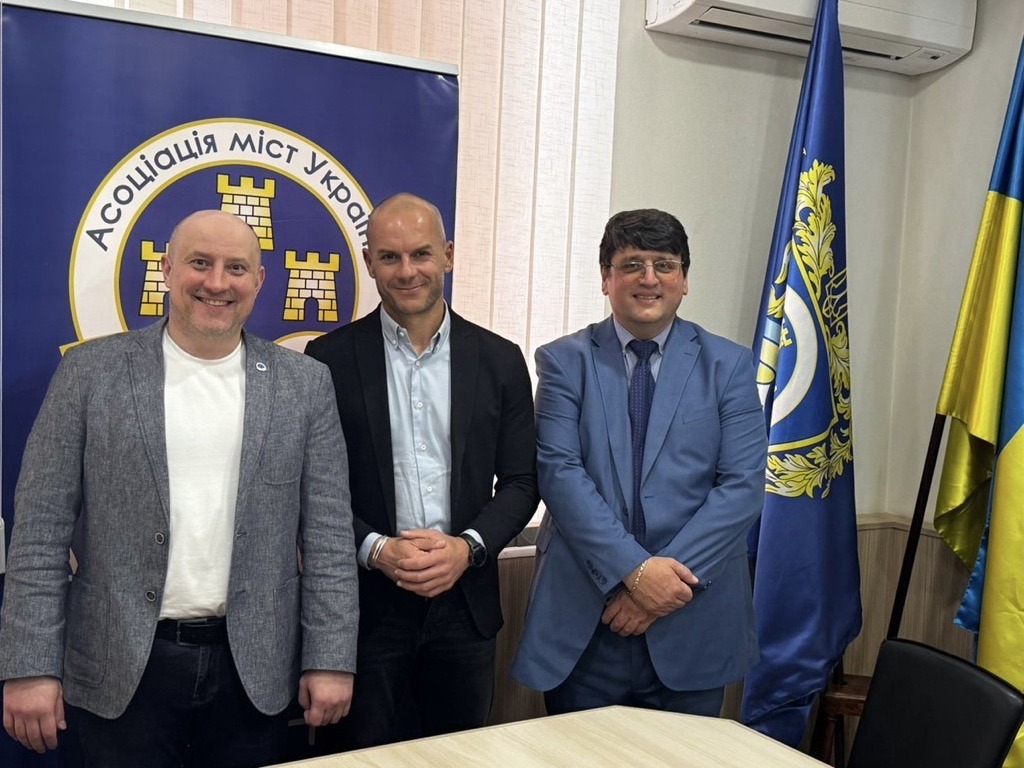
In a single day, CEMR held bilateral meetings with all four of Ukraine’s national associations: the Association of Ukrainian Cities (AUC), the All-Ukrainian Association of Communities (VAG), the Ukrainian Association of District and Regional Councils (UAROR), and the Association of Amalgamated Territorial Communities (AAATC). Each association represents a distinct segment of local governance, from cities and urban communities to districts, regions, and rural hromadas. CEMR discussed synergies and individual priorities, explored avenues for synergies, and convened for other joint gatherings to foster a collective dynamic. The exchange highlighted the need to strengthen the cooperation between the associations and CEMR in the light of the next Multiannual Financial Framework (MFF) and to develop joint policy work in 2026, focusing on three priorities: the post-2027 EU funding for sub-national governments, common positions on Ukraine’s EU accession and recovery process, and advocacy on decentralisation.
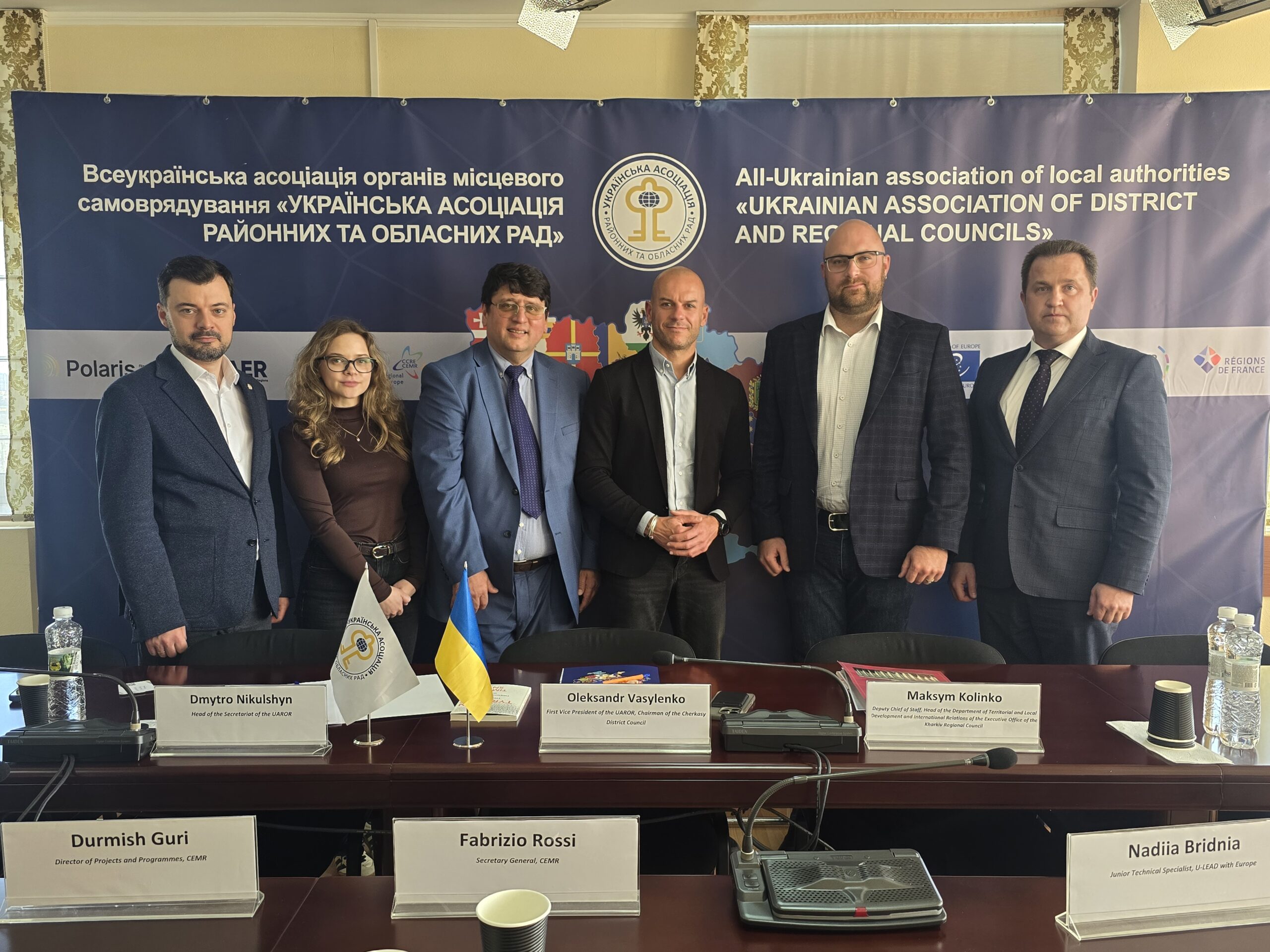
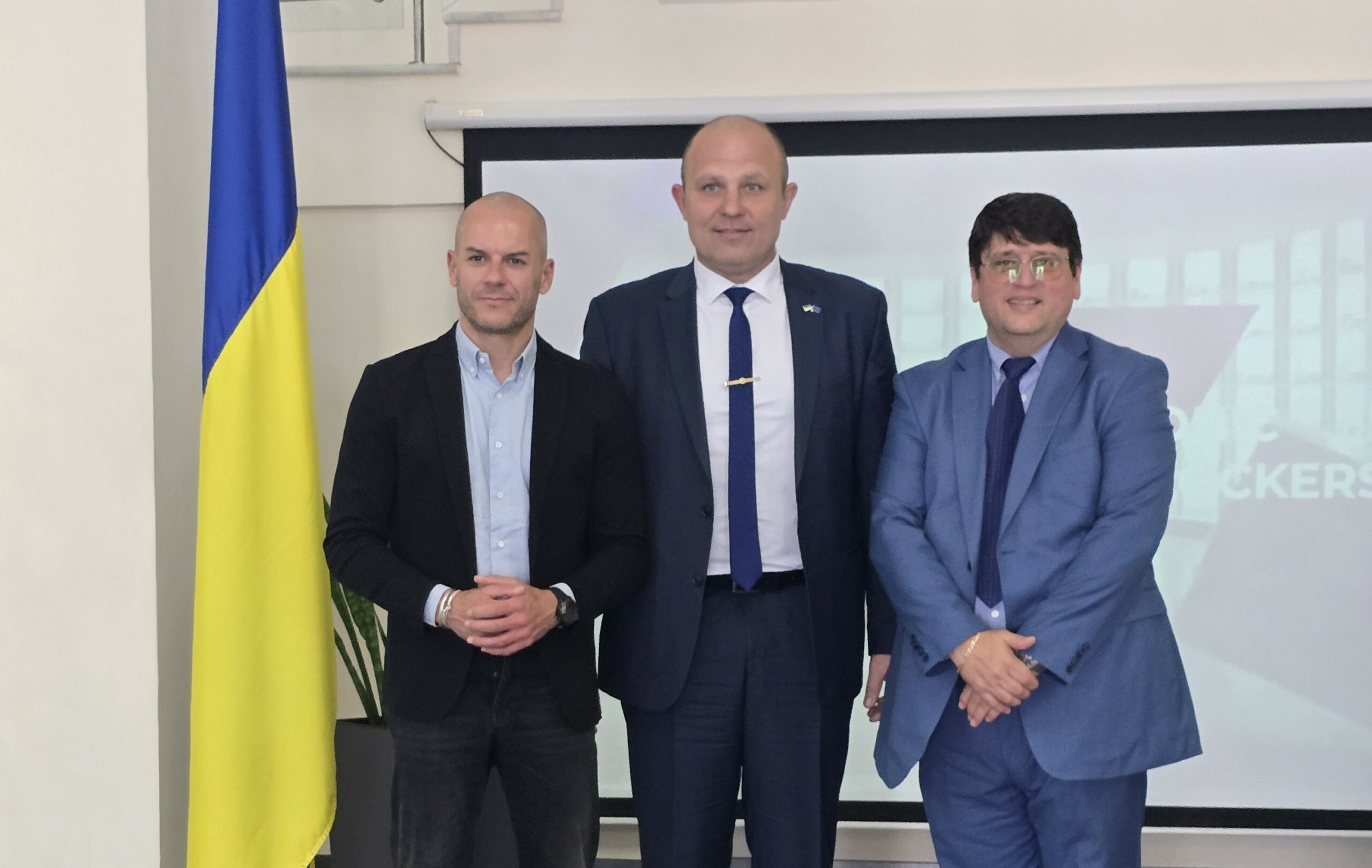
Exchanging with key local leaders: Klitschko, Mayor of Kyiv and Pikula, Deputy Mayor of Mariupol City Council
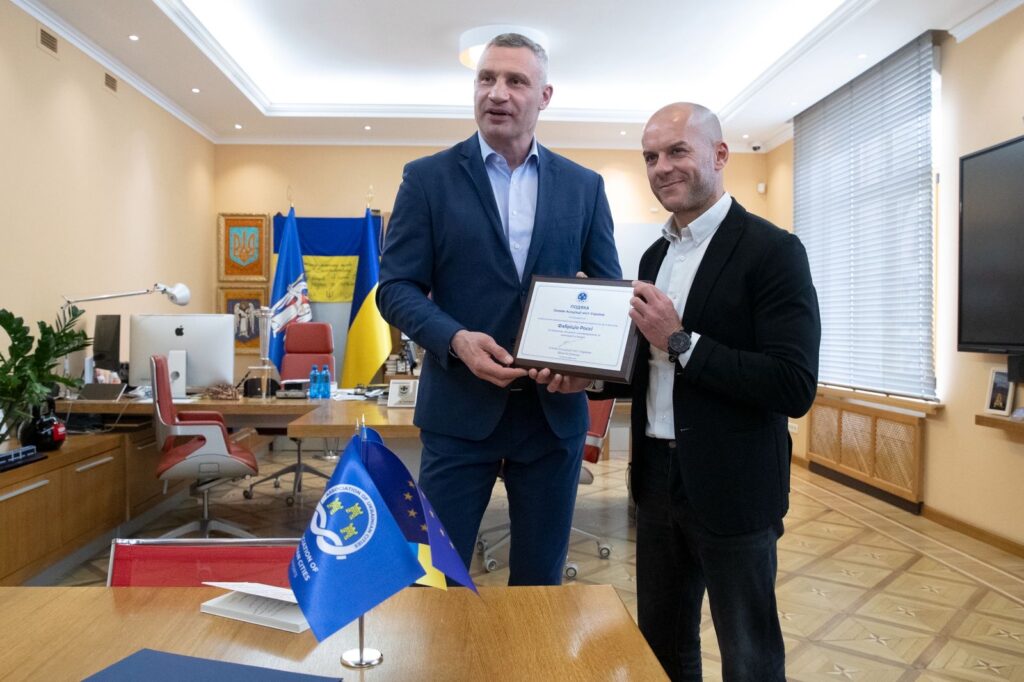
A meeting with the Mayor of Kyiv and Chair of the AUC, Vitaliy Klitschko, provided an opportunity to review more than twenty years of cooperation and to discuss the practical solidarity that Ukrainian cities need from their European counterparts. Mayor Klitschko expressed particular appreciation for CEMR’s annual declarations and its sustained international advocacy for mayors in captivity.
The meeting with the Deputy Mayor of Mariupol City Council, and also CEMR Spokesperson on EU Enlargement, Olha Pikula, covered the need for a clear CEMR position on Ukraine in the context of the next Multiannual Financial Framework, ensuring that Ukraine’s specific circumstances are fully reflected in both policy and funding approaches.
Dialoguing with Ukrainian ministries and the EU delegation in Ukraine
Meetings with the EU Delegation to Ukraine, including the Head of Cooperation at the EU Delegation to Ukraine, Stefan Schleuning and with the Deputy Minister for Development of Communities and Territories, Oleksii Riabykin, produced a consistent political signal: Ukraine’s recovery and accession will only succeed if local and regional governments are systematically involved. Particular attention was given to Chapter 22 on Cohesion Policy, where municipalities and regions are central delivery actors, and to the urgent need for clarity on how local governments can access the Pillar III of the Ukraine Facility.
Coordinating with the Bridges of Trust Community actors working in Ukraine
A meeting with Expertise France, a key actor within the Bridges of Trust Community, illustrated the breadth of the EPHS coordination role. Discussions focused on the preparation of the Ukraine Recovery Conference and the need for a more coordinated approach to international municipal cooperation within the EU framework. The mission was also an opportunity to work alongside the U-LEAD with Europe team in Ukraine, who co-organised and supported the visit throughout the week.
What is International Municipal Cooperation, and why does it matter now in Ukraine?
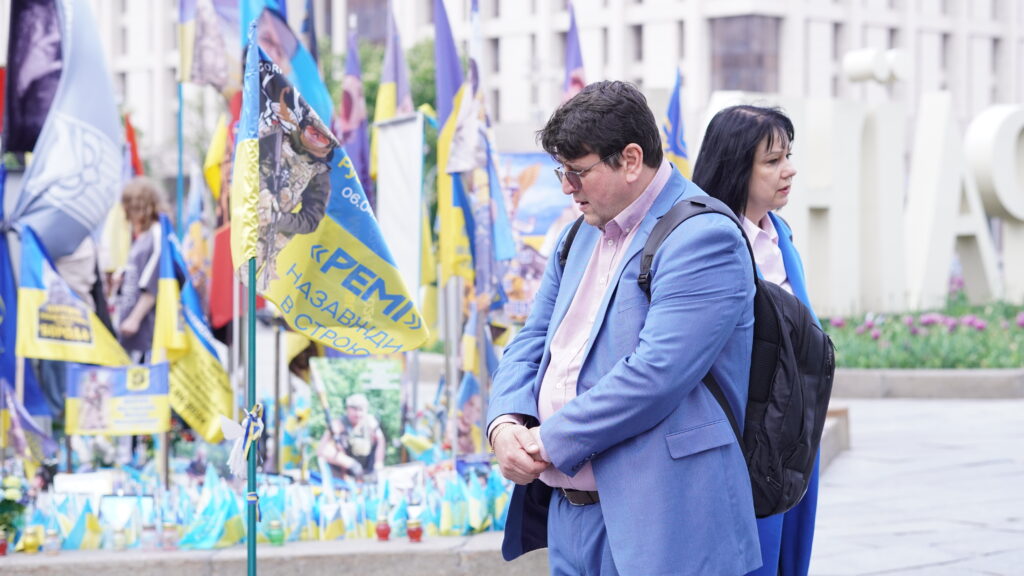
International municipal cooperation refers to structured partnerships between local and regional governments across borders, enabling peer learning, institutional strengthening, capacity building, and democratic resilience. In normal times, these partnerships help municipalities share expertise and improve public services.
In Ukraine’s current context, they carry an additional and urgent purpose: they are instruments of resilience, reconstruction, and EU integration, built from the ground up.
While Ukraine’s EU accession path is negotiated at the European and national level, it is mostly implemented and made credible at the local level. Municipalities and regions are responsible for delivering essential services under wartime conditions, for rebuilding infrastructure, for supporting internally displaced persons, and for implementing the administrative and governance reforms that EU membership requires. Their full involvement in the accession process is indispensable.
The need for a coordinated approach
The meetings confirmed that the European Partnership Hub is increasingly recognised as a strategic priority. The EU Delegation in Ukraine expressed strong support for developing the Hub further as a reference of expertise on international municipal cooperation with Ukraine, covering EU policy, decentralisation, local governance, and capacity building.
The political context makes this ambition both timely and necessary. Ukraine’s recovery will only be credible, effective, and sustainable if it is co-shaped with local governments and partners. CEMR, as host of the European Partnership Hub Secretariat, together with the Bridges of Trust Community actors, are positioned to ensure that it is.
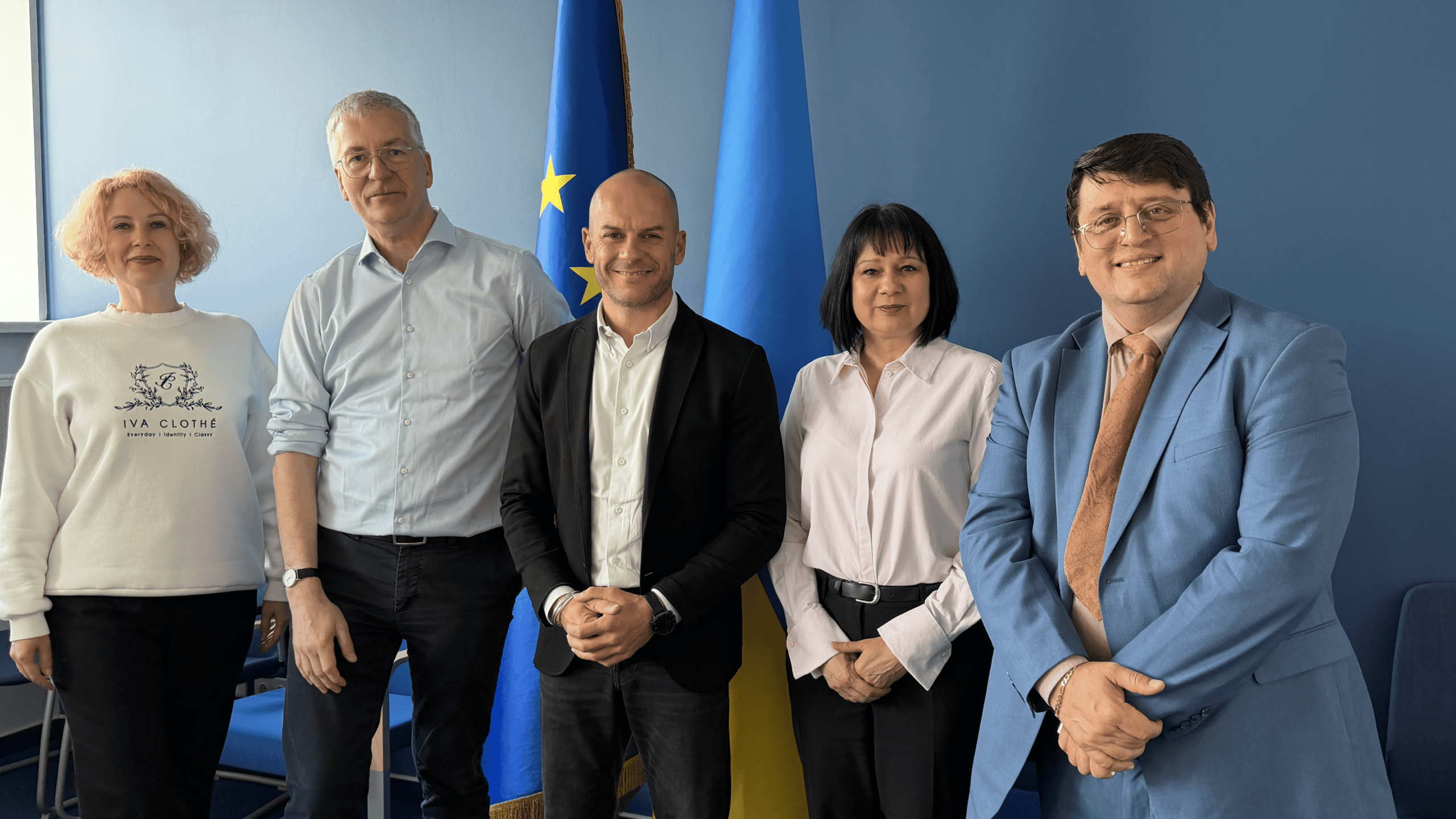
Four years ago, uncertainty dominated every conversation. As Mayor Klitschko recalled, no one believed this war would last this long. Today, the war continues, but Ukrainians translate everyday fear and uncertainty into resilience, determination, and preparedness. I, as everyone, was amazed by how Local communities have adapted and stood firm, and to see the great value of international solidarity.
– Fabrizio Rossi, CEMR Secretary General
For more information, contact:

Project officer – Communications & Events