G7

Twinning REALISE - News 2024

Urban alliance formed to support German G7 Presidency


The Association of German Cities (DST, a CEMR member), ICLEI and the Global Parliament of Mayors have launched an urban alliance to accompany the German G7 Presidency. The alliance will support the G7 Presidency programme and provide urban perspectives throughout.

The German G7 Presidency began at the beginning of 2022 and will culminate with the G7 summit on 26-28 June in Schloss Elmau (Bavaria). For more information on the urban alliance, please consult the press releases of ICLEI (in English) and DST (in German).

Cohesion report 

Cohesion Policy Study - News 2023

8th Cohesion Report: What Cohesion Policy after 2027?


On 28 February-1 March, ministers responsible for Cohesion Policy in all EU member States meet to exchange on the 8th Cohesion Report, which was presented by Commissioner Elisa Ferreira on 9th February. CEMR secretariat and the Chair of the expert group on territorial cohesion participate in the informal ministerial meeting as observers.

For CEMR, the publication of the 8th Cohesion report is launching a reflection on what should the Cohesion Policy look like in the future, in particular in the next programming period 2028-2034. It is an opportunity to share local and regional governments’ aspirations for a stronger Cohesion Policy that effectively reduce territorial disparities in Europe.

Strenghening European social, economic and territorial cohesion and reducing disparities between the levels of development of the various regions are objectives of the European Union enshrined in the Treaties (Art 174, 175 of the TFEU). To achieve these objectives, the main instruments are the European structural and investment funds (Cohesion funds) such as the European Regional Development Fund, the European Social Fund or the European Agricultural Fund for Rural Development. The publication every three year of a Cohesion Report is also a requirement of the treaties to assess the progresses made and achievements of EU Cohesion policy.


Mitigated results

In this latest Cohesion report, we understand that EU Cohesion Policy remain effective to support less developed regions catching up and reducing territorial and social disparities. Another key finding is that Cohesion Policy proved helpful responding to the COVID-19 health and economic emergency thanks to more flexibility to redirect Cohesion funds to the most critical sectors. This showed that Cohesion Policy have the potential to adapt and answer emerging challenges. Although the report recall that it should nowreturn to its core mission of reducing regional disparities and promoting long-term regional development.
On the less positive sides, many inequalities still remain and there seem to be a stagnation trend in the growth of most developed regions. The drivers of economic growth still remain concentrated in more developed regions and urban areas; employment disparities remain larger than before 2008; road and rail transport performance are lower in border regions; and demographic change, especially ageing is confirmed throughout Europe. In 2020, 34% of the EU population lived in a shrinking region, this is projected to reach 51% in 2040.

As many of these challenges affect in particular rural areas and border regions, it is likely that, following up the long-term vision for the EU’s rural areas, the future Cohesion Policy should bring specific attention to these territories, building also on small and medium sized cities to become a development center for the broader territory around them.

European semester and reform of the EU economic governance

The future of the Cohesion Policy will be closely linked with the discussions on a possible reform of the EU economic governance framework and of the European Semester. Both have been shaken due to the unprecedented COVID-19 crisis, that compelled the EU and Member States to suspend the rules limited debts and controlling public spendings.
Indeed, the report showed that Cohesion Policy helped maintain public investments in the EU against the contradictory requirements of limiting Member States’ investments and spending that prevailed following the 2008-2009 economic crisis. Today the paradigm has totally shifted, with a general understanding that to achieve recovery and the green and digital transitions, Europe will need massive public and private investments in the coming years. Local and regional governments will have to be on board and will need their investment capacities to be strengthened

Recentralisation vs multi-level governance and Partnership Principle  

From the report we understand that the future cohesion policy may focus in particular on climate change and environmental transition, connectivity and technological transformations, diversification of economic activities, the demographic challenge and democracy and trust in the EU.

On this later dimensionthe Commission identifies that territorial instruments that engage local actors and the Partnership Principle can help address pressure on democracy by increasing ownership of European policies. However, this acknowledgement of the need for multi-level governance of EU funds and policies and the recognition that municipalities and regions are the level of government the most trusted throughout European countries comes in contradiction of the recent trend of the EU to recentralize the management of its funds and policies back to Member States.

With the new programming period 2021-2027 we have seen this tendency confirmed: from the National CAP strategic plans, to the national Recovery and Resilience Plans, and upcoming National Climate Social plans; the Commission is giving the Member States increasing leeway to develop their investment strategies with no mandatory requirement to involve local and regional governments or civil society in these decisions. This trend is in total contradiction with the Partnership Principle, and it remains to be seen how the new concept proposed by the European Commissioner for cohesion and reform of “do no harm to cohesion policy” will effectively be applied throughout all the other EU policies that have an impact on territorial development and at the local level. 

Solidarity for Ukraine

European local and regional governments stand in support and solidarity with their peers in Ukraine


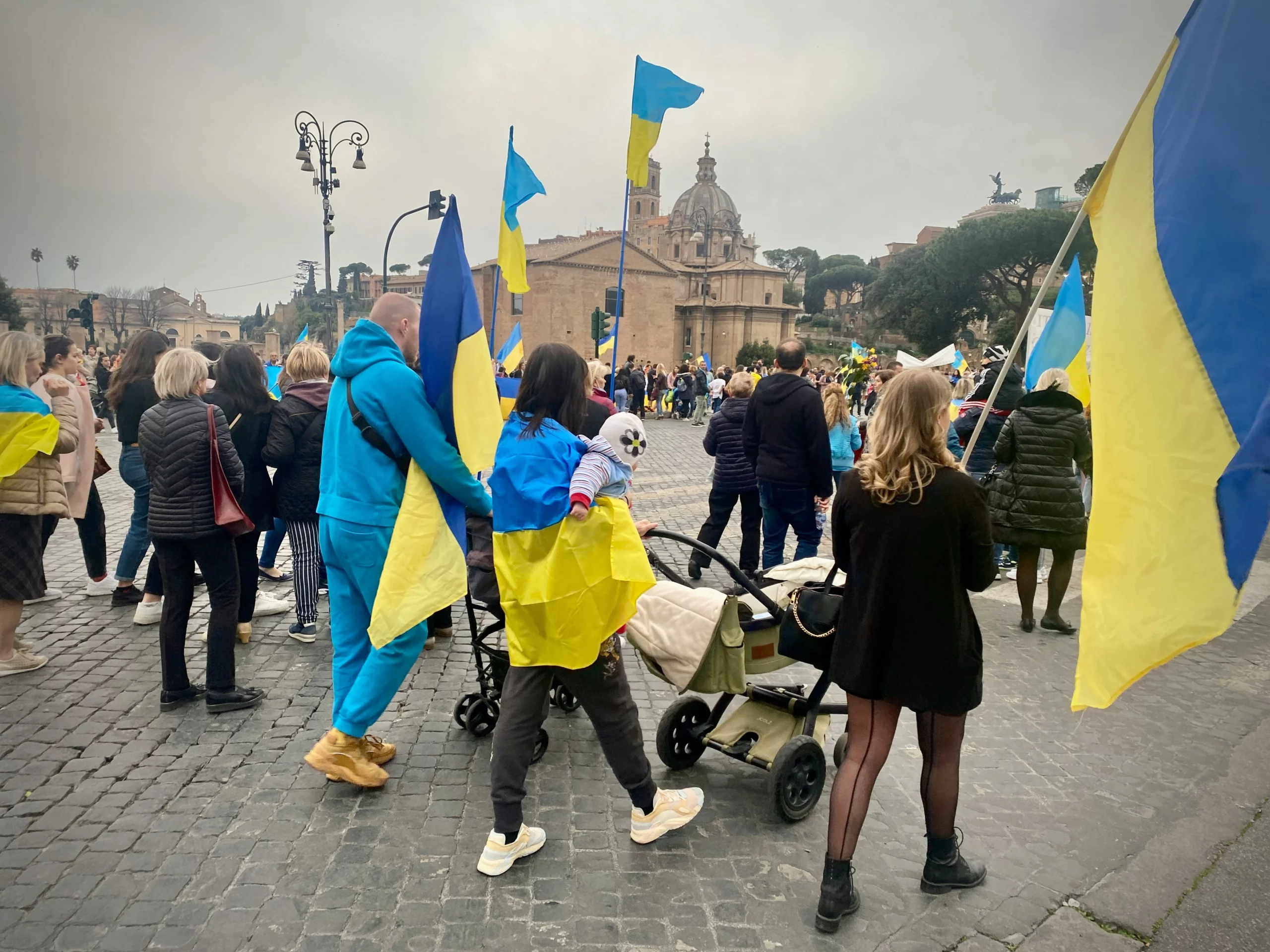
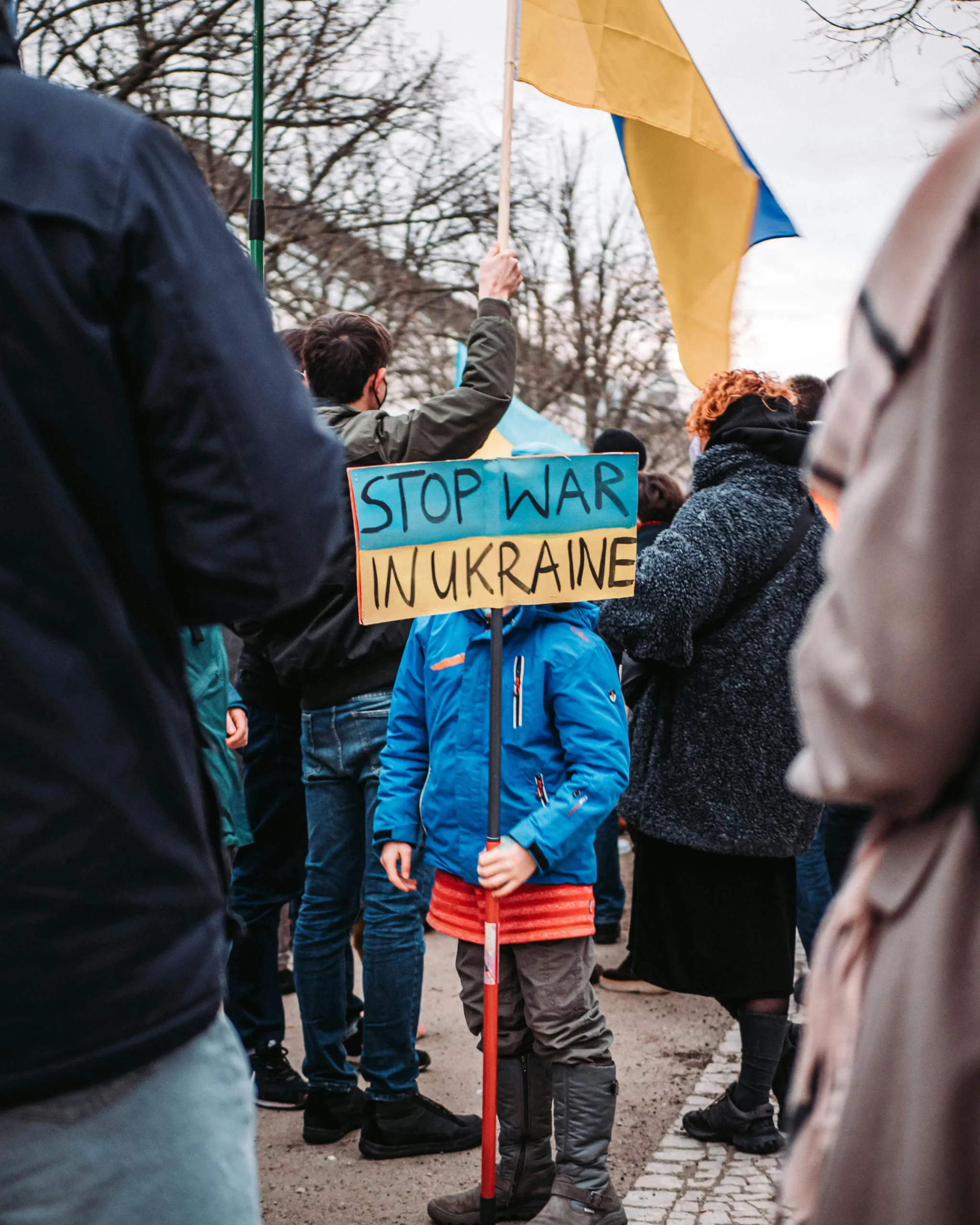
In a statement issued by the CEMR on 24 February 2022, local and regional leaders across Europe, strongly condemn the multiple attacks and violations of the territorial integrity and sovereignty of Ukraine. They express their full support and solidarity to the Ukrainian people and their peers in local and regional government.

Expressing their views on the situation, CEMR President Stefano Bonaccini, CEMR Spokesperson on International Affairs Carola Gunnarsson and CEMR Executive President Jan van Zanen said: “We will not accept that our European values and integrity be attacked again by the Russian Federation after the violation of Georgian territories by Russia in 2008. We are firmly opposed to the dismemberment of a free and democratic state in Europe.”

They call on local and regional governments throughout Europe to endorse the statement by filling out this form.

To date, CEMR collected 795 signatures from 23 European countries.

The full statement:

We, local and regional leaders across Europe, strongly condemn the multiple attacks and violations of the territorial integrity and sovereignty of Ukraine. We express our full support and solidarity to the Ukrainian people and our peers in local and regional government. We will not accept that our European values and integrity be attacked again by the Russian Federation after the violation of Georgian territories by Russia in 2008. We are firmly opposed to the dismemberment of a free and democratic state in Europe.

The escalation of violence, repeated bombings and attacks on Ukrainian cities and territories are a serious threat to the preservation of peace and democracy across Europe. We call on the Federation of Russia to cease its attack, to leave the national territory of Ukraine, to respect all international treaties and fundamental principles of international law and to recognise the full sovereignty of Ukraine over all its territories, including Donbas and Crimea.

Firmly convinced of local democracy and city diplomacy, based on the values of peace that unite our municipalities across Europe since 1951, we stand by the Ukrainian municipalities, cities, hromadas, districts, raions and their representative associations. They are in the front line to protect the population and provide basic services to offer them good quality living conditions and daily survival. The destruction of infrastructure by the belligerents jeopardises the efficient and safe maintenance of basic public services provided by Ukrainian local and regional governments to their citizens.

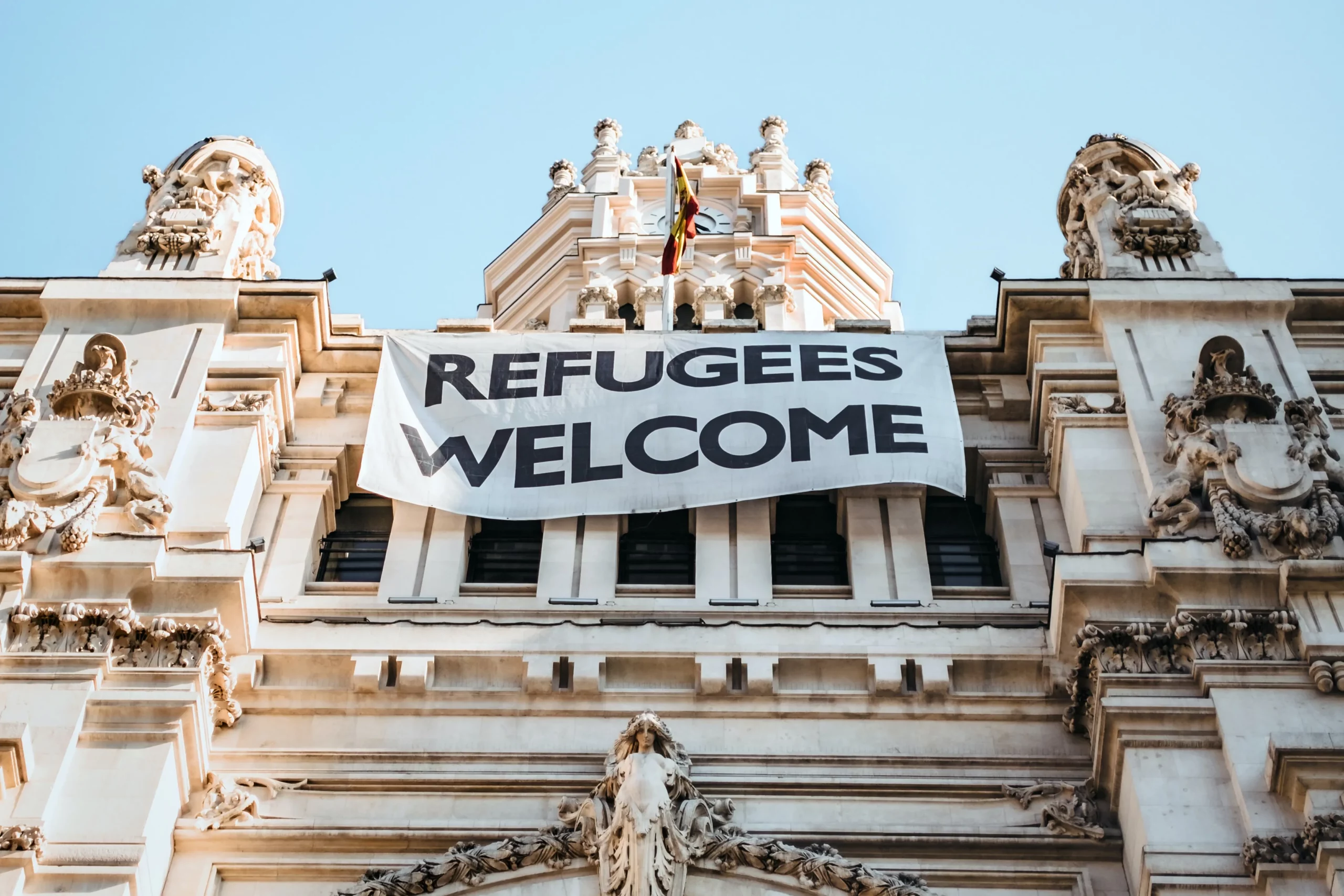
As European local and regional governments, representing 60 national associations across 40 European countries, including Ukraine, we will continue to work to support them in their efforts. Not only are we ready to support our peers in the country with the materials and expertise they may need in the days and weeks to come. Municipalities and regions will probably have to face soon the human consequences of such a tragedy for Europe, probably resulting in a flow of humanitarian refugees. Coordination with our national governments will be essential. 

As the European section of UCLG, let us hope that city diplomacy will soon unite us all again!

Local support to Ukraine 

Mayors in Ukraine - News 2023

European local and regional governments denounce Russia’s aggression and pledge solidarity with Ukrainian communities 


European local and regional governments have expressed their strongest condemnation of Russia’s repeated attacks and violations of Ukraine’s sovereignty and territorial integrity. They reject any attempt to dismantle a free and democratic state in Europe, stressing that these acts threaten peace and democracy across the continent. 

Solidarity with Ukrainian Communities 
Mayors, councils, and regional leaders stand firmly with their peers in Ukraine, municipalities, hromadas, districts, and their associations, who remain on the frontline providing essential services to citizens under the constant threat of bombings and destruction of infrastructure. 

Commitment to Support 
Local and regional governments across Europe, representing 60 national associations in 40 countries, commit to offering Ukrainian communities the materials, expertise, and assistance needed to face the ongoing crisis. They also prepare to respond to the humanitarian consequences, including the likely arrival of refugees, in close coordination with national governments. 

City Diplomacy for Peace 
Rooted in a tradition of local democracy and city diplomacy since 1951, European municipalities reaffirm their belief in peace and cooperation. They call on Russia to cease its aggression, withdraw from Ukraine, including Donbas and Crimea, and respect international law. 

Looking Ahead 
Despite the violence, local leaders remain convinced that diplomacy between cities can once again be a powerful force for unity, peace, and rebuilding across Europe. 

Read the declaration here 

For more information, contact: 

#DemocracyUnderPressure

Belarus - News 2022

CEMR joins 2022 campaign for democracy in Belarus


The Council of European Municipalities and Regions (CEMR) joins this year’s campaign on #DemocracyUnderPressure in Belarus initiated by the Young European Federalists (JEF). During last year’s campaign, many European cities lit up their town halls in white-red-white, the colours of the flag of free Belarus. The following statement has been adopted by CEMR.

We support the Belarusian people’s wishes for a peaceful democratic transition in the country at all levels – including making local governance systems more democratic. This process follows the Presidential elections of August 2020, which were neither free nor fair.

CEMR recallslast year’s statement and urges the EU institutions and national governments to strengthen assistance to Belarusian civil society, including to organisations promoting local democracy and municipal autonomy, which are a genuine training ground for democratic citizenship and the rule of law.

We express our solidarity towards border cities and regions in Latvia, Lithuania and Poland and we welcome the European Commission’s proposition on the temporary legal and practical measures to address the emergency situation at the EU’s external border with Belarus.

We ask our members, like last year, to illuminate their public buildings in the colour of the Belarusian flag on 25 March unofficial day of freedom in Belarus, celebrated annually by the democratic opposition.

European Bauhaus

Environment - News section

Win a prize for your sustainable, aesthetic and inclusive projects


Do you have a finished project or a new concept for local solutions that are aesthetic, sustainable and inclusive? If so, be sure to apply for the New European Bauhaus Prize 2022 before 28 February 2022 at 19:00 CET.

This prize, which is open to local and regional governments, rewards excellent projects completed within the last two years, as well as concepts or ideas from young talents aged 30 or less.

These projects and concepts can enter in the following categories::

  • Reconnecting with nature
  • Regaining a sense of belonging
  • Prioritising the places and people that need it most
  • Shaping circular industrial ecosystems and supporting life-cycle thinking

Winning projects will receive up to €30,000, while concepts can win up to €15,000.

For more information, check out the guide for applications, available in English as well as other official EU languages on the New European Bauhaus website.

Statement on Ukraine 

Mayors in Ukraine - News 2023

European municipalities and regions stand by Ukrainian local governments


In a declaration adopted on 14 February 2022, the Council of European Municipalities and Regions condemns unprovoked Russian military build-up on the Ukrainian border towns and regions and continued threats against Ukraine in recent months.

We express our deep concern over the current developments around Ukraine, which pose new threats to Ukraine and regional peace, security, and democracy.

Indeed, faced with the tense security situation, Ukrainian local governments are affected and obstructed from creating democratic development of their cities and regions, from proper functioning of local public services, and from taking care of their citizens. Furthermore, due to the tense security situation, implementation of decentralisation and public administration reforms could be restricted, which is categorically unacceptable.

We express our solidarity with the people of Ukraine, local and regional governments, especially in the East of the country, who have suffered greatly since 2014 as a result of the war, and are now living under daily threats of the military offensive against Ukraine while simultaneously continuing to innovate and reform the country.

We reaffirm our full and unwavering support for the independence, sovereignty, and territorial integrity of Ukraine and all Eastern neighbourhood countries within their internationally recognized borders. These principles are enshrined in international agreements of which Russia is a signatory, form the basis of European security, and cannot be revised.

We welcome the European Commission’s recent emergency macro-financial assistance package to Ukraine. We urge the EU institutions and national governments to be united, speak with one voice, and strengthen assistance to the Ukrainian local governments. They are in direct contact with the citizens and continue to provide all public services under the threat of conflict and energy blackmail.

CEMR, with Europe’s municipalities and regions, will continue to support Ukrainian local and regional governments and their associations. We will continue supporting the development of Ukraine through its contribution to decentralised cooperation, the growth of city-to-city and region-to-region ties.

To know more about how local government works and operates in Ukraine, discover its country profile in our TERRI Report.

Rights and values

Democracy - News Section

Discover the “rights and values” programme for the period 2021-2027


The presidency of the Council and the European Parliament reached a provisional political agreement on the rights and values programme for the period 2021-2027.

Funding through this programme aims at protecting rights and values enshrined in the EU treaties in order to sustain open, democratic and inclusive societies. It will have a substantial overall budget of maximum €1.55 billion.

The programme will have a budget of €641.7 million, with an additional allocation of maximum €912 million and it sets out four specific objectives:

  • to promote equality and rights, including gender equality, anti-discrimination and the rights of children
  • to promote citizens engagement and participation in the democratic life of the EU and to raise awareness of the common European history
  • to fight violence, notably against children and women
  • to protect and promote EU values

The newly introduced objective to protect and promote EU values will receive a substantial allocation of € 689.5 million. An amount of € 91.2 million will be left unattributed so as to be able to tackle any emerging needs and future challenges.

To achieve this, the programme will support civil society organisations and other stakeholders active at local, regional, national and transnational level, and encourage civic and democratic participation.

The provisional political agreement reached today will have to be approved by the European Parliament and the Council. The necessary steps will be undertaken at the beginning of next year.

Twinning funds

Twinning - News

Get funded for town twinning and networks of towns


Do you want to set up a town twinning or a network of towns? The EU’s CERV programme (Citizens, Equality, Rights and Values) can provide up to 30,000 euros for town twinnings and financing with no upper bound for networks of towns.

You have until 24 March 2022, 17:00 CET, to send your request for funding. The results will be shared between June and July 2022 after evaluation of the proposals.

An information session will be held on 8 February between 10:00 and 12:00 (in English). The session aims to explain the content and conditions of the call for proposals, as well as giving participants space to ask questions. You can else get directly in touch with your national CERV contact point.

Call for contractor 

BoT Expertise - News 2023

CoM SSA is looking for a contractor to organise events and to work on two studies


The Covenant of Mayors in Sub-Saharan Africa (CoM SSA) is looking for a contractor to provide support in the organisation of capacity building and advocacy events and the coordination and editorial of two project publications:

– Local Climate Action Advocacy in Sub-Saharan Africa
– Capacity-building for Local Government Associations: lessons learned

The bids, and any other communication related to the tender, shall be sent to the e-mail address application@ccre-cemr.org with COMSSA in the subject. Interested consultants shall submit their bids no later than by 22 February 2022 – 12h00.

Check the full Terms of Reference.